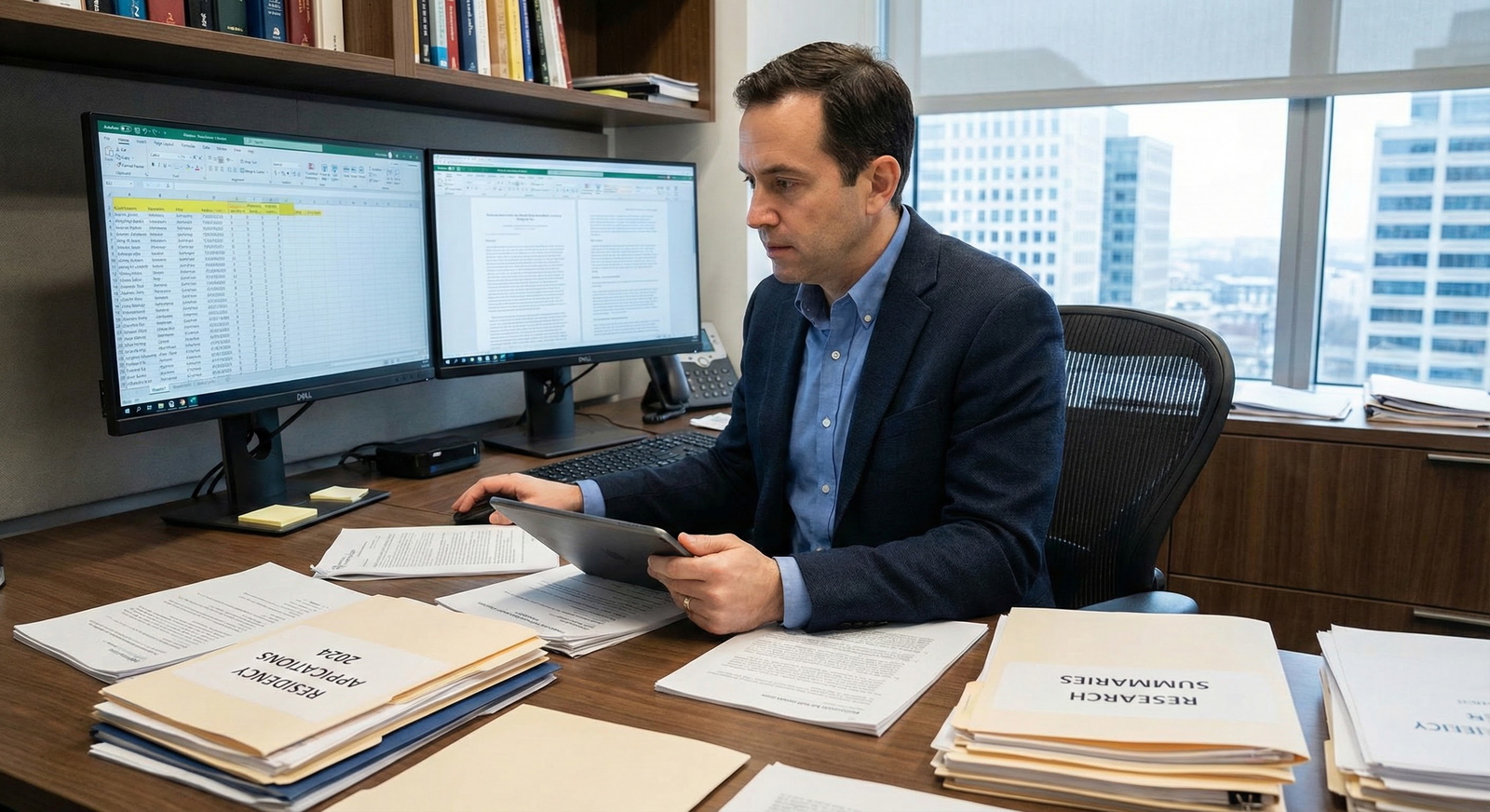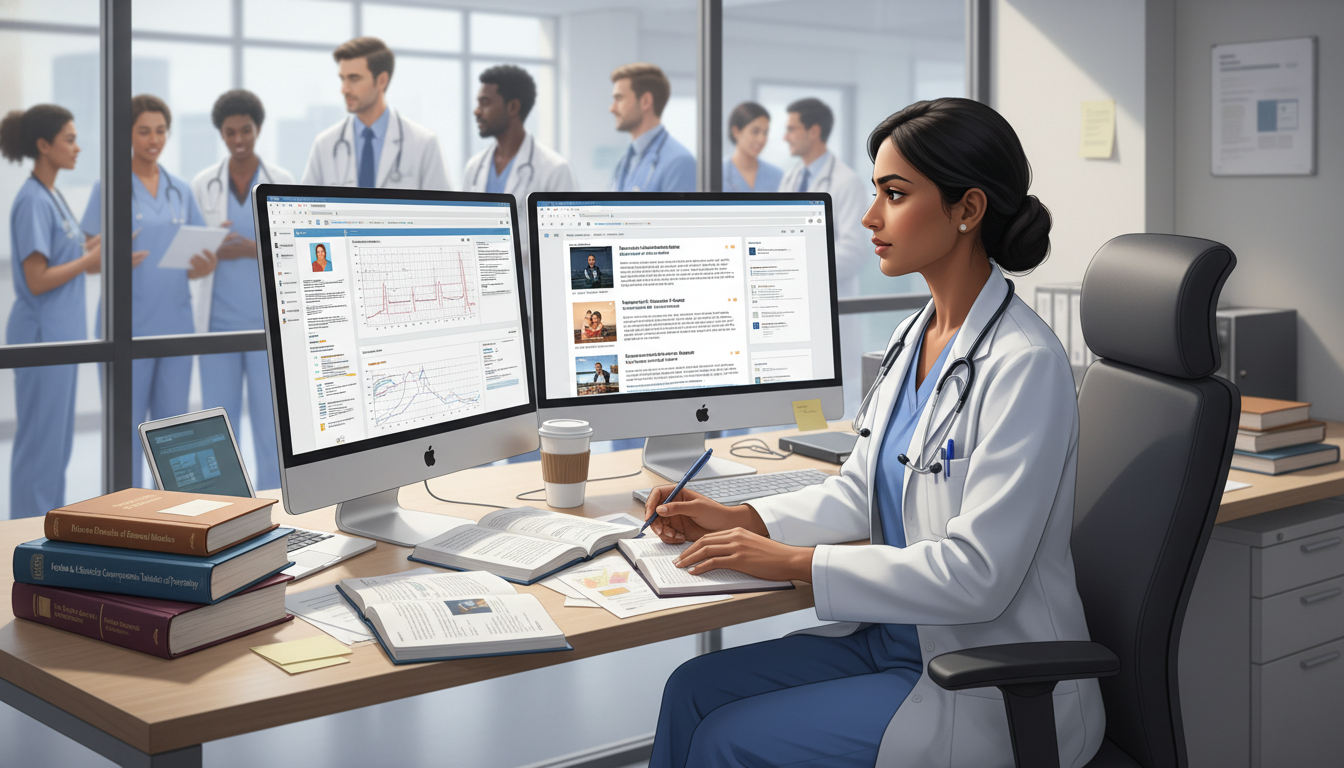
Understanding the Research Landscape for US Citizen IMGs in Interventional Radiology
Interventional Radiology (IR) is one of the most competitive and research‑driven specialties in modern medicine. For a US citizen IMG or an American studying abroad, a strong research portfolio is often the difference between a marginal and a compelling IR match application.
Programs use research to gauge:
- Your genuine interest in IR
- Your ability to think critically and work in academic teams
- Your potential as a future educator, innovator, and leader
As a US citizen IMG, you face specific challenges:
- Limited access to US‑based mentors early in training
- Less structured research pipelines compared with many US medical schools
- Fewer built‑in opportunities for IR‑focused scholarly work
The good news: you can absolutely build a competitive research profile with thoughtful planning and focused effort. This article walks through a step‑by‑step strategy tailored specifically for US citizen IMGs aiming for interventional radiology residency, with practical tips on research for residency, publications for match, and how many publications are typically needed or helpful.
What Makes a Strong IR Research Profile for a US Citizen IMG?
Before you start chasing projects, you need to understand what “strong” looks like in this context.
1. Depth vs. Breadth in IR Research
For interventional radiology residency, program directors usually value depth of interest in IR (or at least radiology-heavy topics) over a purely scattered list of non‑related projects.
Valued areas include:
- IR procedures (embolization, ablation, vascular interventions, interventional oncology)
- Radiology/imaging outcomes, quality improvement (QI) in IR workflows
- Device development, access routes, image‑guided therapy innovations
- Outcomes research in conditions commonly treated by IR (PAD, HCC, PE, DVT, uterine fibroids, trauma, etc.)
Breadth still matters—especially showing productivity across multiple types of projects—but aim to anchor your portfolio with a clear interventional or imaging thread.
2. Types of Scholarly Work That Count
Programs value more than just PubMed‑indexed original research. For IR match, the following all build your portfolio:
- Original research (prospective or retrospective clinical studies, translational, or basic science)
- Case reports and case series (especially with IR procedures or imaging findings)
- Review articles or narrative reviews (IR techniques, disease‑focused reviews, complications, etc.)
- Book chapters (in IR, diagnostic radiology, or related specialties)
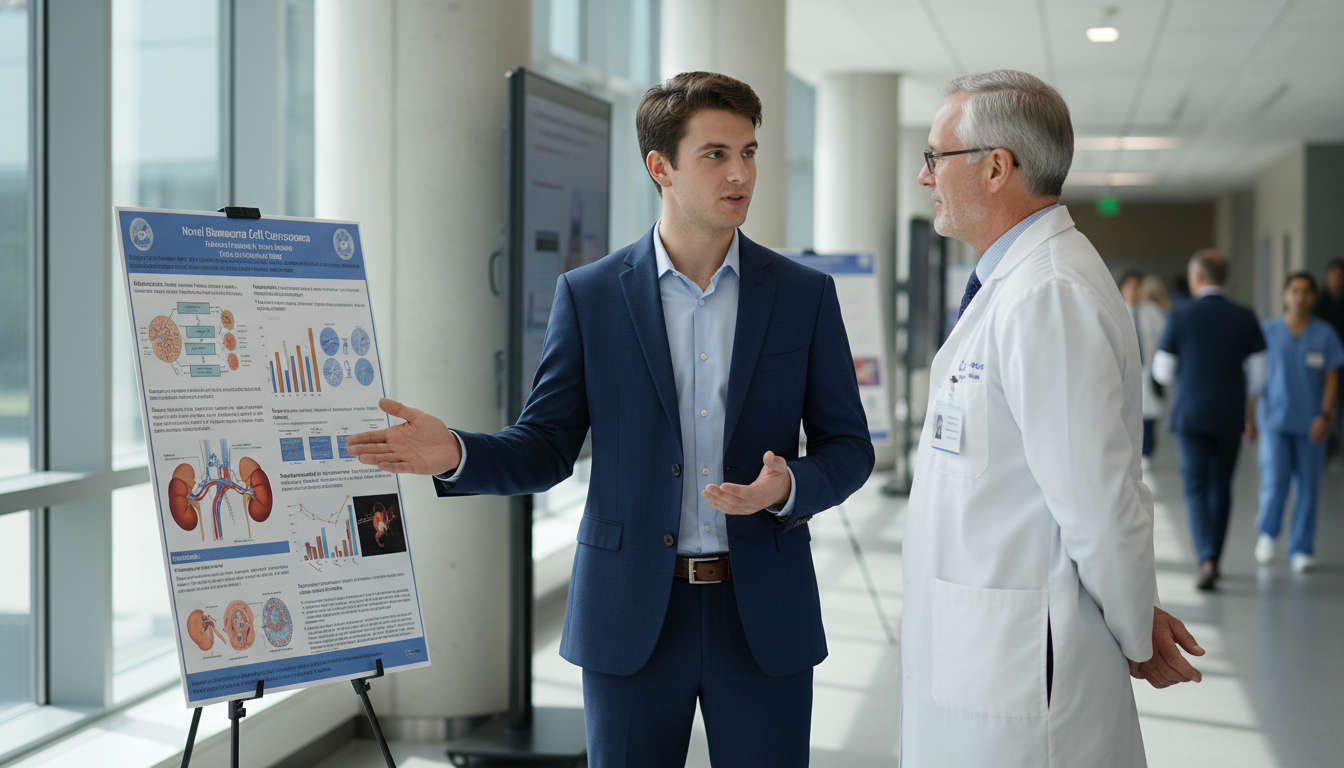
- Conference abstracts and posters (SIR, RSNA, ARRS, local or regional meetings)
- Oral presentations (institutional research days, national conferences)
- Quality improvement projects (workflow optimization, radiation dose reduction, procedural outcomes)
- Educational scholarship (IR curricula, simulation, or educational research)
All of these fall under “research for residency” from the perspective of program directors.
3. How Many Publications Are “Enough” for IR?
There is no magic number, and the answer depends on the competitiveness of the programs you’re targeting and the rest of your application (Step scores, clinical marks, letters, etc.). However, for a US citizen IMG pursuing interventional radiology residency:
- Competitive but realistic target:
- 3–5 total scholarly products with your name on them by ERAS submission
- Aim for at least 1–2 items clearly related to IR or imaging
- To stand out at top‑tier academic IR programs:
- 6–10+ total scholarly products (including abstracts, posters, and manuscripts)
- Multiple IR‑focused works, ideally with at least one publication or accepted abstract at a major IR or radiology meeting
This does not mean you must have 10 full PubMed‑indexed papers. “Publications for match” in most program director surveys count:
- Abstracts
- Posters
- Presentations
- Conference proceedings
- Non‑PubMed journal publications
When you ask yourself “how many publications needed,” think in terms of:
- Total scholarly products (a broader bucket)
- Number of IR‑relevant projects (signal of specialty commitment)
- Evidence of progression and ownership (not just name‑added coauthorship)

Stepwise Strategy: Building Your IR Research Profile as a US Citizen IMG
Step 1: Clarify Your Timeline and Application Path
Most aspiring IR physicians apply via:
- Integrated IR residency (IR/DR) directly from medical school, and/or
- Diagnostic Radiology residency with the plan to pursue an independent IR residency or ESIR later
As a US citizen IMG or American studying abroad, you must align your research timeline with:
- USMLE Step schedule
- Clinical rotations in the US (electives/observerships)
- ERAS application date (usually September)
Ideal timing for research:
- Pre‑clinical years (or early years abroad): Start remote or local research projects, literature reviews, or data‑light work.
- Dedicated research year (optional but powerful): A gap year between basic and clinical years or before applying can significantly boost your IR match chances if used effectively.
- Clinical years: Combine US clinical experiences with on‑site research, ideally in IR or radiology departments.
Step 2: Secure Mentors—Even From Abroad
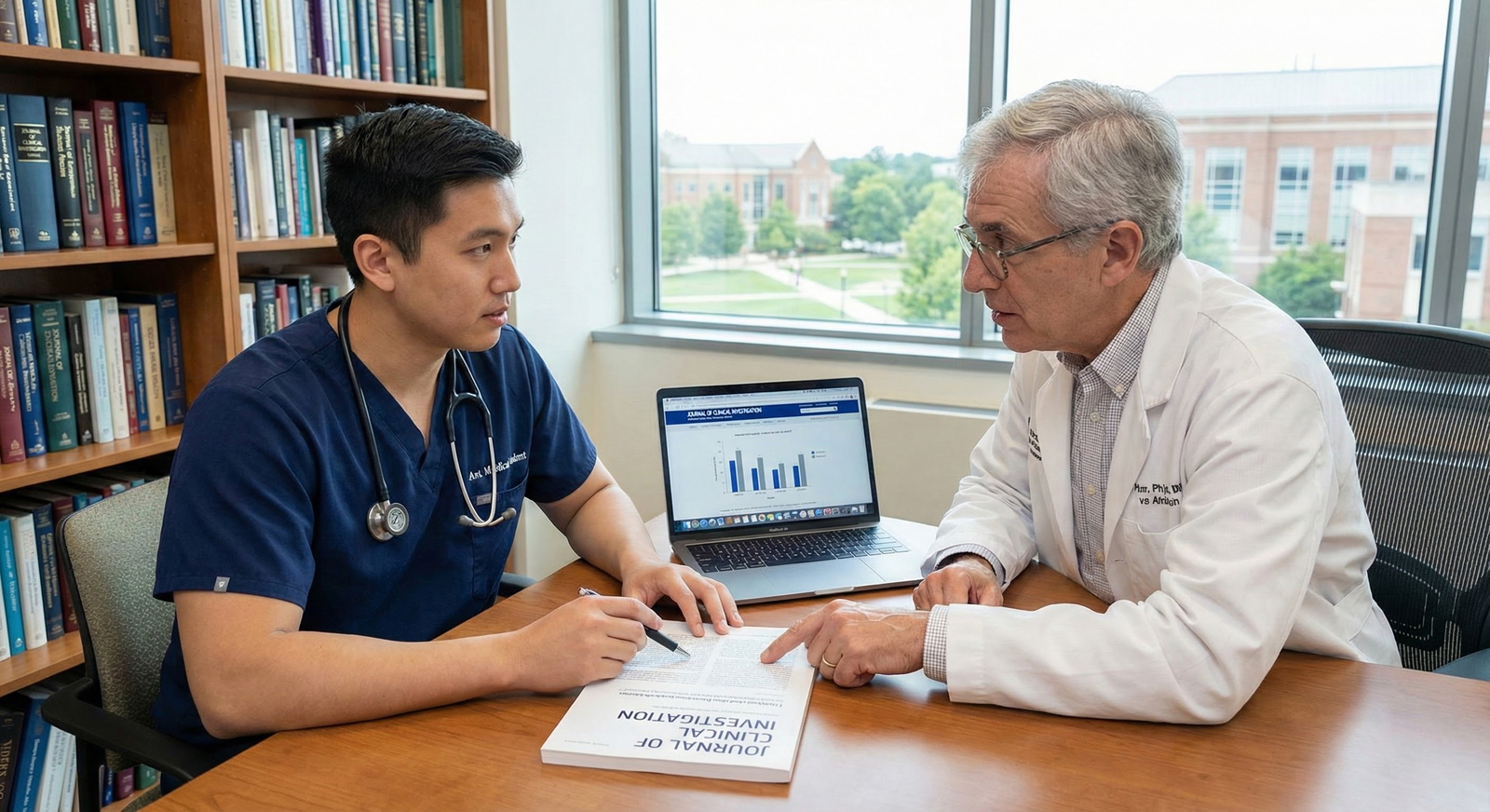
Mentorship is the single most important factor in building a research profile.
A. Finding IR and Radiology Mentors in the US
As a US citizen IMG, your priority is to connect with US‑based IR or radiology faculty even before you physically arrive.
Strategies:
- Email IR divisions at major academic centers where you hope to rotate or apply:
- Introduce yourself briefly (US citizen IMG, school, year, IR interest)
- Mention specific IR topics you’re interested in
- Express willingness to help with ongoing projects remotely (data collection, charts, literature review)
- Use SIR (Society of Interventional Radiology) resources:
- Join as a medical student member
- Look for mentorship programs, student‑resident‑attending pairing
- Attend virtual student symposia and networking events
- Connect via LinkedIn or X (Twitter):
- Follow IR attendings and research‑active radiologists
- Engage with their posted work (comment, ask intelligent questions)
- Send professional messages expressing interest in research collaboration
B. Leveraging Local (Non‑US) Mentors
If you’re an American studying abroad:
- Seek radiology, vascular surgery, oncology, or cardiology faculty at your school who are research active.
- Emphasize the relevance of IR:
- Vascular procedures, image‑guided biopsies, oncology interventions—these all intersect with IR.
- Even if the institution lacks an IR department, projects in related areas still strengthen your analytic and scholarly skills.
Combining local mentors for feasibility and US mentors for visibility in the IR match is ideal.
Step 3: Choose Feasible, High‑Yield Project Types
As a US citizen IMG with time and geographic constraints, prioritize projects that are:
- Realistic to complete remotely or in limited clinical windows
- Capable of producing at least an abstract or manuscript within 6–12 months
High‑yield options:
A. Retrospective Chart Reviews (Clinical IR/Radiology Projects)
These are often the backbone of early scholarly work:
- Examples:
- Outcomes of patients undergoing TACE for HCC at a single center
- Complication rates after percutaneous nephrostomy vs. ureteral stenting
- Radiation dose analysis in CT‑guided biopsies
- Your role might include:
- Screening electronic records
- Data extraction and entry into spreadsheets
- Literature review and initial data analysis with supervision
Why effective:
- Data already exists; no need to prospectively enroll patients.
- Often lead to abstracts, posters, and potentially full publications.
B. Case Reports and Case Series
Perfect for IMGs with limited data access:
- Look for:
- Unusual IR procedures
- Novel technique use
- Rare complications or outcomes
- Even as an observer on an IR elective, you can:
- Identify interesting cases
- Discuss with attendings about writing them up
- Take ownership of the literature review and manuscript drafting
These can be published in:
- Case report journals (e.g., CVIR Endovascular case section, BMJ Case Reports)
- Educational images or brief reports in radiology journals
C. Review Articles and Educational Pieces
These are especially feasible if your access to patients is limited:
- Systematic or narrative reviews on:
- IR management of DVT/PE
- Interventional oncology advances for liver tumors
- Emerging technologies in image‑guided procedures
- Educational resources:
- “Primer on Interventional Radiology for Medical Students”
- “Approach to Peripheral Arterial Disease: Perspective for IR”
These may require:
- Strong literature synthesis
- Clear, organized writing
- A mentor to guide target journal selection and structure
D. Quality Improvement (QI) in IR or Radiology
QI projects can be highly attractive to program directors:
- Examples:
- Reducing time from ER presentation to IR procedure for hemorrhage control
- Standardizing pre‑procedure checklists to reduce contrast nephropathy
- Optimizing follow‑up imaging protocols after ablation
QI often leads to:
- Internal presentations
- Posters at SIR or radiology meetings
- Manuscripts if designed rigorously
Step 4: Establish a Work System to Produce Steady Output
Once you have mentors and projects, your goal is consistent productivity rather than chaotic bursts of activity.
A. Weekly Research Structure
- Assign fixed research blocks (e.g., 6–8 hours/week) even during heavy coursework.
- Use a simple structure:
- 1–2 hours: reading and note‑taking (IR articles, guidelines)
- 2–3 hours: data extraction or analysis
- 2–3 hours: writing or revising sections of a manuscript, abstract, or poster
B. Learn Basic Tools
Invest early in:
- Reference managers: Zotero, Mendeley, or EndNote
- Data tools:
- Excel or Google Sheets for early data handling
- Basic SPSS / R / Stata exposure if possible
- Document collaboration: Google Docs, Overleaf (for LaTeX), shared drives
Even at a basic level, familiarity with these tools makes you more attractive as a research assistant to busy IR faculty.
C. Document Your Contributions
From day one, log:
- Project title
- Your role (data collection, first author, coauthor, abstract preparation, etc.)
- Deliverables and dates (submitted abstract, accepted poster, published manuscript)
This makes it easier to:
- Accurately fill in ERAS with research experiences
- Demonstrate progression and leadership
- Avoid underreporting your work due to forgotten details
Maximizing Visibility: Conferences, Presentations, and Networking
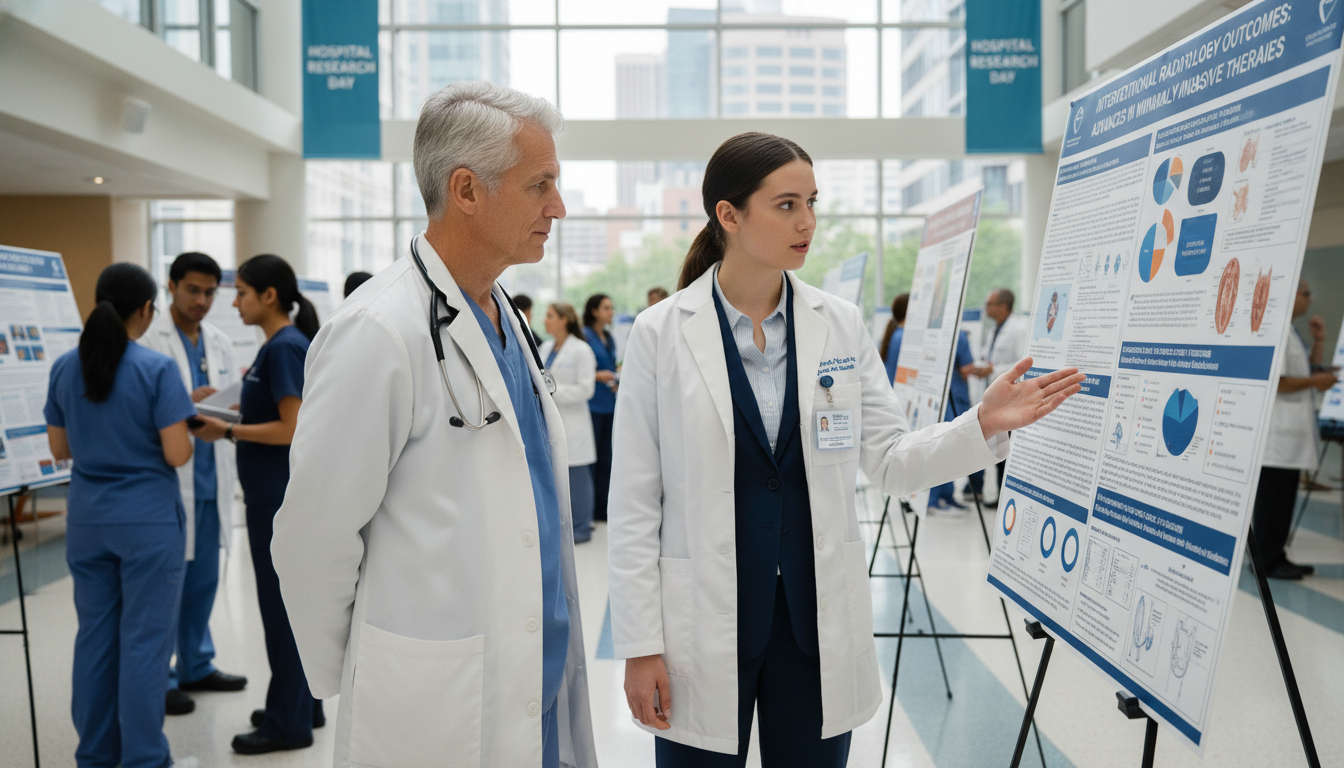
Research alone is valuable; research that is seen is transformative for your IR match.
Present at IR‑Relevant Meetings
Key venues for US citizen IMGs interested in interventional radiology residency:
SIR Annual Scientific Meeting (Society of Interventional Radiology)
- Top target: posters, education exhibits, oral presentations
- Student‑focused programming and networking events
RSNA (Radiological Society of North America)
- Broad radiology focus; IR abstracts well represented
- Opportunity to network with both IR and DR faculty
ARRS, AUR, and regional IR or radiology societies
- Often more approachable for first‑time presenters
- Good stepping stone to national meetings
Actionable strategy:
- Target at least 1 major IR or radiology meeting and 1–2 local/regional events during your application cycle.
- Even a single IR‑focused poster at SIR can significantly strengthen your credibility as an IR applicant.
Use Conferences to Build Relationships
At meetings:
- Attend medical student and resident networking sessions
- Introduce yourself to:
- IR residency program directors
- Fellows and residents at programs you’re targeting
- Prepare a concise “research elevator pitch”:
- Who you are (US citizen IMG, school, year)
- Your research area (e.g., interventional oncology outcomes)
- Your goal (pursuing IR residency, seeking future collaboration)
These contacts often:
- Lead to letters of recommendation
- Provide insight into specific program expectations around research and publications for match
- Help you refine how you present your research story in interviews
Integrating Research Into Your Overall IR Match Story
Research does not exist in a vacuum; it must integrate with your entire application.
Show Progressive Responsibility
Program directors look for trajectory, not just numbers:
- Start as a data collector or assistant
- Move up to:
- First author on a case report or review
- Co‑first author or substantive coauthor on a larger project
- Presenting your work at institutional or national forums
In ERAS and during interviews, emphasize:
- How your role evolved
- What you learned about study design, bias, interpretation, and IR‑specific clinical questions
- Any contributions to protocol development, IR technique optimization, or multi‑disciplinary collaboration
Align Your Personal Statement With Your Research
Your IR research should:
- Support your stated reasons for choosing IR
- Provide concrete examples of your curiosity and persistence
- Highlight exposure to IR practice (e.g., working with IR attendings on TACE outcomes taught you about the longitudinal care of oncology patients)
Example integration:
“During my retrospective study comparing outcomes after Y‑90 vs. TACE in HCC, I saw how interventional radiology could transform a complex cancer pathway. That project crystallized my commitment to IR as a specialty where I can combine image‑guided innovation with longitudinal patient impact.”
Use Research to Offset IMG‑Related Concerns
For a US citizen IMG, strong research can:
- Reassure programs you can thrive in academic environments
- Compensate somewhat for:
- Lower school name recognition
- Limited early US clinical experience
This is especially important for integrated interventional radiology residency programs that are highly academic and research‑active.
Practical Scenarios and Tailored Advice for US Citizen IMGs
Scenario 1: Early in Medical School (Pre‑clinical Abroad)
Goal: Build foundation and initial IR exposure.
Focus on:
- Joining SIR, attending virtual IR webinars and student sessions
- Emailing US IR faculty to join ongoing projects (preferably data‑light or literature‑based)
- Completing at least:
- 1–2 review articles or educational pieces
- 1 early research assistant role in a retrospective project
Outcome by end of pre‑clinical:
- You can legitimately list IR‑related research experience and possibly 1–2 accepted abstracts or in‑progress manuscripts.
Scenario 2: Clinical Years With Upcoming US Rotations
Goal: Convert upcoming US time into research plus clinical letters.
Focus on:
- Scheduling IR or DR electives at institutions where you already have research ties, if possible
- During rotations:
- Ask directly about case reports or small IR projects you can own
- Attend IR conference, tumor board, and journal club
- After returning abroad:
- Continue remote work on the same projects
- Aim for at least 1 first‑author case report or small study
Outcome by ERAS:
- Multiple documented IR projects
- US‑based mentors who know your work and can write letters referencing your research and clinical contributions.
Scenario 3: Taking a Dedicated Research Year
Goal: Maximize publications for match and build a standout IR profile.
Focus on:
- Joining a US IR department as a dedicated research fellow or volunteer scholar (many programs have formal or informal positions for IMGs)
- Taking on:
- Several retrospective studies
- 1–2 QI projects
- Case reports
- Targeting:
- SIR, RSNA, and at least one other radiology conference
- Submission of multiple manuscripts (even if some are under review by ERAS time)
Outcome:
- 5–10+ total scholarly products
- Clear IR focus, strong letters from research mentors, and a mature IR narrative for interviews.
Common Pitfalls and How to Avoid Them
Chasing Quantity Over Quality
- Problem: Many low‑impact, poorly conceived projects that never get completed.
- Solution: Prioritize a few well‑mentored projects with a realistic path to completion.
No IR or Imaging Connection
- Problem: Research entirely in unrelated fields with no clear link to IR.
- Solution: If you start in another specialty, gradually pivot toward IR‑adjacent areas, and explicitly connect lessons learned to IR in your application.
Poor Documentation and Communication
- Problem: Lost authorship, unclear roles, or stalled projects.
- Solution: Keep written records of your responsibilities, maintain regular check‑ins with mentors, and clarify next steps and deadlines.
Waiting Too Long to Start
- Problem: Beginning research only a few months before ERAS.
- Solution: Start in your early years; if late, focus on high‑yield, quickly executable projects (case reports, small retrospective analyses, reviews).
FAQs: Research Profile Building for US Citizen IMG in Interventional Radiology
1. As a US citizen IMG, how many publications do I really need for an IR match?
There is no fixed number, but as a general guide:
- Target 3–5 total scholarly works as a solid baseline, with at least 1–2 clearly IR‑related.
- For more competitive integrated interventional radiology residency programs, 6–10+ scholarly products (including abstracts, posters, and manuscripts) can help you stand out.
Quality, IR relevance, and your described role are as important as raw counts.
2. Do case reports and conference posters actually help, or do programs only care about PubMed original research?
Case reports and posters absolutely help, particularly when:
- They are IR‑focused or imaging‑related
- You are first author or a major contributor
- You present them at respected venues like SIR, RSNA, or institutional research days
Program directors recognize that IMGs often have more limited access to large databases. A thoughtful case report plus a strong presentation can be very impactful.
3. Can I build a competitive IR research profile completely remotely while studying abroad?
Yes—with planning:
- Start by joining SIR and connecting virtually with IR mentors in the US.
- Focus on projects that are feasible without physical presence: literature reviews, retrospective studies where you can access data remotely, and multi‑center collaborations.
- When you visit the US for electives, leverage those rotations for case reports and in‑person networking.
Many US citizen IMGs have successfully built strong research portfolios using mostly remote work combined with a few targeted in‑person experiences.
4. If I’m late to the game and applying soon, what are the fastest research steps that still matter?
If you’re within 6–12 months of applying:
- Prioritize IR case reports, short retrospective analyses with available data, and review articles under active mentorship.
- Aim for at least one accepted abstract or poster at an IR/radiology meeting before ERAS, even if manuscripts are still under review.
- Make your existing work highly visible on your CV and in your personal statement, emphasizing what you learned about IR and research methodology.
Building a strong research profile as a US citizen IMG in interventional radiology is challenging, but absolutely achievable. With early, intentional planning; strategic project selection; consistent effort; and proactive networking, your research experiences can become a powerful asset and a central pillar of your IR match story.