Why Research Matters So Much in Ophthalmology for US Citizen IMGs
Ophthalmology is one of the most research-driven—and competitive—specialties in the Match. For a US citizen IMG or an American studying abroad, a strong research portfolio can be the single most important factor that makes program directors take your application seriously.
Here’s why research is especially critical for you as a US citizen IMG:
- Ophthalmology programs are highly academic. Even community programs value publications, conference presentations, and intellectual curiosity.
- You start with a relative disadvantage. Many programs have a bias—implicit or explicit—toward US MD seniors. A robust research record is tangible evidence that you can perform at or above the level of US medical students.
- Research signals multiple traits at once: diligence, curiosity, perseverance, ability to work in teams, and familiarity with the US academic environment.
- Programs use research to “de-risk” you. If you’ve worked with US ophthalmology faculty and have strong letters tied to research, you appear “known and safe” to selection committees.
For an American studying abroad or any US citizen IMG, research is not just a “bonus.” It is often the key strategic differentiator that can offset school name, geographic distance, or limited home-ophthalmology exposure.
Understanding the Research Expectations in Ophthalmology
Ophthalmology is unusually research-intensive compared with many other specialties. Before you start building your portfolio, you need a realistic understanding of what program directors look for.
What Types of Research “Count” in Ophthalmology?
All of the following can strengthen your application if done well and clearly documented:
Clinical Ophthalmology Research
- Retrospective chart reviews (e.g., outcomes after a specific surgery or treatment)
- Prospective cohort studies or pilot trials
- Quality improvement projects focused on eye care
Translational / Basic Science Research
- Projects involving retinal degeneration, corneal wound healing, glaucoma pathophysiology, ocular immunology, etc.
- Working in a vision science lab or related field (e.g., neuroscience with a visual system angle)
Epidemiologic / Outcomes Research
- Big-data analyses using registries or large databases
- Vision impairment and public health, access to eye care, teleophthalmology
Educational or Global Ophthalmology Research
- Curriculum development and assessment
- Community eye screening programs and outcome tracking
- Projects from mission trips or outreach, if analyzed rigorously
Non‑ophthalmology research
- Still valuable, especially early in your path or if it demonstrates strong methodology and productivity.
- More powerful if you can articulate transferable skills (statistics, study design, writing, collaboration).
What About Case Reports and Case Series?
Case reports and small case series are low on the evidence hierarchy, but they still matter for an IMG:
- They show you can navigate the publication process.
- They give you early first-author opportunities.
- They generate discussion material for interviews.
They should supplement, not replace, more substantive work like retrospective studies or prospective projects.
How Many Publications Are Considered Competitive?
There is no single correct answer to how many publications needed for ophthalmology, but we can outline realistic ranges:
- Highly competitive US MD applicants to ophthalmology: Often 8–20+ “scholarly products” (including abstracts, posters, presentations, and manuscripts).
- Competitive US citizen IMG:
- Aim for at least 5–10 total scholarly items, with:
- 2–3+ peer-reviewed publications (ideally at least some in ophthalmology)
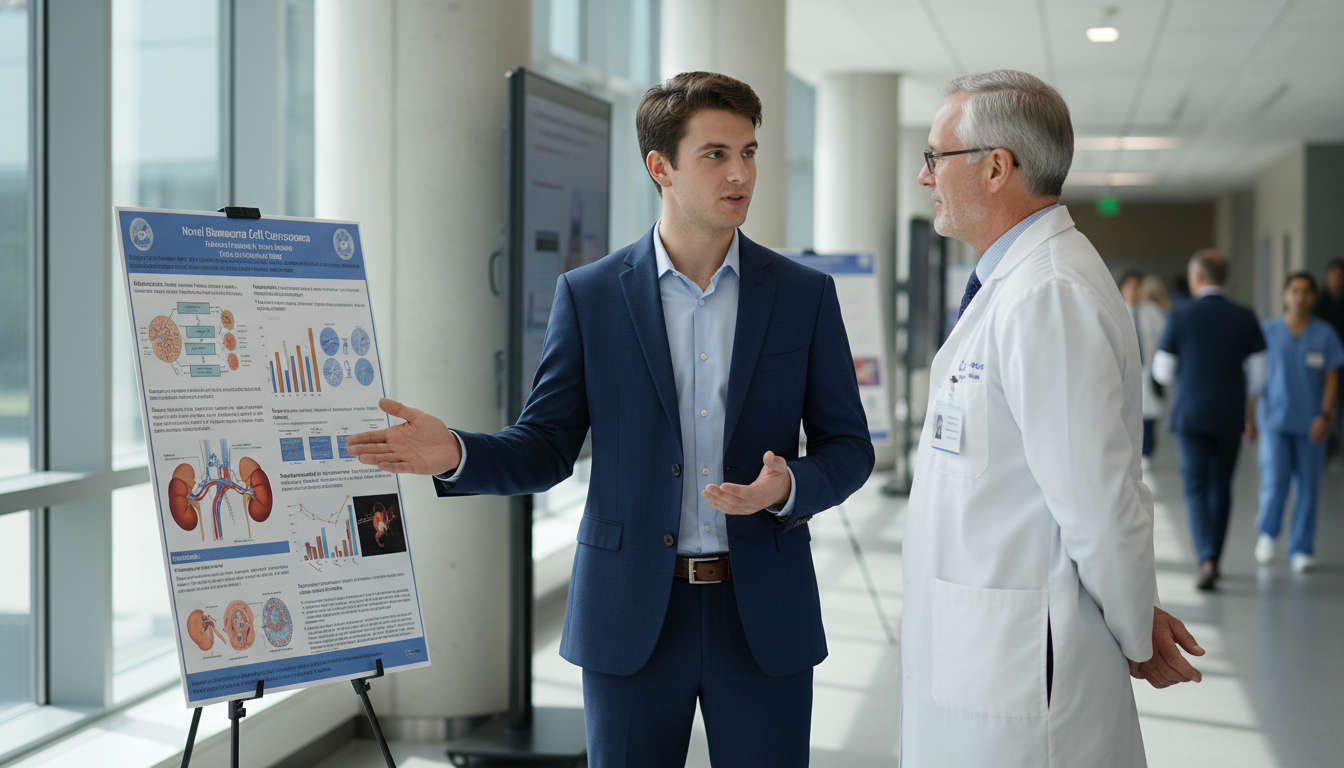
- Multiple abstracts/posters at relevant meetings (e.g., ARVO, AAO, subspecialty meetings)
- Evidence of continuous involvement over 1–2+ years
- Aim for at least 5–10 total scholarly items, with:
More important than raw count:
- Are you first author on any projects?
- Are there ophthalmology-specific outputs?
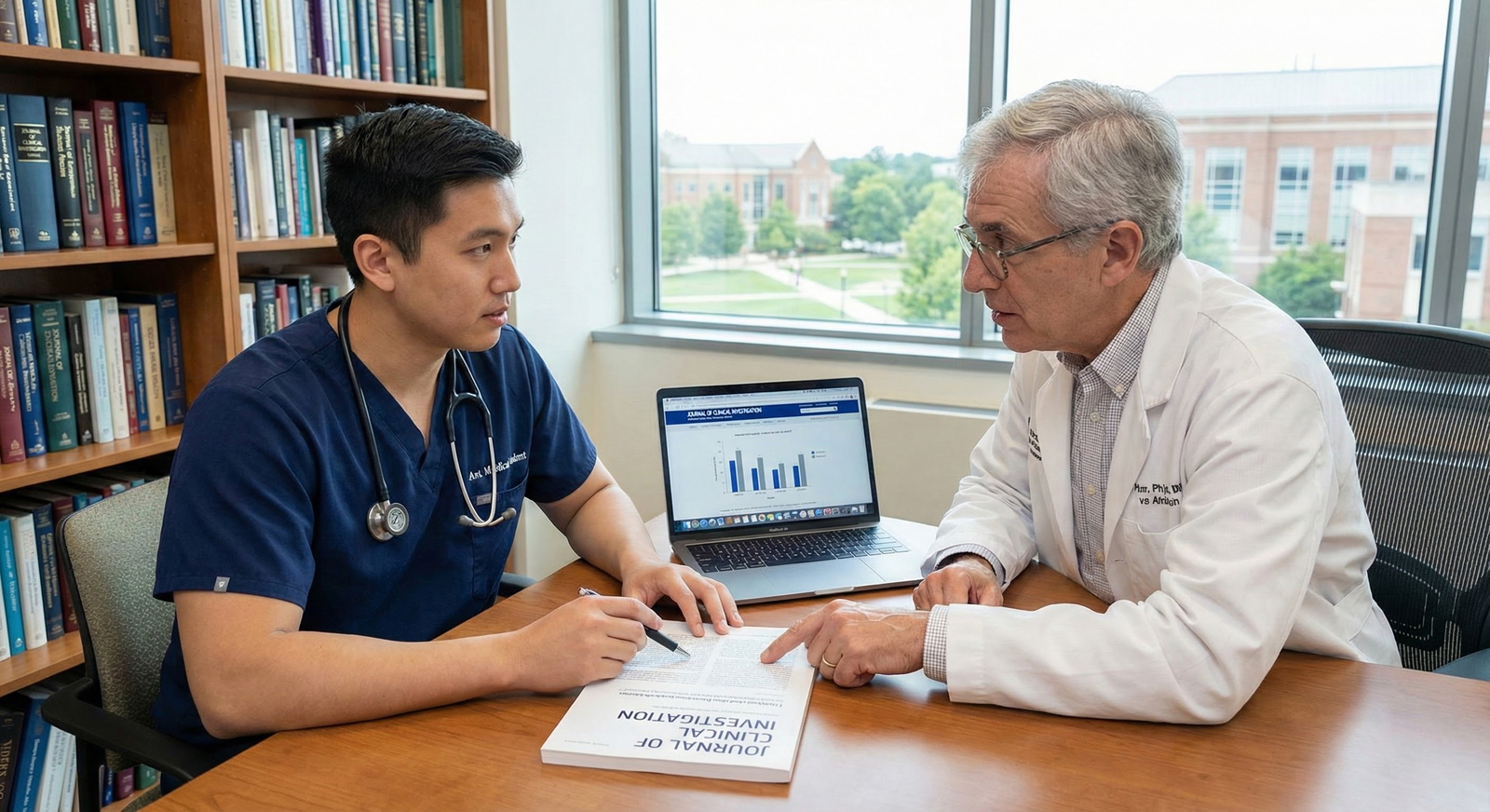
- Do you have strong letters from research mentors who know you well?
- Can you speak intelligently about your work in interviews?
If you are earlier in training and far from these numbers, don’t be discouraged—start now and build trajectory. Programs care about upward trend and seriousness.

Step-by-Step: Building a Research Profile as a US Citizen IMG
Step 1: Define Your Timeline and Strategic Goals
Your strategy depends on where you are in training and how far you are from the ophtho match.
If you are early (preclinical or early clinical years abroad):
- Main objective: Skill-building and establishing mentorship.
- Start with:
- Case reports
- Chart reviews
- Assisting with ongoing studies
- Gradually move into:
- Prospective projects
- Larger datasets
- Conference abstracts
If you are within 1–2 cycles of applying for ophthalmology residency:
- Main objective: Visible productivity and US-based connections.
- Prioritize:
- Projects likely to result in a tangible product (paper/poster) within 6–12 months.
- Working directly with US ophthalmology faculty.
- Projects that can produce letters of recommendation tied to your work.
If you have already graduated or will take a research gap year:
- Main objective: Research year that “changes your profile.”
- Aim for:
- A full-time research position in a US ophthalmology department.
- Multiple active projects with your name on them.
- Clear progress: manuscripts submitted, abstracts accepted, and new skills learned.
Step 2: Securing Ophthalmology Research Opportunities as a US Citizen IMG
Finding research positions from outside the US is challenging but absolutely doable with a structured approach.
A. Target US Ophthalmology Departments Strategically
Start with programs more IMG-friendly.
- Look at recent match lists and current residents on program websites.
- If you see IMGs or Americans studying abroad, that’s a positive signal.
Identify faculty with a history of mentoring students.
- Look for “Director of Research,” “Vice Chair for Research,” “Residency Program Director,” or younger faculty with recent publications involving medical students.
Use PubMed and institutional websites.
- Search for “ophthalmology [institution] [your topic of interest]”.
- Note faculty with active clinical trials or multiple publications per year.
B. Cold Email Effectively
A targeted, well-written email beats a mass blast to 100 people.
Key elements:
- Clear subject line:
- “US Citizen IMG Seeking Ophthalmology Research Experience (Remote/On‑site)”
- Brief, focused introduction:
- Who you are (US citizen IMG at X, graduation year)
- Your interest in ophthalmology
- Any prior research or relevant skills
- Specific ask:
- “I am seeking opportunities to contribute to ongoing ophthalmology research projects (retrospective chart reviews, data analysis, manuscript preparation), ideally with potential for authorship.”
- Evidence of preparation:
- Mention 1–2 of their recent papers and why they interest you.
- Attach:
- A 1-page CV emphasizing research and technical skills (Excel, R, SPSS, Python, image analysis).
- USMLE/COMLEX scores only if strong and relevant.
Send customized emails to 10–20 well-chosen faculty, follow up in 10–14 days once, and be polite and persistent.
C. Consider Structured Research Programs and Fellowships
Look for:
- Ophthalmology research fellowships at academic centers.
- Clinical research coordinator positions in eye hospitals (even if not labeled as “fellowship”).
- Summer or yearlong research programs that sometimes accept IMGs (check major institutions’ medical student research offices).
For an American studying abroad, many US programs like that you are a US citizen (no visa issue) and may be more willing to take you vs. non‑citizen IMGs.
Step 3: Choose Projects That Maximize Output and Learning
As an IMG with limited time, you must be strategic:
A. Prioritize Retrospective and Secondary Data Projects
- Can often be completed faster than prospective studies.
- Lower logistical barriers (data often already collected).
- Good for:
- Surgical outcomes
- Risk factor analyses
- Complication rates, imaging findings
Discuss with your mentor:
- What datasets are ready?
- What questions are answerable within 6–12 months?
- What is realistic for first authorship?
B. Balance “Quick Wins” with Higher-Impact Projects
- Quick wins: case reports, short reviews, small dataset analyses.
- Higher-impact: larger cohort studies, meta-analyses, multicenter projects.
A smart portfolio might look like:
- 1–2 case reports early (learn the process).
- 1 retrospective cohort study where you’re primary data extractor and first/second author.
- 1 systematic review or meta-analysis (if you have mentorship on methods).
- Several conference abstracts and posters derived from these projects.
C. Be Clear About Authorship and Roles
Before starting a project, clarify:
- Who is first author?
- What contributions are expected from you?
- Target journal or meeting?
- Rough timeline for abstract/paper submission?
For US citizen IMG applicants, first authorship on at least one ophthalmology project is a powerful asset.
Practical Research Skills You Must Build (And How to Get Them)
To be a credible research applicant, you need more than your name on PubMed. You need a set of basic skills that you can showcase in your CV and interviews.
1. Study Design and Critical Appraisal
You should be comfortable answering questions like:
- What type of study was this (retrospective cohort, case-control, RCT, etc.)?
- What are the main sources of bias in your project?
- How did you select inclusion and exclusion criteria?
How to build this skill:
- Read key ophthalmology papers (start with those your mentor publishes).
- Use resources like:
- JAMA Users’ Guides to the Medical Literature
- Online courses in clinical research methodology (Coursera, edX, NIH, etc.).
- Join journal clubs and volunteer to present.
2. Data Management and Basic Statistics
You do not need to be a statistician, but you should:
- Understand:
- Descriptive statistics
- Common tests (t-test, chi-square, regression basics)
- Be fluent in:
- Excel or Google Sheets
- At least one statistics tool (SPSS, R, Stata, or Python)
Actionable steps:
- Ask your mentor if you can help with data cleaning and basic analysis.
- Take a short, structured online statistics course focused on clinical research.
- Document these skills on your CV (e.g., “Proficient in Excel and SPSS for clinical research; experience performing descriptive statistics and logistic regression under supervision”).
3. Scientific Writing
Even if English is your first language as a US citizen IMG, academic writing is its own skill.
To improve quickly:
- Start by drafting:
- Case report introductions and discussions
- Methods and results sections for retrospective projects
- Have mentors or senior residents critique your drafts.
- Use templates:
- IMRAD structure (Introduction, Methods, Results, Discussion)
- Word limits and style guidelines for your target journal
Strong writing helps you:
- Move projects toward submission.
- Earn more central roles (and authorship) in future projects.
- Communicate effectively in personal statements and ERAS applications.
4. Presentation and Networking Skills
Your research is also an opportunity to get your face and name known in the field.
Aim to:
- Present at local institutional research days.
- Submit abstracts to:
- ARVO (Association for Research in Vision and Ophthalmology)
- AAO (American Academy of Ophthalmology)
- Subspecialty meetings (ASCRS, retina meetings, etc.)
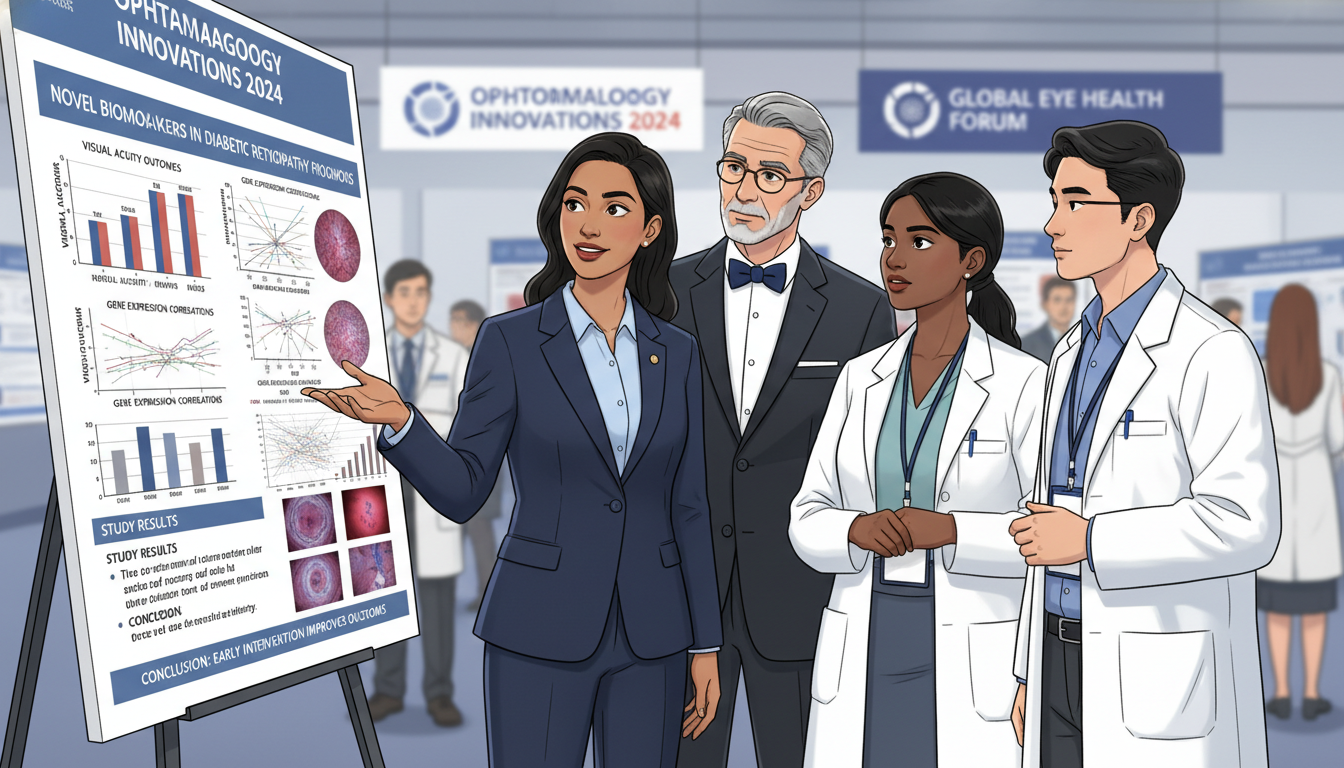
As a US citizen IMG, conference presentations:
- Validate your work.
- Provide in-person networking with residents, fellows, and faculty.
- Often lead to future collaborations and letters.
Presenting Your Research Effectively in the Ophtho Match
Building a strong research portfolio is only half the battle; you must also present it strategically in your application and interviews.
How to Structure Research in Your CV and ERAS
Separate sections for:
- Peer-reviewed publications
- Manuscripts under review or in preparation
- Abstracts/posters/presentations
- Research experiences (with description of your role)
Be precise and honest:
- Use consistent citation format.
- Clearly label status: “published,” “in press,” “submitted,” or “in preparation.”
- Do not inflate your role; program directors can—and often do—ask.
Highlight ophthalmology-specific items.
- Put ophtho publications and presentations at the top of each section.
- Bold your name in author lists so your role is easy to see.
How to Talk About Your Research in Interviews
You should be able to clearly and confidently discuss at least 2–3 main projects:
For each:
- One-sentence summary of the research question.
- Why it matters clinically (e.g., impact on patient outcomes, surgical decisions).
- Your specific role (data collection, analysis, drafting manuscript).
- Main findings and what surprised you.
- Limitations and what you would do differently in a follow-up study.
Programs often probe:
- “Tell me about a time your research didn’t go as planned.”
- “What did you learn from working with your mentor?”
- “How has research influenced your interest in ophthalmology?”
If you can answer with specific stories and insights, you stand out as thoughtful and mature.
Aligning Research with Your Narrative
Your research should reinforce, not contradict, your personal story:
- If you’re passionate about retina, having retina-related projects adds coherence.
- If you emphasize global ophthalmology, mention research on access to care or eye-screening initiatives.
- If switching from another specialty, explain how prior research skills transfer and how ophthalmology-specific research confirmed your new path.
Common Pitfalls and How to Avoid Them as a US Citizen IMG
Chasing quantity over quality
- Ten superficial “in preparation” manuscripts are not as impressive as 2–3 solid, completed projects with clear roles and outcomes.
Accepting projects with no realistic chance of completion
- Be cautious of large, unfocused ideas with no clear timeline. Ask: “Has this group successfully published similar work recently?”
Losing track of contributions across multiple projects
- Use a tracking document: project title, mentor, your role, timeline, status.
- Check in regularly with your mentor.
Neglecting non-ophthalmology research absolutely
- Early non-ophtho research is still valuable if it teaches you core skills. Don’t hide it; position it as a foundation you built upon.
Ignoring networking opportunities
- When you present at conferences or participate in virtual research meetings, introduce yourself to residents and attendings. Many future opportunities start with short, informal conversations.
Underestimating mentorship
- A strong letter from a research mentor who genuinely knows you can sometimes outweigh a few additional publications. Cultivate that relationship with regular communication and reliability.
Putting It All Together: A Sample Research Roadmap for a US Citizen IMG
Year 3–4 of medical school abroad (early phase):
- Join any available research group in ophthalmology or a related field.
- Aim for:
- 1–2 case reports or small projects to learn the basics.
- At least one poster at a local or regional meeting.
- Begin cold-emailing US faculty about potential remote work.
Year 4–5 / Early research gap year (build momentum):
- Secure a part-time or full-time research position with a US ophthalmologist.
- Take on:
- 1 retrospective chart review as primary project (target first authorship).
- 1 smaller supporting project on a team.
- Enroll in an online biostatistics or clinical research course.
- Submit abstracts to ARVO/AAO or similar meetings.
Gap year or final pre-application year (make your profile “match-ready”):
- Push existing projects to submission.
- Aim for:
- 2–3+ peer-reviewed papers (mix of ophtho and non-ophtho is acceptable, but at least some in ophtho).
- 3–6 abstracts/posters across conferences.
- Strong letter(s) from US-based ophthalmologists specifically citing your research contributions.
- Refine how you will discuss these experiences in your personal statement and interviews.
FAQs: Research Profile Building for US Citizen IMG in Ophthalmology
1. I’m a US citizen IMG with no research yet. Is it too late for ophthalmology?
Not necessarily. What matters is:
- How far you are from the ophtho match.
- Your willingness to commit time (possibly a research year).
- Your ability to rapidly build a focused, ophthalmology-centered profile.
If you are close to applying, consider:
- A dedicated ophthalmology research year in the US.
- Projects with realistic 6–12 month timelines.
- Case reports and small studies that can lead to quick abstracts and manuscripts.
Even one productive, intensive research year can transform your competitiveness.
2. How many publications do I really need as a US citizen IMG for the ophtho match?
There is no strict cutoff, but for a competitive US citizen IMG:
- Reasonable target:
- 2–3 or more peer-reviewed publications, with at least some in ophthalmology.
- Total of 5–10 scholarly products (papers + abstracts + posters).
- More is helpful if it reflects real work and depth, not inflation.
Equally important:
- First authorship on at least one project.
- Ability to explain your work clearly.
- Strong letters from your research mentors.
3. Does non-ophthalmology research help my ophthalmology residency application?
Yes, especially if:
- It shows methodological rigor and a track record of productivity.
- You can clearly articulate transferable skills (study design, statistics, writing).
- You later add ophthalmology-specific projects to signal clear specialty commitment.
Think of non-ophtho work as a foundation—but you still need ophthalmology research on top of it.
4. Is a dedicated research year in ophthalmology worth it for an American studying abroad?
For many US citizen IMG applicants, yes—if you use it wisely. A well-structured research year can:
- Provide multiple publications and presentations.
- Connect you with US ophthalmology faculty and potential letter writers.
- Demonstrate serious, long-term commitment to the specialty.
- Help you understand the US academic culture and clinical environment.
It is most beneficial when:
- You are embedded in a busy academic eye department.
- You work under mentors who have a track record of publishing with trainees.
- You focus on completing projects, not just starting new ones.
Building a research profile in ophthalmology as a US citizen IMG is demanding, but it is also one of the most controllable levers you have in a very competitive field. With smart project selection, strong mentorship, and consistent effort, your research portfolio can evolve from a weakness into one of the most compelling strengths in your ophtho match application.