Understanding the Role of Research in Clinical Informatics for DO Graduates
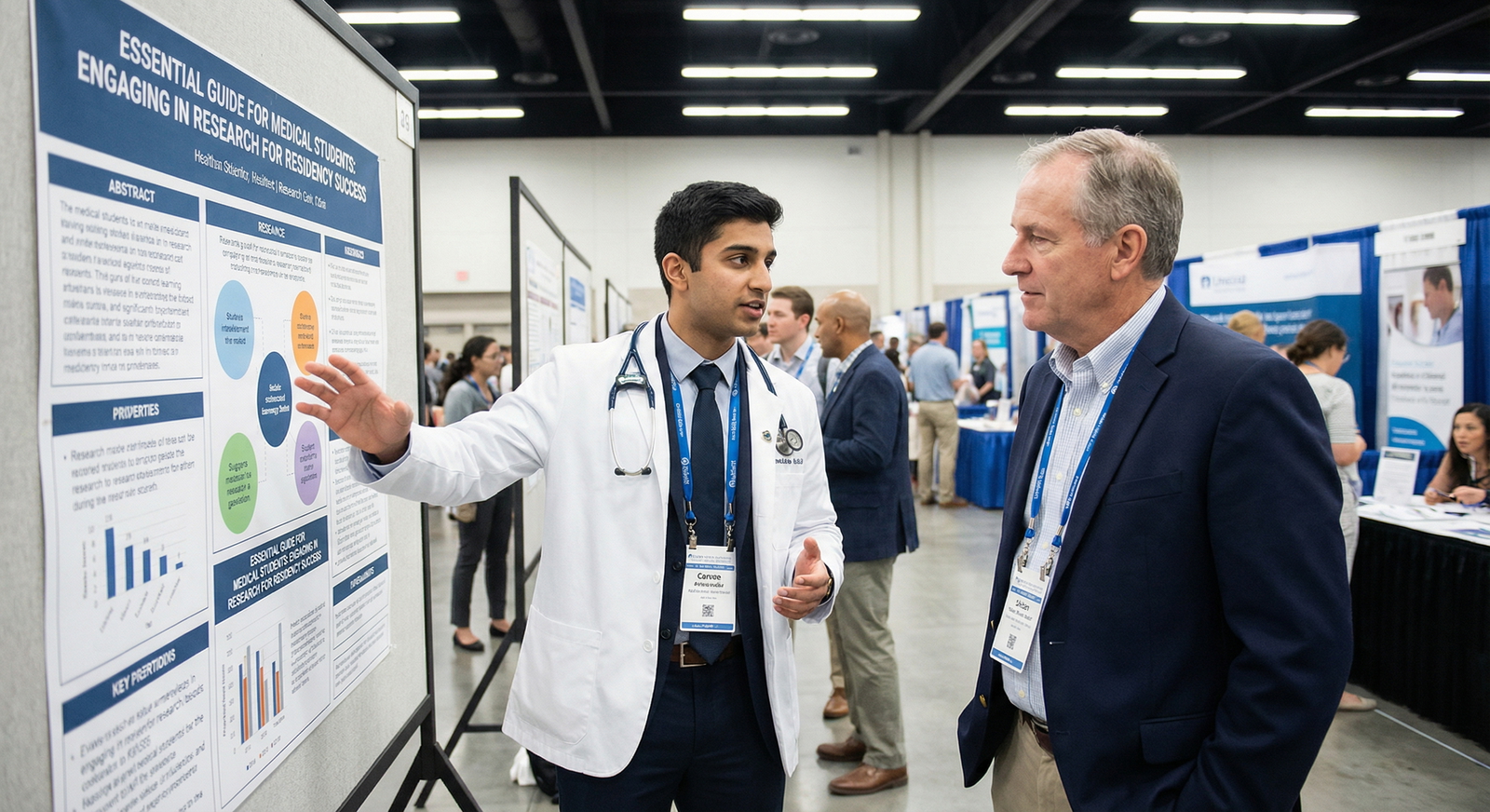
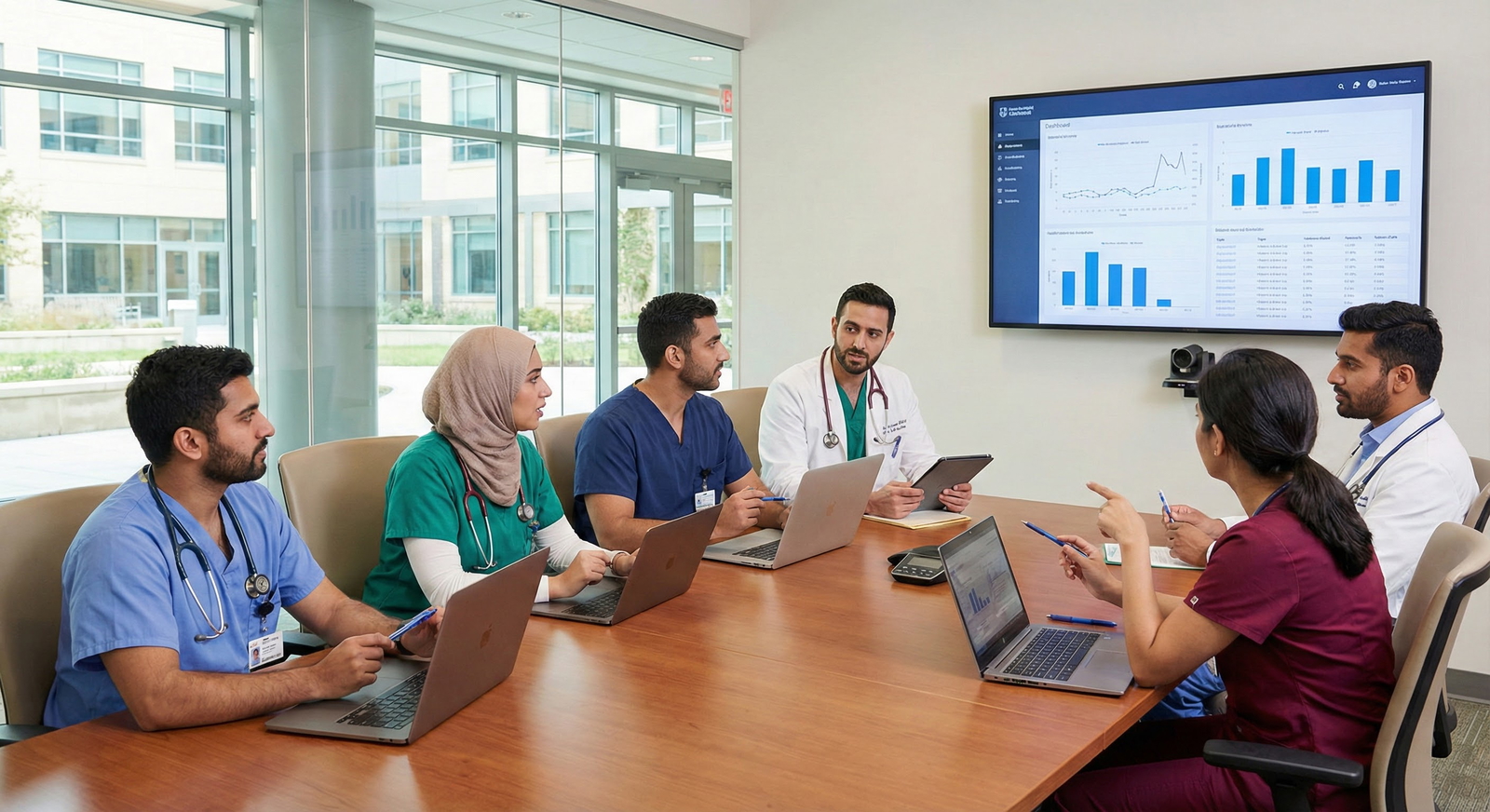
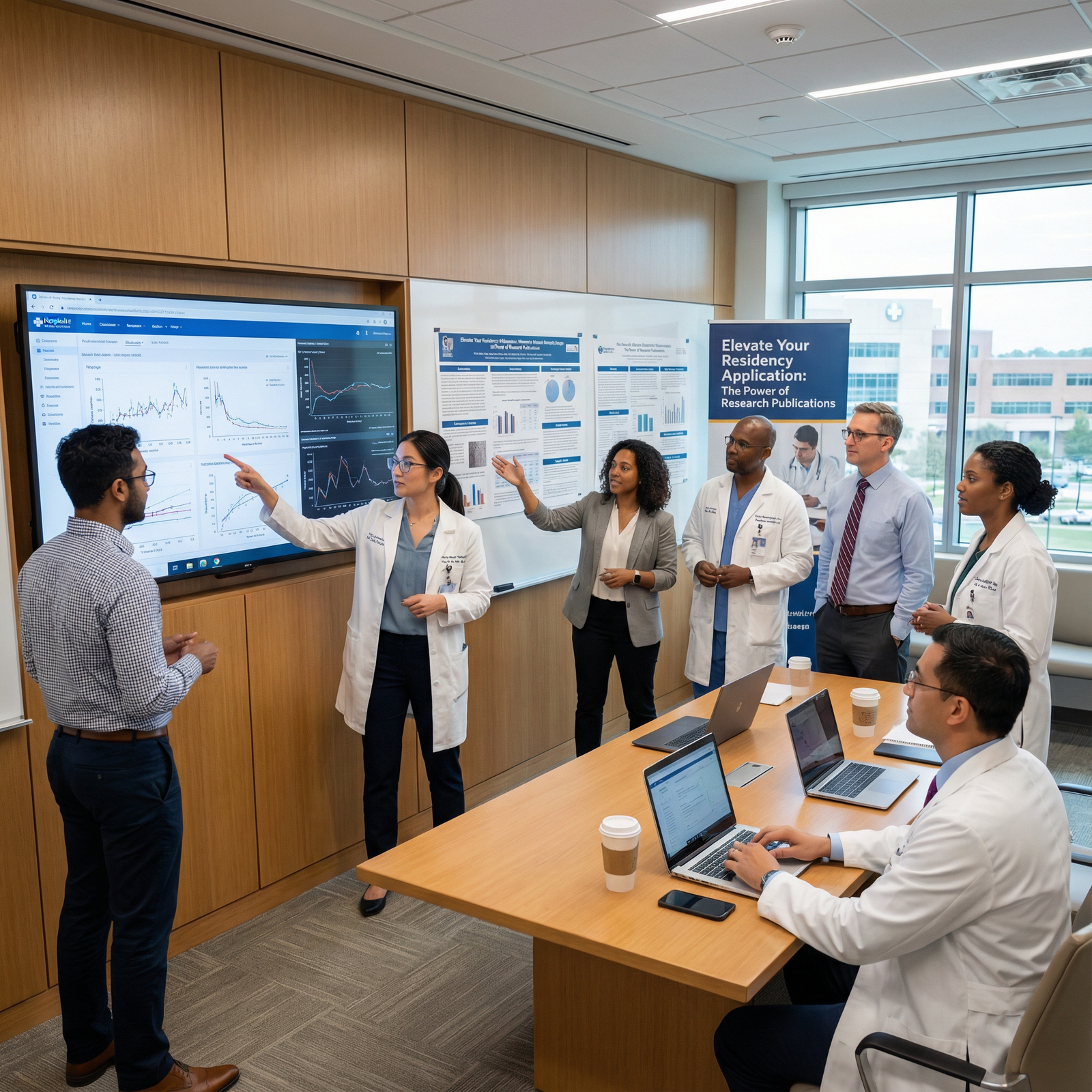
Clinical informatics is uniquely positioned at the intersection of medicine, data, and technology. For a DO graduate interested in this field, a strong research profile is not just a “nice to have”—it often becomes a key differentiator in the osteopathic residency match and, later, in competitive clinical informatics fellowship applications.
Unlike some traditional specialties where research may be helpful but not essential, clinical informatics is inherently scholarly:
- It asks questions about how technology impacts patient care.
- It evaluates EHR implementations, clinical decision support, workflows, and patient safety.
- It requires comfort with data, analysis, and systems thinking.
Because of this, program directors in clinical informatics–friendly residencies (Internal Medicine, Family Medicine, Pediatrics, Emergency Medicine, Pathology, etc.) and later fellowship directors often look closely at your research for residency and your demonstrated curiosity about systems and outcomes. As a DO graduate, a well-constructed research portfolio can also help mitigate concerns about perceived differences between DO and MD training, and show that you can thrive in an academic/tech-focused environment.
Key reasons your research portfolio matters:
- Signals alignment with clinical informatics: Projects involving EHRs, quality improvement, decision support, or data analytics show genuine interest and fit for a future clinical informatics fellowship.
- Demonstrates analytical thinking: Research and quality improvement highlight your ability to formulate questions, analyze data, and implement changes—core skills for health IT training.
- Builds credibility as a DO graduate: Thoughtful scholarly work, especially publications or conference posters, helps you stand out in the osteopathic residency match, particularly at academic or innovation-focused institutions.
- Opens doors to mentors and networks: Research teams often include informaticians, hospital IT leaders, or data analysts—people who can later write strong letters or sponsor your clinical informatics projects.
This article outlines a concrete roadmap to build a high-yield research profile as a DO graduate interested in clinical informatics, with actionable strategies whether you’re still in medical school, in a gap year, or about to apply for residency.
Defining a Strong Research Profile for Clinical Informatics
Before you start adding lines to your CV, it’s useful to understand what a “strong” research profile actually looks like in this niche.
What Counts as Clinical Informatics–Relevant Research?
Clinical informatics is broader than just coding or AI. Residency and fellowship programs recognize a wide range of scholarly activities as relevant, including:
EHR-related projects
- Studying how new EHR features affect clinician efficiency or burnout.
- Evaluating documentation templates, order sets, or note bloat.
- Measuring the impact of a patient portal or secure messaging on access or satisfaction.
Clinical decision support (CDS) and guidelines
- Implementing or evaluating alerts (e.g., sepsis flags, drug–drug interaction warnings) and measuring their effect on outcomes or alert fatigue.
- Building simple, rule-based tools (e.g., best-practice advisories) with IT teams.
Quality improvement (QI) with informatics components
- Using dashboards, registries, or data pulls to track improvement in hypertension control, vaccination rates, sepsis bundle adherence, etc.
- Redesigning electronic workflows to reduce errors or delays.
Health IT and workflow analysis
- Time–motion studies of documentation burden.
- Care coordination projects using informatics tools (secure messaging, task lists, registries).
Clinical data analytics
- Using de-identified EHR data to study outcomes, disparities, or utilization.
- Early exposure to machine learning models (under strong supervision) for risk prediction or triage.
Patient-facing technology and mHealth
- Evaluating telemedicine platforms, remote monitoring, or mobile apps.
- Assessing usability and adoption across diverse patient populations.
Each of these areas can translate into abstracts, posters, manuscripts, and institutional reports that count as meaningful scholarship for both residency and future clinical informatics fellowship applications.
Research vs QI vs Innovation: What “Counts” for Your CV?
For clinical informatics, program directors often value:
- Peer-reviewed publications (original research, brief reports, systematic reviews, or even case reports with an informatics angle).
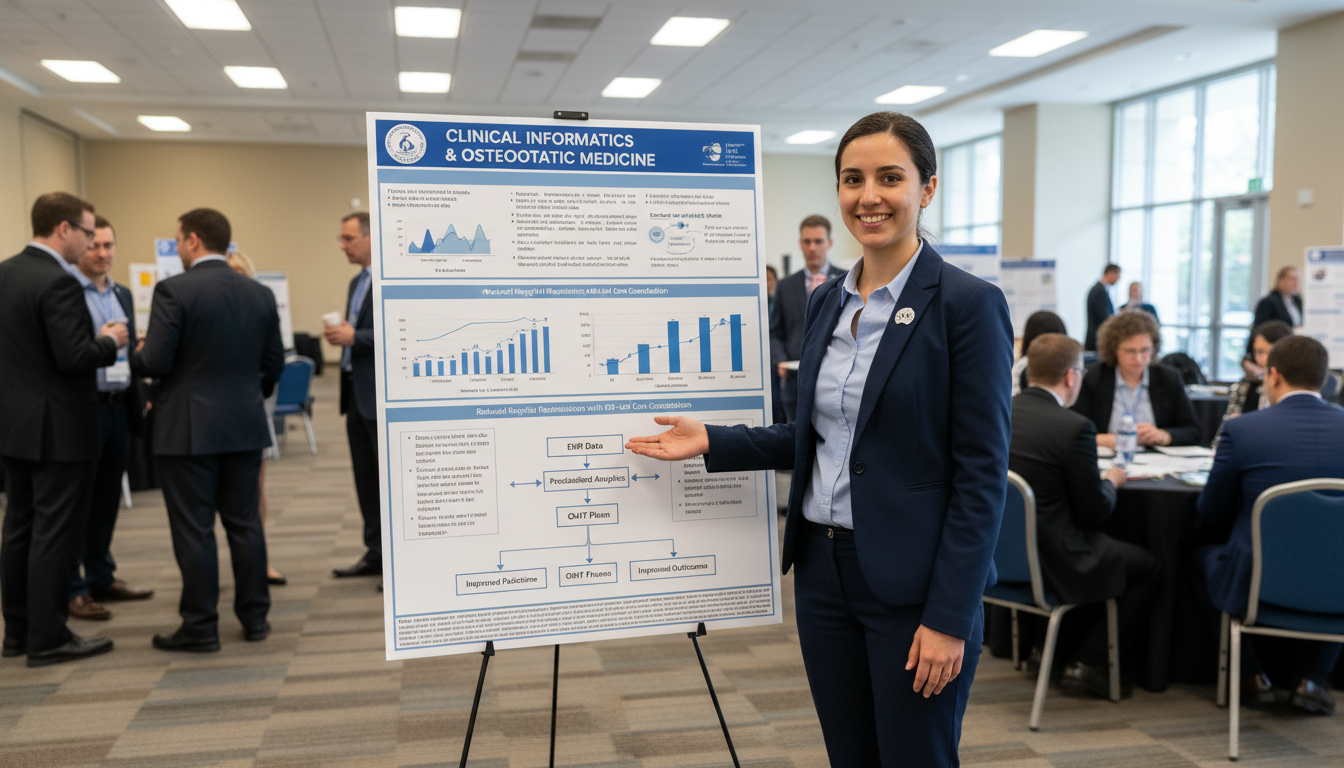
- Conference abstracts and posters at medical, informatics, or QI conferences.
- Structured quality improvement projects using recognized frameworks (PDSA cycles, Lean, Six Sigma) with measurable outcomes.
- Education-focused scholarship in informatics (e.g., curricula, workshops, simulation tools).
- Innovation projects (e.g., building a small tool, workflow redesign, collaborating with vendors), ideally with some form of evaluation.
Even if a project doesn’t become a full publication, a formal QI project with a written report, poster, or institutional presentation still contributes significantly to your research profile.
How Many Publications Are Needed?
You will often hear the question: “How many publications needed to be competitive?”
There is no universal number, but for a DO graduate targeting clinical informatics, a reasonable benchmark for a strong application to an informatics-friendly residency and, later, a clinical informatics fellowship might be:
- 1–2 peer-reviewed publications (or in press) — ideally with at least one having a clear clinical informatics, QI, or health IT focus.
- 2–4 conference abstracts/posters or presentations.
- 2–3 robust QI or data-driven projects clearly described in ERAS.
If you have fewer formal publications but more substantial QI or informatics projects, that can still be competitive—especially if your projects are clearly described and well integrated into your personal statement and interviews.

Building a Strategic Research Roadmap as a DO Graduate
Instead of randomly chasing projects, it is far more effective to build a coherent research narrative that clearly supports your interest in clinical informatics.
Step 1: Clarify Your Informatic Niche and Career Direction
Ask yourself:
- Are you most drawn to EHR optimization, clinician workflow, and patient safety?
- Are you fascinated by data analytics and predictive models?
- Do you care most about health equity, population health, and data-driven QI?
- Are you interested in education, usability, or patient-facing technology?
You do not need a perfectly defined niche, but picking 1–2 themes will help you:
- Choose more aligned projects.
- Speak consistently in your personal statement and interviews.
- Show progression: from simple exposure → QI → data-driven analyses → more advanced informatics work.
Example thematic arc for a DO graduate:
- Third year: QI project on improving documentation of tobacco use using an EHR prompt.
- Fourth year: Retrospective chart review using EHR data to study smoking cessation counseling documentation.
- Residency: Project evaluating the impact of a best-practice advisory for nicotine replacement therapy discharge prescriptions.
- Fellowship (future): Large-scale CDS studies, population health tools targeting smoking-related outcomes.
From the outside, this looks like a coherent story rather than disconnected projects.
Step 2: Identify Mentors in Both Clinical and Informatics Spaces
A strong research profile almost always includes solid mentorship. As a DO graduate, you may sometimes have fewer built-in academic resources than peers at large research-heavy MD institutions, so you need to be deliberate.
Look for:
- Clinical faculty already working in informatics
- Titles like “CMIO,” “Associate CMIO,” “Clinical Informatics Specialist,” “Medical Director of EHR,” or “Director of Quality and Safety.”
- Non-physician informatics staff
- Data scientists, analysts, nurse informaticists, clinical pharmacists involved in IT.
- Affiliated institutions
- Large health systems, local universities, public health departments, VA hospitals.
Approach strategy:
- Send a concise, respectful email:
- Introduce yourself as a DO graduate or senior student.
- Express specific interest in clinical informatics.
- Highlight any prior projects or relevant skills (Excel, basic statistics, some Python/R if applicable).
- Ask if they have ongoing projects you could support, even in small roles (data abstraction, literature review, basic analysis).
Be flexible: your first role may be small, but it can grow into substantial authorship if you are reliable and proactive.
Step 3: Start with Feasible Projects and Build Upward
For many DO graduates, especially those without a strong research background, a staged approach works well:
Level 1: Simple QI / workflow projects
- Example: Implementing a standardized template in the EHR to improve documentation of discharge instructions.
- Output: Department presentation, possibly a local or regional conference abstract.
Level 2: Retrospective chart reviews or database studies
- Example: Evaluating time to antibiotic administration before and after a sepsis alert rollout.
- Output: Poster at a national meeting and a manuscript submitted to a peer-reviewed journal.
Level 3: More complex informatics or analytics
- Example: Working with an analyst to create a prediction model for readmission risk; evaluating the model’s performance and clinical utility.
- Output: Multiple abstracts, a publication, and strong talking points for clinical informatics fellowship interviews.
You do not need to hit Level 3 before residency—but demonstrating progression across these levels sets you up well for a future clinical informatics fellowship.
Step 4: Schedule Time for Research Like a Clinical Responsibility
Even highly motivated DO graduates underestimate how much protected time they need to make research for residency applications meaningful.
Actionable tips:
- Treat research blocks like a rotation:
- Block 2–4 hours at a time, 2–3 times per week.
- Turn off notifications, set clear goals (draft methods, revise introduction, analyze a data subset).
- Use a project management system (simple spreadsheet or Trello) to track:
- Projects, roles, deadlines, coauthors, and target conferences/journals.
- Leverage lighter rotations or fourth-year electives for:
- Data collection, manuscript drafting, or revising papers.
Consistency over months matters more than a single “research month” where nothing gets finished.
High-Yield Project Types and How to Execute Them
Not all projects carry equal weight. For DO graduates with limited time, it is vital to prioritize high-yield, finishable projects that can realistically become abstracts and publications for match.
1. EHR and Workflow QI Projects
These are often the most accessible method to demonstrate genuine clinical informatics interest.
Example project:
- Goal: Decrease unnecessary duplicate lab orders in an inpatient service.
- Approach:
- Work with IT to add a best-practice advisory when a test has already been ordered/returned recently.
- Measure rate of duplicate ordering before and after the alert.
- Track provider satisfaction and alert overrides.
- Outcomes:
- Poster at a hospital QI day.
- Submission to a QI or informatics-focused journal.
Why this is high-yield:
- Clear informatics link (EHR customization, CDS alert).
- Measurable outcomes (cost savings, workflow changes).
- Feasible within 6–12 months.
2. Retrospective EHR Data Studies
These projects leverage existing data to answer clinically relevant, systems-level questions.
Example project:
- Question: Did implementation of telemedicine in your clinic change no-show rates or follow-up completion?
- Steps:
- Define a pre- and post-implementation period.
- Extract data from scheduling and EHR systems (with IRB approval).
- Analyze no-show rates, visit types, patient demographics.
- Interpret findings in the context of access, equity, and technology.
Outputs:
- Abstract to a national meeting (e.g., Society of General Internal Medicine, AMIA, or specialty conferences with tech/QI tracks).
- Manuscript in a general medicine, health services, or informatics journal.
These projects showcase comfort with health IT, data, and outcomes, all of which matter for both residency and clinical informatics fellowship.
3. Educational or Curriculum-Based Informatics Projects
If you enjoy teaching or education, consider informatics-related educational scholarship such as:
- Designing a short curriculum for medical students or residents on:
- Fundamentals of clinical informatics.
- EHR efficiency and documentation strategies.
- Basics of health IT safety and error reporting.
Evaluation can be straightforward:
- Pre- and post-tests.
- Learner feedback.
- Longer-term tracking of documentation errors or safety event reporting.
This can lead to education posters, MedEdPORTAL submissions, or institutional awards—powerful additions to your CV, especially as a DO graduate aiming to show leadership and scholarly initiative.
4. Publications, Reviews, and Case Reports with an Informatics Angle
If original data projects are not immediately accessible, you can still move your research portfolio forward with narrative reviews, brief reports, or case-based scholarship.
Examples:
- Review article: “Clinical Decision Support for Osteopathic Primary Care: Opportunities and Challenges.”
- Case report: Report of a serious medication error averted by an EHR alert, framed around human factors and system design.
- Perspective piece: Commentary on documentation burden and well-being in osteopathic residency programs, linking to informatics solutions.
These projects answer, in practice, the recurring question: how many publications needed to demonstrate seriousness? Even 1–2 such papers—if well-integrated into your story—can substantially raise your profile.
Optimizing Your CV, ERAS Application, and Interviews Around Research
Completing projects is only half the battle; you must present them effectively on your CV, ERAS application, and interviews.
Structuring Your ERAS Research and Publications Sections
For each project, clearly communicate:
- Your role: Idea generation, data collection, analysis, writing, or presenting.
- Tools used: EHR data extraction, Excel, SPSS, R, Python, quality dashboards.
- Outcomes: Abstracts, posters, awards, in-press or published papers.
Example ERAS entry:
Title: Impact of a Best-Practice Advisory on Unnecessary CT Scans in the ED
Your Role: Designed study, collaborated with CMIO and ED leadership, extracted and analyzed data (SQL + Excel), wrote abstract and co-wrote manuscript.
Description: Retrospective pre-post analysis of EHR data evaluating impact of CDS alert on imaging utilization and ED length of stay. Submitted abstract to ACEP; manuscript under review at Journal of the American Medical Informatics Association.
This level of detail highlights both your technical and collaborative skills, and reinforces your alignment with clinical informatics.
Crafting a Coherent Narrative in Personal Statements
Whether applying for residency or later a clinical informatics fellowship, your personal statement should:
Briefly explain why informatics matters to you
- A specific story (e.g., an EHR-related error, an inefficient workflow, or a powerful data-driven QI project) is compelling.
Show progression in your research profile
- Describe how you moved from curiosity → joining a project → leading or co-leading informatics-related efforts.
Connect DO training to informatics strength
- Emphasize osteopathic principles: holistic view of systems, focus on function, and patient-centered care. Connect those principles to your desire to improve systems using health IT.
Articulate future goals
- Clinical residency in X, then clinical informatics fellowship.
- Interest in health IT training, data-driven QI, or leadership roles (CMIO, quality and safety officer, digital health lead).
Handling Common Interview Questions About Research
Prepare clear, structured responses for:
- “Tell me about your most meaningful research project.”
- Use a simple framework: Context – Question – Methods – Findings – Impact – Your role.
- “What did you learn from doing this project?”
- Emphasize teamwork, perseverance, understanding of EHR/health IT realities, and your increasing interest in clinical informatics.
- “How do you see research fitting into your career?”
- Discuss ongoing QI, involvement in clinical informatics committees, and your interest in a clinical informatics fellowship.
Even if your research is modest compared to MD peers at large academic centers, confident, thoughtful presentation of your work can make your application stand out.
Planning Ahead: From Residency to Clinical Informatics Fellowship
If your end goal is a clinical informatics fellowship, your DO background is not a limitation—many programs actively value diversity of training and perspective. What matters is how you build and maintain a trajectory toward informatics.
During Residency: Turning Clinical Work into Research
Use your frontline experience to identify informatics-related problems:
- Frustrating or unsafe EHR processes.
- Workarounds clinicians use to bypass poorly designed workflows.
- Documentation overload impacting patient interaction.
Convert these observations into:
- QI projects with measurable outcomes.
- Collaborative work with IT and informatics teams.
- Abstracts and manuscripts where you are first or second author.
Targeted Health IT Training
Even a modest amount of formal health IT training can significantly strengthen a future fellowship application:
- Online courses in:
- Introduction to Clinical Informatics
- Health data analytics
- EHR implementation and safety
- Certificates from:
- Coursera, edX (e.g., Stanford, Harvard, Johns Hopkins data science/informatics tracks).
- Local universities or health systems.
Highlight this training on your CV and mention how you’ve applied it in your projects.
Networking with Future Fellowship Programs
During residency:
- Attend informatics-oriented conferences:
- AMIA, HIMSS, specialty meetings with digital health tracks.
- Seek out clinical informatics faculty in your home or rotation institutions.
- Ask about:
- Opportunities to join ongoing health IT or CDS projects.
- What they look for in fellowship applicants.
- How your research portfolio compares to current fellows.
This proactive engagement helps you refine your strategy and gives you real-time feedback on whether your research profile is on track.
FAQs: Research Profile Building for DO Graduates in Clinical Informatics
1. As a DO graduate, will I be at a disadvantage applying for informatics-focused residencies or clinical informatics fellowships without a lot of research?
You are not automatically at a disadvantage, but clinical informatics is a research- and systems-heavy field. Programs look for evidence of curiosity, problem-solving, and comfort with data and technology. Even a small number of well-executed QI or informatics projects can significantly strengthen your application. If you currently have little or no research, prioritize 1–2 finishable, informatics-oriented projects over the next 6–12 months and aim to produce at least an abstract or poster before your application cycle.
2. How many publications are realistically needed to match into an informatics-friendly residency and later a clinical informatics fellowship?
There is no fixed minimum, but a competitive profile often includes:
- 1–2 peer-reviewed publications (or in-press manuscripts),
- 2–4 abstracts/posters, and
- Several clearly described QI or informatics projects.
If you have fewer publications but stronger QI work and excellent letters from informatics mentors, you can still match successfully. Focus on quality, relevance to informatics, and your role rather than chasing a specific number.
3. What if my school or institution doesn’t have a formal clinical informatics department?
You can still build a strong profile by:
- Partnering with hospital IT, quality, or data analytics teams.
- Working with a CMIO or quality director even if they’re not labeled “informatics faculty.”
- Doing QI projects that use EHR data or dashboards.
- Taking online courses or certificates in clinical informatics and health IT training.
Consider reaching out to nearby academic centers or health systems for remote or collaborative projects—many informatics teams are open to motivated trainees regardless of degree.
4. Do I need programming skills (R, Python, SQL) to be taken seriously in clinical informatics research?
Programming skills are helpful but not mandatory for building a competitive early research profile. Many successful DO graduates contribute meaningfully through:
- Clinical insight, project design, and workflow knowledge.
- Data interpretation and manuscript writing.
- Leading QI and implementation projects.
Basic familiarity with data concepts, spreadsheets, and statistical tools is important. If you are interested and have time, learning some SQL, R, or Python can be a strong plus—but it should support, not delay, your actual research output.
By strategically aligning your projects, mentors, and training with clinical informatics, you can build a credible, distinctive research portfolio as a DO graduate. This not only strengthens your osteopathic residency match prospects but also lays a clear path toward a future clinical informatics fellowship and a career shaping the technology that underpins modern patient care.