Understanding the Research Landscape for DO Applicants in Radiation Oncology
Radiation oncology is among the most research‑oriented specialties in medicine. For a DO graduate, understanding how research fits into the rad onc match process is essential to building a truly competitive application.
Why Research Matters So Much in Radiation Oncology
Radiation oncology residency programs are typically housed in academic centers that:
- Run clinical trials (e.g., hypofractionation, SBRT, immunotherapy + RT)
- Conduct translational work (e.g., DNA damage repair, radiosensitizers)
- Explore AI and imaging analytics (e.g., auto‑segmentation, radiomics)
- Investigate health services and outcomes (e.g., access to RT, toxicity)
Program directors look for residents who can:
- Interpret literature critically
- Contribute to ongoing projects or initiate new ones
- Present at conferences and publish findings
For DO graduates, a solid research profile can:
- Offset concerns from some programs that historically favored MD applicants
- Show you can thrive in an academic environment
- Demonstrate persistence and intellectual curiosity
- Open doors via networking with influential faculty and researchers
How DO Applicants Compare in Research Expectations
The expectations for research productivity in radiation oncology have steadily risen. While every program is different, general patterns include:
- Successful applicants often have multiple abstracts, posters, and at least a few publications.
- Many have worked with radiation oncologists, medical physicists, or related oncology fields.
- Some have completed a dedicated research year, though this is not mandatory.
As a DO graduate, your overarching goal is to show you can match or approximate the research engagement commonly seen in successful MD applicants—while highlighting the unique strengths of osteopathic training (holistic care, communication, empathy, understanding of functional status, etc.).
Setting Realistic Research Goals: How Much is “Enough”?
One of the most common questions is: “How many publications needed to be competitive?” There is no magic number, but we can define tiers to guide your planning.
Understanding “Research Signal Strength”
Think of your research portfolio as sending a “signal” to programs:
- Weak signal – minimal or no research; difficult for rad onc
- Moderate signal – some structured research activity, posters, 1–2 publications
- Strong signal – multiple projects, sustained involvement, several publications
- Exceptional signal – high‑impact first‑author papers, national podium presentations, grants or awards
For a DO graduate residency applicant targeting radiation oncology:
Baseline (Minimum) Target
Aim to have at least:
- 1–2 radiation oncology or oncology‑related posters (local, regional, or national)
- 1 peer‑reviewed publication (any authorship; rad onc, oncology, imaging, physics, or related field preferred)
- Evidence of ongoing involvement in at least one active project at the time of application
This baseline won’t guarantee a match, but it shows genuine engagement.
Competitive Target
For a more competitive osteopathic residency match in radiation oncology:
- 3–6 total scholarly items in ERAS (including posters, abstracts, oral presentations, case reports, and publications)
- 2+ peer‑reviewed publications, ideally at least one clearly related to oncology or radiation oncology
- At least one project with substantial, recognizable contribution (e.g., your name early in author list, or clear role described in your personal statement)
Exceptional (High-Yield) Target
For applicants aiming at the most research‑heavy academic programs:
- 6–10+ scholarly items, including several rad onc/oncology projects
- 3–5+ peer‑reviewed publications, with at least one first‑ or second‑author paper
- National or international conference presentations (e.g., ASTRO, ASCO, RSNA, AAPM)
- Potential involvement in grant‑funded work, quality improvement initiatives, or multi‑institutional collaborations
These numbers are general benchmarks, not rigid cutoffs. Strong letters, board scores, and clinical performance can compensate for fewer publications—especially if your research narrative is coherent and impactful.

Building a Research Profile from Where You Are Now
Your strategy depends heavily on your current stage and prior experience. Below are step‑by‑step plans for several common starting points.
Scenario 1: You Have Little or No Research Experience
If you have minimal research, your priorities are:
- Get involved quickly in any form of scholarly work
- Learn basic research methods and timelines
- Convert clinical curiosity into projects
Action plan:
Identify Accessible Mentors
- Start at your home institution’s rad onc department (even if small).
- If none exists, look at:
- Hematology/oncology
- Radiology (especially imaging research)
- Medical physics (if accessible)
- Palliative care or survivorship clinics
- Ask: “Do you have any ongoing or upcoming projects I can help with, especially ones that could lead to a poster or publication in the next 6–12 months?”
Start with Feasible Project Types For beginners, prioritize:
- Case reports/series (e.g., rare toxicity, unusual response to radiation plus immunotherapy)
- Retrospective chart reviews (e.g., local patient outcomes for SBRT, hypofractionation adoption)
- Quality improvement (e.g., timeliness of CT simulation to first treatment, documentation of toxicity grading)
Learn Basic Research Skills
- Take a short online course in biostatistics and research design (e.g., Coursera, edX).
- Learn to use a reference manager (e.g., Zotero, Mendeley).
- Familiarize yourself with REDCap, Excel, or similar data tools.
Create a Timeline and Deliverables
- Month 1–2: join project; define question and role.
- Month 3–4: help with data collection and preliminary analysis.
- Month 5–6: aim for abstract submission to a regional or national meeting.
- Month 6–12: convert to a manuscript if possible.
If you’re short on time before the ERAS deadline, emphasize projects that can realistically become abstracts or posters quickly, even if the full paper will come later.
Scenario 2: You Have General Research, But Not in Radiation Oncology
Many DO graduates have prior research in other fields (e.g., internal medicine, sports medicine, basic science). That still helps, but you should add a rad‑onc‑related layer.
Action plan:
Keep Your Previous Work — Don’t Abandon It
- All prior research shows you can complete projects and work with data.
- Highlight transferable skills: literature review, statistics, manuscript writing, IRB navigation.
Bridge to Radiation Oncology
- Identify a radiation oncologist willing to:
- Co‑author a review article on a topic that intersects your prior field and radiation (e.g., RT for bone metastases in athletes; RT and cardiotoxicity; RT in patients with autoimmune disease).
- Involve you in clinical outcome reviews that echo your prior methodology.
- Identify a radiation oncologist willing to:
Coherent Storytelling In your personal statement and interviews, connect:
- Your early research → methods and skills you acquired
- Why you’re now committed to radiation oncology
- How your background gives you a unique perspective (e.g., musculoskeletal, pathology, imaging, or primary care insights)
Scenario 3: You Already Have Some Radiation Oncology Research
If you already have one or more rad onc projects, move from quantity alone to strategic depth.
Action plan:
Strengthen Authorship Position
- Ask if you can take ownership of a new sub‑project as first author (e.g., a secondary analysis, toxicity sub‑study, or dosimetric analysis).
- Make sure your mentor agrees on clear deliverables and timeline.
Aim for Higher‑Impact Outputs
- Target recognized specialty conferences: ASTRO, ASCO, RSNA, AAPM, or regional society meetings.
- Choose journals that are respected in oncology/radiation, even if not top tier.
Develop a Niche Building a micro‑niche can make you memorable, such as:
- SBRT for oligometastatic disease
- AI/automation in treatment planning
- Geriatric oncology and RT
- Health equity and access to radiation therapy
- Radiation and immunotherapy combinations
You don’t need to be an expert yet—just show sustained, thoughtful interest backed by real projects.
High-Yield Research Strategies for DO Graduates in Rad Onc
1. Finding and Approaching Mentors (Including as a DO)
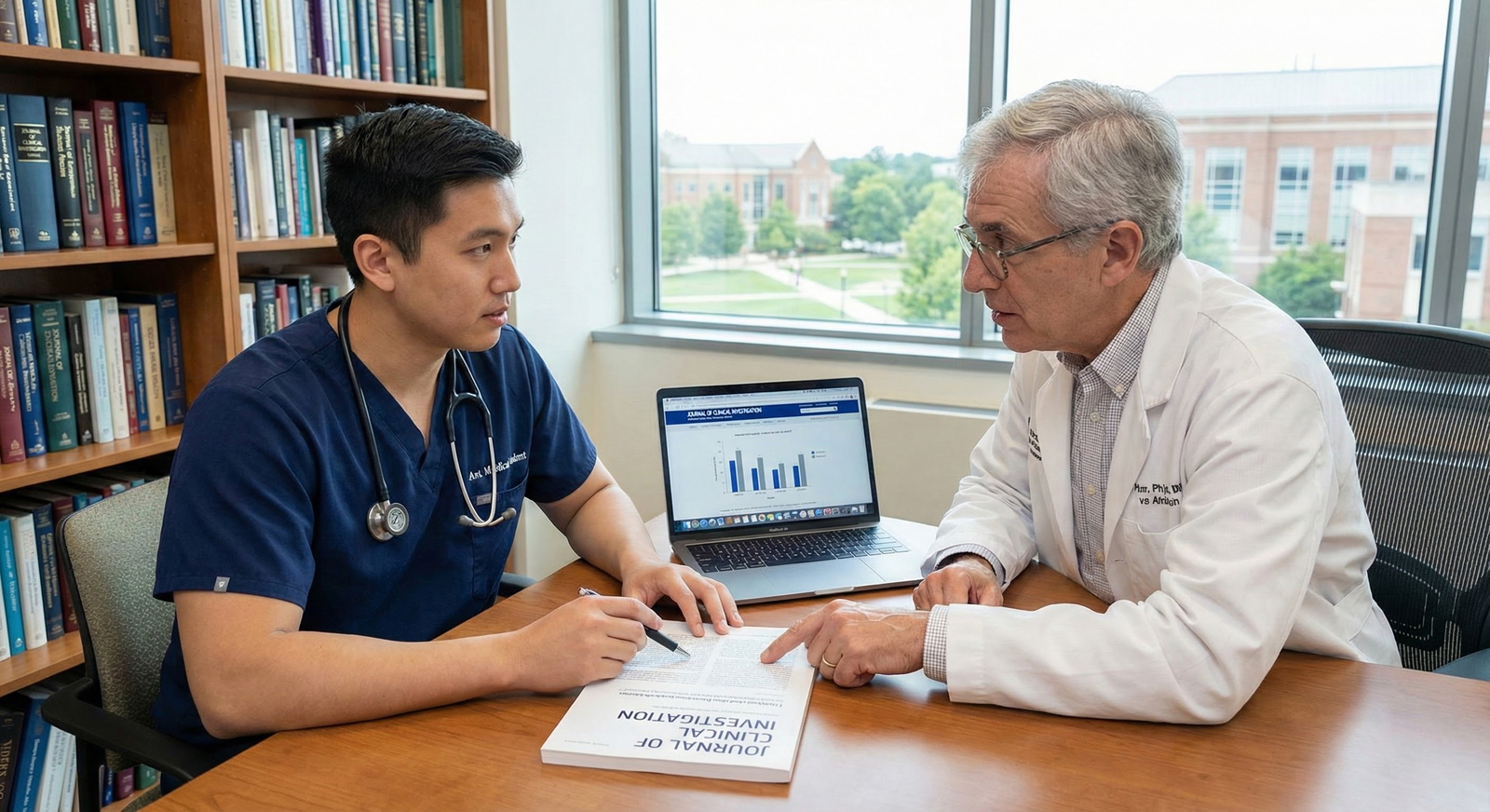
Mentorship is the backbone of research success. As a DO graduate, you may worry about bias; the best way to counter it is professionalism, persistence, and preparation.
How to identify mentors:
Search your institution’s website for:
- Radiation oncology faculty (clinical and research descriptions)
- Medical physicists with clinical or translational work
- Oncologists with overlapping interests (lung, breast, palliative)
Use PubMed and Google Scholar:
- Search “radiation oncology [your institution name]” and note faculty who publish regularly.
- Check for recent publications—they signal active, ongoing projects.
How to contact mentors (email framework):
- Concise subject line:
- “DO Graduate Interested in Rad Onc Research – Seeking Project Involvement”
- Include:
- Brief intro (name, training level, DO graduate)
- Clear interest in radiation oncology
- Specific reason you’re reaching out (refer to one of their papers or clinical interests)
- What you can offer (time availability, skills, willingness to do data abstraction, literature review)
- Ask to meet for 15–20 minutes to discuss potential roles
Show up prepared to that meeting with:
- A concise CV focused on research and leadership
- 1–2 ideas or questions you’d be excited to explore
- A realistic sense of time you can commit each week
2. Choosing the Right Types of Projects
Different project types offer different timelines and payoffs. Balancing them is key.
Fast(er) turnaround projects:
- Case reports/series: great for beginners; can lead to posters and short publications.
- Retrospective reviews with simple endpoints:
- e.g., “Local control and toxicity of SBRT for spine metastases at a single institution.”
- Chart-based QI projects:
- e.g., “Improving timeliness of pain assessment in patients receiving palliative RT.”
Medium-term projects:
- More complex retrospective studies:
- e.g., “Comparing outcomes in hypofractionated vs. conventional RT for breast cancer.”
- Dosimetric comparison studies:
- Different planning techniques, target definitions, or constraints.
Long-term/high‑yield projects:
- Prospective observational studies
- Randomized or multi‑institutional trials (often already designed; you can help operationalize or analyze)
- Translational lab work (e.g., radiosensitivity assays, immunology)
Given the typical timeline to ERAS and the rad onc match, DO graduates should combine at least one or two fast‑turnaround projects with one or two medium/longer‑term projects that can continue into residency.
3. Collaborating with Medical Physics and Data Science
Radiation oncology is inherently interdisciplinary. Partnering with medical physics, statistics, or data science teams can accelerate your progress and deepen your impact.
Potential joint projects:
- Dose‑volume histogram (DVH) analyses:
- Correlating dose to specific organs with toxicity or outcomes.
- Radiomics:
- Extracting imaging features from CT/MRI/PET and associating them with prognosis.
- Machine learning for auto‑segmentation or plan evaluation:
- Even if you’re not coding, you can help with annotation, literature review, and outcome validation.
Mentioning this kind of collaborative work in your application shows you understand the technical core of radiation oncology.
4. Maximizing Impact from Each Project
To build a strong research profile, don’t let data “die on your hard drive.”
For each project, aim to generate multiple scholarly products:
- Abstract → poster → manuscript
- Local talk → regional meeting → national presentation
- Dataset → initial question → secondary analyses (subgroups, toxicity patterns, cost implications)
Keep a central spreadsheet tracking:
- Project title, mentor, role, status (idea, IRB, data collection, abstract, manuscript)
- Deadlines (conference submissions, internal milestones)
- Your specific contributions (to recall during interviews and in ERAS)
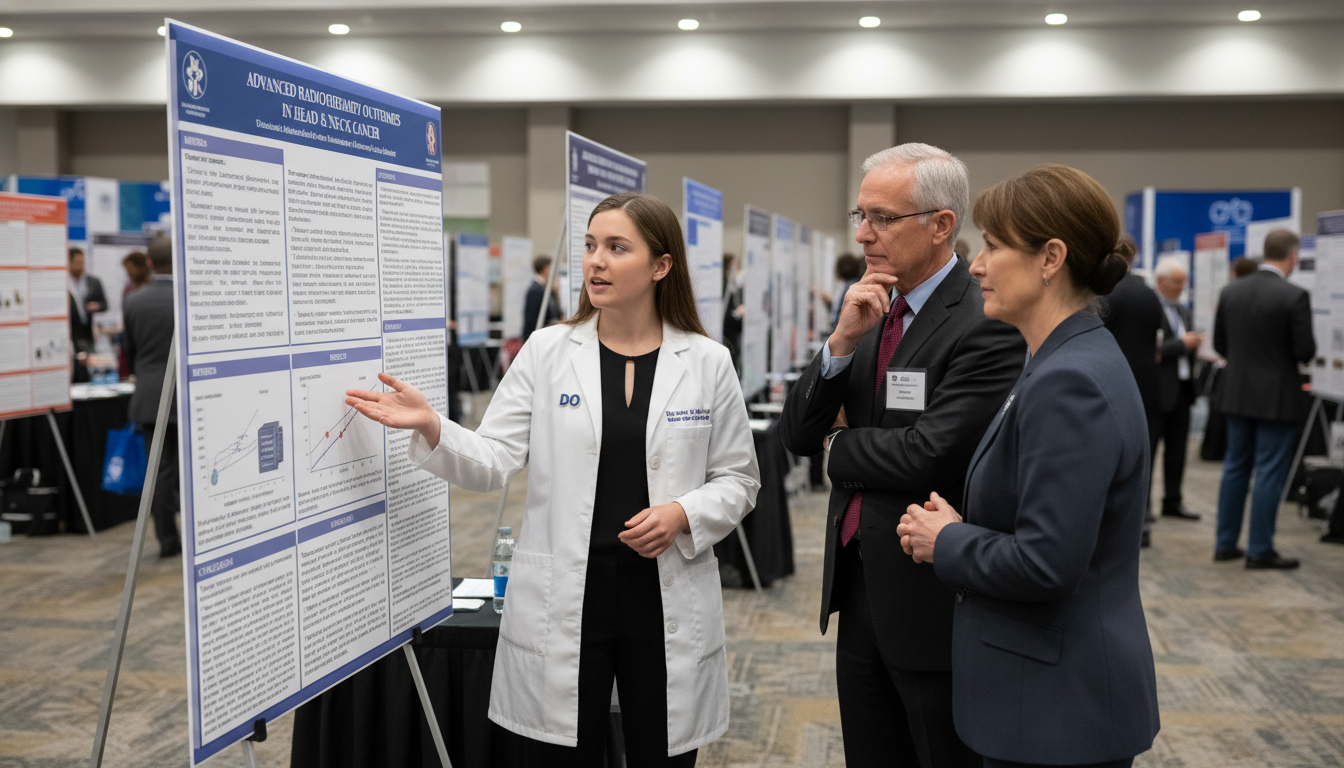
Presenting, Publishing, and Showcasing Your Work in the Match
Producing research is half the battle; showcasing it effectively in the osteopathic residency match process is equally critical.
Turning Work into Presentations and Publications
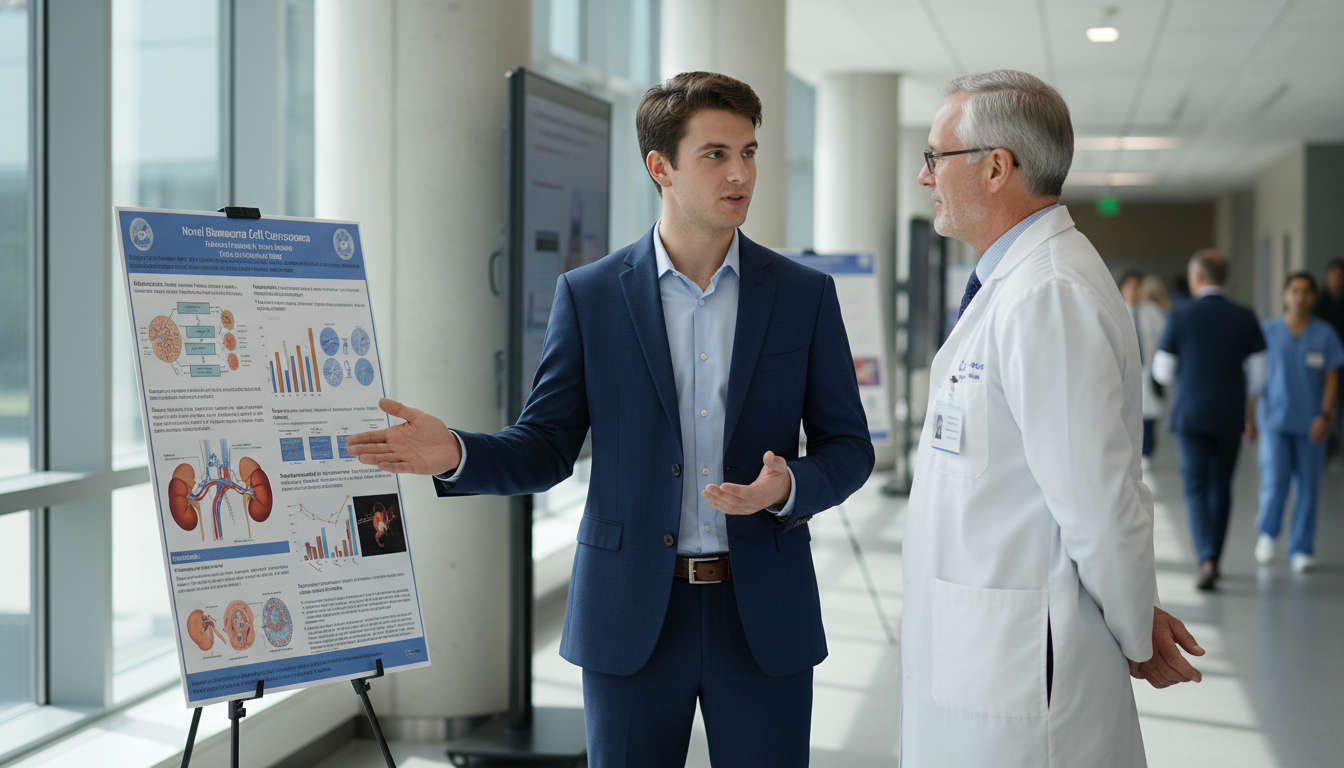
Abstracts & Posters
- Target rad‑onc‑relevant meetings:
- ASTRO – flagship rad onc meeting
- ASCO or ASCO‑GI/ASCO‑GU for specific disease sites
- RSNA for imaging‑focused work
- AAPM for physics‑heavy projects
- Also consider:
- Regional oncology or rad onc societies
- Institutional research days
- Target rad‑onc‑relevant meetings:
Manuscripts
- Work with mentors to choose journals appropriate to your project’s scope:
- Large, high‑impact studies: more competitive journals.
- Single‑institution or pilot studies: more targeted specialty or community oncology journals.
- Aim to submit before ERAS if possible:
- Even “submitted” or “accepted” status is valuable.
- Clearly label manuscripts as “published,” “in press,” or “submitted” in your CV.
- Work with mentors to choose journals appropriate to your project’s scope:
Other Scholarly Outputs
- Clinical guidelines, book chapters, or invited reviews
- Online educational content (if peer‑reviewed or curated by a department or society)
- Quality improvement reports within your institution
How to List and Discuss Research in ERAS
In ERAS, your research, publications, and presentations must tell a cohesive story.
Tips:
- Group your radiation oncology‑related experiences in a way that highlights continuity.
- In each entry, briefly describe:
- Your role (study design, data collection, analysis, writing)
- Skills learned
- Impact (patient‑care relevance, departmental changes, etc.)
In personal statements and interviews, be ready to:
- Explain at least 1–2 projects in detail:
- The core question, methodology, main findings, and clinical implications.
- Your specific contributions and what you learned.
- Reflect on how these projects:
- Confirmed your interest in radiation oncology.
- Shaped your views on evidence‑based practice or patient communication.
- Helped you understand complex treatment decisions, toxicity tradeoffs, or prognosis discussions.
Letters of Recommendation with a Research Emphasis
Strong research‑focused letters can be a major advantage in the rad onc match.
To help your letter writers:
- Provide a brief summary (1 page) of:
- The projects you worked on
- Your role and contributions
- Any abstracts, posters, or manuscripts that resulted
- Politely ask if they can comment on:
- Your intellectual curiosity
- Your work ethic and reliability
- Your ability to work in teams across disciplines
- Your potential as a future academic radiation oncologist
A radiation oncologist who can say, “This DO graduate led a complex analysis and wrote the first draft of a manuscript that we submitted to [journal]” provides a powerful endorsement beyond numbers alone.
Balancing Research with Other Application Components
Even the strongest research record will not compensate for serious weaknesses in core metrics or clinical performance. As a DO graduate targeting a radiation oncology residency, aim for balance:
- Board scores / COMLEX & USMLE (if taken):
- Programs vary, but rad onc is competitive; strive for solid performance and pass all exams on first attempt if possible.
- Clinical rotations and rad onc electives:
- Seek out radiation oncology away rotations in addition to your home program, especially at academic centers with strong research.
- Ask to participate in ongoing projects during these rotations; even brief contributions can lead to posters or collaborations.
- Professionalism and communication:
- DO training often emphasizes the doctor–patient relationship; use that to your advantage.
- In interviews, blend your research focus with patient‑centered stories:
- e.g., describing how a palliative RT case motivated your QI project.
Above all, ensure that your research profile supports your narrative, rather than defining you entirely. Programs want residents who can care for patients first and also contribute academically.
FAQs: Research Profile Building for DO Graduates in Radiation Oncology
1. As a DO graduate, do I need a dedicated research year to match into radiation oncology?
A dedicated research year can help, but it is not mandatory for all DO applicants. Consider a research year if:
- You discovered rad onc late and currently have minimal research.
- You’re targeting very academic or top‑tier programs.
- You genuinely enjoy research and can secure a strong mentorship environment with clear project goals.
If a research year is not feasible, you can still be competitive with well‑chosen projects during medical school, intern year, and gap periods, especially if they lead to tangible outputs (abstracts, posters, publications).
2. How many publications are realistically needed for a DO applicant in rad onc?
There is no universal threshold, but for the typical osteopathic residency match applicant in radiation oncology:
- Baseline competitiveness: at least 1 peer‑reviewed publication and a few abstracts/posters.
- Stronger competitiveness: 2–3+ publications, preferably with at least one in radiation oncology or oncology.
- Highly academic programs: often see applicants with multiple publications (3–5+), some first‑author, plus national conference presentations.
Quality, relevance, and your role often matter more than raw count. A single strong, first‑author rad onc paper can be more impressive than several peripheral, low‑engagement projects.
3. I don’t have access to a large radiation oncology department. How can I still build a strong research profile?
You can still build a competitive profile by:
- Reaching out to nearby academic centers, even if you’re not a trainee there—offer to help remotely with data or literature review.
- Leveraging virtual mentorship through professional societies (e.g., ASTRO mentorship programs).
- Working with medical oncology, radiology, or palliative care on cancer‑related projects that still demonstrate oncology engagement.
- Seeking multi‑institutional collaborations or remote roles in trials and databases.
Your initiative and ability to overcome limited local resources can itself impress programs, especially if you produce concrete outputs.
4. How should I prioritize research vs. board scores and rotations as a DO applicant?
For a DO graduate, a pragmatic hierarchy is:
- Passing board exams and demonstrating solid performance (COMLEX, and USMLE if taken).
- Strong clinical evaluations and rad onc rotations, with good fit and professionalism.
- Research and publications that support your interest and potential in radiation oncology.
If you already have reasonable scores and good clinical evaluations, then pushing your research from “minimal” to “clear, sustained engagement” can markedly enhance your rad onc match prospects.
A thoughtful, well‑planned research profile can transform your application from “borderline” to “highly compelling”—especially as a DO graduate in a highly academic field like radiation oncology. Start where you are, identify mentors, choose projects strategically, and convert your efforts into visible scholarly work that tells a cohesive, patient‑centered story.