Why Your Research Profile Matters as a Caribbean IMG in Pathology
As a Caribbean international medical graduate (IMG) aiming for a pathology residency in the United States, your research profile is not “extra credit”—it’s a key differentiator. Pathology is an academic-leaning specialty where programs expect evidence of curiosity, analytic thinking, and comfort with data. For a Caribbean medical school residency applicant, research productivity can help counter common program concerns about school reputation, clinical exposure, and standardized exam performance.
Program directors understand that not every applicant will have a first-author paper in a high-impact journal, but they do look closely at:
- Evidence that you can complete scholarly projects
- Your understanding of pathology as a data- and literature-driven specialty
- Commitment to the field over time
- Whether you will contribute to the academic/research mission of their department
For Caribbean IMGs, especially those from larger programs such as SGU, residency match outcomes often correlate with step scores, clinical performance, AND scholarly output. SGU residency match data and those from similar schools consistently show that applicants with at least some research—especially pathology-related—are more competitive for pathology match positions.
This article will walk you through, step-by-step, how to strategically build a research profile tailored for pathology as a Caribbean IMG, even if you’re starting with zero research experience and limited connections.
Understanding Research Expectations in Pathology Residency
Pathology is one of the specialties where a research-leaning profile is a genuine advantage, but expectations are often misunderstood.
What Program Directors Actually Look For
Program directors care less about “how many” lines you have on your CV and more about what your portfolio demonstrates:
Ability to complete projects
- Starting and finishing work, even small projects (case reports, chart reviews, QI projects), shows reliability.
- Longitudinal projects that led to a poster or publication stand out.
Depth of engagement with pathology
- Topics related to anatomic pathology (AP), clinical pathology (CP), or translational research signal genuine interest in the field.
- Involvement with autopsy, hematopathology, microbiology, or laboratory medicine research is particularly relevant.
Progressive growth
- Early: small roles (data collection, literature search).
- Later: larger roles (abstract writing, first author on posters/manuscripts).
- Evidence that you learn quickly and take on increasing responsibility.
Scholarly versatility
- Peer-reviewed papers, case reports, book chapters, QI projects, conference posters, and presentations all contribute to your profile.
- Teaching materials, online educational content, and structured literature reviews can also be framed as scholarly work when done rigorously.
How Many Publications Are “Enough”?
Many Caribbean IMG applicants ask, “How many publications needed to be competitive?” There is no fixed number, but you can think in tiers:
Minimum but meaningful (typical successful Caribbean pathology applicant):
- 1–2 posters or oral presentations (preferably pathology-related), plus
- 1–2 case reports or short communications, or
- 1 quality improvement (QI) / lab operations project with clear outcomes
Stronger/above-average research portfolio:
- 2–3 pathology-related posters or oral presentations
- 1–3 peer-reviewed publications (case reports, retrospective studies, or reviews)
- Involvement in at least one multi-author research project where you have a defined role
Exceptional (for academic-heavy programs):
- Multiple first- or co-author peer-reviewed publications in pathology or related fields
- National society presentations (e.g., USCAP, CAP, ASCP)
- Evidence of sustained lab or clinical research over >1 year, possibly with letters of recommendation from research mentors
For Caribbean IMGs, your goal is usually to move from “no scholarly output” to “solid, documented track record of completed projects” rather than chasing a magic publication number.
Types of Research That Count in Pathology (and How to Get Them)
You do not need a wet lab or NIH-level funding to build a strong research profile. Especially as a Caribbean IMG, strategic selection of feasible, high-yield projects is critical.
1. Case Reports and Case Series
Why they’re ideal for Caribbean IMGs:
- Feasible with limited resources
- Shorter timeline from idea to submission
- Highly relevant to pathology when focused on rare tumors, unusual presentations, or significant diagnostic challenges
Practical approach:
- During core or elective rotations, especially pathology, internal medicine, oncology, or surgery:
- Ask attendings: “Are there any interesting or unusual cases that might be appropriate for a case report?”
- Volunteer to help with literature review and writing.
- Search for target journals that accept case reports (e.g., Case Reports in Pathology, Journal of Pathology and Translational Medicine, specialty-specific case report journals).
- Follow a structured format: introduction, case description, discussion, conclusion, and images (with proper de-identification and permissions).
Example for a pathology-focused IMG:
- A rare lymphoma subtype diagnosed through immunohistochemistry.
- Unusual infectious disease diagnosed on bone marrow biopsy.
- Unique staining pattern in a common tumor that impacted treatment choice.
2. Retrospective Chart Reviews / Database Studies
Why they’re powerful:
- Can generate more robust, publishable data.
- Show familiarity with research design, statistics, and ethics (IRB, data protection).
Challenges for Caribbean IMGs:
- Require institutional access and IRB approval.
- Take longer; may be harder to lead alone.
How to get involved:
- During clinical electives in the U.S., ask pathology or medicine faculty:
- “Are there any ongoing retrospective studies where I can help with data collection or analysis?”
- Offer to:
- Help abstract data from charts or pathology reports
- Conduct literature searches
- Create tables or figures
- If you have access at your Caribbean medical school hospital:
- Propose a focused question (e.g., “Patterns of anemia in hospitalized patients,” “Diagnostic yield of bone marrow biopsies for pancytopenia”) and collaborate with a local faculty member.
3. Quality Improvement (QI) and Lab Operations Projects
QI projects are especially relevant to clinical pathology and laboratory medicine.
Examples:
- Reducing blood culture contamination rates.
- Improving turnaround time for critical lab results.
- Optimizing test utilization (e.g., appropriate ordering of D-dimer, troponin, or immunohistochemical stains).
How to structure a QI project:
- Identify a measurable problem (baseline performance).
- Plan an intervention (education, workflow change, protocol revision).
- Measure outcomes before and after.
- Present findings at a hospital QI day, pathology conference, or as a poster.
4. Basic or Translational Lab Research (If Accessible)
If you attended a Caribbean medical school with active research (e.g., SGU) or have a home institution with labs:
Your role could include:
- Processing samples, running assays, or working on tissue microarrays.
- Assisting with experiments related to tumor markers, molecular pathology, or immunohistochemistry.
- Co-authoring papers if your contributions are substantial.
Note: Not mandatory for pathology residency, but very valuable if you can document clear contributions and outcomes (abstracts, posters, publications).
5. Educational and Digital Scholarship
Modern pathology is increasingly digital (virtual slides, online teaching resources). Even without traditional labs, you can create academically recognized work:
- Curated online slide collections with accompanying educational notes (under faculty guidance).
- Online modules or structured review articles on pathology topics.
- Educational infographics or procedural guides that are published in reputable educational platforms or journals.
To count as scholarly output, ensure:
- Peer review or faculty oversight.
- Clear objectives, methods (even for educational projects), and outcomes.
- Documentation (URL, DOI, or formal citation).
Finding Research Opportunities as a Caribbean IMG
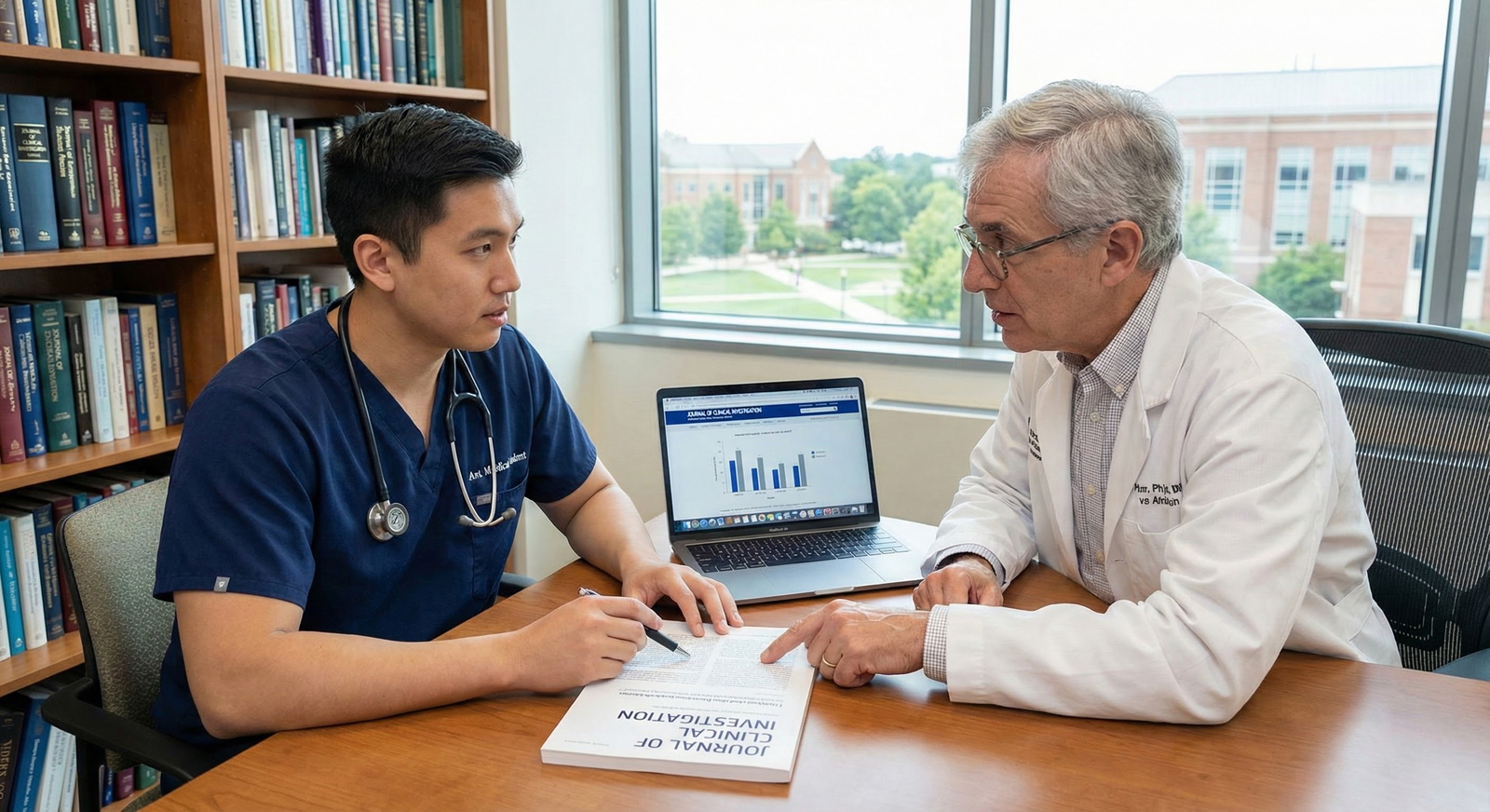
The biggest challenge for many Caribbean medical school residency applicants is not motivation, but access. You may not be at a large academic center year-round, but there are ways around this.
1. Maximize Research at Your Caribbean School
Top Caribbean schools like SGU, AUC, Ross, and others often have:
- Ongoing clinical or educational research.
- Faculty with U.S. academic connections.
- Student research interest groups.
Action steps:
- Identify pathology-interested faculty on campus or affiliated hospitals.
- Attend any internal research seminars or journal clubs.
- Email potential mentors with a concise message:
- Who you are (Caribbean IMG, year of training).
- Your interest in pathology.
- Your research experience (even if minimal).
- What you can offer (time, commitment, specific skills like literature review).
- Ask if they have ongoing work where you can assist.
Be prepared with a brief CV, highlighting:
- Step scores (if available)
- Any prior scholarly work (even from undergrad)
- Your long-term goal: pathology residency in the U.S.
2. Use Clinical Electives Strategically
Your U.S. clinical and pathology electives are prime time to acquire research connections that directly support your pathology match.
Before starting an elective:
- Email the course coordinator or attending:
- Express your interest in pathology and research.
- Ask if there are residents or faculty involved in projects you might help with.
During the elective:
- Ask residents: “Do any of your attendings include students in research or case reports?”
- Show reliability: arrive prepared, ask thoughtful questions, and demonstrate genuine interest in pathology.
- Near the end of the rotation, signal long-term interest:
- “I’m planning on applying to pathology residency. Are there any ongoing projects—case reports, QI projects, or chart reviews—where I can stay involved after this rotation ends?”
Consistent follow-up after the rotation is crucial. Set calendar reminders to check in monthly until the paper/poster is complete.
3. Remote/Online Research Collaborations
There is growing acceptance of remote research roles, especially data analysis, literature review, and manuscript writing.
Sources for remote opportunities:
- Faculty you meet during rotations who are open to remote continuation.
- Pathology residents or fellows on social media (Twitter/X, LinkedIn) who sometimes post “looking for medical student help” on projects.
- Online research mentorship platforms (be cautious—verify credibility and avoid pay-to-publish or predatory journals).
When approaching someone online:
- Avoid generic messages.
- Briefly state your background, skills (basic stats, SPSS, R, Excel, EndNote), and time availability.
- Offer specific forms of assistance: “I can help with data extraction, systematic literature review, creating tables/figures, or drafting the intro/discussion.”
4. Make Use of Your Alumni Network
Caribbean medical schools often have extensive alumni footprints in U.S. pathology residency and fellowship programs.
How to leverage this:
- Ask your school’s alumni or career office for a list of alumni in pathology.
- Reach out with a brief email:
- Introduce yourself and your school.
- Mention that you’re aiming for a pathology residency.
- Ask for advice on building a research profile and whether their department involves students in research projects.
You’re not asking for a guaranteed research spot or letter—just advice and possible avenues. Some will naturally offer more.

Turning Effort into Output: From Work to CV Lines
Doing research is only half the battle; converting it into visible, citable output is what programs will actually see.
1. Plan for Tangible Outcomes from the Start
When you join a project, clarify early:
- What is the intended endpoint? (Poster, abstract, manuscript, QI report?)
- What is the target conference or journal?
- What is the expected timeline?
- What will your role be (and likely authorship position)?
This ensures you’re not just “helping” indefinitely without recognition.
2. Understand Authorship and Contribution
To be listed as an author on a paper or poster, you should generally:
- Contribute meaningfully to conception, data collection, analysis, or writing.
- Participate in reviewing and approving the final version.
- Agree to be accountable for your part of the work.
As a student or IMG, common substantial contributions include:
- Conducting the literature review.
- Extracting data from charts or pathology reports.
- Drafting the introduction and/or discussion.
- Creating tables, figures, or diagrams.
Always discuss authorship expectations with your mentor early and respectfully.
3. Posters and Presentations
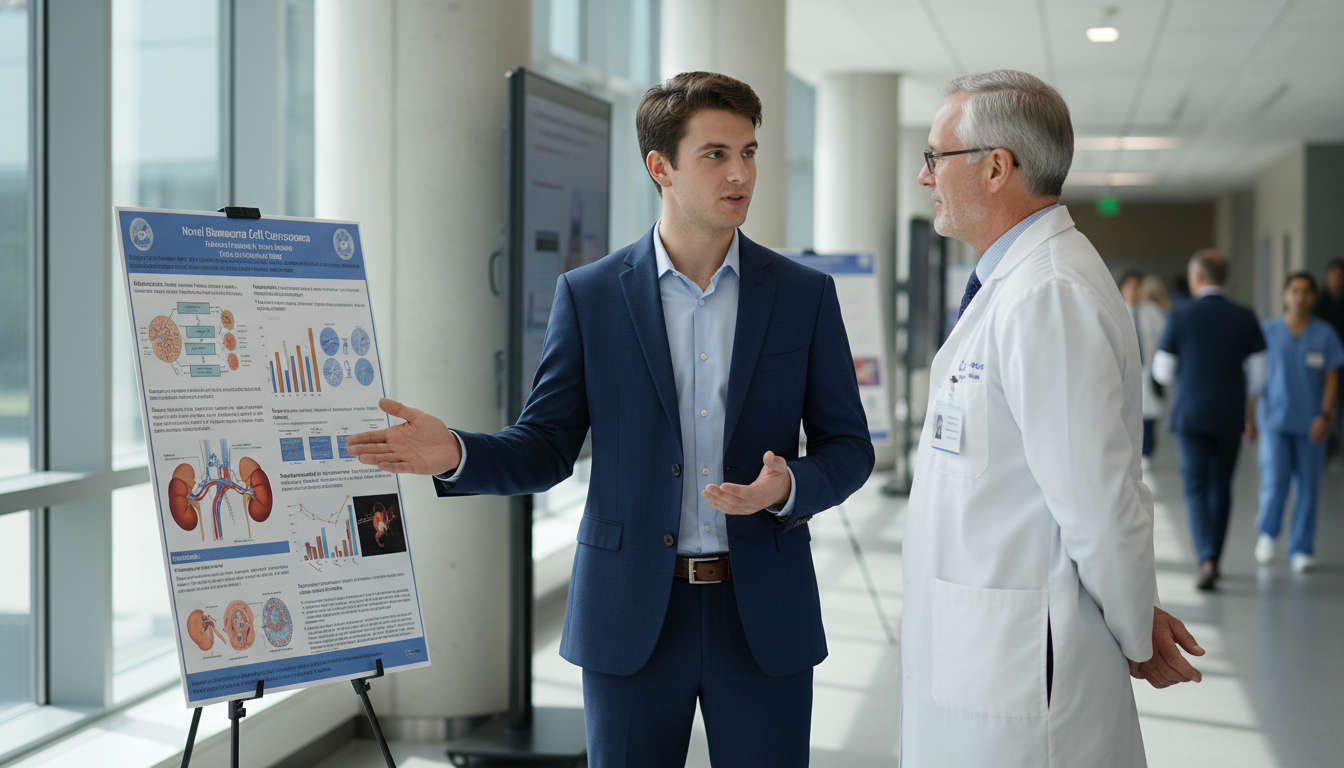
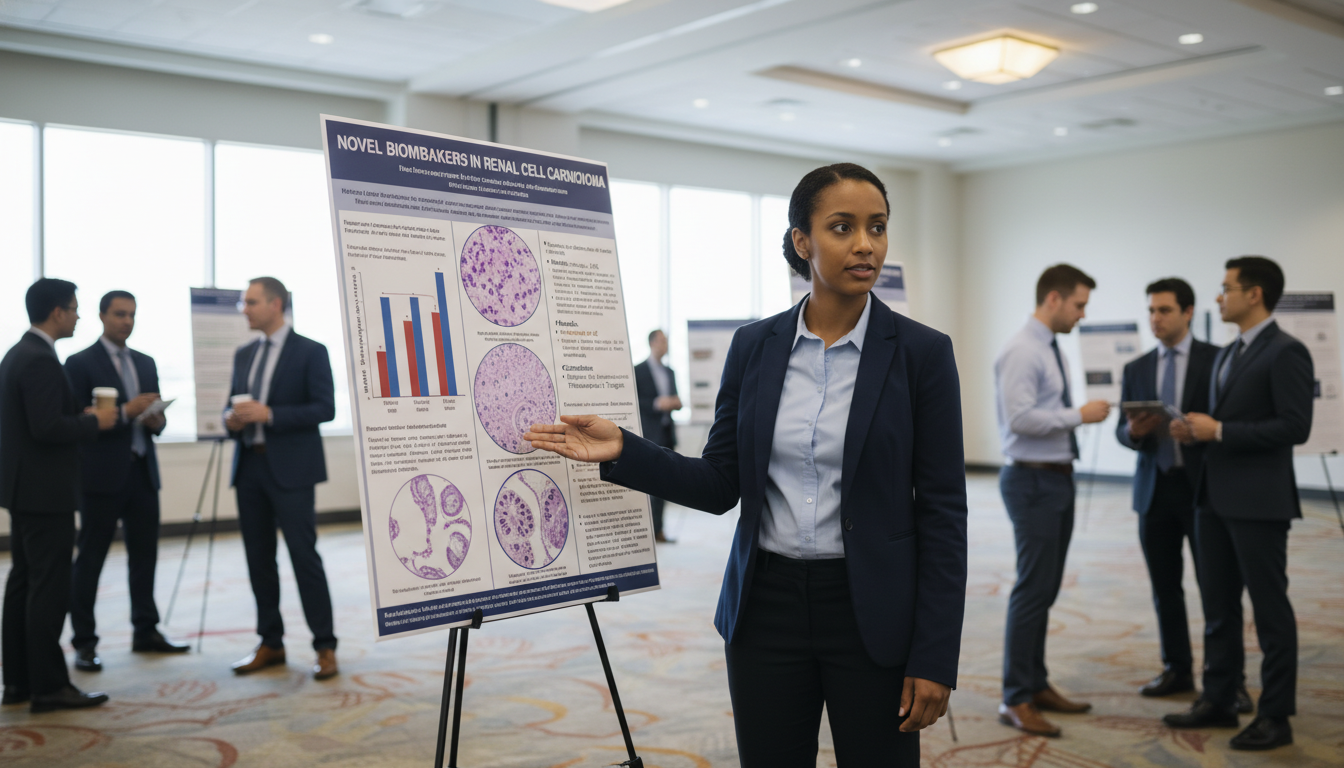
Posters are one of the fastest methods to build your visible research profile.
Pathology-relevant venues:
- USCAP Annual Meeting
- College of American Pathologists (CAP) Annual Meeting
- ASCP Annual Meeting
- Regional pathology society meetings
- Institutional research days at affiliated hospitals
Tips for Caribbean IMGs:
- Even if you can’t travel, many conferences accept virtual posters.
- Ask if your name will be included on the conference abstract (often indexed in journals or conference supplements).
- Keep copies of your posters and abstracts as PDFs for your portfolio and ERAS upload.
4. Writing and Submitting Manuscripts
If you’re helping to draft a manuscript:
- Use a reference manager (Zotero, Mendeley, EndNote Basic).
- Follow the target journal’s author guidelines carefully.
- Expect revisions—multiple rounds are normal.
- Aim for journals that are reputable but realistic for your project’s scope (impact factor matters less than completing a solid, peer-reviewed publication).
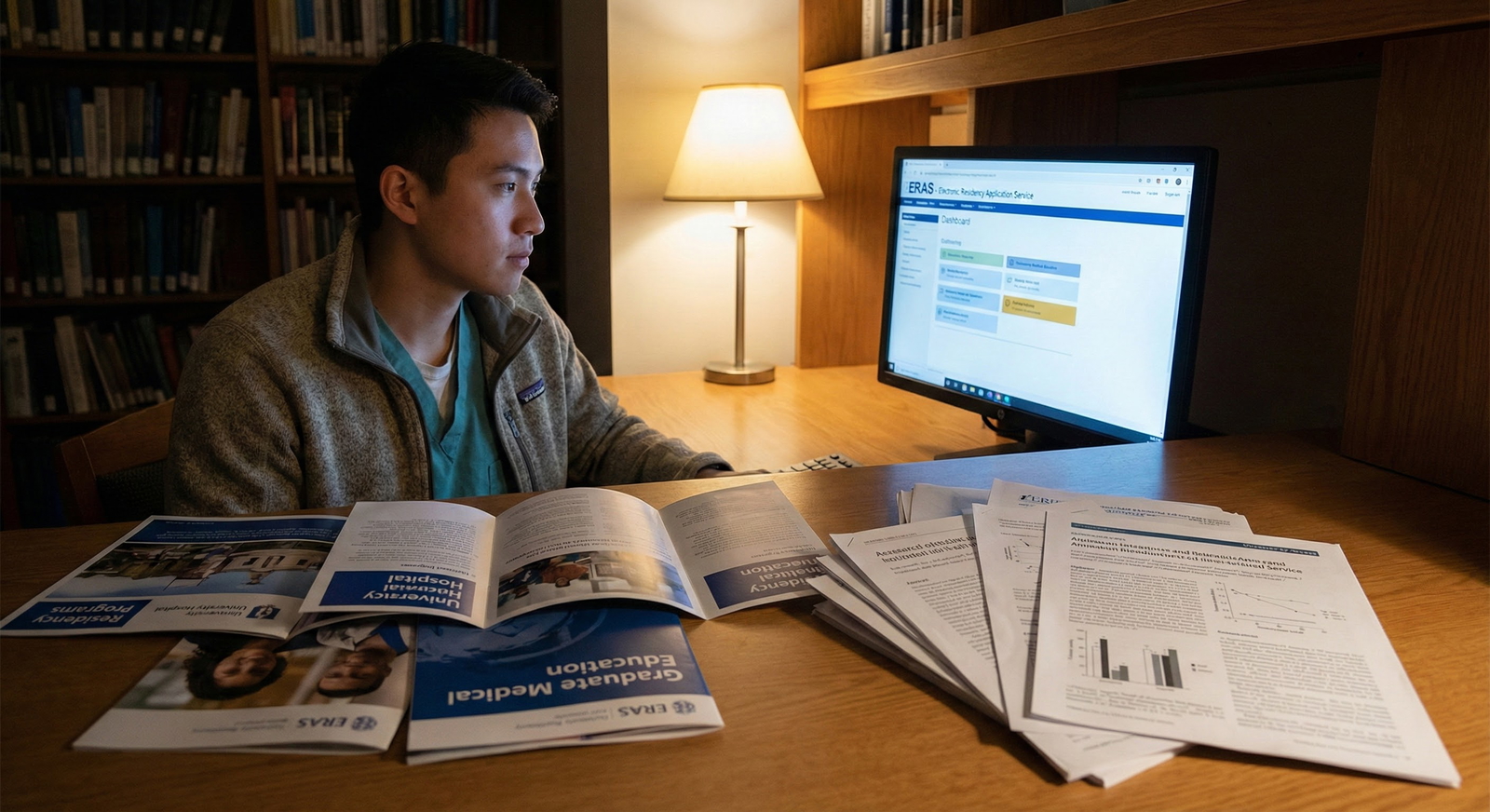
5. Accurately Listing Research in ERAS
For the residency application:
- Categorize each experience correctly (research, publication, presentation, QI).
- For each research experience, be specific about:
- Your role (e.g., “co-authored abstract, led data collection, performed literature review”).
- Project outcomes (e.g., “Poster presented at USCAP 2024”).
- If a manuscript is submitted or under review, mark as such and be honest about status.
Avoid inflating your role or misrepresenting unsubmitted work as published. Program directors do verify.
Building a Coherent Pathology-Focused Research Narrative
Your goal is not just a pile of disconnected projects, but a story that makes sense:
“I am a Caribbean IMG who developed a sustained interest in pathology, pursued opportunities to explore it academically, and now bring a proven record of scholarly curiosity and follow-through to residency.”
1. Aligning Projects with Pathology
Even if not all your work is strictly pathology, you can frame them in a way that shows continuity:
- Hematology or oncology case reports → relevance to hematopathology.
- Infectious disease studies → relevance to microbiology or molecular diagnostics.
- QI projects in lab ordering or test utilization → relevance to clinical pathology.
- Radiology or surgery-related work → diagnostic process and correlation with pathology.
When you do get explicitly pathology projects (histology, tumor markers, lab operations), prioritize them—they carry the most direct weight for pathology match.
2. Using Research in Your Personal Statement and Interviews
In your personal statement, avoid simply listing your projects. Instead:
- Choose 1–2 key experiences.
- Explain what you learned about pathology (e.g., complexity of diagnosis, importance of clinicopathologic correlation, the role of the lab in patient care).
- Show how this shaped your decision to pursue pathology.
In interviews:
- Be prepared to discuss:
- Your study’s question and design.
- Limitations of your project.
- What surprised you in the data.
- How you handled setbacks or delays.
Program directors often use research questions to assess your understanding of scientific thinking and your honesty about your role.
3. Matching Your Research Intensity to Program Type
Community-based pathology programs:
Value reliability, clinical strength, and some evidence of scholarly engagement (case reports, QI projects, a few posters). A modest but real research profile is usually enough.Academic or physician-scientist–leaning programs:
Expect more substantial research, often pathology-focused, with publications and clear involvement in hypothesis-driven work. If you are SGU or another Caribbean IMG targeting these programs, your SGU residency match or similar outcomes will be strongest with a robust, clearly documented research portfolio.
Frequently Asked Questions (FAQ)
1. As a Caribbean IMG, do I need pathology research to match into pathology?
No, not strictly—but having pathology-related research increases your chances significantly, especially at mid- to high-tier programs. At minimum, aim for:
- 1–2 pathology-relevant case reports or posters, or
- A QI project directly related to lab medicine or diagnostic processes.
If you have no pathology-specific research, strong general research plus strong letters and a clear narrative for choosing pathology can still get you interviews, particularly at community and hybrid programs.
2. How many publications needed to be competitive for pathology as a Caribbean IMG?
There is no absolute threshold, but a practical target is:
- 1–3 peer-reviewed publications (case reports, small studies, or reviews), and/or
- 2–3 posters or oral presentations.
Quality and relevance matter more than raw count. A single well-executed pathology project with tangible output often outweighs many incomplete or marginal efforts.
3. Can quality improvement (QI) projects really help my pathology match chances?
Yes. QI in laboratory testing, reporting, and workflow is central to clinical pathology. A well-documented QI project:
- Demonstrates understanding of systems-based practice.
- Shows you can measure outcomes and work in a team.
- Can easily turn into a poster or short publication.
Be sure to describe your QI projects clearly in ERAS and, if possible, present them at local or national meetings.
4. I’m starting late (final year, already graduated). Is it too late to build a research profile?
It’s late for extensive basic science research, but not too late to:
- Co-author 1–2 case reports with attendings from your recent rotations.
- Join an ongoing retrospective or QI project where data is already collected.
- Prepare and submit posters for upcoming conferences.
- Work on a structured review or educational project under a faculty mentor.
Even 6–12 months of focused, well-executed research efforts can meaningfully strengthen your pathology application, especially when paired with strong letters and a coherent narrative of your interest in the field.
By planning intentionally, leveraging every rotation and mentor, and focusing on feasible, high-yield projects, you can build a research profile that significantly boosts your competitiveness as a Caribbean IMG for pathology residency. Your goal is not just to collect publications for match, but to demonstrate that you think like a pathologist—curious, analytical, data-driven, and committed to lifelong learning.