Understanding the Role of Research in Psychiatry Residency for Caribbean IMGs
For a Caribbean IMG interested in psychiatry residency, research is no longer “optional” if you want to be broadly competitive in the U.S. match. It is not the only factor—clinical performance, USMLE scores, strong letters, and communication skills still matter enormously—but a thoughtful research profile can:
- Signal genuine interest in psychiatry
- Compensate partially for other weaknesses (e.g., average Step scores)
- Help you stand out among other Caribbean medical school residency applicants
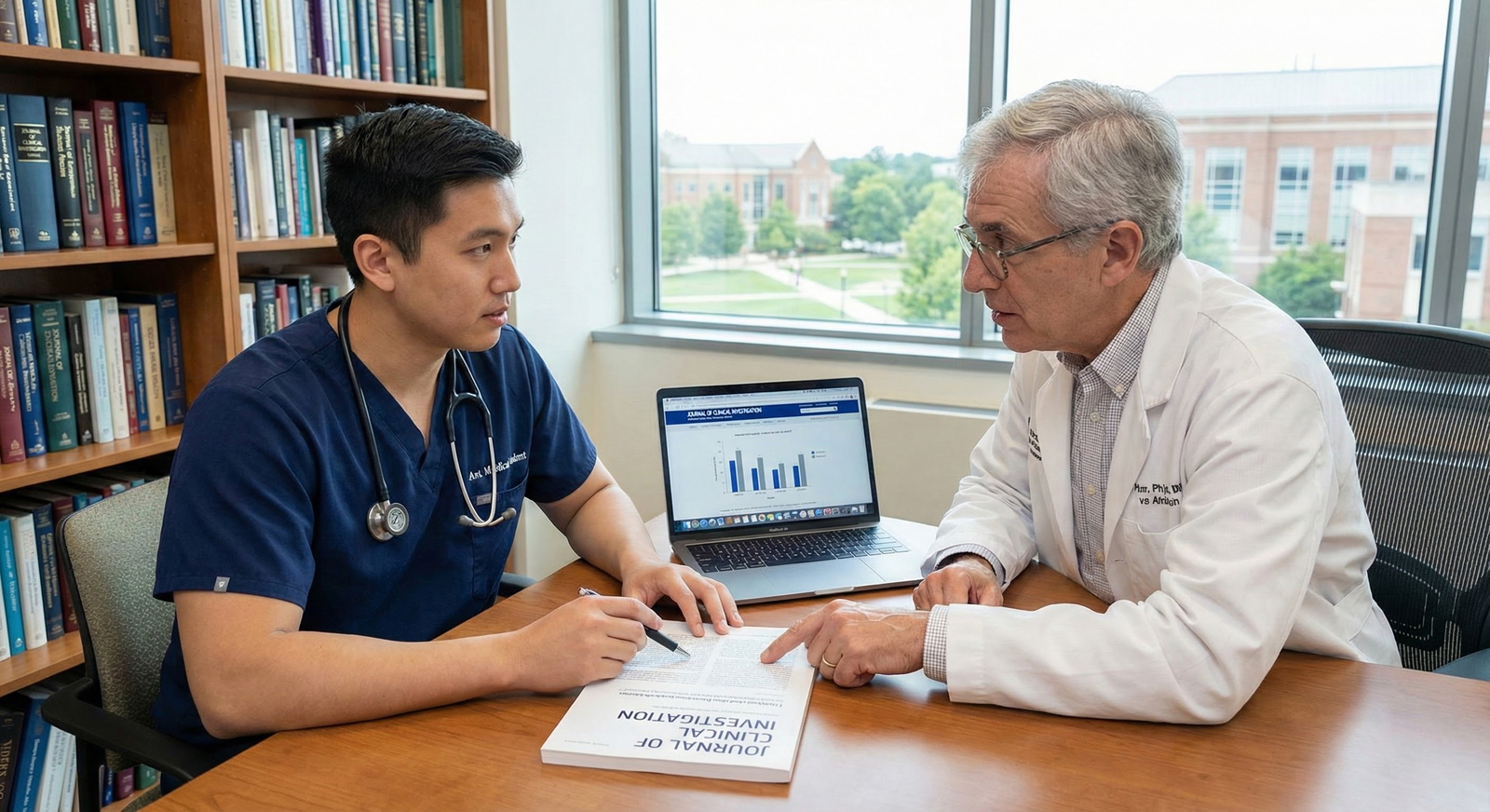
- Open doors to mentorship, electives, and stronger letters of recommendation
Why psychiatry values research
Psychiatry is rapidly evolving: neuroimaging, psychopharmacology, digital mental health tools, psychotherapeutic outcomes, social determinants of mental health, and more. Programs look for residents who:
- Can critically appraise the literature
- Understand evidence-based treatment
- Are open to new models of care and technology
- Can contribute to scholarly activity (case reports, QI projects, posters)
Having any research shows intellectual curiosity. Having psychiatry-focused or mental-health–oriented work shows specialty commitment.
Caribbean IMG reality: how programs see you
Programs know that Caribbean IMGs typically have:
- Limited home-institution research infrastructure
- Fewer built-in opportunities than U.S. MD schools
- Variable mentorship and funding
But they also know Caribbean IMGs who match—especially from schools with a strong SGU residency match or similar reputations—often go above and beyond to create opportunities. When your CV shows that you proactively sought out research, it reassures programs that you can navigate a complex system and persevere.
You do not need to be a first-author on randomized controlled trials. You do need a coherent story that ties your research exposure to your interest in psychiatry and shows a track record of scholarly engagement.
How Many Publications Are Needed for Psychiatry Residency?
Many Caribbean IMGs worry obsessively about the question: how many publications needed to match psychiatry? The real answer is: it depends, but there are realistic benchmarks that help you aim wisely.
Big picture: quantity vs. quality vs. relevance
Programs look at:
- Quantity
- Total number of abstracts, posters, presentations, and publications for match
- More matters somewhat, but there are diminishing returns
- Quality
- Peer-reviewed vs. non-peer-reviewed
- PubMed-indexed journals vs. obscure/unindexed
- Prospective or hypothesis-driven work vs. low-effort case reports
- Relevance
- Psychiatry-focused > other specialties
- Mental health, neurology, behavioral health, substance use, public health, and social determinants of mental health are all strongly relevant
A strong application is about balance—demonstrating consistent scholarly activity that fits your narrative.
Benchmarks for Caribbean IMGs in psychiatry
These are realistic targets for a Caribbean IMG aiming at a psychiatry residency:
- Minimum viable (still matchable with strong other factors)
- 1–2 scholarly experiences: e.g., a poster presentation plus a case report
- Strong clinical evaluations, good letters, decent Step scores, and U.S. psychiatry electives
- Competitive profile
- 3–6 scholarly outputs in total (across posters, abstracts, and publications)
- At least one psychiatry- or mental-health–focused project
- Mix of roles (not all “just a name” on a paper)
- Highly competitive / research-oriented programs
- 6+ outputs, with some in psychiatry
- At least one formal publication (case report, original article, or review)
- Potential involvement in multi-center projects, clinical trials, or sizeable QI initiatives
Remember: not every research experience must end in a publication. Ongoing projects, posters, conference abstracts, and even structured QI work all count as scholarly activity.
Example: Profiles that can realistically match psychiatry
Applicant A: Solid match potential
- 2 posters (one on depression in primary care, one on anxiety in medical students)
- 1 case report (published in a new but peer-reviewed journal)
- One structured QI project on suicide risk screening during a psychiatry elective
- Good USMLEs, solid LORs from psychiatrists
Applicant B: Strong for academic psychiatry
- 1 first-author review article on cultural considerations in psychopharmacology
- 2 co-author original clinical research papers (one psych, one neurology)
- 3 poster presentations (national and regional psychiatry conferences)
- Ongoing work in a digital mental health outcomes project
- Strong letters from research mentors and psychiatry attendings
Both applicants can match, but Applicant B is more competitive for research-heavy or university-based programs.

Types of Research That Count (and How to Get Them as a Caribbean IMG)
You do not need access to a massive NIH-funded lab to build a meaningful research profile. For a Caribbean IMG in psychiatry, the key is to choose doable projects that can realistically reach completion.
1. Case reports and case series
Best for: Limited resources, early in medical school, short clinical rotations
Why they matter:
- They are feasible during short psychiatry clerkships or sub-internships
- They demonstrate observation, curiosity, and follow-through
- They often lead to a quick publication or poster
Psychiatry examples:
- A rare presentation of psychosis or catatonia
- Unusual side effect to an antidepressant or antipsychotic
- Complex comorbidity (e.g., bipolar disorder with substance use and autoimmune disease)
- Cultural or migration-related factors affecting diagnosis
Action steps:
- During your psychiatry rotation, look for unusual or instructive cases.
- Ask your attending:
“I found this case fascinating—do you think it might be suitable for a case report? I’d be happy to draft it under your guidance.” - Write systematically: background, case presentation, discussion, and brief literature review.
- Initially target case-report-friendly journals in psychiatry or general medicine.
2. Chart reviews and retrospective studies
Best for: Longer time frames, access to electronic medical records, research with faculty in the U.S. or at a Caribbean teaching hospital
Psychiatry examples:
- Patterns of antipsychotic prescribing in an inpatient unit
- Readmission rates for patients with schizophrenia vs bipolar disorder
- Documentation of suicide risk assessments in the ED
- Impact of a new screening tool for depression in primary care
Feasibility tips:
- Start small: one question, one unit/hospital, focused time frame.
- Offer to handle IRB drafts and data collection in exchange for authorship and mentorship.
- Make sure you understand basic statistics (or collaborate with someone who does).
3. Quality Improvement (QI) and systems-based projects
These often overlap with research for residency but may be classified as QI. They still count as scholarly work and look excellent on your CV.
Psychiatry QI examples:
- Improving documentation of suicide risk assessments on an inpatient unit
- Increasing screening rates for depression in primary care clinics
- Reducing wait times for psychiatric consults in the ED
- Implementing a standardized metabolic monitoring protocol for patients on antipsychotics
Why QI is valuable:
- Highly practical; aligns directly with clinical care
- Often more feasible than full research projects
- Frequently presented as posters at local or national conferences
4. Systematic reviews, narrative reviews, and literature-based projects
Best for: Limited patient access, remote work, early in med school
Psychiatry topics might include:
- Telepsychiatry efficacy in low-resource settings
- New treatments for treatment-resistant depression
- Cultural aspects of PTSD diagnosis in Caribbean populations
- Psychosocial impacts of migration on mental health
Practical route:
- Identify a faculty member (even outside psychiatry) doing literature-based or academic work.
- Propose a review in their interest area with a psychiatric/mental health lens.
- Use structured tools: PRISMA for systematic reviews, clear inclusion/exclusion criteria, reference managers (Zotero, Mendeley).
5. Basic science and neuroscience
Less common for Caribbean IMGs due to infrastructure needs, but if feasible:
- Neuroimaging studies related to mood or psychotic disorders
- Molecular studies of psychotropic mechanisms
- Animal models of stress, anxiety, or addiction
If you already have such experience (e.g., undergrad research), highlight its relevance to psychiatry in your personal statement and interviews.
Finding Research Mentors and Opportunities as a Caribbean IMG
One of the biggest challenges in Caribbean medical school residency planning is location and access. You are often off the U.S. mainland for preclinical years, then scattered across different clinical sites for rotations. You must be proactive and strategic.
Step 1: Start with your own school’s network
Even if your medical school is small, it likely has:
- Faculty who have published at some point
- A list of alumni in residency or fellowship
- Formal or informal research tracks (especially at larger schools like SGU)
Actionable moves:
Search your school’s website and PubMed for your school’s name to find publishing faculty.
Email them:
Subject: Caribbean IMG student seeking psychiatry-related research opportunity
Dear Dr. [Name],
I am a [year] medical student at [School] with a strong interest in psychiatry residency and growing my research experience. I noticed your work on [topic] and would be grateful for the opportunity to assist with any ongoing projects, including literature reviews, data collection, or manuscript preparation. I’m particularly interested in [brief tie to their topic].
I can commit [X hours/week] consistently and am comfortable learning new skills. I would appreciate any chance to speak with you briefly about how I might contribute.
Sincerely,
[Name]
Step 2: Use your U.S. clinical rotations strategically
Your core and elective rotations in the U.S. are high-yield for finding research mentors.
On psychiatry rotations:
Identify attendings who publish or present frequently (ask residents or check online).
Show genuine interest: ask about recent papers, guidelines, or their ongoing projects.
Towards the end of the rotation, say:
“I’ve really enjoyed working with you and I’m very interested in psychiatry research. Do you have any ongoing projects I might help with, even remotely, after this rotation?”
During other rotations:
- Look for mental health-related angles: delirium in ICU, depression in chronic illness, adherence in HIV, substance use, etc.
- Ask if there is scope for a case report, chart review, or small QI project.
Step 3: Cold outreach beyond your institution
If your home institution is limited, you can still build a remote research portfolio:
- Identify psychiatry residents and faculty with interests that match yours (using PubMed, institutional websites, or LinkedIn).
- Start with shared connections (Caribbean alumni, SGU residency match lists, or other Caribbean schools’ alumni pages).
- Send polite, targeted emails showing that you understand their work and can offer time and consistency.
Key tips:
- Emphasize your reliability and long-term commitment (6–12 months).
- Be realistic about time zones and meeting frequency.
- Be prepared to do “grunt work” initially (data cleaning, references) to earn trust and authorship later.

Strategically Shaping Your Research Profile for the Psych Match
A random collection of projects is less powerful than a coherent research narrative. Programs will ask: “Who is this applicant academically, and how does research fit into their professional identity?”
Build a theme (even if it’s subtle)
You do not need to have all your work revolve around one topic, but you can frame your experiences around a few consistent themes:
Possible psychiatry themes for a Caribbean IMG:
- Cultural psychiatry and migration
- Mood and anxiety disorders in primary care
- Substance use in underserved populations
- Telepsychiatry and digital mental health in resource-limited settings
- Child and adolescent mental health and family systems
Example:
If your projects include depression screening in primary care, a case report on postpartum depression, and a review on telepsychiatry for depression, you can clearly frame your interest in innovative ways to identify and treat mood disorders in diverse populations.
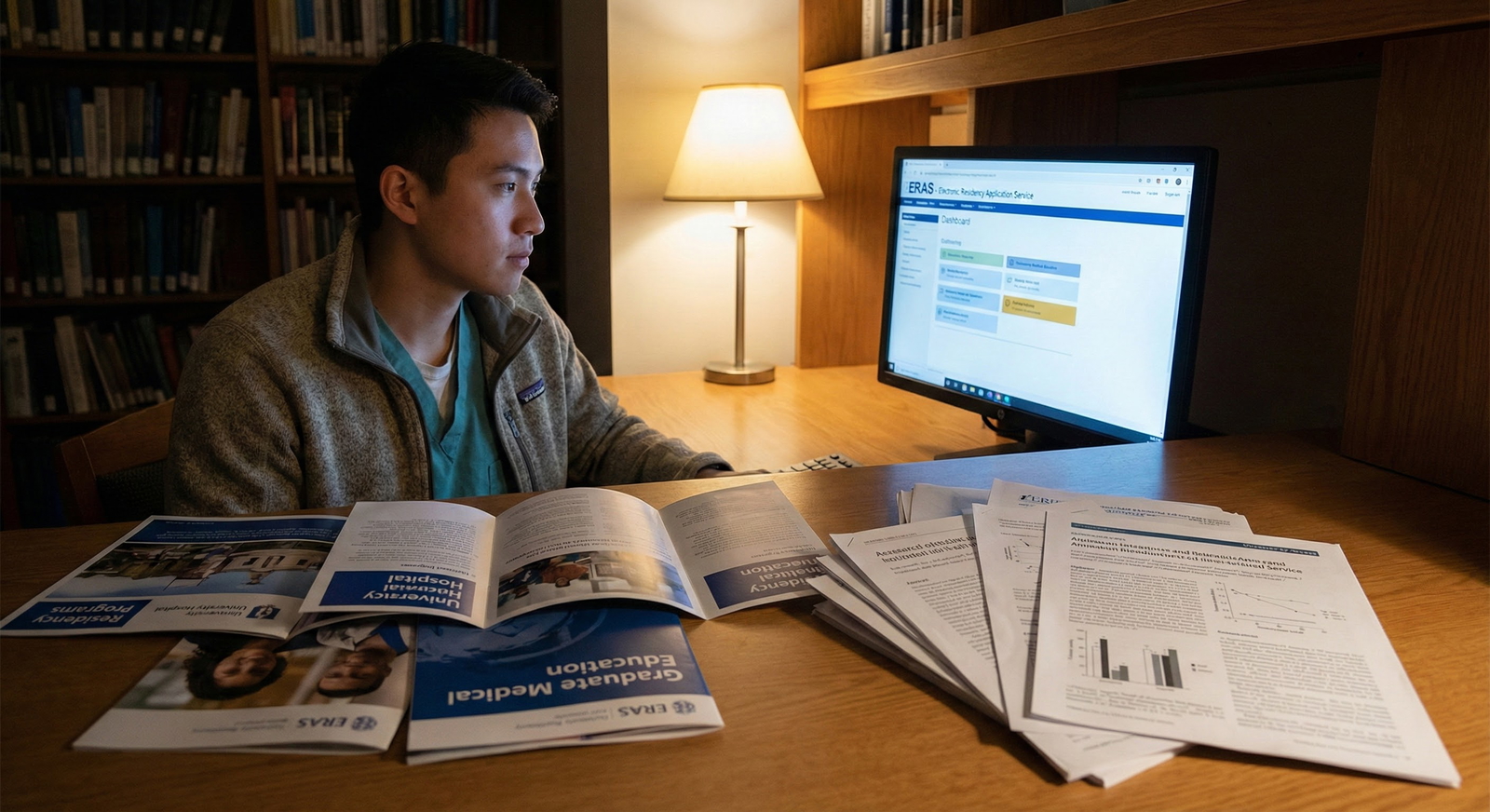
Presenting your research on ERAS and in interviews
On your CV / ERAS application
- List all abstracts, posters, oral presentations, and publications for match.
- Clarify your role (first author, co-author, data collection, analysis).
- Be honest; do not exaggerate contributions.
In your personal statement
- Briefly highlight 1–2 key projects that connect to your interest in psychiatry.
- Focus on what you learned: critical thinking, teamwork, exposure to underserved populations, or understanding system barriers.
In interviews
- Be ready for:
- “Tell me about your research.”
- “What was your role in this project?”
- “How has research influenced your interest in psychiatry?”
- Prepare 2–3 clear, 2-minute summaries of your main projects:
- The question
- The methods (plain-language)
- The key findings
- Why it matters clinically
- Be ready for:
Common pitfalls to avoid
- Chasing “big-name” projects you can’t finish. A modest completed project is far better than a half-finished large study.
- Being a “ghost author.” If you barely worked on a project, it will show in interviews.
- Ignoring mental health angles in non-psychiatry research. Many areas can be framed in a psych-relevant way (e.g., depression in cancer patients, adherence issues, delirium).
- Waiting too long to start. Even first- and second-year Caribbean IMGs can begin with case reports, reviews, or data entry roles.
Timeline and Action Plan: From M1 to Match
The exact structure of Caribbean programs varies, but you can adapt this generic plan.
Preclinical years (M1–M2)
Goals:
- Learn research basics: study design, statistics, critical appraisal
- Secure at least one mentor
- Start with feasible, low-resource projects
Actions:
- Take an online course (Coursera, edX, university modules) on clinical research or biostatistics.
- Join or start a research interest group (especially psychiatry-focused, if available).
- Aim for:
- 1 case report or review article
- Participation in a small project (data collection, lit review)
Early clinical years (M3)
Goals:
- Connect clinical experiences to research questions
- Target at least one psychiatry-related project
Actions:
- On each rotation, ask if QI or case-report-worthy cases exist.
- During psychiatry rotation:
- Actively seek mentors who publish.
- Identify 1–2 cases for case reports.
- Aim for:
- 1–2 posters (local/regional meetings)
- 1 additional manuscript in progress
Late clinical years / pre-application (M4, pre-ERAS)
Goals:
- Finalize and submit manuscripts
- Present at least once at a regional or national meeting
- Align your research narrative with your psych match story
Actions:
- Ask mentors where to submit posters or abstracts (e.g., APA, AACAP, regional societies).
- Obtain strong letters that reference your research skills.
- Practice your “research story” for interviews.
By ERAS submission, a reasonable target for a Caribbean IMG focused on psychiatry:
- 1–2 publications (case reports, reviews, or small original research)
- 2–4 poster/oral presentations
- 1–2 ongoing projects you can discuss intelligently
FAQs: Research Profile Building for Caribbean IMGs in Psychiatry
1. I have no research at all and I’m already in my clinical years. Is it too late?
It is not too late, but you must be strategic and realistic. Focus on:
- Case reports during psychiatry and other rotations
- Small QI projects that can be started and completed within months
- Joining an existing project in a limited, well-defined role (e.g., data collection, chart review)
Even one or two completed projects, if relevant and well-presented, can positively influence your psych match chances.
2. Does my research have to be in psychiatry to help me match psychiatry?
Psychiatry-specific research is ideal, but not strictly mandatory. Other fields can still be valuable if you:
- Show how the topic links to behavior, mental health, or patient experience
- Explain in interviews what you learned that applies to psychiatry (e.g., communication, chronic disease management, health disparities)
However, at least some psychiatry or mental health–relevant work strengthens the signal of genuine interest in the field.
3. For Caribbean medical school residency applications, do programs care more about number of publications or the type of research?
Programs look at the overall pattern:
- Consistent scholarly engagement over time
- Evidence that you can complete a project
- Relevance to psychiatry and patient care
- Your genuine understanding of your work
One well-understood, meaningful project is more valuable than several papers you can’t explain. Nonetheless, having multiple scholarly products (posters, abstracts, case reports) improves your competitiveness.
4. I’m worried my research is in low-impact journals. Will programs hold that against me?
For an IMG from a Caribbean school, programs primarily look for:
- Effort
- Completion
- Integrity
- Relevance
Publishing in prestigious journals is not expected. Many strong residents come from smaller or lower-impact venues. What matters:
- The quality and honesty of your contribution
- Your ability to articulate the project clearly
- Demonstrating that you understand research methodology
If you continue to build your skills, your future work (during residency and beyond) may naturally move into higher-impact venues.
By approaching research intentionally—starting early where possible, focusing on feasible projects, cultivating mentors, and building a coherent narrative—you can construct a strong research profile as a Caribbean IMG and significantly enhance your competitiveness for psychiatry residency in the U.S.