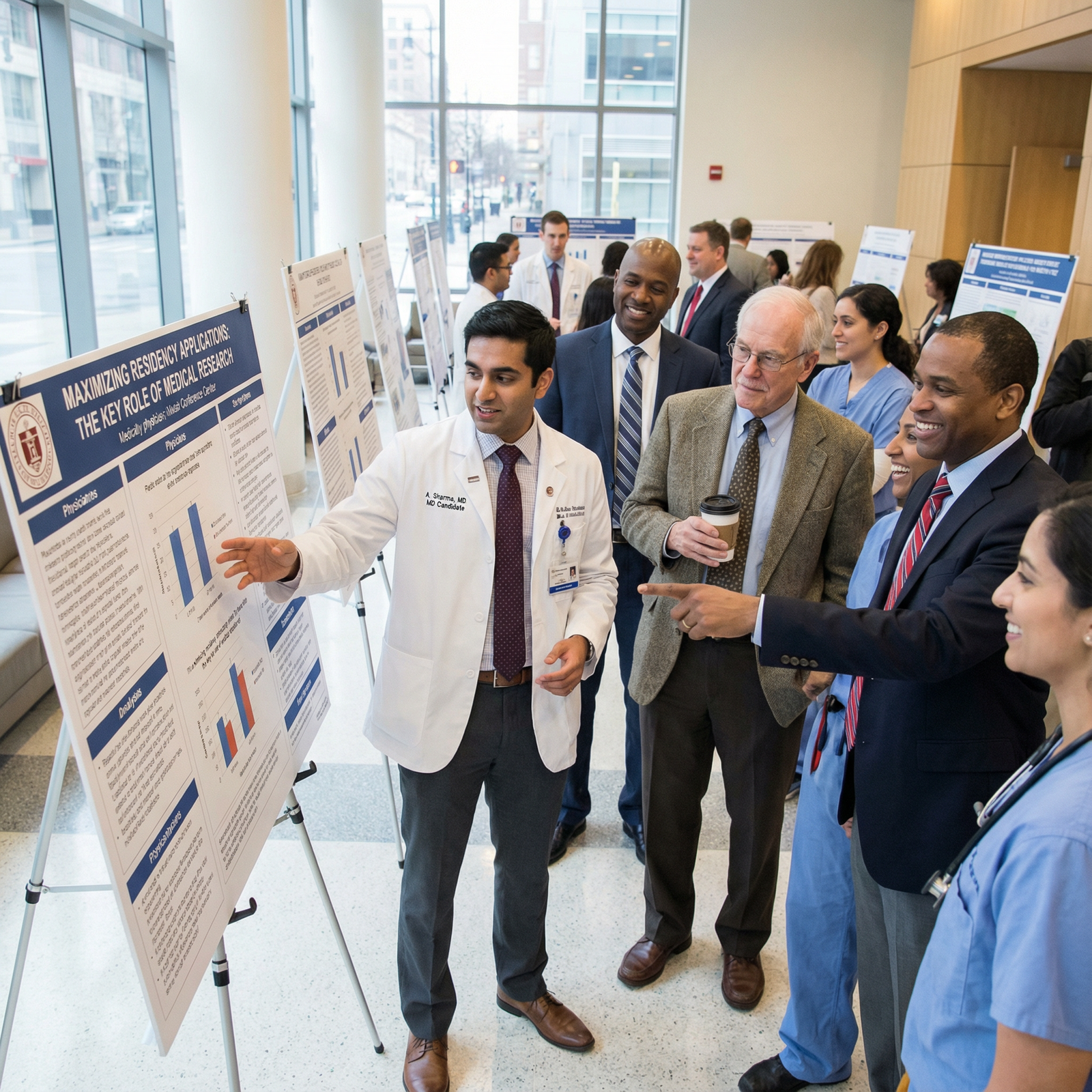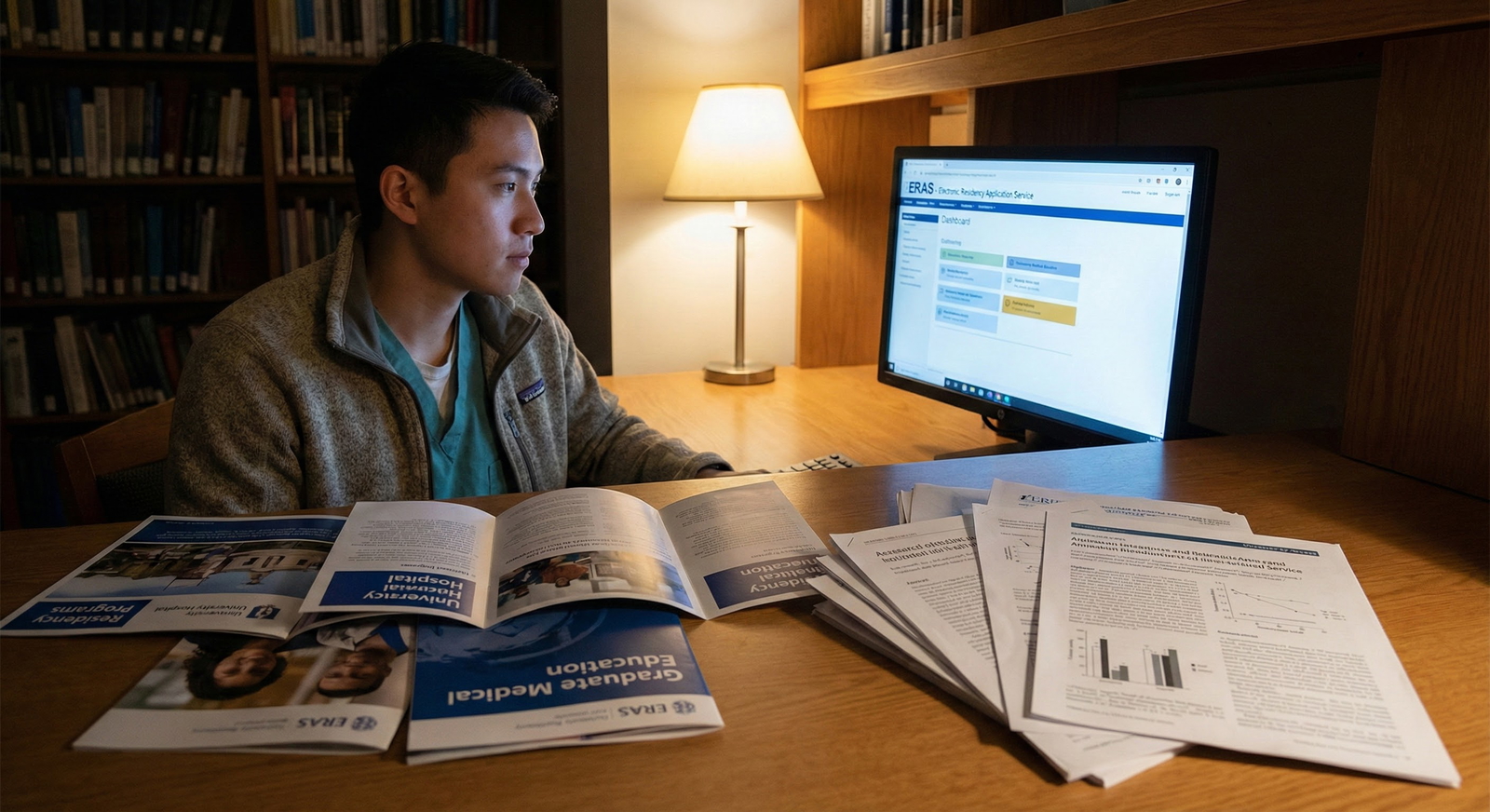
As a DO graduate pursuing neurology, your research profile can significantly impact your neurology residency prospects—especially for competitive university and academic programs. While osteopathic principles and clinical excellence matter, program directors increasingly scrutinize research experience, scholarly output, and evidence of academic curiosity.
This guide breaks down how to strategically build a strong research profile tailored to a DO graduate applying for neurology, including timelines, how to find projects, what types of research count, and realistic targets for publications for match.
Understanding the Role of Research in the Neurology Match
Why Research Matters in Neurology
Neurology is inherently academic. Many neurology attendings and US academic programs are heavily involved in:
- Stroke and vascular neurology trials
- Epilepsy and neurophysiology studies
- Neuroimmunology and MS research
- Neurodegenerative disease research (Alzheimer’s, Parkinson’s, ALS)
- Neurocritical care and ICU outcomes
- Neuroimaging and AI/ML in neurology
Program directors know that residents who have done research are more likely to:
- Read and apply literature critically
- Engage in quality improvement and scholarly activity during residency
- Pursue fellowships and academic careers
- Represent their program at conferences (AAN, AES, ANA, etc.)
For DO graduates—who sometimes feel they must “prove” academic strength to allopathic-heavy programs—research can help:
- Demonstrate comfort with evidence-based medicine
- Show you can perform at the same academic level as MD peers
- Counterbalance slightly lower scores or mid-tier school name
- Highlight genuine interest in neurology, not a last-minute choice
How Program Directors Evaluate Research
Programs usually look at:
- Quantity and quality of output
- Peer-reviewed publications
- Abstracts and posters at major meetings
- Case reports, letters, and review articles
- Neurology relevance
- Neurology or neuroscience-focused projects are ideal
- General medicine or other specialty research can still help, especially if robust
- Role on the project
- First-author or co-first author reflects leadership
- Middle-author on large trials is still valuable but less personalized
- Consistency over time
- A pattern of involvement over several years
- Not just a single rushed project in the final semester
Key point: You do not need a PhD-level portfolio to match neurology. However, a thoughtful, neurology-oriented research narrative can significantly strengthen your application.
How Many Publications Are Needed for Neurology Residency?
The honest answer: “It depends”—on your target programs, board scores, and overall application.
General Benchmarks and Context
Data from NRMP Program Director Surveys and neurology match trends (up to 2024) suggest:
- Many matched neurology applicants report some scholarly activity, often:
- 1–3 abstracts/posters
- 0–2 peer-reviewed publications
- Highly academic programs (big-name university neurology departments) often match many applicants with multiple neurology-related outputs.
For a DO graduate, realistic benchmarks:
- Community or mid-tier university neurology programs
- Competitive with:
- 1–2 case reports or abstracts/posters
- Possibly 1 publication (not necessarily neurology)
- Competitive with:
- Stronger academic university programs
- More comfortable with:
- 2–4 neurology-related abstracts/posters
- 1–2 peer-reviewed publications or accepted manuscripts
- More comfortable with:
- Top-tier or research-heavy programs
- Often see:
- 3–6 total scholarly outputs
- At least 2 neurology-specific projects
- Sometimes involvement in a meaningful clinical trial or basic science project
- Often see:
However, numbers alone do not decide the neuro match. Programs care about:
- Your understanding of your own research
- How clearly you explain your role and impact
- Whether your research aligns with your stated interest in neurology
Strategic Takeaways for DO Graduates
If you’re asking “how many publications needed”, reframe the question into:
- Do I have at least one clear, neurology-related scholarly project I can discuss in depth?
- Can I show longitudinal interest in neurology through research, shadowing, electives, and personal statement?
- Do my research activities fill perceived gaps in my application (e.g., lower scores, lower COMLEX/USMLE, osteopathic school background)?
Aim for quality, relevance, and coherence, rather than chasing arbitrary numbers.
Types of Research and Scholarly Activity That Count
You do not need a full randomized controlled trial to build a credible research profile. Especially as a DO graduate with limited access to large academic centers, you can build a strong osteopathic residency match portfolio with a mix of:
1. Case Reports and Case Series
Why they’re ideal for DO students:
- Feasible in community or smaller hospital settings
- High learning value: literature review, structured writing, presentation skills
- Easier to complete within 3–6 months
Neurology-specific examples:
- A rare presentation of myasthenia gravis in an older adult
- A young patient with ischemic stroke from PFO
- Unusual side effect of an anti-seizure medication
- A DO-focused angle on somatic dysfunction and chronic migraine (if appropriately evidence-based)
Actionable tip:
Whenever you encounter an interesting neuro patient during rotations or sub-internships, ask:
“Has this case been written up before? If not, could we consider a case report?”
Many attendings will be receptive, especially if you volunteer to do the bulk of the draft.
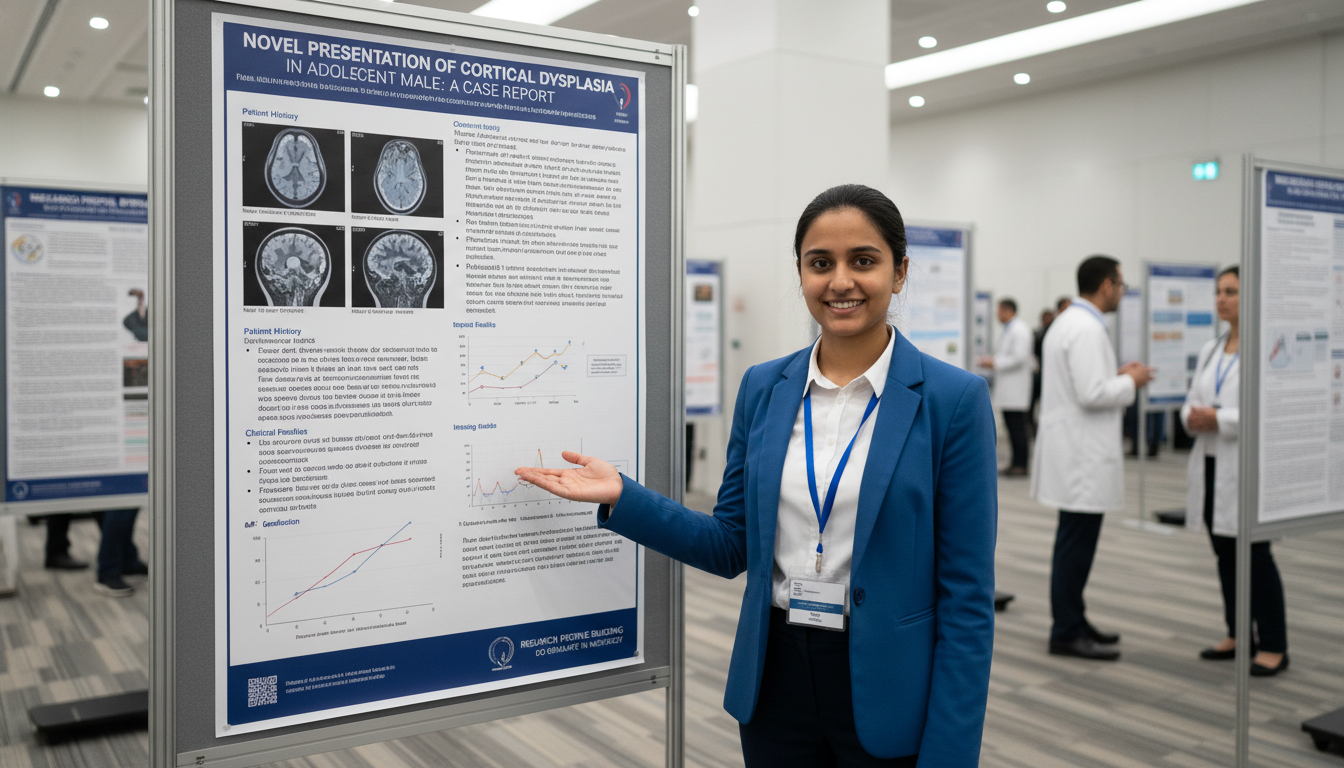
2. Clinical Research Projects
These carry strong weight for the neurology residency and neuro match:
- Retrospective chart reviews
- Stroke outcomes analysis
- Seizure admission characteristics
- Neuropathy workup yield studies
Even in DO-affiliated community hospitals, there are often:
- Stroke registries
- ICU databases
- QI projects with measurable outcomes (door-to-needle time, tPA utilization, etc.)
Example project:
A DO graduate partners with a stroke neurologist to examine:
“Time to thrombectomy and functional outcomes before and after a stroke protocol change in our hospital.”
This can lead to:
- Abstract/poster at AAN or AHA/Stroke
- Potential manuscript
- Strong letters from neurologists commenting on your research initiative
3. Basic Science or Translational Neuroscience
If your medical school or affiliated university has labs:
- Neuroimmunology
- Cognitive neuroscience
- Neural regeneration
- Neuro-oncology
These are powerful but may:
- Require more time commitment
- Be harder to see through to publication before graduation
Still, being part of a neuroscience lab shows commitment and can lead to:
- Co-authorship on papers
- Strong letters from PhD or MD-PhD mentors
- A clear academic career trajectory, if that interests you
4. Quality Improvement (QI) and Education Research
These count meaningfully as research for residency:
- QI:
- Optimizing seizure prophylaxis after traumatic brain injury
- Improving accurate documentation of NIH Stroke Scale scores
- Education research:
- Evaluating a neurology teaching module for interns
- Studying neuro exam OSCE performance before and after a workshop
When these are presented at conferences or submitted to journals, they can be listed under publications, abstracts, or presentations.
5. Reviews, Letters, and Book Chapters
These are easier to produce and still strengthen your research profile:
- Narrative review on neurologic manifestations of autoimmune disease
- Brief letter to the editor commenting on a neurology paper
- Book chapter for a review text or educational manual
While less impactful than original research, they:
- Show writing skills
- Demonstrate content knowledge
- Fill out your scholarly portfolio efficiently
Step-by-Step Strategy to Build Your Neurology Research Profile as a DO
This section lays out a practical roadmap, whether you’re starting early in medical school or are a recent DO graduate applying this cycle.
Step 1: Clarify Your Timeframe and Goals
Your approach varies depending on where you are:
- MS1–MS2 (Pre-clinical DO student)
- Goal: Build foundational research exposure
- Priority: Find mentors, join ongoing projects, develop skills
- MS3 (Core clinical year)
- Goal: Start neurology-related projects that can be completed or submitted by early MS4
- Priority: Case reports, small retrospective studies
- MS4 / DO Graduate in a Gap Year
- Goal: Convert research time into tangible outputs before ERAS submission
- Priority: High-yield projects with realistic deadlines (case reports, chart reviews, QI)
Action:
Write down:
- Your desired neurology program type (community vs academic vs top-tier)
- Your ERAS application date
- How many months you realistically have for research before that
Use that to decide which projects are feasible.
Step 2: Identify and Approach Neurology Research Mentors
Mentorship is critical for DO graduates, especially if your home institution has limited neurology infrastructure.
Where to Find Mentors
- Your home institution’s:
- Neurology faculty and clerkship director
- Stroke or epilepsy specialists
- Neuro ICU or neurohospitalists
- Affiliated hospitals with neurology services
- Alumni networks (DOs in neurology residency or fellowship)
- National organizations:
- American Academy of Neurology (AAN) section meetings
- Student interest group in neurology (SIGN) chapters
If your DO school lacks a robust neurology department, consider virtual or collaborative projects:
- Multi-center retrospective studies
- Remote chart review with secure EMR access
- Joining ongoing projects led by MD or DO neurology faculty at nearby universities
How to Email Potential Mentors (Practical Template)
Subject:
DO student interested in neurology research – seeking project involvement
Body (adapt and shorten as needed):
Dear Dr. [Name],
My name is [Your Name], and I am a [DO graduate / OMS-3/4] at [Your COM Name] with a strong interest in neurology, particularly [e.g., stroke, epilepsy, neuroimmunology]. I am hoping to build my research experience and would greatly appreciate the opportunity to assist with any ongoing projects you may have.
I have [briefly state skills: prior research exposure, familiarity with REDCap, basic statistics, or strong writing skills]. I am especially interested in projects that could realistically result in an abstract or manuscript within the next [timeframe].
I would be grateful for a brief meeting at your convenience to discuss how I might contribute. I’m happy to handle literature reviews, data collection, or drafting sections of a manuscript.
Thank you for considering this request.
Best regards,
[Name], DO (expected [year] / Class of [year])
[Contact info]
Send multiple targeted emails; don’t rely on one.
Step 3: Choose Projects That Fit Your Timeline
Focus on projects that are:
- Right-sized for your schedule
- Likely to produce something tangible (submission, abstract, poster) before ERAS
Good for short timeline (3–6 months):
- Case reports
- Small case series
- Chart review with limited variables
- QI or education projects with narrow focus
Better for long timeline (6–18+ months):
- Prospective or large retrospective studies
- Basic science lab work
- Multi-center collaborations
As a DO graduate aiming for the next neuro match, prioritize short-to-medium-term projects with high yield over complex, multi-year studies that may not yield outputs in time.

Step 4: Develop Core Research Skills (Even If You’re New)
You don’t need to be a statistician, but you should build competence in:
- Literature search
- Using PubMed, Google Scholar, and filters
- Saving articles with citation managers (Zotero, Mendeley)
- Critical appraisal
- Understanding study design (RCT, cohort, case-control, etc.)
- Identifying major limitations and biases
- Basic data handling
- Excel or Google Sheets
- Introductory use of SPSS, R, or Stata (if available)
- Scientific writing
- Following journal author guidelines
- Writing structured abstracts (Background, Methods, Results, Conclusion)
There are abundant free resources (e.g., Coursera, YouTube, AAN webinars) that can quickly get you to a functional level.
Step 5: Convert Work into CV-Visible Outputs
For the osteopathic residency match, especially in neurology, it’s not enough to “have done research.” You must translate your effort into clear line items:
- Abstracts accepted at:
- AAN (American Academy of Neurology)
- AHA/ASA (Stroke)
- AES (Epilepsy)
- Posters presented at:
- Institutional research day
- Regional neuroscience conferences
- Manuscripts:
- Peer-reviewed journal publications
- Case reports and case series
- Educational materials:
- Neurology teaching modules or curricula (if formally presented or published)
Actionable habit:
Every time you finish a research milestone (data collection, major analysis), ask:
“Is there a way to present this at a local or national level?”
This approach sustainably builds your portfolio over time.
Positioning Your Research as a DO Applicant in Neurology
Once you’ve done the work, you must present it compellingly in your application and interviews.
Crafting a Coherent Research Narrative
Program directors want to see alignment between:
- Your stated interest in neurology
- Your clinical experiences
- Your research projects
In your personal statement and interviews, highlight:
- Why neurology intellectually engages you
- How your research deepened your understanding (e.g., stroke mechanisms, seizure management, neuroimaging)
- What you learned about patient care from these projects
Instead of listing titles, emphasize:
- Your specific role (data collection, analysis, first author)
- One or two major “lessons learned” from your research
- How these experiences prepared you for a neurologist’s analytical work
Addressing DO-Specific Concerns
As a DO graduate, consider emphasizing:
- How your osteopathic training complemented your research perspective:
- Holistic view of neurologic disease impact
- Focus on function, rehab, and patient-centered outcomes
- Your ability to succeed in academic settings despite limited resources:
- Developed research from a community base
- Sought out mentors proactively
- Took initiative to create scholarly work
This frames your DO background as a strength, not a limitation.
Talking About Research in Interviews
Expect questions like:
- “Tell me about your most meaningful research project.”
- “What was your role in this study?”
- “What challenges did you encounter, and how did you address them?”
- “How do you see research fitting into your future career in neurology?”
Prepare 2–3 “go-to” projects you can discuss in depth:
- Be ready to explain:
- The question, methods, and main findings
- Why the study matters clinically
- What you personally did
- It’s okay if the study wasn’t randomized or groundbreaking. They care more about your insight and honesty.
Frequently Asked Questions (FAQ)
1. Do I need research to match into neurology as a DO graduate?
You can match into some neurology programs without formal research, especially at community or less research-intensive sites, if you have:
- Strong clinical evaluations
- Solid letters from neurologists
- Decent board performance (COMLEX and/or USMLE)
However, for academic and university programs, research is often a meaningful plus and sometimes an informal expectation. Even one or two neurology-related case reports or abstracts can significantly improve your competitiveness and demonstrate initiative.
2. How many publications do I need for a competitive neurology residency application?
There is no fixed cutoff. For most DO applicants:
- Stronger applications often include:
- 1–3 abstracts/posters
- 0–2 peer-reviewed publications
- More research-intensive programs may favor candidates with:
- 3–6 total scholarly activities
- At least 2 neurology-relevant projects
Think less in terms of a strict number and more in terms of having a coherent neurology research story you can clearly explain and defend.
3. I’m a DO with limited access to neurology research. What can I realistically do?
Common options:
- Case reports from your neurology rotations or sub-internships
- QI projects related to stroke protocols, seizure management, or neuro exam documentation
- Virtual collaboration with university-based neurology mentors
- Participation in multicenter registries or chart reviews
Leverage every neuro rotation to ask attendings:
“Are there any research or QI projects I could help with, even small ones?”
Small, well-executed projects are far better than no research at all.
4. Does research outside neurology still help my neuro match application?
Yes—particularly if:
- It shows sustained scholarly interest and productivity
- You can articulate transferable skills (study design, data analysis, scientific writing)
However, if possible, add at least one neurology-focused project (case report, chart review, or QI initiative) before you apply. This helps align your research with your clinical interests and strengthens your narrative for neurology residency.
By approaching research strategically—focusing on feasible projects, neurology relevance, and clear output—you can build a research profile that enhances your neurology residency prospects as a DO graduate. Your goal is not to become a career scientist overnight, but to demonstrate curiosity, initiative, and the analytical mindset that defines an excellent neurologist.