Understanding the Research Landscape for DO Applicants in Orthopedic Surgery
Orthopedic surgery is one of the most competitive specialties, and research is now a central pillar of a strong application. For DO graduates, the bar has risen further with the unified ACGME accreditation system and increasing emphasis on academic productivity. Many applicants worry about how many publications are needed, what counts as “real” research, and whether DO students are at a disadvantage in the osteopathic residency match environment.
The reality is nuanced:
- Research expectations are highest at university-based and academic orthopedic surgery residency programs.
- Community-based programs still value research, but may weigh it slightly less than clinical performance and letters.
- DO graduates are absolutely capable of competing—but you must be intentional and strategic about building your research profile.
This article walks you through how to build, strengthen, and present your research profile as a DO graduate targeting orthopedic surgery residency. We’ll cover project selection, timelines, networking, authorship, and how to use research to stand out—especially at programs with historically fewer DO residents.
Why Research Matters So Much in Orthopedic Surgery
Orthopedic surgery residencies are flooded with applicants with strong board scores, clinical grades, and extracurriculars. Research helps programs differentiate between many academically similar candidates.
How Programs View Research
Program directors typically use research to answer four questions about you:
Can you persist through long, complex projects?
Longitudinal research demonstrates discipline and follow-through—critical traits for ortho residents.Can you think critically and interpret data?
Even if you never become a full-time academic surgeon, evidence-based decision-making is central to modern orthopedic practice.Do you truly care about the specialty?
Orthopedic-specific projects signal genuine interest and early investment.Will you contribute to the program’s academic reputation?
Programs like residents who help generate conference presentations, publications, and grant activity.
For DO graduates, research also helps counteract lingering bias in some academic departments by showing you can operate at the same scholarly level as MD peers.
The “DO Graduate Residency” Reality in Ortho
In the current landscape:
- Many historically “osteopathic” orthopedic surgery residency programs have become ACGME-accredited and more research-oriented.
- Some formerly AOA programs still have more flexible expectations, but the trend is moving toward higher scholarly activity everywhere.
- Applicants from DO schools without large orthopedic departments often must go outside their home institution to build meaningful research portfolios.
This doesn’t mean you need to match the CV of a top-5 academic MD student. It means you need a coherent, intentional research narrative that shows growth, focus, and contribution.
How Many Publications Do You Really Need?
One of the most common questions is: “How many publications are needed for the ortho match?” There is no magic number, but there are realistic benchmarks.
General Benchmarks (Not Hard Cutoffs)
For DO applicants targeting orthopedic surgery residency:
Highly academic / top-tier university programs
- Often look for 5+ total scholarly items, with at least 2–3 ortho-related, and some combination of:
- PubMed-indexed papers
- Major national presentations (AAOS, AOA, OTA, POSNA, etc.)
- Expectation is higher if you’re applying from a school with strong ortho research infrastructure.
- Often look for 5+ total scholarly items, with at least 2–3 ortho-related, and some combination of:
Mid-tier university or hybrid academic–community programs
- Competitive range: 2–5 orthopedic-focused scholarly items.
- A mix of case reports, retrospective studies, and multi-center projects is common.
Community-based or formerly osteopathic programs
- Often satisfied with 1–3 orthopedic research projects, especially if:
- You can discuss them deeply.
- You show strong clinical performance and letters.
- Often satisfied with 1–3 orthopedic research projects, especially if:
Remember:
- Not all “publications” are equal, but anything peer-reviewed or nationally presented counts.
- An applicant with 2–3 high-quality orthopedic projects that they fully understand is often more impressive than someone with 10 superficial name-only authorships.
What “Counts” Toward Your Research Profile?
When we discuss research for residency, assess your output by tiers:
Tier 1 (highest impact):
- PubMed-indexed original research (clinical, translational, or basic science)
- Systematic reviews or meta-analyses in reputable orthopedic journals
- First-author or major-contributor papers
- Multi-center ortho studies, particularly with well-known faculty
Tier 2:
- Case reports and case series in peer-reviewed journals
- Narrative reviews in orthopedic or musculoskeletal topics
- Podium presentations at national/regional conferences (e.g., AAOS, OTA, AANA)
- Abstracts accepted at major specialty meetings
Tier 3 (still valuable, especially early):
- Quality improvement projects with rigorous data analysis
- Poster presentations at institutional or local conferences
- Non-orthopedic research where you contributed meaningfully
- Book chapters or educational resources (if peer-reviewed or invited)
For a DO graduate in the ortho match, a combination like this is quite solid:
- 1–2 Tier 1 items
- 1–3 Tier 2 items
- Several Tier 3 or in-progress projects
Your goal is not just a raw count; it’s a credible, orthopedic-focused narrative.

Strategy: Building a Strong Ortho Research Profile as a DO
If you’re a DO graduate or current student, you may not have the same built-in research pipeline as a large allopathic academic center—but you can compensate with smart strategy.
Step 1: Clarify Your Timeline
Your tactics will differ depending on where you are:
Early OMS-II / OMS-III
- Focus on getting involved and learning basic research skills.
- Aim to get on 1–2 projects early that can mature into publications by application time.
Late OMS-III / Early OMS-IV
- Prioritize completing and submitting projects already started.
- Join shorter timeline projects like case reports, retrospective data analyses, or chart reviews.
Post-graduate DO (taking a research year or reapplying)
- Treat research as a full-time job:
- 1–2 large ongoing projects
- Several smaller, faster projects (case reports, database studies)
- Target clear, tangible output before the next application cycle.
- Treat research as a full-time job:
Step 2: Decide Where to Do Your Research
Your options will depend on your school and geographic flexibility:
Home Institution (if orthopedic faculty exist)
- Ideal for longitudinal projects and strong letters.
- Ask your dean’s office or clinical affairs who leads:
- Orthopedic clerkships
- Musculoskeletal research
- Sports medicine or PM&R with ortho overlap
External Academic Centers
- Many DO students secure research positions at MD institutions:
- Summer research fellowships
- Gap-year research positions
- Volunteer or part-time roles during clinical years
- Be honest about time commitment and remote vs. in-person work.
- Many DO students secure research positions at MD institutions:
Virtual/Remote Collaborations
- Multi-center database studies (e.g., NSQIP, PearlDiver, MarketScan)
- Virtual teams led by faculty who are comfortable with remote collaborators.
- Particularly useful if you’re geographically limited.
Former AOA / osteopathic orthopedic programs
- These programs may be more welcoming to DO grads and understand your background.
- Research with these faculty helps tie your CV to programs where you realistically might match.
Step 3: Choose the Right Types of Projects
To balance feasibility and impact, consider this portfolio approach:
A. One “Anchor” Project (Long-term)
- Example: 300-patient retrospective cohort of ACL reconstruction outcomes.
- Timeline: 12–24 months.
- Value: Potential Tier 1 publication + major letter of recommendation.
- Role: Data collection, analysis, drafting manuscript.
B. 2–4 Mid-Scope Projects
- Examples:
- Retrospective review of infection rates after ORIF
- Comparative outcomes in different fixation methods
- Survey study of resident education or burnout in ortho
- Timeline: 6–12 months.
- Value: Tier 1 or Tier 2 output.
C. Several Short-Term Wins
- Examples:
- Case reports of rare fractures or unusual complications
- Case series from trauma or sports service
- Small quality-improvement (QI) projects with pre/post data
- Timeline: 2–6 months.
- Value: Tier 2/3, but excellent for showing productivity.
This structure ensures you’re not left empty-handed if a large project stalls.
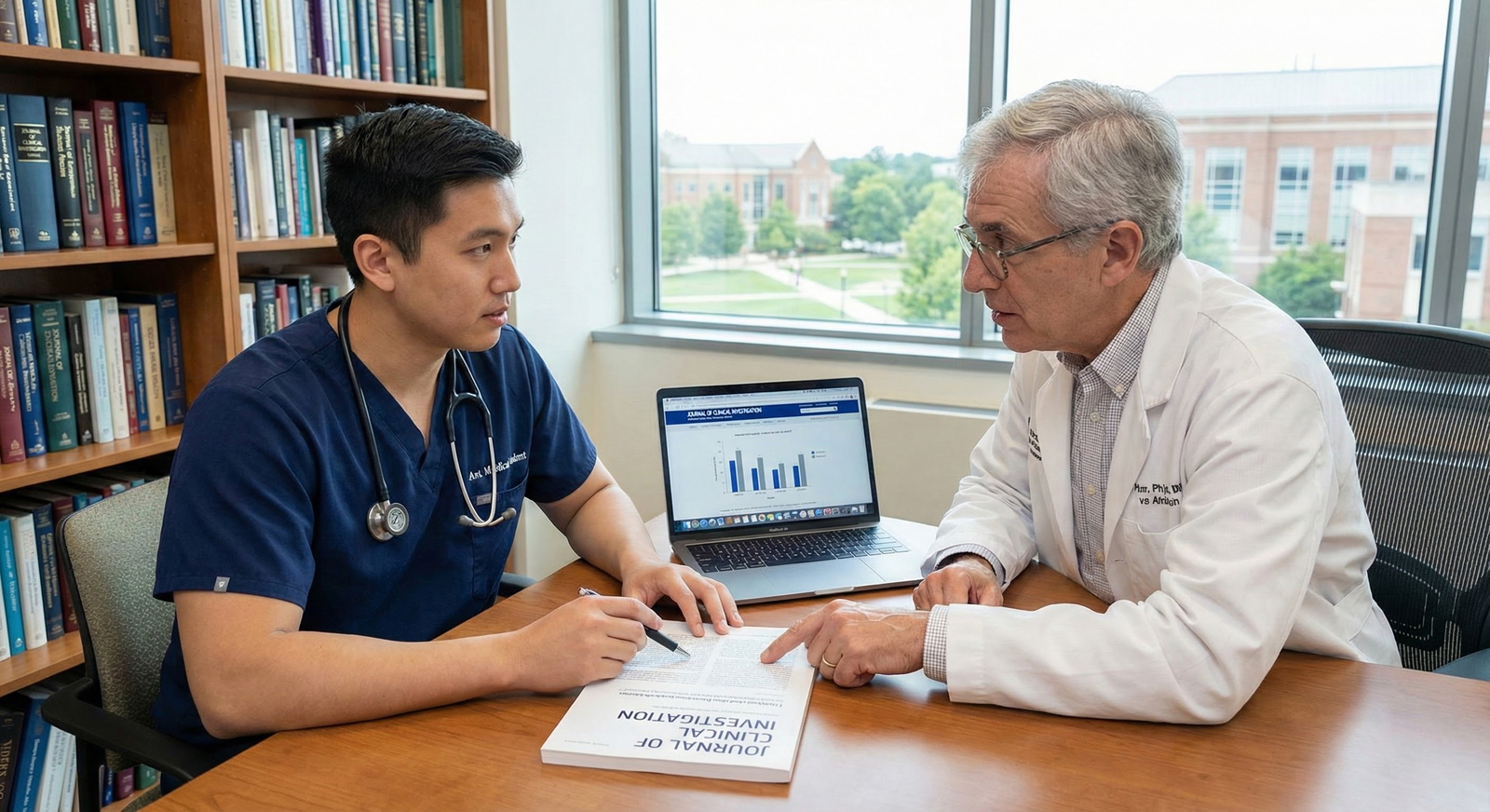
Step 4: Proactively Secure Mentors
Finding research mentors as a DO graduate can feel daunting, especially at MD-heavy centers. Use a professional, targeted approach:
Identify faculty with overlapping interests
- Search:
- PubMed for “orthopedic surgery + your city/state”
- Department websites for “Research” or “Publications”
- Look for:
- Assistant or associate professors (often more open to help)
- Faculty who publish regularly
- Search:
Send a focused outreach email
Include:- A concise introduction (DO student/graduate status, career interest in ortho)
- 1–2 lines about your prior experience (even basic statistics or poster work)
- Specific ask:
- “I’d be grateful for the opportunity to assist with ongoing orthopedic research projects—especially with data collection, chart review, or manuscript preparation.”
- Attach a 1-page CV highlighting relevant strengths.
Follow up professionally
- If no reply in 7–10 days, send a polite follow-up.
- It’s normal to contact 10–15 faculty and only hear back from a few.
Once you have a mentor, be the type of mentee everyone wants:
- Respond within 24–48 hours.
- Meet or beat deadlines.
- Ask thoughtful, specific questions.
This reputation often leads to more projects and stronger letters.
Maximizing Impact: Authorship, Presentations, and Productivity
Once you’re on projects, how you contribute and communicate your role matters just as much as the raw number of lines on your CV.
Authorship: Position and Integrity
Authorship position can signal your level of involvement:
- First author: Typically responsible for most of the work—design, data, writing.
- Middle author: Important, especially on larger or multi-center projects.
- Last author: Generally reserved for senior faculty.
As a DO student or graduate, your realistic targets are first or middle author. A small number of strong first-author ortho papers can be extremely valuable.
Maintain ethical standards:
- Never add your name to work you did not meaningfully contribute to.
- Keep clear records of your tasks and communications.
- Clarify authorship expectations early, in writing if possible.
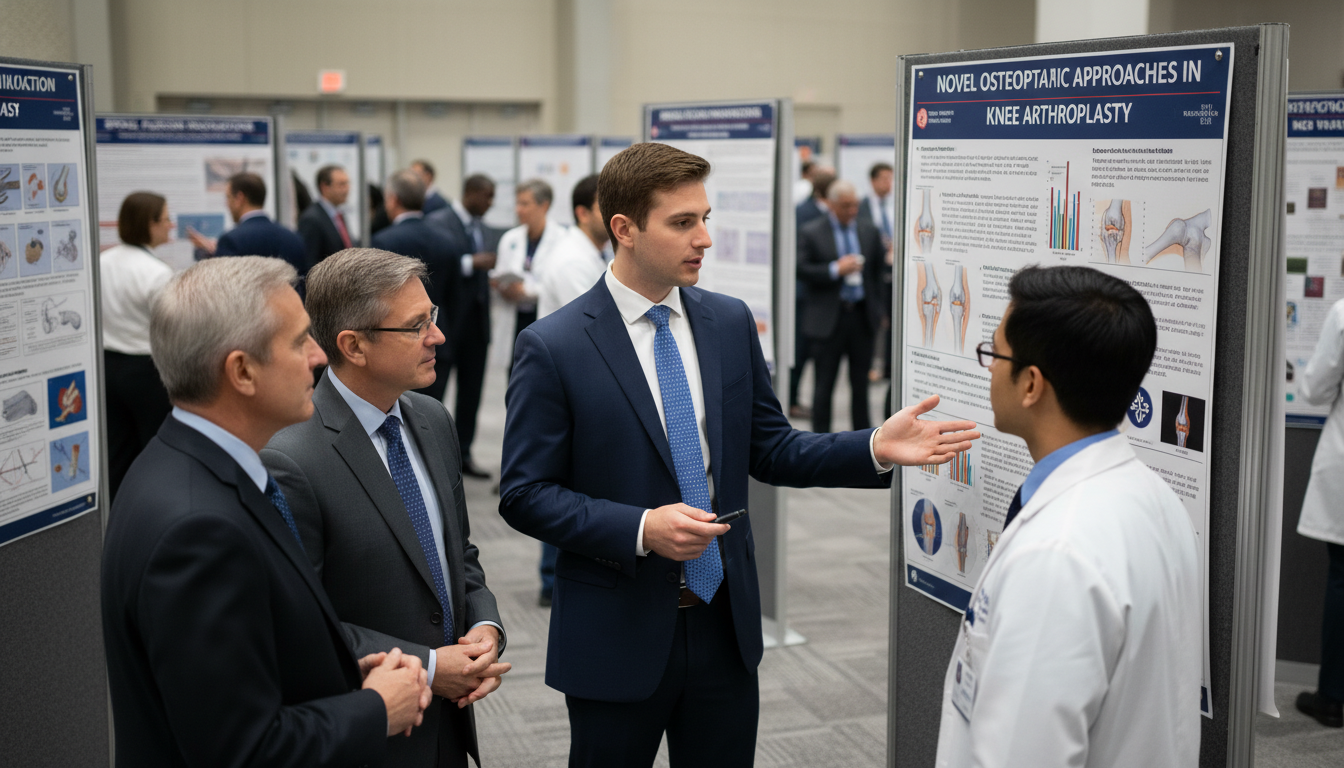
Presentations: Conferences and Visibility
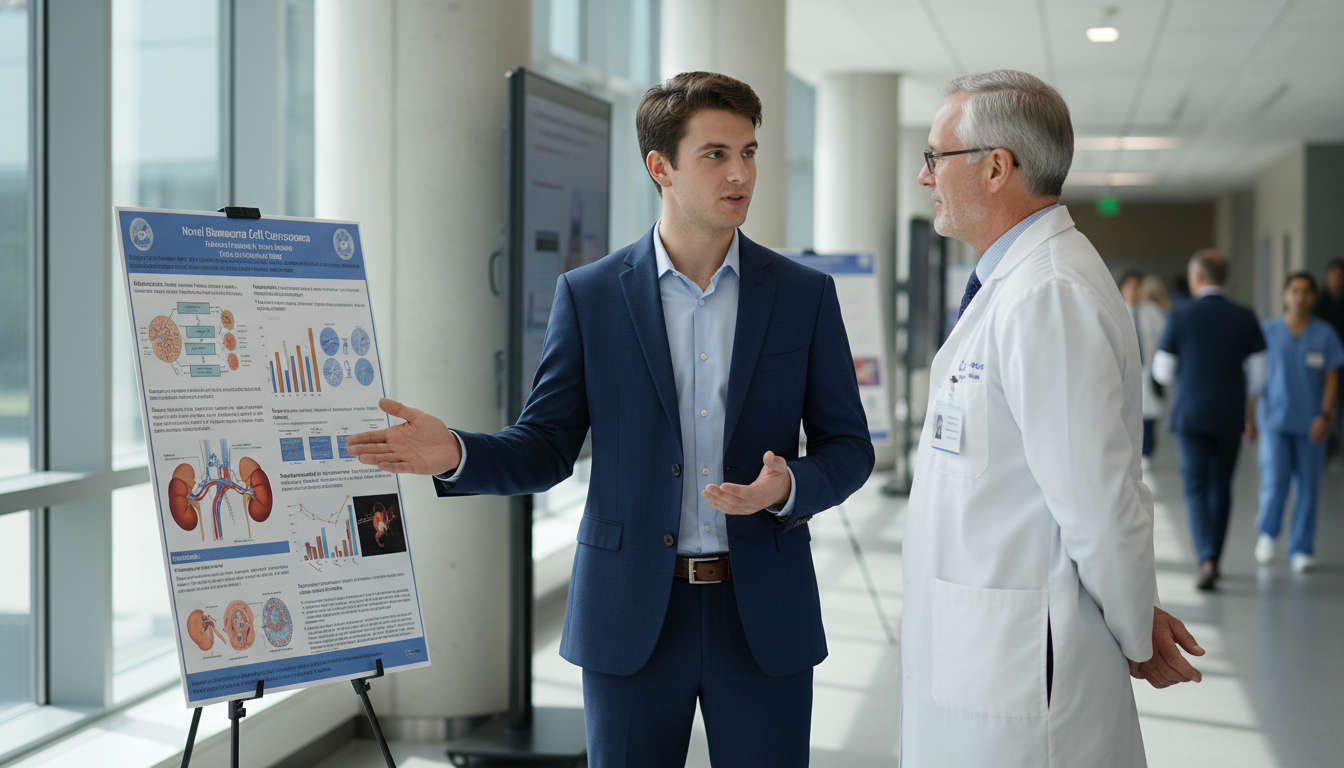
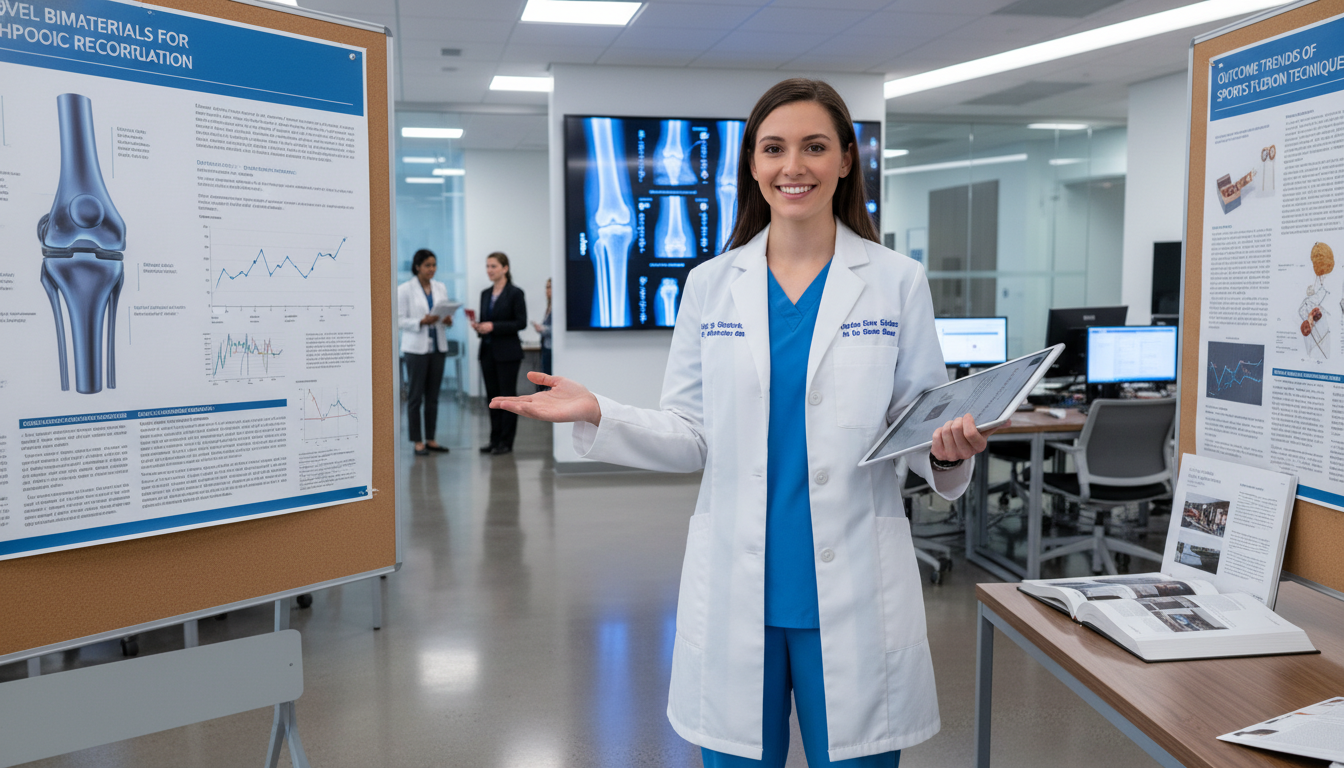
Even if a manuscript isn’t fully published by application time, accepted abstracts and presentations count and signal momentum.
Prioritize:
- Regional and national ortho meetings (e.g., AAOS, OTA, AAOS subspecialty societies).
- Institutional research days—easier to get in, show initiative.
- Osteopathic conferences with orthopedics tracks.
When listing on ERAS:
- Clearly indicate status: “Presented,” “Accepted,” “Submitted,” or “In preparation.”
- For the ortho match, an “Accepted for podium or poster presentation” at a recognizable ortho meeting is a strong asset—even without a final publication yet.
Time Management and Output as a DO Graduate
You may be juggling:
- Rotations or clinical work
- Board studying
- Research
- Personal responsibilities
To maintain productivity:
- Batch work: Dedicate blocks of 2–4 hours weekly per project.
- Use tools:
- Reference managers (Zotero, Mendeley)
- Shared documents (Google Docs, Overleaf)
- Simple spreadsheets for data tracking
- Communicate early if you foresee delays—protect your reputation.
Remember that consistent, moderate effort often beats sporadic bursts. Programs want to see sustained engagement, not just a last-minute flurry.
Highlighting Your Research in the Application and Interviews
Research only helps you if you can explain it clearly and connect it to your identity as a future orthopedic surgeon.
Organizing Research on ERAS
In the ERAS “Experiences” and “Publications” sections:
Categorize accurately:
- Peer-reviewed journal articles
- Abstracts, posters, and presentations
- Other articles (non–peer-reviewed)
- Book chapters
Be honest about status:
- “Published”
- “Epub ahead of print”
- “Accepted”
- “Submitted”
- “In preparation” (use sparingly; avoid padding)
Prioritize orthopedic content
- Put your most impactful orthopedic surgery residency–relevant works near the top.
- Non-orthopedic research still counts but plays a supporting role.
Using Your Personal Statement and CV to Tell a Story
Weave research into your trajectory, not just as a checkbox:
- Describe how a project:
- Exposed you to complex surgical decision-making
- Introduced you to trauma, sports, spine, or another subspecialty
- Taught you about outcomes that matter to patients (e.g., pain, mobility, return to sport)
For DO graduates, you can subtly address bias by showing academic rigor through specific examples:
“In our retrospective analysis of 250 distal radius fractures, I led data abstraction and collaborated with a biostatistician to perform multivariable regression, which taught me how nuanced fixation choices affect functional outcome scores.”
This kind of detail reassures PDs that you understand the science behind your work.
Discussing Research During Interviews
Expect questions such as:
- “Tell me about your most meaningful research project.”
- “What did you specifically do on this paper?”
- “How did your role evolve over time?”
- “What were the limitations of your study?”
Prepare 2–3 projects you can discuss in depth, including:
- Study question and rationale
- Study design and methods (retrospective vs prospective, inclusion criteria, key variables)
- Main findings and implications for practice
- Limitations and what you’d do differently next time
If you did significant non-orthopedic research, frame it as a foundation:
“Although this project focused on cardiology, it gave me strong experience in data management and statistical analysis that I’ve since applied directly to my orthopedic outcomes research.”
Programs are more impressed by genuine understanding than by trendy topics.
Special Considerations for DO Graduates
Finally, a few targeted points specifically for DO applicants in the osteopathic residency match context and the broader ACGME ortho match.
Leverage the Osteopathic Perspective
Your DO training gives you a natural lens for:
- Functional outcomes
- Musculoskeletal biomechanics
- Whole-patient recovery after surgery
Consider research topics that align with osteopathic strengths:
- Rehabilitation and return-to-function after joint replacement
- Musculoskeletal pain and non-operative management outcome studies
- OMT-adjacent topics: e.g., pre- or post-op functional optimization
Some orthopedic surgery residency programs—especially those with osteopathic roots—will appreciate that your work reflects a DO mindset in a rigorous way.
When to Consider a Dedicated Research Year
A research year can meaningfully change your competitiveness, especially if:
- Your step/level scores are borderline for ortho.
- Your home institution has minimal orthopedic research.
- You’re applying after an unsuccessful first ortho cycle.
A productive research year can yield:
- Multiple publications for match (often 3–8, depending on environment)
- Strong mentorship and letters from known faculty
- Direct exposure to a department that might eventually rank you highly
To make it worthwhile:
- Choose a high-output orthopedic lab or faculty with proven publication history.
- Clarify expectations: number of projects, conference submissions, authorship.
- Treat it as a full-time job (40–60 hours/week of focused effort).
If You’re Late to the Game
If you’re OMS-IV or a graduate with limited research:
- Prioritize fast-turnaround orthopedic projects:
- Case reports
- Small retrospective series
- QI projects with formal data analysis
- Get at least 1–2 ortho-connected items on your CV before applying.
- Position any non-ortho research as evidence of your ability to complete scholarly work.
- Be ready to discuss your plan for continued research during residency.
Programs sometimes take a chance on a late-bloomer DO applicant if they see intentionality and momentum rather than excuses.
FAQs: Research Profile Building for DO Graduate in Orthopedic Surgery
1. How many publications are needed for a competitive ortho match as a DO?
There’s no strict cutoff, but for a DO graduate:
- For academic/university programs: aim for 3–5+ total scholarly items, with at least 2–3 orthopedic-focused.
- For community or formerly osteopathic programs: 1–3 orthopedic projects with clear roles and good letters may suffice.
- Quality and your ability to explain your work matter more than hitting a precise number.
2. Do I need basic science research, or is clinical research enough?
Clinical research is absolutely sufficient for orthopedic surgery residency. Many successful DO applicants have:
- Retrospective outcomes studies
- Case series or case reports
- Database analyses or survey studies
Basic science can be a plus at research-heavy programs, but it’s not mandatory. Prioritize projects where you can be productive and gain meaningful skills.
3. Will doing research outside of orthopedics still help my application?
Yes, especially if:
- You had a substantial role (design, analysis, or writing).
- You can clearly articulate what you learned.
- You later connect those skills to orthopedic-focused projects.
However, for the osteopathic residency match and the broader ortho match, having at least some orthopedic-specific research significantly strengthens your signal of commitment to the field.
4. What if my projects are still “in progress” by the time I apply?
In-progress work still counts, but be transparent:
- List as “Submitted” or “In preparation” only if a draft actually exists.
- Highlight accepted abstracts or presentations even before final publication.
- During interviews, emphasize:
- What you’ve already completed
- The anticipated timeline for publication
- What the process has taught you
Programs know research can move slowly; what impresses them is steady, real contribution, not inflated claims.
A thoughtfully built research profile can transform your competitiveness as a DO graduate applying to orthopedic surgery residency. By choosing the right projects, securing supportive mentors, and clearly articulating your contributions, you can turn research from a source of anxiety into a major strength in your ortho match journey.