Understanding the Role of Research in Medicine-Psychiatry Residency Applications
For an MD graduate residency applicant in Medicine-Psychiatry (Med-Psych), a strong research profile can be a powerful asset. Combined Medicine-Psychiatry programs tend to attract applicants who are intellectually curious, comfortable with complexity, and interested in the interface between medical and psychiatric illness. Thoughtful research experience is one of the clearest ways to demonstrate those qualities.
You do not need to be a PhD-level scientist or have dozens of papers to match into a Medicine-Psychiatry combined program. However, your research history should tell a coherent story: you understand the fundamentals of clinical inquiry, you can see connections between internal medicine and psychiatry, and you are able to complete scholarly work reliably.
In this article, we will walk through how to build a research profile as an MD graduate aiming for Med-Psych residency, with practical strategies for:
- Choosing high-yield research areas at the medicine–psychiatry intersection
- Finding mentors and projects as an MD graduate (including post-graduation)
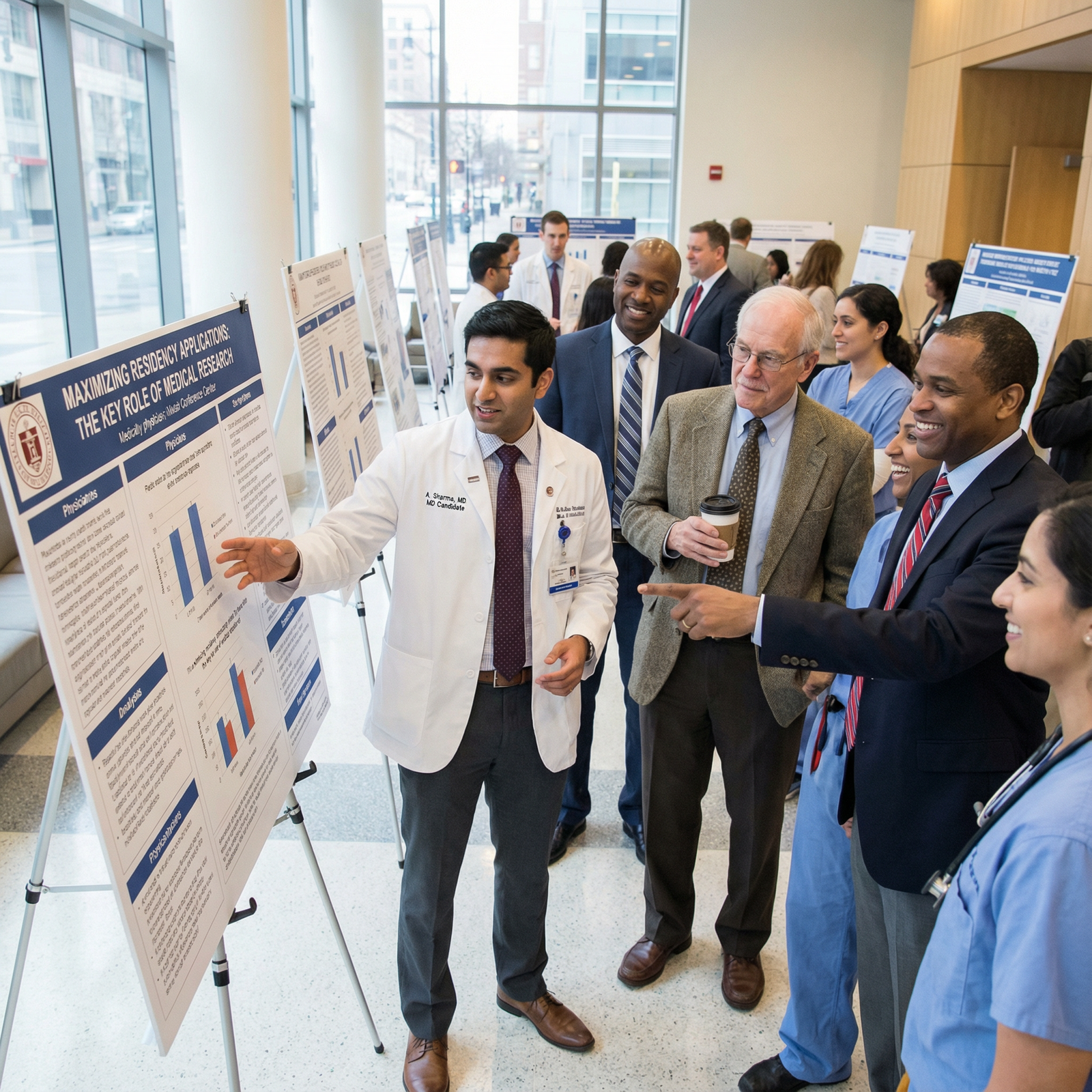
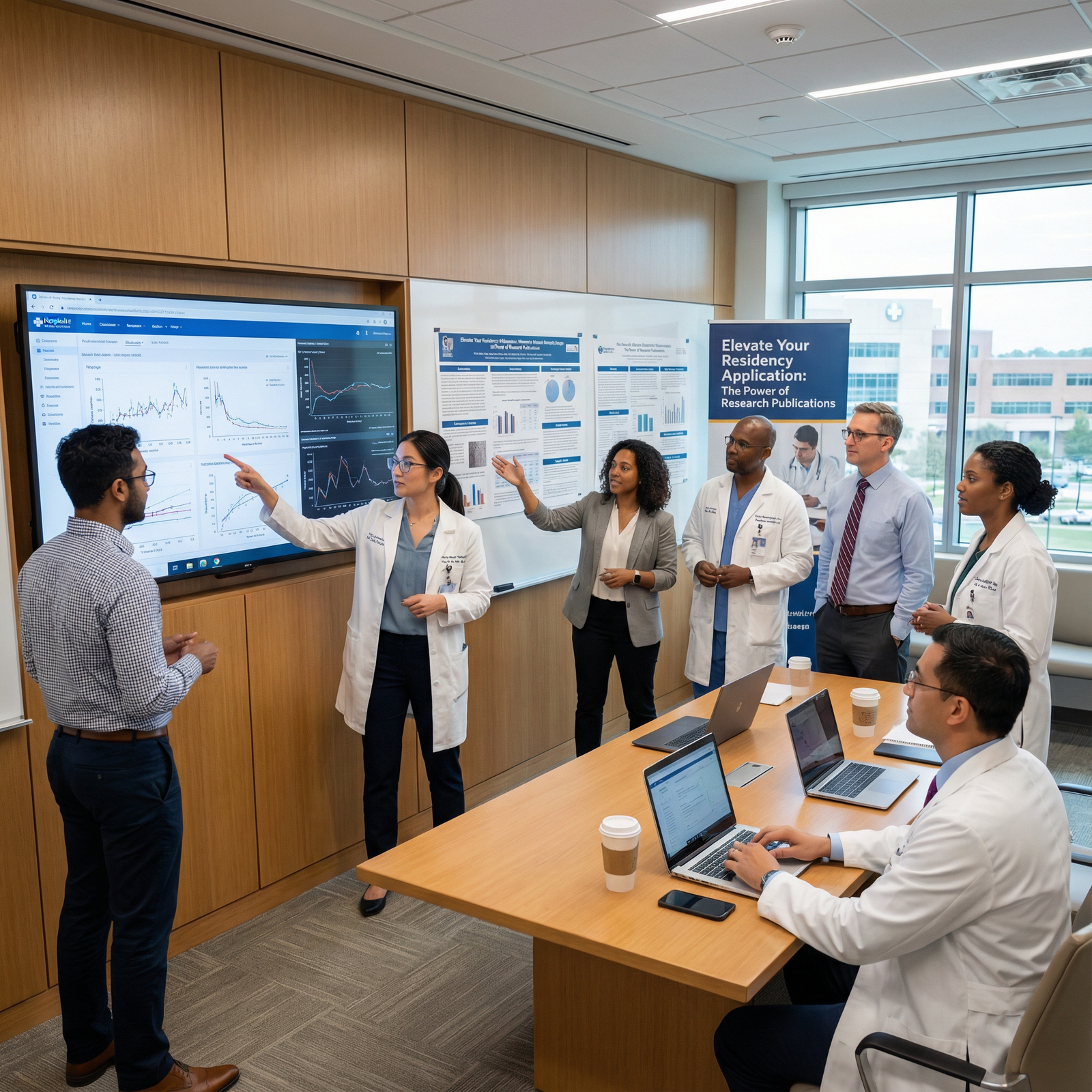
- Producing tangible outputs (posters, abstracts, publications) that matter for the allopathic medical school match
- Presenting your research effectively in personal statements and interviews
- Answering common questions such as how many publications needed and what type of research for residency is most valuable
What Program Directors Look For in a Med-Psych Research Profile
Before you start collecting projects, it helps to know what Medicine-Psychiatry program directors and selection committees tend to value.
1. Evidence of Intellectual Curiosity at the Interface of Medicine and Psychiatry
Med-Psych residency is designed for physicians who are interested in patients with:
- Complex medical illness and comorbid psychiatric conditions
- Somatic presentations of psychiatric disorders (e.g., functional neurologic disorders, somatic symptom disorder)
- Psychiatric sequelae of medical conditions (e.g., depression in heart failure, delirium in sepsis)
- Psychopharmacology in medically complex patients
- Consultation-liaison psychiatry and integrated care models
Research projects that touch these areas send a strong signal that you understand what a medicine psychiatry combined career involves.
Examples of aligned projects:
- Study of depression screening and treatment outcomes in diabetic patients in a primary care clinic
- Chart review of delirium incidence and management in an intensive care unit
- Quality improvement (QI) project on antipsychotic prescribing for elderly inpatients with dementia
- Program evaluation of a collaborative care model between internal medicine and outpatient psychiatry
2. Ability to Start and Finish Scholarly Work
Program directors care less about the sheer volume of lines on your CV and more about whether you can:
- Join a project
- Follow through on tasks (data collection, analysis, manuscript sections)
- Bring the work to a deliverable endpoint (poster, oral presentation, publication)
A single well-completed study with a poster at a national meeting can matter more than five half-finished projects.
3. Breadth vs Depth: How Much Variety Is Helpful?
You do not need all your research to be strictly “Med-Psych,” but your profile should make sense. Program directors typically like to see:
- Some variety (e.g., one internal medicine project, one psychiatry project, one clearly bridging the two)
- A coherent arc – your experiences add up to a narrative of someone interested in complex, integrated patient care
If your earlier work is in a different area (e.g., cardiology, oncology), that is acceptable. Use your personal statement and interviews to connect that experience to your later interest in psychiatry or to integrated care (e.g., depression in oncology patients, adherence in heart failure).

Choosing and Designing High-Yield Research Projects
As an MD graduate residency applicant, you may not have 3–4 years to devote to basic science. You need projects that are feasible, aligned with Med-Psych, and likely to result in a presentable product within 6–18 months.
1. High-Yield Topics at the Medicine–Psychiatry Interface
Consider focusing your research efforts on themes that directly showcase your understanding of medicine psychiatry combined practice:
a. Psychiatric comorbidity in chronic medical illness
- Depression and anxiety in heart failure, COPD, diabetes, chronic kidney disease
- Treatment adherence in patients with serious mental illness and chronic medical conditions
- Impact of psychiatric symptoms on hospital readmissions or emergency visits
b. Consult-liaison and inpatient integrated care
- Evaluation of a psychiatry consultation service in a general hospital
- Management of agitation or delirium in medically ill patients
- Outcomes of integrated treatment for alcohol withdrawal on medical wards
c. Psychopharmacology in medically complex patients
- Safety and efficacy of antipsychotics in patients with cardiac disease
- Antidepressant prescribing patterns in patients with renal or hepatic impairment
- QTc prolongation and psychotropic medications in medical inpatients
d. Health systems and collaborative care
- Implementation of depression screening in primary care
- Evaluation of telepsychiatry services in rural internal medicine clinics
- Outcomes of a combined medicine-psychiatry outpatient clinic
These types of projects show program directors that you are already thinking like a future Med-Psych physician.
2. Choosing the Right Study Type for Your Timeline
As an MD graduate preparing for the allopathic medical school match, you must be realistic about what you can accomplish before ERAS submission. Study designs differ in feasibility:
More feasible (short- to medium-term):
- Retrospective chart reviews
- Use existing data from hospital records
- Timeline: 6–12 months from start to poster/paper if well-structured
- Quality improvement projects (QI)
- Plan–Do–Study–Act (PDSA) cycles improving a specific clinical process
- Often lead to institutional presentations and sometimes publications
- Case reports or small case series
- Particularly those illustrating complex medical and psychiatric interplay
- Timeline: 3–6 months often sufficient for write-up and submission
- Survey studies
- E.g., provider attitudes about managing delirium or depression in medical settings
More challenging (but still possible if started early):
- Prospective cohort studies
- Need careful planning, ethics approval, and consistent data collection
- Randomized controlled trials
- Usually not realistic as a primary investigator at the MD student/graduate level, but you can join as a sub-investigator
For an MD graduate residency applicant, aim for 1–2 well-planned retrospective or QI projects plus a few smaller outputs (case reports, posters). These are efficient ways to create meaningful research for residency without overextending.
3. Aligning Your Research With Available Resources
Your ideal project also depends on what your institution and mentors can support:
- Does your hospital have an internal medicine–psychiatry consult service?
- Is there an established integrated primary care or collaborative care clinic?
- Are there faculty with ongoing delirium, addiction medicine, or psychosomatic research?
Build around existing data and infrastructure. This increases the chance you’ll produce results before your application season.
Finding Mentors and Opportunities as an MD Graduate
For MD graduate residency applicants, especially those taking a gap year or coming from outside the US, one of the hardest parts can be finding mentors and active projects. Here’s how to do it strategically.
1. Identify Likely Mentors
Look for faculty who:
- Work at the intersection of internal medicine and psychiatry
- Are involved with consult-liaison psychiatry, addiction medicine, psychosomatic medicine, or integrated primary care
- Have a track record of publishing and including trainees as co-authors
Practical approaches:
- Review hospital or medical school websites for Med-Psych faculty, CL psychiatrists, or internists with research in depression, delirium, or addiction
- Search PubMed for your institution’s name plus keywords like “delirium,” “depression,” “collaborative care,” “psychosomatic,” or “consultation-liaison”
- Ask current residents or fellows (especially those in med psych residency or CL psychiatry fellowships) which attendings mentor trainees in research
2. How to Approach Potential Mentors
When you contact potential mentors, be concise and specific. A strong introductory email might include:
- Who you are (MD graduate, institution, career goal: Medicine-Psychiatry residency)
- Your general research background (even if minimal)
- Why their work interests you
- Concrete ways you can contribute (data collection, chart review, literature review, survey setup)
- Your time frame (e.g., “I hope to submit for the 2026 ERAS cycle and can commit 10–15 hours per week”)
Offer to start with a small, well-defined task to build trust. Many mentors will test reliability before assigning you larger roles.
3. Maximizing Productivity With Limited Time
As an MD graduate, you may be juggling observerships, exams, or clinical work. To still build a competitive research profile, you need efficiency:
a. Prioritize projects that can yield outputs before ERAS submission
Ask directly: “What is the likelihood of this project resulting in a poster or manuscript within the next year?” Choose projects where the mentor has a good track record of moving things to completion.
b. Focus on 1–2 primary projects
It is better to be first or second author on one solid paper or poster than the 6th author on four projects you barely contributed to.
c. Document your contributions
Keep a simple log of:
- Project title and PI
- Your specific tasks (e.g., extracted data from 150 charts, performed literature review, drafted Methods section)
- Dates of involvement and any final products (poster, abstract, paper)
This helps when preparing your ERAS application and explaining your role during interviews.
Turning Research Work Into Match-Impacting Outputs
Doing the research is only half the battle. For the allopathic medical school match, you must convert your work into tangible, citable outcomes: posters, abstracts, publications, and presentations.
1. Understanding “Publications for Match” and Types of Scholarly Work
When thinking about how many publications needed or what counts as “research for residency,” it helps to understand the hierarchy and variety of outputs:
Common scholarly products:
- Peer-reviewed original research articles
- Highest impact; can be retrospective or prospective
- Review articles or narrative reviews
- Good for demonstrating depth of knowledge, especially if Med-Psych relevant
- Case reports and case series
- Particularly valuable when showcasing complex medical-psychiatric interactions
- Conference abstracts and posters
- Faster to produce; still look favorable on your CV
- Oral presentations (local, regional, or national)
- Highlight communication skills and subject mastery
- Quality improvement posters/papers
- Often directly relevant to patient care and systems improvement
Program directors generally count all of these as scholarly activity; the mix matters less than the overall story and evidence of productivity.
2. How Many Publications Do You Really Need?
There is no fixed number of publications for match success, and combined Med-Psych programs are typically smaller and more holistic in their review. However, several patterns are common among competitive applicants:
- 1–3 meaningful scholarly products (posters, abstracts, or papers) in relevant areas is often enough to demonstrate a strong research profile.
- Among those, having at least one product clearly at the medicine–psychiatry interface is especially beneficial.
- Additional smaller contributions (e.g., co-author on an internal medicine quality project) are a plus but not mandatory.
More important than the count is whether you can:
- Explain your role clearly and honestly
- Discuss the clinical implications of the work
- Connect it to your interest in medicine psychiatry combined training
3. Accelerating From Project to Publication
To move projects toward completion:
- Ask early: “Is this project intended for conference submission or a manuscript?”
- Clarify authorship based on expected contributions; understand whether you might be first author, and what that entails.
- Set internal deadlines with your mentor (e.g., “Let’s aim to submit an abstract for the ACP or APA meeting by X date.”)
- Offer to take initiative on drafting the introduction or methods sections, or assembling tables and figures, to push the project forward.
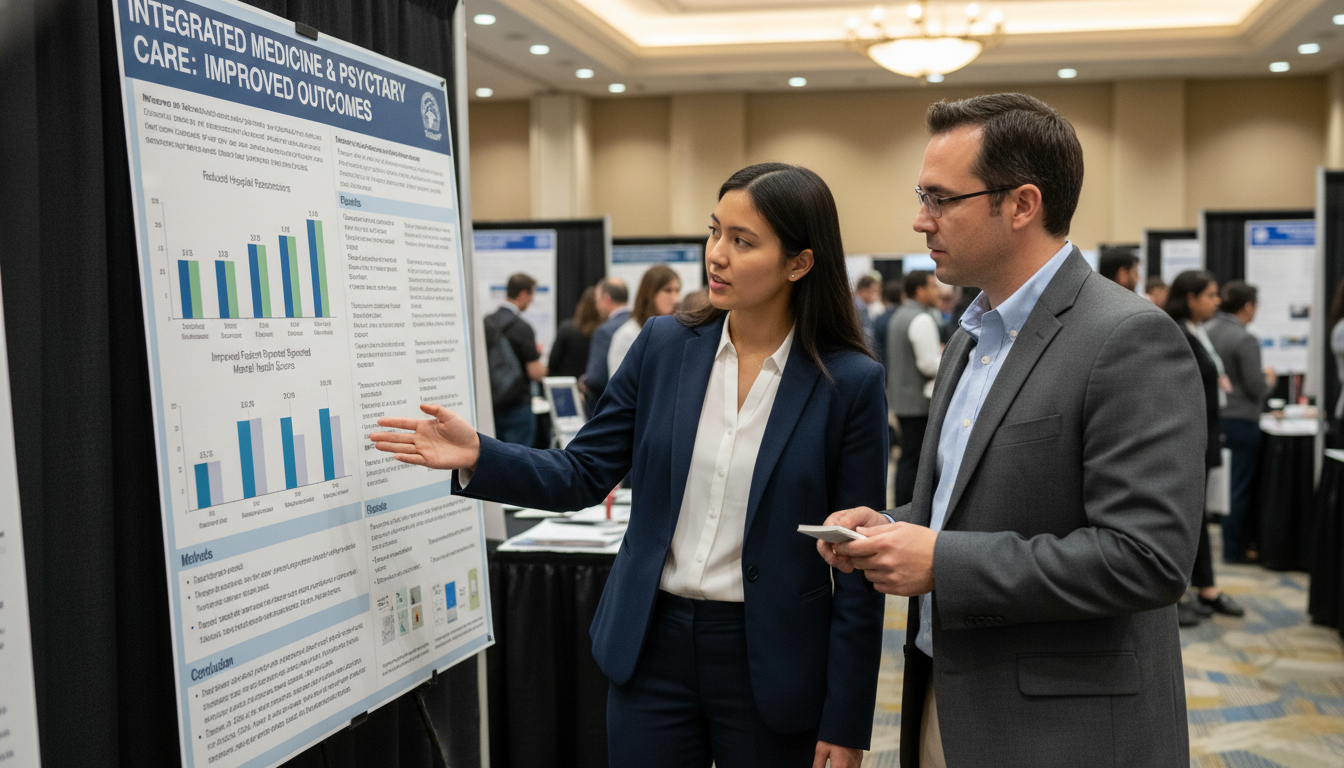
For MD graduate residency applicants, especially those with limited time before ERAS, conference posters are often the most practical way to generate evidence of scholarship quickly. Many conferences accept abstracts based on preliminary data.
Showcasing Your Research in the Medicine-Psychiatry Application
Even the best research profile only helps if you present it effectively in your application materials and interviews.
1. Structuring the ERAS Research Section
For each research entry, include:
- Project title and type (e.g., “Depression Screening and Outcomes in a Diabetes Clinic – Retrospective Chart Review”)
- Your role (co-investigator, data collector, first author)
- Brief, outcome-focused description (2–4 lines)
- Emphasize the Med-Psych relevance: comorbidities, integrated care, psychopharmacology in medical illness
- Any resulting products:
- “Submitted abstract to APA Annual Meeting”
- “Poster presented at local hospital research day”
- “Manuscript in preparation / submitted to [Journal]”
Be honest about status (accepted, in-press, submitted, in preparation).
2. Integrating Research Into Your Personal Statement
Your personal statement for Med-Psych is not a research CV in prose, but it is a place to:
- Highlight one or two key projects that shaped your interest in combined training
- Describe what you learned from investigating complex patients with overlapping medical and psychiatric issues
- Explain how research influenced your understanding of:
- Health systems
- Collaborative care
- The need for physicians trained in both internal medicine and psychiatry
Example themes:
- Seeing how unrecognized depression worsened diabetes outcomes in your research led you to value integrated care.
- Working on a delirium project solidified your interest in caring for medically ill patients with neuropsychiatric symptoms.
Connect research directly to the kind of physician and Med-Psych resident you aim to become.
3. Discussing Research During Interviews
Med-Psych interviewers commonly ask:
- “Tell me about a research project you were involved in.”
- “What did you find most interesting or challenging about your study?”
- “How do you see research fitting into your future career as a Med-Psych physician?”
Prepare by:
- Being able to explain your project in 1–2 minutes, in plain language
- Knowing the main question, methods, key findings, and limitations
- Reflecting on how it changed your approach to patient care
You do not need extensive statistical knowledge, but you should show understanding of the logic of your study and its clinical relevance.
Common Pitfalls and How to Avoid Them
1. Chasing Quantity Over Quality
Trying to join every possible project often leads to:
- Superficial involvement
- No clear ownership
- Few completed outputs
Instead, prioritize depth and completion. A smaller number of well-executed projects showcases reliability and maturity.
2. Overclaiming Your Role
In combined programs where faculty are often deeply involved in research, they can quickly tell if an applicant exaggerates. Avoid:
- Listing yourself as first author if you did not significantly contribute to design, writing, and analysis
- Claiming “manuscript in preparation” for projects with no draft or plan
Be accurate about your contributions; integrity is valued more than padding your CV.
3. Ignoring Non-Traditional or Non-Published Work
Not all valuable scholarly work ends in a PubMed-indexed paper before you apply. Do not undervalue:
- Well-executed QI projects
- Local research day presentations
- Educational projects at the medicine–psychiatry interface (e.g., curriculum on managing antipsychotics in medically ill patients)
These still demonstrate initiative, analytical thinking, and commitment to integrated care.
Practical Roadmap: 12–24 Months Before ERAS
For an MD graduate targeting Med-Psych, here is a realistic timeline to build your research profile:
12–24 months before ERAS
- Identify potential mentors in internal medicine, psychiatry, and Med-Psych
- Join 1–2 active projects with clear potential for posters/publications
- Start at least one project clearly at the medicine–psychiatry interface
9–12 months before ERAS
- Complete data collection for at least one primary project
- Begin drafting an abstract and manuscript sections
- Submit abstracts to at least one relevant conference (APA, ACP, local/regional meetings)
6–9 months before ERAS
- Present posters if accepted; add these to your CV
- Continue manuscript drafting and submission if feasible
- Consider writing a case report or small series showcasing complex Med-Psych cases
3–6 months before ERAS
- Finalize ERAS entries for research and publications
- Integrate your research narrative into your personal statement
- Practice discussing your work clearly and concisely for interviews
Following a structured plan like this can transform even a modest research background into a compelling, Med-Psych–focused profile.
FAQs: Research Profile Building for Med-Psych Applicants
1. Do I need Med-Psych-specific research to match into a Medicine-Psychiatry residency?
Strictly speaking, no. Many successful applicants have research in general internal medicine, general psychiatry, or even unrelated fields. However, at least one experience that touches the interface of medicine and psychiatry (e.g., depression in cardiac patients, delirium, integrated care clinics) strengthens your application and helps convey a coherent story.
If your current research is not Med-Psych-specific, use your personal statement and interviews to show how it informed your interest in combined training.
2. How many publications or presentations do I need to be competitive?
There is no universal answer, but for an MD graduate residency applicant to Med-Psych, a realistic and strong profile often includes:
- 1–3 scholarly products (posters, abstracts, or papers), ideally with at least one at the medicine–psychiatry interface
- Evidence that you followed through on at least one project to completion (poster or publication)
Quality, relevance, and your ability to discuss the work intelligently matter more than hitting a specific numeric target.
3. Does quality improvement (QI) count as “research for residency”?
Yes. Many combined Medicine-Psychiatry and internal medicine programs highly value QI, especially when it improves care for medically and psychiatrically complex patients. QI projects can be excellent “publications for match” when they are:
- Systematic (following a recognized QI framework)
- Data-driven (baseline and follow-up measures)
- Shared (posters at institutional or regional meetings, or written up in QI-focused journals)
QI often fits nicely into the Med-Psych mission of improving systems of care for complex patients.
4. I’m an MD graduate with limited time before ERAS. What should I prioritize now?
If you are within 6–12 months of applying:
- Focus on one feasible project likely to lead to a conference poster or abstract, preferably with Med-Psych relevance
- Seek a mentor with a track record of moving projects forward
- Consider case reports or small case series that highlight complex medical and psychiatric presentations
- Make sure any ongoing projects will be substantial enough to describe meaningfully in your ERAS application
Even a small number of well-chosen, completed projects, clearly connected to your interest in medicine psychiatry combined training, can significantly strengthen your research profile for the allopathic medical school match.