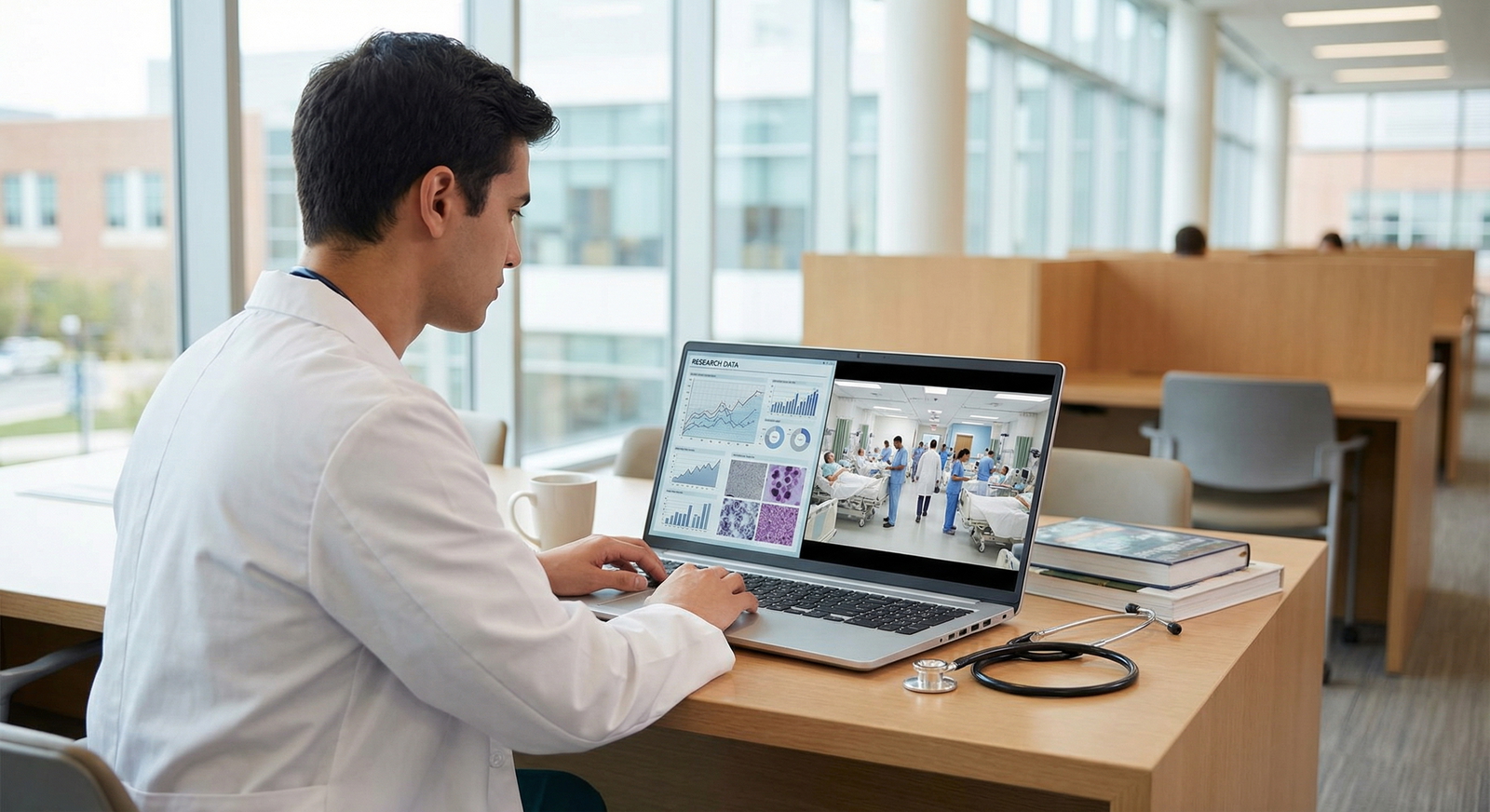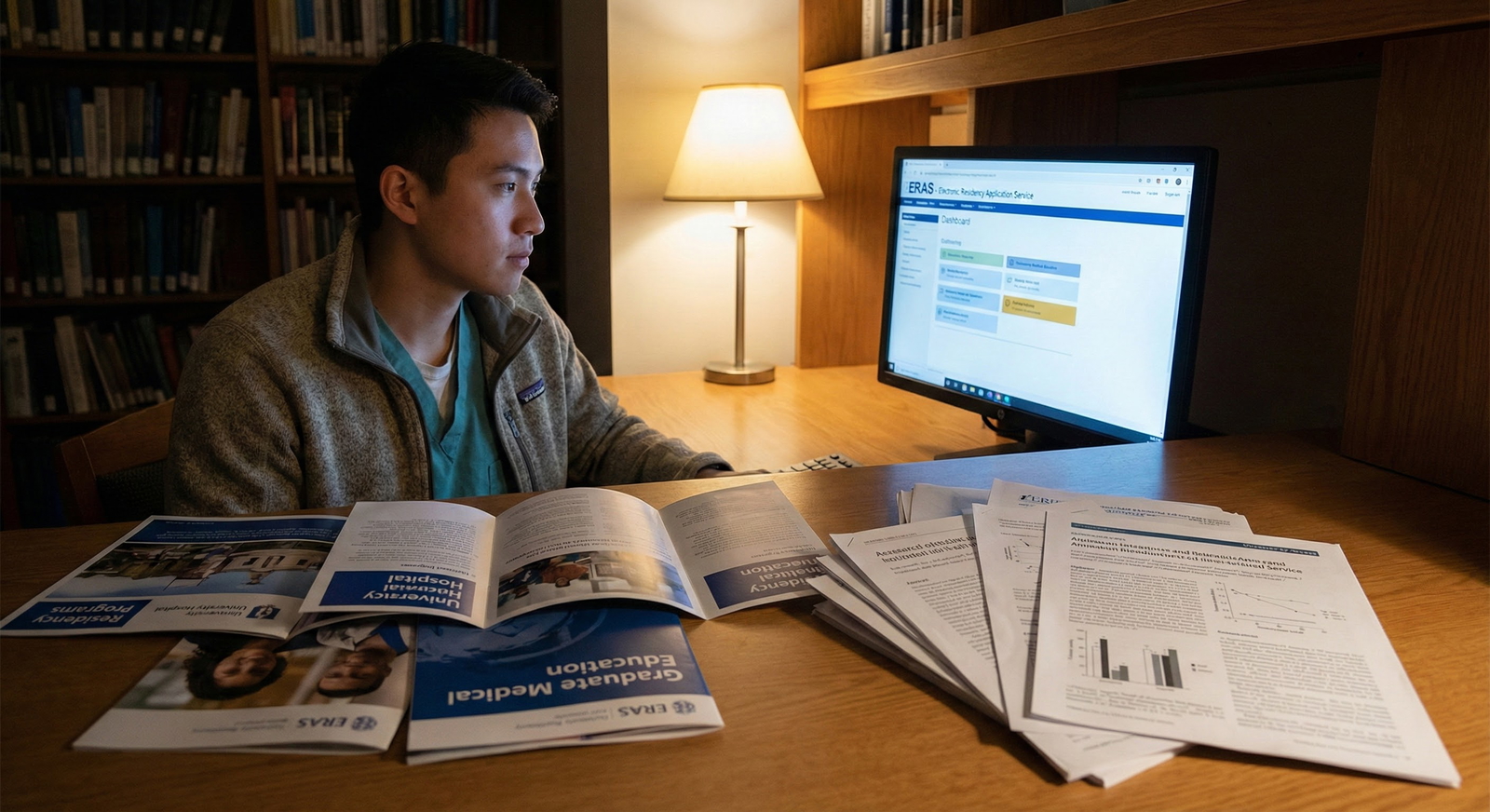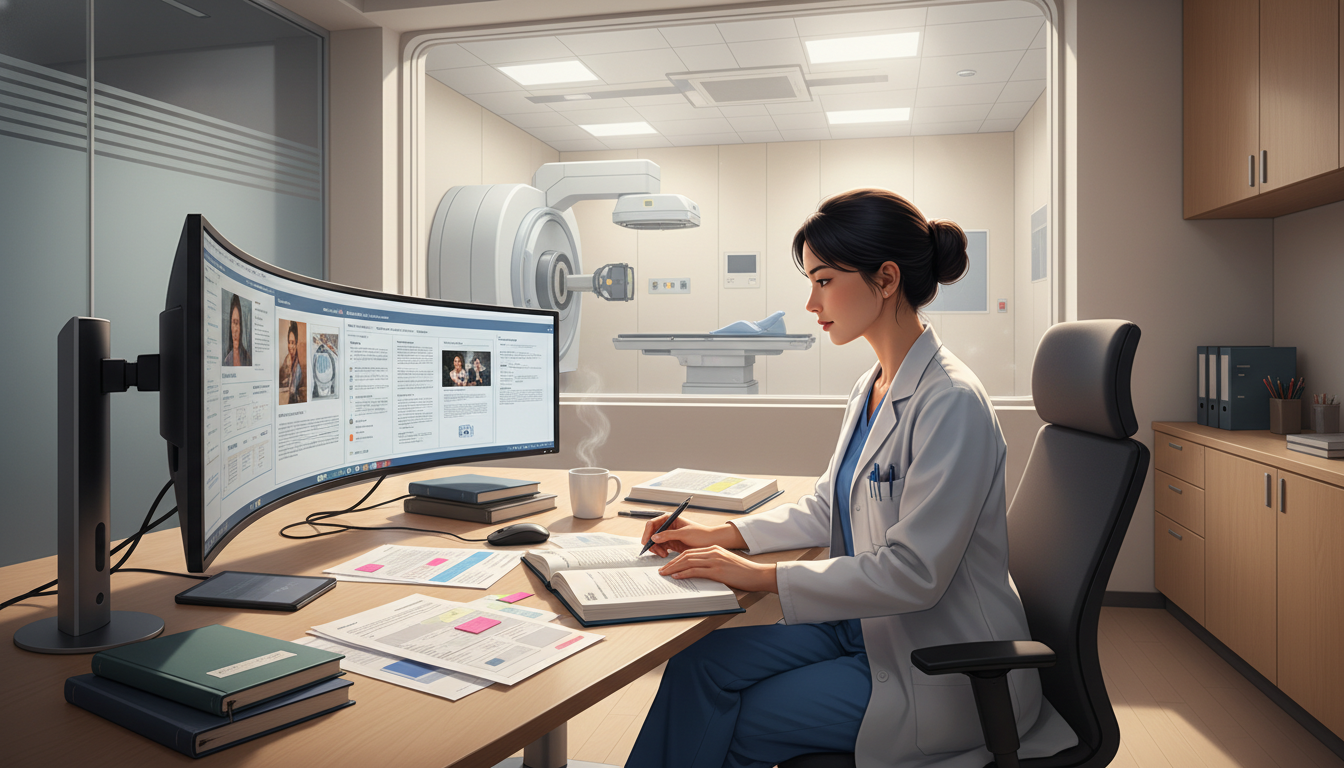
Building a strong research profile is one of the highest-yield ways an MD graduate can strengthen a diagnostic radiology residency application—especially at competitive academic and university programs. For applicants from an allopathic medical school match pathway, thoughtful planning can turn limited time into a portfolio that signals academic potential, commitment to radiology, and readiness for a research-oriented training environment.
Below is a practical, step‑by‑step guide to research profile building tailored specifically to MD graduates applying to radiology residency.
Understanding the Role of Research in the Diagnostic Radiology Match
Why research matters so much in radiology
Diagnostic radiology is among the specialties where research is disproportionately valued, especially at academic and high‑tier programs. Program directors often see research as:
- Evidence of intellectual curiosity and academic potential
- Proof you can complete long‑term projects (similar to residency scholarly requirements)
- A marker of genuine interest in diagnostic radiology
- A convenient “tie‑breaker” when multiple candidates have similar USMLE scores and clinical performance
For an MD graduate, a strong research profile can substantially enhance competitiveness in the allopathic medical school match, particularly if:
- Your board scores are average or slightly below a program’s historical mean
- You are targeting top‑tier academic radiology residencies
- You want to build a career that includes medical education, research, or subspecialty fellowship (e.g., neuroradiology, IR, MSK)
How PDs “read” your research section
Program directors typically scan your ERAS application for:
Total scholarly output
- Abstracts, posters, oral presentations
- Peer‑reviewed publications
- Book chapters or review articles
- Quality improvement (QI) or educational projects
Relevance to radiology or imaging
- Radiology‑specific projects are ideal, but non‑radiology research still adds value if it shows rigor and productivity.
Consistency and trajectory
- A pattern of increasing involvement (e.g., from data assistant → co‑author → first author).
- Engagement over several years rather than a burst of activity right before ERAS.
Your role and independence
- First‑author or co‑first author work is especially valued.
- Evidence you can generate ideas, not only collect data.
Impact and venues
- Publications in recognized journals; presentations at respected conferences (RSNA, ARRS, subspecialty meetings).
How Many Publications Do You “Need” for a Competitive Radiology Application?
This is one of the most common—and anxiously asked—questions: how many publications needed for a diagnostic radiology match?
There is no rigid number—but there are realistic benchmarks
There is no official cutoff, and a single strong letter plus excellent clinical performance can outweigh raw numbers. That said, for an MD graduate targeting radiology residency, you can use these generalized tiers as reference points:
Minimal but acceptable
- 0–1 publications, 1–2 posters/abstracts, possibly a QI project.
- More common in community or less research‑intense programs. Strong USMLEs, solid letters, and meaningful radiology exposure become critical here.
Competitive for many programs
- 1–3 peer‑reviewed publications (not all first‑author), several abstracts/posters, potentially some radiology‑related work.
- This level is often sufficient for many university‑affiliated programs, especially with strong clinical credentials.
Highly competitive / academic‑leaning profile
- 3–6+ publications, with at least one first‑author paper, and multiple presentations at national meetings.
- Radiology or imaging‑heavy portfolio.
- Strong fit for research‑oriented and top academic diagnostic radiology residency programs.
Remember: quality and narrative coherence matter more than chasing a number. A focused body of work that shows a consistent interest in imaging, quantitative methods, or clinical outcomes often impresses more than scattered, unrelated projects.
Choosing the Right Type of Research for a Radiology‑Focused Profile
As an MD graduate, you may not have years to build a huge research portfolio—but you can be strategic in what you pursue.
1. Radiology‑specific clinical research
This is the most directly relevant category for a radiology residency application.
Examples:
- Comparing diagnostic performance of different imaging modalities (e.g., CT vs MRI for appendicitis)
- Studying imaging findings and outcomes in specific diseases (e.g., CT chest patterns in COVID‑19 and outcomes)
- Evaluating the impact of new imaging protocols (e.g., low‑dose CT vs conventional CT)
Why it’s high‑yield:
- Directly demonstrates interest and experience in diagnostic radiology.
- Positions you for comments in letters of recommendation about your commitment to the field.
- Easy to discuss meaningfully in radiology interviews.
2. Retrospective chart review projects
Retrospective studies are often the most practical entry point for MD graduates:
Pros:
- Use existing imaging and clinical data—no need to recruit patients from scratch.
- Feasible to complete within 6–12 months if well organized.
- Well‑suited to radiology departments that maintain PACS and databases.
Cons:
- Requires IRB approval and data management skills.
- Vulnerable to delays if mentorship or institutional support is weak.
Practical example:
You collaborate with a neuroradiologist on:
“Imaging Predictors of Poor Outcome in Spontaneous Intracerebral Hemorrhage on CT and MRI”
Tasks might include defining inclusion criteria, extracting imaging and clinical variables, and helping with analysis and manuscript writing.
3. Case reports and pictorial reviews
Case reports and pictorial essays can be faster to complete and are particularly common early in radiology careers.
Best use cases:
- Rare imaging findings or unusual presentations.
- “Classic” imaging diagnoses with strong educational value.
- Interesting complications captured on imaging.
Pros:
- Short timeline; sometimes publishable within a few months.
- Great way to learn radiology language and structure of papers.
- Good stepping stone into more complex projects.
Cons:
- Lower impact than original research articles.
- Some programs and journals give them less weight.
Still, one or two solid case reports in radiology journals can meaningfully strengthen the narrative that you’re genuinely interested in imaging.
4. Quality improvement (QI) and operations projects
QI projects are increasingly valued by radiology residency programs because they:
- Show you can improve systems, not just answer scientific questions.
- Align with ACGME requirements for residency scholarly activity.
Examples:
- Reducing CT contrast extravasation by revising injection protocols.
- Decreasing reporting turnaround time in ER radiology.
- Standardizing report templates to reduce critical result communication delays.
These projects can lead to posters, abstracts, and even publications, and they’re particularly attractive for applicants who enjoy workflow and efficiency.
5. Educational and curriculum projects
If you enjoy teaching, consider:
- Developing radiology teaching modules for medical students.
- Designing a structured radiology elective and evaluating its outcomes.
- Creating an online radiology case bank or learning platform and studying its usage and effectiveness.
These projects can lead to:
- Medical education journals or radiology education sections.
- Conference presentations at radiology and education‑focused meetings.
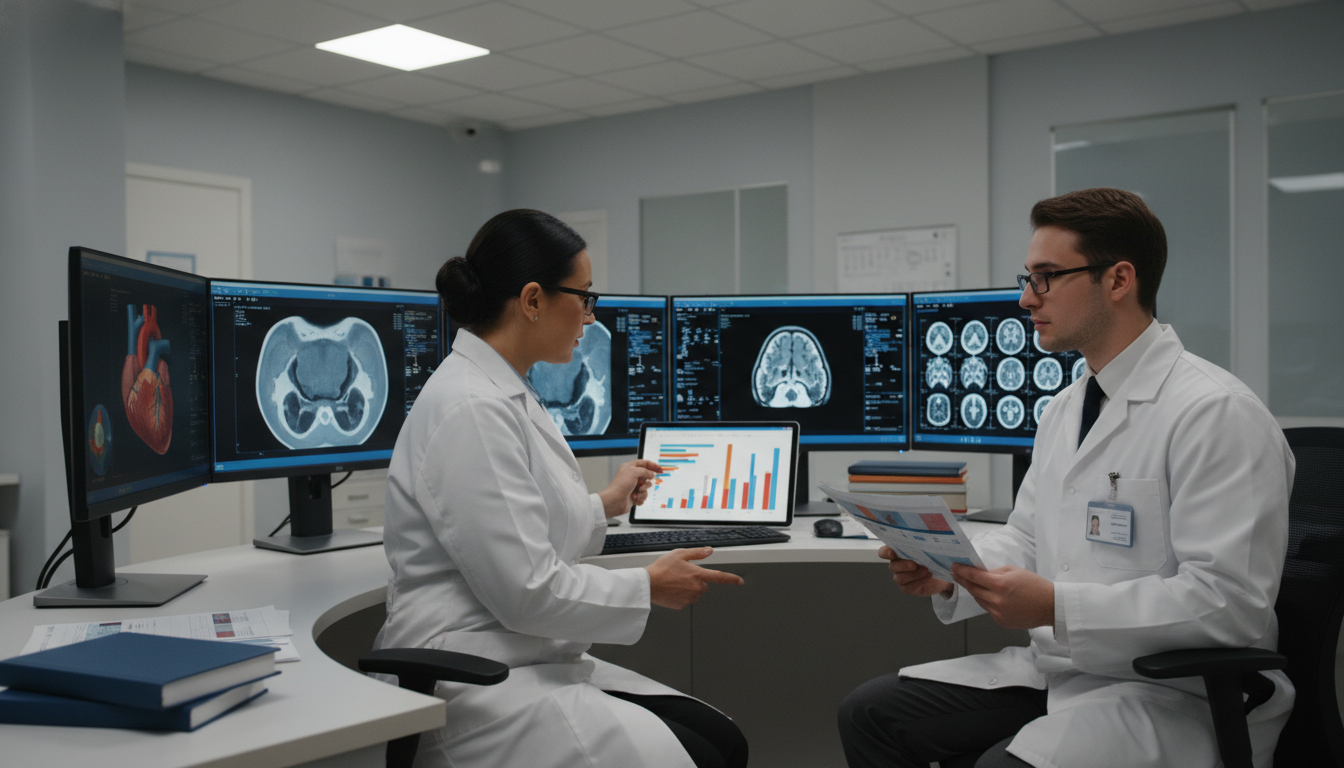
Finding Mentors and Getting Involved in Radiology Research
You cannot build a strong diagnostic radiology research profile alone—you need mentors, structure, and institutional resources.
Step 1: Map your local radiology research environment
Identify:
- Radiology faculty with active research portfolios (check department websites, PubMed).
- Subspecialties that interest you (neuro, MSK, chest, abdominal, pediatric, breast, etc.).
- Formal roles: vice chair of research, director of radiology resident research, or medical student research coordinators.
If your own medical school or institution has limited radiology research, consider:
- Collaborating with other departments using imaging (oncology, neurology, surgery, emergency medicine).
- Reaching out to affiliated hospitals or academic centers where MD graduates often rotate.
- Leveraging virtual collaborations, especially for retrospective or systematic review projects.
Step 2: Approach mentors effectively
Radiology attendings are busy. Your initial outreach needs to be:
- Concise (3–6 sentences)
- Specific (why you chose them, what you’re hoping to do)
- Low‑burden (emphasize that you’re willing to do the work)
Sample email framework:
Subject: MD Graduate Interested in Diagnostic Radiology Research Collaboration
Dear Dr. [Name],
I am an MD graduate applying to diagnostic radiology residency this upcoming cycle. I’m very interested in [neuroimaging/chest imaging/etc.] and read your recent paper on [brief reference to their work].
I would be grateful for the opportunity to contribute to any ongoing projects or to assist in developing a new retrospective or educational project under your mentorship. I can commit [X hours/week] and am comfortable with literature review, data collection, and manuscript drafting.
Would you be available for a brief meeting to discuss potential opportunities?
Sincerely,
[Your Name]
Bring to your meeting:
- A concise CV focusing on any prior research or analytical skills.
- 2–3 concrete ideas or questions about their work (shows preparation).
- A realistic understanding of your available time and deadlines (especially relative to ERAS).
Step 3: Clarify expectations and timelines early
For each project, ask:
- What is the specific deliverable? (abstract, poster, full manuscript)
- What is the realistic timeline? (Will it be ready before ERAS submission?)
- What will your authorship role likely be? (First author, middle author, data support?)
- How often will you meet to review progress?
Document basic agreements in a follow‑up email summarizing responsibilities. This keeps everyone on the same page and signals professionalism.
Strategic Planning: Building a Radiology Research Profile from Now Until Match
For an MD graduate in the residency match process, timeline management is critical. You need to match your ambitions to the calendar.
Establishing a realistic timeline
Assuming a typical application cycle:
- ERAS opens for editing: late spring/early summer
- ERAS submission: September
- Interviews: October–January
Working backward, consider:
12–18 months before ERAS submission
Best time to:
- Initiate retrospective clinical radiology projects
- Start a systematic review or meta‑analysis related to imaging or diagnostics
- Plan educational projects with potential for publication and conference submission
Aim for:
- At least one project that could mature into a manuscript.
- One or two conference submissions (e.g., RSNA, ARRS, subspecialty meetings).
6–12 months before ERAS submission
Focus on:
- Case reports, pictorial essays, and shorter retrospective projects.
- Manuscript drafting for projects already underway.
- Submitting posters/abstracts to meetings that accept med students/trainees.
These are more likely to yield “submitted,” “accepted,” or “in press” entries on your ERAS application in time.
0–6 months before ERAS submission
This period is about capturing and packaging your work, not starting long new projects.
Priorities:
- Finalizing manuscripts and revisions.
- Preparing polished abstracts, posters, and oral presentations.
- Accurate and honest representation of project status on ERAS (“submitted,” “under review,” “accepted,” “published”).
You may still do short projects and QI work, but manage expectations: those may contribute more to your long‑term career than to the immediate match.

Maximizing Impact: Turning Work into a Compelling Application Story
Producing research is only half the task. The other half is framing your research profile for the diagnostic radiology match.
Presenting research effectively in ERAS
When listing research in ERAS:
- Be precise and honest about your role.
- Use phrases like “Performed data extraction,” “Led manuscript drafting,” “Conducted statistical analysis in collaboration with biostatistician,” etc.
- Organize chronologically but emphasize radiology‑relevant work in your personal statement and interviews.
- Avoid inflating contributions—program directors and faculty can usually detect this in interviews.
For the “Experiences” section:
- Use “Research” designation for long‑term projects.
- Use clear, active verbs: “designed,” “analyzed,” “developed,” “implemented.”
Crafting a coherent narrative in your personal statement
Your research should support a clear story about why you’re an excellent fit for radiology:
Consider integrating:
- How a specific research experience shaped your interest in imaging, pattern recognition, or diagnostic reasoning.
- What you learned about the power and limitations of imaging in patient care.
- How you developed skills that are directly valuable for radiology (attention to detail, comfort with uncertainty, data analysis, teamwork).
Avoid turning your personal statement into a list of projects; instead, select 1–2 impactful experiences that show growth and alignment with the specialty.
Discussing research during interviews
Expect questions such as:
- “Tell me about your most significant research project.”
- “What was your role?”
- “What did you learn from negative or unexpected results?”
- “How do you see research fitting into your future career in radiology?”
Prepare:
- A 2–3 minute, jargon‑light summary of your main project (background, question, methods, findings, significance).
- One or two examples of challenges (IRB delays, data quality issues, revision requests) and how you handled them.
- A realistic future plan: e.g., “I hope to continue participating in clinical imaging research during residency and potentially pursue a fellowship at a program with strong research infrastructure.”
Practical Tips to Stay Efficient and Productive
As an MD graduate, your time is finite. A few simple habits can dramatically increase your output and sanity.
Use a research portfolio tracker
Create a simple spreadsheet or document with:
- Project title and mentor
- Type (case report, retrospective study, QI, etc.)
- Your role and expected authorship level
- Current status (idea, IRB, data collection, analysis, writing, submitted, accepted)
- Target journal or conference
- Key deadlines (abstract submissions, manuscript due dates)
Review this every 2–4 weeks and adjust your efforts.
Start with low‑hanging fruit while building skills
In parallel with larger projects:
- Work on a case report or pictorial essay to quickly gain experience with the submission process.
- Volunteer for literature review, figure creation, or reference management on existing projects.
- Learn basic tools: RedCap, Excel, statistical basics, reference managers like Zotero or EndNote.
Build collaboration skills
Strong collaborators:
- Meet deadlines or communicate early if delays arise.
- Keep clean, well‑labeled data and document steps taken.
- Are open to feedback and revision.
- Credit others appropriately.
This reputation encourages mentors to include you in additional projects and often leads to more opportunities than your initial plan.
Consider a research year (selectively)
If you are highly invested in an academic radiology career—and especially if your application has significant gaps (e.g., low board scores, late pivot to radiology)—a dedicated research year can be transformative.
Pros:
- Time to build multiple radiology‑relevant projects.
- Opportunities for national presentations and strong letters from research mentors.
- Clear demonstration of academic commitment.
Cons:
- Financial and time cost (delay in entering residency).
- Not necessary for many applicants with balanced profiles.
If you pursue this option, ensure:
- Explicit mentorship, clear expectations, and structured goals.
- Access to institutional support (IRB, statisticians, research coordinators).
FAQs: Research Profile Building for MD Graduates in Diagnostic Radiology
1. I’m an MD graduate with no publications yet. Is it still possible to match into diagnostic radiology?
Yes. Many residents match without publications, particularly at community or less research‑intense programs. However, for the allopathic medical school match, you should still aim to show some scholarly activity—such as a case report, QI project, or poster presentation. If you are late to the process, focus on smaller, achievable projects and leverage strong clinical performance, radiology electives, and excellent letters.
2. Do my research projects have to be in radiology to help with a radiology residency application?
Radiology‑specific projects are ideal, but not required. Non‑radiology work still helps if it shows rigor, productivity, and analytical skills. For example, oncology clinical trials, neurology stroke outcomes, or cardiology imaging‑adjacent projects all translate well. That said, at least one radiology‑focused project (clinical, educational, or QI) makes your interest in diagnostic radiology clearer and strengthens your narrative.
3. What counts more for the diagnostic radiology match: number of publications or first‑author work?
Both matter, but first‑author work often carries more weight because it signals leadership and intellectual ownership. A realistic target for an MD graduate aiming at academic radiology is to have at least one first‑author project (even if a case report or small retrospective study) plus several middle‑author contributions. A balanced portfolio—multiple projects with at least one where you were the primary driver—is more convincing than a long list of minor contributions.
4. How should I list “submitted” or “in‑progress” projects on my ERAS application?
Be transparent and careful:
- Only list projects that are genuinely in progression (IRB approved, data collected, manuscript drafted, or submitted).
- Label clearly as “submitted,” “under review,” or “in press” when appropriate.
- Do not mark a project as “published” until it is formally accepted and indexed.
Program directors value honesty; misrepresenting project status can hurt you more than not having the project listed at all.
By planning early, choosing feasible projects, cultivating strong mentorship, and presenting your work with integrity, you can build a research profile that significantly strengthens your diagnostic radiology residency application—positioning you for success in the MD graduate residency and beyond.