Why Research Matters for Non‑US Citizen IMGs in Pediatrics
For a non-US citizen IMG, a strong research profile can be the difference between landing multiple pediatrics residency interviews and being filtered out early. Program directors often use research as a proxy for:
- Academic curiosity and motivation
- Ability to work in teams and communicate clearly
- Comfort with evidence-based medicine and critical thinking
- Persistence and follow-through on long-term projects
For a foreign national medical graduate, there are two additional reasons research is particularly important:
Overcoming Visa and IMG Filters
Many pediatrics residency programs have institutional or departmental preferences for US graduates or permanent residents. A robust research portfolio can help your application stand out enough for a program to “make an exception” or advocate for you with GME/HR regarding visa sponsorship.Compensating for Systemic Disadvantages
As a non-US citizen IMG, you may face:- Limited US clinical experience
- Less access to US faculty who can write strong letters
- Less familiarity with the US healthcare system
Thoughtful research experiences in pediatrics (especially in the US) can partially offset these disadvantages by showing that you can function in an academic US environment.
What “Counts” as Meaningful Research?
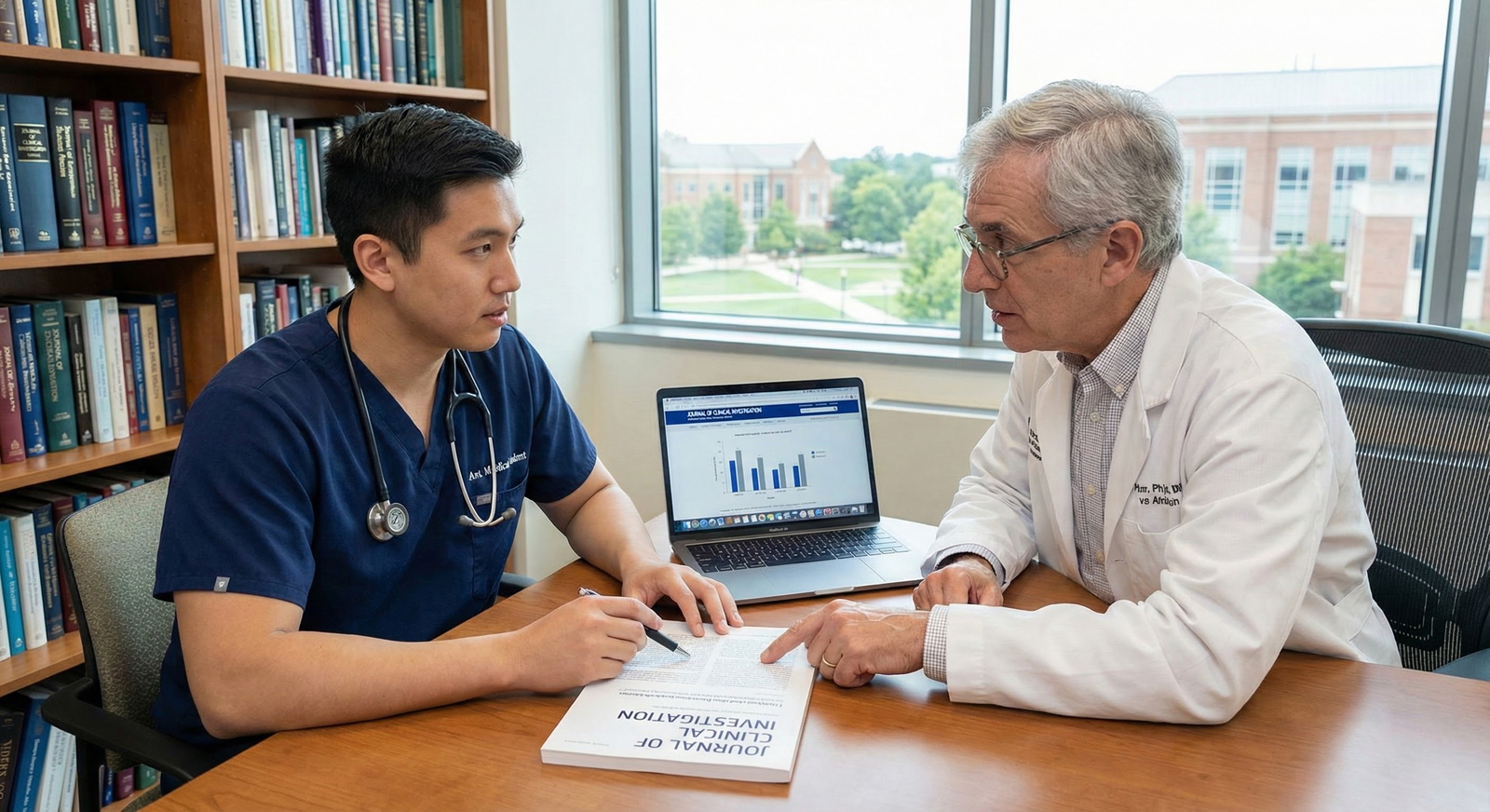
Program directors care less about whether you worked in a fancy lab and more about whether you:
- Contributed meaningfully (not just “name on a poster”)
- Completed what you started
- Can explain your work clearly during interviews
- Can demonstrate how the experience changed your thinking or skills
Valuable research experiences for non-US citizen IMGs in pediatrics include:
- Pediatric-focused clinical research (e.g., asthma outcomes, NICU quality improvement, obesity management)
- Quality improvement (QI) projects in pediatric wards or clinics
- Educational research (pediatric curricula, simulation, telehealth education)
- Public health or epidemiology projects involving children or adolescents
- Systematic reviews or meta-analyses on pediatric topics
- Case reports or case series with a clear teaching point
Basic or translational research is helpful if available, but for many IMGs, clinical and QI research in pediatrics is more realistic and directly relevant to residency training.
Understanding Metrics: Publications, Posters, and “How Many Is Enough?”
One of the most common questions is: “How many publications are needed for the peds match?” There is no fixed number, but you can use benchmarks and context to guide your goals.
Current Landscape: Pediatrics and Research Expectations
Compared to some subspecialties (e.g., dermatology, plastics), pediatrics is less research-heavy, but the expectations are increasing, especially at university and children’s hospital programs.
For a non-US citizen IMG aiming for a pediatrics residency:
- 1–2 meaningful pediatric research experiences is often the minimum to be seen as engaged in scholarly work.
- 2–3 posters or presentations at reputable meetings (local, regional, national) can significantly strengthen your profile.
- 1–2 peer-reviewed publications in any field (ideally at least one related to pediatrics or children’s health) show strong follow-through and academic potential.
These numbers are not strict cutoffs; they are targets, especially if you are competing for university-based or research-oriented programs.
Interpreting “How Many Publications Needed” for Your Situation
Instead of chasing a magical number, think in terms of profile types:
Strong Research Profile (Highly Competitive Programs)
- 3+ total publications (not all must be first author)
- At least 1 pediatrics-related publication
- Multiple posters/abstracts
- Clear role in study design, data analysis, or manuscript writing
- Able to speak confidently about methodology and implications
Solid Research Profile (Most University & Many Community Programs)
- 1–2 publications or accepted manuscripts
- 2–4 conference abstracts or posters
- A completed QI project with measurable outcomes
- Good understanding of evidence-based medicine and study design
Developing Research Profile (Programs with Fewer Research Expectations)
- 1–2 substantial research experiences (even if still “in progress”)
- At least one presentation (poster, talk, or local presentation)
- A case report or case series in preparation or submitted
For a foreign national medical graduate, particularly if you need visa sponsorship, aim to be at least in the “Solid” category if possible.
Quality vs. Quantity
Be strategic:
- Two projects that you understand deeply and can discuss with confidence are better than ten superficial name-only authorships.
- Strong letters from research mentors who know you well are more valuable than another low-impact, distant-author publication.
- Program directors increasingly recognize “CV inflation.” They will probe your understanding in interviews.
When you ask yourself “how many publications needed?” reframe it as: “Do I have enough scholarly work to clearly demonstrate my curiosity, persistence, and ability to contribute to a pediatric academic environment?”

Building a Research Profile from Scratch as a Non‑US Citizen IMG
Many IMGs worry they are “late” to research. It is rarely too late to start, but you must be strategic and efficient.
Step 1: Clarify Your Constraints and Strengths
As a non-US citizen IMG, your constraints might include:
- Limited time in the US (short observerships or electives)
- Visa limitations (e.g., J-1 research visa, B1/B2 constraints)
- Little prior exposure to research methods
- No existing US mentor network
Your strengths might include:
- Strong motivation and willingness to work hard
- Experience with different patient populations and health systems
- Language skills, helpful for global or immigrant child health research
- Flexibility to work on evenings/weekends across time zones (for remote projects)
Write down:
- How many months you can realistically commit to research before applying.
- How many hours per week you can contribute.
- Whether you can relocate for a research position or need remote work.
Step 2: Decide Your Primary Research Track
You do not need to “pick a subspecialty,” but it helps to have a general track that ties your experiences together.
Common pediatrics-related tracks:
- General pediatrics / preventive care – immunizations, obesity, chronic disease management
- Neonatology / NICU – prematurity outcomes, breastfeeding, infection control
- Pediatric emergency medicine – triage, sepsis, asthma exacerbations
- Pediatric infectious disease – vaccines, antimicrobial stewardship
- Pediatric global health – malnutrition, infectious disease in low-resource settings
- Pediatric education / simulation – teaching skills, standardized patients, telehealth education
Aim for coherent alignment: if your statement of purpose says you love neonatology, but all your research is in adult cardiology, it may raise questions. One or two unrelated projects is fine, but try to anchor your main work in child health.
Step 3: Find Mentors and Opportunities (US and International)
In the US
If you can be physically present in the US (elective, observership, research fellowship):
- Target pediatrics departments at academic centers or children’s hospitals.
- Look up faculty whose interests overlap with yours, using:
- Hospital websites (pediatrics division pages)
- PubMed searches for “pediatrics [your topic] [city]”
- Conference speaker lists (AAP, PAS, regional pediatric societies)
Write a concise, respectful email:
- 4–6 short sentences
- Mention you are a non-US citizen IMG interested in pediatrics residency
- Highlight any prior research skills (even basic: data entry, literature search)
- Offer to help with ongoing projects
- Attach a 1-page CV
Follow up once after 10–14 days. It is normal to send 30–50 emails and only receive a handful of positive responses. Persistence is standard, not bothersome, if you are polite.
If you cannot travel:
- Look for remote-friendly projects: systematic reviews, chart review with secure remote access, survey-based research, data analysis.
- Some US academic mentors will allow remote collaboration if you show reliability and regular communication.
In Your Home Country or Region
Do not underestimate:
- Pediatric departments in your own medical school or local hospitals
- NGOs or global health projects involving child health
- National pediatric societies or pediatric research networks
Even if these are not US-based, they still count as research for residency and can be very valuable, especially if you:
- Present at national or regional pediatric conferences
- Publish in peer-reviewed journals (even regional ones)
- Show leadership (e.g., coordinating data collection or writing key manuscript sections)
Step 4: Start with Realistic, High-Yield Project Types
As a foreign national medical graduate with limited time, the most efficient early projects often are:
Case Reports / Case Series
- Focus on unusual presentations or rare diseases in children.
- Highly teachable cases with clear clinical messages are best.
- Start collecting cases during clinical rotations; ask faculty if they have instructive cases to write up.
Retrospective Chart Reviews
- Example: “Asthma admissions in the pediatric ward over 5 years,” “Rates of antibiotic prescribing in pediatric URI.”
- Lower logistical barriers, often feasible for students and IMGs.
- Learn basic statistics and how to use software like SPSS, R, or Stata (even at a basic level).
Quality Improvement (QI) Projects
- Example: Improving hand hygiene in NICU; reducing wait times in pediatric clinic; increasing vaccination rates.
- Use Plan-Do-Study-Act (PDSA) cycles and track pre/post data.
- QI projects are often very appealing to community and academic pediatrics programs.
Systematic Reviews / Meta-Analyses
- Excellent for remote collaboration.
- Requires careful training in search strategy, inclusion/exclusion criteria, and bias assessment.
- Can be time-consuming but yield strong, citable publications.
Choose 1–2 of these that match your strengths and mentor availability. Do not start five projects at once unless you are sure you can follow through on all of them.
Step 5: Document and Translate Your Work
From the beginning, think about outputs that are visible on your CV:
- Abstract submission to a conference (local, regional, international)
- Poster presentation
- Oral presentation (if possible)
- Submission to a peer-reviewed journal (even if acceptance may take time)
Keep a structured record:
- Project title, your role, dates of involvement
- Mentor(s) and contact information
- Study design and key findings
- Abstracts submitted/accepted
- Manuscript status (in preparation, submitted, accepted, in press, published)
This makes it easier to fill out ERAS and to answer questions during interviews.

Crafting a Cohesive Research Story for the Peds Match
It is not enough to list projects; programs want to understand the story of your growth as a future pediatrician and budding academic.
Aligning Research with Your Personal Statement and Experiences
For a strong application:
Your personal statement should reference 1–2 research experiences that:
- Changed how you approach children and families
- Taught you persistence through setbacks (IRB delays, recruitment challenges)
- Improved your understanding of health systems, social determinants, or quality of care
Your experiences section should highlight concrete tasks:
- Designing data collection forms
- Conducting literature searches and summarizing evidence
- Teaching peers or staff about QI changes
- Coordinating with multidisciplinary teams (nurses, pharmacists, social workers)
Your letters of recommendation from research mentors should:
- Comment on your reliability, communication, and analytic skills
- Provide examples of your contributions (e.g., “lead author,” “managed weekly team meetings”)
- Affirm your commitment to pediatrics and ability to thrive in US training
How to Present Your Research During Interviews
Expect questions like:
- “Tell me about the most impactful research project you’ve worked on.”
- “If I open your paper/poster, what will I find?”
- “What challenges did you face during this project, and how did you overcome them?”
- “How has research made you a better clinician?”
Prepare:
- 2–3 short “stories” (2–3 minutes each) about key projects.
- A brief, accessible explanation of:
- Study question
- Methods (in plain language)
- Key findings
- Implications for pediatric care
- A reflection on how this experience will help you as a pediatric resident (e.g., approaching clinical questions, using evidence, improving systems).
Remember: you are not expected to be a biostatistician. Programs are mainly assessing your curiosity, understanding, honesty about your role, and ability to learn from the experience.
Strategic Planning: Timelines, Gaps, and Common Pitfalls
Building a Realistic Timeline Before the Match
Suppose you are a non-US citizen IMG planning to apply for pediatrics residency in September 2026. A sample timeline:
2024–early 2025
- Gain basic research skills: online courses in research methods, statistics, and critical appraisal.
- Start 1–2 projects (case report and small retrospective study).
- Aim for at least one abstract submission by late 2025.
Mid–late 2025
- Continue work on ongoing projects; prioritize completion.
- Add a QI project if feasible.
- Submit manuscripts to journals.
Early 2026
- Focus on finalizing publications and presentations.
- Collect strong letters from research mentors.
- Prepare to explain your research clearly for interviews.
Not all projects will produce publications before your ERAS submission date; that is normal. “Submitted” or “in preparation” entries are acceptable if honestly represented.
Addressing Gaps or Lack of US-Based Research
If you lack US-based research:
- Highlight transferable skills from home-country projects.
- Emphasize any pediatric conferences you attended or presented at (even regional).
- Combine research with US clinical experience (USCE), showing you can function in the US environment even if research itself was done elsewhere.
- Consider one short-term US research observership or visiting scholar experience, even for 1–3 months, if possible.
If you have a research gap:
- Explain honestly in your personal statement or interviews if asked:
- Preparing for licensing exams
- Family or financial responsibilities
- COVID-related disruptions
- Then focus on what you are doing now to re-engage with scholarly activity. Starting a new QI or literature-based project can quickly demonstrate current involvement.
Common Pitfalls for Non-US Citizen IMGs and How to Avoid Them
Being a “Ghost Author”
- Avoid projects where your name is added but you did not actively participate.
- Program directors may pick up on this if you cannot explain the methods or results.
Overcommitting to Too Many Projects
- It is better to fully complete 2–3 projects than be half-involved in 8 that never finish.
- Be honest with mentors about your time and visa constraints.
Neglecting Statistics and Methods
- Even basic understanding of p-values, confidence intervals, and common study designs (cohort, case-control, RCT) will help you stand out.
- Use free resources (Coursera, edX, YouTube, open textbooks) to build foundational knowledge.
Underutilizing Your Unique IMG Perspective
- Your experience with global child health, different health systems, and resource-limited settings is a strength.
- Use it to shape research questions around access, equity, cultural determinants, and global pediatrics.
Not Asking for Credit or Clear Roles
- Clarify authorship expectations early and professionally.
- Document contributions (e.g., writing sections, analyzing data) to support your case if needed.
Practical Tips and Resources for Getting Started
Skill-Building Resources
- Basic Research Methods & Statistics
- Coursera/edX introductory epidemiology and biostatistics courses
- University of British Columbia’s “Clinical Epidemiology” videos
- Systematic Reviews
- Cochrane training materials
- PRISMA guidelines
- Writing and Presentation Skills
- EQUATOR Network (reporting guidelines)
- Online workshops from pediatric societies or medical schools
Conferences Worth Targeting (Depending on Region/Access)
- American Academy of Pediatrics (AAP) National Conference
- Pediatric Academic Societies (PAS) Meeting
- State or regional pediatric society meetings
- Local or national general medical conferences with pediatric sections
Even if you cannot attend in person, virtual or hybrid options often exist; many programs still count virtual presentations as scholarly output.
Balancing Research with Exam Preparation
As a non-US citizen IMG, you must juggle:
- USMLE/other licensing exams
- English proficiency or OET/IELTS (if required)
- Clinical rotations or work
- Research projects
Strategies:
- Use slower exam periods for higher research intensity and vice versa.
- Choose roles that can flex with your schedule (e.g., data analysis or writing sections you can complete evenings/weekends).
- Communicate clearly with mentors about exam dates and peak study periods.
FAQs: Research Profile Building for Non‑US Citizen IMGs in Pediatrics
1. As a non-US citizen IMG, do I absolutely need US-based research for a pediatrics residency?
No. US-based research is helpful but not mandatory. Many successful foreign national medical graduates match with research done entirely in their home countries, especially if they have:
- Clear, substantial roles in projects
- Peer-reviewed publications or strong presentations
- Strong letters from mentors who can detail their contributions
US-based research becomes more important if you are targeting highly competitive university programs or seeking a research-heavy career path.
2. How many publications are needed to be competitive for the peds match as an IMG?
There is no fixed “correct” number. For most non-US citizen IMGs, 1–2 publications plus several abstracts/posters and at least one meaningful QI or clinical project can be enough for many programs. If aiming for top academic centers, 3+ publications (with at least one directly relevant to pediatrics or children’s health) can be particularly helpful. Always prioritize quality, your actual contribution, and your ability to discuss the work over raw numbers.
3. Does research in non-pediatric fields (e.g., internal medicine, surgery) still help my pediatrics application?
Yes, it still counts as research for residency and shows your capacity for scholarly work. However, you should:
- Clearly explain why you are now focused on pediatrics
- Emphasize any transferable skills: data analysis, teamwork, scientific writing
- Try to obtain at least 1–2 pediatric-focused projects or case reports before applying, to tie your portfolio to your chosen specialty.
4. I’m starting late and only have 6–9 months before ERAS. What is the most efficient way to strengthen my research profile?
Focus on high-yield, time-efficient strategies:
- Seek a pediatric mentor who already has ongoing projects and needs help finishing them.
- Work on 1–2 case reports or a small retrospective study with existing data.
- Aim for at least one abstract submission and poster presentation (even at a local or virtual conference).
- If publication before ERAS is unlikely, ensure your projects are at least in “submitted” or “in preparation” status and be ready to discuss them clearly in your application and interviews.
By being deliberate, honest, and persistent, you can build a research profile that meaningfully strengthens your pediatrics residency application as a non-US citizen IMG—and positions you for a long-term, scholarly pediatric career in the US.