Aspiring to match into psychiatry residency as a US citizen IMG (American studying abroad) means you’re competing with applicants who often have stronger access to home programs, research infrastructure, and mentors. A well-planned research profile can help close that gap and demonstrate that you understand evidence-based psychiatry, can think critically, and will contribute academically to a residency program.
This article walks you through how to systematically build a strong research profile as a US citizen IMG targeting psychiatry—what types of projects to pursue, how to start from zero, how many publications you actually need, and how to present everything convincingly in your psych match application.
Understanding the Role of Research in Psychiatry Residency for US Citizen IMGs
Research matters in every specialty, but in psychiatry it has several unique functions—especially for a US citizen IMG.
Why research is particularly valuable in psychiatry
Psychiatry is strongly evidence-based and rapidly evolving
New treatments (e.g., ketamine, neuromodulation, digital interventions) and changing diagnostic frameworks make psychiatry heavily research-driven. Programs value applicants who can read and apply the literature, not just memorize facts.Perception and reassurance factor for IMGs
For a US citizen IMG or American studying abroad, PDs sometimes have limited familiarity with your school’s clinical training standards. A solid research record is an objective signal that:- You can function in a US academic environment
- You can write in clear academic English
- You collaborate effectively on scholarly work
- You understand the US system of IRB, ethics, and dissemination
Differentiation in a crowded psych match
Psychiatry has become more competitive, attracting US MDs/DOs and IMGs. Step scores alone rarely differentiate candidates. Research for residency—especially psychiatry-specific—shows:- Sustained interest in the specialty
- Intellectual curiosity
- Potential to become a future educator or academic psychiatrist
Residency program culture
Many psychiatry programs, even community-based ones, appreciate applicants who can:- Help residents complete QI or scholarly projects
- Contribute to case reports or reviews
- Represent the program at regional or national conferences
For a US citizen IMG, a thoughtful research profile reassures programs you’ll fit well within a US academic environment and contribute beyond clinical work.
What “Counts” as Research for Psychiatry Residency?
You do not need to be first author on multiple randomized controlled trials to have a meaningful research profile. Programs value a range of scholarly activities.
Core types of research and scholarship that matter
1. Original research (clinical or basic science)
- Prospective or retrospective chart reviews
- Survey studies (e.g., mental health attitudes, burnout, stigma)
- Clinical trials (often as a research assistant or co-author)
- Basic neuroscience research (e.g., neuroimaging, neuropharmacology)
Strength: High impact if completed and published, especially in psychiatry-related topics.
2. Case reports and case series
- Unusual presentations (e.g., catatonia in unusual medical conditions)
- Adverse effects of psychotropic medications
- Diagnostic challenges (e.g., primary psychosis vs. substance-induced)
Strength: Feasible for IMGs; can be done with one or two interesting inpatient psych cases. Good entry point for publications for match if your school has minimal infrastructure.
3. Review articles and narrative reviews
- Focused literature reviews on:
- Cultural psychiatry (e.g., depression stigma in specific cultural groups)
- Global mental health
- Comorbidity (e.g., substance use + severe mental illness)
- Telepsychiatry, digital mental health tools
Strength: Good demonstration of reading and synthesizing literature, especially if you lack access to primary data.
4. Quality improvement (QI) and educational projects
- QI projects on:
- Reducing restraint use
- Improving suicide risk screening
- Increasing follow-up adherence after discharge
- Educational projects:
- Mental health curriculum for students
- Simulation or OSCE design in psychiatry
Strength: Very feasible in many settings; easily tied to “patient care impact.” These can often be written up as conference abstracts or short papers.
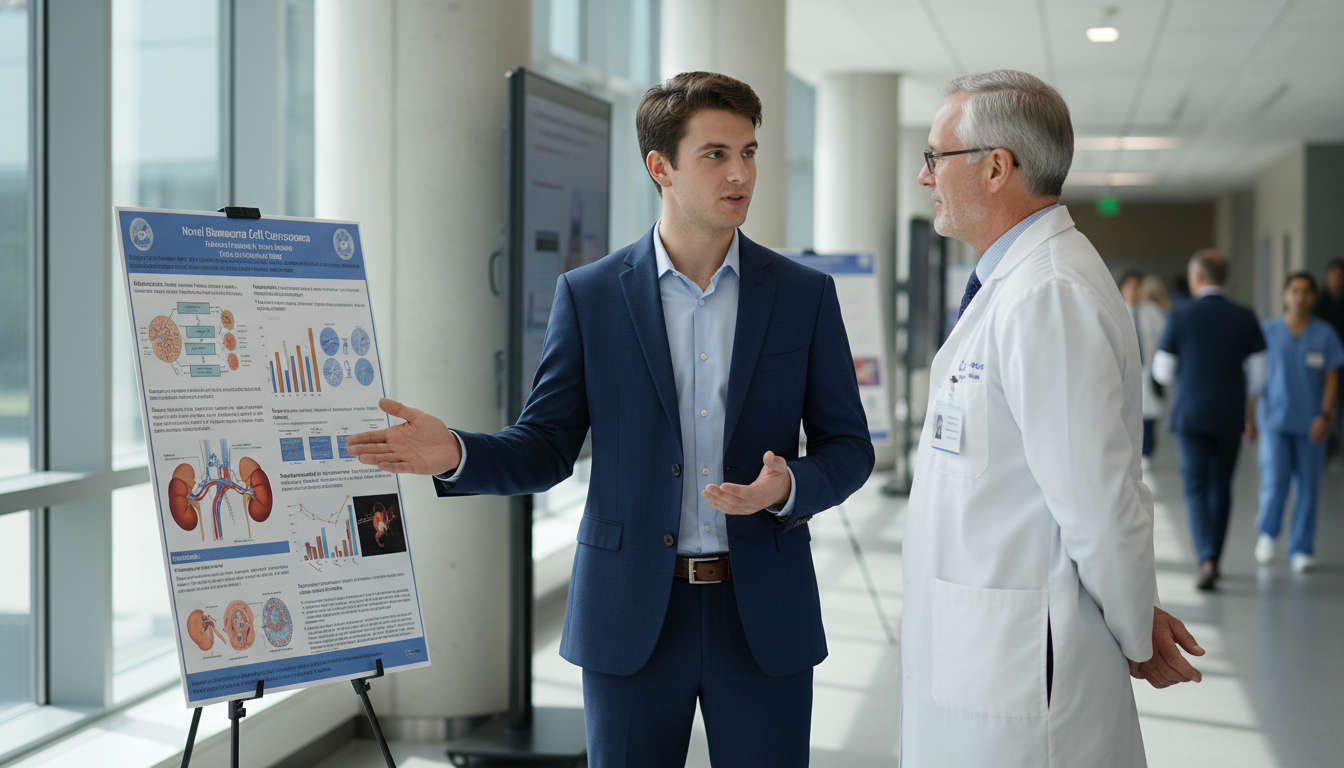
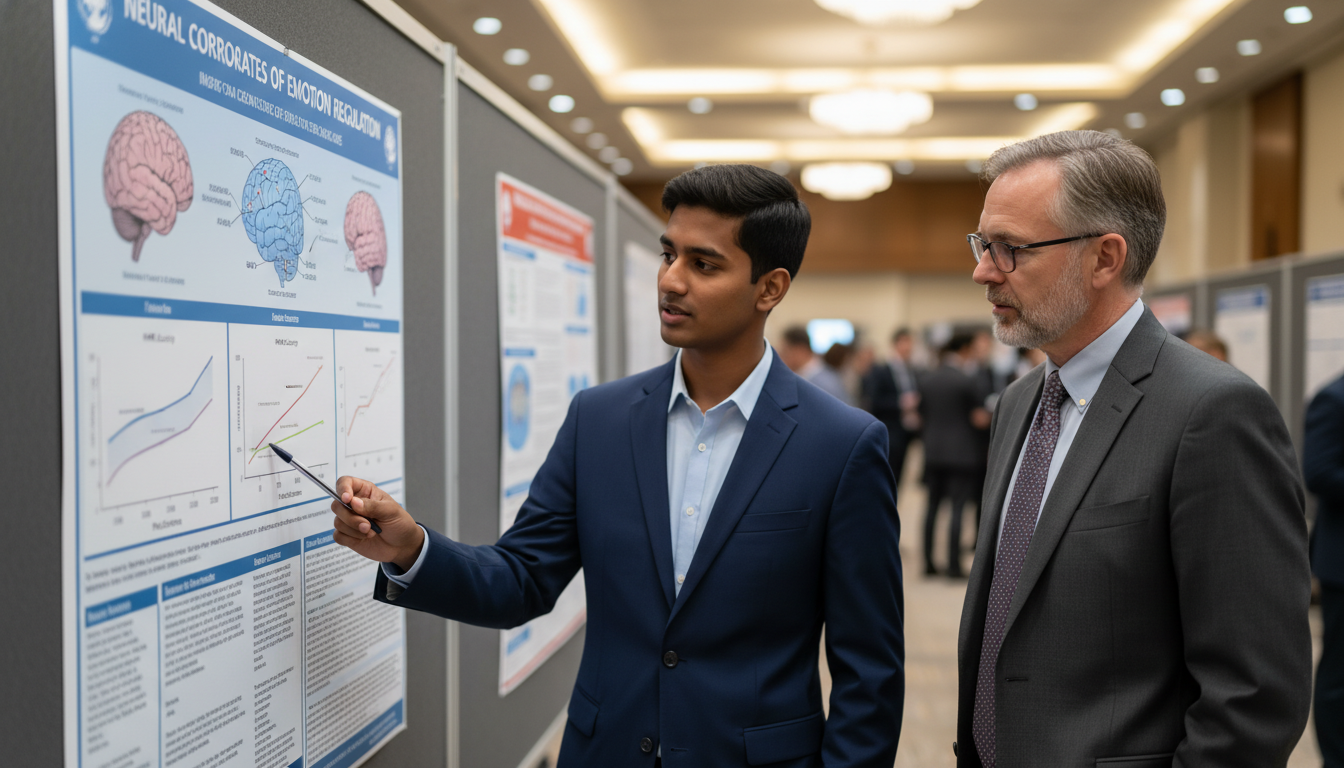
5. Presentations and posters
- Posters at international, national, or regional conferences (e.g., APA, local psychiatry associations)
- Oral presentations at institutional research days
Strength: Even if not yet published, posters show active engagement in the research process and networking with psychiatry professionals.
6. Non-psychiatry research
- Internal medicine, neurology, pediatrics, surgery, etc.
- Methodologic work, biostatistics, or public health
Strength: Still helpful—demonstrates research skills and discipline—even if not psych-related. You can connect the lessons learned to psychiatry in your personal statement or interviews.
How Many Publications Do You Actually Need for Psychiatry?
Many applicants ask: “How many publications needed to match psychiatry as a US citizen IMG?” There is no magic number, but you can think in tiers.
Research intensity categories
1. Minimal research profile (0–1 abstract/poster, no publications)
- Risky for a US citizen IMG, especially if applying to mid- or highly academic programs
- More acceptable if:
- You have exceptional US clinical experience and LORs
- Strong Step scores and strong personal story in psychiatry
- You mostly target community-oriented or less research-heavy programs
2. Solid, realistic profile for many US citizen IMGs (2–4 items)
Aim for a mix such as:
- 1–2 psychiatry-related posters (even local or institutional)
- 1 case report or small retrospective study (preferably submitted or accepted)
- 1 QI or education project with clear description in ERAS
This is a very attainable and reasonable goal for an American studying abroad, and it signals consistent scholarly engagement.
3. Strong research profile (5–10+ items, some published)
Often seen in:
- Applicants who took 1–2 dedicated research years
- Those who worked as research assistants in the US
Profile might include: - Several posters (some at major meetings, like APA)
- 2–4 published or in-press papers (first- or co-author)
- Mix of original research and reviews
This helps significantly for more academic psychiatry residency programs and for those considering future fellowships or faculty positions.
Practical interpretation for your planning
For a US citizen IMG targeting psychiatry:
- Target at least 2–3 concrete, documentable research activities:
- A combination of posters, case reports, or small projects
- Try to have at least one psychiatry-themed project to show specialty interest
- Additional non-psychiatry research is a bonus, not a requirement
- You do not need double-digit publications to match psychiatry, but:
- The quality, recency, and your role (first author vs. minor co-author) matter
- Your ability to talk about the work intelligently in interviews matters even more than raw count
Step-by-Step Strategy to Build a Psychiatry-Focused Research Profile as a US Citizen IMG
Building a research profile is like building a small portfolio over time — start simple, then deepen and expand. Below is a structured approach for an American studying abroad with limited access to home-program research.
Step 1: Clarify your constraints and assets
List your constraints:
- Is your school outside the US without a psychiatry research department?
- Limited English-writing mentorship?
- No or few psychiatrists doing research?
List your assets:
- Any professors interested in mental health, neurology, or public health
- Local hospitals with psychiatric units where case reports are possible
- Alumni network of previous US citizen IMGs now in residency who can connect you to mentors
- Time flexibility (e.g., elective periods, summers, post-graduation gap year)
This assessment will guide whether you focus more on:
- Case reports and local QI projects, or
- Remote collaboration and research assistant roles with US-based teams
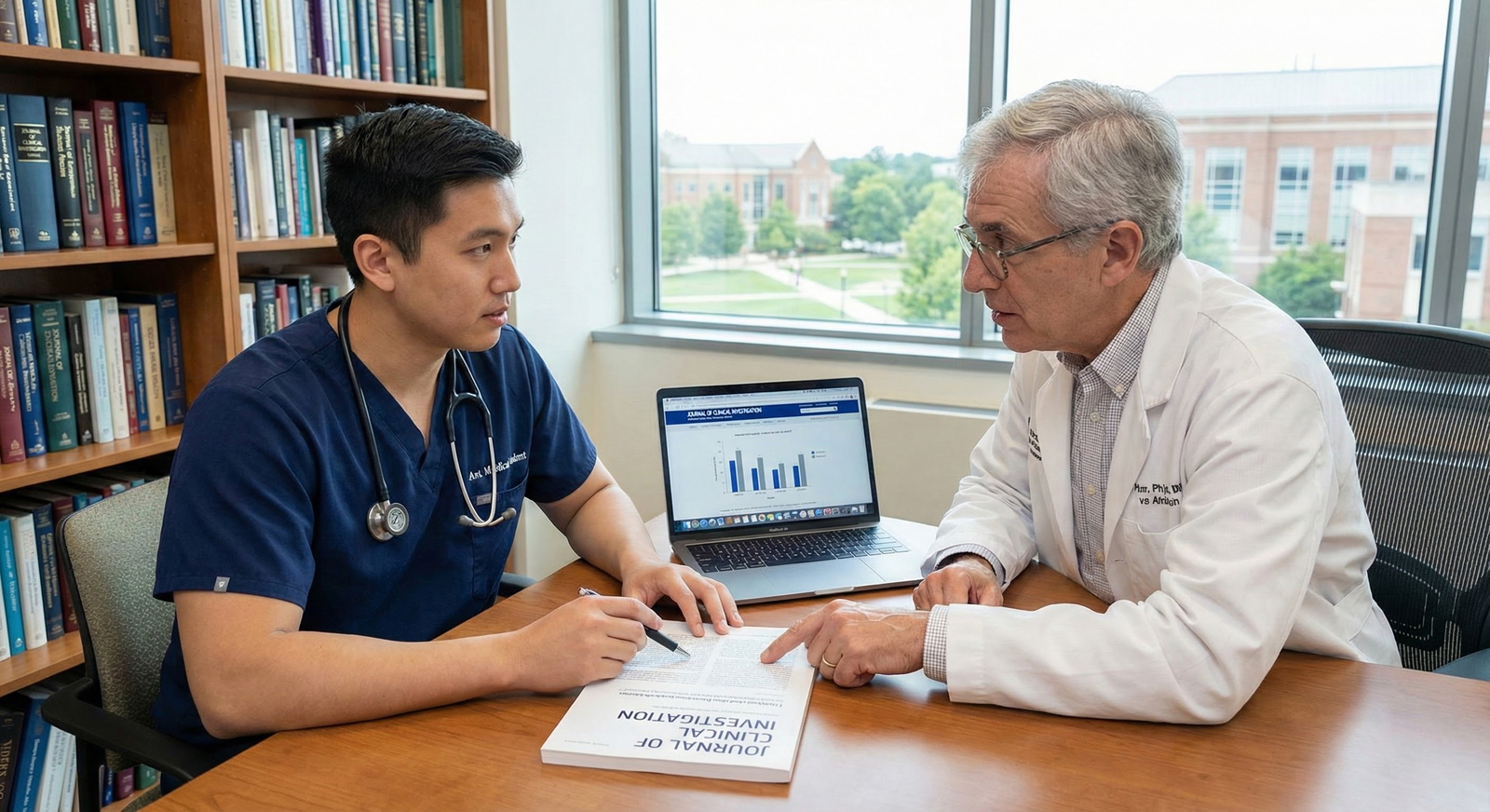
Step 2: Identify potential mentors early
You need at least one or two people who can:
- Include you on projects
- Provide feedback on writing
- Eventually write letters of recommendation citing your research skills
Potential mentor sources:
- Local psychiatry faculty at your school or affiliated hospitals
- US clinical rotations (observerships or electives in psychiatry); ask:
- “Are there any ongoing projects I could help with?”
- “Could I assist with a chart review, literature review, or a case report?”
- Alumni: US citizen IMGs from your school who matched psychiatry—many are happy to help if you approach respectfully and specifically.
- Online/virtual research opportunities:
- University labs listing volunteer RA positions
- Faculty you find via PubMed whose research aligns with your interests—email them a concise, tailored message.
When contacting potential mentors, keep emails:
- Short (10–15 lines)
- Specific (your interest in psychiatry, your skills, your time availability)
- Focused on how you can help (data entry, chart review, literature searches, manuscript drafting)
Step 3: Start with achievable, short-horizon projects
As a US citizen IMG, you often don’t have 2–3 years for a large RCT. Instead, prioritize projects that can yield tangible output within 6–12 months.
Good first projects:
Case report from inpatient psychiatry or CL psychiatry
Example:- “Neuroleptic malignant syndrome in a patient with atypical presentation”
- “Severe depression presenting as medically unexplained abdominal pain”
Path: Identify case → obtain attending’s approval → literature search → draft with mentor → submit to a journal or conference as a poster.
Small retrospective chart review
Examples:- Prevalence of substance use among admissions to your local psychiatric ward
- Readmission rates for patients with schizophrenia in your hospital
Requirements: - Basic IRB or ethics approval (varies by country)
- Collaboration with a psychiatrist or faculty member for data access
Outcome: Poster, short publication.
Survey-based projects
Examples:- Attitudes toward depression treatment among medical students
- Burnout and mental health symptoms in trainees
These can often be done even from non-psychiatry departments if someone will sponsor the project. They also easily translate to psychiatry topics.
Narrative review on a focused psychiatry topic
Example titles:- “Cultural influences on the expression of depression in [your country/region]”
- “Digital mental health interventions in low-resource settings”
Strategy: - Work with a mentor to choose a niche yet relevant topic
- Follow PRISMA or at least a structured search strategy, even if narrative
Output: Manuscript submission to a peer-reviewed or educational journal.
Step 4: Add structure and consistency
Programs prefer to see a coherent, developing story rather than random, disconnected items.
Tips:
- If possible, cluster your projects around themes:
- Global mental health
- Stigma and attitudes toward mental illness
- Substance use disorders
- Cultural psychiatry
- Medical comorbidities in psychiatric patients
- This helps you craft a narrative in your personal statement and interviews:
- “I started by examining stigma toward depression among medical students, then did a chart review of patients with severe mental illness and medical comorbidities, which deepened my interest in integrated care.”
Step 5: Seek dissemination opportunities early
Do not wait for a full, polished manuscript before sharing your work. For psychiatry residency, conference presentations and posters are very valuable, even if the work is not yet published.
Targets:
- National: American Psychiatric Association (APA), AACAP (if child-related), specialty groups
- Regional or local psychiatry societies
- Institutional research days at your medical school or affiliated hospitals
Why this helps you as a US citizen IMG:
- Shows initiative and real participation in academic dialogue
- Gives you talking points and confidence for interviews
- Sometimes leads to networking connections with US faculty
Step 6: Polish your writing and documentation
For non-native English speakers or those studying abroad, high-quality written work is a strong reassurance to program directors.
Actions:
- Use templates from published case reports or brief reports in journals like:
- Case Reports in Psychiatry
- BMC Psychiatry
- Cureus (good entry-level platform for IMGs)
- Use grammar support tools and have mentors or peers proofread
- Carefully track:
- Your role in each project (study design, data collection, analysis, drafting)
- Submission and acceptance dates
- DOI or PubMed ID once published
You’ll need this detail for ERAS entries and interview discussions.

Presenting Your Research Profile Effectively in the Psychiatry Match
Even strong research can be underutilized if you don’t present it well. You want program directors to quickly see that your scholarly work is relevant, genuine, and predictive of success.
Tailoring ERAS entries
In ERAS:
- Use clear titles that emphasize psychiatry themes:
- Instead of: “Survey of Students”
Use: “Survey of Depression Stigma Among Medical Students in [Country]”
- Instead of: “Survey of Students”
- In the description, highlight:
- Your specific tasks: “Performed literature review and drafted introduction and discussion,” rather than just “Co-author.”
- Skills gained: data analysis, critical appraisal, IRB process, interprofessional collaboration.
Mark status accurately:
- “Published,” “Accepted,” “In-press,” “Submitted,” “In preparation” (only list the last category sparingly, and only if the work is real and near submission).
Integrating research into your personal statement
For a US citizen IMG in psychiatry, your research should reinforce:
- Your sustained interest in mental health
- Your understanding of psychiatric complexity
- Your alignment with evidence-based practice and potentially academic psychiatry
Example integration:
- “Working on a chart review of schizophrenia readmissions in [country] exposed me to systemic barriers in follow-up care and strengthened my interest in community psychiatry and integrated models.”
Avoid:
- Over-technical jargon that seems disconnected from real patient care
- Research that feels unrelated to psychiatry without a clear bridge
Using research in interviews
Programs will often ask:
- “Can you tell me about one of your research projects?”
- “What was your role in this publication/poster?”
- “How did this work influence your interest in psychiatry?”
Be ready to:
- Explain one project from start to finish in simple language
- Describe one challenge you faced (e.g., data quality, ethics approval, writing in English) and how you handled it
- Connect the project to your future plans:
- Interest in academic psychiatry, QI, patient safety, or health systems improvement.
For US citizen IMGs, being able to articulate your research clearly and confidently is often more impressive than simply listing many publications.
Common Pitfalls and How to Avoid Them as a US Citizen IMG
Pitfall 1: Chasing quantity over quality
- Stacking many minimal-role authorships or unrelated projects can make your application look unfocused.
- Better: 2–3 well-understood, psychiatry-relevant projects where you played a meaningful role.
Pitfall 2: Overinflating your contributions
Program directors are used to reading between the lines. Overstating your role can backfire in interviews when they probe for details.
- Always be honest about:
- Whether you designed the study vs. only collected data
- Whether you wrote the manuscript vs. edited parts
- It’s completely acceptable to say you were a junior contributor—as long as you can show what you learned.
Pitfall 3: Neglecting timelines
As a US citizen IMG, you often face tight schedules—Step exams, clinical rotations, visa planning (if relevant), and application cycles.
To avoid timing issues:
- Start projects at least 1–1.5 years before your intended match cycle if possible.
- Aim to have at least one tangible outcome (poster, submitted manuscript) before ERAS opens.
- If something is in review, list it truthfully and be prepared to update programs if it gets accepted.
Pitfall 4: Under-utilizing non-psychiatry research
Many IMGs have non-psychiatry publications (e.g., cardiology). Don’t hide or downplay them.
- Instead, briefly explain:
- “This early cardiology project taught me research discipline and statistics, which I later applied to my psychiatry work.”
- This shows a coherent evolution, not a random pivot.
Putting It All Together: A Sample Roadmap
Below is an example 2-year roadmap for a US citizen IMG (American studying abroad) hoping to strengthen their psychiatry research profile before applying.
Year -2 to -1.5 before application
- Identify psychiatry or mental health–interested mentor at your school or hospital.
- Start:
- One small survey project (depression stigma, burnout, substance use)
- One case report from a psych rotation
Year -1.5 to -1 before application
- Complete data collection and analysis for the survey.
- Draft and submit:
- Case report to an appropriate journal or to a conference as a poster
- Survey results as a poster to a regional or national psychiatry meeting
- Begin a retrospective chart review or narrative review related to a psychiatry topic of interest.
Year -1 to -0.5 before application
- Finalize and submit the chart review or narrative review for publication.
- Present one or both projects at institutional research days or conferences.
- During any US electives in psychiatry:
- Ask faculty about ongoing or small projects you might join.
Final 6–9 months (application year)
- Ensure all research is organized in a CV compatible with ERAS.
- Request letters from mentors who can comment on your research skills and professionalism.
- Prepare interview narratives about:
- Why you chose these projects
- What you learned
- How they shaped your view of psychiatry
By the time you submit ERAS, you could realistically have:
- 1–2 posters (possibly including at least one psychiatry conference)
- 1 published or in-press case report
- 1 submitted or accepted short article or narrative review
- Clear, research-informed narrative in your personal statement and interviews
This is a very strong and realistic profile for a US citizen IMG applying to psychiatry.
FAQs: Research Profile Building for US Citizen IMGs in Psychiatry
1. I’m a US citizen IMG with no research experience yet. Is it too late to start?
No. Even starting 12–18 months before your psych match, you can:
- Complete a case report or small QI project
- Participate in a survey or chart review
- Present a poster at least once
Start with the most feasible project you can realistically finish before ERAS opens, then build upward.
2. Do all my projects need to be in psychiatry for them to help?
They don’t all need to be psychiatry-specific, but having at least one or two clearly psychiatry-related projects is very helpful for demonstrating genuine interest. Non-psychiatry research still strengthens your credibility as someone who can handle scholarly work.
3. How many publications needed to be competitive for psychiatry as a US citizen IMG?
There is no fixed number, but a practical target is:
- 1–2 psychiatry-related posters or case reports
- 1–2 additional projects (surveys, reviews, or non-psychiatry work)
Highly academic programs may favor applicants with more outputs, but many solid psych residencies will value a smaller number of well-understood, meaningful projects.
4. I don’t have access to a strong research department at my foreign medical school. What are my options?
Options include:
- Case reports and QI projects from your local psychiatry or internal medicine wards
- Survey studies among students or residents
- Remote collaboration with US-based mentors (contacting them via email, showing genuine interest and availability)
- Publishing in accessible journals (including some open-access or educational journals) that are receptive to international work
Your main goals are to demonstrate curiosity, follow-through, and ability to contribute to scholarly work, even in limited-resource settings.
By thinking strategically about research for residency, focusing on feasible and psychiatry-relevant projects, and presenting your work clearly in ERAS and interviews, you can significantly strengthen your application as a US citizen IMG and position yourself as a thoughtful, academically oriented future psychiatrist.