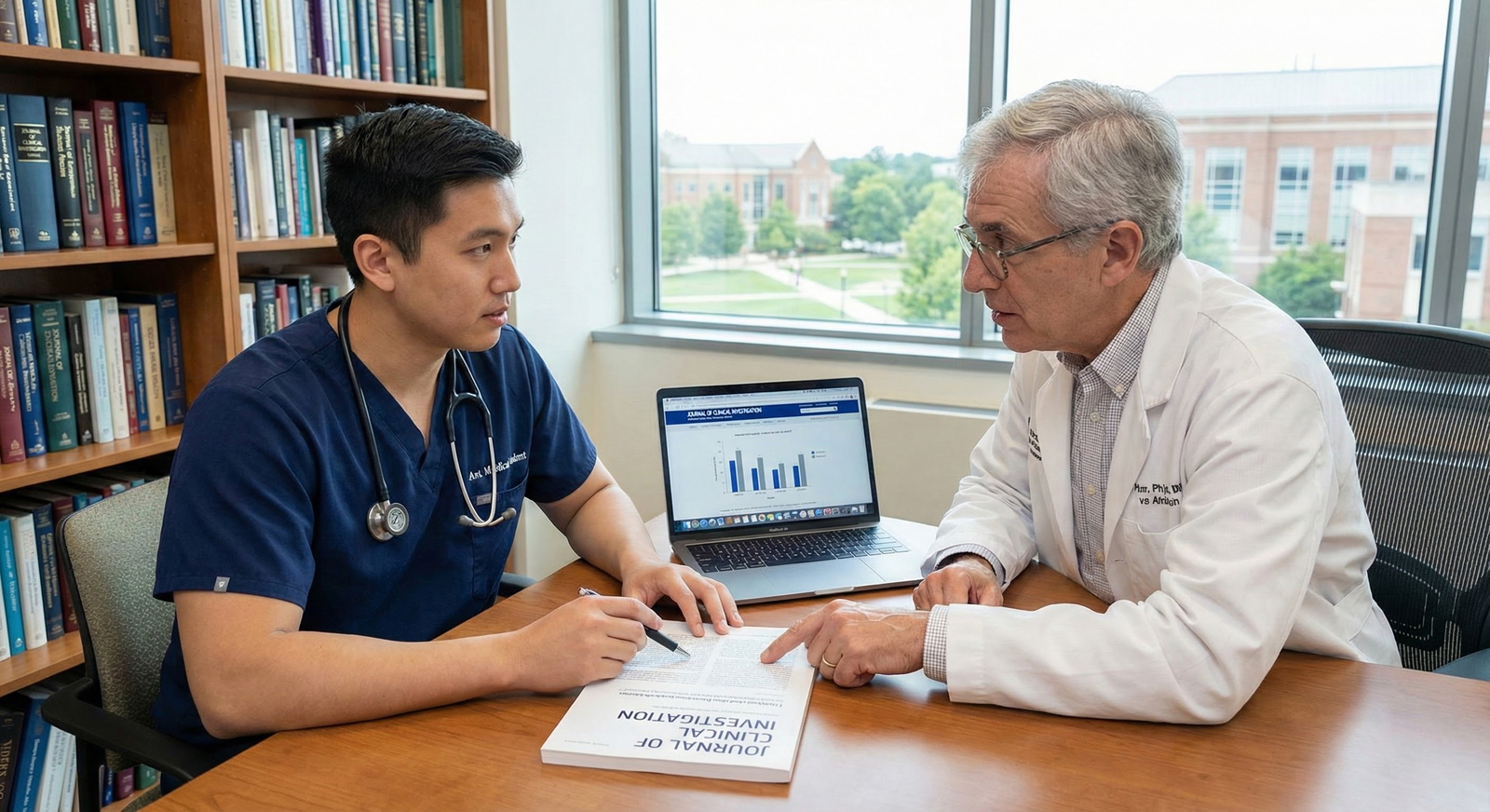
Understanding the Role of Research in PM&R Residency Applications
For an MD graduate targeting a PM&R residency, a strong research profile can significantly strengthen your application, especially at academic and university-based programs. While Physical Medicine & Rehabilitation is not as research-intense as some highly competitive surgical subspecialties, the field is rapidly evolving, data-driven, and increasingly evidence-based.
Why research matters in PM&R
Program directors in Physical Medicine & Rehabilitation look at research experience for several reasons:
- Evidence of academic curiosity – PM&R thrives on outcome measures, functional scales, and multidisciplinary interventions. Research shows you are comfortable engaging with data and literature.
- Signal of commitment to physiatry – PM&R-specific projects (stroke rehab, TBI, musculoskeletal medicine, pain, sports, EMG, spinal cord injury) demonstrate that your interest in the field is informed and sustained.
- Predictor of future academic involvement – Programs with strong fellowship pipelines (sports, pain, SCI, TBI, peds rehab) favor applicants who may pursue academic careers or quality improvement leadership.
- Differentiator in a crowded pool – With increasing numbers of applicants from allopathic medical schools and international backgrounds, research for residency is one of the clearest ways to distinguish your file.
How competitive is PM&R and where research fits
PM&R is often considered “moderately competitive.” NRMP data (up to my 2024 knowledge cutoff) show that:
- U.S. MD seniors have a relatively high match rate in PM&R, but
- University-based and top-tier academic centers are more selective, and
- Applicants with publications, abstracts, and presentations tend to cluster at these more competitive programs.
If you’re an MD graduate (not a current medical student), building a research profile becomes even more important because it:
- Fills potential gaps since graduation
- Explains what you’ve been doing after earning your MD
- Shows ongoing professional engagement and growth
Understanding this context helps you make intentional choices about how much research to pursue and in what areas.
How Many Publications Do You Actually Need for PM&R?
MD graduates often ask, “how many publications needed to be competitive?” There is no universal cutoff, but we can outline reasonable benchmarks.
General benchmarks for PM&R residency
For an MD graduate from an allopathic medical school match pathway aiming at PM&R:
- Minimum:
- At least 1–2 scholarly experiences (poster, QI project, case report, or publication), ideally related to PM&R or rehabilitation medicine.
- Competitive (typical university program):
- 3–5 entries in the “Research” section of ERAS, with at least:
- 1–2 manuscripts (published, in press, or submitted), and
- Several abstracts, posters, or presentations.
- 3–5 entries in the “Research” section of ERAS, with at least:
- Highly competitive/academic track:
- 5+ experiences, with:
- Multiple PM&R-focused projects
- At least 1–2 peer-reviewed publications
- Possibly involvement in prospective studies, clinical trials, or systematic reviews.
- 5+ experiences, with:
These numbers are guidelines, not rules. Programs evaluate research in context:
- Strength of your allopathic medical school training
- USMLE/COMLEX scores
- Clinical grades and letters of recommendation
- Fit for PM&R and demonstrated commitment to the specialty
Quality vs. quantity
A small number of meaningful, PM&R-relevant projects can outweigh a long list of superficial or unrelated activities. Program directors notice:
- Whether you understand your project when you discuss it
- If you can explain methods, limitations, and clinical relevance
- Whether your role was substantive (data analysis, writing, literature review) or marginal (name on a long author list)
When deciding how many publications needed, prioritize:
- Depth over breadth – It’s better to be deeply involved in 2–3 projects than to be superficially attached to 10.
- PM&R relevance – Rehabilitation, neuro, pain, sports, musculoskeletal, quality of life, function, disability, health services research.
- Completing the cycle – Pushing projects to a tangible endpoint: abstract, poster, or manuscript.
Strategic Approaches to Building a PM&R-Focused Research Profile
As an MD graduate seeking PM&R residency, you no longer have the built-in structure of medical school. You must be intentional and organized. Below is a stepwise framework.
Step 1: Clarify your PM&R academic interests
Even if you’re early, lean into broad themes:
- Neurorehabilitation: Stroke, traumatic brain injury, spasticity, cognitive rehab
- Spinal cord injury: Function, mobility, autonomic dysreflexia, pressure injuries
- Pain and musculoskeletal medicine: Low back pain, osteoarthritis, interventional pain, EMG
- Sports & musculoskeletal rehab: Return to play, tendinopathy, concussion
- Pediatric rehab: Cerebral palsy, developmental disabilities
- Cancer rehab: Fatigue, functional outcomes, survivorship
- Health services & outcomes: Functional scales (FIM, PROMIS), quality of life, access to rehab
Choosing 1–2 interest areas helps you target mentors and projects and creates a coherent narrative in your application.
Step 2: Find the right mentors and environments
For MD graduates, your pathway depends on your current status:
If you are still affiliated with an allopathic medical school
- Contact PM&R faculty directly
- Email the department chair, program director, or research director
- Ask about ongoing projects needing help with literature review, data entry, or writing.
- Reach out to related departments:
- Neurology, Orthopedics, Rheumatology, Sports Medicine, Internal Medicine, Geriatrics, Pain Medicine.
- Many PM&R-relevant projects are housed outside PM&R departments.
If you have already graduated and are not currently in formal training
Options include:
- Volunteer research assistant with a PM&R or neurorehab group at a nearby academic hospital.
- Formal research fellowship or postdoctoral research position (1-year positions in rehab, neurology, or orthopedics).
- Remote collaboration:
- Many physiatry researchers supervise remote contributors for literature searches, data extraction, and manuscript drafting.
- Start by contacting authors of PM&R articles you’ve read: briefly introduce yourself, your interest, and your availability.
When you approach a potential mentor, include:
- Who you are (MD graduate, school, year of graduation)
- Specific interest in PM&R and physiatry match goals
- Your skills: literature review, basic stats, SPSS/R familiarity, previous publications
- Time availability (e.g., 10–15 hours/week for at least 6–12 months)
- Clear ask: “I’m hoping to get involved in ongoing research and help move projects toward publication.”
Step 3: Choose project types that fit your timeline
As an MD graduate approaching an upcoming application cycle, time is critical. Consider these project types and their timelines.
1. Case reports and case series (short-term)
- Timeline: 2–6 months from concept to submission (if well-managed)
- Best for: Quick entry into publications for match enhancement
- PM&R examples:
- Unusual spasticity management case
- Novel rehab intervention in post-stroke aphasia
- Uncommon neuropathic pain syndrome managed in clinic
These are ideal if you are doing clinical observerships, externships, or working in settings where you directly encounter patients.
2. Retrospective chart reviews (medium-term)
- Timeline: 6–12 months typically
- Best for: Stronger, more data-rich publications for residency
- PM&R-relevant topics:
- Outcomes of stroke patients in an inpatient rehab facility
- Functional gains in SCI patients using certain assistive technologies
- Comparison of different pain management protocols in musculoskeletal clinics
Retrospective studies are often feasible for MD graduates if you work under an attending with IRB approval and database access.
3. Survey studies (medium-term)
- Timeline: 6–9 months
- Leverage: Email distribution through professional societies, residency programs, or clinics
- PM&R survey examples:
- Attitudes of physiatrists toward tele-rehabilitation
- Resident perceptions of preparedness for musculoskeletal ultrasound
- Barriers to access to inpatient rehab after stroke
These can be done even remotely, especially if your mentor is at an academic center.
4. Systematic reviews and scoping reviews (medium to long-term)
- Timeline: 6–12+ months
- Best for: Building strong literature and writing skills; publishable standalone work
- Examples:
- Systematic review of interventions for post-stroke shoulder pain
- Review of nonpharmacologic interventions for chronic low back pain
- Scoping review of tele-rehabilitation in rural populations
These are highly feasible if you have good discipline and a supportive mentor. They can be completed without direct patient contact, which is valuable if you lack clinical access.
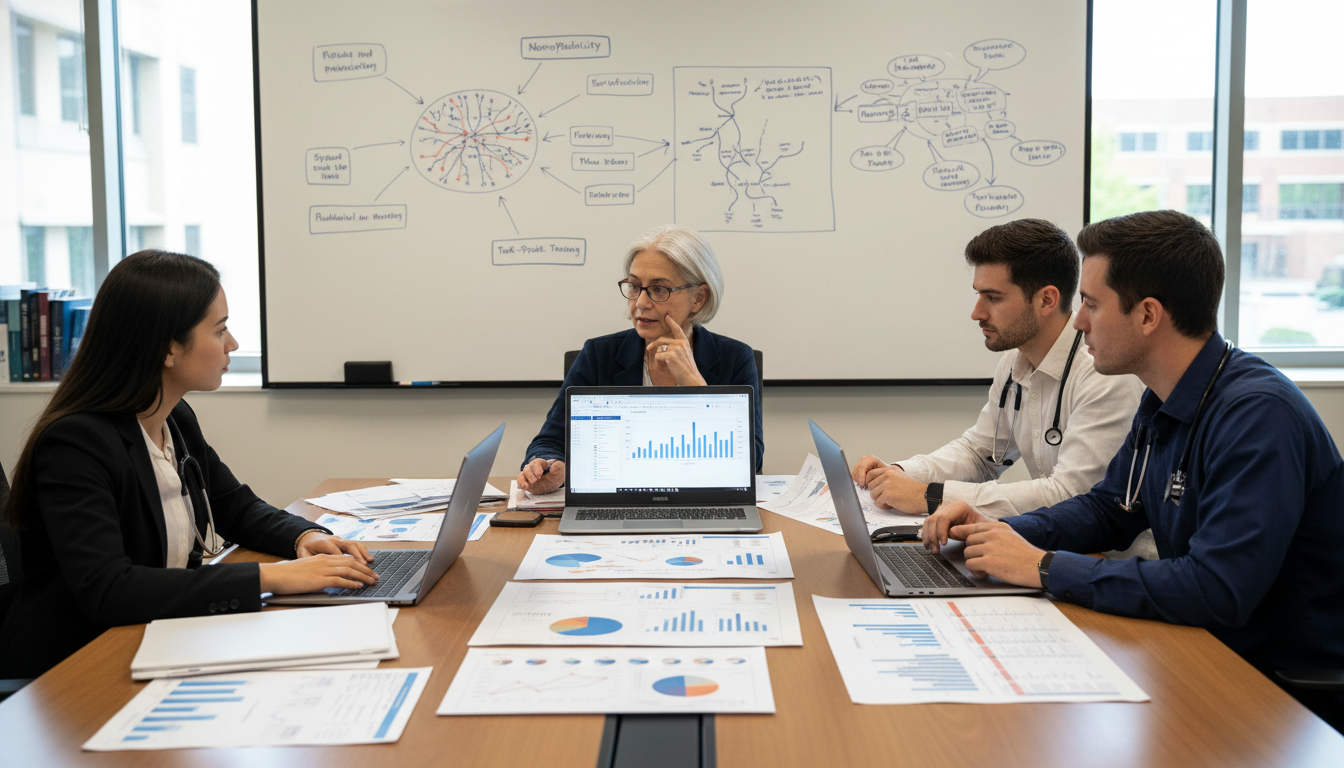
Practical Steps to Start and Sustain Research as an MD Graduate
Building your baseline skills
Before or while joining projects, strengthen your research foundations:
- Online courses (free or low-cost):
- Coursera, edX, or university offerings in:
- Basic biostatistics
- Clinical research design
- Critical appraisal of medical literature
- Coursera, edX, or university offerings in:
- Reading PM&R journals regularly:
- Archives of Physical Medicine and Rehabilitation
- American Journal of Physical Medicine & Rehabilitation
- PM&R (the AAPMR journal)
- Journal of Spinal Cord Medicine, Brain Injury, etc.
Set a consistent habit: one article per day or a few per week, with brief summaries for yourself. This both builds knowledge and gives you talking points for interviews.
Approaching mentors: email template structure
Your email should be short, specific, and professional:
- Subject: “MD graduate seeking PM&R research opportunities (stroke rehab/SCI focus)”
- 1–2 sentences: Who you are (MD, graduation year, institution)
- 2–3 sentences: Why PM&R, specific area of interest
- 2–3 sentences: Relevant skills or prior research
- 1 sentence: Concrete ask – meeting or brief call to discuss potential involvement
- Attach: CV (with research and relevant courses highlighted)
Follow up once in 1–2 weeks if no response, then move on to additional potential mentors.
Structuring your role on a project
To ensure your research translates into publications for match:
- At project start, clarify:
- Specific tasks: data extraction, chart review, drafting introduction, tables, etc.
- Timeline check-ins: weekly or biweekly meetings
- Authorship expectations: where you likely fit on author line (first, second, etc.)
- Document your contributions:
- Keep a log of what you completed and when.
- This not only helps your CV but prepares you for interview discussions.
Time management as a graduate
Many MD graduates juggle research with:
- Clinical observerships
- USMLE/COMLEX studying or retakes
- Part-time jobs
Tips:
- Treat research like a job: set fixed hours (e.g., 3 hours on weekdays, 5 on weekends).
- Break projects into small, trackable tasks:
- Week 1: Search strategy and initial screening
- Week 2–3: Data extraction
- Week 4: Drafting methods section
- Use tools:
- Reference managers: Zotero, Mendeley, or EndNote
- Project management: Trello, Notion, or a simple spreadsheet
Presenting Your Research Effectively in ERAS and Interviews
Having research is only half the battle. The other half is how you present it.
Optimizing your ERAS application
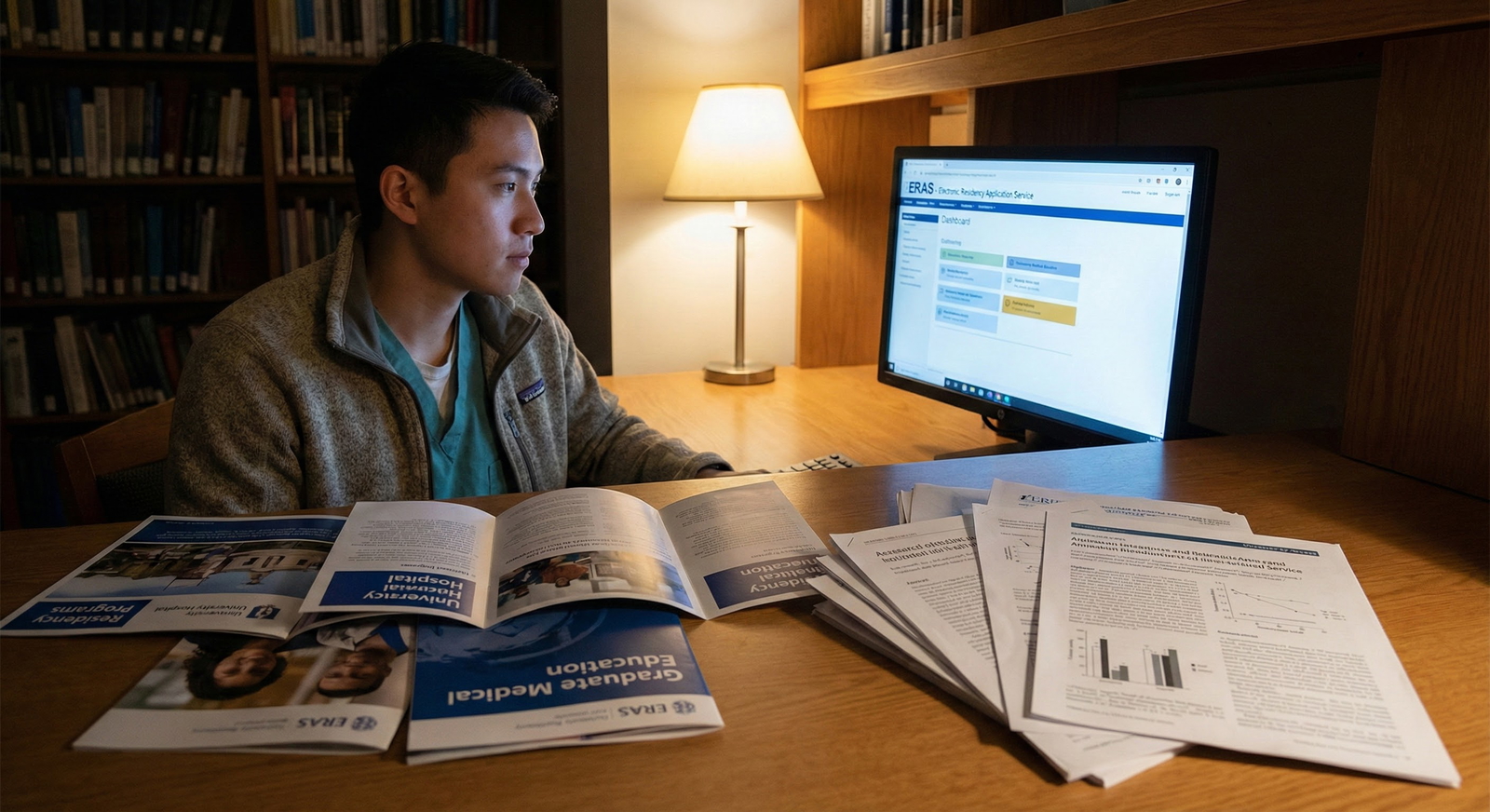
When you enter research experiences:
Be honest and specific about your role
- Example: “Designed data collection tool, performed chart review for 120 patients, conducted preliminary statistical analysis, co-wrote results and discussion sections.”
Emphasize PM&R relevance
- Even if the project is in neurology or orthopedics, explicitly link functional outcomes, disability measures, or rehabilitation aspects in the project description.
Categorize wisely
- Research experiences in the Research section
- Presentations (especially at national PM&R meetings) in the Presentations section
- Published papers in Publications
Highlight progress, even if unfinished
- “Manuscript in preparation” or “Under review” is acceptable if genuine.
- Be prepared to describe where it is in the pipeline and your expected next steps.
Talking about research in PM&R interviews
Interviewers frequently ask:
- “Tell me about one of your research projects.”
- “What did you enjoy most about that project?”
- “How has your research influenced your interest in PM&R?”
To answer effectively:
- Select one or two representative PM&R-related projects
- Use a simple structure:
- Background: Brief context and clinical question
- Your role: What you actually did
- Key findings: Main results in plain language
- Impact: How it relates to patient care or PM&R practice
- Reflection: What you learned about research and about yourself
Example:
“In a retrospective chart review of stroke patients admitted to our inpatient rehab facility, I helped collect and analyze data on functional gains measured by FIM scores. We found that patients who started rehab within 7 days of stroke had significantly greater improvements in mobility and ADLs. I was responsible for designing the data extraction sheet, reviewing 150 charts, and running basic statistical tests in SPSS. This experience reinforced my appreciation for early rehabilitation and interdisciplinary care, and it shaped my interest in working in an academic PM&R program where I can continue to study outcomes.”
Avoiding common pitfalls
- Overstating your role – Exaggeration is easily exposed during interviews.
- Not understanding your own statistics – If you don’t know, be honest and emphasize what you did learn.
- Listing very weak, unrelated “research” – Projects with minimal clinical or academic value may dilute your profile; it’s fine to list them, but don’t feature them as your strongest work.
Long-Term Academic Positioning in Physiatry
If you are an MD graduate aiming not just for PM&R residency but for an academic physiatry career, think beyond the immediate match.
Developing a coherent “academic identity”
Across your research experiences, try to build a throughline, even if your topics differ:
- Example identity: “Physiatrist focused on stroke and brain injury outcomes”
- Stroke rehab case reports
- TBI survey on return-to-work barriers
- Systematic review on spasticity treatments
- Example identity: “Physiatrist interested in musculoskeletal and sports medicine”
- Case series on ultrasound-guided injections
- Research on exercise-based management of tendinopathy
- QI project on early PT referral for acute low back pain
By residency, these threads help you:
- Select electives
- Choose mentors
- Apply for fellowships (sports, pain, SCI, TBI, etc.)
Building collaborations and visibility
Consider these strategies to expand your academic footprint:
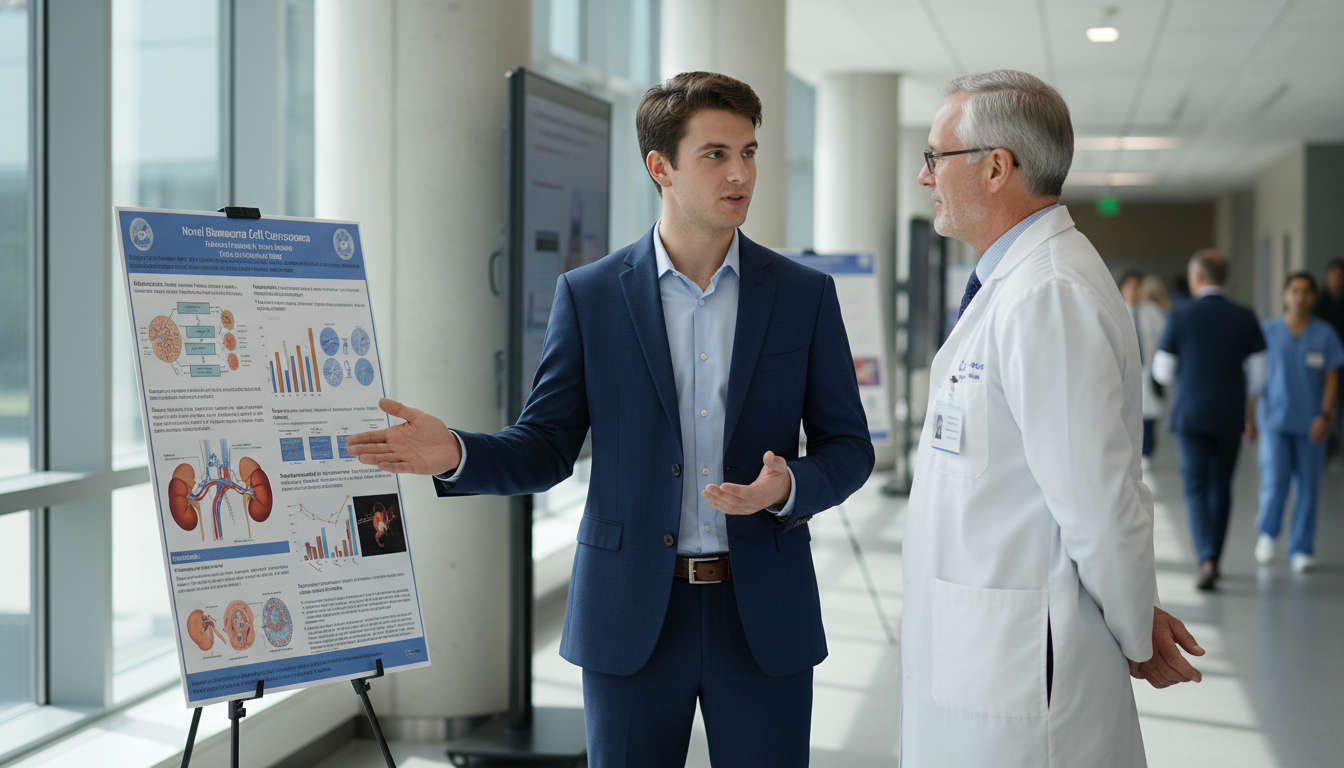
- Present at PM&R conferences:
- AAPM&R Annual Assembly
- AAP (Association of Academic Physiatrists)
- Specialty conferences (SCI, TBI, sports, pain)
- Network purposefully:
- Introduce yourself to faculty with shared interests
- Follow up by email and share your abstract or poster
- Join professional societies as a medical/graduate member:
- Many offer research committees or trainee involvement groups
Over time, your PM&R research becomes not just a tool for the allopathic medical school match, but the foundation of a sustainable academic career.
FAQs: Research Profile Building for PM&R MD Graduates
1. As an MD graduate, is it too late to start research for residency?
No. While it’s ideal to start research during medical school, many MD graduates begin substantial research after graduation and still successfully match into PM&R. The key is:
- Finding active mentors
- Choosing feasible projects (case reports, retrospective reviews, systematic reviews)
- Demonstrating consistent effort and clear progress
Even 6–12 months of focused research can markedly improve your PM&R residency application.
2. Do I need PM&R-specific research, or is any specialty acceptable?
PM&R-specific research is strongly preferred because it:
- Signals commitment to physiatry
- Gives you relevant talking points about rehabilitation and function
- Aligns with the clinical focus of the residency
However, research in neurology, orthopedics, rheumatology, pain, sports medicine, geriatrics, oncology (cancer rehab), or health services can still be very valuable, especially if:
- It involves functional outcomes, disability, or quality of life
- You can draw a clear connection to PM&R in your application and interviews
3. How many publications do I realistically need as a U.S. MD graduate for a PM&R match?
There is no fixed requirement, but for most MD graduates targeting PM&R:
- Aim for at least 1–2 meaningful publications or abstracts
- Having 3–5 total research experiences (posters, abstracts, manuscripts) will make you more competitive, particularly at academic programs
More important than the exact count is PM&R relevance, depth of involvement, and your ability to explain the work.
4. What if my projects are still in progress when I apply?
In-progress projects are absolutely acceptable and common. In ERAS, you can list:
- “Manuscript in preparation”
- “Submitted to [journal name]”
- “Data collection ongoing; planned abstract submission to [conference]”
Be ready in interviews to:
- Describe the study’s question, design, and your role
- Explain current status and next steps
- Reflect on what you’ve learned so far
Programs understand that research cycles are long; they are looking for engagement and trajectory, not only finished products.
By strategically seeking PM&R-relevant projects, clarifying how many publications needed for your goals, and learning to present your work effectively, you can build a research profile that not only enhances your physiatry match chances but also sets the stage for a meaningful, academically engaged career in Physical Medicine & Rehabilitation.