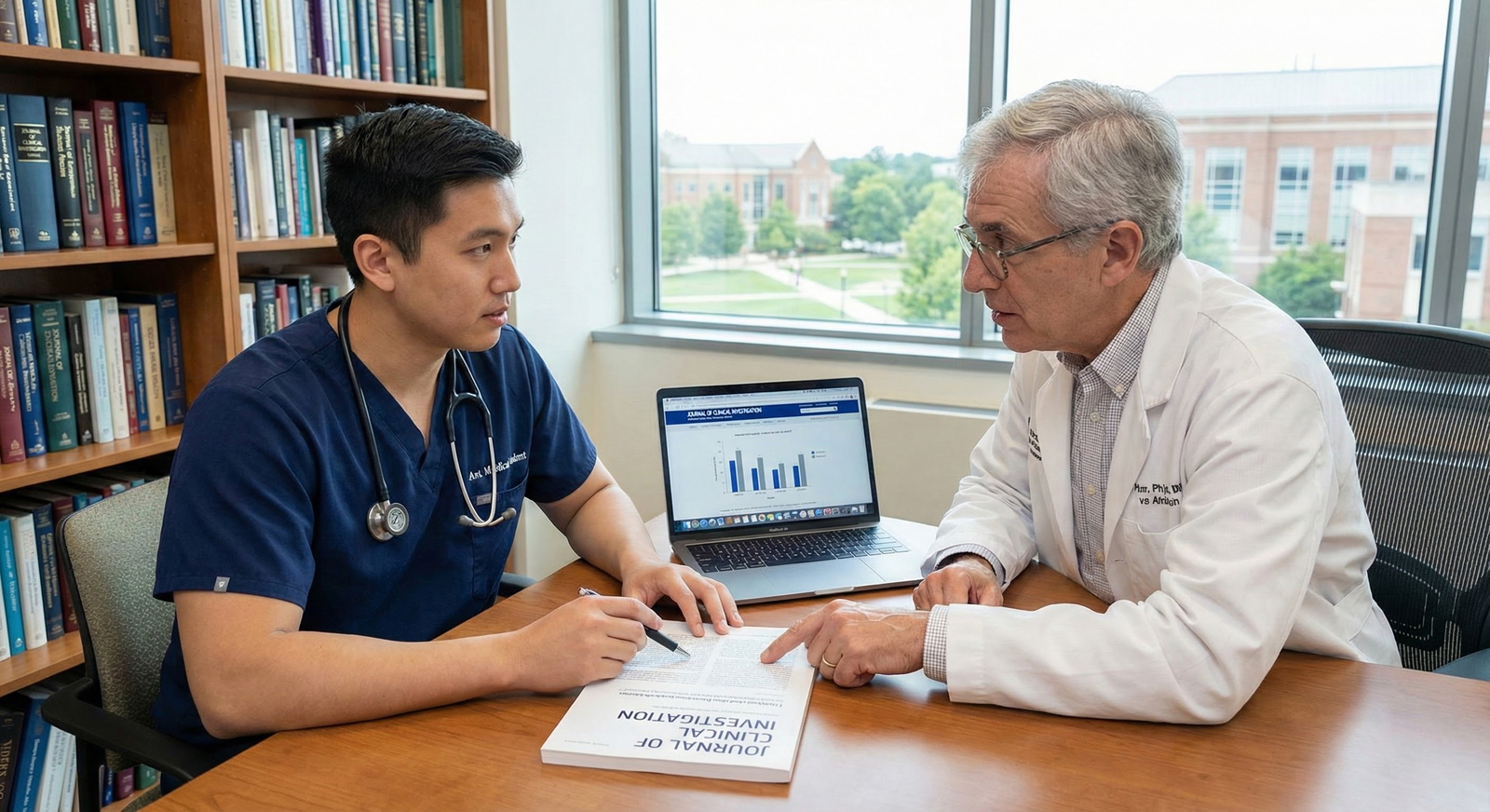
Medical genetics is a data-rich, rapidly evolving specialty where research and clinical practice are tightly intertwined. For residency applicants, a thoughtful research profile is not just “nice to have”—it is often a key differentiator in the genetics match. This guide walks you step-by-step through building a strong, coherent research narrative tailored specifically to medical genetics.
Understanding the Role of Research in Medical Genetics Residency
Medical genetics is uniquely research-heavy compared with many other clinical specialties. Several reasons make research profile building especially important here:
Why Programs Care So Much About Research
Translational nature of the field
Medical genetics sits at the intersection of laboratory science and patient care. Programs look for applicants who:- Can interpret and question scientific literature
- Understand experimental design and limitations
- Are comfortable with uncertainty and evolving evidence
Rapidly changing knowledge base
Gene–disease relationships, variant classifications, and therapeutic options change constantly. Residents must:- Keep up with new evidence
- Contribute to quality improvement and guideline updates
- Think critically about how data apply to specific patients
Interdisciplinary collaboration
Medical geneticists frequently:- Work with molecular labs, bioinformaticians, and researchers
- Participate in variant classification teams or tumor boards
- Contribute cases to registries or multi-center studies
Research experience signals that you can operate in this collaborative, evidence-driven environment.
Research Expectations by Program Type
Research “requirements” differ by setting:
Highly academic programs (large universities, children’s hospitals):
- Expect a clear research trajectory or strong evidence of scholarly productivity
- Value applicants who may become clinician-scientists or leaders in genetics
- Often have T32 or similar research funding and look for candidates likely to use it
Community-affiliated or smaller programs:
- May have fewer research resources
- Still value research exposure, especially if it shows initiative and commitment
- Often emphasize quality improvement, case reports, and clinical projects
Being realistic about where your profile fits helps you target programs and set goals.
Choosing the Right Research Areas for Medical Genetics
You do not need to work in a “pure genetics” lab to be a strong candidate. However, aligning your work with core themes in medical genetics makes your story more coherent.
High-Yield Research Domains in Medical Genetics
Clinical genetics and dysmorphology
- Case reports and series of rare syndromes
- Natural history studies of genetic conditions
- Cohort studies examining diagnostic yield of specific genetic tests
Genomic diagnostics and variant interpretation
- Projects on exome/genome sequencing outcomes
- Studies of variant reclassification over time
- Tools or workflows for variant curation or reporting
Cancer genetics and hereditary cancer syndromes
- Penetrance and expressivity in hereditary cancer
- Outcomes of cascade testing programs
- Implementation of universal screening (e.g., Lynch syndrome screening)
Biochemical genetics and metabolic disorders
- Newborn screening outcome studies
- Treatment response in inborn errors of metabolism
- Nutrition and management protocols in metabolic disease
Reproductive genetics and prenatal diagnosis
- Non-invasive prenatal testing (NIPT) performance and equity
- Outcomes of prenatal counseling for specific conditions
- Ethics around prenatal decision-making and variants of uncertain significance
Neurogenetics and developmental disorders
- Diagnostic odyssey research in autism/intellectual disability
- Yield of targeted panels vs exome sequencing
- Long-term outcomes after genetic diagnosis
Implementation science and genetic services delivery
- Telegenetics and access to care in rural/underserved communities
- Integrating genetic counselors into different clinics
- Disparities in who gets genetic testing
Ethics, policy, and society
- Consent, privacy, and secondary findings
- Direct-to-consumer testing and its implications
- Health equity in genomic medicine
Aligning Research With Your Career Goals
Think about how each potential project helps answer:
- “Who am I becoming as a future medical geneticist?”
- “What patient populations or problems do I care most about?”
- “How does this work connect to my future research or clinical plans?”
For example:
- If you’re drawn to cancer genetics, a project analyzing uptake of BRCA testing in a particular population builds a strong narrative.
- If you’re interested in rare disease and diagnosis, joining a lab focused on exome sequencing for undiagnosed conditions is ideal.
You can still have variety across your work, but it should all make sense when you describe your trajectory in your personal statement and interviews.

Types of Research Experiences That Strengthen a Genetics Application
Your research portfolio doesn’t have to be limited to bench science. A well-rounded application might include a mix of clinical, translational, and scholarly work.
1. Clinical and Translational Research
These projects often have the clearest line of sight to patient care and are particularly attractive in medical genetics.
Examples:
- Retrospective chart review
- Diagnostic yield of chromosomal microarray vs exome sequencing in a pediatric neurology clinic
- Time to diagnosis before and after implementing a multidisciplinary genetics clinic
- Prospective cohort study
- Longitudinal follow-up of patients with a specific genetic syndrome
- Outcomes of patients with variants of uncertain significance who undergo reclassification
- Biorepository or registry projects
- Phenotype–genotype correlation studies using existing registries
- Natural history analyses leveraging longitudinal databases
Why these matter:
- They show you can manage IRB protocols and human subject research
- They produce tangible outputs (posters, manuscripts)
- They show commitment to improving genetic care
2. Laboratory and Wet-Lab Genetics Research
If you’re interested in a clinician-scientist path or MD/PhD track, bench work can be especially valuable.
Typical project types:
- Functional characterization of a novel or known variant
- Animal models of genetic disease
- Gene expression or epigenetic regulation studies
- Gene therapy or genome-editing related work
For residency programs, the key is not that you’ve done CRISPR specifically, but that you:
- Understand hypothesis-driven research
- Can design, troubleshoot, and interpret experiments
- Can communicate basic science in clinical terms
3. Bioinformatics and Computational Genomics
As genomic data volume explodes, bioinformatics skills are increasingly prized.
High-yield projects:
- Developing or validating pipelines for variant calling or annotation
- Analyzing public datasets (e.g., gnomAD, ClinVar, UK Biobank)
- Studying polygenic risk scores or gene–environment interactions
- Quality control studies on sequencing data in specific populations
Even basic skills (R, Python, SQL) plus a well-mentored project can stand out, especially if you can present clear, patient-relevant conclusions.
4. Quality Improvement (QI) and Implementation Work
Many impactful genetics projects are embedded in clinical workflow.
Examples:
- Reducing time from referral to genetics appointment
- Increasing appropriate use of genetic testing in cardiology or oncology clinics
- Implementing standardized family history screening tools
- Improving documentation of genetic test results in the EHR
These projects are often feasible within a single year and can lead to:
- Conference abstracts
- Institutional presentations
- Practical changes to patient care
5. Case Reports and Case Series
For applicants with limited time or access to large studies, case-based work is a realistic path to publications for match.
High-yield opportunities:
- Novel gene–disease associations
- Unusual phenotype or constellation of features in a known syndrome
- Unexpected treatment responses in genetic/metabolic diseases
- Diagnostic odyssey cases with major lessons for practice
Tips:
- Make sure the case has a genuine educational or scientific contribution
- Review prior literature carefully to place it in context
- Use cases as a springboard to show your interest in genetics during interviews
Publications, Posters, and Productivity: How Much Is Enough?
Applicants often ask: “How many publications are needed?” The answer is: there’s no fixed number, but there are patterns and ranges that can guide you.
Interpreting “How Many Publications Needed” for Genetics
For medical genetics residency, a typical strong applicant might have:
Competitive academic profile:
- 2–4 peer-reviewed publications (not necessarily first-author)
- Mix of original research, case reports, and reviews
- Several poster or oral presentations at regional or national meetings
Solid, well-rounded profile:
- 1–2 publications or manuscripts under review
- 1+ substantial ongoing project with defined role
- A few posters, institutional presentations, or QI abstracts
Developing research profile (still viable, especially for less research-intense programs):
- Robust ongoing project with clear mentorship and anticipated outputs
- meaningful conference presentation(s)
- Strong explanation of what you learned and how it informs your genetics interests
More important than raw counts:
- Consistency: sustained interest rather than a single brief project
- Progression: more responsibility and sophistication over time
- Relevance: clear connection to genetics or skills transferable to genetics
- Ownership: ability to explain your specific contribution
Publications vs. Other Scholarly Output
Residency programs recognize multiple forms of scholarship:
- Peer-reviewed articles (original research, reviews, case reports)
- Conference abstracts and posters (ASHG, ACMG, specialty meetings)
- Oral presentations at departmental, regional, or national events
- Book chapters or invited reviews (less common for students, but valuable)
- Preprints (increasingly recognized, especially with clear status)
If you lack formal publications, strengthen your application by:
- Submitting posters/abstracts aggressively
- Ensuring at least one or two projects are clearly heading toward submission
- Asking mentors for realistic timelines before ERAS deadlines

Strategically Building Your Research Profile: Step-by-Step
You can build a strong research profile even without a PhD or years in a lab. The key is to be intentional and strategic.
Step 1: Clarify Your Timeline and Goals
Ask yourself:
- When do you plan to apply for the genetics match?
- Are you aiming primarily for:
- Traditional categorical pediatrics/internal medicine → genetics pathway?
- Combined programs (e.g., pediatrics-medical genetics)?
- Post-residency medical genetics fellowship?
Then plan backward:
- Identify key deadlines (ERAS, MSPE, letters, abstract deadlines)
- Map when you need data collection complete, analysis done, and drafts written
If you are early (M1–M2 or pre-residency):
- Aim to join a long-term project and a shorter project (like a case report) so you have near-term and long-term outputs.
If you are late (M3–M4 or PGY-1):
- Prioritize projects with realistic, short timelines:
- Retrospective reviews
- Case reports/series
- Smaller QI initiatives with defined endpoints
Step 2: Find the Right Mentor and Environment
For genetics-focused research, effective mentorship is more important than the exact topic.
Look for mentors who:
- Are actively involved in genetics or genomics (clinicians, lab directors, genetic counselors, researchers)
- Have a track record of publishing and presenting with students or residents
- Are responsive and have a defined project you can plug into
Strategies to find mentors:
- Genetics or genomics divisions at your institution (pediatrics, oncology, neurology, OB/MFM, cardiology)
- Clinical molecular labs and biochemical genetics labs
- Departments of human genetics, biomedical informatics, or translational medicine
- National virtual projects (e.g., Undiagnosed Diseases Network, registries)
When you meet a potential mentor:
- Come prepared with your interests and approximate time availability
- Ask what roles previous trainees have had and what they achieved
- Clarify expectations about authorship and timelines early
Step 3: Choose Projects That Fit Your Skills and Constraints
Factor in:
- Time: How many hours per week realistically?
- Skills: Comfort with statistics, coding, chart review, literature review
- Access: IRB status, datasets or patient populations, lab access
Examples of good-fit projects:
Limited time (3–6 months, few hours/week)
- Case report or short series of interesting genetic diagnoses
- Focused review article on a narrow genetics topic
- Analysis of a small, existing dataset (e.g., single clinic’s genetic test orders)
Moderate time (6–12 months)
- Retrospective cohort study of genetic testing outcomes in a clinic
- QI project on referral patterns and testing utilization in oncology or cardiology
- Bioinformatics analysis using public datasets with mentor support
Extended time (research year, gap year, 2–3 years)
- Multi-institutional clinical or translational project
- Basic science or functional genomics project with lab work
- Development and validation of computational tools
Step 4: Document Your Role and Learn Actively
For each project, keep a simple record:
- Your specific responsibilities (data collection, analysis, drafting sections)
- Skills you used or learned (R, qualitative methods, literature synthesis)
- Meetings attended (lab meetings, genetics conferences, journal clubs)
This helps later when:
- Writing your personal statement and ERAS experiences
- Preparing for interview questions like “Tell me about your research” or “What was your role?”
Focus your learning on:
- Basic genetics methods relevant to your work (e.g., sequencing platforms, variant annotation)
- Interpreting p-values, confidence intervals, and effect sizes
- Common pitfalls in genetics research (population stratification, ascertainment bias, small sample sizes)
Step 5: Convert Work Into Visible Outputs
Don’t let your effort stall in “data collection” mode. Push projects toward tangible outcomes:
Abstracts and posters
- Target major genetics and specialty meetings:
- American College of Medical Genetics and Genomics (ACMG)
- American Society of Human Genetics (ASHG)
- Disease-specific societies (e.g., metabolic, neurology, oncology)
- Also present at institutional research days and local conferences
- Target major genetics and specialty meetings:
Manuscripts
- Start drafting early—even before data collection ends
- Ask your mentor for a target journal and outline expectations
- Be realistic: case reports and smaller studies often go to specialized or lower-impact journals, which is fine
Talks and teaching
- Offer to present at genetics case conferences or journal clubs
- Turn your project into a teaching session for students or residents
Step 6: Craft a Coherent Research Narrative
When applying to the genetics match, your research should tell a story:
In your personal statement:
- Explain how your research shaped your understanding of genetics
- Show progression from early curiosity to more focused questions
- Connect your project(s) to what you hope to do during residency and beyond
In your interviews:
- Practice a 60–90 second summary of each project:
- The question
- Your role
- The main finding
- Why it matters for patients or the field
- Be able to answer: “What would you do differently if you repeated this project?”
- Practice a 60–90 second summary of each project:
In your ERAS application:
- Choose 2–3 most meaningful experiences
- Emphasize outcomes, not just tasks (e.g., “Led data analysis and presented findings at ACMG 2025” vs “Helped with data entry”)
Common Pitfalls and How to Avoid Them
Being strategic also means avoiding time sinks and red flags.
Pitfall 1: Overcommitting to Too Many Projects
Trying to join every project offered leads to:
- Incomplete work and frustrated mentors
- Superficial involvement that is hard to discuss meaningfully
- Fewer actual outputs
Solution:
- Commit deeply to 1–3 projects at a time
- Clarify expected time and deliverables from the start
- Politely decline additional offers if you’re at capacity
Pitfall 2: No Clear Genetics Connection
Working on unrelated projects (e.g., purely orthopedic outcomes) without any link to genetics can make your profile feel unfocused.
Solution:
- Either:
- Transition into genetics-related projects early, or
- Explicitly highlight the transferable skills (statistics, clinical trial design, health equity) and then build at least one clearly genetics-focused project before applying.
Pitfall 3: Lack of Mentorship or Feedback
A project without accessible mentorship:
- Stalls easily
- Leaves you unsure about next steps
- Produces weaker outputs
Solution:
- Schedule regular check-ins (monthly or more frequent)
- Ask explicitly for feedback on drafts and presentations
- If mentorship is truly inadequate, seek a co-mentor or pivot to a more supportive environment
Pitfall 4: Misrepresenting Your Role
Programs scrutinize what you actually did, not just your name on a paper.
Solution:
- Be honest about your contributions
- Avoid inflating your role on your CV or in conversations
- Focus on projects where you truly contributed intellectually
FAQs: Research Profile Building for Medical Genetics Applicants
1. Do I need genetics-specific research to match into a medical genetics residency?
No, but it is highly advantageous. Many successful applicants have:
- At least one project clearly related to genetics or genomics, and
- Additional research that shows strong general skills (statistics, clinical research, health services).
If your earlier research was in another field, prioritize at least one genetics-oriented project before you apply and be prepared to articulate how your earlier work prepared you to ask genetic questions.
2. How many publications are needed to be competitive?
There is no absolute minimum, but for the genetics match:
- 1–2 publications (including case reports) plus several abstracts/posters is often enough for a solid application.
- 3–5 publications, especially with first- or co-first-author roles, can be advantageous for highly academic programs.
Programs care more about the depth, relevance, and honesty of your involvement than the raw count.
3. I’m late in my training. What’s the most efficient way to strengthen my research profile now?
Focus on:
- Fast-moving projects with high yield:
- Case reports and case series of interesting genetic diagnoses
- Retrospective chart reviews using existing data
- QI projects with tight timelines and clear endpoints
- Visible outputs:
- Abstract submissions to upcoming conferences
- Drafting manuscripts early, even if submission may occur after ERAS
Discuss with mentors what is realistic to complete before your application and prioritize those projects.
4. How important is basic science vs. clinical research for medical genetics?
Both are valued, but:
- Clinical and translational research is typically more directly relevant to most residency programs.
- Basic science and functional genomics are particularly attractive if you’re aiming for a clinician-scientist career or very research-intensive programs.
What matters most is that you can clearly explain:
- Why the question is important
- What you did
- How the findings (or methods) relate to patient care and future genetics practice
By approaching research for residency with intention—choosing high-yield genetics topics, securing strong mentorship, and converting your work into tangible outputs—you will build a research profile that not only supports a successful match into medical genetics, but also lays the foundation for a meaningful, scholarly career in this rapidly evolving specialty.