Neurology is one of the most research-driven specialties in medicine. From neuroimmunology and stroke to epilepsy, movement disorders, and neurocritical care, the field advances quickly—and residency programs want trainees who can both interpret and contribute to that progress. Building a strong research profile for neurology residency is therefore not optional; it’s a core part of being a competitive applicant.
This guide will walk you through how to strategically build your research portfolio for the neuro match, how to think about publications for match, and how to answer the often-asked question: “how many publications needed?” We’ll also cover options if you’re starting late, come from a school with limited research, or are applying as an IMG.
Understanding the Role of Research in Neurology Residency Applications
Why neurology residency is so research-sensitive
Neurology residency programs, especially those at academic centers, place a high value on research for several reasons:
- Rapidly evolving field: New disease-modifying therapies for MS, monoclonal antibodies for migraine, and cutting-edge epilepsy surgery approaches all rely on ongoing research.
- Complex diagnostic reasoning: Neurology depends heavily on evidence-based decision-making and critical appraisal of literature.
- Academic culture: Many neurology departments are strongly academic, with a high proportion of faculty engaged in funded research.
Program directors are not just looking for publication counts; they want to see that you:
- Understand how research is done
- Can work in a team and see projects through
- Have curiosity and persistence
- Can communicate scientific ideas clearly
How programs assess your research profile
In the ERAS application and during interviews, program directors and faculty commonly evaluate:
Total number of scholarly products
- Peer-reviewed publications (especially first- or second-author)
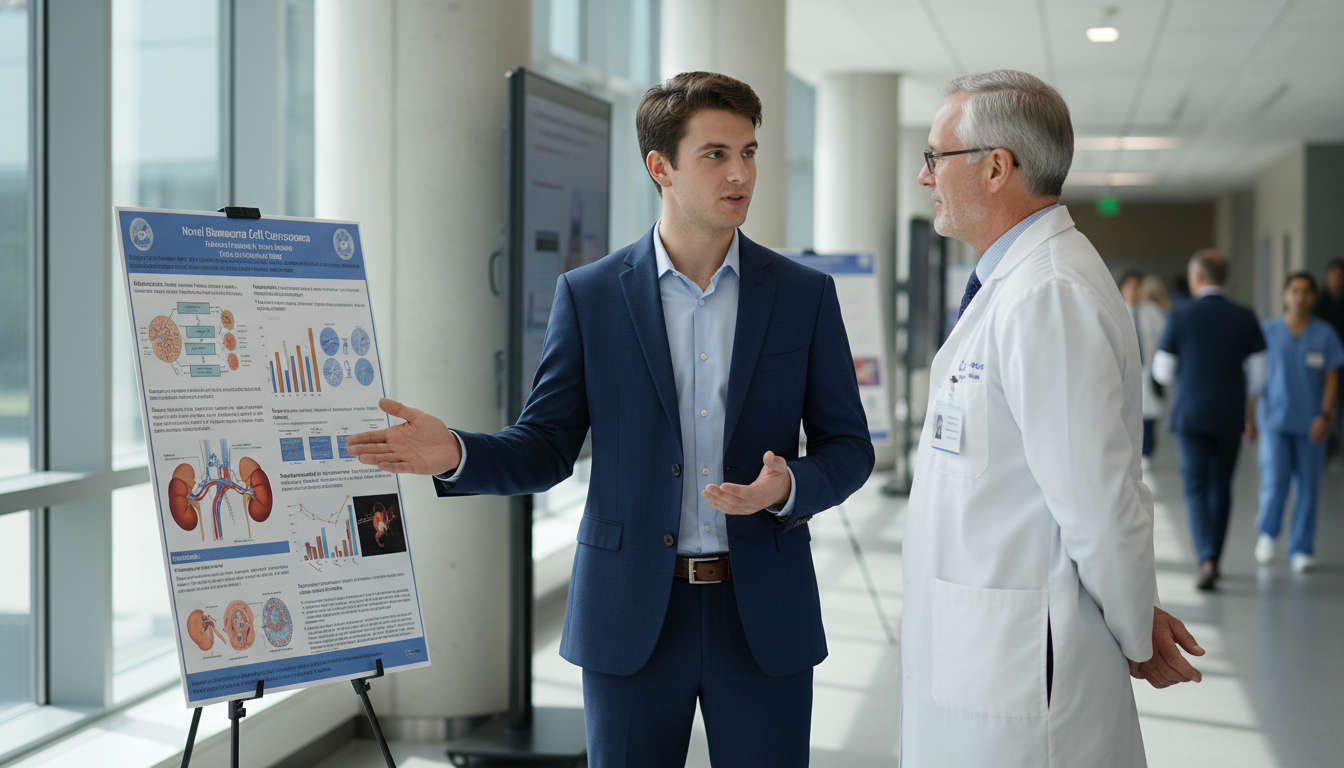
- Abstracts, posters, and oral presentations
- Research experiences (even without formal outputs)
- QI projects, case reports, or book chapters
Relevance to neurology or neuroscience
- Projects directly involving neurology, neurosurgery, psychiatry, neuroimaging, or basic neuroscience carry more weight.
- Other fields (cardiology, oncology, etc.) still count, but less so for neuro-specific programs—unless the skills are clearly transferable.
Depth vs breadth
- Several years with one lab and multiple outputs shows sustained commitment.
- A long list of “one-off” minor roles without clear continuity can be less impressive.
Your role
- First-/co-first authorship suggests leadership and significant involvement.
- Middle authorship is valuable but must be contextualized (e.g., large collaborative trials).
Trajectory and growth
- Programs look for improved responsibility over time: from data entry or literature review to study design, analysis, and manuscript writing.
How Many Publications Are Needed for Neurology Residency?
There is no fixed magic number
Different applicants and programs are in different contexts. There is no universally required number of publications for neurology residency. Still, we can think in tiers rather than absolutes:
Highly competitive academic neuro programs (e.g., big-name university centers)
- Often see applicants with:
- 3–8+ total publications (not all neurology)
- 1–3 first-author neurology or neuroscience papers
- Several abstracts/posters at neurology meetings (AAN, ANA, subspecialty conferences)
- Many such applicants have done at least one dedicated research year.
- Often see applicants with:
Mid-competitive academic or strong community programs
- Typical strong research portfolio:
- 1–3 publications (ideally at least one neuro-related)
- 2–5 abstracts/posters
- Clear, sustained involvement in a project, even if outputs are modest
- Typical strong research portfolio:
Community-focused or less research-heavy programs
- Research still helps, but:
- A couple of posters, one publication, or well-described QI projects can be sufficient.
- Strong clinical performance, letters, and fit often matter more.
- Research still helps, but:
The question “how many publications needed?” is best reframed as:
“For the types of neurology residency programs I’m targeting, what combination of research depth, relevance, and output will make me a realistic and attractive candidate?”
Quality and story > raw count
A single first-author paper in a respected neurology journal, with a strong letter from your PI and your ability to discuss the project deeply in interviews, can outweigh five minor middle-author case reports you barely remember.
Programs often probe:
- Could you clearly explain your hypothesis, methods, and key findings?
- Do you understand limitations and next steps?
- What specifically was your contribution?
If you can confidently walk your interviewer through your project as if you own the story, you are doing it right—even with fewer total items.
Benchmarks and realistic targets by applicant type
These are not rules, but planning guidelines:
US MD aiming for top-tier academic neurology programs
- Target: 2–4 total publications by application time
- At least 1 in neurology/neuroscience (clinical or translational)
- 3–6 abstracts or posters, ideally including national meetings
US MD aiming for solid academic/community neurology
- Target: 1–2 publications or in-press manuscripts
- A few posters (2–4), possibly at regional meetings
- At least one project with your clear, substantial role
US DO or IMG aiming for academic neurology
- Target: 2–6 publications, as realistically achievable
- Strong emphasis on neurology/neuroscience relevance
- Multiple posters and clear continuity with a neurology mentor
- Strategic use of a research year if possible
Applicants late to research or with limited institutional support
- Focus on:
- 1–2 solid neurology-related projects where you can speak deeply
- At least one accepted abstract or poster
- Demonstrated growth and initiative (e.g., you helped start the project or took ownership of a stalled one)
- Focus on:
Strategic Ways to Build a Neurology-Focused Research Portfolio

Step 1: Define your neurology interests (but stay flexible)
You don’t need a subspecialty picked out, but having domains of interest helps you choose projects intentionally. Examples:
- Vascular neurology (stroke/TIA, intracerebral hemorrhage)
- Epilepsy
- Movement disorders (Parkinson disease, dystonia, tremor)
- Neuromuscular disease (ALS, myasthenia, peripheral neuropathy)
- Neuroimmunology (MS, NMOSD, autoimmune encephalitis)
- Cognitive/behavioral neurology (dementia, neurodegeneration)
- Neurocritical care
- Headache medicine
- Neuro-oncology
Ask yourself:
- Which rotations did I enjoy most?
- Which patient stories stayed with me?
- Do I gravitate toward imaging-heavy fields, computational work, or bedside-focused topics?
You can absolutely change your mind later. Programs mostly want to see that:
- You can commit to an area long enough to generate work.
- Your interests tie sensibly into neurology.
Step 2: Identify and approach mentors strategically
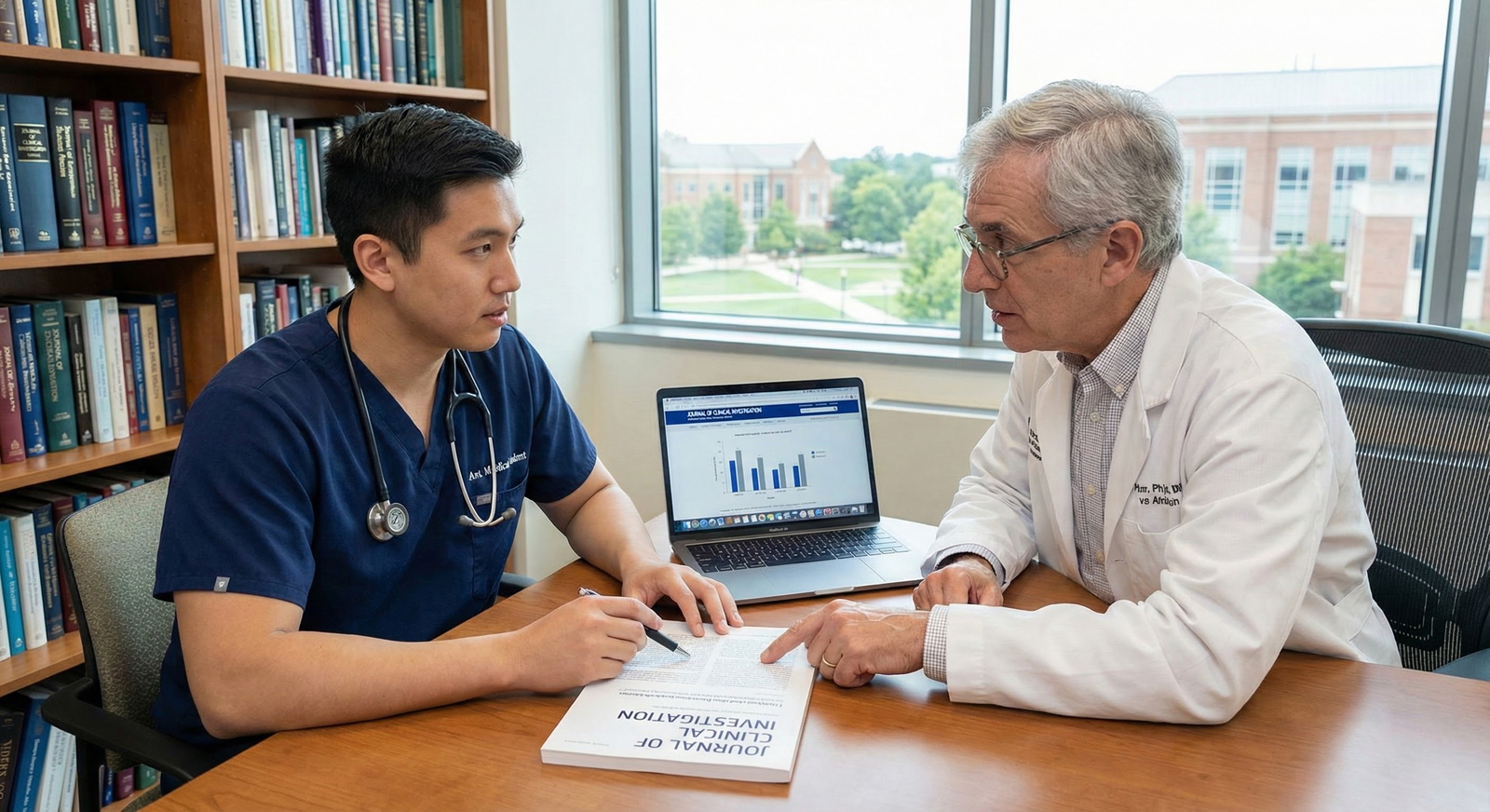
Good mentorship is the single most important factor in building a research track record.
Where to look for neurology research mentors:
- Your medical school’s neurology department website (faculty profiles with publications)
- Clinical attendings you enjoyed working with on neurology rotations
- Research seminars, grand rounds, or journal clubs
- Existing student research programs or honors tracks
- Cross-disciplinary mentors in radiology, psychiatry, neurosurgery, or biomedical engineering working on neuro-related topics
How to approach a potential mentor (sample email structure):
Subject: Medical student interested in neurology research opportunities
Body (condensed):
- Brief introduction (name, year, school, interest in neurology)
- 1–2 sentences about what drew you to their work (mention a specific paper or topic)
- Your experience level (even if minimal: “I have completed a basic course in statistics and am eager to learn more”)
- Timeframe and availability (e.g., “able to dedicate 6–8 hours/week over the next year”)
- A clear ask (“Would you be open to meeting briefly to discuss how I might get involved in your research?”)
- Attach CV
Mentors are more likely to respond positively if you:
- Show you have read at least one of their papers.
- Offer consistent time over a meaningful period (months, not weeks).
- Present yourself as reliable and coachable.
Step 3: Choose projects that match your skills and timeline
Neurology research opportunities can be clinical, translational, or basic science. For residency applications, clinical and translational projects often provide the best balance of feasibility and impact.
Common, feasible project types:
Retrospective chart reviews
- Example: Outcomes of thrombolysis vs thrombectomy in a local stroke population.
- Pros: Usually faster, feasible for med students, may yield abstracts/papers.
- Cons: Requires IRB; quality depends on data completeness.
Case reports and case series
- Example: Unusual presentation of autoimmune encephalitis.
- Pros: Good starting point; builds writing skills and neurology knowledge.
- Cons: Lower impact; many journals are selective; avoid “case report mills.”
Clinical registries or database projects
- Example: Using a stroke or epilepsy database to analyze predictors of outcomes.
- Pros: Good for learning statistics and working with large datasets.
- Cons: Learning curve for data management; may require statistical support.
Quality improvement (QI) projects in neurology
- Example: Improving door-to-needle times in acute stroke.
- Pros: Highly valued clinically; can result in posters and sometimes publications.
- Cons: Need strong implementation and measurement design.
Basic or translational neuroscience
- Example: Animal models of MS, cellular work on neurodegeneration.
- Pros: Great for deep research training and long-term careers in academia.
- Cons: Longer timelines; may not yield a first-author paper before residency apps.
If you’re closer to applying (within 12–18 months), prioritize projects with realistic timelines for at least an abstract or manuscript submission before ERAS opens.
Step 4: Be clear about your role and expectations
Before you start, clarify with your PI:
- Your primary responsibilities (data collection, chart review, analysis, writing, etc.)
- Expected timeline and milestones
- Opportunities for authorship and criteria for being first or co-author
- How often you will meet (weekly, biweekly, monthly)
Write down a simple project timeline:
- Month 1–2: IRB approval, training, learning database
- Month 3–4: Data collection
- Month 5–6: Analysis and preliminary results
- Month 7–8: Abstract submission (e.g., for AAN)
- Month 9–12: Manuscript preparation and submission
Reality is messier, but having structure prevents projects from drifting.
Maximizing Output: From Abstracts to Publications

Converting work into outputs that matter for the neuro match
You can work on excellent projects and still have a “thin” CV if you don’t convert them into scholarly products. Think in terms of output pathways:
Poster presentations
- Faster to achieve; great for ERAS “Presentations” section.
- Apply to:
- National: AAN (American Academy of Neurology), ANA, subspecialty meetings.
- Regional or institutional research days.
Oral presentations
- More competitive but higher visibility.
- Even internal departmental talks count and can be listed.
Peer-reviewed manuscripts
- The gold standard output.
- Consider both neurology journals and general medical journals.
Non-traditional scholarly outputs
- Preprints (if your PI agrees)
- Educational reviews or invited articles
- Book chapters (often via mentor invitation)
- Online neurology education platforms (blogs, podcasts with scholarly elements)
Practical tips for increasing your chances of publication
Start with a publication in mind:
- Early on, ask: “If this project goes well, which journals or conferences would we target?”
Use templates and prior manuscripts:
- Read a few similar papers from your mentor’s group.
- Mirror their structure, headings, and style.
Take ownership of the writing:
- Offer to draft the introduction, methods, or results.
- Even if your draft is heavily revised, you’ll learn quickly and earn authorship.
Learn basic statistics and software tools:
- Become comfortable with:
- Excel, R, or SPSS for basic analyses
- Reference managers (Zotero, Mendeley, EndNote)
- Take a short online course in biostatistics or clinical research methods if your school offers one.
- Become comfortable with:
Be the “project manager”:
- Track deadlines, schedule meetings, and circulate drafts.
- Mentors often appreciate a student who keeps momentum going.
Managing multiple projects without burning out
As your interest grows, you’ll be tempted to say yes to every opportunity. This can dilute your impact.
Guidelines:
- Aim for 1–2 primary projects where you have a major role.
- You can concurrently assist with 2–3 minor projects (data collection or small writing tasks).
- Regularly reassess:
- Are projects moving forward?
- Are your efforts matched by realistic chances of output?
If a project stalls:
- Ask your mentor how you might help push it forward.
- If things remain stuck, focus your limited time on more active projects that can realistically yield outputs before your application cycle.
Tailored Strategies for Different Applicant Profiles
If you’re early in medical school (M1–M2)
You are in an ideal position to build a deep, coherent research story:
- Spend 1–2 years deeply embedded in one neurologist’s lab or research group.
- Aim to:
- Present at regional or national neurology conferences at least once or twice.
- Complete 1–2 manuscripts, even if one is a case report or review.
- Consider:
- Summer research between M1 and M2 dedicated fully to neurology.
- Longitudinal scholarly tracks in clinical research, if available.
If you’re in clinical years (M3–M4) with minimal research
Time is more constrained, but it’s not too late:
- Prioritize shorter timeline projects:
- Case reports, small retrospective series, QI projects.
- Use your neurology rotation:
- Identify interesting patients early.
- Ask attendings about publishable cases.
- Leverage evenings/weekends for:
- Manuscript writing.
- Data analysis for a narrowly defined question.
Make sure at least one project is at a stage where it can be submitted as an abstract or manuscript prior to ERAS opening, so you can legitimately list it as “submitted” or “in progress” with clear details.
If you’re an IMG or from a school with limited research
Your research profile can be more challenging to build, but there are viable paths:
- Externships or observerships with research-active neurology departments:
- While clinical exposure is key, ask early if there are parallel research opportunities.
- Remote or collaborative projects:
- Many PIs will allow remote data analysis or manuscript work if you are reliable.
- Research fellowships or post-graduate research years:
- Dedicated 1–2 year neurology research positions can dramatically strengthen your application.
- Target institutions that have a track record of integrating research fellows into publications.
When describing your work, emphasize:
- Specific skills acquired (data analysis, imaging interpretation, clinical scoring scales, etc.).
- Independence and proactivity—especially if you had to build research experiences from scratch.
Considering a dedicated research year for neurology residency
A research year can be extremely beneficial if:
- You are targeting highly academic neurology programs.
- You currently have minimal neurology research.
- You are genuinely interested in an academic career.
Pros:
- Time and space to develop substantial research (potentially multiple publications).
- Strong, focused neurology mentorship and letters.
- Clear signal of commitment to academic neurology.
Cons:
- Delayed graduation and financial opportunity costs.
- A weak research year (e.g., no outputs, poor engagement) can raise concerns.
Before committing, confirm:
- The lab or group has a track record of successfully mentoring students to publications.
- You have clear project plans and expectations for outputs within 12–18 months.
Presenting Your Research Coherently in the Application and Interviews
Your research doesn’t just need to be done; it needs to be told well.
Building a coherent narrative
Programs like to see a consistent story:
- “I became interested in epilepsy after seeing patients with drug-resistant seizures.”
- “I joined an epilepsy outcomes project, learned about study design, and helped present at AAN.”
- “That experience convinced me I want to train in a residency with strong EEG and epilepsy exposure, with continued research opportunities.”
Even if your projects span multiple subspecialties, you can connect them:
- Emphasize transferable skills: critical appraisal, statistics, study design, team collaboration.
- Tie your projects to broader themes: neurovascular disease, neuroimmunology, brain-behavior relationships, health disparities in neurologic care.
ERAS entries: Be specific and honest
In the ERAS “Research Experiences” and “Publications/Presentations” sections:
- Clearly state your role:
- “I led data collection and wrote the first draft of the manuscript.”
- “I performed chart review and contributed to data analysis.”
- Avoid overstating contributions.
- Use succinct descriptions that highlight:
- Aim of the project
- Neurologic relevance
- Skills you used or gained
Discussing your work in interviews
Prepare 1–2 projects to discuss in depth:
- Be ready to explain, in 2–3 minutes:
- Background and clinical significance
- Your research question/hypothesis
- Study design and methods (in accessible language)
- Key findings and implications
- Limitations and your ideas for next steps
Common follow-up questions:
- “What was the most challenging part of the project?”
- “What did you personally do?”
- “What did you learn about neurology or patient care from this work?”
- “Do you see yourself continuing research in residency?”
Answer honestly. You don’t need to promise an R01 grant; you do need to show thoughtful reflection and genuine interest.
FAQs: Research Profile Building for Neurology Residency
1. How many publications are needed to match into neurology?
There is no rigid number required to match neurology residency. For academic-heavy programs, many successful applicants have 2–4 publications, often with at least one neurology-related. For strong community or mid-academic programs, 1–2 publications or even well-presented posters with meaningful neurology content can be sufficient. Programs care more about the quality, relevance, and your ability to explain your work than about hitting a specific numeric threshold.
2. Do my publications for match need to be all in neurology?
Not necessarily. Publications in other specialties still demonstrate research skills and persistence. However, for neurology residency, it’s ideal to have at least some neurology or neuroscience-related work, even if that means a case report, small retrospective series, or a QI project. You can frame non-neurology projects by highlighting transferable skills (study design, data analysis, scientific writing).
3. Is it too late to start research if I’m in my third or fourth year?
It is later, but not too late. Focus on feasible projects with shorter timelines—case reports, small chart reviews, or QI projects that can generate at least a poster or a manuscript submission before ERAS. You may not build a large portfolio, but even one well-executed neurology project you can describe deeply will strengthen your application, especially when paired with strong clinical performance and letters.
4. Is a dedicated research year necessary to match into neurology?
A research year is not required for most neurology residency spots, but it can be very helpful if you are aiming for highly competitive academic programs or if you currently have almost no research background. A good research year can yield multiple publications and strong mentorship, but it’s only worthwhile if you are placed in an environment with a track record of producing tangible outcomes for trainees. If your primary interest is clinical neurology at a community or mixed program, consistent longitudinal research during medical school can be entirely sufficient.
By intentionally selecting mentors, focusing on feasible and impactful neurology projects, converting your work into tangible outputs, and telling a coherent story in your application, you can build a research profile that significantly strengthens your neurology residency candidacy—no matter your starting point.