Why Research Matters for Non-US Citizen IMGs in Addiction Medicine
As a non-US citizen IMG aiming for an addiction medicine fellowship or a psychiatry/primary care residency with a focus on substance use, your research profile is often a key differentiator. You may not have US clinical experience at the beginning, and program directors sometimes know less about your medical school. A clear, credible research record helps:
- Demonstrate understanding of addiction science and substance use disorders (SUDs)
- Show you can navigate the US academic system
- Compensate—partially—for visa-related hesitations by highlighting your value
- Signal that you can contribute to quality improvement and evidence-based practice
For addiction medicine in particular, programs value applicants who:
- Understand epidemiology and public health aspects of substance use
- Are comfortable with data, outcomes, and policy-relevant questions
- Appreciate harm reduction, stigma, and health equity issues
- Can communicate complex, sometimes controversial, findings clearly
A strong research profile is especially important for a foreign national medical graduate who:
- Needs a visa (J-1 or H-1B)
- Comes from a school less known in the US
- Has gaps in training or a nontraditional path
It is not required to have dozens of publications, but you do need a coherent, focused, and honest research story that aligns with addiction medicine.
Defining a Strategic Research Focus in Addiction Medicine
Clarify Your Narrative: Why Addiction Medicine?
Before chasing publications, define the story you want your application to tell. Programs will look for a clear link between your interests, activities, and career goals. Reflect on:
- Where your interest in addiction began (e.g., clinical rotation, family experience, community observation, research project)
- Which specific areas of substance use and addiction most interest you, such as:
- Opioid use disorder and medication-assisted treatment (MAT/MOUD)
- Alcohol use disorder and liver disease
- Stimulant use (methamphetamine, cocaine)
- Behavioral addictions (gambling, gaming, internet)
- Addiction in special populations (adolescents, pregnant people, justice-involved, LGBTQ+)
- Global addiction issues and policy
- Harm reduction (needle exchanges, naloxone programs, supervised injection sites)
- Integrated care (addiction + psychiatry + primary care)
Your target narrative could be something like:
“I am a non-US citizen IMG from [country] who became interested in addiction medicine after witnessing the impact of alcohol-related liver disease in my community. My research focuses on improving access to treatment for patients with co-occurring psychiatric and substance use disorders. I aim to become an addiction medicine specialist involved in clinical care and implementation research.”
This story helps you prioritize research opportunities that fit your path.
Choosing a Realistic Research Niche
As a foreign national medical graduate, you may not immediately lead large NIH-funded projects. However, you can build credible expertise in a defined area. Examples of high-yield niches:
- Clinical outcomes: Retention in MOUD programs; predictors of relapse
- Public health and epidemiology: Patterns of opioid overdoses in a region; impact of policy changes (e.g., prescription monitoring)
- Health services research: Barriers to addiction treatment among immigrants or refugees; telehealth for SUD care
- Educational research: Training primary care residents in screening and brief intervention; stigma reduction curricula for students
- Quality improvement (QI): Increasing naloxone prescribing; improving screening (SBIRT) rates in clinics
Aim for a niche that:
- Connects to your home country/region or personal background (adds authenticity)
- Is feasible with available data and mentorship
- Is relevant to current US addiction medicine priorities
Building a Research Portfolio Step by Step
Step 1: Get Any Research Experience, Then Refine
If you have little or no research background, your first priority is process skills:
- How to search and appraise literature
- Basic biostatistics and study design
- Understanding IRB/ethics
- Data collection and management
- Academic writing, referencing, and responding to peer review
Early on, any project (even outside addiction medicine) that teaches these skills is valuable. Over time, pivot toward substance abuse training and research specifically.
Practical Starting Points
Home-country projects
- Audit of alcohol-related admissions in your hospital
- Survey of medical students’ attitudes toward people with SUD
- Chart review of patients receiving benzodiazepines or opioids
Remote/online collaborations
- Join a faculty member’s ongoing project as a data extractor, literature reviewer, or co-author
- Work with addiction-related NGOs or public health organizations to evaluate programs
Self-initiated work (with supervision)
- Systematic or scoping review on a focused addiction topic (e.g., “Substance use among healthcare workers in low- and middle-income countries”)
Start somewhere, but be intentional about moving toward addiction medicine-related content.
Step 2: Prioritize Project Types by Yield and Feasibility
1. Original research (highest impact but hardest to complete in time)
- Pros: Strong signal of serious academic capability; best for future addiction medicine fellowship applications
- Cons: Needs IRB, data, methods, and consistent mentorship; can take >1–2 years
2. Review articles and meta-analyses
- Pros: Feasible remotely; excellent way to build deep knowledge of addiction literature; can lead to citations
- Cons: Still labor-intensive; need a clear, novel angle and methodologic rigor
3. Case reports and case series
- Pros: Good early step; easier to generate from routine clinical work (e.g., unusual withdrawal presentation, rare complications of substance use)
- Cons: Lower impact; still useful if framed around important clinical lessons
4. Quality improvement (QI) projects
- Pros: Highly valued in US systems; directly relevant to clinical care; often publishable in education or QI journals
- Cons: Harder to do without institutional access and support
5. Educational and advocacy work
- Curriculum design, workshops, community programs related to substance use
- Not always publishable in traditional journals but can yield:
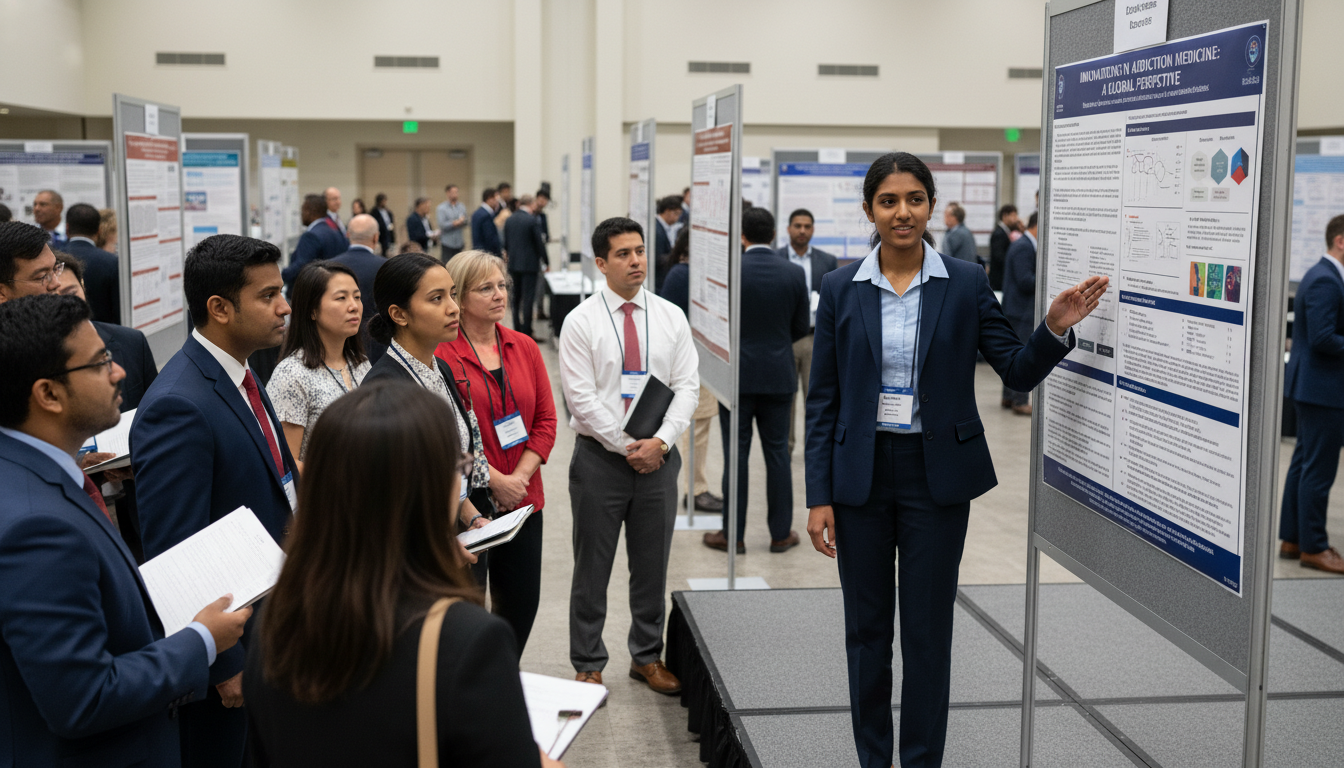
- Conference posters
- Educational supplements
- Institutional reports
Aim for a portfolio that has at least one or two pieces of original data work, plus complementary reviews, case reports, and presentations.
Step 3: Understand “How Many Publications Needed” for Competitiveness
There is no official minimum number, but empirically:
- For general residency (psychiatry, internal medicine, family medicine) where you later plan an addiction medicine fellowship:
- 1–3 meaningful peer-reviewed publications or abstracts in any field is generally respectable
- Having 1–2 directly related to addiction or mental health is a plus
- For highly research-focused paths or academic addiction medicine fellowship:
- 3–6+ pieces of scholarly output (publications, abstracts, conference posters) are common among strong applicants
- Depth (e.g., first-author work, a coherent addiction theme) matters more than raw count
Program directors know that non-US citizen IMGs often face:
- Fewer funding opportunities
- Visa and travel constraints
- Less access to large research centers
They are more interested in:
- Consistency
- Progression (increasing responsibility)
- Level of understanding when you discuss your work
For your strategy, think in terms of tiers:
- Tier 1: First-author original research in addiction medicine or closely related field
- Tier 2: Co-author original research, first-author review in addiction medicine
- Tier 3: Case reports, QI reports, conference abstracts, posters in addiction or psychiatry
- Tier 4: Unrelated but still peer-reviewed work (e.g., cardiology, surgery, etc.)
Aim for at least one Tier 1 or 2 and several Tier 3 items over 1–3 years of preparation.
Finding Mentors, Projects, and Research-Friendly Environments
Identifying Mentors in Addiction Medicine
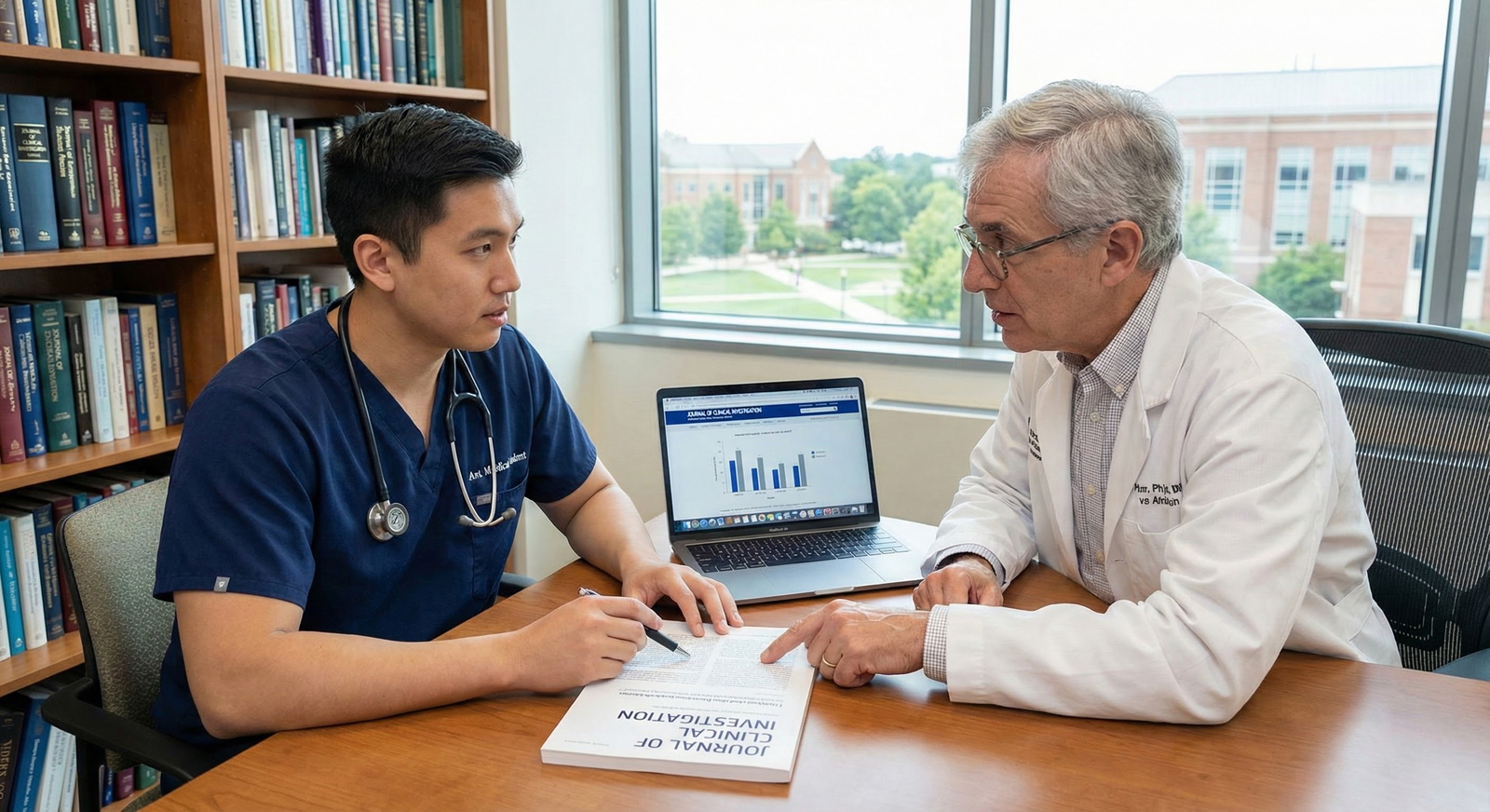
Mentorship is crucial, especially for a non-US citizen IMG who may not know the US system. Ideal mentors include:
- Addiction psychiatrists
- Addiction medicine specialists (often from internal medicine, family medicine)
- Public health researchers focusing on opioids, alcohol, or other substances
- Psychiatrists or internists with SUD research funding (e.g., NIH, NIDA, NIAAA grants)
How to Find Them
Institutional websites
- Look up “Addiction Medicine,” “Substance Use Disorders,” or “Center for Addiction” at academic medical centers
- Review faculty pages for research interests and publications
Conference programs and abstracts
- American Society of Addiction Medicine (ASAM)
- American Academy of Addiction Psychiatry (AAAP)
- American Psychiatric Association (APA) – addiction sections
Identify posters or talks that interest you and note the presenting institutions.
Literature search
- Search PubMed for topics you like (e.g., “buprenorphine retention study”)
- Look at first/senior authors and their affiliations
Online networks
- LinkedIn, ResearchGate, Twitter/X accounts focusing on addiction research
- Addiction-specific research collaboratives or consortia
Approaching Potential Mentors as a Non-US Citizen IMG
When you reach out, be transparent about:
- Your status (non-US citizen IMG, visa needs if relevant)
- Your goals (residency + future addiction medicine fellowship)
- Your current skill set and limitations (time zone, statistical skills, clinical responsibilities)
A concise email might include:
- 2–3 sentences introducing yourself and your interest in addiction medicine
- 1–2 sentences about why their work resonates with you
- 2–3 bullet points about your skills (e.g., literature review, basic statistics, data collection, languages)
- A clear, small ask: “I am hoping to assist with an ongoing project as a volunteer co-investigator or data abstractor.”
Attach:
- A brief CV (1–2 pages)
- A sample of academic writing if you have one (optional but helpful)
Expect rejections or silence; persistence is key. Even one good mentor can open multiple projects.
Considering a Research or Postdoctoral Position in the US
Many non-US citizen IMGs improve their applications by spending 1–3 years in a full-time research position (often called research assistant, research fellow, or postdoctoral scholar).
For addiction medicine-focused research, look for positions:
- In psychiatry departments with addiction divisions
- In internal medicine/family medicine departments with opioid response or HIV+SUD programs
- At public health schools with substance use epidemiology labs
Pros:
- Immersion in US research culture
- Frequent opportunities for IRB-approved projects, manuscripts, posters
- US-based letters of recommendation
- Potential for funded positions that can sponsor J-1 or H-1B visas (less common, but possible)
Cons:
- Time and financial considerations
- Immigration/visa complexity
- Delayed clinical start
If residency is your immediate goal, weigh whether a 1–2 year addiction-related research fellowship might significantly strengthen your competitiveness, particularly if your test scores or graduation year are not ideal.
Executing Projects and Converting Work into Strong Application Assets
Core Skills for Addiction Research
Regardless of project type, there are foundational skills you should cultivate:
Literature review:
- Use PubMed, Google Scholar, Embase
- Track references with tools like Zotero, Mendeley, or EndNote
- Learn to identify gaps and recurring themes in addiction literature
Study design basics:
- Distinguish between cross-sectional, cohort, case-control, RCTs, qualitative studies
- Understand confounding, bias, and limitations specific to SUD research (e.g., self-report bias, loss to follow-up)
Basic statistics:
- Descriptive stats, t-tests, chi-square, simple regression
- Use software (SPSS, R, Stata, or basic Excel for QI)
Ethics in addiction research:
- Extra attention to confidentiality and stigmatization
- Handling sensitive data about illegal behaviors or marginalized populations
Academic writing:
- IMRAD structure (Introduction, Methods, Results, Discussion)
- Clear, non-stigmatizing language about people who use drugs
Turning Projects Into Publications, Posters, and Talks
In the context of research for residency, programs care about both process and products. To maximize output:
Negotiate authorship early
- Clarify your expected contributions and likely position (first, middle, last author)
- Be willing to start as a non-first author, then aim for lead roles later
Aim for multiple products from a single project
Example:- One cross-sectional study on MOUD retention might yield:
- A main manuscript
- A secondary analysis on gender differences (abstract/poster)
- A short commentary or letter related to a policy change
- One cross-sectional study on MOUD retention might yield:
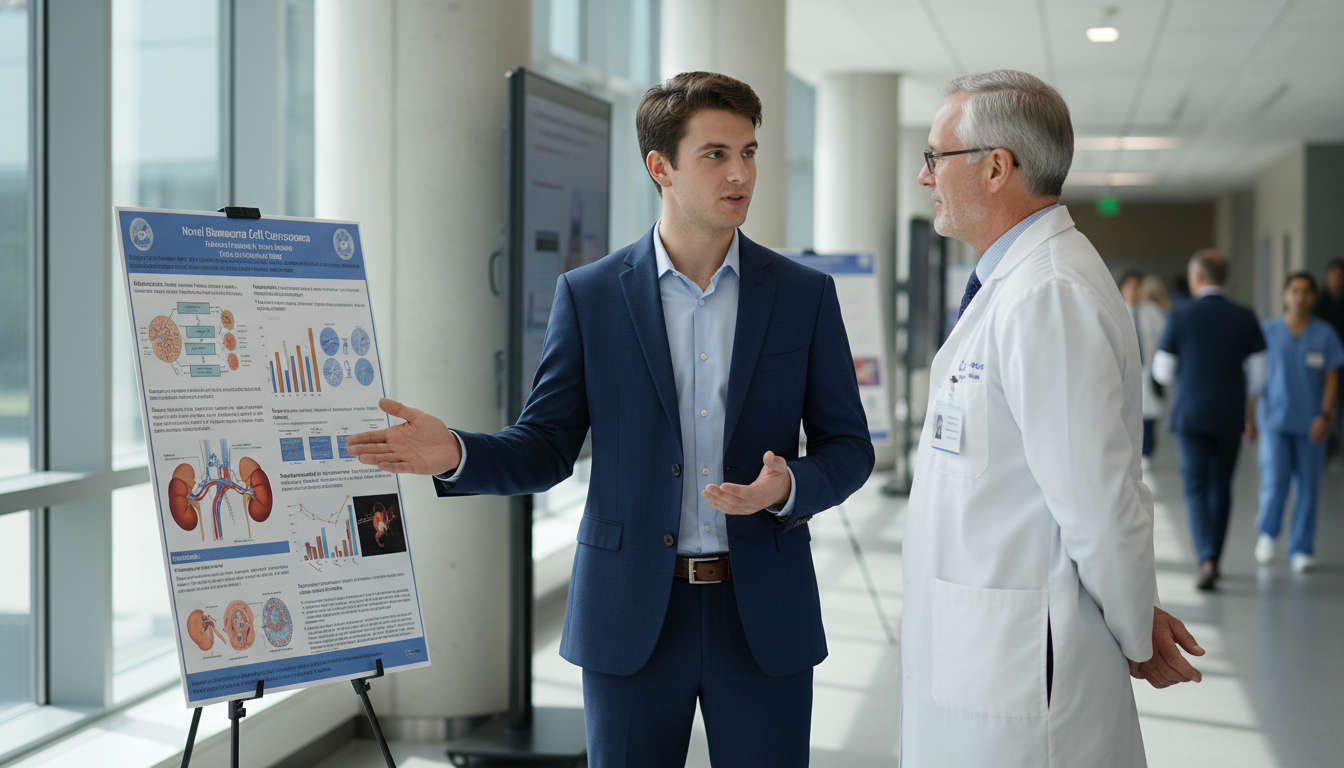
Present at addiction and general medical meetings
- ASAM, AAAP, APA, ACP, AAFP, and regional meetings
- Virtual conferences can reduce travel cost and visa issues
Be realistic with timelines
- Most students underestimate how long approval, data collection, analysis, and revision take
- Prioritize projects likely to yield at least an abstract or poster before your ERAS submission deadline
Avoiding Common Pitfalls for Non-US Citizen IMGs
Predatory journals:
Be cautious about journals that:- Promise very fast publication for high fees
- Are not indexed in PubMed or recognized databases
- Have unclear editorial boards
A few solid, reputable publications are better than many low-quality ones.
Overstating your role:
- Programs might verify with your mentors
- Be honest about whether you collected data, did analysis, or mainly helped with writing
- In interviews, you must be able to discuss methodology and limitations confidently
Spreading yourself too thin:
- It’s better to complete 2–3 projects than to start 10 and finish none
- Choose depth and completion over quantity of unfinished ideas
Ignoring addiction focus:
- Having only cardiology or surgery research while applying strongly for addiction medicine makes your narrative less convincing
- Try to secure at least some addiction-related work, even if your other publications are in different fields

Presenting Your Research Profile in ERAS and Interviews
Organizing Your Research in ERAS
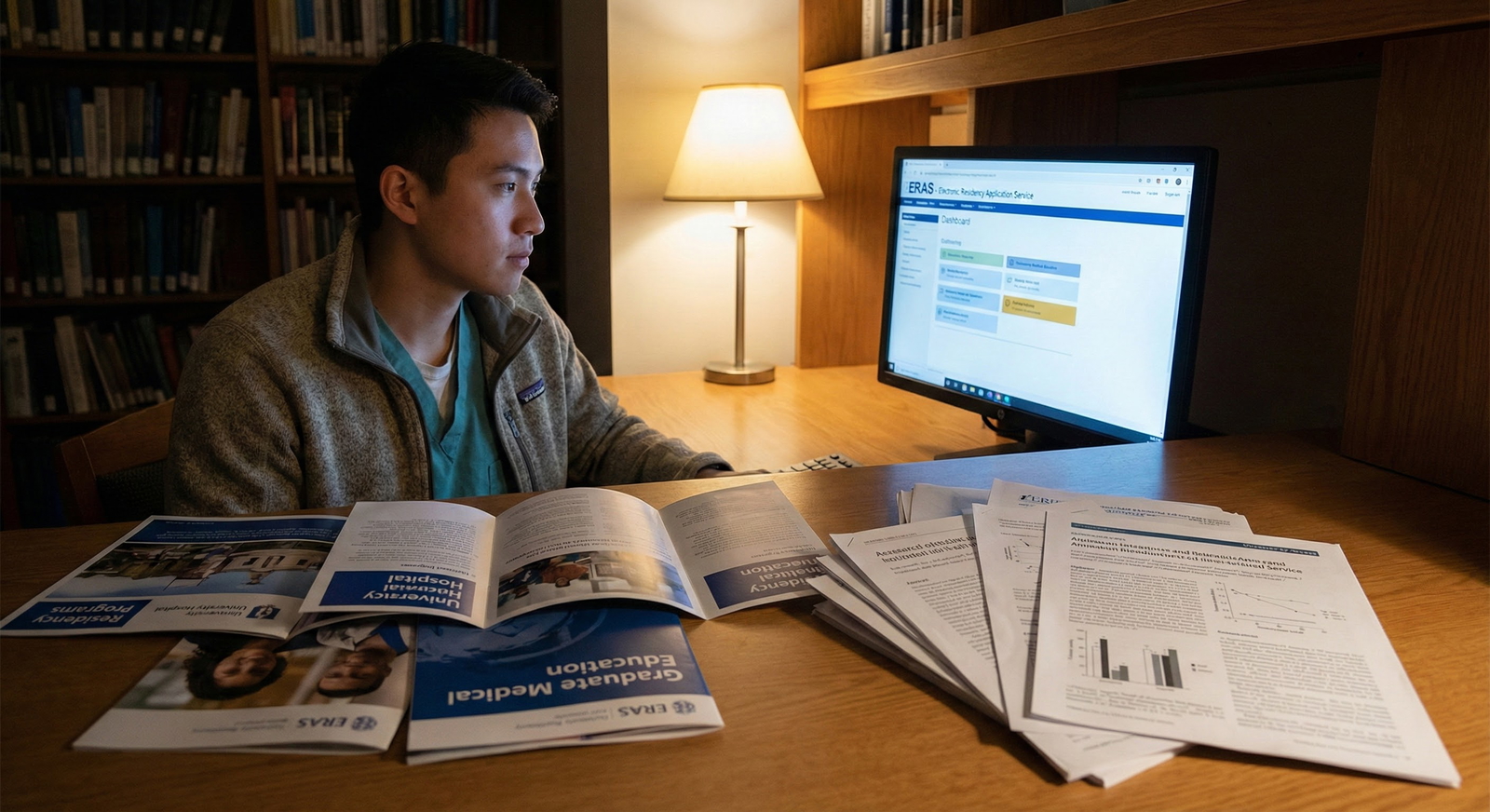
When listing research in ERAS:
Use clear, descriptive titles:
- Poor: “Research project”
- Better: “Patterns of opioid prescribing in a tertiary hospital in India: A retrospective chart review”
Define your role explicitly:
- “Co-designed study, performed chart review, contributed to data analysis, wrote first draft of manuscript.”
Distinguish between:
- Published
- Accepted (in press)
- Submitted (be honest)
- In progress (only if at an advanced stage, not just an idea)
Link your work to addiction medicine by including addiction-related keywords when accurate: “substance use,” “alcohol use disorder,” “opioid,” “harm reduction.”
Using Your Personal Statement to Tie Research into Your Story
Your personal statement should show:
- How your research changed your understanding of addiction and its treatment
- What you learned about:
- Stigma and biases
- Systems of care
- Patient barriers and resilience
- How this prepared you to become a clinician-researcher or a clinically informed physician with strong evidence-based practice skills
Example angle:
“Through our study of treatment retention among patients receiving buprenorphine, I learned that structural barriers such as transportation, financial instability, and stigma often outweighed individual motivation. This shifted my focus from blaming patients to understanding systems-level solutions, and cemented my commitment to addiction medicine.”
Talking About Research in Interviews
Be prepared to discuss:
One or two flagship projects in depth:
- Why the question mattered
- Study design and methods
- Main findings
- Limitations
- How this informs your clinical approach
How you handle:
- Negative or null results
- Ethical dilemmas (e.g., discovering undisclosed risky behaviors during research)
Your future plans:
- Specific research interests you want to pursue in residency
- How you could contribute to ongoing projects at their institution
For a non-US citizen IMG, interviewers may also wonder how you will balance research with visa issues and relocation. Show that you:
- Understand these challenges
- Have a track record of completing projects despite obstacles
- Value collaboration and communication with mentors
FAQs: Research Profile Building for Non-US Citizen IMGs in Addiction Medicine
1. As a non-US citizen IMG, do I need US-based research specifically in addiction medicine to match?
Not strictly. US-based research helps because it demonstrates familiarity with the health system, and addiction-specific projects align directly with your stated interest. However, you can still build a competitive profile with:
- Addiction-focused research from your home country
- Tele-collaborations with US mentors
- Other psychiatric or internal medicine research, plus strong clinical narrative for addiction medicine
Aim to have at least some clearly addiction-related content, but don’t dismiss other high-quality work.
2. How many publications are needed to be competitive for addiction-focused residency or fellowship?
There is no fixed number. For most residency programs:
- 1–3 peer-reviewed outputs (articles, abstracts, case reports) are respectable
- Having at least 1–2 addiction-related pieces strengthens your fit
For highly academic addiction medicine fellowship programs, more extensive output (3–6+ items, including original research) is common among strong applicants, especially if you plan a research career. Focus on quality, coherence, and your ability to explain your role clearly.
3. I don’t have access to patients or a hospital right now. What kind of addiction research can I realistically do?
Options include:
- Systematic or scoping reviews on specific addiction topics
- Meta-analyses using published data (with appropriate mentorship)
- Policy or epidemiological analyses using open datasets (e.g., national surveys, WHO data)
- Educational research (online training interventions for students or clinicians in your country)
- Co-authorship on international collaborators’ projects, contributing to data cleaning, analysis, or manuscript writing
Seek mentors who are comfortable supervising fully remote collaborators.
4. Will a one- or two-year research fellowship in the US improve my chances enough to justify the delay and visa complexity?
It can, especially if:
- Your current profile has gaps (older graduation year, attempts on exams, limited clinical exposure)
- You secure a position in a well-known addiction or psychiatry research group
- You convert the time into tangible scholarly output and strong US letters
However, it is not mandatory for everyone. Evaluate: - Financial realities
- Visa feasibility
- The program’s track record of helping previous research fellows match
If you pursue this path, choose an environment where addiction medicine or substance use research is a central focus, not a minor side project.
By strategically aligning your activities, focusing on high-yield projects, and clearly communicating your contributions, you can develop a compelling research portfolio as a non-US citizen IMG aspiring to a career in addiction medicine. Your research need not be overwhelmingly extensive, but it should be intentional, coherent, and authentic, showing both your commitment to patients with substance use disorders and your ability to engage with the science that shapes their care.