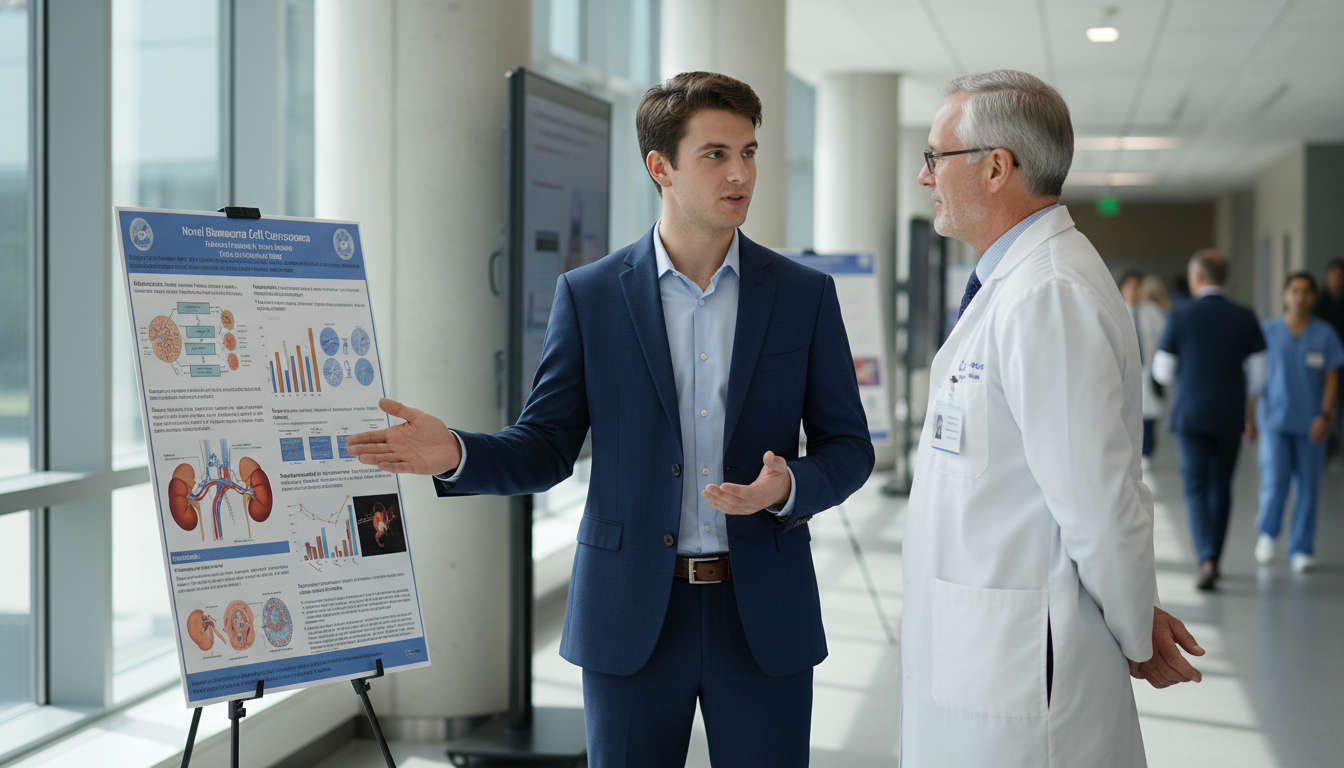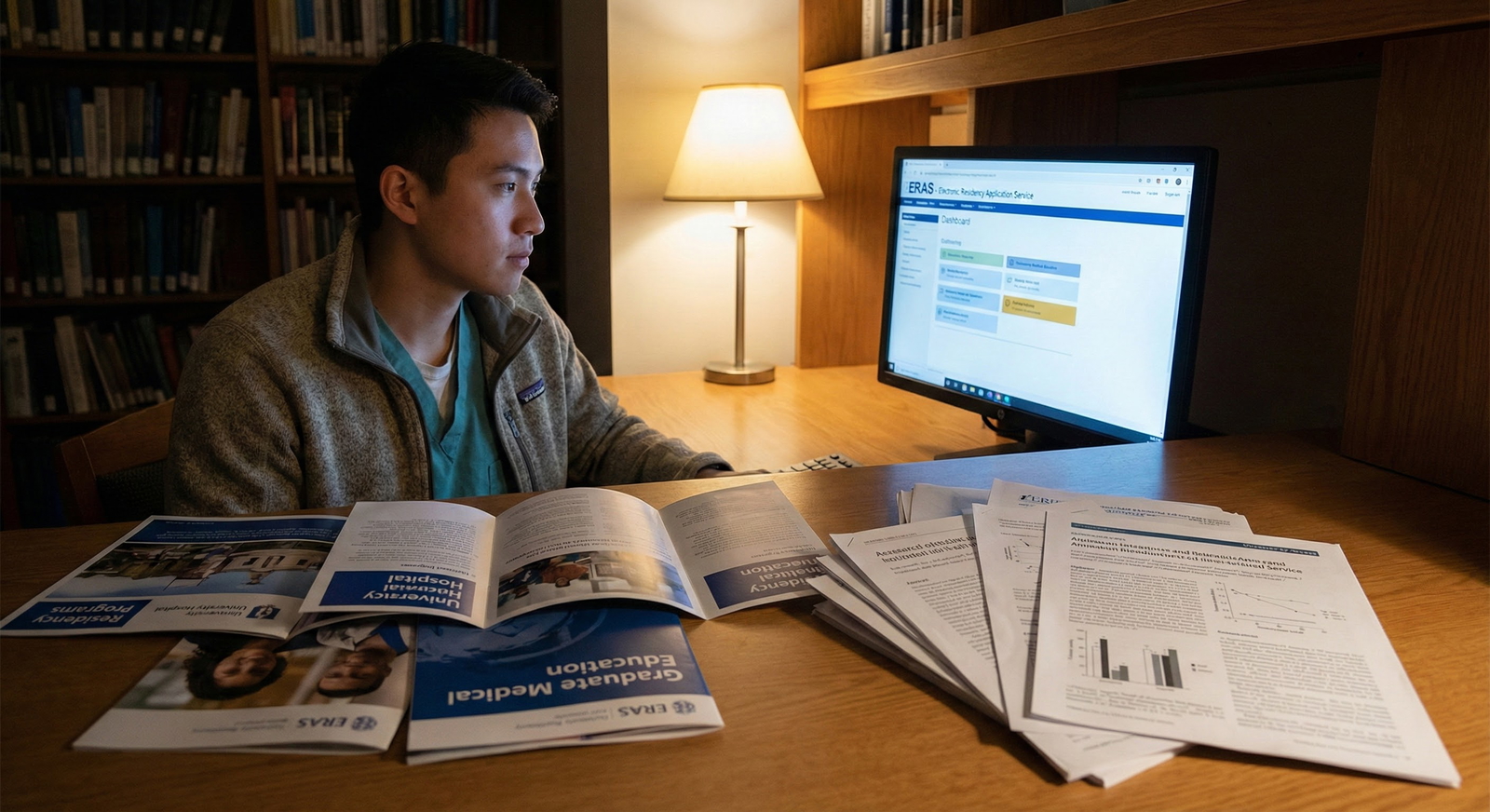
Understanding the Role of Research in Preliminary Surgery for Non-US Citizen IMGs
For a non-US citizen IMG aiming for a preliminary surgery year, a strong research profile can be the difference between getting interviews and being overlooked. While prelim surgery is sometimes perceived as “easier” to match than categorical positions, the reality is more nuanced—especially for a foreign national medical graduate who needs visa sponsorship.
Programs use research as:
- Evidence of academic curiosity and discipline
- A signal that you can interpret and apply evidence in clinical decision-making
- A marker of how seriously you take surgery as a career
- A tiebreaker between applicants with similar scores and clinical backgrounds
For non-US citizen IMGs, research also has practical advantages:
- It can be a pathway to US clinical experience through research assistant or research fellow roles in departments that allow observerships or OR shadowing.
- It boosts credibility for later categorical surgery or other specialty applications after your preliminary surgery year.
- It can strengthen the case for visa sponsorship if your work shows long-term academic value to the institution.
Preliminary Surgery vs Categorical: Why Research Still Matters
Even though some community-based or smaller programs may not insist on a long list of publications, academic and larger university programs often expect some research activity—especially if:
- You want a university-affiliated prelim surgery residency
- You are hoping to transition to categorical surgery later
- You have average or lower USMLE scores and need a compensatory strength
So while you might hear “prelim surgery doesn’t need much research,” as a non-US citizen IMG you should assume that a solid research profile is a competitive advantage, and possibly a necessity at higher-tier institutions.
How Much Research Is Enough? Clarifying Expectations for IMGs
One of the most common questions is: “How many publications are needed?” The honest answer is: It depends on your overall profile and target programs, but there are realistic ranges and goals.
Research Volume: Benchmarks, Not Absolutes
For non-US citizen IMGs applying to preliminary surgery:
Baseline competitive range
- Total research items (abstracts, posters, publications): 3–7+
- At least 1–2 peer-reviewed publications (even if not high-impact or first author)
- Some work directly related to surgery or perioperative care
Stronger academic profile (for university or highly competitive prelim programs)
- Total research items: 8–15+
- 3–5+ peer-reviewed papers, ideally with at least 1–2 in surgical or related journals
- Clear progression: earlier projects → later, more sophisticated roles (e.g., data analysis, methodology input, or senior author if possible)
Rehabilitation profile (e.g., lower scores or exam attempts)
- There is no magic number, but aiming for 10+ total items (abstracts, posters, presentations, manuscripts) can help show persistence and academic productivity.
The more critical question than “how many publications needed” is:
- Are the projects coherent and relevant to surgery or clinical medicine?
- Do they show increasing responsibility and depth?
- Can you speak intelligently and confidently about each project at interview?
Quality vs Quantity
You do not need all first-author, high-impact publications to be competitive for prelim surgery, but you do need:
- At least a few completed, peer-reviewed outputs
- Evidence that you can finish what you start
- Clearly defined roles: data collection, study design input, literature review, drafting, responding to reviewers, etc.
Two strong, completed publications plus 3–5 posters or abstract presentations often carries more weight than 15 incomplete projects with nothing published.
Finding and Building Research Opportunities as a Foreign National Medical Graduate
For a non-US citizen IMG, the hardest part is often not doing research—it’s finding and accessing research roles in the US system. You need a strategy that accounts for immigration, geography, and networking.
Step 1: Map Your Constraints and Goals
Ask yourself:
- Location – Can you relocate to the US temporarily for unpaid/paid research? Or are you abroad and limited to remote work?
- Visa – Are you currently in the US (F-1, B1/B2, etc.) or abroad? Do you want a research position that can help later with J-1 or H-1B?
- Timeline – How long until your planned application cycle? 6 months, 1 year, 2 years?
- Focus – Are you committed to preliminary surgery as a bridge, or is your primary goal categorical general surgery (or another surgical field)?
Clarifying this will shape which research options you should prioritize.
Step 2: Identify Research-Active Surgery Departments
Look for:
- University hospitals and large academic medical centers with:
- Divisions of general surgery
- Surgical oncology, trauma/acute care surgery, transplant surgery, vascular surgery
- Outcomes research groups, quality-improvement programs, or hospital epidemiology groups
Use:
- Department websites: search for “research,” “publications,” “lab,” “clinical trials” under surgery
- PubMed: search by institution name + “surgery”
- LinkedIn and ResearchGate: find faculty in general surgery with active publication records
Focus on faculty who:
- Publish frequently (multiple articles per year)
- List “mentorship of medical students or residents”
- Are in areas suitable for chart review, database studies, or outcomes research, which are more feasible for IMGs than wet lab work requiring on-site presence.
Step 3: Cold Emailing for Research Positions
A targeted, professional cold email remains one of the most effective ways to secure research.
Key principles:
- Keep it short, specific, and customized
- Show you’ve read the faculty’s work
- Offer concrete contributions (literature reviews, data extraction, basic stats, manuscript drafting)
Example structure:
- Subject line: “Prospective IMG seeking surgical outcomes research experience – remote assistance possible”
- Opening: One line on who you are (non-US citizen IMG, school, graduation year, exams if done).
- Connection: 1–2 sentences referencing 1–2 of their recent papers and how it aligns with your interests.
- Offer: Briefly state what you can do (data collection, chart review, basic statistics, writing).
- Ask: Request a short virtual meeting or ask if they have any ongoing projects needing assistance.
- Attachments: CV (with a dedicated “Research Experience” and “Skills” section) and USMLE transcript if strong.
Send 30–50 well-targeted emails over 2–4 weeks, track responses, and be professional in follow-up.

Types of Research That Are Realistic and Valuable for Prelim Surgery Applicants
Not all research is equally accessible or equally valuable. For most non-US citizen IMGs, the most feasible and rewarding types are:
1. Clinical Outcomes and Retrospective Chart Review Studies
These are often the best entry point:
- Example topics:
- Outcomes of laparoscopic vs open appendectomy
- Predictors of complications after emergency general surgery
- Length of stay and readmission after hernia repair
- Trauma resuscitation outcomes
Your roles may include:
- Designing data collection sheets
- Extracting data from electronic medical records
- Cleaning and organizing data in Excel/RedCap
- Conducting basic statistical analysis (under supervision)
- Contributing to introduction/discussion drafting
These projects often lead to:
- Abstracts/posters at surgical conferences
- Manuscripts in mid-tier surgical or general medical journals
2. Quality Improvement (QI) and Patient Safety Projects
Especially relevant to prelim surgery residency, as programs value trainees who improve systems:
Examples:
- Reducing central line infections in surgical ICU
- Improving compliance with VTE prophylaxis in surgical wards
- Standardizing pre-op antibiotic administration timing
Outputs can include:
- Internal presentations
- Posters at hospital or regional QI conferences
- Publications in QI-focused journals
Recruitment tip: Talk to hospital QI offices, surgical residency coordinators, or trauma program managers—QI is always ongoing, and they often appreciate extra help.
3. Systematic Reviews and Meta-Analyses
These can sometimes be done remotely and without direct patient data access, which is ideal if you’re outside the US.
Example topics:
- Surgical management of perforated peptic ulcer
- Outcomes of damage-control laparotomy in trauma patients
- Enhanced recovery after surgery (ERAS) in colorectal surgery
Roles:
- Literature search (PubMed, Embase, Cochrane)
- Screening abstracts and full texts
- Data extraction and quality assessment
- Writing portions of introduction and discussion
These can strengthen your profile even if not directly US-based, as long as the topic is relevant and the methodology is sound.
4. Case Reports and Case Series
Often the easiest starting point, especially if you’re rotating in hospitals (home or abroad):
Examples:
- Rare surgical complications
- Unusual presentations of common diseases needing surgery
- Unique technical modifications in a procedure
While a single case report is not highly impactful, it shows:
- Ability to write and publish
- Familiarity with IRB/ethics and journal submission process
- Clinical observation skills
A cluster of case reports plus a few other research items can still be significant for a prelim surgery application.
Strategically Building Your Research Portfolio: Step-by-Step Roadmap
Rather than randomly collecting projects, aim for a strategic research arc that tells a coherent story by the time you apply.
Year-By-Year / Phase-By-Phase Plan
Phase 1: Foundation (0–6 Months)
Goals:
- Understand research basics
- Gain one or two small, quick wins
Actions:
- Complete online courses in clinical research methods and statistics (e.g., Coursera, edX, NIH resources)
- Join or initiate a systematic review with a mentor
- Seek opportunities for case reports in your current clinical environment
- Learn reference managers (Zotero, EndNote, Mendeley)
Deliverables:
- At least 1–2 in-progress manuscripts (review or case report)
- Clear documentation of your research skills on your CV
Phase 2: Productivity (6–18 Months)
Goals:
- Generate measurable outputs (abstracts, posters, publications for match)
- Take a more meaningful role in clinical projects, ideally surgery related
Actions:
- Secure a formal or informal research position with a surgery faculty mentor
- Contribute to at least 2–3 retrospective or outcomes projects
- Present at local, regional, or national surgical meetings
Deliverables:
- 3–7+ research items (including at least 1 peer-reviewed publication)
- A track-record of consistent contribution and ability to see projects to completion
Phase 3: Consolidation and Branding (18+ Months / Pre-Application Year)
Goals:
- Create a coherent surgical research narrative
- Translate research experiences into strong application content
Actions:
- Prioritize finishing and submitting all pending manuscripts
- Align personal statement and interview answers with your research story
- Ask key mentors for detailed letters of recommendation highlighting your research and work ethic
- If already in a prelim surgery year, seek to merge clinical exposure with new QI or outcomes projects
Deliverables:
- 5–10+ total research items (ideally 2–4 surgery-related publications)
- A clear research theme (e.g., trauma outcomes, surgical infections, perioperative care, ERAS, etc.)

Presenting Your Research Effectively in the Residency Application
Even a strong research profile can underperform if it’s poorly presented. Your goal is to make it easy for program directors to see:
- What you did
- What you learned
- How it makes you a better preliminary surgery resident
Optimizing Your ERAS Application
In ERAS, for each research or work experience:
- Use specific, active verbs (“Collected and analyzed data on 300+ patients,” “Co-authored manuscript,” “Performed literature search and data extraction”)
- Clearly indicate your role: “Co-first author,” “Second author,” “Data analyst,” “Project coordinator”
- Include metrics when possible: “Presented at [Conference],” “Accepted in [Journal],” “Manuscript under review at [Journal]”
For the Publications section:
- Ensure accurate PubMed citation format
- Include ahead-of-print or “Epub ahead of print” if applicable
- For in-press or under-review items, be honest: “Submitted to [Journal], under review” (but avoid listing manuscripts that have not actually been submitted)
Integrating Research into Personal Statements
As a non-US citizen IMG applying to preliminary surgery, your personal statement should:
- Briefly explain how research shaped your understanding of surgical decision-making, not just list projects
- Reflect on specific skills: critical appraisal, teamwork, perseverance through revisions and rejections
- Tie research themes to patient care: e.g., trauma outcomes research influencing how you think about triage and resuscitation
Example angle:
“Working on a retrospective study of trauma laparotomy outcomes taught me to see beyond the immediate technical success of a surgery and focus on long-term functional recovery. This perspective now informs how I think about my future as a surgical trainee, especially in the preliminary year where efficiency, judgment, and communication shape patient outcomes as much as technical skills.”
Using Research to Strengthen Interviews
Be prepared to:
- Clearly explain one or two key projects, including:
- Your exact role
- The main findings
- Why they matter clinically
- Limitations and next steps
- Discuss a research-related challenge (data problems, IRB delays, manuscript rejection) and how you handled it
- Answer: “How do you see research fitting into your surgical career?” even if you anticipate a primarily clinical future
Avoid:
- Overclaiming contributions or understanding of complex statistical techniques you did not actually perform
- Including projects on your CV that you barely remember—these can backfire if queried in detail
Special Considerations for Non-US Citizen IMGs: Visas, Gaps, and Alternative Pathways
Research as a Visa and Career Bridge
For many foreign national medical graduates, a US-based research fellowship is a bridge to:
- US clinical experience (informal but valuable through shadowing or observerships)
- Strong US letters of recommendation from surgery faculty
- Demonstrated integration into US healthcare systems and culture
Some institutions offer:
- Paid research fellow positions (often J-1 or institution-sponsored visa)
- Volunteer or unpaid research positions (visa-contingent; must be discussed with the institution’s HR and legal team)
If you’re already on a visa (e.g., F-1 student, J-1 research scholar), aligning your research position with immigration rules is essential; consult international offices and, if needed, an immigration attorney.
Addressing Gaps After Graduation
If you have a gap after medical school, structured research can:
- Convert “unexplained gap” into “dedicated research time”
- Provide a coherent narrative of academic growth during this period
- Offset concerns about clinical inactivity if you maintain some form of patient-related exposure (e.g., observerships, case-based research, QI involvement)
In your application, frame such a period as:
“I spent two years in full-time clinical research in general surgery, focusing on trauma outcomes and perioperative complications. During this time I contributed to X publications and Y conference presentations.”
Balancing Research with Exam Preparation
As a non-US citizen IMG, you must avoid letting research undermine your exam performance:
- For USMLE/Step exams, scores still heavily influence even prelim surgery interviews
- The best approach is often sequential, not parallel:
- Focus intensely on exam preparation, take and pass, then
- Shift to research productivity
If you must do both:
- Create fixed, protected study times
- Keep research organized and avoid overcommitting to numerous projects you cannot complete
Programs value finished work more than an impressive list of half-completed ideas.
FAQ: Research Profile Building for Non-US Citizen IMGs in Preliminary Surgery
1. As a non-US citizen IMG, do I absolutely need research to match into a prelim surgery residency?
Not absolutely, but it is highly advantageous. Some community or smaller programs may accept strong clinical profiles without research, but for many academic or university-affiliated prelim positions—especially for foreign national medical graduates—research can substantially increase your chances of getting interviews. It also becomes crucial if your scores are average or you have attempts.
2. How many publications are needed to be competitive for a prelim surgery year?
There is no fixed number, but a reasonable target is 3–7 total research items (abstracts, posters, publications), with at least 1–2 peer-reviewed publications. Stronger profiles may have 8–15+ items and 3–5+ publications, especially if aiming for academic programs or later transition to categorical surgery. Consistency and your actual role in those projects matter more than a raw count.
3. Does my research have to be in surgery, or can it be in other fields?
Surgery-related research is ideal, especially outcomes, trauma, perioperative care, or QI. However, non-surgical research (e.g., internal medicine, public health, epidemiology) can still be valuable if it demonstrates strong methodology, productivity, and critical thinking. Aim to have at least a portion of your work clearly relevant to surgery or acute care.
4. I am still in my home country. Can remote research meaningfully help my application?
Yes, particularly systematic reviews, meta-analyses, and some multicenter collaborations that do not require in-person data collection. Remote research with US-based or internationally recognized mentors can still lead to publications for match, conference presentations, and strong letters. You must be proactive with communication, deadlines, and clear contributions, and be prepared to explain your role convincingly at interviews.
By approaching research not as a checkbox, but as a structured, strategic part of your profile, you can turn a potential weakness—being a non-US citizen IMG—into a story of persistence, adaptability, and academic growth. When aligned with strong exam performance and thoughtful program selection, a well-built research profile can open doors to preliminary surgery opportunities and lay the foundation for your long-term surgical career.