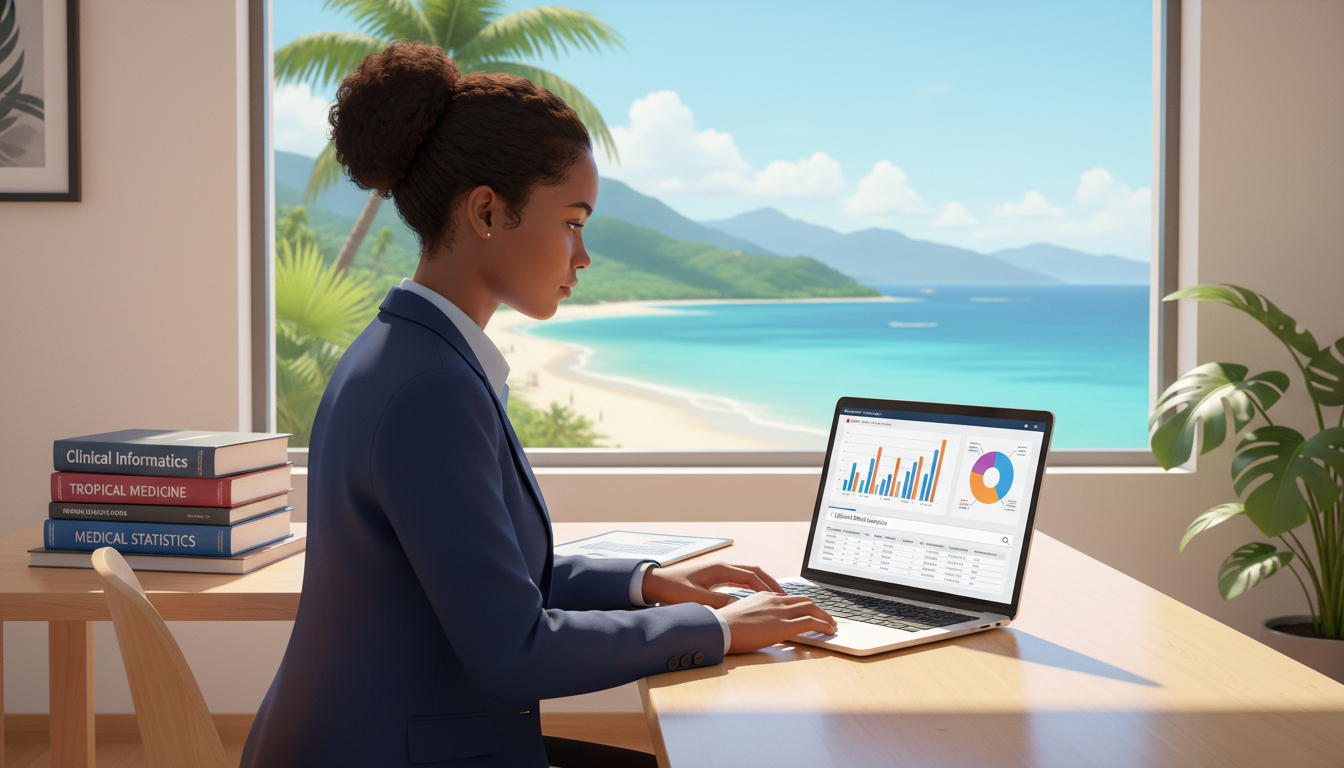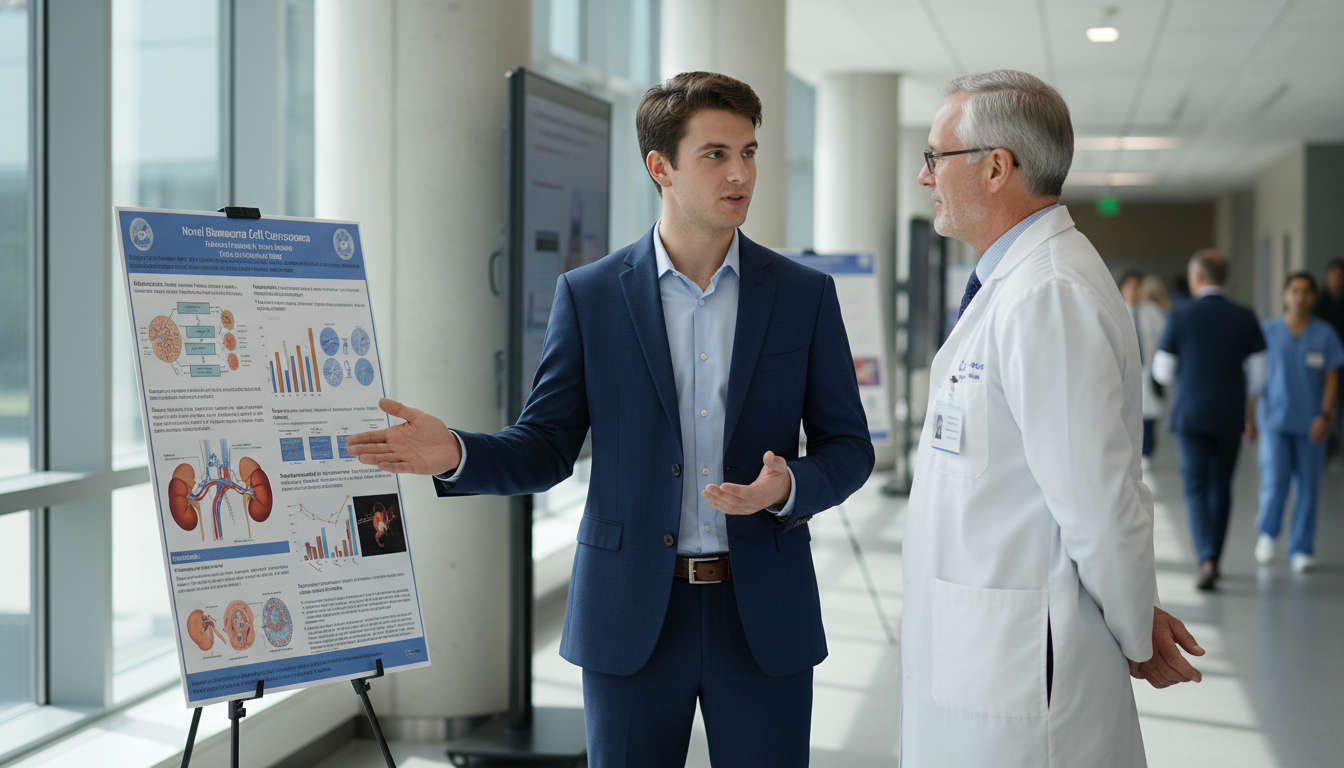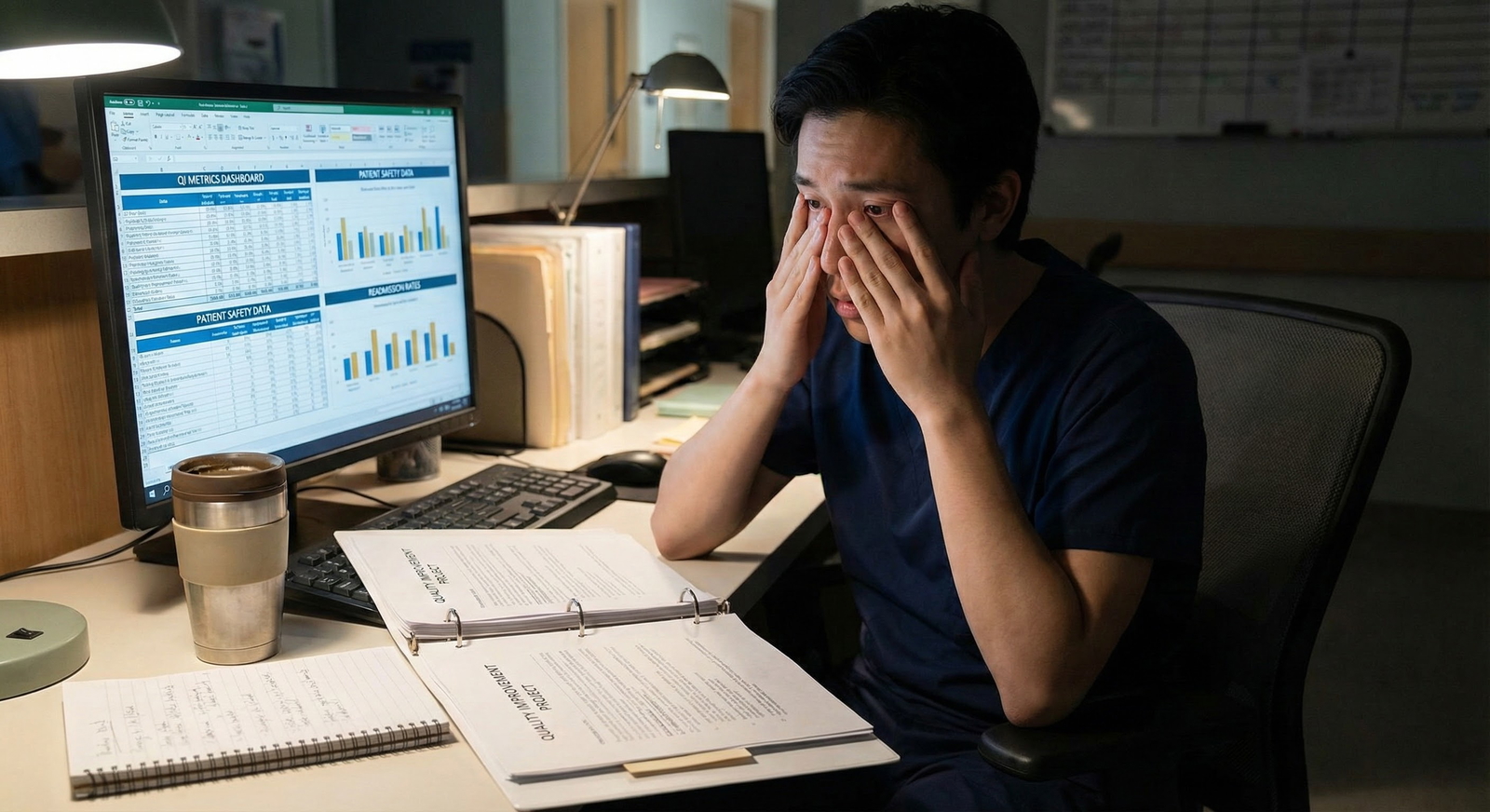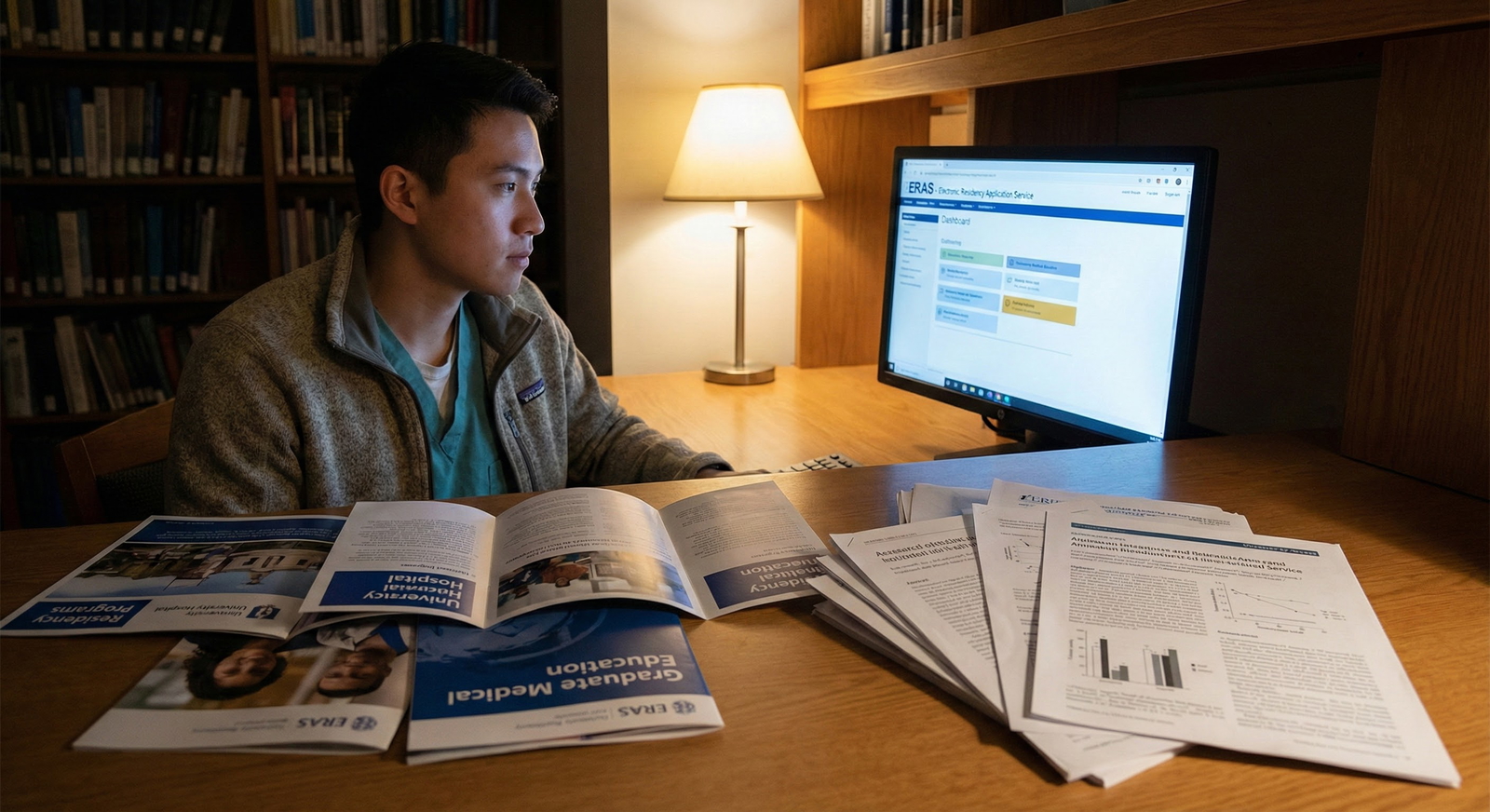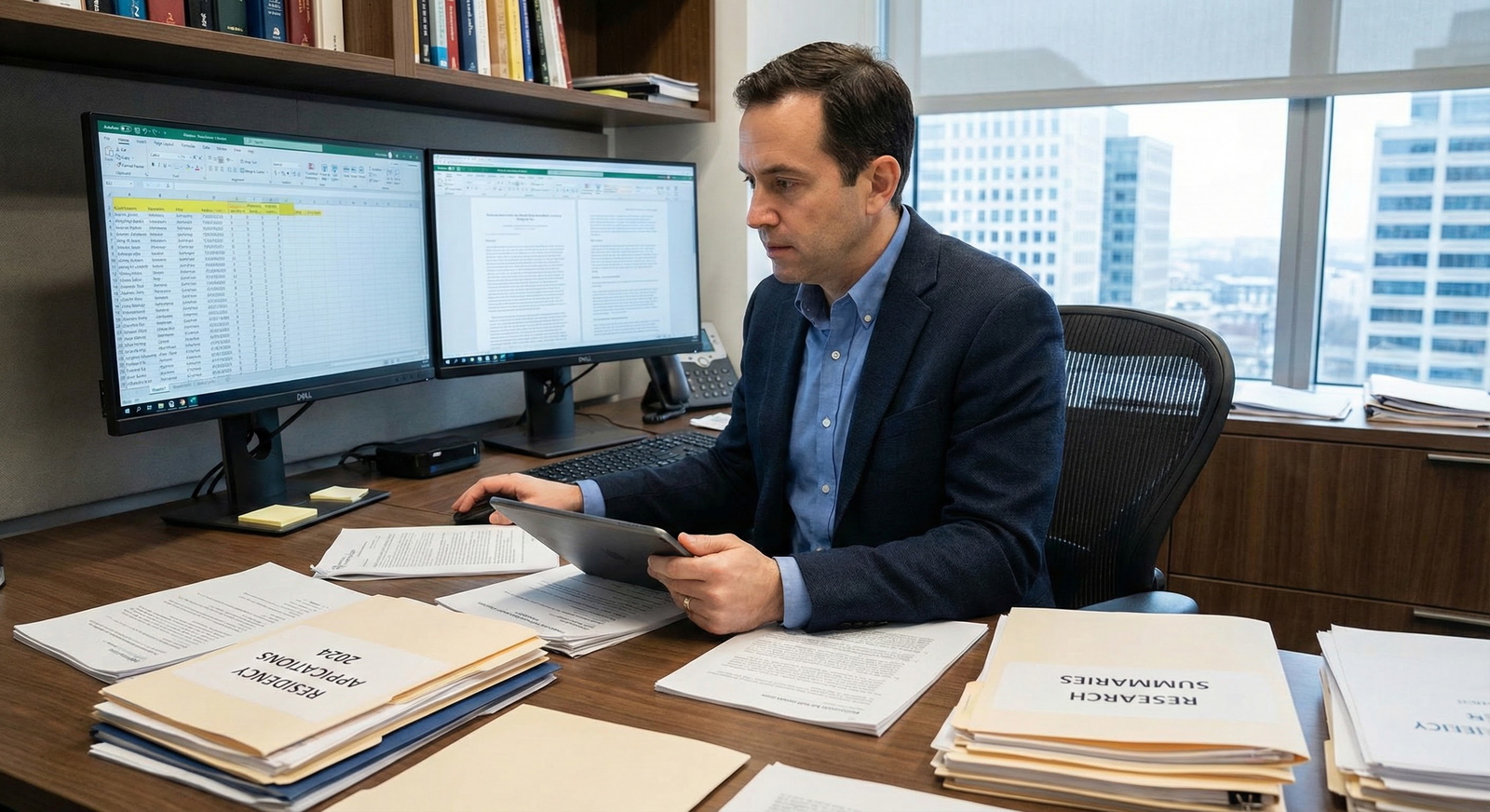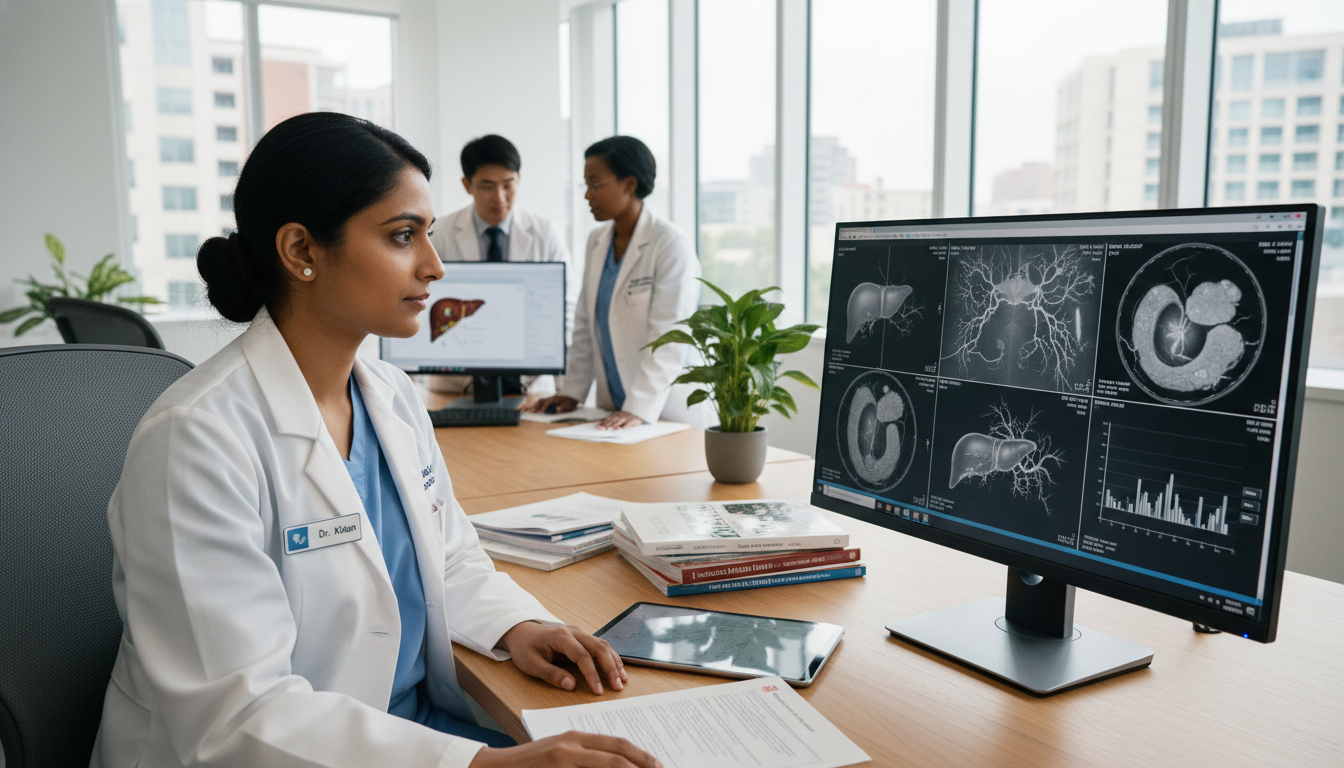
Building a strong research profile is one of the most powerful ways a non-US citizen IMG can become a competitive applicant for interventional radiology residency in the United States. Interventional radiology (IR) is small, highly selective, and research-focused; programs look closely at scholarly output when deciding whom to interview and rank.
This guide will walk you through, step by step, how to approach research for residency in IR—from zero experience to a strategically built portfolio of projects and publications.
Understanding Why Research Matters So Much in Interventional Radiology
Interventional radiology sits at the intersection of imaging, minimally invasive procedures, and innovation. That combination makes research especially important compared to many other specialties.
Why IR programs care deeply about research
For IR program directors, a strong research profile signals several things:
- Intellectual curiosity and analytical thinking – You can interpret data, understand literature, and think critically about evidence.
- Commitment to the specialty – Doing IR-specific research (or adjacent fields like vascular surgery, oncology, radiology) shows genuine interest.
- Ability to complete long-term projects – Research often takes months to years. Completing projects demonstrates persistence and reliability.
- Preparedness for an academic career – Many IR programs are in academic centers; they want residents who can contribute to publications, trials, and innovation.
- Stronger chance of success in fellowship and beyond – Residents with research experience often have better opportunities for advanced training and academic appointments.
For a non-US citizen IMG or foreign national medical graduate, research can help offset:
- Limited or no US clinical experience
- Unknown medical school reputation
- Visa-related concerns (programs want “low risk” candidates)
- Slightly lower board scores (if applicable)
In IR, a serious, focused research portfolio can be one of your strongest differentiators in the IR match.
Setting Realistic Research Goals as a Non-US Citizen IMG
Before starting, you need clear, realistic goals tailored to your situation and timeline.
The “how many publications needed” question
There is no fixed number, but for interventional radiology applicants—especially non-US citizen IMGs—some benchmarks can help:
- Basic competitiveness for integrated IR residency (IMG, non-US citizen)
- 3–5 total scholarly items (including posters, abstracts, and smaller projects)
- At least 1–2 IR-related or radiology-related works
- Stronger/competitive profile
- 5–10+ scholarly works
- Mix of:
- PubMed-indexed original research or review
- Case reports or technical notes
- Conference abstracts and posters
- Quality improvement (QI) or educational projects
- Exceptional/research-heavy profile
- 10+ scholarly items with several PubMed-indexed works as first or co-first author
- IR-specific original research, systematic reviews, or meta-analyses
As a foreign national medical graduate, you do not need a PhD-level portfolio, but you do need to show consistent engagement over time, not just a sudden cluster of superficial items.
Timeframes and planning
Your strategy will differ depending on your current stage:
- Still in medical school (outside the US):
- Aim to start now. Even basic projects will help later.
- Try to secure at least 1–2 solid IR or radiology-oriented outputs before graduation.
- After graduation, no US experience yet:
- Strongly consider a research fellowship or postdoc in the US (1–2 years).
- This is often the best route for a non-US citizen IMG aiming for a competitive IR match.
- After one unsuccessful IR match attempt:
- Reframe the year as a dedicated research and US exposure year.
- Prioritize quality, visibility, and networking over just adding random case reports.
Decide early: Do you want your research profile to be good enough to get interviews, or a major strength that can win you spots at top academic IR programs?
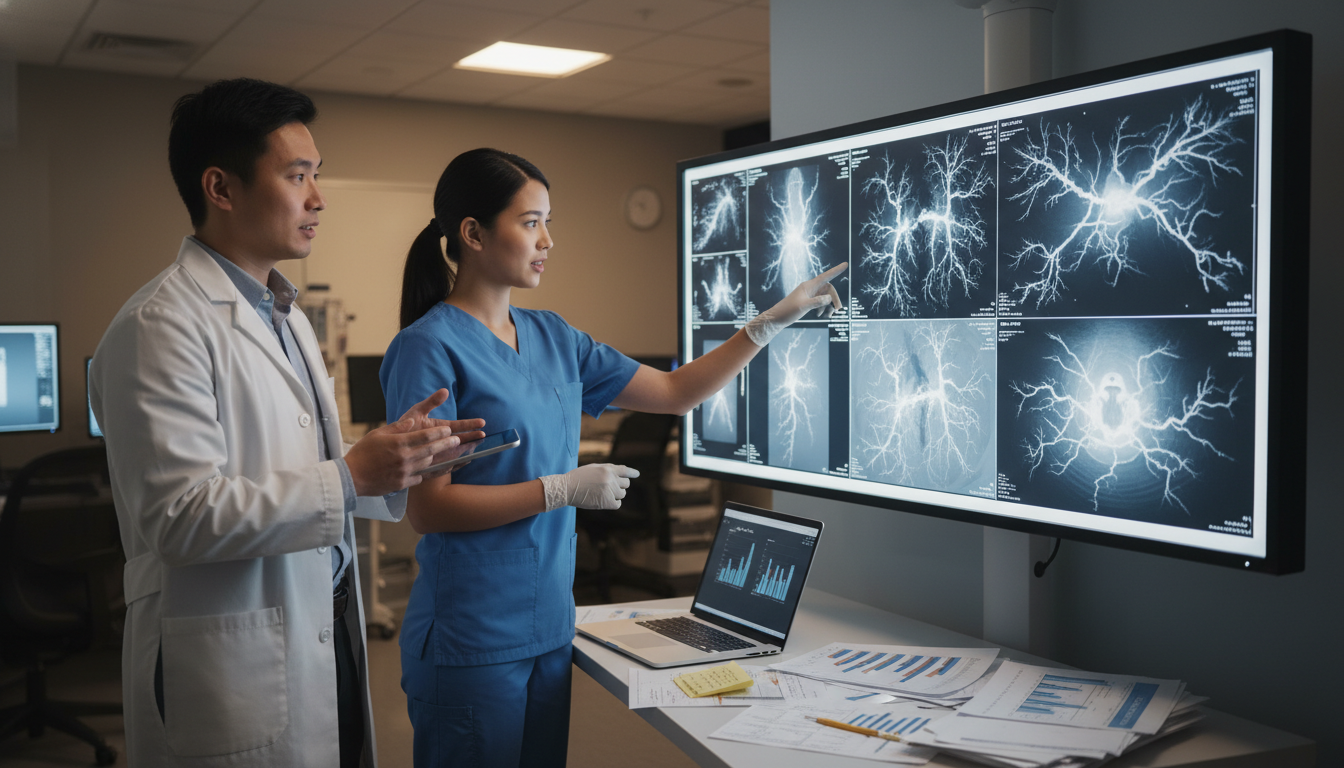
Types of Research That Matter for an IR Match
You do not have to do only “classic” bench research. Many forms of scholarship are recognized as valuable research for residency applications, especially in IR.
1. Clinical research (high-yield for IR applicants)
Examples:
- Outcomes of a specific IR procedure (e.g., TACE for HCC, Y-90, uterine fibroid embolization)
- Comparing IR techniques vs surgical or medical management
- Retrospective reviews of complications, radiation doses, or technical success rates
- Development or validation of clinical decision rules involving IR
Why it’s valuable:
- Directly relevant to IR practice
- More feasible to complete within 6–18 months
- Often leads to manuscripts, posters, and presentations
2. Case reports and case series
For a non-US citizen IMG just starting out, case-based work is often the easiest entry point.
Examples:
- Rare vascular malformations managed by IR
- Unusual complications or novel technical solutions
- Educational cases highlighting anatomy, technique, or device use
While one or two case reports alone are not enough for a strong IR match, they’re useful to:
- Learn the publication process
- Build early authorship
- Strengthen your “publications for match” count
- Show your writing skills
Aim to progress from simple case reports to larger case series or retrospective analyses as you gain experience.
3. Review articles, narrative or systematic
Reviews can be very valuable, especially when you don’t have access to original data.
Examples:
- Review of IR options for portal hypertension or DVT/PE
- Systematic review of IR approaches to peripheral arterial disease
- Narrative review of radiation safety in the IR suite
Benefits:
- Deepens your knowledge of IR
- Makes you conversant in current literature for interviews
- Provides a citable, PubMed-indexed publication (if done well)
Systematic reviews and meta-analyses can be completed remotely, making them ideal if you are still abroad or not yet embedded in a US research group.
4. Quality improvement and workflow projects
IR programs increasingly value QI work, especially in radiology and procedural services.
Examples:
- Reducing contrast use or fluoroscopy time in a specific procedure
- Streamlining pre-procedural imaging protocols
- Improving documentation or follow-up for IR patients
QI projects are often easier to execute than large clinical trials and demonstrate that you understand systems-based practice, a key residency competency.
5. Education and curriculum development in IR
Educational scholarship counts as research if it is structured and disseminated.
Examples:
- Developing a simulation-based IR teaching module
- Creating structured teaching materials for medical students on IR basics
- Designing an IR elective curriculum and evaluating its impact
Publishing an educational paper or presenting at a conference on IR education can make you stand out as someone who will contribute to teaching during residency.
Finding and Securing Research Opportunities as a Non-US Citizen IMG
Getting into the right environment is the hardest and most important step.
Pathway 1: Dedicated research fellowships or postdoc positions (US-based)
For a non-US citizen IMG, this is often the optimal path.
Advantages:
- Direct mentorship by IR or radiology faculty
- Access to institutional databases, IR procedures, and patient cohorts
- More likely to produce multiple publications and conference presentations
- Strong letters of recommendation from US academic radiologists
- Time to build professional networks and get known by IR departments
How to find these positions:
- Target major academic IR programs: Search websites of university hospitals with integrated IR residencies. Look for:
- “Research fellow in interventional radiology”
- “Postdoctoral fellow, radiology”
- “Visiting scholar” or “visiting researcher”
- Email faculty directly:
- Look up IR faculty with active publications
- Send a brief, well-structured email with:
- Who you are (non-US citizen IMG, graduation year, home country)
- Your specific interest in IR
- Any prior research or relevant experiences
- An attached CV
- Concrete offer: “I am seeking a 1–2 year full-time research position and can start in [month/year].”
- Use networks and mentors:
- Ask any radiologist at your home institution if they have US contacts
- Join IR societies (SIR, CIRSE, APSCVIR, etc.) and attend virtual sessions
Visa considerations:
As a foreign national medical graduate, expect to need:
- J-1 research visa (common for research-only roles)
- Occasionally H-1B for more formal academic appointments
Clarify early whether the department is willing and able to sponsor your visa. This is often the main barrier, but not impossible if you bring value and a long enough commitment (12–24 months).
Pathway 2: Remote or collaborative research while abroad
If you cannot immediately move to the US:
- Contact US or international IR faculty offering:
- Systematic reviews
- Multi-center registries needing data analysis or literature help
- Educational or survey-based research
- Offer concrete skills:
- Statistical analysis (R, SPSS, Stata)
- Systematic literature searching
- High-quality scientific writing
- Use platforms:
- SIR resident/fellow sections
- Social media academicians on X/Twitter, LinkedIn
- International IR societies’ collaboration calls
Be honest about time zones and availability; aim for few but serious projects rather than many superficial ones.
Pathway 3: IR or radiology research at your home institution
Even if there’s no dedicated IR department, look for:
- Radiology groups doing MRI, CT, vascular imaging
- Vascular surgery, oncology, or cardiology units with overlap in IR patient populations
You can:
- Propose retrospective imaging-based studies
- Start simple: e.g., “Outcomes of patients receiving TACE at our center over the last 5 years” if IR is available
- Collaborate with radiologists on case series or imaging-pathology correlation studies
These projects show that you can take initiative in resource-limited settings, which many US faculty respect.

Executing Projects Effectively: From Idea to Publication
Once you have a project, execution quality determines whether it will become a strong point in your IR match application.
Step 1: Define a clear, answerable research question
Use the PICO framework for clinical projects:
- Patient/Problem: Patients undergoing TIPS for portal hypertension
- Intervention: Covered vs uncovered stents
- Comparator: Standard approach vs new technique
- Outcome: Shunt patency, survival, readmissions, complications
A focused question makes it easier to:
- Design the study
- Perform meaningful analysis
- Write a concise, publishable paper
Step 2: Learn the basics of research methodology and statistics
As a non-US citizen IMG, building quantitative skills sets you apart.
You should be comfortable with:
- Study designs (retrospective cohort, prospective cohort, case-control, RCTs)
- Bias and confounding
- Common statistical tests (t-test, chi-square, regression)
- Concepts of sensitivity, specificity, ROC curves (very relevant in imaging)
Use:
- Free online courses (Coursera, edX, YouTube, NIH resources)
- Radiology and IR journals’ methodology articles
- Introductory biostatistics textbooks
If you can competently assist with study design and analysis, mentors are more likely to invest in you.
Step 3: Be the engine of the project
Projects move forward when one person takes operational ownership. Aim to be that person.
You can:
- Handle IRB (ethics) paperwork under supervision
- Extract and clean data from electronic records
- Run statistical analyses or coordinate with biostatistics teams
- Draft the introduction, methods, and discussion sections
This level of engagement leads to:
- Higher authorship positions (often first or second author)
- Stronger letters: “This IMG research fellow was the driving force behind multiple successful projects.”
Step 4: Target appropriate journals and conferences
For IR-specific work, consider:
Journals:
- Journal of Vascular and Interventional Radiology (JVIR)
- CardioVascular and Interventional Radiology (CVIR)
- European Radiology, American Journal of Roentgenology (AJR), Radiology (for broader radiology)
- Specialty journals (e.g., hepatology, oncology, vascular surgery) if your topic overlaps
Conferences:
- Society of Interventional Radiology (SIR) Annual Scientific Meeting
- CIRSE, APSCVIR, PAIRS, and other regional IR meetings
- RSNA, ARRS, and national radiology conferences
Posters and oral presentations at recognized meetings are highly valued “publications for match” and signal that your work has been peer-reviewed.
Step 5: Document everything clearly for ERAS
When it’s time to apply:
- List all scholarly activities, including:
- Peer-reviewed articles (accepted or published)
- Articles under review (clearly labeled as such)
- Abstracts, posters, oral presentations
- Book chapters, educational materials, QI projects
- Include:
- Full citation (authors, title, journal/conference, year)
- Your position (first author, co-author, presenting author)
- In your personal statement and interviews:
- Highlight 2–3 key projects
- Explain:
- What was the question?
- What did you do specifically?
- What did you learn?
- How does it influence your interest in IR?
Programs are less impressed by long, unstructured lists and more impressed by coherent stories of sustained scholarly development.
Strategic Positioning: Using Research to Strengthen Your Overall IR Application
Research alone does not guarantee an IR match, but it can amplify every other part of your profile.
How research boosts specific components of your IR match application
Personal statement
- You can describe your journey into IR through the lens of specific research experiences.
- Example: “While analyzing outcomes of TACE in our HCC cohort, I realized the impact minimally invasive therapies can have on patients who are not surgical candidates.”
Letters of recommendation
- IR/radiology research mentors can write powerful letters describing your:
- Work ethic
- Intellectual curiosity
- Reliability
- Technical understanding of IR
- For a non-US citizen IMG, strong US-based letters can reduce program concerns about unfamiliar training backgrounds.
- IR/radiology research mentors can write powerful letters describing your:
Interview conversations
- You can discuss complex IR topics confidently, making you stand out.
- Interviewers often ask:
- “Tell us about a research project you are proud of.”
- “What was your role?”
- “What challenges did you face, and how did you overcome them?”
- Your ability to speak clearly and honestly about your projects signals authenticity.
Demonstrating commitment to IR
- Longitudinal IR-focused research over 1–2 years is powerful evidence that you are not just “checking a box,” but building a career.
Balancing research with clinical experience and exams
For a foreign national medical graduate, there is a real risk of over-investing in research while neglecting other essentials:
- USMLE scores (Step 2 CK especially) must still be strong.
- US clinical experience (ideally radiology/IR electives or observerships) remains important.
- Communication skills (oral and written English, presentation ability) cannot be replaced by publications.
A practical balance:
- During a research year in the US:
- 70–80% time on research activities
- 20–30% time observing in the IR suite, attending case conferences, tumor boards, and didactics
- Dedicated weekly time for exam preparation if you still need to take or repeat any steps
Frequently Asked Questions (FAQ)
1. As a non-US citizen IMG, do I absolutely need US-based research to match into interventional radiology?
Not absolutely, but it helps enormously. US-based research:
- Makes it easier to obtain strong US letters
- Demonstrates that you can function in an American academic environment
- Gives you exposure to US-style IR practice and terminology
However, if you cannot come to the US early, high-quality IR or radiology research from your home country, plus remote collaborations and international conference presentations, can still make you competitive—especially if combined with strong scores and some US clinical exposure later.
2. How many publications do I realistically need for a competitive IR match as a foreign national medical graduate?
There is no strict cutoff, but approximate ranges:
- Minimum target: 3–5 meaningful scholarly experiences (at least 1–2 related to IR or radiology)
- Stronger competitive range: 5–10+ items including:
- At least 2–3 PubMed-indexed articles
- Several posters or presentations at recognized meetings
- Top-tier academic candidates: 10+ items with first-author IR-focused publications
Quality and relevance matter more than raw numbers. A focused body of IR work will impress programs more than many unrelated or very low-impact items.
3. I have no prior research experience. What is the best first step?
Start with something small and structured:
- Join an existing project with a willing mentor (IR, radiology, vascular, or oncology).
- Offer to help with:
- Literature review
- Data collection
- Drafting portions of the manuscript
- Simultaneously, learn:
- Basics of research methodology
- Reference management software (EndNote, Zotero, Mendeley)
- Journal article formats
A first case report or small retrospective study can teach you the full publication workflow. From there, you can progress to more ambitious projects.
4. Does being a non-US citizen affect how programs view my research?
Yes, but not necessarily negatively. Programs may initially be unsure about your training background, visa needs, and communication skills. A strong research portfolio can:
- Show that you can thrive in an academic, English-speaking environment (especially if your work is US-based)
- Demonstrate long-term commitment and reliability through completed projects
- Provide US mentors who can personally vouch for you
In other words, robust, well-documented research sometimes offsets other disadvantages faced by non-US citizen IMGs and can shift you from “risky” to “high-value” in the eyes of IR program directors.
By approaching research strategically—choosing IR-relevant topics, seeking strong mentorship, and executing projects to completion—you can transform your profile as a non-US citizen IMG into one that stands out in the interventional radiology residency match.