Understanding the Role of Research in the Urology Match
For an MD graduate targeting urology residency, a strong research profile is no longer optional—it is a major differentiator. Urology is one of the most competitive specialties, and programs expect applicants to demonstrate genuine academic curiosity and the ability to contribute to the field.
Why Research Matters So Much in Urology
Several factors make research especially important in the urology match:
Competitiveness of the specialty
Urology consistently has a high ratio of applicants to available positions. Many applicants come from allopathic medical schools with strong academic environments, so research productivity is a common differentiator.Academic nature of the field
Urology advances rapidly—robotic surgery, minimally invasive techniques, new oncologic treatments, and functional urology research constantly reshape practice. Programs look for residents who can evaluate evidence, participate in clinical trials, and adapt to innovation.Selection signal for work ethic and curiosity
Research for residency selection serves as a proxy for:- Persistence and follow-through
- Ability to work in teams
- Critical thinking and data literacy
- Comfort with scientific writing and presentations
Program prestige and output
Many urology departments are judged by their research impact. Faculty value residents who will present at national meetings and help maintain a strong research pipeline.
Data Snapshot: How Common Is Research Experience?
While exact numbers change yearly, NRMP and AUA data consistently show:
- Successful urology applicants tend to have multiple abstracts, posters, and publications.
- Nearly all matched applicants report at least some research for residency—either during medical school or a dedicated research year.
- Applicants from top allopathic medical school match environments often have:
- Multiple urology-related projects
- Interdisciplinary collaborations (e.g., radiology, oncology, bioengineering)
- At least one peer-reviewed publication or national presentation
This doesn’t mean you must match these numbers exactly. However, it does mean that a strategic, structured approach to building your research profile is essential.
How Many Publications Do You Really Need for Urology?
One of the most common—and anxiety-provoking—questions is: how many publications needed to be competitive? The honest answer: there’s no magic number, but there are clear patterns and realistic targets.
Quality vs. Quantity
Program directors care about the substance and trajectory of your research, not just raw counts.
A strong applicant profile might include:
- 1–3 peer-reviewed publications (any author position, ideally with at least one related to urology)
- 3–8 abstracts/posters/presentations at institutional, regional, or national meetings
- Evidence of ongoing or in-progress projects
- Urology-specific research experience (even if not yet published)
However:
- Having zero research experiences is a real disadvantage in the urology match.
- Having only non-urology research is not disqualifying, but urology-specific work strengthens your story and specialty commitment.
Think of it this way:
Minimum threshold (for most MD graduate residency applicants in urology):
- At least 1–2 structured research experiences
- At least 1 presentation or manuscript (submitted, accepted, or published)
Competitive target range:
- 2–5+ publications (including case reports, review articles, clinical research, basic science, or quality improvement)
- Several posters/abstracts at urology meetings or institutional research days
These are guidelines, not rigid cutoffs. Strong letters, board scores, clinical performance, and fit can compensate for fewer publications—especially if your research is targeted and meaningful.
Types of Research That “Count” in the Urology Match
Programs value a broad range of scholarly activities:
Clinical research
- Retrospective chart reviews (e.g., outcomes after robotic prostatectomy)
- Prospective cohort studies or trials (often as part of a team)
- Quality improvement (e.g., reducing catheter-associated infections)
Basic/translational science
- Work in labs focusing on uro-oncology, andrology, renal physiology, or biomaterials
- Animal models or molecular studies related to urologic disease
Health services / outcomes research
- Database studies using SEER, NSQIP, or institutional registries
- Cost-effectiveness of different surgical approaches
Educational or curriculum research
- Simulation training in endoscopy
- Assessment of surgical skills curricula
Case reports and review articles
- Less “heavyweight” than original research, but valuable for learning writing and building your CV—especially early on.
Programs generally care most about original clinical or translational research in urology, but any rigorous, mentored research can demonstrate core skills.
Building Your Urology Research Profile Step by Step
If you’re a recent MD graduate (or nearing graduation) targeting urology, you likely have limited time to improve your research profile before the allopathic medical school match timeline. A focused, strategic plan is essential.
Step 1: Clarify Your Timeline and Goals
First, define your situation clearly:
- Are you still in medical school at an allopathic institution with a home urology program?
- Are you an MD graduate between cycles, considering a research year?
- Are you applying in the upcoming cycle and need to maximize the next 6–12 months?
Create specific goals aligned with your timeline. For example:
- “Within 12 months, I want:
- 2 accepted abstracts,
- 1 submitted manuscript (urology-related), and
- active involvement in at least 2 ongoing projects.”
Write these as measurable targets so you can track progress.
Step 2: Find the Right Urology Research Mentors
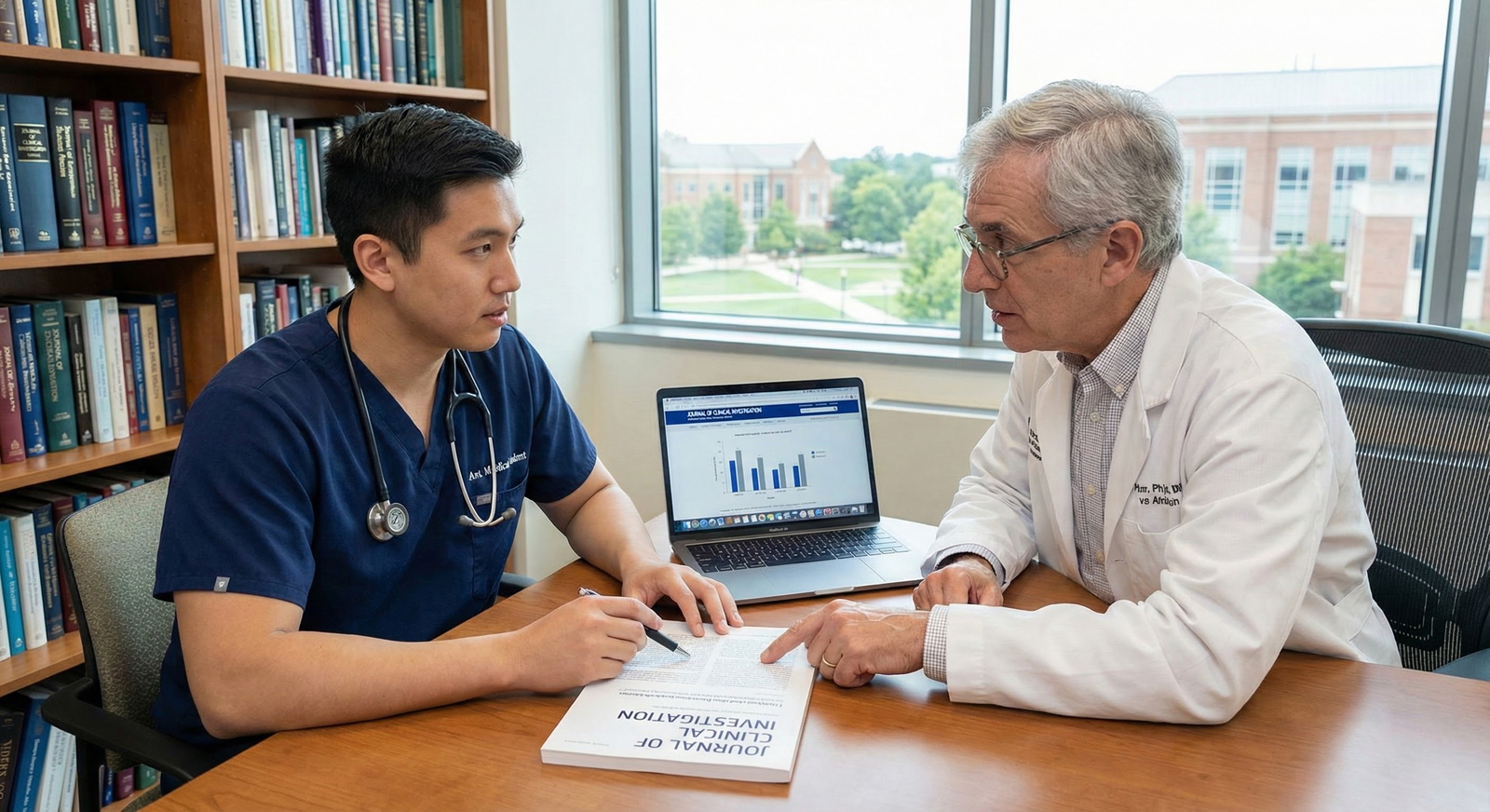
The mentorship you choose will strongly shape your research impact and your letters of recommendation.
Where to Look for Mentors
Home institution urology department
- Review faculty profiles on the department website.
- Identify those with active research and recent publications (PubMed).
- Look for terms like “clinical outcomes,” “robotics,” “urologic oncology,” “infertility,” “voiding dysfunction,” etc.
Related departments
- Oncology, radiology, nephrology, pediatric surgery, or biomedical engineering groups with urology-adjacent projects.
External institutions (if your school lacks a urology program)
- Reach out via email to nearby academic urology groups.
- Consider virtual research collaborations or remote database projects.
How to Approach Potential Mentors
Send a concise, professional email that includes:
- Who you are (MD graduate from [School], interested in urology residency)
- Your career goal (urology match within X year)
- Your existing research experience (brief summary)
- What you’re seeking:
- “I’m looking for opportunities to contribute to clinical or outcomes research in urologic oncology over the next 12 months.”
- A short CV attached
- A clear ask:
- “Would you be available for a brief meeting to discuss potential involvement in your ongoing projects?”
Be honest about your skill level (statistics, writing, data management), but emphasize your reliability, work ethic, and available time.
Step 3: Select Strategic Projects
As a time-limited MD graduate, you must prioritize projects that are:
- Feasible within your timeline
- Likely to produce tangible outputs (abstracts, manuscripts)
- Mentor-supported with clear supervision and expectations
Examples of high-yield project types:
Retrospective chart review in urologic oncology
- Often faster than prospective studies
- Good chance of generating a presentation and paper
- You can contribute to data collection, chart abstraction, and analysis
Secondary analysis of an existing urology database
- Faster turnaround, especially if IRB is already approved
- Ideal for outcomes and health services research
- May already have preliminary data available
Case series or case report + literature review
- Efficient starter projects
- Good for learning academic writing and PubMed search skills
- Less impactful alone, but great CV builders in combination with larger work
Quality improvement (QI) project in a urology clinic or OR
- E.g., reducing delays in TURBT scheduling; improving compliance with perioperative antibiotic protocols
- Can lead to both local implementation and conference abstracts
When discussing projects with mentors, ask explicitly:
- “What is the realistic timeline to abstract submission or manuscript?”
- “What role would I play, and what authorship position is anticipated if I complete my tasks reliably?”
Step 4: Develop Practical Research Skills Quickly
To be maximally useful to your research mentor and build your CV, focus on a concrete skill set:
Core Skills to Prioritize
Database and data management:
- Learn REDCap, Excel, or the system your group uses
- Be meticulous with data entry and documentation
Basic statistics and study design:
- Understand common designs: retrospective cohort, case-control, cross-sectional
- Learn when to use t-tests, chi-square tests, logistic regression (you don’t need to be the statistician, but you should understand the basics)
Literature review and citation management:
- Use PubMed effectively
- Learn reference managers (EndNote, Zotero, Mendeley)
Scientific writing:
- Start by drafting introductions and discussion sections
- Study structure from high-impact urology journals (e.g., Journal of Urology, European Urology, Urology, BJUI)
You can build these skills via:
- Free online courses (e.g., Coursera, edX, institutional workshops)
- Working closely with senior residents or fellows
- Asking your mentor for exemplar papers and templates
Step 5: Convert Work into Tangible Outputs
Programs look closely at what you have produced, not just “ongoing projects.” Focus on generating:
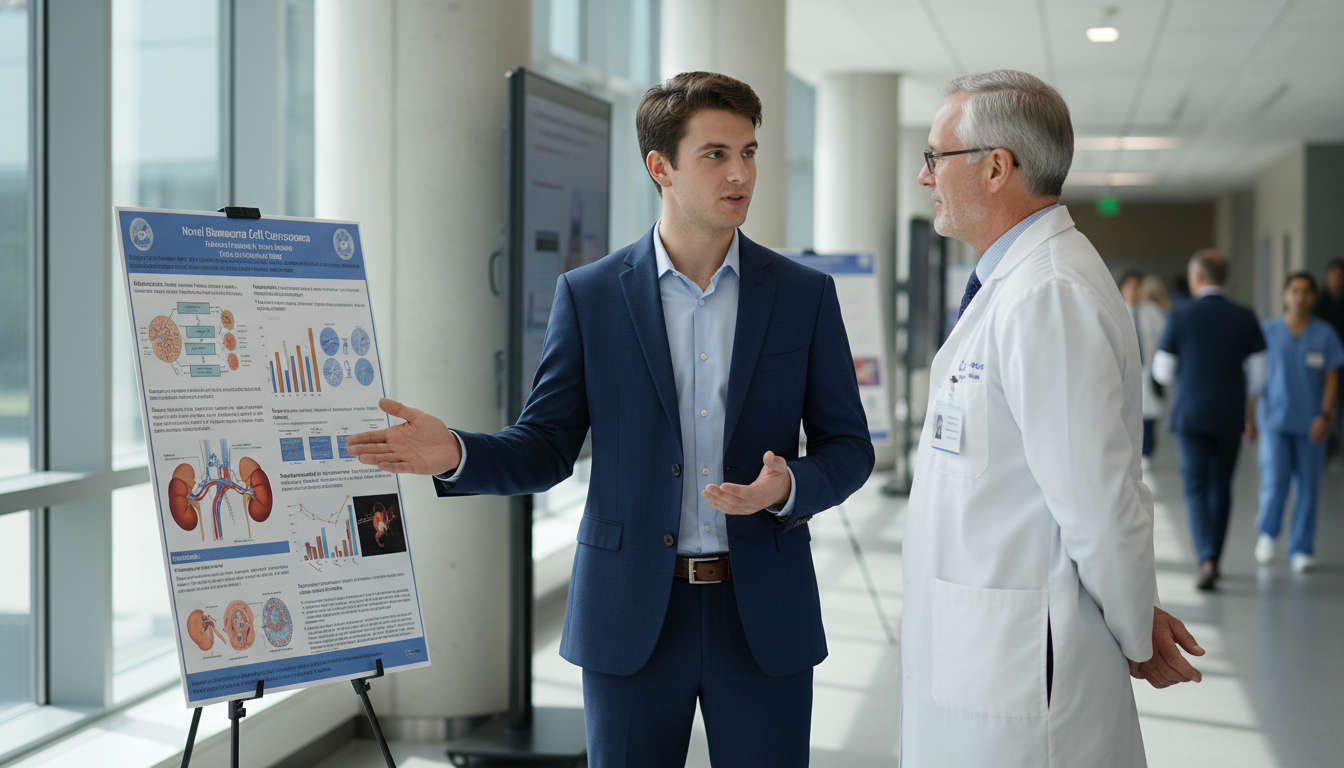
Abstracts and posters
- Submit to:
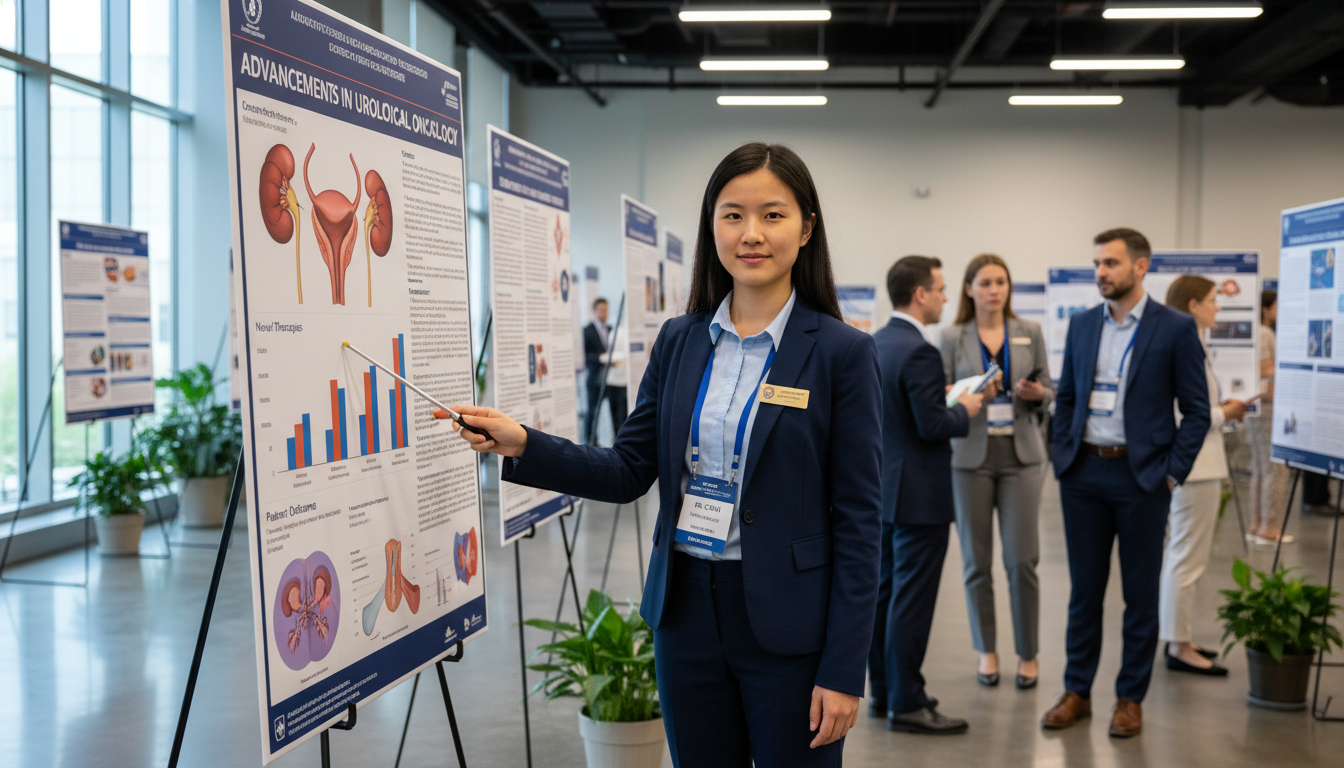
- AUA Annual Meeting
- Sectional or regional urology meetings
- Institutional research days
- These are more rapid to obtain and still carry weight.
- Submit to:
Manuscripts
- Even if not yet accepted, “manuscript submitted” or “in revision” shows productivity.
- Ask mentors about journal targets and revise promptly when they give feedback.
Talks or oral presentations
- Regional meetings or departmental conferences strengthen your application and interview talking points.
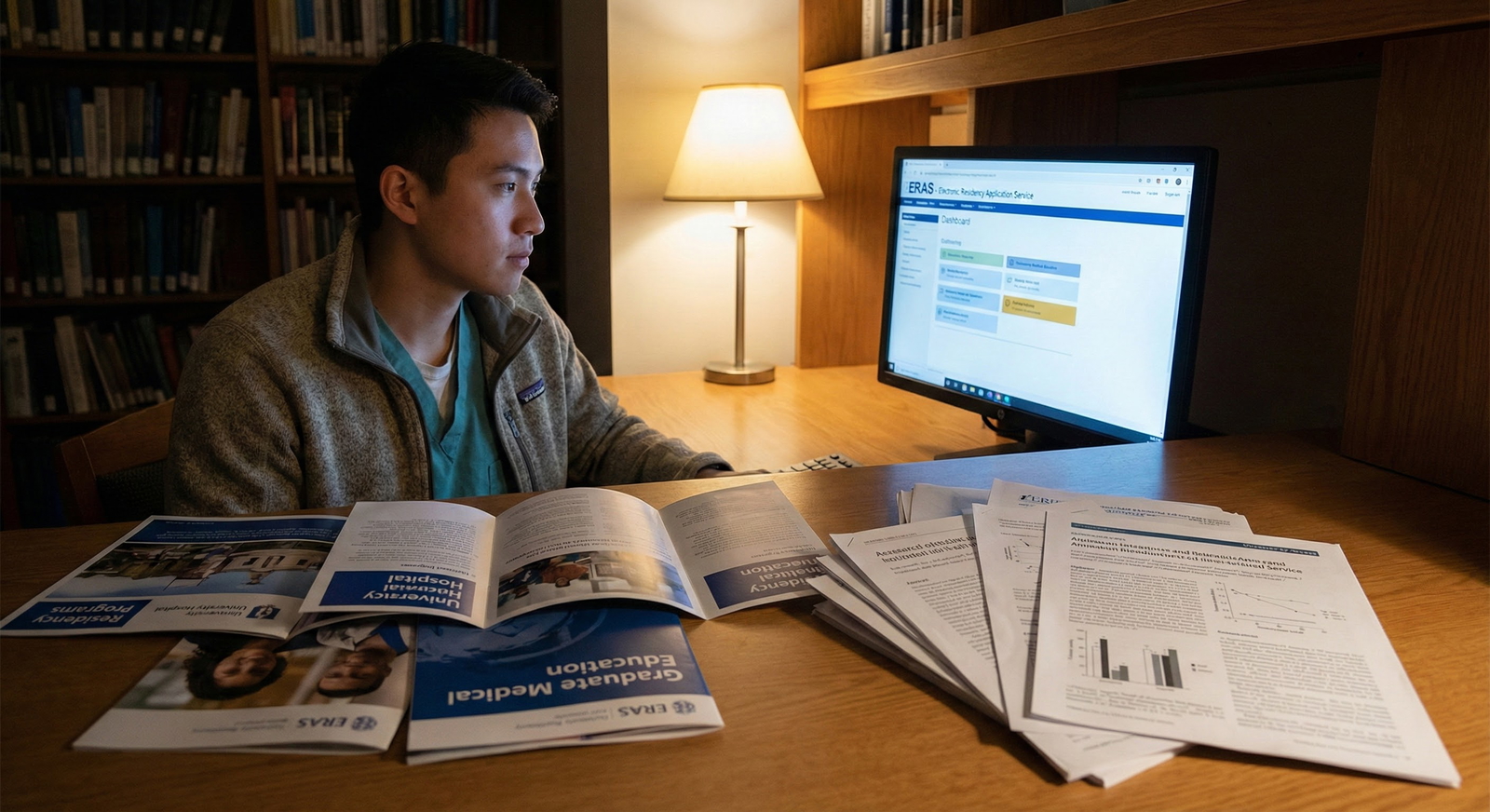
Ensure all your contributions are documented and current in your CV and ERAS application.
Positioning Your Research for the Urology Match
Effective research profile building isn’t just about accumulating lines on a CV—it’s about integrating your scholarly work into a coherent story that supports your candidacy as a future urologist.
Tell a Consistent Academic Story
Aim for a thematic thread across your applications:
- Example themes:
- Urologic oncology and outcomes research
- Endourology and minimally invasive surgery
- Male infertility and reproductive health
- Pediatric urology and congenital anomalies
You do not need to pigeonhole yourself early in your career, but some coherence helps:
In your personal statement, you might highlight:
- How an initial exposure to prostate cancer outcomes research sparked your interest in urology
- How subsequent projects deepened your curiosity about patient quality of life
In interviews, you can discuss:
- The questions that drive you
- The methods you’ve learned
- How you plan to build on this work as a resident
Highlight Your Role and Impact
When describing your research on ERAS or in interviews:
Move beyond “participated in data collection.” Be specific:
- “Designed data collection forms, abstracted 250+ patient charts, performed preliminary statistical analysis, and drafted introduction and discussion sections.”
Emphasize:
- Leadership roles (leading subprojects, coordinating students)
- Initiative (suggesting research questions, troubleshooting IRB issues)
- Resilience (responding to reviewer feedback, overcoming setbacks)
Use Research to Strengthen Letters of Recommendation
A urology research mentor who knows you well can provide a powerful letter:
- They can speak to your:
- Intellectual curiosity
- Work ethic and reliability
- Ability to handle complex data and writing
- Collaboration with residents and fellows
To make this possible:
- Meet regularly with your mentor
- Share your long-term goals and timeline
- Demonstrate consistent follow-through and quality
Before the urology match season, schedule a meeting to:
- Update them on your CV and application strategy
- Discuss whether they’re comfortable writing you a strong letter
- Provide them with your draft personal statement and CV
Addressing Gaps or Late Starts
If you are an MD graduate with limited research and little time:
- Focus your remaining months on:
- One or two concrete, well-defined projects with quick turnaround potential
- Maximizing depth rather than starting many shallow projects
- Getting at least one abstract submitted or presented
During interviews, be honest:
- Frame your trajectory as:
- “I realized during my clinical urology rotation how much research shapes our field. Although I started later, I’ve taken deliberate steps to build my skills and have contributed to X and Y projects, with Z abstract submitted.”
Programs value self-awareness and growth as much as raw numbers.
Practical Scenarios and Action Plans
To make this guidance more concrete, here are example scenarios relevant to MD graduate residency applicants in urology.
Scenario 1: MD Graduate Taking a Research Year Before Urology Match
- Time frame: 12–18 months before ERAS submission
- Priority actions:
- Join a research-intensive urology group (home institution or external)
- Take on 2–3 main projects with clear timelines (e.g., a retrospective outcomes study, a QI project, and a case series)
- Aim for:
- 2+ manuscript submissions
- 3–5 abstracts at AUA/regional meetings
- Attend departmental conferences, grand rounds, and network with residents/faculty
Scenario 2: MS3/early MS4 in an Allopathic Medical School Match Environment
- Time frame: 6–12 months before application
- Priority actions:
- Identify 1–2 available urology research mentors
- Join an ongoing retrospective project where you can rapidly contribute data or analysis
- Submit at least one abstract to a regional meeting
- Write a case report or succinct review article with your mentor’s guidance
- Prepare to discuss how these experiences shaped your interest in urology
Scenario 3: International or Non-traditional MD Graduate Entering the U.S. Urology Match
- Time frame: 12–24 months, possibly including observerships
- Priority actions:
- Secure a research position (full-time or part-time) with a U.S. urology department
- Focus on high-output areas such as database studies or multicenter collaborations
- Aim for:
- Visible authorship on several urology publications
- Strong letters from U.S.-based academic urologists
- Use research time to learn U.S. clinical norms and expectations as well
Common Pitfalls and How to Avoid Them
To make your research journey efficient and effective, be aware of frequent mistakes:
Spreading yourself too thin
- Joining multiple projects without clear roles leads to incomplete work and burnout.
- Instead, prioritize depth: 2–4 well-executed projects beat 8 half-finished ones.
Lack of communication with mentors
- Vanishing for weeks or missing deadlines damages trust.
- Maintain regular updates, ask for help when stuck, and agree on realistic timelines.
Not clarifying authorship early
- Misunderstandings about expectations can be awkward and demotivating.
- Politely ask at the outset: “If I complete XYZ tasks, would I be considered for authorship, and at what level?”
Ignoring manuscript follow-through
- Many projects fail to cross the finish line because writing is delayed.
- Set explicit writing milestones and use templates, mentor feedback, and examples.
Misrepresenting or exaggerating contributions
- Program directors can spot inconsistencies, and mentors may be asked informally about your role.
- Be honest and precise in ERAS descriptions—integrity is non-negotiable.
FAQs: Research Profile Building for MD Graduates in Urology
1. Do I need urology-specific research to match into a urology residency?
Urology-specific research is highly beneficial, but not absolutely mandatory. Many successful applicants start with research in other specialties (e.g., oncology, surgery, radiology) and later transition into urology projects. However, at least some urology-focused work:
- Strengthens your specialty commitment narrative
- Connects you to urology mentors and letter writers
- Gives you urology-specific talking points for interviews
If you currently have only non-urology research, work to add at least one urology-related project before applying.
2. How many publications are “enough” for the urology match?
There is no fixed “how many publications needed” cutoff. A competitive MD graduate profile often includes:
- 1–3 peer-reviewed publications
- Several abstracts and posters
- Clear involvement in ongoing projects
Programs weigh publications within the broader context of scores, letters, clinical performance, and interviews. Focus on meaningful engagement and consistent output, not just chasing a number.
3. Is a dedicated research year necessary for urology residency?
A dedicated research year is helpful but not universally required. It may be worth considering if:
- You discovered urology late and have minimal research
- You aim for particularly research-heavy or academic programs
- You are reapplying after an unsuccessful cycle and need to strengthen your profile
If your allopathic medical school match environment supports research and you can build a solid portfolio during core training, a separate year may not be necessary.
4. How should I list “in progress” research on ERAS?
You can and should list ongoing work honestly and clearly:
- Use statuses like:
- “Manuscript submitted”
- “Manuscript in preparation”
- “Abstract submitted to AUA 202X”
- Avoid listing projects that are purely conceptual with no concrete progress.
- Be prepared in interviews to describe your specific role, current status, and next steps for each project.
By taking a strategic, honest, and proactive approach to research profile building, an MD graduate can significantly strengthen their competitiveness for the urology residency match. Focus on finding good mentors, selecting feasible projects, building practical skills, and converting effort into tangible outputs—and use your research to tell a coherent story about the kind of urologist you aspire to become.