Understanding the Importance of Research for US Citizen IMGs in Dermatology
Dermatology is one of the most competitive specialties in the United States. For a US citizen IMG (American studying abroad in a non-US medical school), a strong research profile is often the single most powerful way to reduce the disadvantage of training outside the U.S.
Program directors in dermatology look closely at:
- Evidence of academic curiosity
- Productivity and persistence (e.g., multiple projects completed)
- Comfort with scientific literature and evidence-based practice
Because dermatology is relatively small and academic, the “research for residency” bar is higher than in many other specialties. Many successful applicants – especially IMGs – have a robust portfolio of dermatology-focused research, presentations, and publications.
In this guide, we’ll walk step-by-step through how a US citizen IMG can strategically build a research profile aimed at a future dermatology residency (“derm match”), even with limited access to home-institution resources.
How Much Research Do Derm Programs Really Expect?
Before planning your research pathway, you need realistic expectations.
What does “strong research” mean in dermatology?
In dermatology, a strong research portfolio often includes:
- Multiple dermatology-focused publications
- Mix of case reports, case series, review articles, and original research
- Some in PubMed-indexed journals
- Conference activity
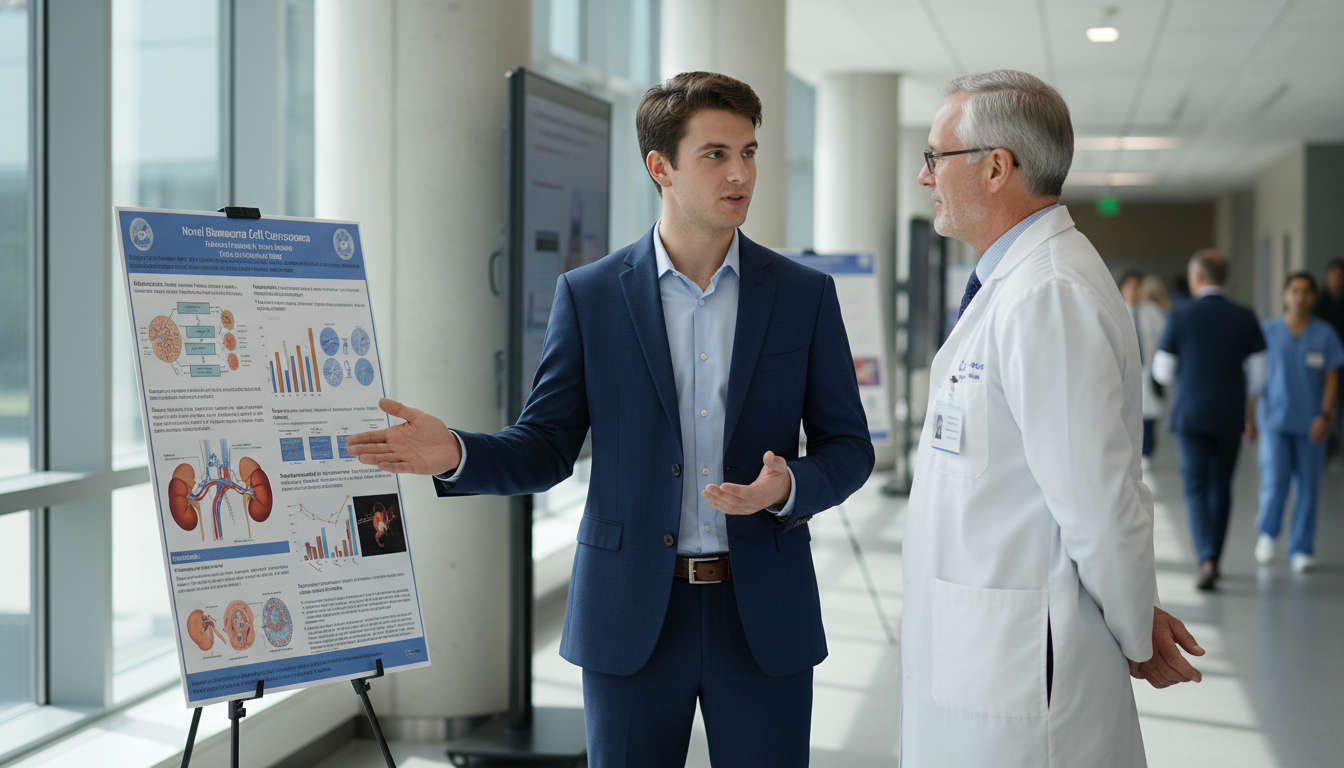
- Posters or oral presentations at regional, national, or international meetings
- Dermatology societies (AAD, SID, WDS, ASDS, etc.)
- Sustained research involvement
- 1–3+ years of ongoing research
- Clear, upward trajectory: more responsibility over time
How many publications are typical?
Programs vary, but for a US citizen IMG, the bar is usually higher than for US MD seniors.
Realistic ranges (not rigid cutoffs):
- Competitive US MD senior in derm:
Often 5–15+ publications/abstracts/posters/chapters combined - US citizen IMG who matches dermatology:
Commonly 8–20+ total scholarly items, many derm-related
Addressing the common question: “How many publications needed?”
There is no official number, and quality, relevance, and your role matter more than just raw count. But as a planning target for a US citizen IMG serious about dermatology:
- Aim for at least 5–8 dermatology-focused outputs (publications, accepted abstracts, posters) by the time you apply
- A strong upper range is 10–20+ total scholarly outputs, including:
- Full-length papers
- Case reports and series
- Review articles
- Conference abstracts and posters
- Book chapters or online peer-reviewed resources
Your goal is to show:
- Consistency (not one isolated case report and nothing else), and
- Dermatology commitment (a significant majority in derm or closely related fields like immunology, rheumatology with cutaneous overlap, or oncology of skin cancers).

Step 1: Strategically Position Yourself as a US Citizen IMG
As an American studying abroad, you face extra hurdles: distance, limited connections to US academics, and sometimes weaker formal research infrastructure. You can’t fix everything, but you can strategically compensate.
Clarify your timeline and flexibility
You need to know:
Year in medical school
- Early (pre-clinical): You can build foundations and relationships.
- Mid-clinical: You can align your rotations and early projects.
- Final year or recent graduate: You may need a research year or gap year.
Time you can protect for research
- Can you take a dedicated research year in the US?
- Can you do a summer/clerkship/visiting rotation with a research component?
- Can you dedicate evenings/weekends consistently for a year or more?
For IMGs without formal US affiliations, a dedicated dermatology research fellowship year in the US (often post-graduation) is one of the most impactful choices you can make for your derm match prospects.
Identify your differentiating assets
Even if you’re at a non-US school, you might have:
- A strong basic science background (e.g., previous lab research, STEM major)
- Access to unique patient populations or rare conditions
- Data-heavy projects at your current institution
- Prior publications in non-dermatology fields
List your existing advantages and ask: “How can I translate this into dermatology-relevant research?” For example:
- Prior work in immunology → collaborate on psoriasis or atopic dermatitis projects
- Experience in oncology → shift focus toward melanoma, non-melanoma skin cancer
- Stats/programming skills → become indispensable for data analysis in derm groups
Step 2: Finding and Securing Dermatology Research Opportunities
This is the biggest bottleneck for most US citizen IMGs. You’re not embedded in a US derm department, so you must be deliberate and persistent.
1. Tap into any existing US connection
Start with your strongest personal and institutional networks:
- Alumni from your international med school who matched derm or did research in the US
- US-based physicians from:
- Observerships
- Away rotations
- Family/friend introductions
- Former professors from your undergrad or previous degrees
Send a concise, professional email:
- Who you are (US citizen IMG, school, year)
- Your goal (dermatology residency in the US)
- Your research interests (e.g., inflammatory dermatoses, skin cancer, dermpath, skin of color)
- Attach a 1-page CV focusing on:
- Education
- Any prior research or publications
- Skills (statistics, programming, language skills useful for data extraction)
Ask explicitly:
“Do you know any dermatology researchers who might be open to involving a motivated, remote collaborator on ongoing projects? I’m particularly interested in [X area] and am prepared to commit [X hours/week] consistently.”
2. Cold-email US dermatology faculty effectively
Cold emails can work if done well. Target:
- Academic dermatology departments at large teaching hospitals
- Faculty with recent publications in niches that interest you
- Researchers who have previously included IMGs on papers
Key principles:
Subject line:
“US citizen IMG interested in dermatology research collaboration – [Your Name]”Body (short and specific):
- 1–2 sentences about who you are and your training status
- 1–2 sentences expressing genuine interest in their research (cite a recent paper)
- 2–3 sentences about what you can contribute:
- Experience with literature reviews
- Familiarity with REDCap/Excel/Qualtrics
- Basic stats (R, SPSS, Stata) if applicable
- Concrete ask:
“Would you consider involving me in any ongoing projects, even in a limited role (data collection, chart review, manuscript drafting)? I’m able to commit [X hours/week] for at least [Y months].”
Attach your CV and be prepared to follow up once after 10–14 days.
If you send 40–60 carefully tailored emails over a few weeks, getting 2–3 serious conversations is realistic.
3. Consider a formal dermatology research fellowship
For many US citizen IMGs, a US-based dermatology research fellowship (1–2 years) is the single strongest booster to their application.
What it offers:
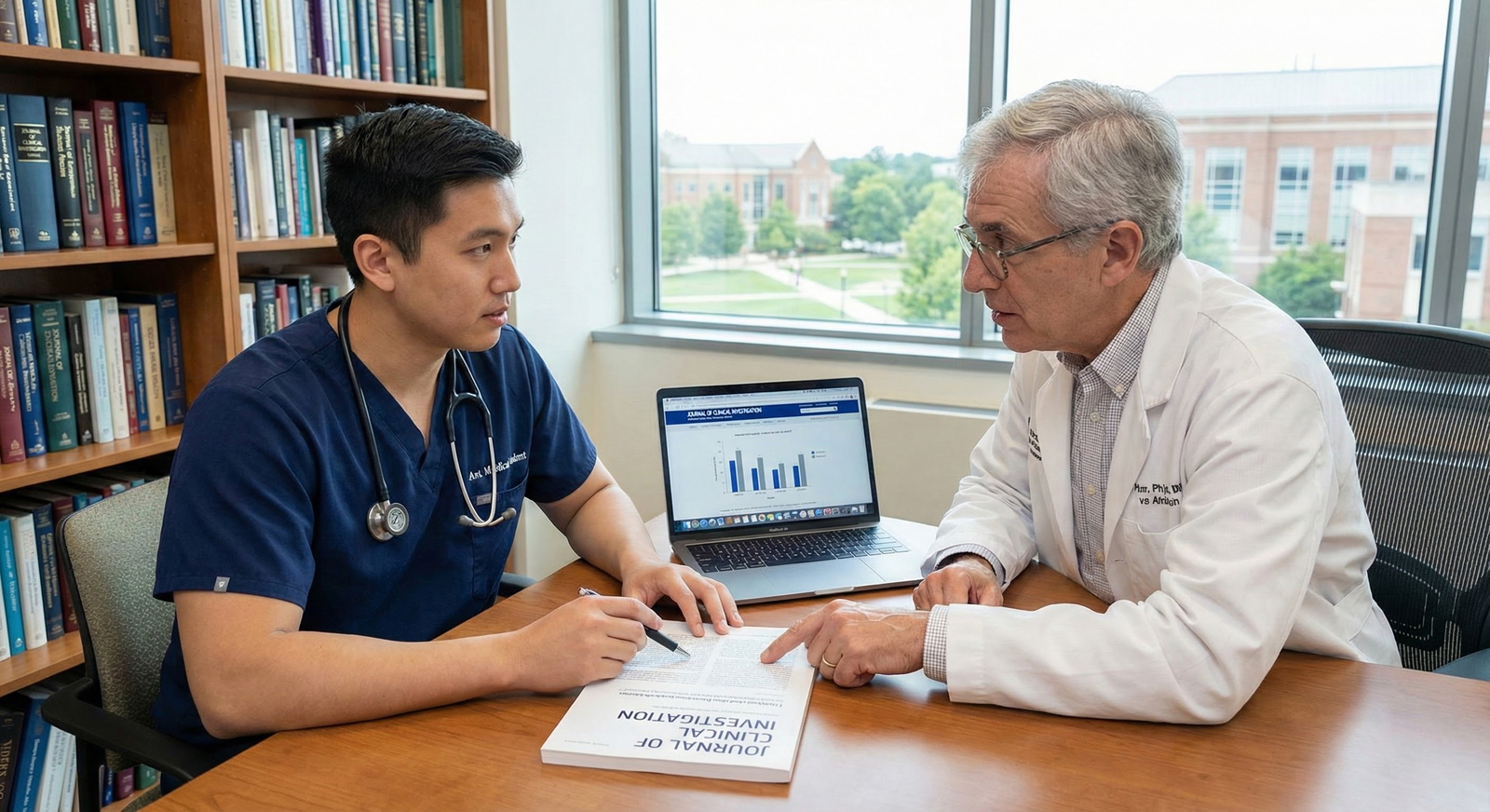
- Direct mentorship from well-known dermatologists
- Multiple projects and publications
- Opportunities to present at major conferences
- Strong, specific letters of recommendation
- Often, in-person integration with the department (important for your derm match later)
Where to find these:
- Department websites: “Dermatology research fellowship,” “gap year” positions
- AAD resident/job boards
- Cold-emailing research-heavy faculty asking if they host research fellows
When to apply:
- Typically 6–12 months before your intended start date
- Many positions are informal and filled through networking rather than widely advertised
4. Make the most of local/non-derm opportunities
If US derm access is limited, don’t wait idly. Start where you are:
- Join a general internal medicine or pediatrics research team
- Work on projects related to:
- Autoimmune disease with skin manifestations
- Infectious diseases with cutaneous signs
- Oncology projects with skin tumors
Then gradually shift closer to dermatology by:
- Choosing topics that prominently feature skin findings
- Co-writing a review on cutaneous aspects of systemic disease
- Partnering with any dermatologists (or derm-inclined internists) at your institution
While derm-specific work is ideal, showing you can complete projects to publication in any field is still valuable.

Step 3: Types of Dermatology Research That Work Well for IMGs
As a US citizen IMG, you’re unlikely to lead massive multi-center RCTs, but you can be highly productive with smaller, focused projects.
1. Case Reports and Case Series
Why they’re ideal early on:
- Lower barrier to start and complete
- Shorter time to publication
- Great training in literature review and scientific writing
How to do it:
- Identify interesting cases in your clinical rotations:
- Rare diseases
- Atypical presentations
- Unusual treatment responses
- Ask the attending dermatologist (or other specialist if no derm on-site):
- If they’d be open to publishing a case report/series
- If they or a derm colleague would be senior author
- Search the literature:
- PubMed to see what’s been published on this condition
- Identify the knowledge gap your case might address
- Follow journal instructions:
- Adhere to word limits, structure, and ethical guidelines (consent, de-identification)
2. Retrospective Chart Review Studies
These can yield stronger-impact, PubMed-indexed papers and are feasible with:
- EHR access
- IRB approval (often a major step, but good learning experience)
- A committed mentor
Example topics:
- Epidemiology of acne, psoriasis, or atopic dermatitis in your hospital population
- Outcomes of specific therapies in vitiligo, hidradenitis suppurativa, or melanoma
- Treatment patterns in skin of color for common dermatoses
Your tasks may include:
- Data extraction from charts
- Creating standardized data collection forms
- Running simple stats (with or without support from a biostatistician)
- Co-writing the manuscript
3. Systematic Reviews and Narrative Reviews
These are particularly powerful when you lack access to patients but have good literature access.
- Systematic reviews: Methodologically rigorous, often higher prestige
- Narrative reviews: More flexible but still valuable, especially in niche topics
Idea generation tips:
- “Update” older reviews in high-interest areas (e.g., biologic therapies for psoriasis, pathogenesis of alopecia areata, new treatments for atopic dermatitis)
- Focus on underrepresented topics:
- Skin of color
- Dermatology in resource-limited settings
- Derm manifestations of systemic infections
Be realistic: systematic reviews take discipline and clear methods; consider collaborating with someone experienced.
4. Basic Science and Translational Dermatology
If you have access to labs:
- Connect with labs studying:
- Immunology
- Oncology
- Genetics
- Look for projects related to:
- Melanocyte biology, melanoma
- Inflammatory skin disease
- Skin barrier function, atopic dermatitis
Even if not “derm lab” per se, you can frame it in your application as translational work with dermatology relevance, especially if your PI supports that narrative in their letters.
Step 4: Building a Coherent, High-Impact Research Narrative
You’re not just collecting random lines on a CV; you’re constructing a story about who you are as a future dermatologist.
Create a focused theme
You don’t need to be confined to one subfield, but having a primary area helps your application feel intentional. Example themes:
- Inflammatory dermatoses (psoriasis, atopic dermatitis, hidradenitis suppurativa)
- Cutaneous oncology and melanoma
- Pediatric dermatology
- Skin of color and disparities in dermatology
- Autoimmune/connective tissue diseases with skin manifestations
Aim to have multiple projects in your chosen theme, and a few outside it to show breadth.
Show progression and increasing responsibility
Program directors want to see:
- Early role: data entry, literature review, co-author on case report
- Middle phase: main drafter on manuscripts, primary presenter at conferences
- Later phase: helping design new projects, mentoring junior students, being first author
On your CV and ERAS application, this looks like:
- More first-author publications over time
- More presentations where you are the presenting author
- Projects linking to each other conceptually
Align with your personal statement and interviews
Your “research for residency” story should appear consistently in:
Personal statement:
Explain how your projects shaped:- Your understanding of dermatologic disease
- Your appreciation for patient-oriented research
- Your long-term academic goals (if any)
Letters of recommendation:
Ask research mentors to highlight:- Your work ethic and reliability
- Your writing and analytical skills
- Your specific contributions to projects
Interviews:
Be ready to discuss:- Your most significant project: hypothesis, methods, results, and limitations
- What you actually did vs. what the team did
- What you learned and how it will make you a better dermatology resident
Step 5: Practical Tactics to Maximize Output and Quality
Develop core research skills early
You don’t need to be a statistician, but you should become comfortable with:
- Searching and filtering literature (PubMed, Embase, Google Scholar)
- Reference management (Zotero, EndNote, Mendeley)
- Basic study design concepts:
- Case-control, cohort, cross-sectional studies
- Bias and confounding
- Basic statistics:
- Descriptive stats
- Simple inferential stats (t-tests, chi-square, basic regression)
Free learning resources:
- Coursera or edX courses on biostatistics and research methods
- AAD or institutional webinars on clinical research and publishing
- YouTube channels from academic institutions focusing on clinical research fundamentals
Treat research like a part-time job
To build a competitive dermatology profile as a US citizen IMG, aim for consistent weekly effort:
- 8–15 hours per week during regular school
- 20–40+ hours per week during a dedicated research year
Use project management strategies:
- Keep a shared document or spreadsheet with project timelines
- Clarify your role and deadlines with each mentor
- Communicate regularly and professionally (weekly or biweekly updates)
Target journals and conferences wisely
Don’t just aim for the highest-impact journal and then stall for years. For derm match purposes, a steady stream of reasonable publications often beats one heroic attempt.
Journals to consider (examples, not endorsements):
- Mid-tier dermatology journals
- Subspecialty journals (pediatric dermatology, derm surgery, dermpath)
- General medical journals open to case reports and smaller studies
Conferences:
- American Academy of Dermatology (AAD) Annual Meeting
- Society for Investigative Dermatology (SID)
- Regional derm society meetings (state or regional)
- International derm meetings if accessible
Posters and oral presentations add lines to your CV and are often faster to achieve than full papers.
Track your impact and be honest
Mentors respect honesty. On your CV and ERAS:
- Clearly label:
- Published
- Epub ahead of print
- Accepted (in press)
- Submitted
- In preparation (use sparingly)
- Do not exaggerate your role or status of manuscripts
- Be prepared to discuss every item in an interview, including negative or null results
Step 6: Integrating Research with the Rest of Your Derm Application
Research is critical, but it’s part of a larger picture. Program directors want to see your research complementing:
- Strong exam performance (USMLE/COMLEX)
- Solid clinical performance (clerkship grades, derm rotations)
- Evidence of professionalism and teamwork
- Commitment to dermatology beyond research:
- Derm interest groups
- Shadowing or observerships
- Volunteer work, especially related to skin health or underserved populations
For US citizen IMGs, a stellar research record can partially offset some disadvantages (like non-US school name recognition), but it cannot fully overcome major weaknesses in professionalism or exam performance. Aim for a balanced, strong overall application with research as a standout feature.
Frequently Asked Questions (FAQ)
1. As a US citizen IMG, how many publications do I realistically need for a dermatology residency?
There is no magic number, but for a US citizen IMG aiming for a derm match, a competitive target is:
- Minimum: 5–8 dermatology-focused outputs (case reports, reviews, abstracts, posters, papers)
- Stronger profile: 10–20+ scholarly outputs total, with a majority in dermatology or closely related fields
Quality, relevance, and your role (first author vs. middle author) matter significantly. A smaller number of meaningful, derm-focused projects can be more impactful than many low-quality or unrelated publications.
2. Do all my research projects need to be in dermatology?
No, but dermatology-focused work should dominate your profile. Non-derm research can still help if it shows:
- Ability to complete projects to publication
- Familiarity with study design, stats, and writing
- Themes connected to dermatology (immunology, oncology, epidemiology, skin of color, etc.)
If you have strong non-derm research, frame it in your application as building skills you now apply to dermatology questions.
3. Is a formal dermatology research fellowship necessary for US citizen IMGs?
Not absolutely necessary, but highly beneficial and often game-changing. A 1–2 year US-based derm research fellowship can:
- Provide multiple derm publications and presentations
- Offer strong letters from US dermatology faculty
- Embed you in the network of residents and attendings
- Strengthen your case as a serious, academically-oriented derm applicant
If you lack strong research or US clinical exposure by the end of med school, a derm research fellowship is one of the best investments you can make.
4. What if I start research late—do I still have a chance?
Starting later makes it harder, but not impossible. To maximize your chances:
- Prioritize a dedicated research year or derm research fellowship
- Focus on faster-turnaround projects (case reports, retrospective chart reviews, reviews)
- Work intensely and consistently (treat research as a full-time job)
- Be strategic about mentors who are productive and capable of getting projects across the finish line quickly
Your goal is to compress what others build over several years into 12–24 months, which is demanding but achievable with good mentorship and discipline.
By understanding the expectations for research in dermatology, deliberately targeting opportunities, and building a coherent narrative around your work, you can significantly strengthen your application as a US citizen IMG. A thoughtful, well-executed research strategy won’t guarantee a derm match—but it can transform your chances from unlikely to realistic, and for many American students studying abroad, that shift makes all the difference.