Understanding the Neurosurgery Research Landscape as a US Citizen IMG
Neurosurgery is one of the most competitive specialties in the Match. For any applicant, and especially for a US citizen IMG or American studying abroad, a strong research profile is not optional—it is expected.
Program directors in neurosurgery look at research for several reasons:
- It demonstrates intellectual curiosity and commitment to academic medicine
- It shows you understand the scientific foundation of brain surgery and spine surgery
- It predicts your ability to contribute to the department’s scholarly output
- It helps you stand out in a hyper-selective pool
For a US citizen IMG in neurosurgery, research is even more critical because:
- Clinical letters from the U.S. may be fewer than for US MD students.
- Perceived training differences at international schools may create bias; research helps counter this by proving you can perform at a high academic level.
- Visa issues are less of a concern for you as a US citizen, so programs look more closely at academic and research metrics when comparing you to non-citizen IMGs.
How Programs View Research
Neurosurgery programs tend to be highly academic. Many track metrics such as:
- Total publications
- First-author or co-first-author publications
- PubMed-indexed papers
- Neurosurgery-/neurology-/spine-related publications
- National presentations, especially at neurosurgery meetings
- Evidence of longitudinal research commitment
You don’t have to be a future R01-funded scientist, but you do need to show that you can be productive, persistent, and professional in scholarly work.
“How Many Publications Needed” for Neurosurgery?
There’s no magic number, and it varies by program and cycle. However, for a US citizen IMG neurosurgery residency applicant competing nationally, a realistic goal is:
- Minimum target: 3–5 PubMed-indexed publications by the time you apply
- More competitive target: 6–10+ publications with at least 2–3 in neurosurgery-related areas and several as first author
Remember that quality and relevance matter more than just counting lines on your CV. A smaller number of high-quality, neurosurgery-focused projects where you played a significant role often beats a long list of marginal, low-impact or irrelevant papers.
Core Principles of a Strong Neurosurgery Research Profile
1. Relevance to Neurosurgery and Brain Surgery Residency
Every publication does not need to be directly about brain tumors or spine fusions, but your portfolio should demonstrate:
- Consistent interest in the nervous system (brain, spine, peripheral nerves)
- Comfort with complex pathophysiology and imaging
- Some work in or adjacent to neurosurgery, such as:
- Neuro-oncology
- Neurotrauma
- Cerebrovascular disease and stroke
- Spine surgery or spine biomechanics
- Neurocritical care
- Functional neurosurgery, epilepsy, movement disorders
- Neuroimaging (MRI, fMRI, tractography)
- Neurosurgical outcomes / quality improvement / disparities
If early opportunities are in other specialties (e.g., internal medicine, general surgery, cardiology), it is still worth doing them—especially if you are just starting. But you should gradually pivot towards neurosurgery-relevant research as you progress.
2. Demonstrated Productivity and Follow-Through
Programs care less about what you started and more about what you finished. Strong evidence of productivity includes:
- Completed projects that led to accepted manuscripts
- Abstracts submitted to scientific meetings
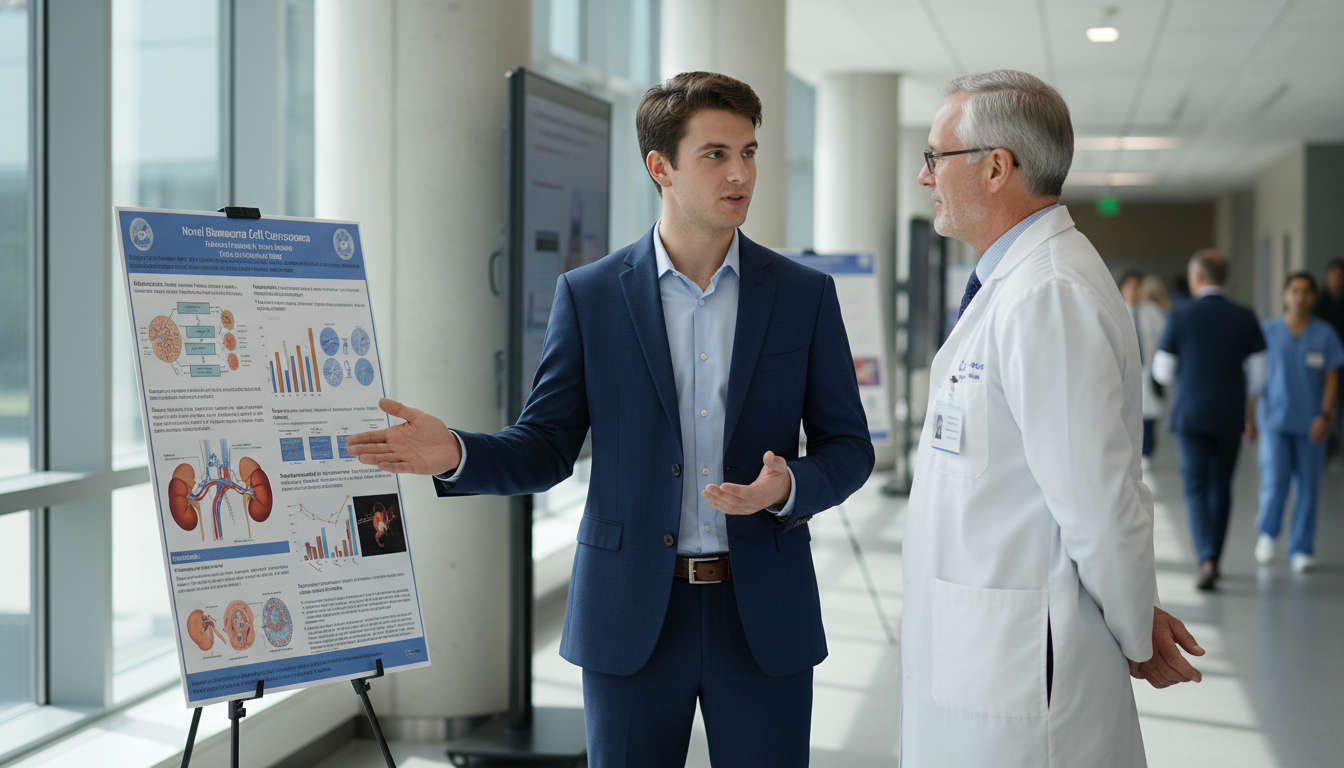
- Posters or oral presentations (especially at neurosurgical or national conferences)
- Systematic reviews, scoping reviews, or meta-analyses that reached publication
- Case reports or case series that made it to journals
A red flag is a CV listing many “ongoing projects” with no accepted papers. It suggests you may struggle with follow-through or time management.
3. Longitudinal Engagement
Neurosurgery residency is 7 years and heavily academic. Programs prefer to see:
- Research spread over multiple years
- Progressive responsibility (e.g., from data collector to first-author designer)
- Clear mentorship relationships with faculty who can speak about your scholarly growth
A single “research month” with no real output rarely convinces committees of your commitment, especially as a US citizen IMG trying to break into neurosurgery.

Step-by-Step Strategy for Building a Neurosurgery Research Portfolio
This section lays out a practical roadmap from first year of medical school through application season. Whether you are just starting or already late in training, you can adapt these steps.
Step 1: Clarify Your Timeline and Constraints
As an American studying abroad or a US citizen IMG, your constraints include:
- Geography: You may be physically outside the US for most of medical school
- School resources: Some international schools have limited neurosurgery research infrastructure
- Calendar: Your exam schedule (USMLE, local exams) and clinical rotations may limit research time
- Visa (not your issue): Being a US citizen is a major advantage, so you should lean harder into research to maximize that advantage
Start with:
- Your expected graduation year
- Target application cycle for neurosurgery residency
- Periods when you have more flexible time (summer, electives, research year, pre-clinical breaks)
From that, map out realistically:
- When you can start and complete specific projects
- How many hours weekly you can devote to research
Step 2: Build a Foundation of Research Skills Early
Before you aim for neurosurgery journals, you must be comfortable with basic research skills.
Key foundational skills:
- Literature searching: Using PubMed, Embase, Google Scholar efficiently
- Critical appraisal: Understanding basic study designs (cohort, case-control, RCT, meta-analysis)
- Statistics basics: P-values, confidence intervals, types of variables, regression basics
- Academic writing: Structure of a manuscript, IMRaD (Introduction, Methods, Results, Discussion)
- Reference management: Using Zotero, Mendeley, or EndNote
- Ethics & IRB basics: Informed consent, data protection, authorship standards
Practical ways to gain these skills:
- Short online courses (Coursera, edX, university libraries)
- Free resources like JAMA User’s Guides, NEJM videos, or BMJ clinical research tutorials
- Volunteering on simple projects where senior students or residents can teach you hands-on
Even a few months of structured self-study here sharply increases your chances of producing publishable work.
Step 3: Identify and Approach Neurosurgery Research Mentors
Research for residency is highly mentor-dependent. Your mentors and networks can matter as much as your raw publication count.
As a US citizen IMG, you may have to build these connections largely from scratch. Strategies:
A. Leverage Any Existing Ties to the US
- Contact neurosurgery departments near:
- Your hometown in the US
- Places where you plan to complete US clinical electives
- Look up faculty emails on departmental websites and write professional, concise outreach emails that:
- Introduce you as a US citizen IMG interested in neurosurgery
- Attach or link to your CV
- Explain your research exposure so far
- Ask if they have remote-friendly projects (chart reviews, meta-analyses, database work)
B. Use Conferences and Virtual Events
- Attend AANS/NREF student events, CNS sessions for medical students, or local neurosurgery society meetings—many have virtual access
- Ask thoughtful questions in Q&A chats or follow up by email:
- “I appreciated your talk on [topic]. As a US citizen IMG interested in neurosurgery, I’d love to contribute to your ongoing work if you have any projects suitable for a remote student.”
C. Utilize Social Media and Professional Platforms
- Follow neurosurgeons and neurosurgery departments on X (Twitter) and LinkedIn
- Many faculty advertise: “Looking for motivated med students for remote research”
- Join neurosurgery interest groups and IMG-focused neurosurgery communities
Your outreach should emphasize:
- You are a US citizen IMG (programs and mentors know this reduces visa barriers)
- You can work across time zones and are willing to do unglamorous tasks (data cleaning, reference formatting)
- You are committed to seeing projects through to completion
Types of Projects That Work Well for US Citizen IMGs
Not every project requires you to be physically in the US. As an American studying abroad, remote-friendly projects are your friend.
1. Case Reports and Case Series
Pros:
- Feasible even at smaller hospitals
- Good for early exposure and learning the publication pipeline
- Can be neurosurgery-relevant (e.g., neurotrauma seen in the ED, brain infections, neuromuscular complications)
Cons:
- Lower academic weight than original research or meta-analyses
- Need careful journal selection to avoid predatory outlets
How to use them effectively:
- Aim for rare or educational cases with imaging and clear teaching points
- Collaborate with local neurosurgeons, neurologists, or radiologists
- Use these first projects to build relationship capital and writing experience
2. Retrospective Chart Reviews
Pros:
- High-yield if you have access to patient data in a neurosurgery or neurology service
- Can generate publishable, specialty-relevant outcomes research
- Good for building data management and basic statistics skills
Cons:
- Requires IRB/ethics approval
- Time-consuming and sometimes tedious
Example neurosurgery-relevant topics:
- Outcomes of patients with traumatic brain injury in your hospital
- Complications of spine surgeries or lumbar disc herniation treatments
- Epidemiology of brain tumors or spinal infections in your region
As a US citizen IMG, if your local data is strong but journals are less aware of your institution, highlight your unique population, treatment settings, or resource constraints. This can make your work particularly interesting to global neurosurgery audiences.
3. Systematic Reviews and Meta-Analyses
Pros:
- Can be done entirely remotely
- High academic value if properly conducted and targeted to neurosurgical topics
- Often publishable in decent journals if methodology is solid
Cons:
- Methodologically demanding; you must learn PRISMA standards
- Requires IRB only rarely, but heavy in screening, extraction, and stats
Ideal for:
- Students with strong work ethic, attention to detail, and mentors who oversee methodology
- Topics like:
- Outcomes of surgical vs. conservative management for a neurosurgical condition
- Long-term outcomes of epilepsy surgery
- Complication rates after common spine procedures
These can become cornerstone publications for your neurosurgery residency application.
4. Database and Outcomes Research
If you gain access to large datasets (NSQIP, NIS, institutional registries):
- Work with a mentor experienced in big-data neurosurgical outcomes
- Learn basic coding/statistical tools (R, Stata, SPSS)
- Focus on clear, clinically meaningful questions:
- Predictors of postoperative complications in brain surgery
- Length-of-stay and cost outcomes after specific neurosurgical procedures
Publications here tend to be valued highly in academic neurosurgery programs.
Maximizing Impact: From Research to a Compelling Neurosurgery Application
Once you have projects in motion, you need to convert that effort into a coherent, competitive neurosurgery residency application.
Prioritizing Your Efforts: Depth Over Chaos
Many US citizen IMGs make a common mistake: signing up for 10–15 projects in parallel, contributing minimally to each, and finishing few. This dilutes impact.
Instead:
- Aim for 3–6 major projects where you have a clear role and realistic path to publication
- Accept smaller tasks (data entry, chart review) mainly if they clearly move a main project closer to submission
- Try to secure first-author status on at least a couple of neurosurgery-related papers or major reviews
Crafting Your Narrative
Research is not just numbers. Programs will look for a story across your CV, personal statement, and interviews:
- How did you discover neurosurgery?
- What questions in brain or spine surgery fascinate you?
- How have your projects explored those questions?
- What did you learn about patient care, statistics, team science, or health disparities?
As a US citizen IMG, you have a compelling angle:
- You chose to go abroad but remain deeply tied to the US healthcare system
- You sought out neurosurgery research opportunities despite distance and limited local resources
- You built international and US research collaborations that show initiative and maturity
Use this to your advantage. In interviews, be ready to discuss your projects fluently—design, limitations, results, and implications.
Presentations and Networking
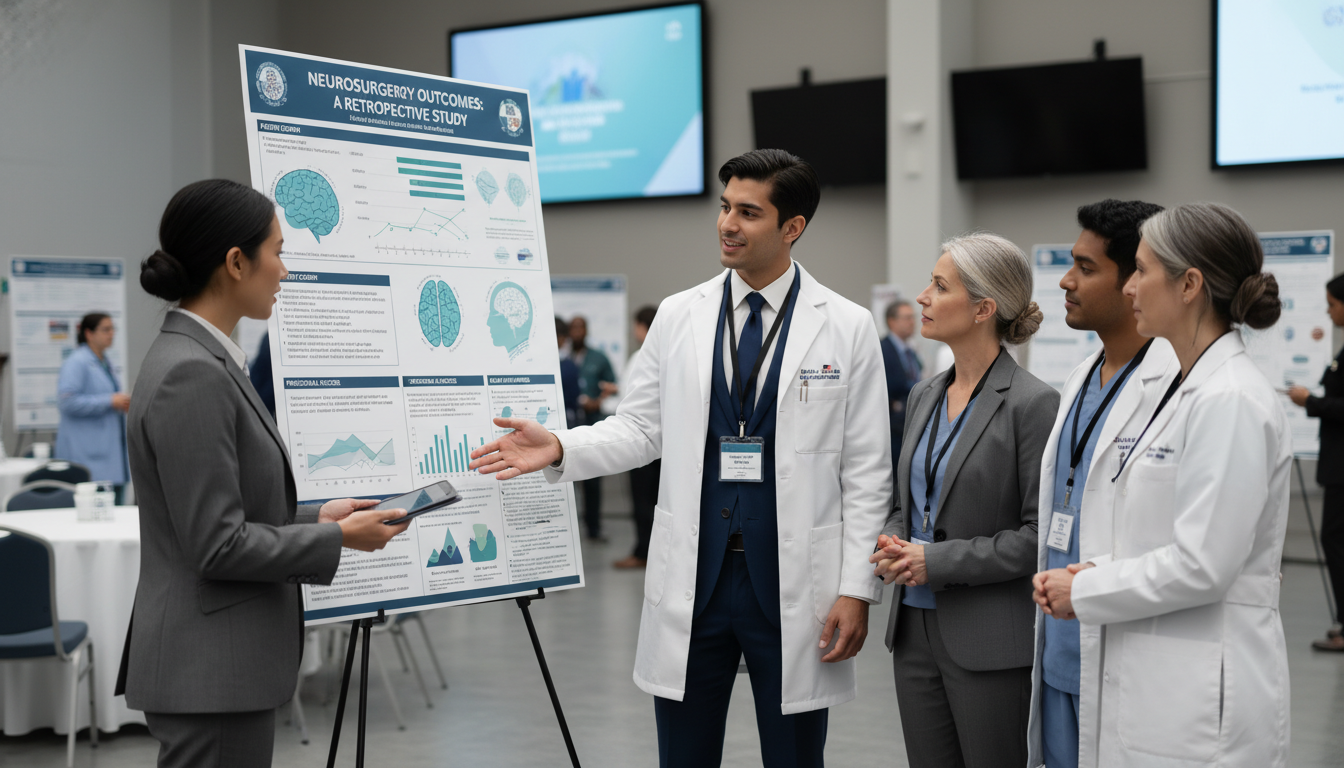
Try to get your work accepted to:
- AANS or CNS annual meetings (especially medical student or resident sections)
- Spine specialty societies
- Regional or national neurosurgery meetings in your country of training
Benefits:
- Lines on your CV under “Presentations”
- Opportunities to meet faculty and residents in person
- Additional talking points in interviews
- Potential letters of recommendation from research mentors who see you present
Even poster presentations matter. For a US citizen IMG hoping to match in neurosurgery, a track record of national or major regional presentations is a strong signal.
Letters of Recommendation from Research Mentors
In neurosurgery, powerful letters often come from:
- Neurosurgery faculty actively engaged in research
- Well-known academic neurosurgeons, even if they only supervised one major project with you
- Non-neurosurgeons (e.g., neurologists, intensivists) if they can attest strongly to your research integrity, thought process, and work ethic
To get strong letters:
- Be reliable and responsive
- Take ownership of tasks and follow through without constant reminders
- Communicate progress regularly
- Ask for feedback and apply it willingly
When the time comes, ask:
“Would you feel comfortable writing a strong, personalized letter of recommendation for my neurosurgery residency applications that emphasizes my research skills and potential as an academic neurosurgeon?”
That phrasing gives them a chance to be honest about how strong a letter they can offer.
Strategic Planning: Gaps, Research Years, and Backup Plans
When to Consider a Dedicated Research Year
As a US citizen IMG, a dedicated research year can transform your application—especially if:
- You started research later than desired
- Your home institution lacks neurosurgery or advanced research infrastructure
- You need US-based experience and letters
Ideal timing:
- After core clinical rotations or between your penultimate and final year of medical school
- Before you take Step 2, if possible, so you can focus on both academics and research strategically
During a research year:
- Aim for multiple projects, with clear focus on brain surgery residency–relevant topics
- Spend time physically at a US neurosurgery department if possible
- Attend local conferences, weekly lab meetings, grand rounds, and M&M conferences
- Take on increasingly independent roles (project design, data analysis, drafting manuscripts)
It’s not uncommon for students to go from 0–1 publication to 5–10+ with a well-structured, productive research year.
What If You Are Late to the Game?
If you are close to applying and feel behind:
- Prioritize completion: Finish and submit whatever you can this cycle (short reviews, case reports, abstracts).
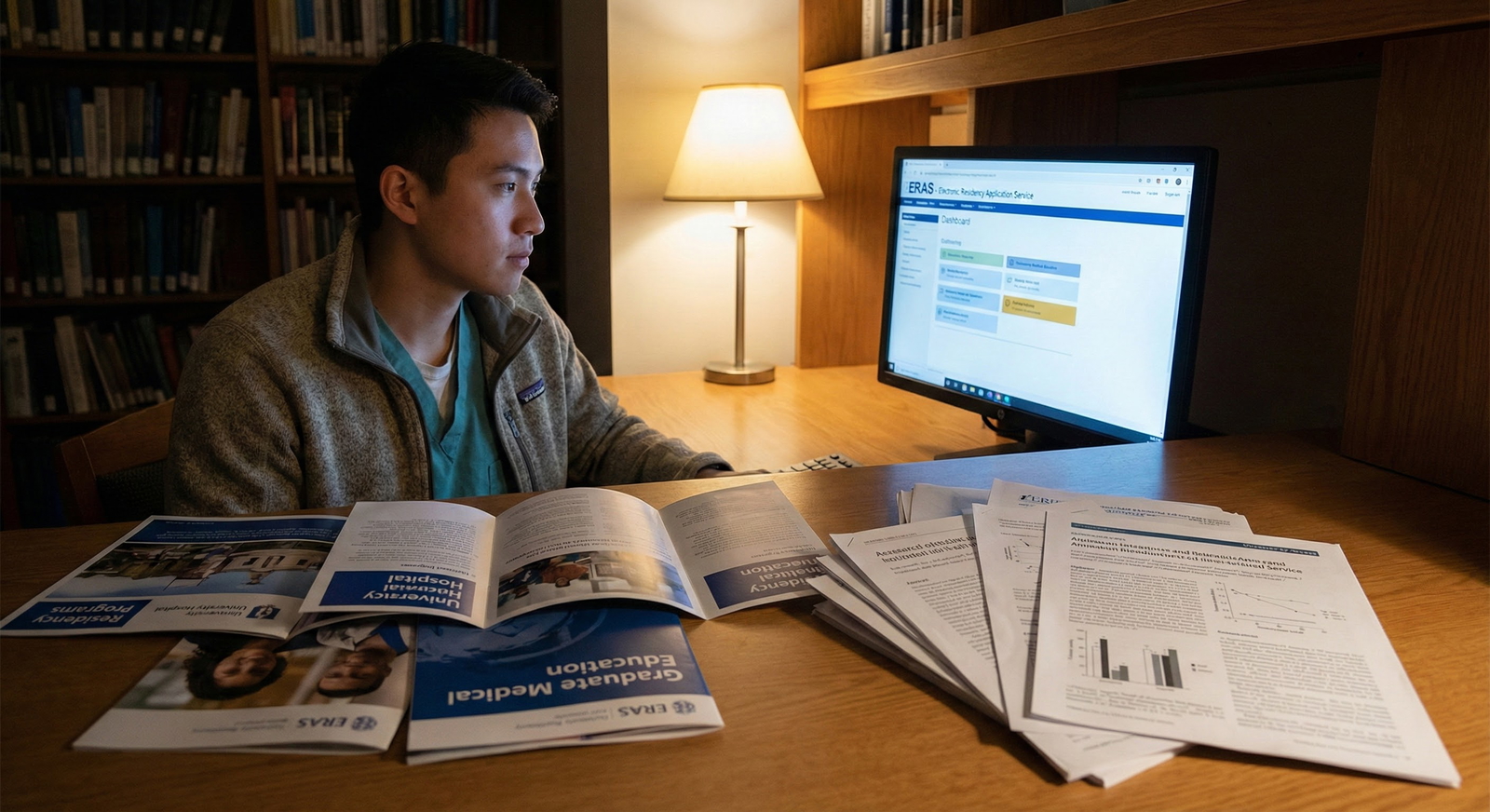
- Optimize your ERAS entries: Clearly denote accepted, in-press, and submitted papers; avoid listing low-credibility manuscripts as “in review” at questionable journals.
- Leverage quality over quantity: Highlight 2–3 meaningful projects in your personal statement and interviews.
- Consider applying broadly and strategically: Include a range of programs, consider academic and community programs, and seek advice from neurosurgeons who know IMG match patterns.
- Have a thoughtful backup plan: Some applicants pursue 1–2 years of postdoc research or match into another specialty with strong overlap (like neurology or general surgery prelim) while continuing neurosurgery research.
Frequently Asked Questions (FAQ)
1. As a US citizen IMG, how many publications do I really need for neurosurgery residency?
There is no universal cut-off, but for a US citizen IMG neurosurgery residency applicant:
- Minimum competitive range: ~3–5 PubMed-indexed papers
- Stronger positioning: ~6–10+ publications, with at least several neurosurgery-related and a couple as first author
Remember that context matters. A candidate with 4 high-quality neurosurgery outcomes papers and strong letters can be more attractive than someone with 12 marginal, non-relevant publications.
2. Do all my publications have to be in neurosurgery or brain surgery topics?
No. Early in your training, it’s acceptable and common to have publications in other fields. However, by the time you apply:
- At least a portion of your work—ideally your most recent and most significant projects—should be clearly neurosurgery or neuro-related.
- Use your personal statement and interviews to connect your earlier non-neuro work to skills that help you in neurosurgery (data analysis, writing, understanding clinical trials).
3. Can I build a strong research profile entirely remotely as an American studying abroad?
Yes, it is possible but requires more initiative:
- Focus on systematic reviews, meta-analyses, and database projects with US-based mentors
- Offer to handle labor-intensive tasks (screening, extraction, data cleaning, drafting)
- Communicate proactively and meet deadlines
- Attend virtual conferences and present posters or oral talks when feasible
Being a US citizen IMG is an asset: programs know you are free of visa barriers, so if you show robust remote productivity, it can be very persuasive.
4. How do programs view pre-med or undergraduate research in my neurosurgery application?
Pre-med research can show a longstanding interest in science, but:
- It carries less weight than medical school–era research, especially if it’s in a very different field (e.g., basic chemistry).
- Mention it briefly on your CV, but focus conversations on your medical and neurosurgical research.
- If your pre-med work was neurosci- or neurobiology-related and led to first-author papers, it can still positively influence your academic image—but it cannot substitute for medical school–level clinical or outcomes research.
A thoughtful, persistent approach to research profile building can substantially change your trajectory as a US citizen IMG aiming for neurosurgery. Start sooner than feels comfortable, seek out mentors aggressively yet respectfully, prioritize completion over sheer volume, and shape your research story around genuine curiosity about the brain and spine. With time, consistency, and strategic planning, you can convert your research into a convincing case for a place in a brain surgery residency program in the United States.