Understanding the Research Landscape for Medicine-Psychiatry
As a US citizen IMG (American studying abroad), you occupy a unique position in the residency match. You are an American, but your MD/MBBS comes from outside the US system, which means programs often have limited direct context for your training. A strong, well-presented research profile can bridge that gap—especially in a competitive niche like medicine psychiatry combined (Med-Psych).
Medicine-Psychiatry programs value applicants who:
- Think across biological, psychological, and social dimensions
- Are comfortable with complexity and comorbidities
- Are curious, reflective, and evidence-minded
- Understand both internal medicine and psychiatry literature
Research is one of the clearest ways to demonstrate all of this.
Before planning, it helps to clarify three things:
Where you’re starting from
- No research at all
- Some school projects/QI but nothing published
- A few abstracts/posters
- One or more publications (even if not Med-Psych)
Your timeline
- 1–2 years before applying: ideal for building a robust research portfolio
- 6–12 months: still possible to strengthen meaningfully
- <6 months: focus on targeted, feasible outputs and how you present your existing experience
Your main goal
- Become a clinician-researcher in Med-Psych
- Strengthen competitiveness for the match
- Demonstrate academic potential after a break, low GPA, or lower Step scores
For an American studying abroad who wants Med-Psych, your research plan should:
- Show genuine interest in interface problems (e.g., diabetes + depression, delirium, psychopharmacology in medically complex patients)
- Provide tangible scholarly output (abstracts, posters, manuscripts)
- Highlight transferrable skills: critical appraisal, data handling, communication, and collaboration with US-based mentors
The rest of this article lays out a practical, step-by-step framework tailored to the US citizen IMG targeting medicine psychiatry combined programs.
What “Counts” as Research for Medicine-Psych Applicants?
Types of Research Valued by Med-Psych Programs
For residency programs, research is less about the exact design and more about clear, credible evidence that you can think scientifically and complete projects. In approximate order of effort and prestige:
Peer-reviewed original research articles
- Prospective or retrospective cohort studies
- Clinical database studies (e.g., EHR, registries)
- Trials (less common for students)
- Mixed-methods work (especially relevant in psychiatry)
Systematic reviews and meta-analyses
- High impact if well done and in a relevant topic
- Time-intensive but feasible if you can work remotely
- Great for IMGs who lack direct patient access but have time and discipline
Narrative reviews, mini-reviews, or state-of-the-art articles
- Especially strong if they highlight medicine–psychiatry interfaces
- More accessible as a first major writing project with a mentor
Case reports and case series
- Clinically meaningful, easier to complete
- Ideal if you see unusual presentations at your international medical school or during observerships
- Particularly strong if they show complex interaction of medical and psychiatric illness (e.g., autoimmune encephalitis presenting with psychosis)
Quality improvement (QI) and educational projects
- Improving screening for depression in a diabetes clinic
- Reducing delirium rates on a medical ward
- Creating integrated Med-Psych teaching modules
- These can lead to posters, abstracts, or even publications
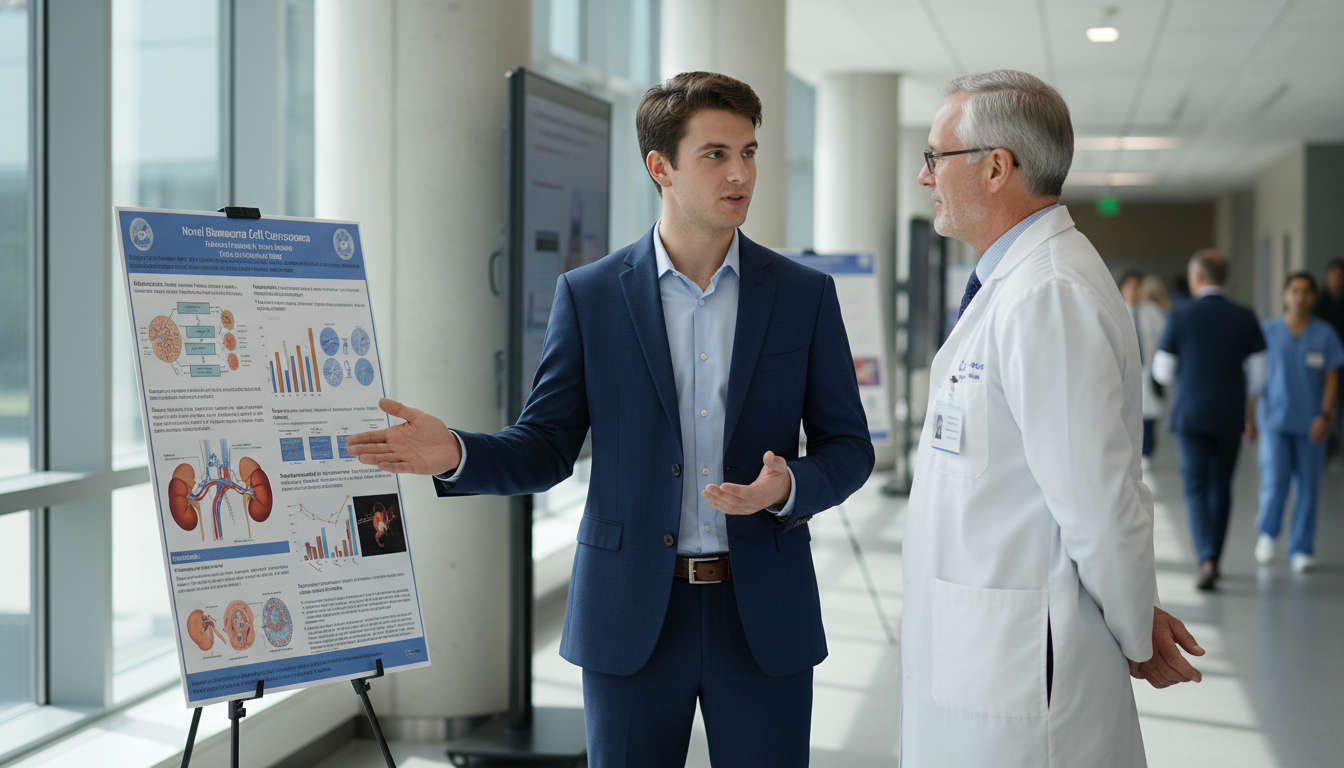
Posters and oral presentations at conferences
- Local, regional, national, or international
- Psychiatry + internal medicine + primary care + Med-Psych societies are all relevant
- Showcases initiative, communication skills, and networking
Book chapters or textbook contributions
- Less common, but if offered, they attest to scholarly engagement
- Particularly helpful if focused on areas like consultation-liaison psychiatry, psychosomatic medicine, or integrated care models
How Programs Evaluate “Research Strength”
Programs don’t just count lines on a CV—they consider:
- Relevance to internal medicine, psychiatry, or ideally both
- Rigor and credibility (peer-reviewed vs. informal school journal)
- Your role in the project (first author vs. middle author vs. data assistant)
- Trajectory (e.g., going from nothing to multiple projects in 1–2 years shows growth)
- Mentors’ names and institutions (US-based mentors and academic hospitals can help signal quality)
For a medicine psychiatry combined residency applicant, a research profile that includes:
- 1–2 Med-Psych–relevant publications or accepted abstracts, plus
- Several related experiences (QI, posters, scholarly projects)
often stands out more than a very high volume of unrelated basic science work.

How Many Publications Are “Needed” for a Strong Med-Psych Application?
Many applicants ask directly: “How many publications needed to match?” There is no fixed number, and NRMP data rarely isolates Medicine-Psych specifically. However, we can translate general trends to your situation as a US citizen IMG.
Interpreting “How Many Publications Needed” as a US Citizen IMG
For competitive fields, US MD seniors often match successfully with:
- 1–3 meaningful scholarly items (posters, abstracts, publications)
As a US citizen IMG, programs may want stronger objective signals to offset unfamiliarity with your school and grading system. Research can help serve as that signal.
Reasonable target ranges for a strong Med-Psych profile (not hard cutoffs):
Minimum competitive baseline:
- 1–2 scholarly outputs (e.g., poster + case report)
- Demonstrated understanding of research in your personal statement and interviews
Solidly strong academic profile:
- 3–7 outputs total
- At least 1–2 peer-reviewed publications (any authorship)
- Some content clearly relevant to Med-Psych (e.g., depression in CHF, delirium, substance use in chronic disease, psychopharmacology in medically ill)
Research-leaning/academic career track:
- 5–10+ outputs
- At least 2–3 Med-Psych–relevant or psychiatry/internal medicine–relevant publications
- Clear future plan for scholarly work, ideally with US mentors
Remember: quality + relevance + your role > raw count. A single first-author paper on depression screening in a chronic kidney disease cohort can be more impactful than 10 barely-related lab papers where you did data entry.
Balancing Realism and Ambition in Your Timeline
12–24 months before ERAS submission
- Aim: 1–2 publications + 2–4 abstracts/posters
- Strategy: Mix of review papers, retrospective studies, and case reports with a clear Med-Psych angle
6–12 months before ERAS
- Aim: At least 1 accepted or in-press paper + ongoing projects
- Strategy: Focus on projects with shorter timelines (case reports, narrative reviews, secondary analyses)
<6 months before ERAS
- Aim: Submit abstracts, complete one or two short projects; showcase critical appraisal and understanding of research, even if publications aren’t out yet
- Strategy: Look for ongoing projects where you can meaningfully contribute to push something across the finish line
Being honest in interviews about what stage each project is at matters: “submitted,” “under review,” “in preparation,” and “accepted” are not interchangeable in a program director’s eyes.
Choosing, Finding, and Designing Med-Psych–Relevant Research Projects
Strategic Topic Selection for Med-Psych
As an American studying abroad, your school might not have a formal Med-Psych department, but you can still build a Med-Psych–aligned research theme. Aim for topics at the interface of medical illness and mental health, such as:
Comorbid medical and psychiatric conditions
- Depression in diabetes, heart failure, COPD, HIV
- Anxiety in patients with chronic pain or IBS
- Substance use disorders in liver disease or trauma populations
Consultation-liaison psychiatry / psychosomatic medicine
- Delirium in ICU or surgical wards
- Management of psychotropic medications in medically complex inpatients
- Catatonia in medical settings, autoimmune encephalitis, steroid-induced psychosis
Integrated care models
- Collaborative care for depression in primary care
- Behavioral interventions for adherence in hypertension
- Telepsychiatry consults for rural medical clinics
Neuropsychiatric and functional disorders
- Epilepsy vs. psychogenic non-epileptic seizures
- Cognitive impairment in cardiac or oncology populations
Public health and systems research
- Access to mental health care for patients with chronic medical conditions
- Impact of psychiatric comorbidity on hospital readmissions
When your CV, personal statement, and interview answers all consistently point to an interest in these interface problems, programs see you as a natural fit for medicine psychiatry combined training.
Finding Research Opportunities as a US Citizen IMG
Being outside the US complicates the usual path of walking into a faculty office, but it also pushes you to develop remote collaboration skills—valuable in modern academic medicine.
1. Leverage Your Home Institution
Ask internal medicine and psychiatry faculty:
- “Do you have any ongoing projects I can help with?”
- “Are there data sets that need analysis or write-up?”
- “Would you be open to supervising a case report, QI project, or review with me?”
Look for:
- Psychiatry rotations in general hospitals
- Internal medicine services that see many patients with depression/anxiety/substance use
- Faculty with prior publications, even if not Med-Psych, who might be supportive mentors
Even if your faculty aren’t Med-Psych specialists, you can frame the work in a Med-Psych context through your writing and how you present it.
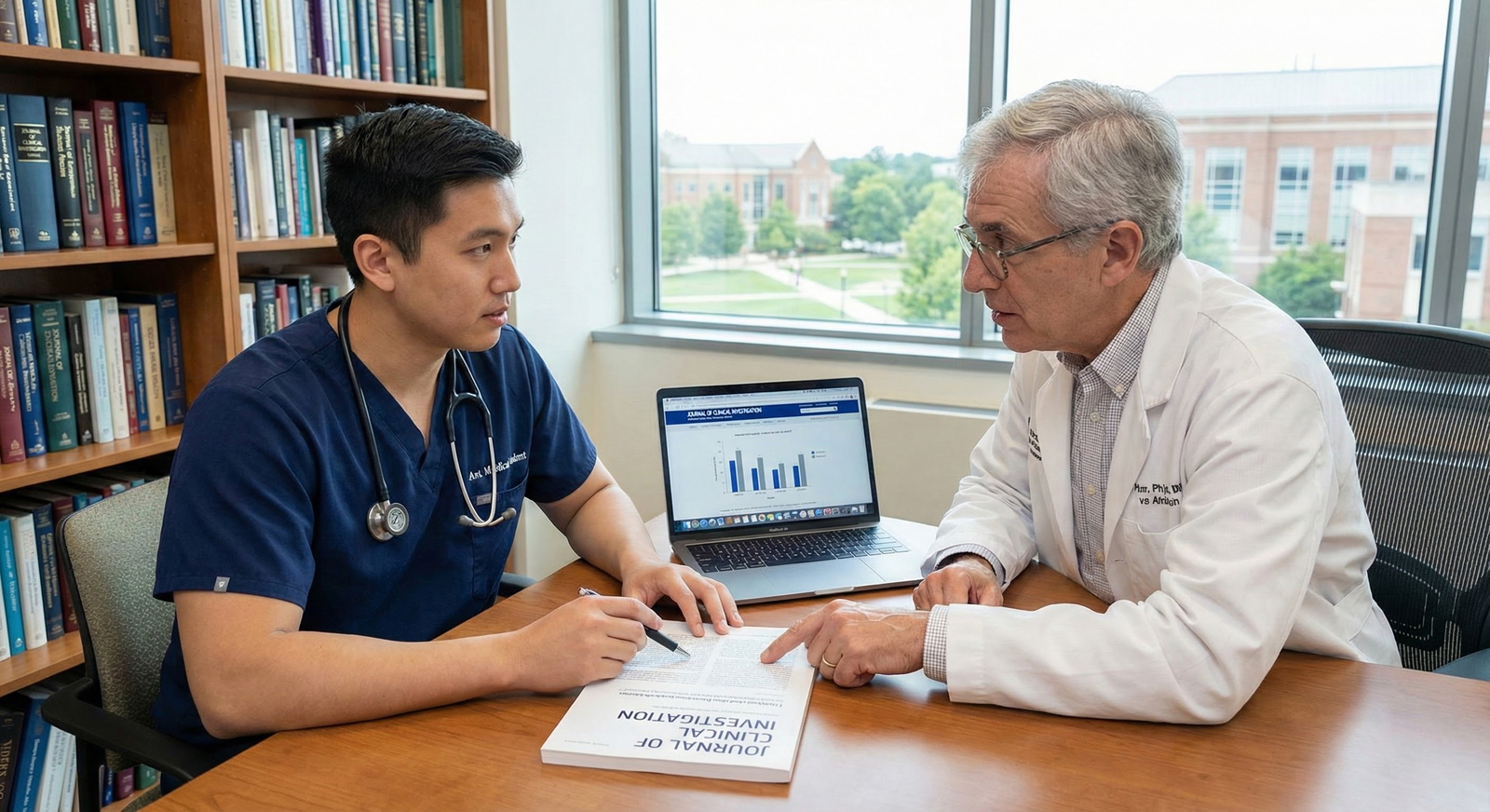
2. Connect with US-Based Mentors
As a US citizen IMG, building ties to US academic centers is particularly valuable.
Approach options:
- During US clinical electives or observerships:
- Ask residents or attendings with academic interests about joining or starting small projects
- Cold emailing faculty:
- Prioritize those with Med-Psych, consultation-liaison, or integrated care work
- Reference a specific paper they wrote and propose how you could help (e.g., “I’m very interested in your work on depression in CHF patients. I have time and training in basic statistics and literature review; are there ongoing projects where I could assist remotely?”)
- During US clinical electives or observerships:
Where to look for mentors:
- Med-Psych combined program faculty rosters
- Consultation-liaison psychiatry services
- Departments of psychosomatic medicine, behavioral medicine, and primary care
- Authors of Med-Psych–relevant papers you’ve read
Being a US citizen IMG can be a small advantage in convincing a mentor you’re serious about returning to the US system long-term.
3. Join Remote, Data or Writing-Based Projects
Since direct patient enrollment might be limited, seek:
- Chart review projects on hospital EHRs (if your institution allows)
- Secondary analyses of existing databases (your mentor provides data; you help clean, analyze, interpret)
- Systematic or narrative reviews, scoping reviews, meta-analyses
- Educational projects (creating Med-Psych teaching modules, then writing them up)
Offer concrete skills in your outreach: literature search proficiency, basic statistics (SPSS/R/Stata/Excel), data cleaning, reference management (EndNote/Zotero), or manuscript drafting.
Converting Routine Clinical Work into Research
As an IMG, you may encounter rich, understudied patient populations. Use this to your advantage:
Keep a log of interesting or complex cases where medical and psychiatric issues intertwine:
- E.g., “Complex case of steroid-induced psychosis in lupus,” “Brittle diabetes complicated by severe depression and nonadherence”
For each candidate case, ask:
- Is this rare or unusually complex?
- Does it represent a broader pattern worth exploring?
- Could it highlight a diagnostic or management dilemma at the Med-Psych interface?
Turn these into:
- Case reports
- Small case series
- Local QI projects (e.g., improved delirium screening tools on your ward)
These are often feasible even without large research infrastructure.
Building, Organizing, and Presenting Your Research Profile
Stepwise Plan to Build a Cohesive Research Portfolio
Step 1: Define a Coherent Narrative (1–2 themes)
Pick 1–2 broad themes that you can realistically align your work around, such as:
- “Impact of depression and anxiety on chronic medical illness outcomes”
- “Delirium, catatonia, and neuropsychiatric syndromes in medical inpatients”
- “Integrated care and behavioral interventions in primary care and chronic disease”
Then, whenever possible, choose projects that fit one of these themes. Your CV will look more intentional and focused, which is appealing in a specialized combined program.
Step 2: Start with Achievable Wins
For many US citizen IMG applicants with little research background, an effective entry path is:
- Case report with a Med-Psych focus
- Narrative review related to that case topic
- Small retrospective chart review or simple QI project
Example progression:
- You encounter a patient with hyperthyroidism presenting with psychosis.
- Write a case report about it.
- Then write a review on “Endocrine disorders presenting with psychiatric symptoms.”
- Then design a QI project to improve screening for thyroid dysfunction in new-onset psychiatric presentations at your hospital.
Each step deepens your expertise and creates multiple outputs from a single clinical observation.
Step 3: Layer in More Rigorous Projects as You Gain Skills
As you become more comfortable:
- Join a larger database project under a mentor
- Contribute to a systematic review or meta-analysis
- Take on a first-author role in at least one substantial project
This progression signals growth and increasing responsibility, which programs notice.
Organizing Your Portfolio for ERAS
ERAS breaks down scholarly work by presentations, publications, and other scholarly activities. To present your research effectively:
Use accurate status labels
- “Published,” “In press,” “Accepted,” “Submitted,” “In preparation”
- Avoid misrepresenting something submitted as accepted or in press.
Highlight Med-Psych relevance in titles and descriptions
- If a project is borderline, use your description to connect it:
- “Explored the impact of chronic obstructive pulmonary disease on anxiety and quality of life, with implications for integrated care models.”
- If a project is borderline, use your description to connect it:
Group your activities by theme in your CV (for your own use and interviews)
- The ERAS format is static, but in your personal notes and talking points, cluster work by topic so you can tell a clear story in interviews.
Include research on your personal statement—but selectively
- One or two impactful projects, with emphasis on what you learned about Med-Psych and how it shapes your future goals
- Avoid turning your statement into a mini-CV; focus on insight, not enumeration.
Strengthening the “Research for Residency” Storyline
Residency programs are less interested in you as a statistician and more in you as a thoughtful, curious clinician. In interviews, be prepared to clearly answer:
Why this project?
- What question were you trying to answer?
- How did it relate to medicine and psychiatry?
What did you personally do?
- “I handled data extraction and cleaning,”
- “I wrote the introduction and discussion,”
- “I designed the survey and performed basic statistical analysis.”
What did you learn?
- About patient care, about the Med-Psych interface, about limitations of data
How will this influence your approach as a future Med-Psych resident?
- For example: “Working on delirium outcomes taught me how under-recognized it is on medical wards. As a Med-Psych resident, I want to improve early detection and management of delirium in hospitalized patients.”
A convincing narrative here can make even modest research experiences highly impactful.
Skill-Building, Pitfalls to Avoid, and Practical Tips
Core Skills That Strengthen Your Research for Residency
Even if you never become a full-time researcher, these skills will boost your application and your future career:
- Critical appraisal: the ability to read and critique Med-Psych literature
- Basic biostatistics: understanding p-values, confidence intervals, regression, survival analysis in a broad sense
- Study design: cohort vs. case-control, prospective vs. retrospective, RCT basics
- Research ethics: informed consent, confidentiality, IRB/ethical committee processes
- Scientific writing: clarity, structure, and proper referencing
- Teamwork and communication: regular updates to mentors, meeting deadlines
Use free and low-cost resources:
- Coursera, edX, and university open courses on epidemiology and biostatistics
- Online seminars by APA, ACP, and psychosomatic/consultation-liaison psychiatry societies
- Local or online journal clubs, where you practice critiquing Med-Psych articles
Common Pitfalls for US Citizen IMGs and How to Avoid Them
Overcommitting to too many projects
- Better: 3–5 projects that you can move to completion, rather than 10 that stall.
Pursuing only unrelated or basic science work
- OK to have some if it’s what’s available, but intentionally add at least a few projects directly relevant to internal medicine and/or psychiatry.
Underestimating timelines
- Manuscripts can take months to years from draft to acceptance. Plan for this and aim to submit early in your preparation timeline.
Sloppy authorship and credit issues
- Clarify roles early; document contributions; maintain professionalism even if disagreements arise.
Poor communication with mentors
- Regular brief updates (every 2–4 weeks) by email with clear bullet points and next steps help maintain mentor engagement and keep projects moving.
Example: Building a 2-Year Med-Psych Research Trajectory as a US Citizen IMG
Year 1 (pre-final year)
- Join a retrospective chart review on depression and CHF outcomes with a US mentor – middle author
- Write a case report on delirium in a patient with multiple comorbidities – first author
- Present a poster on the case report at a local or regional conference
Year 2 (final year + early post-graduation)
- Lead a narrative review on “Depression in chronic cardiac disease: implications for integrated care” – first author
- Help with data analysis on a QI project improving delirium screening – second or third author; poster at a national meeting
- Begin a small observational project at your home institution on substance use in hospitalized medical patients
By ERAS submission, your publications for match might look like:
- 1–2 peer-reviewed papers (one first-author review, one co-authored retrospective study)
- 1–2 case reports (possibly under review or accepted)
- 2–3 posters (one local, one regional/national)
This is a realistic yet strong profile for a US citizen IMG applying to medicine psychiatry combined programs, especially when aligned with strong US clinical experiences and thoughtful personal statements.
FAQs: Research Profile Building for US Citizen IMG in Medicine-Psychiatry
1. I’m an American studying abroad with no prior research. Is it too late to start if I’m 1 year from applying?
No. In 12 months you may not produce multiple high-impact papers, but you can still:
- Complete at least one case report and/or small review
- Join an ongoing project as a contributing author
- Present a poster at a conference
If you combine these with good US clinical experience and strong letters, you can still substantially improve your profile.
2. Do my research projects need to be strictly in medicine psychiatry combined topics?
Not strictly, but the closer the better. Strong options include:
- Pure internal medicine topics (e.g., heart failure, diabetes outcomes)
- Pure psychiatry topics (e.g., depression, psychosis, substance use)
- Ideal: projects where medical and psychiatric domains intersect
You can also frame general internal medicine or psychiatry work with Med-Psych implications in your essays and interviews.
3. How important are “publications for match” compared with Step scores and clinical experience?
Programs still prioritize:
- USMLE/COMLEX scores (or pass status where applicable)
- Clinical performance and letters of recommendation
- Fit for the specialty and program
Research is a major bonus factor, especially for applicants like US citizen IMGs, where it can:
- Offset limited name recognition of your school
- Demonstrate academic curiosity and discipline
- Provide topics for strong letters and interviews
It won’t rescue a severely weak overall profile, but it can elevate a good applicant to a standout one.
4. I’ve done research, but nothing is published yet. How should I list it?
ERAS allows you to indicate status accurately:
- “Submitted” for manuscripts sent to a journal
- “In preparation” for drafts not yet submitted
- “Accepted” or “In press” only when you have confirmation from the journal
Clarify your role and be ready to discuss your contributions and what you learned. Even in-progress projects can help if they’re credible, well-described, and aligned with Med-Psych themes.
By planning intentionally, focusing on Med-Psych–relevant questions, and pursuing realistic, well-mentored projects, a US citizen IMG can build a compelling research profile that significantly strengthens their application to medicine psychiatry combined residency programs.