Why Research Matters So Much for US Citizen IMGs in Neurology
For a US citizen IMG (American studying abroad), research is no longer a “nice-to-have” in neurology—it is a strategic necessity. Neurology is increasingly competitive, and program directors use research output as a signal of:
- Academic curiosity and discipline
- Commitment to neurology specifically
- Comfort with evidence-based medicine and scientific thinking
- Potential to contribute to the department’s scholarly output
For IMGs, research often serves an equalizing function. It helps counterbalance:
- Limited or unknown reputation of your foreign medical school
- Less clinical face-time in US hospitals
- Concerns about readiness for a US academic environment
Many successful US citizen IMG neurology residents matched with:
- Strong US clinical experience plus
- A focused neurology research profile (even if the total number of publications was modest)
Your goal is not just “getting publications.” Your goal is to tell a coherent story that says:
“I am a US citizen IMG who has deliberately invested in neurology, understands research methods, and is ready to contribute on day one.”
We’ll break down how to build that profile—from zero experience to a compelling neuro match application.
Understanding Expectations: How Much Research Do Neurology Programs Want?
What neurology PDs actually look for
Program directors care more about quality, relevance, and continuity than about an arbitrary number of papers. But numbers still play a role—especially for an IMG.
They will look at:
Neurology-specific involvement
- Neurology, neurosurgery, neuroradiology, psychiatry, sleep medicine, neuroimmunology, stroke, epilepsy, movement disorders, neurocritical care, etc.
Evidence of progression
- Started with small tasks → abstracts/posters → manuscripts
- Increasing ownership (first-author work, presentations, QI leadership)
Fit with academic culture
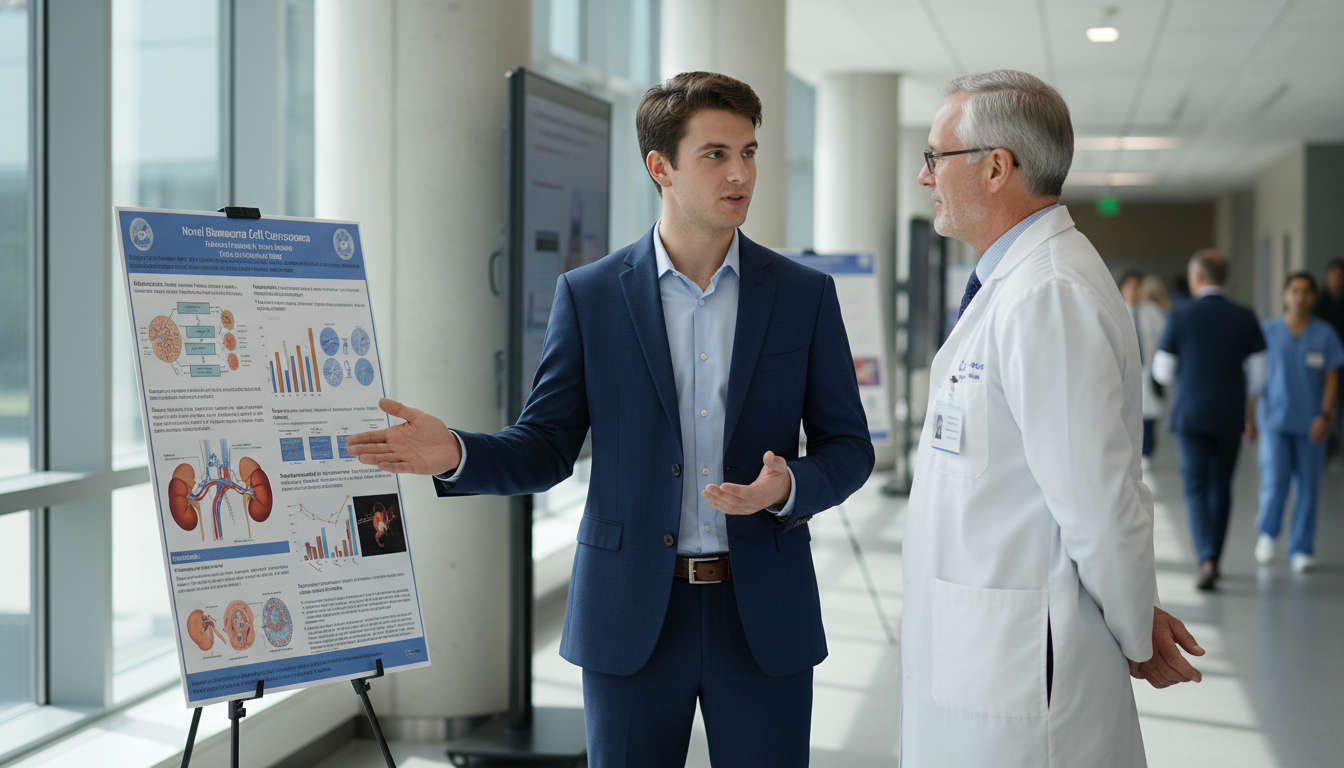
- Attending lab meetings, journal clubs, presenting at conferences
- Familiarity with study design, statistics, and IRB/ethics process
Mentor quality and US connections
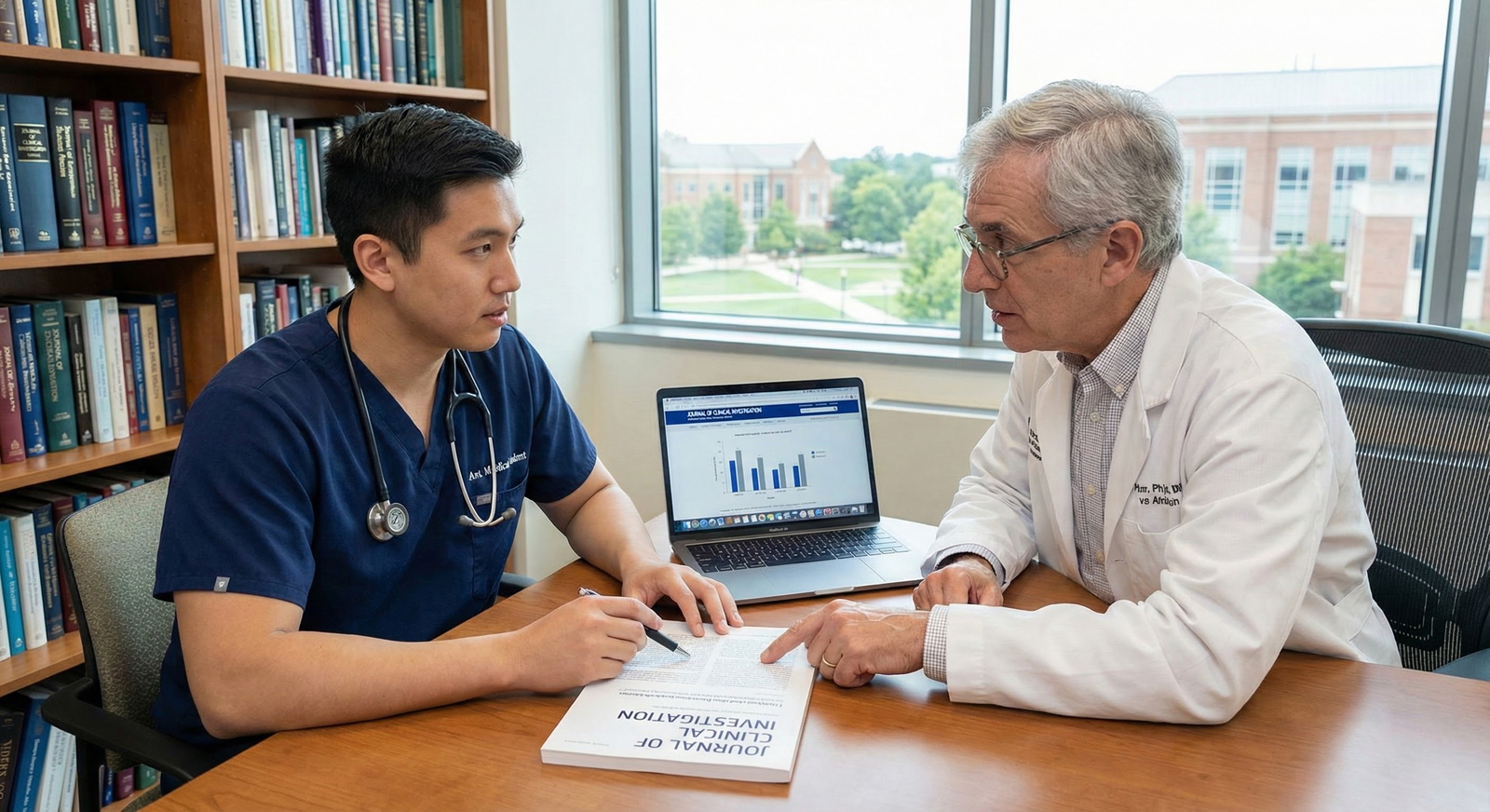
- Working with US-based neurology faculty can open doors to strong letters and phone calls on your behalf.
So… how many publications are actually needed?
This is one of the most common questions: “How many publications needed to be competitive?”
There is no fixed cutoff, but for a US citizen IMG in neurology, these ballpark ranges are helpful:
Minimal but acceptable
- 1–2 neurology-related posters/abstracts + 0–1 publications
- Works best if paired with very strong US clinical experience and top-tier Step scores.
Solid, competitive profile (very realistic goal)
- 2–4 neurology-related posters/abstracts
- 1–3 peer-reviewed publications (they can be case reports, letters, or original research)
- Some role in data collection, chart review, or basic statistics
Academic-neurology strong (helpful for top university programs)
- 4+ neurology-focused abstracts/posters
- 3+ peer-reviewed publications, with at least 1 first-author
- Clear ongoing involvement (e.g., prospective project, QI initiative, national meeting presentation)
The key point: For a US citizen IMG, having targeted neurology research for residency—even modest in quantity—can significantly strengthen your neuro match chances, especially if it ties to your clinical experiences and personal narrative.

Step 1: Clarify Your Starting Point and Timeline
Before jumping into projects, define where you’re starting and how much time you have until applying.
Common US citizen IMG scenarios
1. Early in medical school (M1–M3 abroad)
- Best time to build foundational skills and long-term relationships
- Can afford to start with unpaid volunteer research or remote work
- Aim to get at least one neurology project started by mid-clinicals
2. Late in medical school (final year) or just graduated
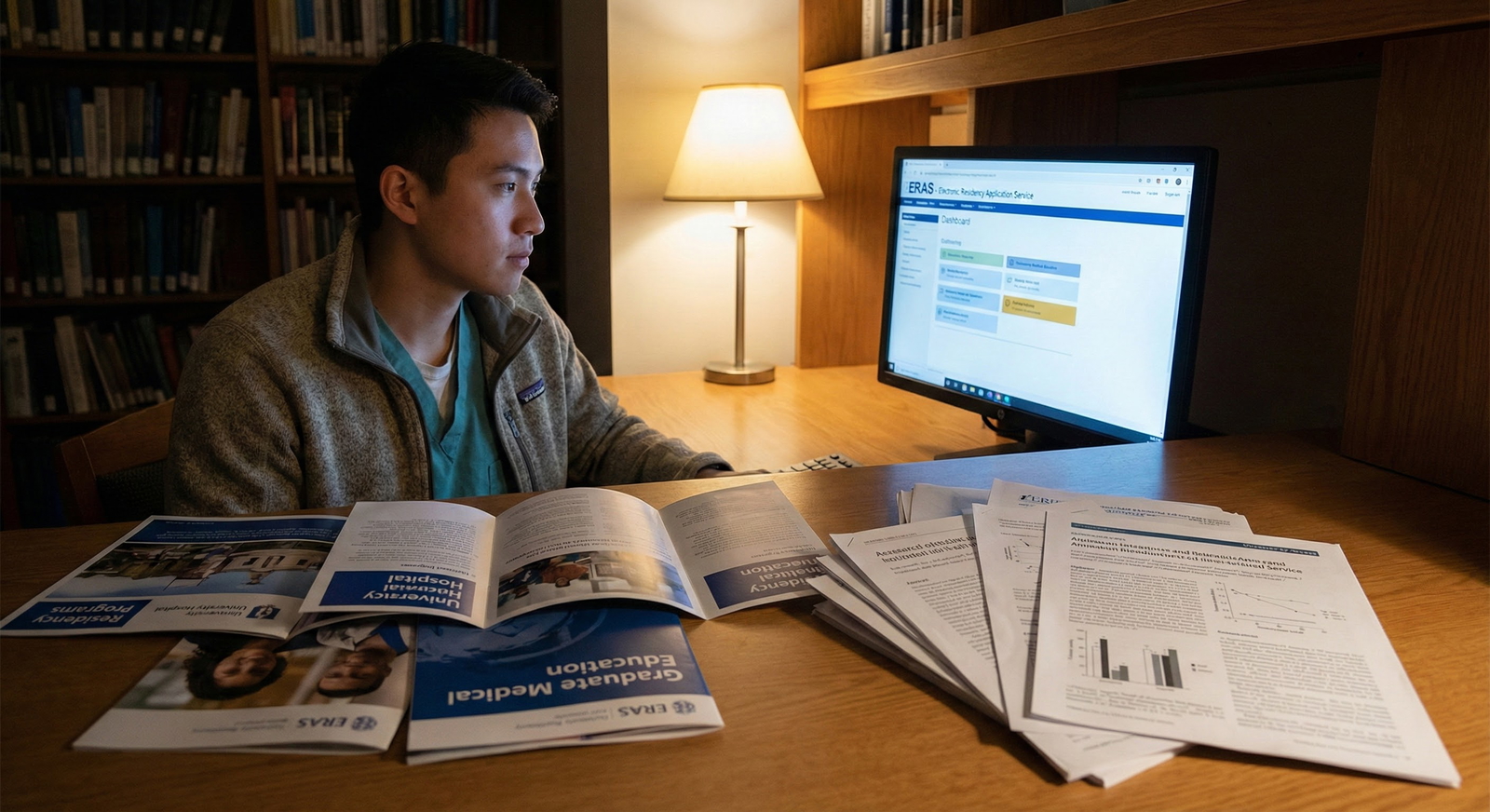
- You’re closer to ERAS deadlines; need faster-turnaround projects
- Case reports, chart reviews, and retrospective studies are ideal
- Consider a research year (in the US if possible) if your profile is weak
3. Postgraduate (gap year / research year)
- You have time to build a serious neurology profile
- Goal: accumulate several abstracts/posters and at least 1–2 publications
- Critical to work within a US academic neurology department if at all possible
Building a realistic research timeline
Working backward from your intended neuro match year, outline:
18–24 months before ERAS
- Start/solidify mentorship relationships
- Join at least one defined neurology project
- Learn basic stats, data management tools, and reference software
12–18 months before ERAS
- Aim to submit:
- At least 1 abstract to a regional/national neurology conference (e.g., AAN, AES, SNS depending on subspecialty focus)
- At least 1 manuscript (case report/letter or retrospective project)
- Aim to submit:
6–12 months before ERAS
- Finish and submit ongoing manuscripts
- Present posters where possible
- Ask for letters that highlight your research involvement and work ethic
Your priority as an American studying abroad is to show visible progress across time—programs like seeing that you didn’t suddenly “panic publish” a week before ERAS.
Step 2: Finding Neurology Research Opportunities as a US Citizen IMG
Start with your US identity advantage
Being a US citizen IMG actually helps in one critical way:
You are typically much easier to onboard at US institutions than non-citizen IMGs.
Many neurology departments, labs, and PIs worry about:
- Visa sponsorship
- Long onboarding times
- Funding constraints
By clearly stating in your outreach that you are a US citizen IMG and able to work or volunteer in the US without visa sponsorship, you lower the barrier for them to say “yes.”
Where to look for projects
1. Home-country or foreign medical school neurology departments
Neurology faculty at your school may have:
- Ongoing chart reviews or clinical audits
- Case reports waiting for someone motivated
- Teaching-related projects, like curriculum innovations or OSCE design
Pros:
- Easier to access; you are physically there
- Good starting point to build skills and get early publications
Cons:
- May carry less name recognition in the US
- Fewer chances to get US-based letters
2. US-based neurology departments (gold standard for many US citizen IMGs)
Strategies to break in:
Use your US network
- Friends or family in healthcare
- Alumni from your high school or undergrad now in medicine
- LinkedIn searches: “Neurology resident” + your city or undergrad institution
Direct outreach to PIs:
- Look up faculty pages on academic neurology department websites
- Identify those doing clinical work that interests you (stroke, epilepsy, MS, etc.)
- Email them a short, focused message (2–3 paragraphs)
Example outreach email (adaptable):
Subject: US Citizen IMG Interested in Neurology Research Opportunities
Dear Dr. [Last Name],
My name is [Your Name], and I am a US citizen medical student currently studying at [School, Country], planning to apply for neurology residency in [Year]. I am particularly interested in [stroke/epilepsy/MS/etc.], and I am very eager to gain structured research experience in this area.
I will be in [City] from [Dates], and I am able to volunteer remotely as well. I have experience with [briefly list skills: literature reviews, basic statistics in Excel/SPSS/R, data entry, etc.], and I am highly motivated to contribute to ongoing projects, including chart reviews, database work, or manuscript preparation.
If you have any current projects where an extra pair of hands might be helpful, I would be very grateful for the opportunity to assist. I can share my CV and transcript at your convenience.
Thank you very much for your time and consideration.
Sincerely,
[Your Name]
[US phone / WhatsApp]
[Email]
Send a high volume of personalized emails (20–40 is not unusual) and follow up politely after 10–14 days.
3. Remote or online neurology research collaborations
Some academic groups are comfortable with remote:
- Systematic or scoping reviews
- Meta-analyses
- Survey-based projects
- Chart review where remote EMR access is allowed
Look for:
- Neurology residents or fellows on Twitter/X and LinkedIn posting about ongoing projects
- Student neurology interest groups with collaborative projects
- International neurology societies offering student/research networks
4. National and specialty societies
- American Academy of Neurology (AAN)
- American Epilepsy Society (AES)
- Movement Disorder Society (MDS)
- Society for Neuro-Oncology (SNO), etc.
Many of these offer:
- Student or trainee memberships
- Access to mentorship programs or research committees
- Abstract and poster opportunities for annual meetings
Even one accepted abstract at a major neurology meeting can be a significant line on your CV and a talking point in interviews.

Step 3: Choosing the Right Types of Projects (Strategic, Not Random)
For the neuro match, relevance matters. As a US citizen IMG, you should prioritize projects that both:
- Are feasible in your timeframe, and
- Clearly connect to neurology or neurological care
High-yield project types for IMGs
1. Case reports and case series (fastest path to publications for match)
- Ideal when you are on clinical rotations and see interesting cases
- Neurology is full of rare syndromes, atypical presentations, and imaging findings
Steps:
- Discuss with the attending early; make sure they’re interested in writing it
- Collect key data (timeline, exam findings, imaging, labs) systematically
- Do a focused literature review (PubMed, Google Scholar)
- Target neurology journals that accept case reports (e.g., BMJ Case Reports, Neurology: Clinical Practice, etc.)
Benefits:
- Relatively quick path from idea → manuscript → submission
- Helps you learn the literature and structure of academic writing
- A published case report still counts in your total publications for residency
2. Retrospective chart reviews
Excellent if you’re in a hospital with EMR access and a supportive PI.
Examples in neurology:
- Outcomes of stroke patients receiving tPA in your hospital
- Seizure recurrence in patients started on particular antiseizure medications
- Characteristics of patients with MS treated with a specific disease-modifying therapy
These projects teach:
- Inclusion/exclusion criteria
- Data abstraction and database creation
- Finding patterns and interpreting data with your mentor
3. Systematic reviews and meta-analyses
Best if:
- You’re comfortable with reading a large volume of literature
- You have mentorship from someone familiar with methodology
- You possess patience and good organizational skills
These can be done remotely and are especially good for Americans studying abroad who want to collaborate with US teams without being physically present.
4. Quality improvement (QI) in neurology
Examples:
- Reducing door-to-needle time for stroke codes
- Improving documentation of NIH Stroke Scale scores
- Enhancing post-discharge follow-up for epilepsy patients
QI projects can:
- Turn into abstracts/posters
- Lead to institutional recognition
- Align very well with the ACGME’s emphasis on systems-based practice and practice-based learning
Balancing ambition and feasibility
A common mistake is committing to a complex prospective cohort study or lab project that:
- Requires IRB approval, multiple sites, or funding
- Has a long data collection timeline
- Is unlikely to be completed before your neuro match application
For most US citizen IMGs, a mix like this is realistic:
- 1–2 case reports
- 1–2 retrospective chart reviews or survey-based studies
- 1 QI or educational project
- Optional: 1 systematic review/meta-analysis
This mix gives you multiple chances for publications for match and presentations while building diverse research skills.
Step 4: Converting Work into Output That Strengthens Your Application
Neurology programs will not see your “hard work” unless it becomes tangible output:
- PubMed-indexed papers
- Non–PubMed-indexed publications still count on ERAS
- National or regional neurology conference abstracts and posters
- Oral presentations or invited talks
- Successful QI interventions with measurable outcomes
Practical tips to move projects to completion
Clarify expectations early
- Ask: “What is the realistic timeline?”
- Ask: “What role do you see me in—data collection, analysis, drafting?”
- Confirm authorship expectations up front (especially first vs. middle author)
Set micro-deadlines with your mentor
- Example:
- Week 1: Draft introduction and case description
- Week 2: Complete literature review and references
- Week 3: Prepare tables/figures
- Week 4: Full draft for mentor feedback
- Example:
Use tools that make you efficient
- Reference management: Zotero, Mendeley, EndNote
- Basic stats: SPSS, R, Stata, or even Excel for simple analyses
- Collaboration: Google Docs, Overleaf (for LaTeX users), shared drives
Target appropriate journals and conferences
- For early work, don’t chase ultra-high impact factors only
- Consider neurology subspecialty journals or regional neurology journals
- Submit abstracts widely—national, regional, and institutional meetings
Document everything
- Keep a running list of:
- Submitted abstracts (with dates, status)
- In-progress manuscripts (stage: drafting, revising, under review)
- Presented posters (with conference names, locations, dates)
- You will use this to update your ERAS application and discuss projects in interviews.
- Keep a running list of:
How to present your research in ERAS and interviews
In ERAS, categorize experiences as:
- Peer-reviewed articles/abstracts/posters
- Oral presentations
- Other research experiences
For each major project, prepare a 1–2 minute story for interviews:
- What was the clinical/research question?
- How did you contribute specifically?
- What did you learn (about neurology, methodology, or patient care)?
- How did this shape your interest in neurology or a specific subspecialty?
Being able to discuss your work confidently can often matter as much as the raw count of publications.
Step 5: Integrating Research with the Rest of Your Neurology Application
Research should not exist in isolation. For a US citizen IMG, the strongest neuro match applications show alignment between:
- Clinical experiences
- Research interests
- Personal statement
- Letters of recommendation
Building a cohesive narrative
Example of a tight story:
- You volunteered in a stroke unit during school →
- Joined a retrospective stroke outcomes project →
- Presented a poster at AAN on predictors of functional recovery after ischemic stroke →
- Wrote your personal statement on your passion for acute stroke care and longitudinal recovery →
- Obtained a letter from your stroke research mentor highlighting your analytical thinking and commitment.
When a program director reads this, your application feels coherent and credible.
Using research to secure strong letters
Letters from research mentors can be powerful, especially if:
- The mentor is US-based and known in academic neurology
- They can describe you as:
- Hard-working, reliable, and intellectually curious
- Able to work independently and in a team
- Contributing meaningfully beyond just “data entry”
- Ready to function at the level of an intern in terms of responsibility and professionalism
Ask for letters well in advance, and provide:
- Your CV
- Draft of your personal statement
- Bullet points about what you did on each project
This helps them craft a letter that supports your overall story, not just “this student helped with research.”
Avoiding common pitfalls for US citizen IMGs
Padding your CV with superficial involvement
- Listing 15 “in progress” manuscripts that never materialize looks suspicious
- Better to have a smaller number of real, finished outputs
Overemphasis on non-neurology research
- It’s okay to include non-neuro publications (e.g., internal medicine, cardiology), but try to show at least some neurology direction
- In interviews, always tie your research back to neurology-relevant skills: data interpretation, critical thinking, patient-centered outcomes
Neglecting Step scores and clinical strength
- Research does not compensate for poor Step scores or weak clinical performance entirely
- Think of research as one strong pillar, not the entire building
FAQs: Research Profile Building for US Citizen IMGs in Neurology
Q1: As a US citizen IMG, is it essential that all my research be in neurology?
Not strictly essential, but highly recommended that at least a portion is neurology-focused or clearly connected (e.g., neurosurgery, psychiatry with heavy neurobiology, neuroradiology). Having some non-neurology work (e.g., internal medicine or public health) is fine, especially early in your career, but try to show a clear transition and increasing focus on neurology over time.
Q2: Realistically, how many publications needed to feel comfortable applying in neurology as a US citizen IMG?
Many successful US citizen IMG applicants have matched with 1–3 publications plus a few abstracts/posters, especially when these are neurology-focused and accompanied by solid US clinical experience and strong letters. More is beneficial, but you do not need double-digit publications. Your priority is quality, relevance, and the ability to speak intelligently about your work.
Q3: I have limited time before ERAS. What should I prioritize now?
If you’re within 6–12 months of applying, focus on fast-turnaround, neurology-relevant projects, such as:
- Case reports or small case series
- Retrospective chart reviews with existing datasets
- Survey-based studies that are already IRB-approved
- Preparing abstracts for upcoming neurology meetings
Simultaneously, make sure your existing work is converted to submissions (abstracts and manuscripts) rather than starting many new long-term projects you can’t finish in time.
Q4: Does a dedicated research year really help an American studying abroad aiming for neurology?
A well-structured research year—especially in a US academic neurology department—can significantly boost your neuro match chances. It can:
- Yield multiple abstracts/posters and a few publications
- Embed you in a neurology team that can advocate for you
- Provide strong US-based letters of recommendation
However, a research year is most beneficial if:
- You actively seek first-author or substantial roles, and
- You choose mentors with a track record of publishing and supporting trainees.
By thinking strategically about where you are now, how much time you have, and how to align your projects with neurology, you can build a research profile that transforms your status as a US citizen IMG into a distinct advantage in the neurology residency match.