Understanding the Role of Research for US Citizen IMGs in Preliminary Medicine
For a US citizen IMG or American studying abroad, research can be a powerful way to strengthen your residency application—especially when you’re targeting a preliminary medicine year (prelim IM). While categorical internal medicine programs often emphasize long-term scholarly work, prelim medicine programs are more diverse: some are research-heavy at academic centers; others are clinically focused community programs.
Still, a thoughtful research strategy can:
- Compensate partially for weaker exam scores or gaps
- Demonstrate academic curiosity and work ethic
- Provide strong letters of recommendation
- Connect you with influential mentors and networks
- Help you stand out from other US citizen IMGs with similar metrics
However, many applicants struggle with where to start, what counts as “research for residency,” and how many publications are needed to be competitive. This is especially challenging if you’re an American studying abroad with limited access to US-based research infrastructure.
This article breaks down a practical, step-by-step approach to building a targeted research profile tailored to US citizen IMGs pursuing preliminary medicine—with realistic strategies you can start using now.
How Much Research Do You Actually Need for a Prelim Medicine Year?
Research expectations for prelim IM vs categorical IM
Most prelim IM programs are designed as a single clinical year for applicants going into:
- Neurology
- Anesthesiology
- Radiology
- PM&R
- Dermatology
- Ophthalmology
- Radiation oncology
- Other advanced specialties
Because of this, prelim medicine PDs often prioritize:
- Reliability, work ethic, and professionalism
- US clinical experience (USCE)
- Strong letters of recommendation
- Ability to handle high workload and night shifts
Research is still valued, but usually not the primary selection criterion unless:
- The prelim spot is at a research-intensive academic center
- You’re applying to competitive advanced specialties that heavily weight research (e.g., derm, rad onc, ophtho, some neuro programs)
- Your application metrics (e.g., Step scores, grades) are borderline and you need additional strengths
How many publications are needed?
There is no fixed number. Programs rarely have a cut-off like “3 papers or no interview.” Instead, they assess:
- Evidence of scholarly activity
- Your level of contribution
- Relevance to internal medicine or your intended field
- Trajectory: have you progressed from basic tasks to more independent work?
For a US citizen IMG targeting prelim medicine, realistic benchmarks might be:
Minimal but acceptable:
- 1–2 posters or abstracts
- 0–1 publications
- Some involvement in a research project (data collection, chart review, QI project)
Solid and reassuring profile (very realistic with planning):
- 2–4 posters/abstracts
- 1–2 peer-reviewed publications (any author position, but not all case reports)
- Possibly a QI project or small retrospective study
Highly competitive/academic profile (especially if targeting top academic centers or research-heavy advanced specialties):
- 4+ presentations (local, regional, or national)
- 2–4+ publications, including at least one where you had a significant role
- Involvement in more methodologically sound work (e.g., retrospective cohort, meta-analysis, or clinical trial sub-analysis)
The key is not chasing an arbitrary number, but building a coherent story:
“I’m a US citizen IMG who sought out research experiences, contributed meaningfully, and used those experiences to grow clinically and academically.”

Mapping Your Starting Point as a US Citizen IMG
Before diving into research opportunities, assess your current situation honestly. Your strategy should differ depending on what resources you already have.
Key questions to ask yourself
Where are you in your training?
- Pre-clinical years (abroad)
- Clinical clerkships (abroad or US)
- Gap year or research year
- Post-graduation, preparing for the Match
What access do you have to mentors or institutions?
- Does your international school have active research faculty?
- Do you have any US-based connections (alumni, family, past observerships)?
- Have you done US rotations where attendings might be open to projects?
What is your intended long-term specialty?
- Are you planning a prelim medicine year on the way to:
- Neurology?
- Anesthesiology?
- Radiology?
- Dermatology?
- Ophthalmology?
- This matters because your research can either:
- Be broadly internal-medicine oriented, or
- Be more directly related to your future field (e.g., stroke outcomes for neurology-bound applicant)
- Are you planning a prelim medicine year on the way to:
What are your time and location constraints?
- Can you take a dedicated research year in the US?
- Are you limited to remote work from abroad?
- Do you have visa constraints if doing in-person research?
Common starting scenarios and tailored approaches
Scenario 1: American studying abroad, pre-clinical or early clinical years
- Focus on:
- Learning basic research methodology and statistics
- Getting involved in simple, feasible projects at your school (audit, survey, chart review)
- Virtual research with US-based faculty if possible
Scenario 2: US citizen IMG in final years or just graduated, planning a near-future Match
- Focus on:
- Shorter-turnaround projects (case reports, case series, retrospective reviews, QI projects)
- Abstracts and posters that can be completed and submitted within months
- Strategic collaborations with US mentors you’ve met during rotations or observerships
Scenario 3: Taking a formal research year in the US
- Focus on:
- Joining an established research group (IM or your intended specialty)
- Participating in multiple projects simultaneously
- Targeting at least 1–2 solid publications and multiple abstracts/posters
- Building strong relationships to secure powerful letters of recommendation
Your starting point should dictate the type and volume of research you pursue, not the other way around.
Types of Research and Scholarly Activity That Count (and How to Get Them)
Not all “research” is equal in the eyes of program directors—but a diversity of activities can build a strong profile when combined thoughtfully.
1. Clinical research (retrospective or prospective)
Examples:
- Retrospective chart review of patients admitted with sepsis to a medicine service
- Study on predictors of 30-day readmission for heart failure
- Outcomes of stroke patients after specific interventions (for neuro-bound applicants)
Why it’s valuable:
- Directly relevant to internal medicine and inpatient care
- Teaches data handling, hypothesis design, and basic statistics
- Often feasible even for IMGs if they join an existing project
How to access as a US citizen IMG:
- Ask attendings or residents during US clinical rotations, “Are there ongoing IM or neurology/anesthesia/radiology projects that could use student help?”
- Email program coordinators or research offices at hospitals where you rotated, stating you are willing to contribute remotely (data extraction, literature review, REDCap entry)
- Leverage alumni networks from your international school who are now in US residency
2. Case reports and case series
Examples:
- Unusual presentation of infective endocarditis in a young adult
- Rare adverse reaction to a commonly used medication
- Case series of COVID-related cardiac complications
Why they’re good for prelim medicine applicants:
- Shorter timeline from start to submission
- Doable even with limited research infrastructure
- Excellent for learning how to write medically and think systematically
How to generate them:
- During your clinical rotations (US or abroad), proactively ask:
- “Has this patient’s presentation been reported before?”
- “Would you consider writing a case report together?”
- Use simple templates (e.g., CARE guidelines) to structure your report
- Target case-report-friendly journals (even if not high impact—visibility is still valuable)
3. Quality improvement (QI) projects
Examples:
- Increasing VTE prophylaxis adherence on internal medicine wards
- Reducing delays in antibiotics for sepsis patients in the ED
- Improving documentation of medication reconciliation at admission
Relevance to prelim IM:
- Directly tied to inpatient workflow, safety, and systems-based practice
- Very attractive to programs focused on patient safety and quality metrics
- Often easier to implement than randomized studies
How to pursue:
- Ask at any site where you rotate:
“Are there ongoing QI initiatives I can help with, or can we design a small project related to [topic]?” - Use Plan-Do-Study-Act (PDSA) cycles for structured projects
- Present results locally; then create a poster for regional or national meetings
4. Systematic reviews or meta-analyses (especially feasible remotely)
Pros:
- Can be done from anywhere with literature access
- Good way to build familiarity with a topic in your future specialty
- Often leads to a publication if well-executed
Cons:
- Methodologically demanding if done correctly
- Requires a mentor experienced in systematic reviews
- Risk of being scooped if topic is too broad or trendy
Best use case for US citizen IMGs:
- When you have a mentor who frequently publishes reviews
- When your school or hospital library gives you journal access
5. Educational research and curriculum projects
Examples:
- Development and evaluation of a teaching module on sepsis recognition
- Survey study of med student knowledge about anticoagulation
- Designing and measuring the impact of a simulation-based teaching session
These can be appealing if you like teaching and may align with academic prelim or IM programs that value medical education.
Finding and Securing Research Opportunities as a US Citizen IMG
Leveraging your status as an “American studying abroad”
Being a US citizen IMG actually gives you some advantages:
- No need for visa sponsorship for research positions
- Often considered lower administrative risk for institutions
- Shared cultural understanding and easier integration into US teams
Use this in your outreach emails and conversations, briefly stating:
“I am a US citizen currently completing my medical degree in [country], very interested in [internal medicine/neuro/anesthesia/etc.], and hoping to contribute to research projects with your group.”
Targeted outreach strategy
Identify potential mentors
- Attendings from your US rotations (core or electives)
- Alumni from your international school in internal medicine or your advanced specialty
- Faculty affiliated with hospitals where you want to match for prelim medicine
- Authors of recent papers in areas you are interested in (especially at nearby institutions)
Send concise, professional emails Include:
- Who you are (US citizen IMG, school, stage of training)
- Your interest area (e.g., hospital medicine, sepsis, stroke, perioperative medicine)
- Your availability (hours per week, in-person vs remote, expected start date)
- A brief CV attached
- A specific ask, such as:
- “I’d be grateful for the chance to assist with data collection or literature review on any ongoing projects in your group.”
Keep it short—8–10 sentences maximum.
Follow up respectfully
- If no response in 7–10 days, send a brief, polite follow-up
- After two unanswered attempts, move on and try elsewhere
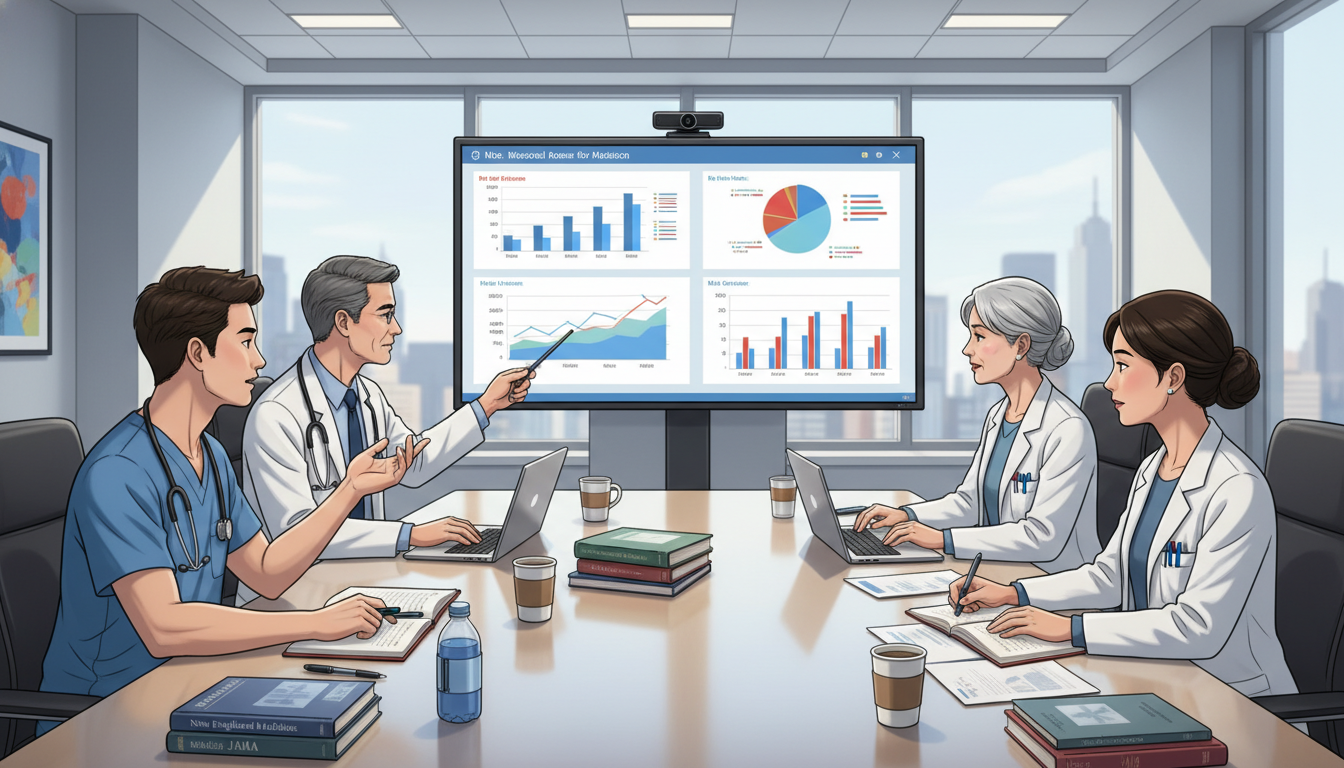
Use conference and networking opportunities
- Virtual conferences now often have trainee networking sessions
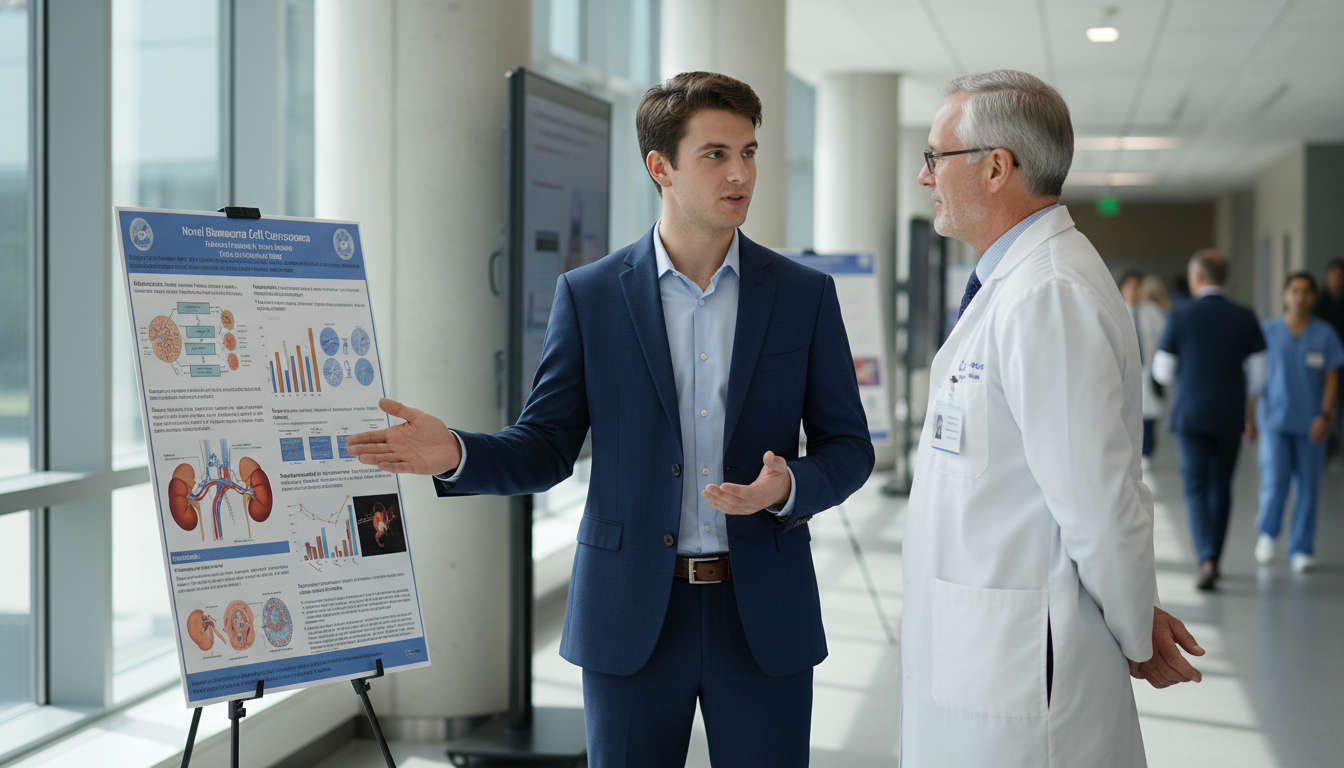
- Chat with speakers after webinars and ask if their group has student projects
- Join relevant professional societies’ trainee sections (e.g., ACP, specialty-specific societies)
Building credibility quickly
To be entrusted with meaningful roles, you must demonstrate:
- Reliability: reply promptly, meet every deadline you agree to
- Attention to detail: double-check data entry, references, and formatting
- Humility and teachability: accept feedback, ask clarifying questions, don’t pretend to know what you don’t
If you do this consistently, mentors are more likely to:
- Put your name on multiple projects
- Introduce you to additional collaborators
- Write strong letters of recommendation emphasizing your research and work ethic
Presenting and Integrating Your Research into a Strong Prelim Medicine Application
Research is only useful if it’s visible and well-framed in your application and interviews.
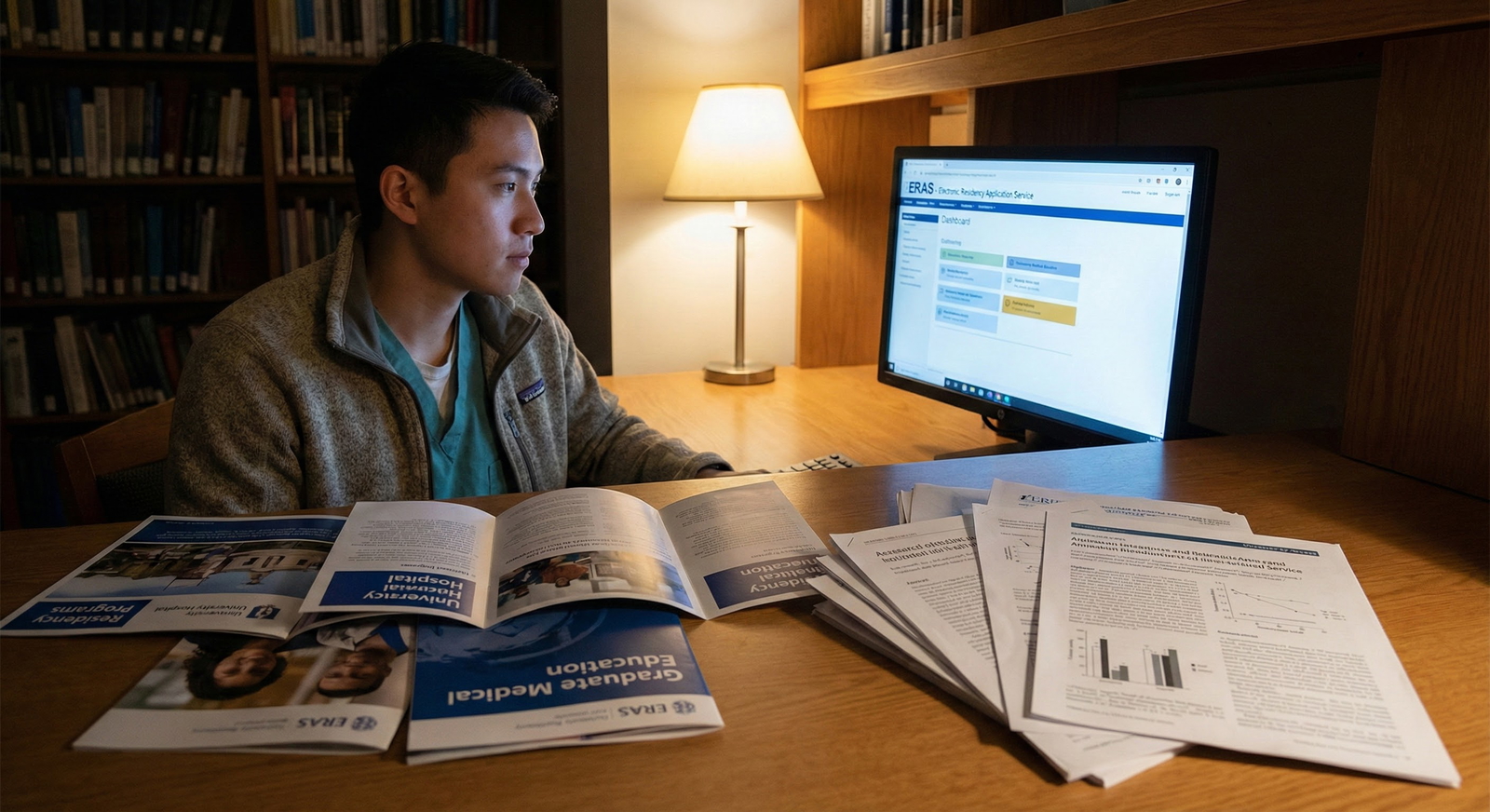
CV and ERAS entry
On ERAS, classify your work correctly:
- Peer-reviewed journal articles
- Abstracts/posters/presentations
- Other scholarly activities (e.g., QI, book chapters, educational modules)
For each item, clearly state:
- Your role (e.g., data collection, primary author, statistical analysis)
- The setting (hospital name, department)
- Status (published, accepted, submitted, in preparation—be honest)
Personal statement strategy for a prelim medicine year
For many US citizen IMGs, the prelim medicine personal statement should:
- Emphasize your interest in strong clinical training in internal medicine
- Briefly tie your research to:
- Better understanding of inpatient care
- Improving outcomes in conditions commonly managed by hospitalists
- Patient safety and systems-based practice
- If you’re prelim-only (not applying categorical IM), link research to your advanced specialty without overshadowing your respect for the prelim year itself.
Example integration:
“My research on anticoagulation use in atrial fibrillation patients taught me how nuanced inpatient management can be, especially when balancing stroke and bleeding risks. These experiences strengthened my desire to complete a rigorous preliminary medicine year that will prepare me to care for complex, hospitalized patients.”
Interview discussions
Be ready to:
- Explain any project on your CV in plain language
- Articulate what you learned, not just what you did:
- “I learned how to handle incomplete data.”
- “I learned the importance of interdepartmental collaboration.”
- Connect research to your future practice:
- “This study on sepsis bundles has changed how I think about early recognition and rapid initiation of treatment in the ED.”
Programs are not only judging your research productivity but also assessing:
- Critical thinking
- Communication skills
- Professionalism and follow-through
Balancing research with other priorities
Remember that for many prelim IM programs, other components often weigh more heavily than research:
- USMLE/COMLEX performance (especially Step 2 CK)
- Clinical performance and letters from US rotations
- Evidence of reliability and teamwork
- Fit with the program’s mission and culture
Research should enhance and complement those pillars, not replace them.
Putting It All Together: A Realistic Roadmap
Here’s a sample roadmap for a US citizen IMG targeting a prelim medicine year, assuming you have roughly 18–24 months before applying.
Months 1–3
- Learn basic research concepts: study design, bias, basic stats
- Update your CV to highlight any prior scholarly activity
- Identify and email 10–20 potential mentors (US and abroad)
- Commit to 1–2 feasible projects (case report + retrospective or QI project)
Months 4–9
- Complete data collection and analysis on at least one project
- Draft and submit 1–2 abstracts to regional or national meetings
- Prepare at least one manuscript for submission (even if a case report)
- Present at your institution’s or school’s research day if available
Months 10–15
- Work on additional smaller projects (e.g., second case series, QI follow-up)
- Strengthen relationships with mentors who can write strong letters
- Finalize at least one accepted publication or in-press manuscript
Months 16–24 (application cycle)
- Accurately update ERAS with your current research portfolio
- In personal statements, selectively highlight 1–2 representative projects
- During interviews, discuss your research confidently and succinctly
- Continue ongoing work, as program directors sometimes ask during interviews:
- “What projects are you currently involved in?”
By the time you apply, a realistic and strong research profile for a prelim IM applicant might look like:
- 1–2 peer-reviewed publications (including at least one relevant to internal medicine or your advanced specialty)
- 2–4 posters/abstracts
- 1 QI or educational project
- Strong letters referencing your contributions and professionalism
This is achievable for many US citizen IMGs with intentional planning and consistent effort.
FAQs: Research for US Citizen IMGs Applying to Preliminary Medicine
1. As a US citizen IMG, do I need a dedicated research year to match into a prelim medicine program?
Not usually. Most prelim IM programs do not require a dedicated research year. A focused research year can help if:
- You are targeting very academic programs
- Your long-term specialty is highly competitive and research-intensive
- You have significant weaknesses in other areas and need to bolster your application
Many successful US citizen IMGs match prelim medicine with part-time research involvement spread over their medical school years or a short post-graduation period.
2. How many publications are needed to be competitive for a prelim medicine year?
There is no magic number. For most prelim IM programs, having:
- 1–2 publications
- plus several posters or abstracts
can make you look well-rounded and motivated. Quality and your described contribution matter more than sheer quantity. Strong clinical evaluations and letters of recommendation often weigh more heavily than publications alone.
3. Does research in non-internal-medicine fields still help my prelim IM application?
Yes, especially if it’s related to your planned advanced specialty (e.g., neurology, anesthesia, radiology, derm). Program directors understand that a prelim year is a stepping stone. However, try to:
- Emphasize skills that transfer to inpatient medicine (data interpretation, patient safety, clinical reasoning)
- If possible, include at least one project tangentially related to internal medicine or hospital-based care
4. I only have case reports and no big original studies. Will that hurt my chances?
Not necessarily. Case reports are a legitimate form of scholarly activity, especially when:
- They are well written and actually published or presented
- You can explain your clinical reasoning and what made the case educational
- You complement them with other experiences (e.g., QI project, small retrospective study, or strong clinical performance)
If case reports are all you have right now, that’s still significantly better than no research. Present them clearly on your CV, and focus on showing maturity, curiosity, and reliability in how you discuss them.
By approaching research with strategy rather than anxiety, you can create a credible, cohesive research profile as a US citizen IMG applying for a preliminary medicine year—one that supports your long-term specialty goals while clearly demonstrating your readiness for a demanding, high-quality intern year in internal medicine.