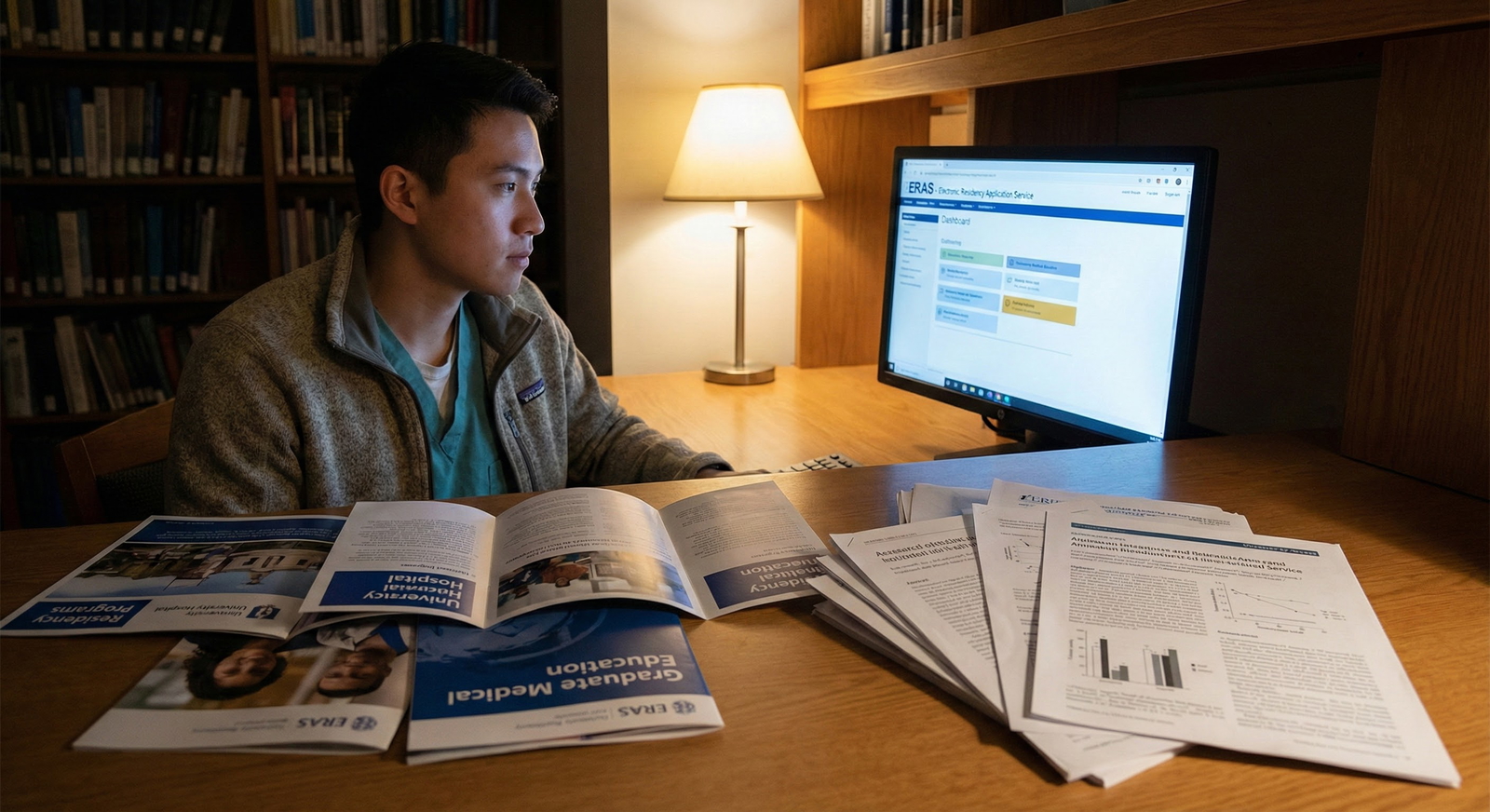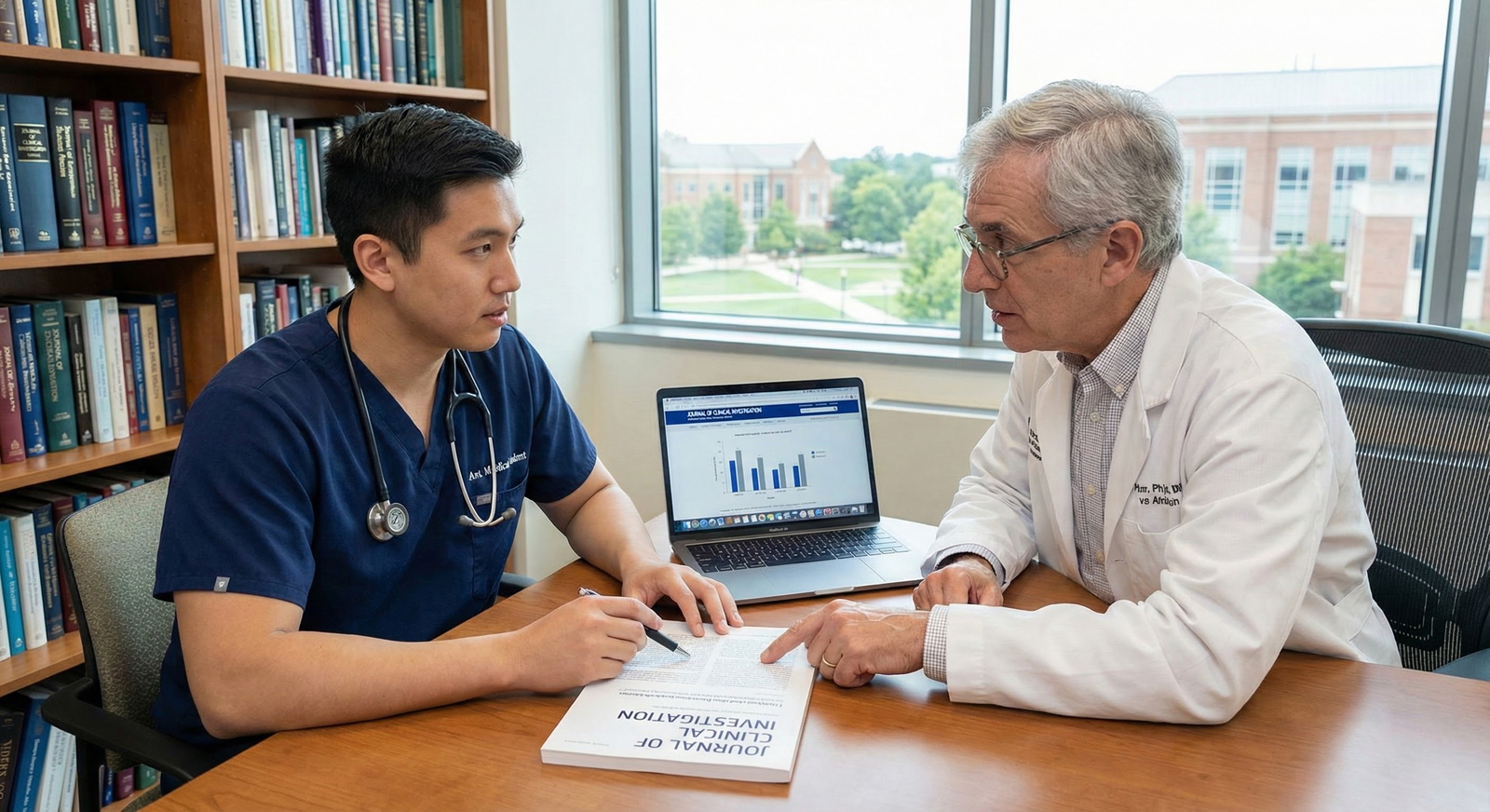
Building a strong research profile is one of the most powerful ways a US citizen IMG can stand out in the competitive internal medicine residency match. As an American studying abroad, you’re often competing with applicants from US medical schools who have easier access to home-institution research opportunities. The good news: with strategy and persistence, you can absolutely build a research portfolio that signals academic potential and helps programs trust that you can thrive in a US academic environment.
Below is a step‑by‑step guide focused specifically on US citizen IMGs targeting internal medicine residency, with a deep dive into research for residency, publications for match, and realistic expectations about how many publications are needed.
Understanding the Role of Research for US Citizen IMGs in Internal Medicine
For internal medicine residency, especially in university‑affiliated or academic programs, your research profile does three main things:
Signals academic potential and curiosity
Programs look for residents who can contribute to quality improvement, scholarly activity, and possibly subspecialty fellowship. A research background shows you can ask questions, analyze data, and complete academic projects.Offsets perceived disadvantages of being an IMG
As a US citizen IMG or “American studying abroad,” you may lack a US home institution and built‑in mentorship. Strong research and US-based scholarly work can reassure programs that you:- Understand the US academic system
- Can work with US faculty
- Can produce scholarly output despite limited resources
Supports your future fellowship goals
Many subspecialties in internal medicine (cardiology, GI, heme/onc, pulm/crit care) are highly competitive. Early research experience in IM, even basic, will strengthen your fellowship applications later.
How research is evaluated in the IM match
Programs don’t only look for first‑author PubMed papers. They’re interested in:
- Evidence of longitudinal engagement (more than a 2‑week project)
- Completion (posters, presentations, papers, abstracts)
- Relevance to internal medicine or its subspecialties
- Role and responsibility (did you design the project? Analyze data? Write sections of the manuscript?)
- Trajectory (growing complexity over time, more responsibility in later projects)
When reviewing an application, many internal medicine PDs mentally summarize your scholarly activity into:
- “None or very minimal”
- “Some involvement, mostly short-term or low-impact”
- “Solid, credible scholarly engagement”
- “Exceptional academic track”
Your goal as a US citizen IMG is to move decisively into at least the “solid, credible” category, with some elements that hint at “exceptional” if possible.
How Many Publications Do You Really Need for Internal Medicine?
Many IMGs obsess over “how many publications are needed” for the internal medicine match. The truthful answer is: there is no magic number, but there are realistic benchmarks.
General benchmarks for internal medicine
For US citizen IMGs applying to moderately competitive academic IM programs, a robust but realistic target might be:
- Total scholarly items (publications + abstracts + posters + presentations):
Aim for 4–10 by the time you apply. - Formal publications for match (PubMed‑indexed or peer‑reviewed journals):
Aim for 1–3 is solid; 3+ can strengthen you for more academic or university programs. - Mix of output types:
- 1–3 full articles (original research, case reports, or reviews)
- Several poster or oral presentations at conferences
- QI or audit projects with demonstrable outcomes
For highly academic university programs or those that feed into competitive fellowships, you’re more competitive if you have:
- Strong US-based research, ideally in internal medicine or a subspecialty
- At least one first‑author or co‑first‑author publication
- Some evidence of longitudinal, mentored research over 1–2 years
Quality versus quantity
Program directors care more about:
- Completion (did the project reach a conference, manuscript, or presentation?)
- Clarity of your role (especially in your personal statement and interviews)
- Consistency (research over time, not crammed into 4 weeks)
A realistic profile that programs respect:
- 1–2 case reports in IM or subspecialties, first or co‑author
- 1 small retrospective study or QI project
- 2–5 conference abstracts/posters (local, regional, or national)
- Some evidence of ongoing research activity during the application year (e.g., “manuscript under review,” “data collection ongoing”)
In contrast, 15 “manuscripts under preparation” with no accepted abstract or paper can raise questions.
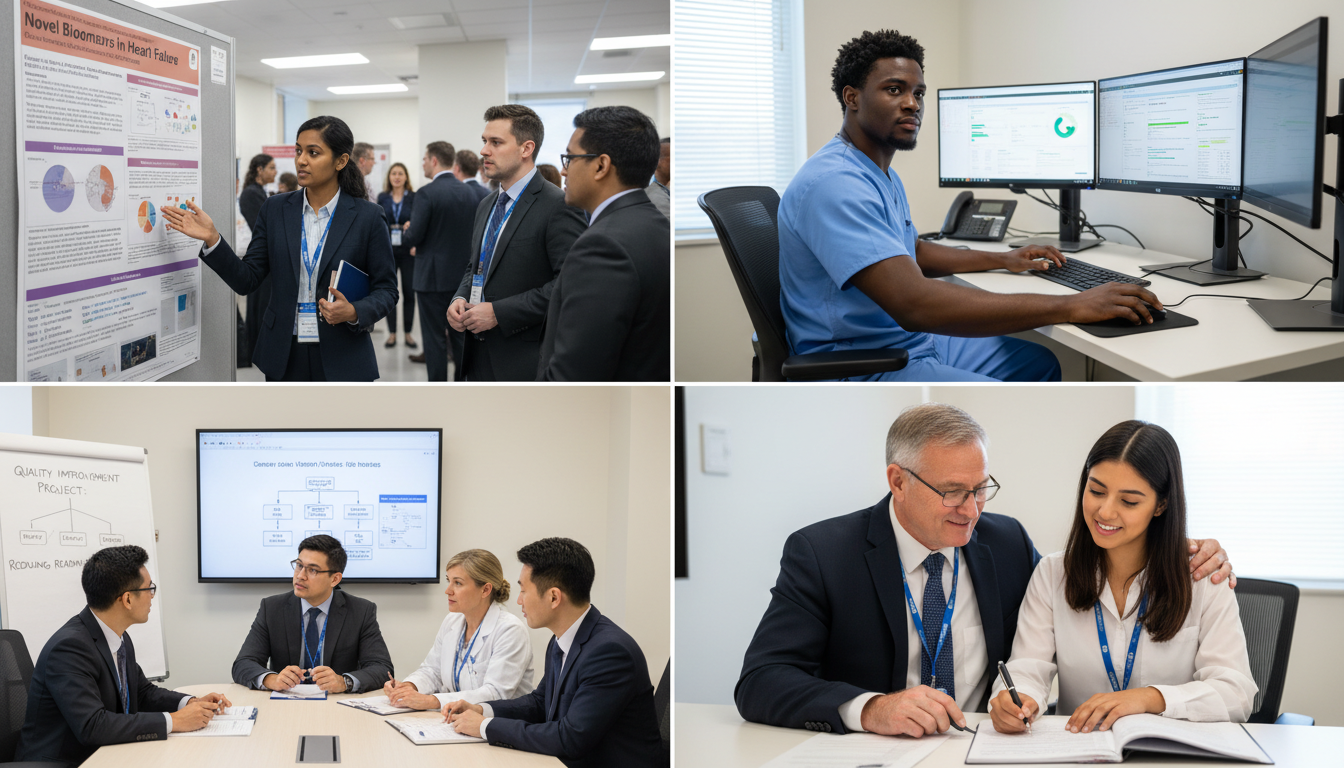
Types of Research and Scholarly Activities That Count
You do not need to be in a fully equipped lab or have NIH funding to build a meaningful research portfolio. As a US citizen IMG, especially if you’re spending most of your time abroad, think in terms of practical, achievable scholarly activity.
1. Case reports and case series
Best for: Getting started quickly, especially while on rotations.
Why they’re valuable:
- Feasible even with limited resources
- Directly related to internal medicine if you focus on IM patients
- Help you learn clinical reasoning and literature review
How to do them:
- Identify unusual cases, diagnostic challenges, or rare complications on your clinical rotations (US or abroad).
- Ask the attending: “Would you be open to helping me write a case report on this patient?”
- Follow the journal’s case report guidelines (e.g., Cureus, BMJ Case Reports, Case Reports in Internal Medicine).
- Obtain proper consent and IRB/ethics guidance as needed.
Target: 1–3 well‑done case reports can significantly strengthen a US citizen IMG’s application, especially if at least one is with a US-based physician.
2. Retrospective chart reviews and database studies
Best for: Applicants with access to a teaching hospital or US-based mentor.
Examples:
- Outcomes of patients with a certain comorbidity (e.g., diabetes and heart failure)
- Readmission rates before and after a change in hospital protocol
- Characteristics of patients admitted with a specific condition
Steps:
- Find a mentor (IM attending or fellow) with research interest.
- Identify a narrow, focused question that’s feasible with existing data.
- Obtain IRB approval (your mentor leads this).
- Learn basic data skills (Excel, basic statistics in SPSS/R/Stata).
- Aim for a poster → then manuscript.
Even a single retrospective project with a US mentor can carry strong weight for a US citizen IMG.
3. Quality improvement (QI) and audits
Highly underrated but very relevant for internal medicine residency.
Examples:
- Improving handoff quality on wards
- Reducing unnecessary lab tests
- Increasing appropriate use of DVT prophylaxis
- Improving vaccination rates in clinic patients
Why QI matters:
- Many IM programs require residents to complete QI projects.
- QI projects demonstrate:
- Systems thinking
- Teamwork
- Ability to implement and measure change
What “counts”:
- QI project with pre‑ and post‑intervention data
- Presentation of results at a local/regional conference
- Manuscript or abstract written from the project
4. Systematic reviews or narrative reviews
Useful if you:
- Have limited clinical data access
- Are comfortable working largely online
- Have a mentor willing to guide on methodology
Systematic reviews:
- Require structured literature search, inclusion criteria, and often statistical synthesis (meta-analysis).
- Stronger academically, but more work and require proper design.
Narrative reviews:
- Less rigid, focus on summarizing and synthesizing literature.
- Easier to start, especially with good mentorship.
These are often publishable in:
- Specialty journals (e.g., on specific diseases)
- Educational journals
- Online open-access journals (some require fees—discuss with mentors).
5. Educational research and curriculum projects
Particularly relevant if you’re interested in academic internal medicine or medical education.
Examples:
- Developing a new teaching module and evaluating knowledge gain
- Study of residents’ or students’ attitudes toward a guideline or tool
- New simulation curriculum evaluation
If your medical school supports education research, this can be a good niche for an American studying abroad who wants to stand out.
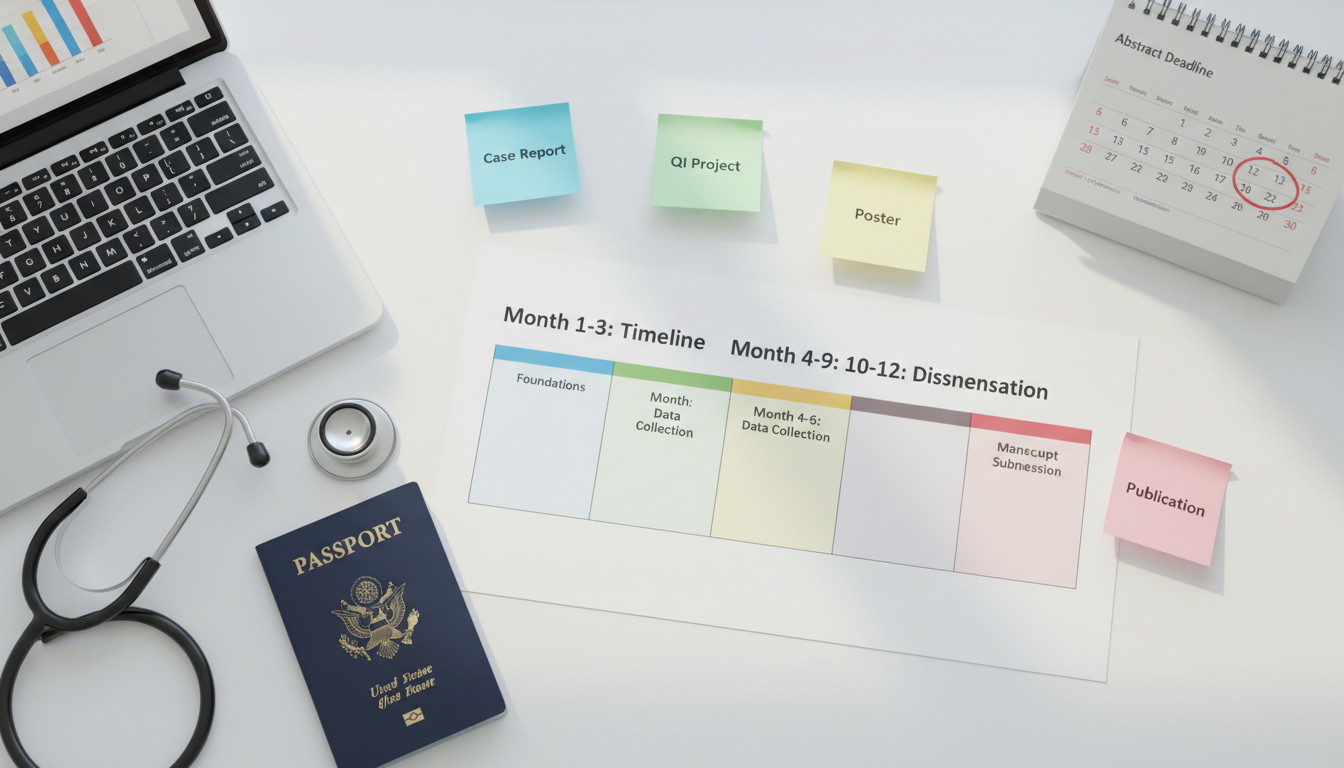
Step‑by‑Step Roadmap: Building a Research Profile as a US Citizen IMG
This section outlines practical steps you can follow depending on where you are in your timeline.
Step 1: Clarify your goals and constraints
Ask yourself:
- When do you plan to apply for the IM match? (Which ERAS cycle?)
- Are you currently in preclinical, clinical, or post‑graduation phase?
- Are you physically in the US, or mostly abroad?
- Do you have any prior research training or publications?
Then:
- If you have 18–24 months before applying: you can aim for 1–2 substantial projects plus several smaller outputs (case reports, posters).
- If you have 6–12 months: focus on shorter, higher-yield projects (case reports, QI, rapid retrospective reviews).
- If you have <6 months: prioritize completing and presenting ongoing projects and formalizing work you’ve already done.
Step 2: Secure mentors strategically
For a US citizen IMG, mentorship is the single most important factor in building a credible research portfolio.
Where to find mentors:
- US clinical electives / observerships:
- Express interest early: “I’m a US citizen IMG very interested in internal medicine and academic work. Is there any research or QI project I could help with?”
- Alumni of your medical school in US residencies
- Ask your dean’s office for a list of alumni in internal medicine.
- Reach out politely by email/LinkedIn with a clear 3–4 sentence introduction and ask if they know attendings needing research help.
- Online research programs or remote collaborations
- Some institutions or groups offer remote research collaboration (be cautious and verify credibility; avoid pay‑to‑publish scams).
- Professional societies
- American College of Physicians (ACP) local chapters
- Specialty societies (e.g., cardiology, endocrinology) often have mentor programs.
How to approach:
- Send a brief, professional email:
- Who you are (US citizen IMG, school, graduation year)
- Your interest in internal medicine and research
- Any prior experience
- A specific request: “I’d be grateful for an opportunity to assist with data collection, chart review, or manuscript preparation.”
Always:
- Be reliable, respond quickly, and meet deadlines.
- Over‑deliver and under‑promise.
Step 3: Start with achievable projects
Your early projects should:
- Be small enough to complete in 3–6 months
- Have a clear path to output (poster or paper)
Good starting options:
- Case report from a unique or educational IM case you encountered
- Short QI project in a clinical setting (even abroad, if properly structured)
- Simple retrospective chart review with limited variables
Work with your mentor to:
- Define a research question narrowly (avoid being overly ambitious early on).
- Create a realistic timeline and division of responsibility.
- Identify target conferences and journals from day one.
Step 4: Convert work into tangible outputs
Programs care about what appears on ERAS, not just what you “worked on.”
Aim for:
- Posters at local, regional, national, or international meetings (ACP, subspecialty conferences, institutional research days).
- Oral presentations when possible (even within your hospital – these still count).
- Manuscripts submitted to journals:
- Case reports
- Original research
- Review articles
- QI outcomes papers
On ERAS, these will be listed as:
- Peer‑reviewed journal articles/abstracts/posters
- Oral presentations
- Other scholarly products
For an IM‑bound US citizen IMG, a typical strong profile may look like:
- 1–2 peer‑reviewed case reports (first or co‑author)
- 1 retrospective study resulting in a poster and/or manuscript
- 3–5 conference abstracts/posters
- Ongoing involvement in a QI or research project at time of application
Step 5: Optimize your ERAS and interview narrative
Your research should support your story, not feel like a random collection of unrelated items.
On your application and in interviews:
- Emphasize a theme if possible (e.g., cardiometabolic disease, hospital medicine, medical education).
- Highlight what you learned, not just what you did:
- Team communication
- Understanding of US healthcare systems
- Data interpretation and critical thinking
- Be ready to clearly explain:
- Your research question
- Your specific role
- The main conclusion or impact
Avoid:
- Listing “submitted” or “in preparation” manuscripts that are unlikely to ever be published.
- Overstating your role (programs can often tell when this happens).
Special Challenges and Strategies for US Citizen IMGs
As a US citizen IMG, you occupy a unique space: you’re a US national but studied medicine abroad. This creates both barriers and specific opportunities.
Challenge 1: Limited access to a US home institution
Without a US medical school, you might lack:
- Built‑in research infrastructure
- Easy access to faculty with ongoing projects
- Formal MD/PhD-style programs
Strategies:
- Maximize every US clinical experience (electives, observerships) for research networking.
- Engage alumni networks aggressively.
- Be willing to start as a “volunteer data collector” to get your foot in the door.
Challenge 2: Time zone and distance issues
If your mentor is in the US and you’re abroad:
- Use shared tools (Google Docs, Zoom, Slack, email) to stay connected.
- Set a standing weekly or biweekly check‑in time.
- Provide written updates so your mentor sees consistent progress.
Challenge 3: Balancing exams, clinicals, and research
Many US citizen IMGs must juggle:
- USMLE/COMLEX exams
- Final‑year rotations abroad
- Visa or paperwork issues (if applicable)
- Application prep for internal medicine
To manage this:
- During exam-heavy periods, focus on:
- Literature review
- Drafting manuscripts or sections
- During lighter academic periods, focus on:
- Data collection
- Conference submissions
- Use a simple tracking spreadsheet for your projects:
- Project name
- Mentor
- Status (idea / data / analysis / draft / submitted / accepted)
- Deadlines (conference submission dates, journal resubmission deadlines)
Challenge 4: Lack of formal research training
You may feel behind in methodology and statistics.
Practical steps:
- Take free/low-cost online courses:
- Coursera, edX: “Introduction to Clinical Research,” “Biostatistics for Health Professionals,” etc.
- NIH or institutional modules on research ethics and GCP (good clinical practice).
- Read a few high‑quality IM original articles and pay attention to:
- Structure (IMRAD: Introduction, Methods, Results, Discussion)
- How they justify the research question
- How they present limitations
Even modest self‑education in research methods will make you a more valuable collaborator.
Putting It All Together: Example Profiles
To make this concrete, here are a few example research profiles and how IM program directors might view them for a US citizen IMG.
Profile A: Minimal but Focused
- 1 case report in an internal medicine journal (first author)
- 1 poster at ACP chapter meeting on a QI project (co‑author)
- 1 manuscript under review (retrospective case series, co‑author)
Interpretation:
- Not heavy research, but solid engagement and completion.
- Works well for community and many university‑affiliate programs if combined with strong US clinical experience and good scores.
Profile B: Strong, Academic‑Leaning
- 2 original research papers in IM subspecialty (1 first author, 1 middle author, PubMed‑indexed)
- 3 posters at regional/national IM conferences
- 1 QI project with measurable outcomes, presented at institutional research day
- 1 narrative review article (co‑author)
Interpretation:
- Very competitive for most academic IM programs.
- Shows longitudinal commitment and multiple outputs.
- Strong for future fellowship aspirations.
Profile C: High Volume, Low Completion
- “Worked on” 7 different projects
- 0 publications, 0 posters, all labeled “submitted” or “in preparation”
- No clear theme or continuity
Interpretation:
- Red flag for completion issues.
- Program directors may question reliability or mentorship quality.
- It’s better to complete 2–4 projects to publication/poster level than start 7 with nothing finished.
FAQs: Research for US Citizen IMGs in Internal Medicine
1. As a US citizen IMG, is research absolutely necessary to match internal medicine?
Not strictly, but it’s increasingly important, especially if:
- You’re targeting academic or university-affiliated programs
- Your exam scores or clinical grades are average
- You aim for a fellowship later
Community IM programs may place less emphasis on research, but having at least some scholarly activity still improves your application and interview talking points.
2. What counts as “research” or “publications” on ERAS?
You can list:
- Peer‑reviewed journal articles (original research, case reports, reviews)
- Conference abstracts and posters
- Oral presentations
- QI projects resulting in abstracts or institutional presentations
- Book chapters (less common at the student level, but valid)
Program directors are most impressed by peer‑reviewed publications and conference presentations in internal medicine or its subspecialties, but QI and educational projects absolutely count as scholarly activity.
3. How many publications are needed for a strong IM application as a US citizen IMG?
There is no fixed number, but realistic targets:
- Solid profile: 1–3 peer‑reviewed publications plus several abstracts/posters
- Academic-leaning profile: 3+ publications, at least one first author, and clear IM relevance
Equally important is completion, clarity of your role, and relevance to internal medicine. Programs value one well‑designed, completed project more than multiple half-finished efforts.
4. I’m close to applying and short on time. What can I still do now?
If you’re within 6–9 months of applying:
- Focus on finishing any ongoing projects to poster or manuscript stage.
- Work on rapid case reports with attendings from your recent clinical rotations.
- Try to get at least one conference poster submitted (many conferences accept abstracts months before the event).
- Ask your mentors to include you on smaller tasks (e.g., figure preparation or literature review) on already advancing manuscripts.
Even late-stage additions—like a good case report and a poster—can meaningfully improve your internal medicine residency application and give you strong material for interviews.
By approaching research systematically, understanding what internal medicine programs actually value, and leveraging your identity as a US citizen IMG to connect with US-based mentors, you can build a credible, compelling research profile. You don’t need to be a full-time scientist—you simply need to demonstrate curiosity, reliability, and the ability to see scholarly work through to completion.