Understanding the Research Landscape in Vascular Surgery for US Citizen IMGs
For a US citizen IMG (American studying abroad), a strong research profile is often the single most powerful way to become competitive for a vascular surgery residency—especially for integrated vascular programs. Vascular surgery is small, niche, and increasingly research-driven. Program directors must trust that you can handle complex academic work, contribute to outcomes research and innovation, and thrive in a high-intensity, data-focused environment.
Research does several things for you at once:
- Signals academic potential and curiosity
- Demonstrates commitment to vascular surgery specifically
- Provides talking points for interviews and letters of recommendation
- Builds relationships with US-based faculty who can advocate for you
- Compensates, to a degree, for being an IMG in a competitive subspecialty
For a US citizen IMG, the challenge is not just doing research, but doing it in a structured, strategic way that aligns with what vascular programs actually value.
Key realities to keep in mind:
- Integrated vascular surgery programs are highly competitive. Many applicants have multiple publications, especially in vascular or related fields.
- Program directors know IMGs often lack home-institution vascular exposure. Research is a concrete way to overcome this.
- Quality + relevance beat raw publication count. A few strong, vascular-focused projects with clear roles can be more impactful than 15 low-quality, unrelated case reports.
The rest of this article breaks down how to build that profile step by step—from zero experience to a targeted, compelling portfolio that speaks directly to integrated vascular program expectations.
How Many Publications Do You Really Need for Vascular Surgery?
One of the most common questions is: “How many publications needed for a competitive vascular surgery residency application?”
There is no fixed cutoff, but we can frame realistic targets—especially for a US citizen IMG.
Benchmarking Against Typical Applicants
Based on recent trends (NRMP data, program feedback, and applicant reports):
US MD/DO matched vascular applicants often have:
- 3–10 total scholarly products (abstracts, presentations, publications)
- 1–5 peer‑reviewed publications
- At least some vascular or surgery-related work
Competitive US citizen IMG applicants who match vascular typically have:
- 5–15 scholarly products total
- 3–8 peer‑reviewed publications, ideally with some vascular content
- A mix of:
- Vascular surgery original research
- Outcomes or database studies
- Case reports/series, QI projects
- Conference abstracts and posters
These are descriptive, not prescriptive numbers. What matters more is context:
- Are some of your projects clearly vascular-related?
- Can you clearly explain your role and what you learned?
- Do you have letters from research mentors within US academic surgery/vascular?
A Practical Target for US Citizen IMGs
If you’re serious about integrated vascular programs, a reasonable strategic target is:
Minimum viable competitive profile:
- 2–3 total publications (at least 1 clinically relevant to surgery or vascular)
- 2–4 conference presentations/posters
- Some involvement in a larger ongoing project
Strongly competitive profile:
- 4–8 publications (at least 2–3 in vascular surgery/vascular medicine, or closely related like interventional radiology outcomes, endovascular techniques, peripheral arterial disease, aortic pathology)
- 4–10 abstracts/posters/podium presentations
- Authorship on at least one multi-author team project where your contribution is clearly explainable
Remember: as an American studying abroad, your research portfolio is one of the few controllable levers you can pull to rise into the “must-interview” pile.
Strategic Pathways to Build a Vascular Surgery–Relevant Research Portfolio
You do not need to be at a top US medical school to build a strong research profile. But you do need structure, persistence, and smart choices.
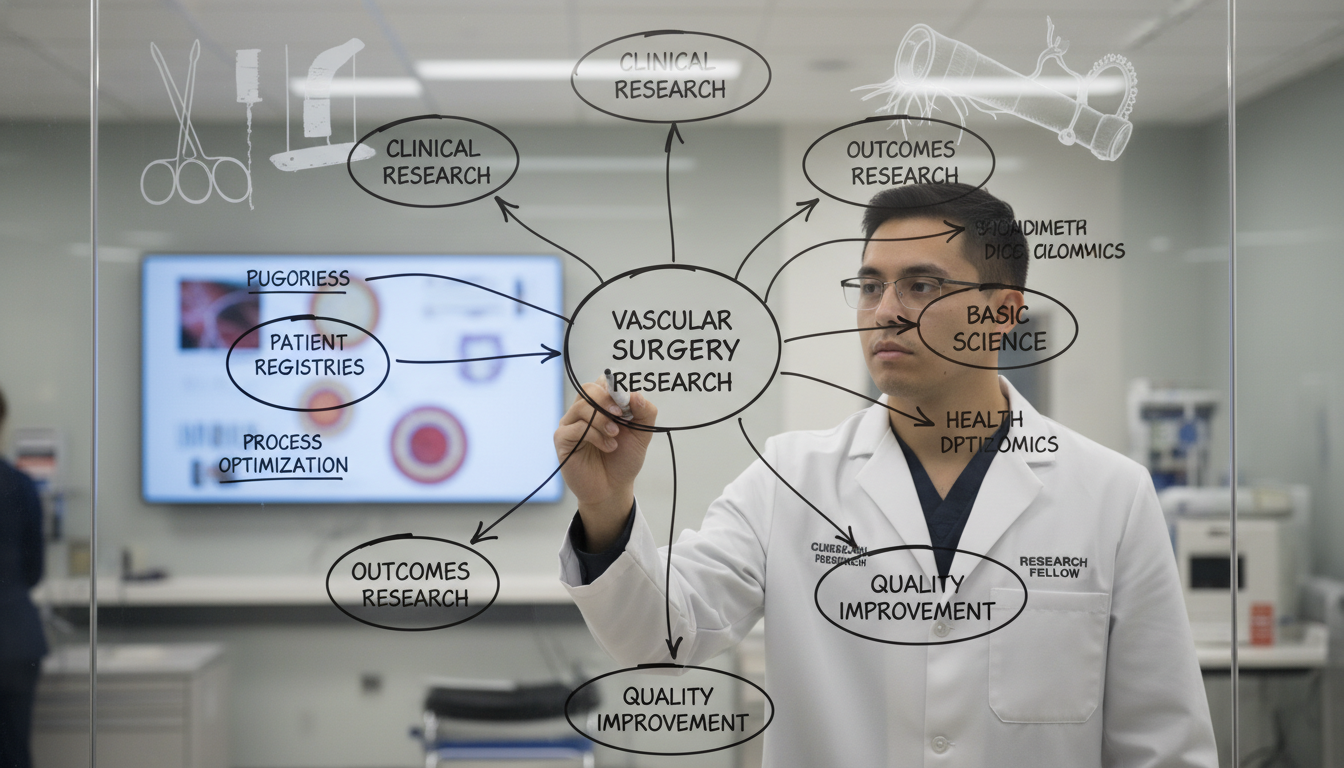
1. Decide Your Primary Research “Lane”
You can successfully match vascular with any of these research categories:
Clinical Vascular Research (high yield)
- Retrospective chart reviews
- Outcomes studies (e.g., limb salvage rates, carotid interventions, EVAR vs open repair)
- Procedural complication analyses
- Example: “Thirty-day outcomes after endovascular vs open repair of ruptured AAA”
Big Data / Outcomes Research
- Using large databases: NSQIP, VQI, NIS, Medicare datasets
- Typically done through a US academic center or research year
- Highly visible and aligned with how vascular surgery evaluates practice patterns
- Example: “National trends in lower extremity amputations in patients with diabetes”
Basic / Translational Vascular Science
- Vascular biology, endothelial function, graft materials, stent technology
- High-impact if you’re truly involved, but often slower to publish
- Helpful if you aim for academic vascular surgery long term
Quality Improvement (QI) and Implementation Projects
- Anticoagulation protocols in vascular patients
- PAD screening pathways
- Post-op follow-up optimization
- Easier to start, can yield poster/abstracts and manuscripts
As a US citizen IMG, your fastest and most realistic entry is typically clinical and outcomes research, often via retrospective chart reviews or database work.
2. Leverage Your Status as a US Citizen Studying Abroad
Being a US citizen IMG offers some advantages over non-US IMGs:
- Easier eligibility for US-based research positions and visas are not a barrier.
- More likely to have:
- Family or personal networks in the US
- Home state connections to academic hospitals
- Flexibility to take a dedicated research year in the US
Actionable moves:
- Identify US academic centers near your home or where you plan to apply.
- Look for programs with vascular fellowships or integrated vascular residency.
- Cold-email vascular surgery faculty and research coordinators.
- Attach your CV, Step scores (if strong), and explicitly state your interest in vascular research and future training.
- Offer flexibility in time and tasks.
- You may need to start in a supporting role (data collection, chart reviews) before leading projects.
3. Types of Projects You Can Start Sooner Than You Think
Even before securing a dedicated research position, you can:
Case Reports and Small Case Series
- Collaborate with clinicians at your hospital abroad
- Focus on interesting vascular or endovascular cases: rare aneurysms, complex PAD interventions, unusual dissections
- Not high impact alone, but good for learning manuscript structure and building early authorship
Literature Reviews and Narrative Reviews
- Topics like:
- “Management of acute limb ischemia in COVID-era”
- “Current evidence on drug-coated balloons in femoropopliteal disease”
- Try to link with a US faculty mentor for credibility and supervision
- Topics like:
Systematic Reviews / Meta-Analyses
- Higher effort but also higher yield
- Good if you lack patient access
- Learn PRISMA guidelines, use tools like Covidence or Rayyan
- Collaborate with others for statistics support
Survey-Based Studies
- Attitude and practice patterns among vascular surgeons or trainees
- Needs assessment of PAD screening, aneurysm surveillance, etc.
- Requires IRB approval, but easier to conduct than some clinical projects
Start these while you simultaneously search for formal roles with US-based vascular teams.
Finding and Securing Vascular Research Opportunities as a US Citizen IMG

1. Identify Where Vascular Surgery Research Is Happening
Look for:
- US academic centers with:
- Integrated vascular surgery residency
- Vascular surgery fellowship
- Dedicated vascular labs or outcomes research groups
- Institutions with strong general surgery departments and active subspecialty fellowships
- Professional societies:
- Society for Vascular Surgery (SVS)
- American Venous Forum
- Regional vascular societies (e.g., Western, New England, Midwestern)
Use tools:
- PubMed: Search “vascular surgery” with names of institutions/cities to see where research is coming from.
- Program websites: Look for “research,” “vascular surgery lab,” or “publications” sections.
- SVS member directory: Identify faculty who regularly publish and present.
2. Crafting Effective Outreach Emails
Cold emailing is often necessary. To increase your success:
Subject line examples:
- “US citizen IMG seeking vascular surgery research experience (flexible, remote-friendly)”
- “Prospective vascular surgery applicant interested in outcomes research collaboration”
Email structure:
- 2–3 short paragraphs, plus a concise CV attached.
- Include:
- Who you are (US citizen IMG, school, year)
- Why vascular surgery (1–2 sentences, specific)
- Your research experience to date (even if minimal)
- What you’re asking for:
- “Opportunities to assist with ongoing projects (data collection, chart review, manuscript drafting)”
- Willingness to work remotely and commit consistent hours
- Clear ask:
- “Would it be possible to schedule a brief Zoom/phone call to discuss ways I might contribute to your group’s work?”
Follow-up:
- If no response after 10–14 days, send one polite follow-up.
- Cast a wide net—email multiple faculty across several institutions.
3. Consider a Dedicated Research Year
For US citizen IMGs seriously targeting integrated vascular residency, a dedicated research year in the US is often game-changing.
Benefits:
- Time to build 3–8 publications and multiple presentations.
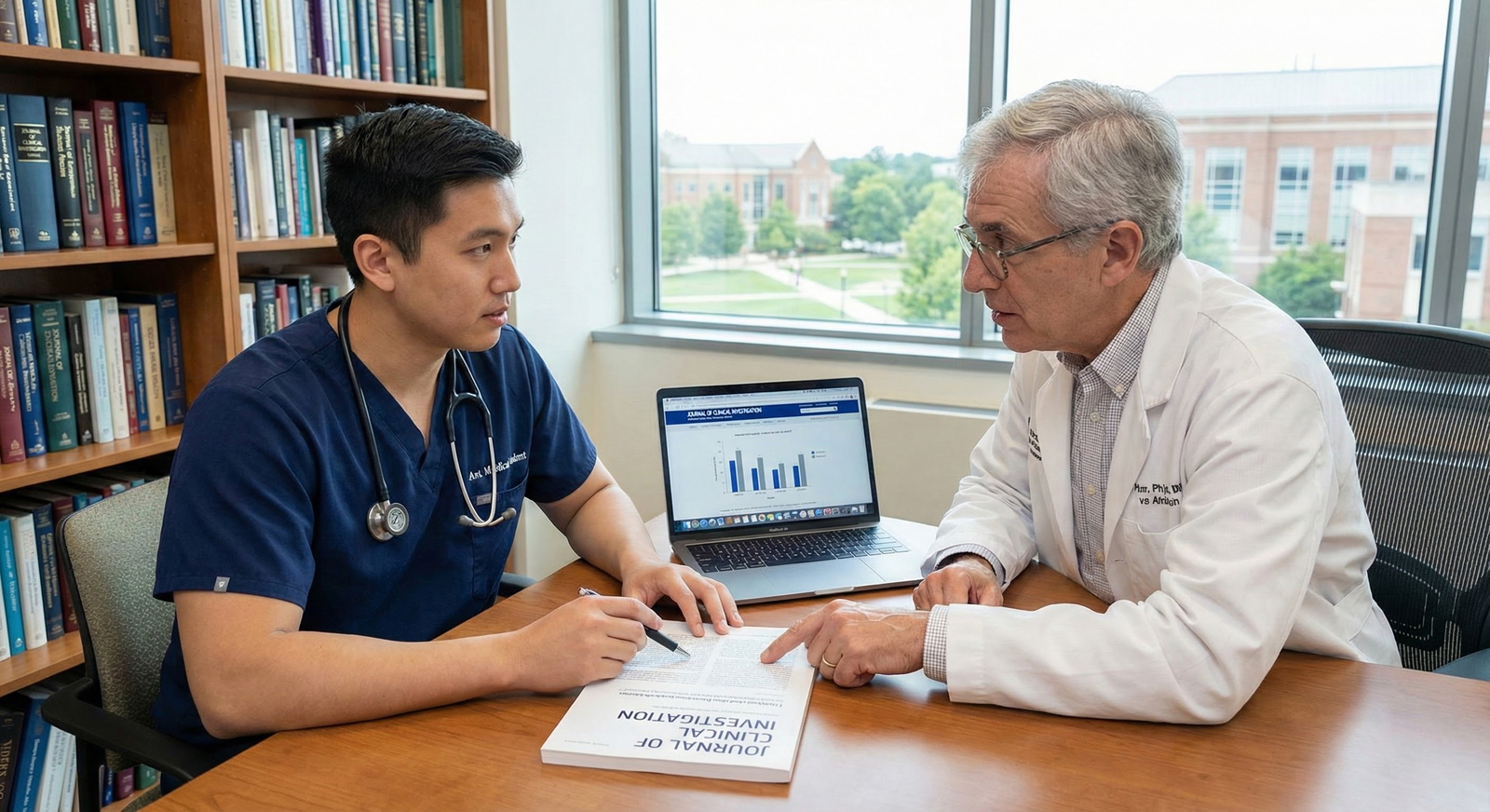
- Direct mentorship and letters from US vascular or surgical faculty.
- In-person visibility to the program (increases chances of interview and ranking).
- Learn US academic systems, IRB, databases, and clinical culture.
How to find such positions:
- Look for:
- “Surgical research fellow,” “clinical research coordinator,” or “postdoctoral fellow” positions on:
- Institution job boards
- Professional society job boards
- Indeed/LinkedIn (filter by “surgery research”)
- Ask mentors: “Does your department take volunteer or paid research fellows?”
- “Surgical research fellow,” “clinical research coordinator,” or “postdoctoral fellow” positions on:
- Highlight:
- Being a US citizen (no visa issues)
- Your long-term interest in vascular surgery
Even an unpaid or stipend-based position can be worth it if it meaningfully builds your research output and network.
Maximizing Impact: Turning Work into Publications, Presentations, and a Coherent Story
Doing research is one thing; turning it into a compelling application narrative is another.
1. Aim for Multiple Outputs per Project
From a single vascular project, you might generate:
- 1 poster presentation at a local or institutional conference
- 1 regional or national abstract (SVS, regional vascular society)
- 1 manuscript (eventually accepted for publication)
- Potentially a spin-off sub-analysis or secondary paper
When you start a project, ask your mentor:
- “Is this likely to result in a publication?”
- “Are there opportunities for me to present this data at a meeting?”
- “Could we plan for me to be first author if I take on A, B, and C responsibilities?”
2. Authorship Strategy for US Citizen IMGs
As an IMG, first- or second-author positions help signal you weren’t just a minor assistant.
To increase your authorship significance:
- Take responsibility for:
- Literature review
- Drafting the introduction and discussion
- Data cleaning and basic analysis (if trained)
- Figure/table creation
- Show reliability:
- Meet deadlines
- Respond to co-author comments quickly
- Keep a clean data log and documentation
Even if you are middle-author on some large projects, having a few first-author vascular or surgery-related papers is particularly valuable.
3. Making Your Profile Coherent Around Vascular Surgery
Try to shape your CV so that, when a program director glances at it, they see a clear theme:
60–80% of your later projects should be directly or closely related to vascular:
- Peripheral arterial disease
- Aortic aneurysms
- Carotid disease and stroke prevention
- Venous thromboembolism, chronic venous insufficiency
- Endovascular innovations, grafts, stents
The rest can be:
- General surgery outcomes
- Critical care / ICU
- Cardiovascular medicine
- Radiology/interventional radiology outcomes
When asked in interviews, you want to be able to say:
“Over the last 2–3 years, I’ve intentionally focused my work on vascular surgery outcomes and quality improvement, particularly in PAD and aortic pathology. That’s where I see my future as a surgeon-scientist.”
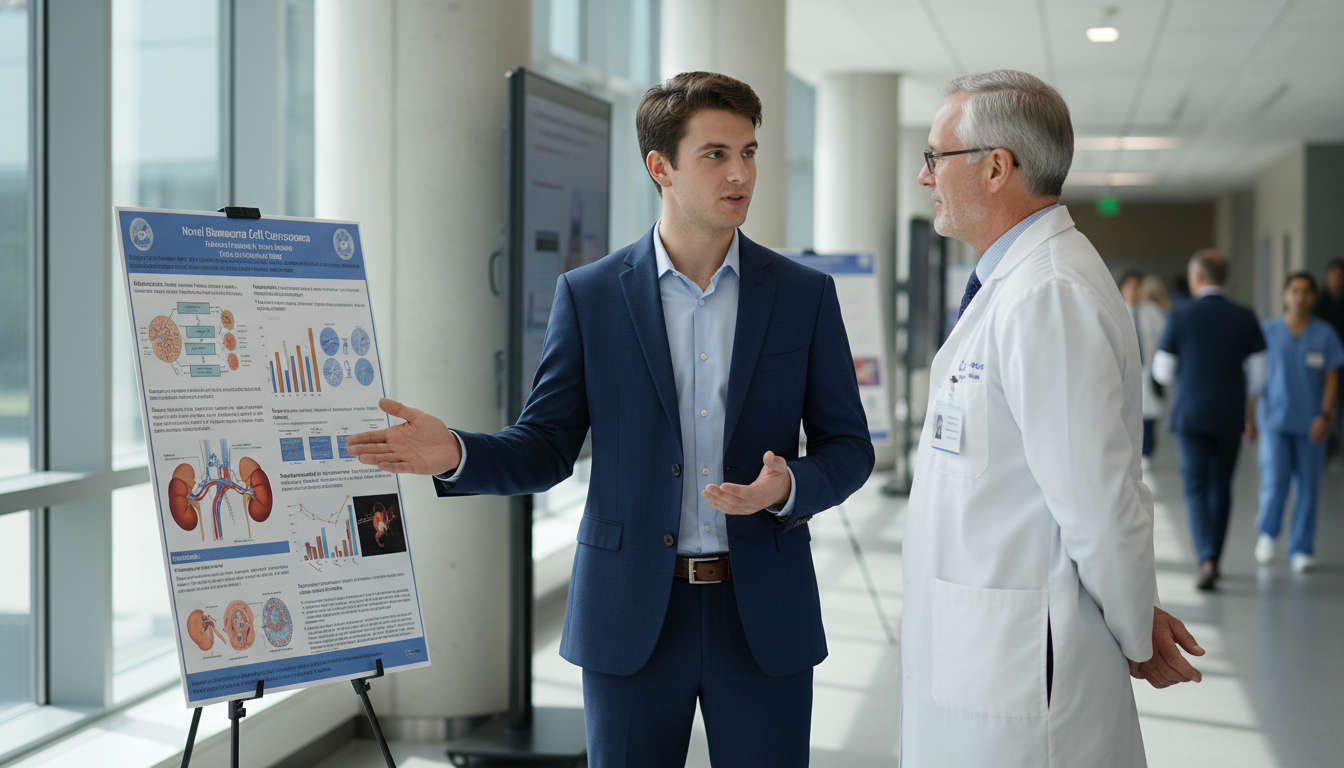
4. Presenting Effectively at Conferences
Abstracts and posters are a critical part of “publications for match,” even before full manuscripts are accepted.
To maximize impact:
- Target vascular meetings when possible (SVS, regional vascular societies).
- Practice a 1–2 minute “elevator pitch” of your study:
- The problem
- Your methods
- The key result
- Why it matters clinically
- Use conferences to:
- Introduce yourself to vascular faculty and fellows
- Mention that you’re a US citizen IMG planning to apply in vascular
- Ask for advice on next steps or other potential collaborations
These encounters can directly translate into mentorship, further projects, and even interviews.
Showcasing Your Research in the Application and Interview
Once you’ve built your vascular surgery research portfolio, you need to communicate it clearly in ERAS and interviews.
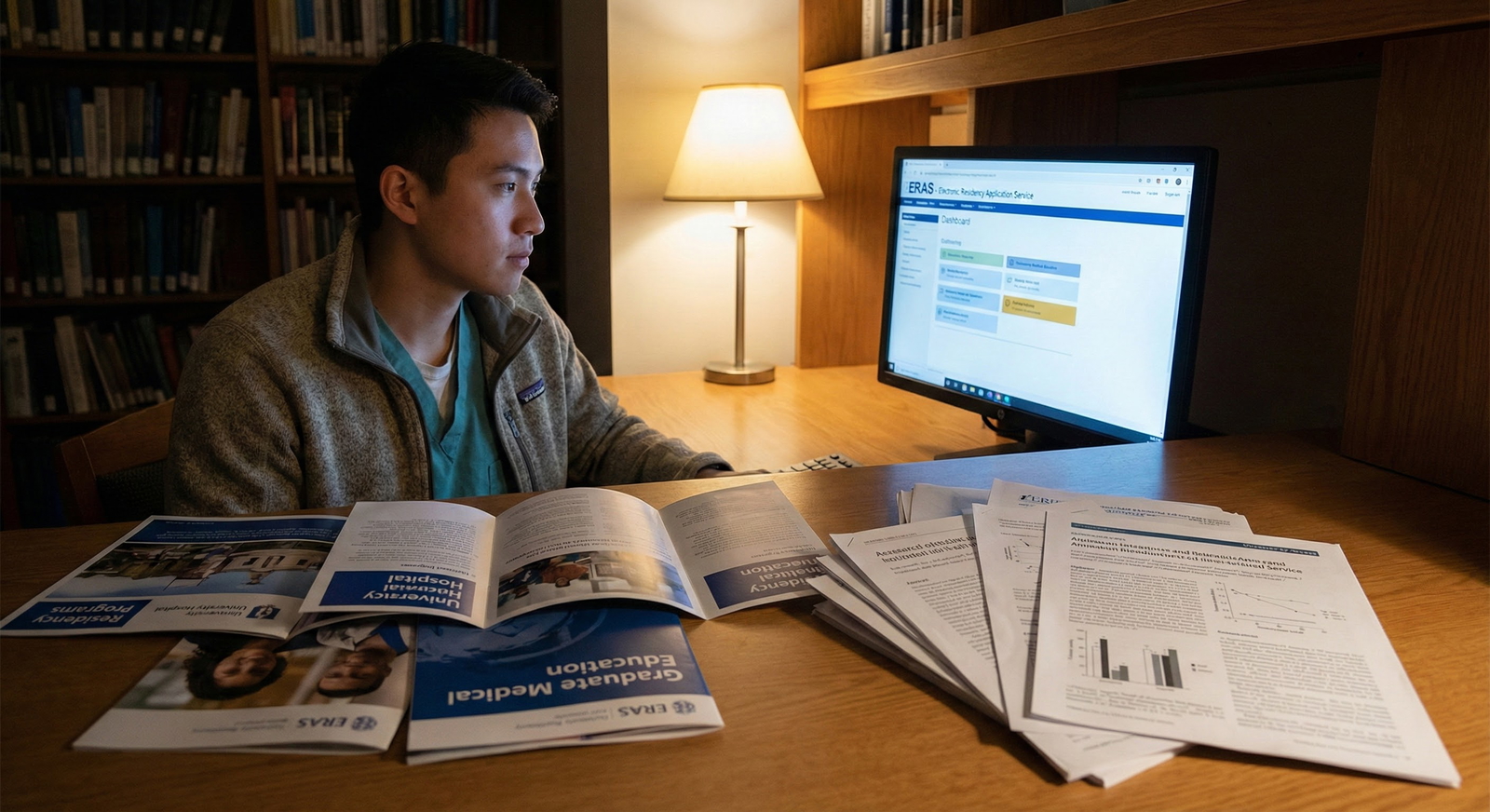
1. ERAS Application Strategy
- List all scholarly work, including:
- Peer-reviewed publications
- Non-peer-reviewed articles
- Abstracts, posters, podium talks
- Book chapters
- QI projects (if substantial and structured)
- For each, be honest and precise about your role.
- Use activity descriptions to:
- Highlight methods learned (e.g., “retrospective cohort study,” “propensity score matching”).
- Emphasize clinical relevance (“Evaluated outcomes after EVAR in high-risk patients”).
Highlight a few “most meaningful” experiences:
- Pick those with:
- Clear vascular relevance
- Substantial responsibility on your part
- Strong mentorship relationships
2. Personal Statement and Research
Your personal statement should integrate your research, not just list it.
Example framing:
- “Working on outcomes after infrainguinal bypass versus endovascular interventions showed me how nuanced limb salvage decisions are, and solidified my desire to train in vascular surgery.”
- “Through my research year in vascular outcomes, I learned how to ask clinically meaningful questions and translate data into changes in practice.”
Avoid:
- Overly technical language that sounds memorized
- Claiming more responsibility than you truly had
3. Interview Preparation: Common Research Questions
Expect:
- “Tell me about your most significant research project.”
- “What role did you play in that project specifically?”
- “What did you learn from negative/unexpected results?”
- “How do you see research fitting into your future vascular surgery career?”
Prepare 2–3 clear, honest project narratives:
For each:
- 1–2 sentence background
- Your exact role
- The main finding
- One challenge you overcame
- What you learned about vascular care or research
Being able to articulate this confidently and humbly is as important as the publication count itself.
Frequently Asked Questions (FAQ)
1. As a US citizen IMG, is a dedicated research year essential for vascular surgery?
Not strictly essential, but often highly advantageous, especially for integrated vascular programs. A research year:
- Increases your publications and presentations
- Embeds you in a US academic environment
- Yields strong US letters of recommendation
- Shows programs you’re serious about academic vascular surgery
If your current profile has minimal US experience and little vascular exposure, a research year can be the difference between getting a few interviews and being widely competitive.
2. How many publications needed to be “safe” for vascular surgery match?
There is no “safe” number, but for a US citizen IMG, a strong competitive zone often looks like:
- 4–8 peer-reviewed publications (with several in vascular or closely related fields)
- Multiple abstracts/posters at national or regional meetings
That said, quality and relevance matter more than just raw count. A smaller number of clearly vascular-focused, first-author works can be more influential than many peripheral papers.
3. Do my publications have to be strictly vascular, or is general surgery research acceptable?
You can absolutely match with a mix of general surgery and vascular work. However:
- At least some—ideally half or more of your later work—should be clearly vascular-related (PAD, aneurysms, carotid, venous disease, endovascular techniques, etc.).
- Frame your general surgery projects as foundational to understanding surgical outcomes and systems of care.
The key is to show a trajectory that narrows into vascular over time.
4. I don’t have access to vascular surgery at my international school. How can I still build a vascular-focused research profile?
Leverage:
- US-based mentors through cold emailing and networking
- Remote-friendly projects like:
- Systematic reviews
- Meta-analyses
- Database or chart-review studies where data access is granted remotely
- Case reports or small series from:
- Interventional cardiology
- Interventional radiology
- General surgery cases with vascular overlap
Pair this with conference attendance (even virtual) and deliberate networking. Your goal is to plug into the US vascular research community even if your physical location is abroad.
By approaching research for residency as a deliberate, multi-year strategy—not a last-minute checkbox—you can transform your status as a US citizen IMG into an asset: someone who intentionally sought out vascular surgery, built a focused academic identity, and is ready to contribute from day one in an integrated vascular program.