Understanding Match Day and Why It Matters So Much for IMGs
For an international medical graduate, Match Day is often more than an announcement—it’s a turning point that determines where you will spend the next several years of training and whether your U.S. career in medicine begins now, later, or in a different form. This IMG residency guide focuses specifically on Match Day strategies and Match Week navigation so you can move through this time with clarity and confidence.
Before we dive into strategy, it’s essential to understand the structure behind Match Day:
What is Match Day?
Match Day is the moment when the National Resident Matching Program (NRMP) releases the final results of the Main Residency Match. On this day:
- Applicants find out if and where they have matched.
- Programs find out which applicants will join their residency positions.
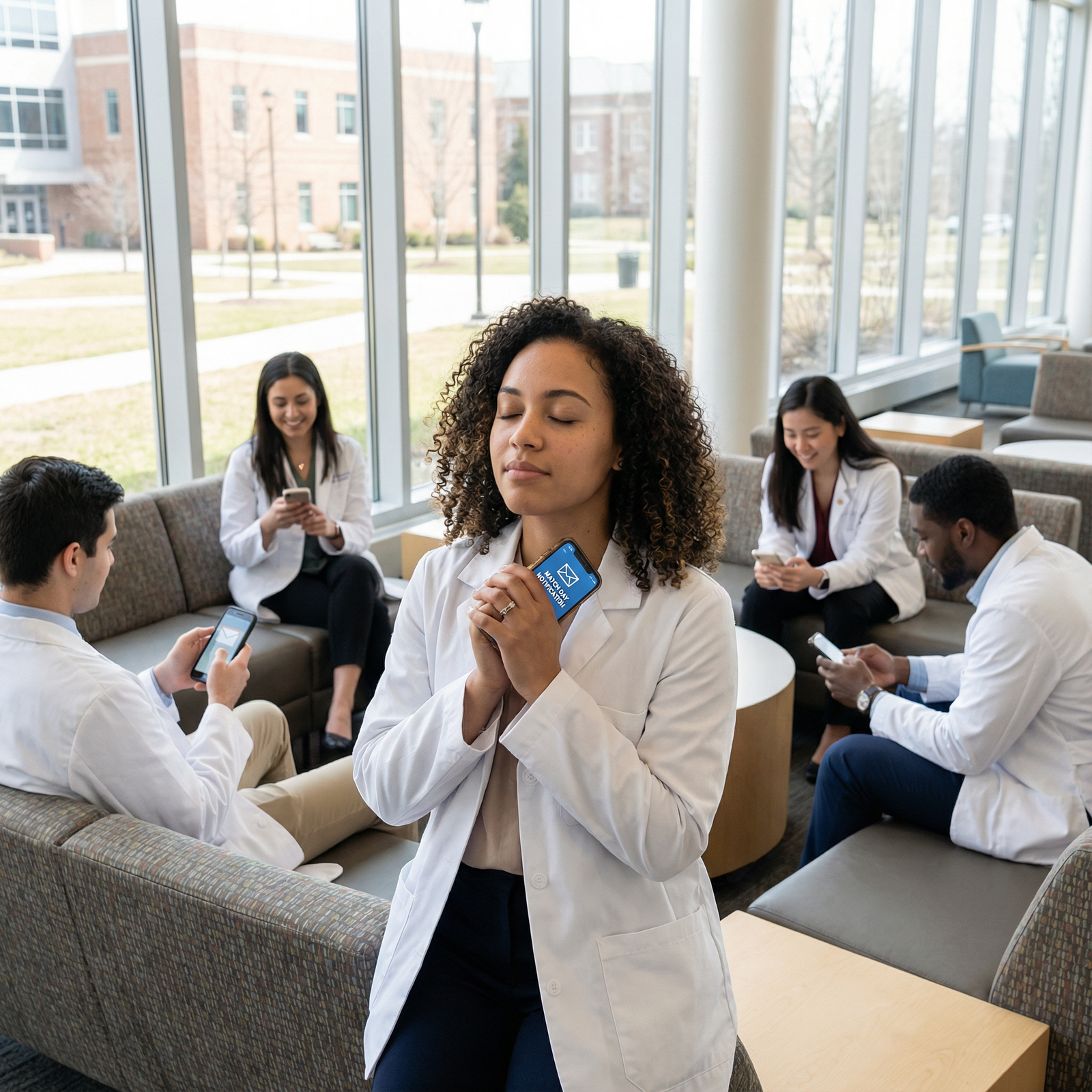
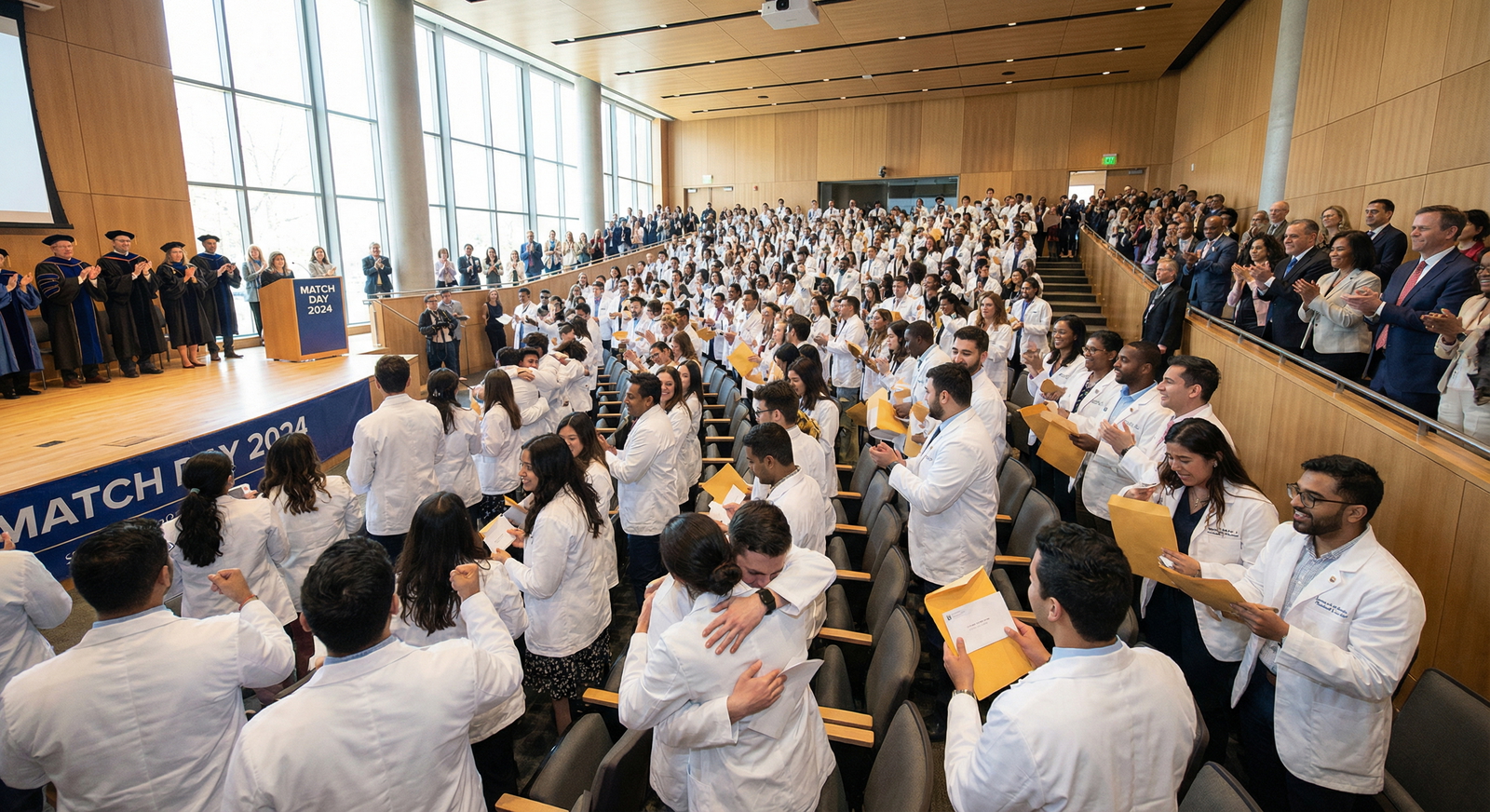
For most U.S. MD schools, Match Day is a celebratory event on campus. As an international medical graduate, your experience may be more private—often at home, with friends or family, or even alone in a different time zone. Either way, the emotional weight is the same.
When is Match Day?
Match Day typically falls on a Friday in mid-March each year. The exact date changes annually, but the overall match week timeline is consistent:
- February: Rank Order List (ROL) certification deadline.
- Mid-March (Monday): Applicants learn whether they matched.
- Monday–Wednesday: Supplemental Offer and Acceptance Program (SOAP), if eligible and unmatched/partially matched.
- Friday (Match Day): Applicants who matched learn where they’re going.
If you’re asking “When is Match Day?” for a specific year, always confirm directly on the NRMP website; the dates are announced well in advance.
Why Match Day Is Especially High-Stakes for IMGs
As an IMG, Match Day has added layers of complexity:
- Visa considerations: Your match outcome may determine whether you can proceed with J-1 or H-1B visa options.
- Geographic flexibility: IMGs often have fewer local support systems and may be placed far from any existing network.
- Career trajectory: Matching into a U.S. program can dramatically shape your long-term career opportunities, academic prospects, and board certification path.
Because of this, approaching Match Day with a structured, strategic plan—emotionally, logistically, and professionally—is critical.
Match Week Timeline: What Happens Before, During, and After Match Day
Understanding the Match Week timeline helps you anticipate what you’ll need to do and when. For an international medical graduate, planning across time zones, visa restrictions, and limited backup options makes this even more crucial.
1. Pre-Match Week: Final Prep and Contingency Planning
By the time Match Week begins:
- Your application is complete.
- Interviews are finished.
- Your Rank Order List is locked.
- There is nothing more you can do to change the match outcome.
However, there is a lot you can do to prepare for different scenarios.
Key pre-Match Week tasks for IMGs:
Clarify your personal priorities
- How far are you willing to relocate?
- Are you committed to a specific specialty, or willing to re-apply in another?
- What are your visa constraints (J-1 vs H-1B preference, or need for ECFMG sponsorship)?
Plan for each possible outcome
- Full match (match to primary specialty at any rank).
- Partial match (e.g., advanced position without a prelim year, or vice versa).
- No match with SOAP eligibility.
- No match, not SOAP-eligible (often due to incomplete certification or USMLE status).
Organize critical documents
- Updated CV and personal statement(s) for possible SOAP applications.
- A short list of open specialties/program types you’d consider in SOAP (e.g., prelim medicine, transitional year, family medicine).
- Contact details for mentors and advisors who can support you quickly if needed.
Time-zone synchronization
- Many IMGs are abroad. Convert NRMP and ERAS timelines into your local time and set alarms.
- Ensure reliable internet, backup devices, and access to all relevant platforms (NRMP, ERAS, ECFMG OASIS).
2. Monday of Match Week: “Did I Match?”
On Monday morning (U.S. Eastern Time), the NRMP tells you whether you matched, but not where. This is a pivotal moment in the Match Week timeline.
You’ll receive one of several possible outcomes:
- “You are fully matched.”
- “You are partially matched.”
- “You are unmatched.”
- “You are not eligible for SOAP.” (If applicable)
If You Are Fully Matched
- You will not participate in SOAP.
- Your role is to:
- Celebrate the milestone.
- Begin preparing for relocation, visa processing, and onboarding.
- Wait until Friday for the program name and location.
If You Are Partially Matched
Example: You matched into a PGY-2 (advanced) program but not a PGY-1 (preliminary) year.
- You are eligible to participate in SOAP to find the missing piece (often a prelim internal medicine, prelim surgery, or transitional year).
- Log in to ERAS as soon as SOAP begins and:
- Review the list of unfilled programs.
- Prioritize those that accept or have historically accepted IMGs.
If You Are Unmatched (and SOAP-Eligible)
This is emotionally difficult but not the end of your journey. Immediate steps:
- Review the List of Unfilled Programs when it becomes available.
- Speak with a mentor, advisor, or IMG support group quickly to create a SOAP strategy.
- Prepare to send applications only through ERAS during the SOAP periods (no direct calling or emailing programs is allowed during SOAP).
If You Are Unmatched and Not SOAP-Eligible
This can happen if:
- Your ECFMG certification is incomplete.
- There were timing issues with exams or documents.
Your focus shifts to:
- Clarifying why you were not eligible.
- Creating a one- to two-year strategic plan for strengthening your application (additional US clinical experience, research, USMLE performance improvement, or specialty change).
- Considering alternate pathways (e.g., home-country training + future fellowship applications, public health or research degrees, etc.).
3. SOAP (Monday–Thursday): Strategic Survival for IMGs
SOAP (Supplemental Offer and Acceptance Program) takes place from Monday to Thursday of Match Week. For an international medical graduate, SOAP can be a lifeline but is also highly competitive.
Key SOAP rules (summarized):
- Applications to unfilled positions can be submitted only via ERAS.
- You cannot directly contact programs about SOAP positions.
- Offers are extended in rounds, and you have a short window to accept or reject.
SOAP strategy for IMGs:
Widen your net thoughtfully
- Consider specialties and program types with a higher proportion of IMGs (e.g., internal medicine, family medicine, psychiatry) if aligned with your long-term goals.
- Don’t apply randomly; still ensure some alignment to your background.
Tailor your materials rapidly
- Have short, focused personal statements ready, including:
- A primary specialty version.
- A “backup” specialty version (if needed).
- Emphasize:
- US clinical experience.
- Communication skills and teamwork.
- Adaptability and cultural competence.
- Have short, focused personal statements ready, including:
Prepare for fast interviews
- SOAP interviews may be:
- Brief phone calls.
- Virtual meetings on short notice.
- Be ready to:
- Explain your path as an IMG.
- Address any red flags succinctly (exam attempts, gaps, etc.).
- Express clear interest in the program and location.
- SOAP interviews may be:
Decision-making during offer rounds
- Decide in advance:
- Which program types you would definitely accept.
- Which are “maybe” options (depending on if a better offer is likely).
- Remember: A secured PGY-1 position (even prelim) can create future opportunities, especially for IMGs.
- Decide in advance:
4. Match Day Friday: Receiving and Responding to Your Result
By Friday, SOAP has ended and Match Day arrives. For those who matched or secured a position in SOAP, this is the day of final clarity.
What happens on Match Day (Friday):
- NRMP releases the final match results (program name, location, and start level).
- You learn:
- Your specialty and program (for Main Match).
- Or the program obtained via SOAP (if applicable).
- Most U.S. med schools hold ceremonies; as an IMG, you will typically access your result online.

Emotional Strategies for Match Week and Match Day as an IMG
Match Week is emotionally intense for everyone, but IMGs often carry extra stress: being far from family, navigating different time zones, and feeling uncertain about visas or finances. Having emotional strategies in place can help you stay clear-headed.
Normalize the Uncertainty
- Understand that even strong applicants can:
- Go unmatched.
- Land in unexpected locations or specialties.
- View Match Day as:
- A transition point, not a verdict on your worth as a physician.
Create a Support Structure in Advance
- Identify:
- 2–3 trusted people you can call or video-chat with on Monday and Friday.
- Mentors or faculty who can support you, especially if you’re unmatched.
- Consider joining:
- Online IMG communities.
- Alumni groups from your medical school with U.S.-based graduates.
Plan Your Match Day Setting
Decide where and how you want to receive your Match Day result:
- Alone for privacy and reflection.
- With close friends or family for support.
- In a small group of fellow IMGs for shared celebration or consolation.
Prepare:
- A space that feels calm and safe.
- Tissue, water, and a notebook for planning next steps (if needed).
Practical Steps After Matching: From Result to Residency Start
Once you’ve matched, your IMG residency guide shifts from “Will I start?” to “How do I get there and thrive?” Your next months will be filled with logistics and preparation.
1. Confirm Details with Your Program
Shortly after Match Day:
- Expect an official communication from your new program.
- Confirm:
- Your start date (usually late June to early July).
- Orientation schedules.
- Pre-employment requirements (background checks, drug screens, immunizations, BLS/ACLS).
Be professional and timely in all responses; this sets the tone for your future relationship with your program.
2. Visa and Immigration Planning for IMGs
As an international medical graduate, visa processing is critical. Most IMGs enter through:
- J-1 visa (sponsored by ECFMG).
- H-1B visa (sponsored by the residency program, usually requires all USMLE Steps including Step 3).
Action steps:
- Clarify visa type with your program coordinator early.
- Prepare necessary documents:
- Valid passport.
- Medical diploma and translations.
- ECFMG certificate.
- USMLE score reports.
- Monitor processing timelines:
- Delays can occur—stay proactive and in close communication with GME and ECFMG.
3. Financial and Relocation Planning
Matching often means relocating—sometimes across states, sometimes across continents.
Key considerations:
Budgeting for relocation:
- Flights and initial housing costs.
- Visa-related fees (if not covered).
- Licensing application fees.
- Security deposits for apartments.
Research cost of living:
- Some IMG-friendly locations are in smaller cities or rural areas with lower costs, while others are in expensive metropolitan regions.
- Use residency salary data and cost-of-living calculators to estimate your budget.
Housing and transportation:
- Ask your program about:
- Resident housing guides.
- Neighborhood recommendations.
- Public transportation vs needing a car.
- Ask your program about:
4. Professional Preparation for Day 1
Use the months between Match Day and residency start to sharpen your readiness:
Clinical readiness:
- Review core guidelines and algorithms in your specialty.
- Practice common U.S. documentation formats (H&P, progress notes).
- Familiarize yourself with U.S. prescription standards and common medication names.
Communication skills:
- For IMGs, language and cultural nuances matter:
- Practice patient interviews in English.
- Learn common idiomatic expressions and patient-friendly language.
- Review cultural expectations around autonomy, consent, and shared decision-making.
- For IMGs, language and cultural nuances matter:
Licensure and paperwork:
- Start state licensing process as soon as your program directs you.
- Verify:
- ECFMG certification status.
- State-specific requirements for IMGs.

If You Don’t Match: Strategic Planning for IMGs
Not matching—despite enormous effort—is heartbreaking, but it is not uncommon among international graduates. The key is to respond with structure, not panic.
Step 1: Understand Why You May Not Have Matched
Common contributing factors for IMGs:
- USMLE scores or multiple attempts.
- Limited or no U.S. clinical experience (USCE).
- Late or incomplete ECFMG certification.
- Applying to a highly competitive specialty with relatively few IMG spots.
- Narrow geographic strategy or too few programs.
Collect data:
- Request feedback from trusted mentors or advisors.
- Review NRMP and specialty-specific match statistics for IMGs.
- Compare your profile to IMG-matched profiles in your specialty.
Step 2: Decide on Short-Term and Long-Term Goals
Ask yourself:
- Am I committed to matching in the U.S. no matter how long it takes, or do I have time or financial constraints?
- Would I consider:
- Switching to a more IMG-friendly specialty?
- Returning to my home country for residency and aiming for U.S. fellowship later?
- Pursuing research or a public health degree in the U.S. as a bridge?
Step 3: Build a 12–24 Month Strengthening Plan
Potential strategies:
U.S. Clinical Experience (USCE)
- Observerships, externships, or hands-on rotations if possible.
- Focus on:
- Sites with a track record of matching IMGs.
- Opportunities to secure strong LORs from U.S. faculty.
Research or Academic Work
- Join clinical or translational research projects at academic centers.
- Aim for:
- Abstracts and posters.
- Publications.
- Clearly described contributions in your future application.
Exam and Credential Improvement
- If scores are a barrier and retakes are allowed (for CK where applicable), aim for a significant improvement, not just a marginal increase.
- Complete Step 3 if aiming for H-1B sponsors.
Application Strategy Refinement
- Broaden your program list.
- Consider specialties with more IMG positions.
- Engage advisors who understand IMG pathways specifically.
Step 4: Mental Health and Identity
Not matching can feel like a personal failure, but it is often a reflection of system-level constraints and numbers, not your worth as a physician. Protect your mental health by:
- Seeking counseling or peer support if distress is significant.
- Maintaining clinical engagement where possible so skills don’t atrophy.
- Keeping perspective: Many successful, respected physicians matched on their second or third attempt.
Putting It All Together: A Strategic IMG Residency Guide for Match Day
For an international medical graduate, Match Day and Match Week are best navigated with clarity and preparation:
Before Match Week:
- Understand the full match week timeline.
- Prepare contingency plans for full match, partial match, SOAP participation, or no match.
- Organize documents and support systems.
During Match Week:
- Use Monday’s “Did I match?” result to decide your path.
- Approach SOAP (if eligible) with broad but strategic applications and rapid interview readiness.
- Maintain emotional balance through structured support.
On Match Day (Friday):
- Receive your result in a setting you’ve chosen intentionally.
- Celebrate this milestone—or, if the news is disappointing, allow yourself to feel it, then move to a structured recovery plan.
Beyond Match Day:
- For those who matched:
- Focus on visas, relocation, professional readiness, and communication skills.
- For those who did not:
- Analyze, plan, and re-build with targeted improvements rather than giving up.
- For those who matched:
Match Day is a single day, but your career is decades long. With deliberate planning, resilience, and support, IMGs can transform Match Day—whatever the outcome—into a stepping stone toward a meaningful medical career.
FAQs: Match Day and Match Week for International Medical Graduates
1. I’m an IMG—does being outside the U.S. change anything about Match Day itself?
The Match Day process is the same: you receive results online via NRMP. The main differences for IMGs abroad are:
- Time-zone differences (results may appear late at night or early morning for you).
- You may not have an in-person ceremony.
- You must pay closer attention to visa planning and early communication with your program after matching.
2. What should I do between Monday and Friday if I’m fully matched?
You don’t participate in SOAP, so focus on:
- Clarifying financial and relocation plans.
- Informing close family and mentors (as appropriate).
- Beginning to research your potential programs (top choices on your ROL) so you’re ready once you know where you matched.
- Resting and recharging—you will need energy for the transition ahead.
3. How can I improve my chances as an IMG if I end up in SOAP?
To maximize your SOAP success:
- Apply broadly but with a strategy to specialties and programs that accept IMGs.
- Use concise, targeted personal statements that highlight your USCE, adaptability, and communication skills.
- Be ready for fast, sometimes informal interviews.
- Decide beforehand which offers you would definitely accept to avoid hesitation during brief offer windows.
4. If I don’t match, should I switch specialties as an IMG?
Not always. Switching specialties can help if:
- Your initial specialty is very competitive for IMGs (e.g., dermatology, neurosurgery).
- You are open to other fields like internal medicine, family medicine, or psychiatry, which often have more IMG positions.
However, if your passion for a certain specialty is strong and realistic (e.g., internal medicine, pediatrics), it may be better to strengthen your profile and reapply. Discuss this decision with mentors familiar with IMG match patterns in your desired field.