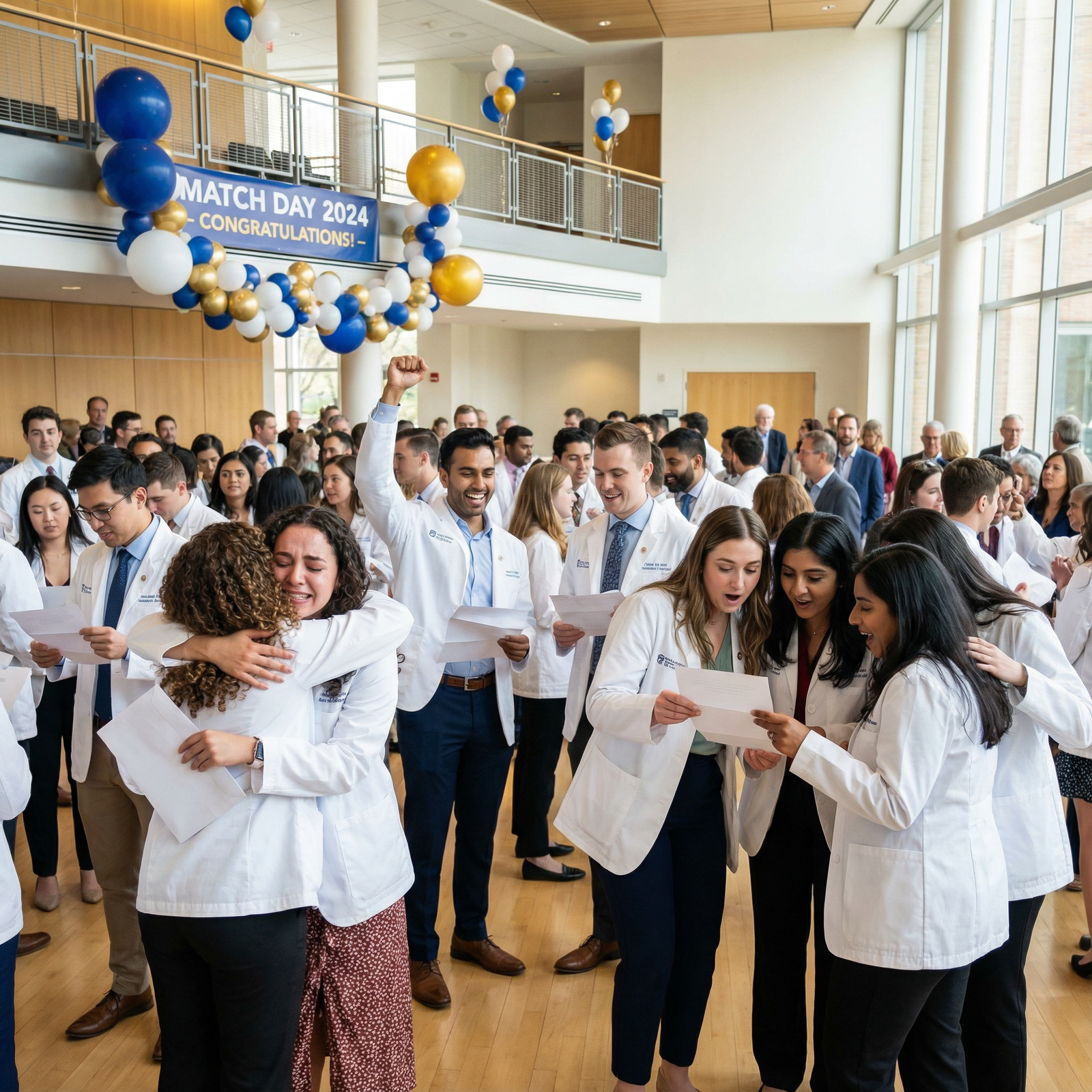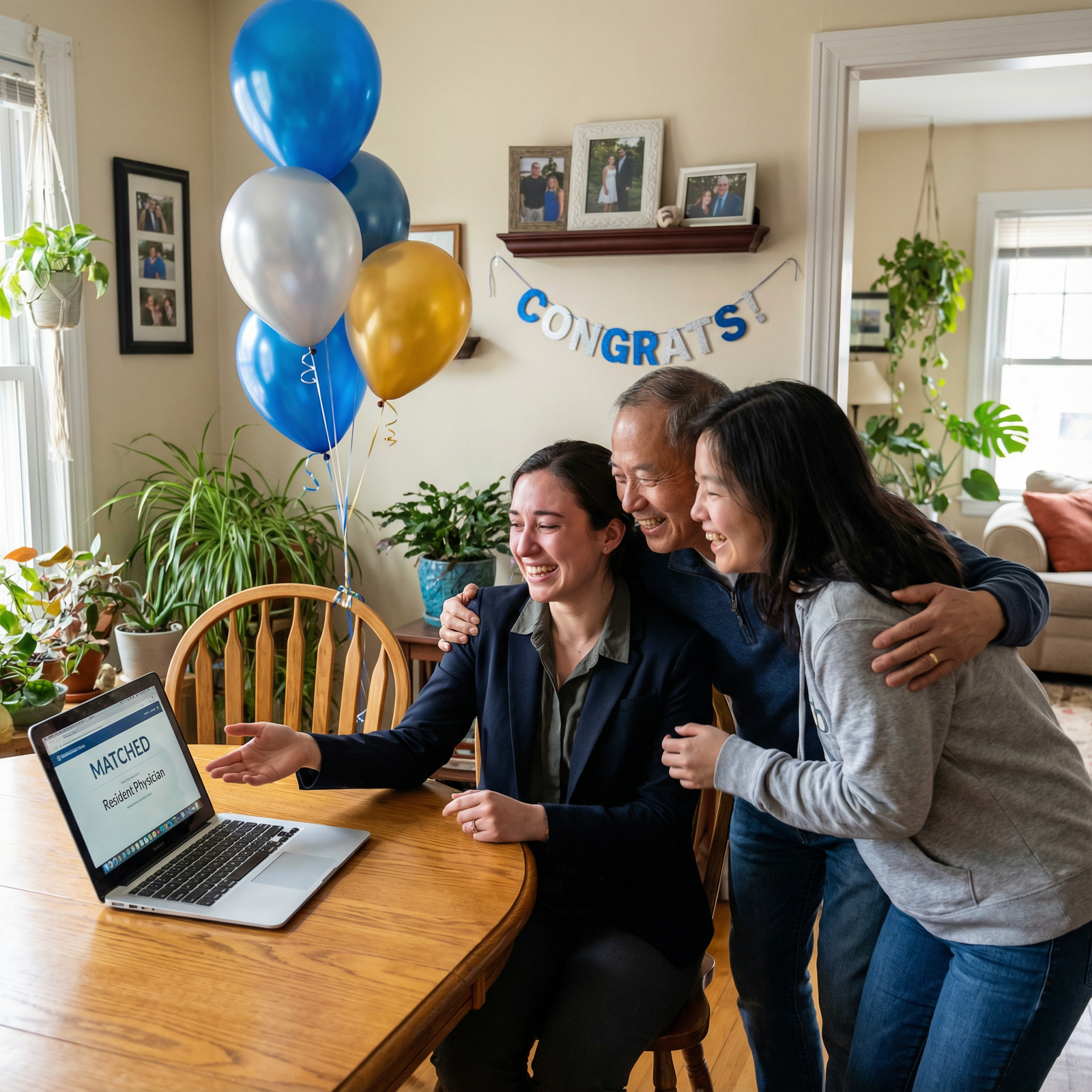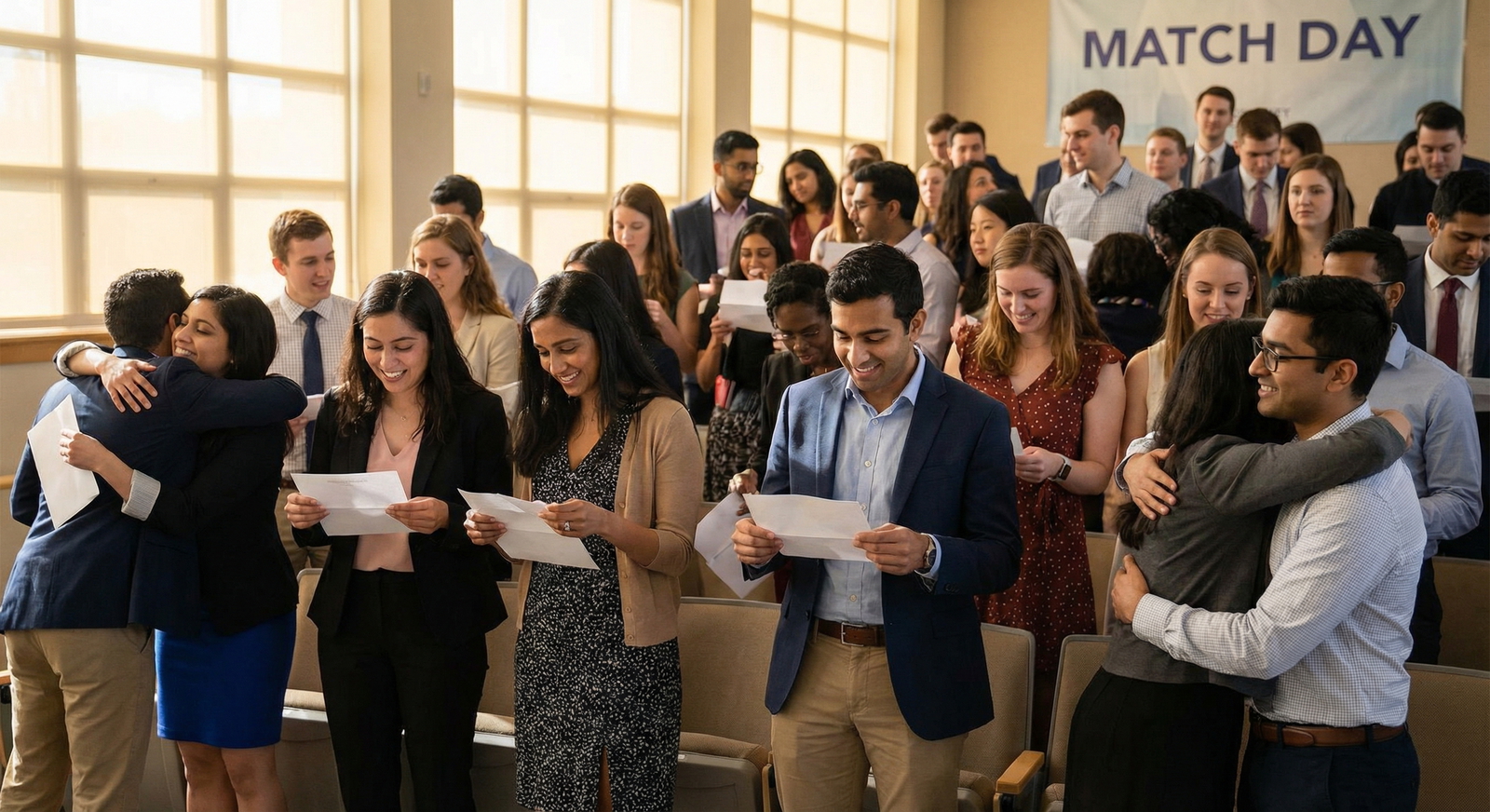
Match Day is one of the most emotional, high‑stakes moments in your journey as a US citizen IMG (International Medical Graduate). You’ve navigated a different education system, time zones, and often distance from home—all culminating in one envelope. This guide is designed specifically for you: an American studying abroad who needs both the practical playbook and the emotional roadmap for Match Week and Match Day.
Understanding the Match Week Timeline as a US Citizen IMG
The first step in having a smooth Match Day is understanding exactly what happens during Match Week—and how it affects you as a US citizen IMG.
Key Dates and Events
Although dates shift slightly each year, the structure is stable. Here’s what usually happens:
1. Monday of Match Week – Did I Match?
- 9:00 AM ET (NRMP email & portal):
You learn whether you matched, but not where. - Possible statuses:
- “You have matched” – You’re done with SOAP; now you wait for Match Day.
- “You have not matched” – You are fully unmatched and SOAP-eligible.
- “You are partially matched” – You matched to a preliminary only or advanced only position; also SOAP-eligible.
As a US citizen IMG, this email determines whether the next four days are about celebration and anticipation or urgent SOAP strategy.
2. Monday, noon – Unfilled Programs List Released (SOAP eligible only)
- You gain access to a list of programs with unfilled positions.
- For US citizen IMGs, this list often contains programs more open to IMGs than those in the main match.
3. Monday–Thursday – SOAP (Supplemental Offer and Acceptance Program)
- You can apply to a limited number of programs (usually 45).
- There are multiple SOAP “rounds” of offers.
- You must be ready with:
- SOAP-optimized versions of your ERAS application
- Updated personal statement(s)
- Fast interview availability (often via Zoom)
4. Friday – Match Day
If you matched in the main NRMP Match:
- Usually 12:00 PM local time:
You receive the name of the program where you matched. - US medical schools host ceremonies; as an American studying abroad, your experience might be different:
- Your international school may hold its own ceremony.
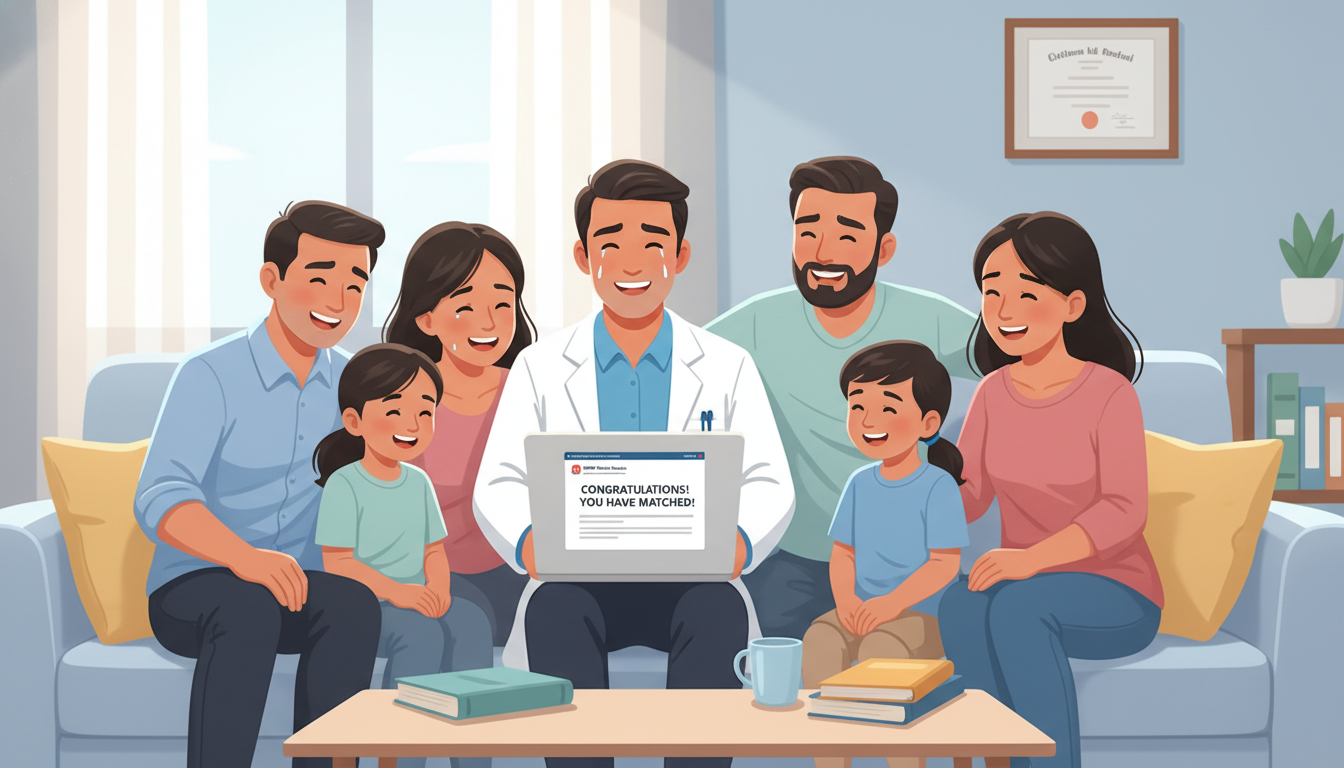
- Many US citizen IMGs opt for a personal/family ceremony at home.
Knowing when is Match Day and how the Match Week timeline works allows you to plan your schedule, emotions, and backup strategies.
Strategic Prep Before Match Day: What Every US Citizen IMG Should Do
Success on Match Day begins months before the actual envelope. As a US citizen IMG, you face unique challenges—visa confusion (even though you’re a US citizen), geography, and sometimes bias. Strategic preparation can narrow those gaps.
1. Prepare Your Logistics Early
Because you’re often abroad, logistics can get complicated.
Make a pre-Match Week checklist:
- Confirm your NRMP registration and ranking:
- Double-check your rank order list before the NRMP deadline.
- Ensure any couples match ranking strategies are solid.
- Stable email and phone access:
- Use a reliable email you check frequently.
- Ensure your US phone number (or WhatsApp/Zoom) works for short-notice SOAP calls.
- Time zone planning:
- Know the time difference between your current location and Eastern Time (ET).
- Set alarms for:
- Monday 9:00 AM ET – Match status
- SOAP deadlines
- Friday Match Day announcements
Example (American studying in the Caribbean):
- You’re in AST (Atlantic Standard Time), 1 hour ahead of ET in winter:
- NRMP Monday email: 10:00 AM local time
- Match Day Friday: Typically 1:00 PM local time if noon ET.
2. Emotional and Mental Preparation
As a US citizen IMG, you may have already felt second‑guessing comments: “Why didn’t you go to med school in the US?” That pressure can magnify on Match Week.
Concrete strategies:
- Define your support circle in advance:
- Decide who you want with you when the Monday email arrives.
- Decide who is present (physically or virtually) on Match Day.
- Plan scripts for both outcomes:
- “If I match, here’s how I’ll share the news.”
- “If I don’t match, here are the three people I’ll call first (mentor, advisor, trusted friend).”
- Pre‑commit to self-care choices:
- No major travel on Match Monday or Thursday (heavy SOAP days).
- Schedule short walks, meals, and sleep—burnout during SOAP reduces performance.
3. Clarify Your Backup Strategy in Advance
Before Match Week starts, decide what you will actually do if you don’t match:
- Will you:
- Go all‑in on SOAP this cycle?
- Regroup and strengthen for next year (research, observerships, Step exams)?
- Consider other roles (prelim year, transitional year, research position)?
For US citizen IMGs, having a US passport gives you a huge advantage: no visa issues. That makes you more attractive for SOAP positions than non‑US‑citizen IMGs, but you still need a plan.

Navigating Monday: You Matched vs You Didn’t Match
Monday of Match Week is often more intense than Friday. Your entire week’s strategy diverges based on that 9:00 AM ET message.
Scenario A: You Matched
If the portal says “You have matched”:
Take a breath before anything else.
- You will likely feel an adrenaline spike. Give yourself a few minutes to absorb the reality that you are going to be a resident physician.
Resist the urge to obsess over program speculation.
- You won’t know where you matched until Friday.
- Trying to reconstruct your rank list and guess is emotionally draining and rarely accurate.
Practical steps for the week:
- Confirm your contact information is up to date in ERAS and NRMP.
- Notify key mentors and letter writers that you matched.
- If you’re still abroad, begin early thinking about:
- Housing searches
- US relocation timelines
- Reviewing contract expectations once you know the program
Plan your Match Day environment:
- If you’re not part of a large US-style ceremony (common for American studying abroad):
- Decide where you’ll open your email/envelope.
- Invite family, close friends, or set up a Zoom opening with loved ones in the US.
- Consider a small, meaningful ritual (e.g., writing a note to your “future intern self” the night before).
- If you’re not part of a large US-style ceremony (common for American studying abroad):
Scenario B: You Did Not Match (Unmatched or Partially Matched)
If the message is “You did not match” or “You are partially matched,” your goal shifts to SOAP mode. Time suddenly matters more than anything else.
1. Immediate Response: First 1–2 Hours
- Allow yourself 30–60 minutes to process your emotions.
Then pivot to action: - Contact:
- Your school’s dean’s office or match advisor
- A trusted faculty mentor familiar with US residency
- Any US-based mentor who knows how SOAP works
Do not: Post on social media prematurely, or make any final decisions about your career path right away.
2. Analyze Why You May Not Have Matched
This doesn’t mean you give up; it shapes your SOAP strategy.
Ask yourself (and your advisor):
- Were your scores (USMLE/COMLEX) below the median for your chosen specialty?
- Did you apply too narrowly (few programs, very competitive specialties)?
- Were there red flags (gaps, multiple attempts, professionalism issues)?
- Were you mainly targeting programs with low IMG intake?
As a US citizen IMG, remember: programs might prefer US grads first—but they often still consider you above non-citizen IMGs, especially when visas are an issue.
3. SOAP Application Strategy for US Citizen IMG
SOAP allows a limited number of applications, so you must be highly strategic.
Key tactics:
Broaden your specialty scope:
- If you applied in something competitive (e.g., dermatology, ortho, radiology), consider:
- Internal Medicine
- Family Medicine
- Pediatrics
- Transitional Year or Preliminary Internal Medicine/Surgery
- If you applied in something competitive (e.g., dermatology, ortho, radiology), consider:
Target IMG‑friendly programs specifically:
- Use resources like FREIDA and school advising lists.
- Ask senior IMGs where they matched and which programs are historically open to US citizen IMGs.
Highlight your strengths as an American studying abroad:
- US citizenship – ready to start without visa delays.
- Cross‑cultural adaptability and resilience from training abroad.
- Any US clinical experience and strong US-based letters.
One example SOAP plan:
- Original goal: Categorical Internal Medicine.
- SOAP targets:
- 20–25 Internal Medicine prelim or categorical positions at IMG‑friendly community programs.
- 10–15 Family Medicine programs known to take US citizen IMGs.
- 5–10 Transitional Year programs connected to IM‑heavy hospitals.
4. Behavioral Tips During SOAP
- Respond quickly to any communication.
- Stay reachable by phone, email, and video platforms.
- Be ready for last-minute interviews that can occur with very little notice.
- Maintain a professional, calm presence even if you’re stressed—programs are deciding whether they can rely on you during high-pressure residency situations.
Match Day Itself: How to Handle the Moment
By Friday, whether through the main Match or SOAP, your destination is decided. Now it’s about managing the experience and your next steps.
If You Matched in the Main Match
1. Setting Your Environment
As a US citizen IMG, you may not have a traditional US med school ceremony—but you can still create a meaningful Match Day.
Ideas:
- Small home ceremony:
- Print a “Match Day 20XX” sign.
- Have a friend or family member hold your laptop or envelope so you open it “ceremony style.”
- Virtual ceremony:
- Coordinate a Zoom or FaceTime with family in the US.
- Share screen when you open the NRMP email.
- School event abroad:
- Many Caribbean and international schools arrange their own Match Day gatherings—participate if this feels supportive.
2. Reading the Result
When the email arrives:
- Read the program name and location slowly.
- Give yourself a moment to process feelings, whether:
- Joy at your top choice,
- Relief that you matched,
- Or mixed emotions if it’s lower on your list or in a less desired city.
All of these reactions are valid. Matching is a major professional success regardless of whether it’s rank #1 or #10.
3. Sharing the News
- Prepare short messages in advance:
- For family: “I matched in Internal Medicine at [Program, City]!”
- For mentors: “Thank you for your support. I matched at [Program, Specialty]. Could we schedule a call to talk about next steps?”
- Update:
- Your CV with “Incoming [Specialty] Resident, [Program], [Start Year]”.
- Professional LinkedIn, if you use it.
- Remember confidentiality rules—don’t share anything that NRMP forbids (e.g., ranking details, communications that violate policy).
If You Matched via SOAP
If you secured a position through SOAP, your Match Day feelings may be complex—and that’s okay.
- Recognize this truth:
You are now a physician in training. That is a major win. - Avoid minimizing your achievement just because it happened through SOAP.
- Communicate clearly to others:
- “I matched into [Specialty] at [Program]. I’ll start in July.”
- You don’t owe anyone details about SOAP unless you choose to share them.
Post‑Match Day Strategy: From Celebration to Preparation
Once the initial emotions settle, it’s time to convert your Match Day result into a smooth transition to residency.
1. Understand Your Program and City
As an American studying abroad, you may not know much about your matched city or hospital.
Research immediately:
- Hospital details:
- Size, patient population, affiliated medical school.
- Call structure, rotation schedules (if available online).
- City basics:
- Cost of living, safety, commute options.
- Neighborhoods where residents typically live.
Contact current residents:
- Ask the program coordinator if you can be connected to a PGY‑1 or PGY‑2.
- Ask:
- “What do you wish you had known before starting?”
- “Where do most residents live?”
- “Any practical tips for an incoming US citizen IMG?”
2. Manage Licensing and Paperwork
Even as a US citizen, you must navigate state licensure nuances as an IMG.
Common items:
- Pre-employment onboarding:
- Background check
- Drug screening
- Immunization records (MMR, Varicella, Hep B, TB testing)
- USMLE/COMLEX documentation:
- Keep all score reports accessible.
- State-specific paperwork:
- Some states require additional forms or early training licenses.
- Watch for emails from your GME office about deadlines.
3. Relocation Planning for US Citizen IMGs
Relocating from abroad adds extra steps:
- Travel logistics:
- Plan your move date—usually 3–4 weeks before orientation.
- Check passport validity and any customs issues for shipping belongings.
- Housing:
- Decide whether to:
- Arrive early and search in person, or
- Use short-term housing (Airbnb/temporary sublet) for the first few weeks.
- Decide whether to:
- Financial planning:
- Budget for:
- First month’s rent + deposit
- Moving costs
- Licensing and exam fees (if Step 3 is still pending)
- Some programs offer moving stipends—ask about this politely.
- Budget for:
4. Academic Preparation Before Day 1
After Match Day, you still have valuable months to prepare for intern year.
Targeted academic steps:
- Review core topics in your specialty:
- For IM/FM: common inpatient conditions, ACLS basics, antibiotics.
- For Pediatrics: newborn care, vaccine schedules, common pediatric emergencies.
- Plan for Step 3 (if needed) timing:
- Many US citizen IMGs choose:
- Late spring/early summer before residency, or
- After settling into intern year, depending on program flexibility.
- Many US citizen IMGs choose:
Clinical skills refresh:
- If you’ve been away from clinical rotations:
- Review basic note writing (H&P, progress notes).
- Practice presenting cases concisely.
- Revisit common orders (admission orders, pain management, fluids, DVT prophylaxis).
Common Pitfalls for US Citizen IMGs—and How to Avoid Them
1. Underestimating Emotional Impact
Even successful Match Days can trigger:
- Imposter syndrome: “I matched, but did I deserve it?”
- Comparison: “My friends in the US matched at more ‘prestigious’ places.”
Counterstrategy:
- Remember that residency training quality depends heavily on your effort, mentorship, and case exposure—not just name brand.
- Seek mentors who remind you that your path (American studying abroad) has built unique resilience.
2. Neglecting Backup Planning
Going into Match Week with a “match or nothing” mindset increases distress.
Better approach:
- Have a written list:
- SOAP plan.
- If unmatched after SOAP: steps for a gap year (research, observerships, reapplication strategy).
3. Failing to Leverage US Citizenship
As a US citizen IMG, you bring an advantage some IMGs don’t have:
- No visa sponsorship required.
- Flexibility to start work on time without immigration delays.
Make this clear:
- In SOAP communications and interviews, subtly highlight:
- “I am a US citizen with full work authorization.”
- “I have strong ties to [state/region] and plan to practice in the US long-term.”
Frequently Asked Questions (FAQ)
1. I’m a US citizen IMG. Does being a citizen really help my chances on Match Day?
Yes. While you still compete with US MD/DO graduates, US citizenship removes visa-related barriers that many IMGs face. Programs are often more comfortable ranking and SOAP‑offering US citizen IMGs because:
- There are no delays or costs associated with H‑1B or J‑1 visas.
- Long-term retention in the US is more likely.
That said, you must still present a strong application (scores, clinical experience, letters, and interviews) to be competitive.
2. When is Match Day, and should I be physically in the US for it?
Match Day is typically the third Friday in March each year (check the current NRMP calendar for exact dates). You do not need to be physically in the US to participate:
- Many American students studying abroad open their Match results from:
- Their international campus,
- At home with family,
- Or wherever they have secure internet access.
Just ensure:
- You understand the time zone difference for the Match Day release.
- You have a reliable internet connection and updated contact information.
3. I didn’t match as a US citizen IMG. What should I do next?
If you didn’t match:
- Engage fully in SOAP (if eligible):
- Work with your school and mentors.
- Apply broadly to IMG‑friendly programs and less competitive specialties.
- If still unmatched after SOAP:
- Analyze your application:
- Scores, timing of exams, clinical experience, letters, specialty choice.
- Strengthen your profile:
- US clinical experience (observerships, externships).
- Research or quality improvement projects.
- USMLE Step 3 (if appropriate for your timeline).
- Meet with an advisor who understands US citizen IMG trajectories to craft a 6–12 month improvement plan.
- Analyze your application:
4. How should I explain being an American studying abroad during interviews and SOAP?
Programs will often ask why you attended medical school abroad. A strong response:
- Avoid being defensive.
- Emphasize:
- Your commitment to medicine and the path that made the most sense at the time.
- The advantages of your training (exposure to diverse pathology, resourceful practice).
- Your strong commitment to training and practicing in the US long term.
For example:
“As a US citizen, I chose to study medicine abroad because it offered me a clear, structured pathway into medicine when options in the US were limited. Training internationally has made me adaptable, comfortable with diverse patient populations, and highly motivated to contribute to the US healthcare system. I’ve complemented this with US clinical experience and am committed to building my career here.”
Match Day for a US citizen IMG is not just a date on the calendar—it’s the culmination of a nontraditional but powerful journey. Whether you’re opening your email in a Caribbean lecture hall, your parents’ living room, or a small apartment overseas, you’ve earned this moment.
With a clear understanding of the Match Week timeline, a realistic SOAP backup plan, and deliberate preparation for both the emotional and logistical sides of the process, you can move through Match Day with confidence—and step into residency ready to thrive.