From Classroom to Clinic: Transitioning into U.S. Clinical Experiences for IMGs
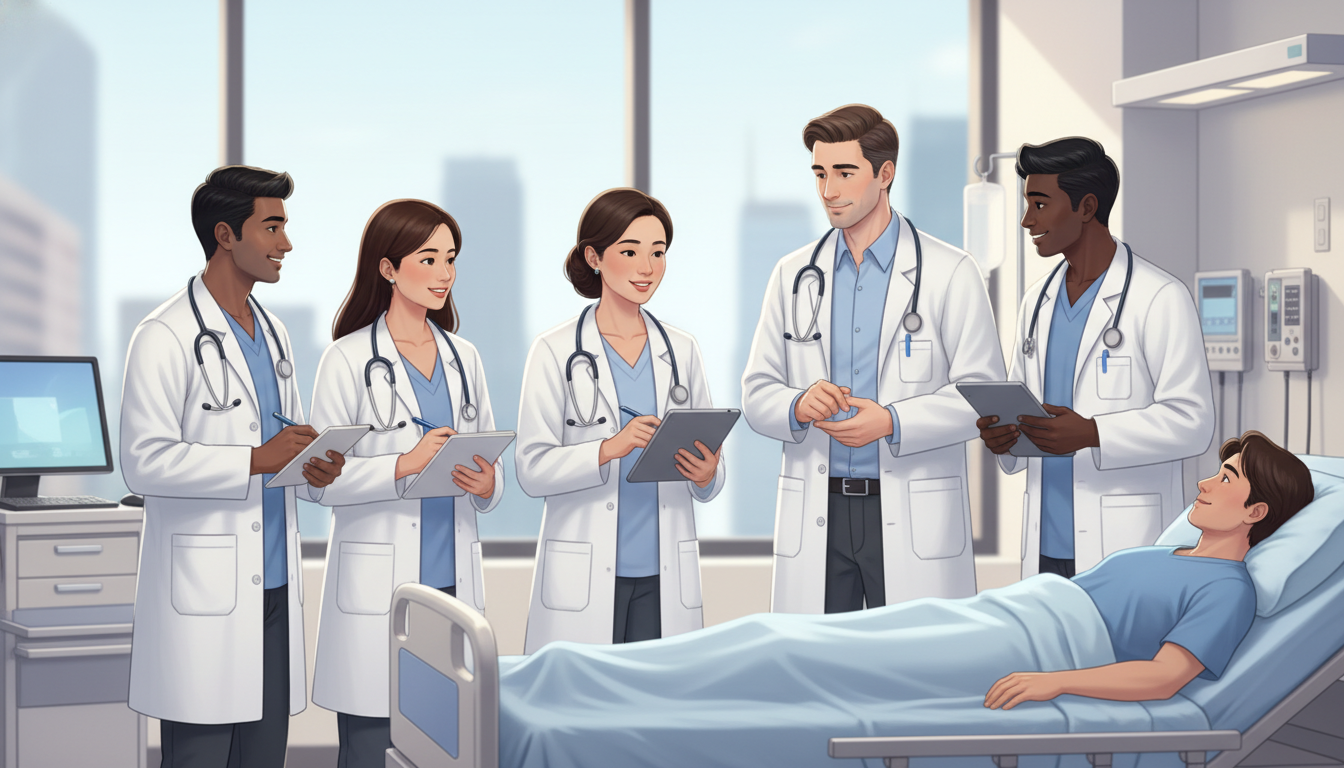
Transitioning from classroom-based training to hands-on patient care in the United States is one of the most defining steps in the journey of International Medical Graduates (IMGs). U.S. Clinical Experiences (USCEs) not only bridge the gap between theory and practice, they also serve as a crucial component of Residency Preparation and a major selection factor in the residency match process.
This guide expands on the essential steps, challenges, and strategies involved in moving from textbooks to bedside in the U.S. healthcare system—equipping IMGs with practical, realistic, and actionable advice to succeed in clinical environments.
Understanding U.S. Clinical Experiences and Their Role in Residency Preparation
What Are U.S. Clinical Experiences for IMGs?
“U.S. Clinical Experiences” is an umbrella term that includes a range of supervised activities within the U.S. healthcare system. They differ in the degree of hands-on involvement and level of responsibility:
Clerkships / Rotations (Hands-on USCE)
These are structured clinical rotations—often in teaching hospitals or academic centers—where IMGs:- Interact directly with patients (history, physical exams, progress notes)
- Participate in rounds with residents and attendings
- Present cases, formulate differential diagnoses, and propose management plans
For many IMG-friendly programs, recent hands-on U.S. clinical experience is strongly preferred or required.
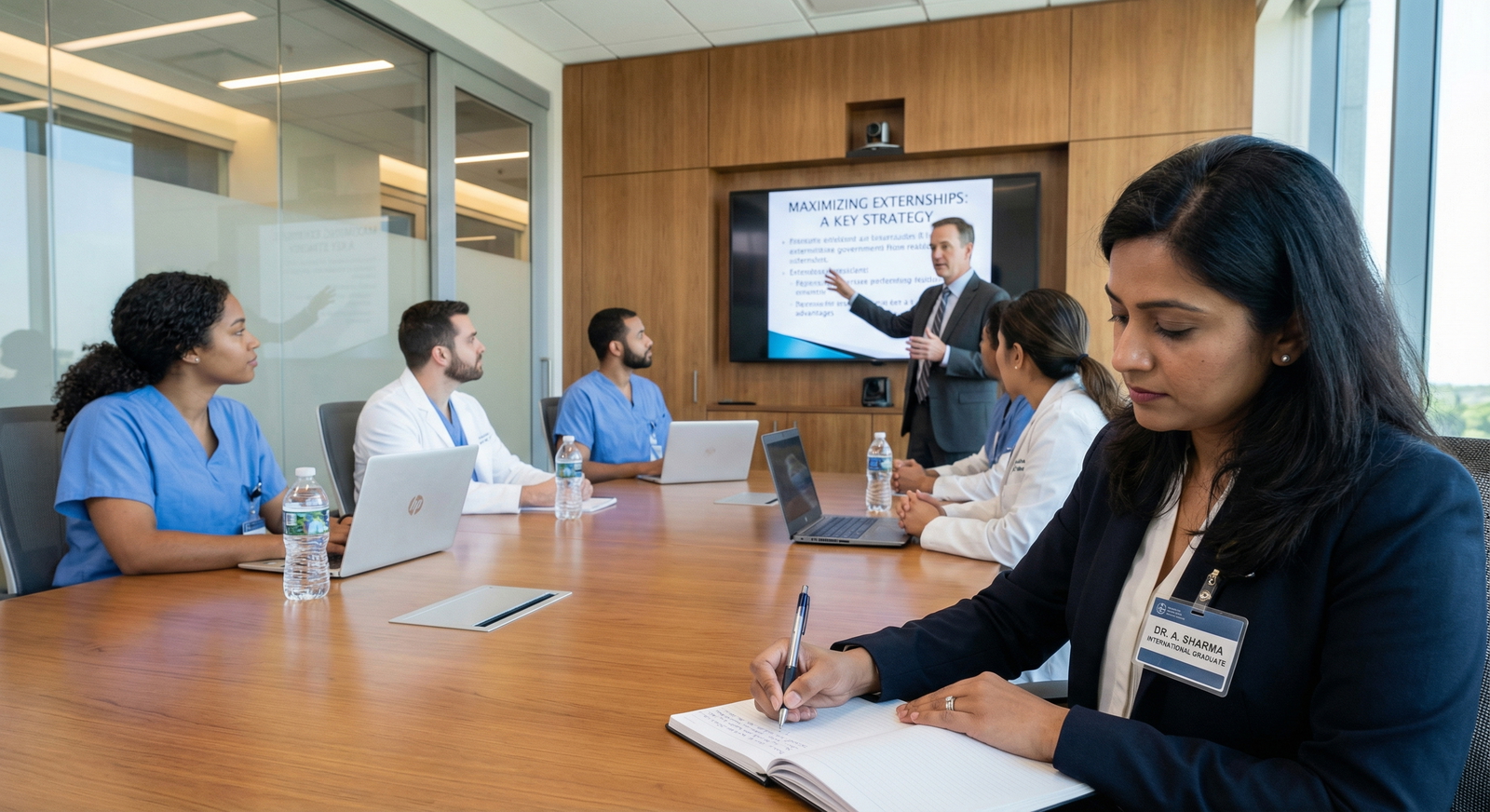
Externships
Externships are typically designed for medical graduates, not current students. They often simulate the role of an intern:- Hands-on experience under supervision
- Exposure to electronic health record (EHR) documentation
- Opportunity to demonstrate clinical reasoning and professionalism
These can be highly valuable for IMGs who have already graduated and need fresh, U.S.-based clinical references.
Observerships
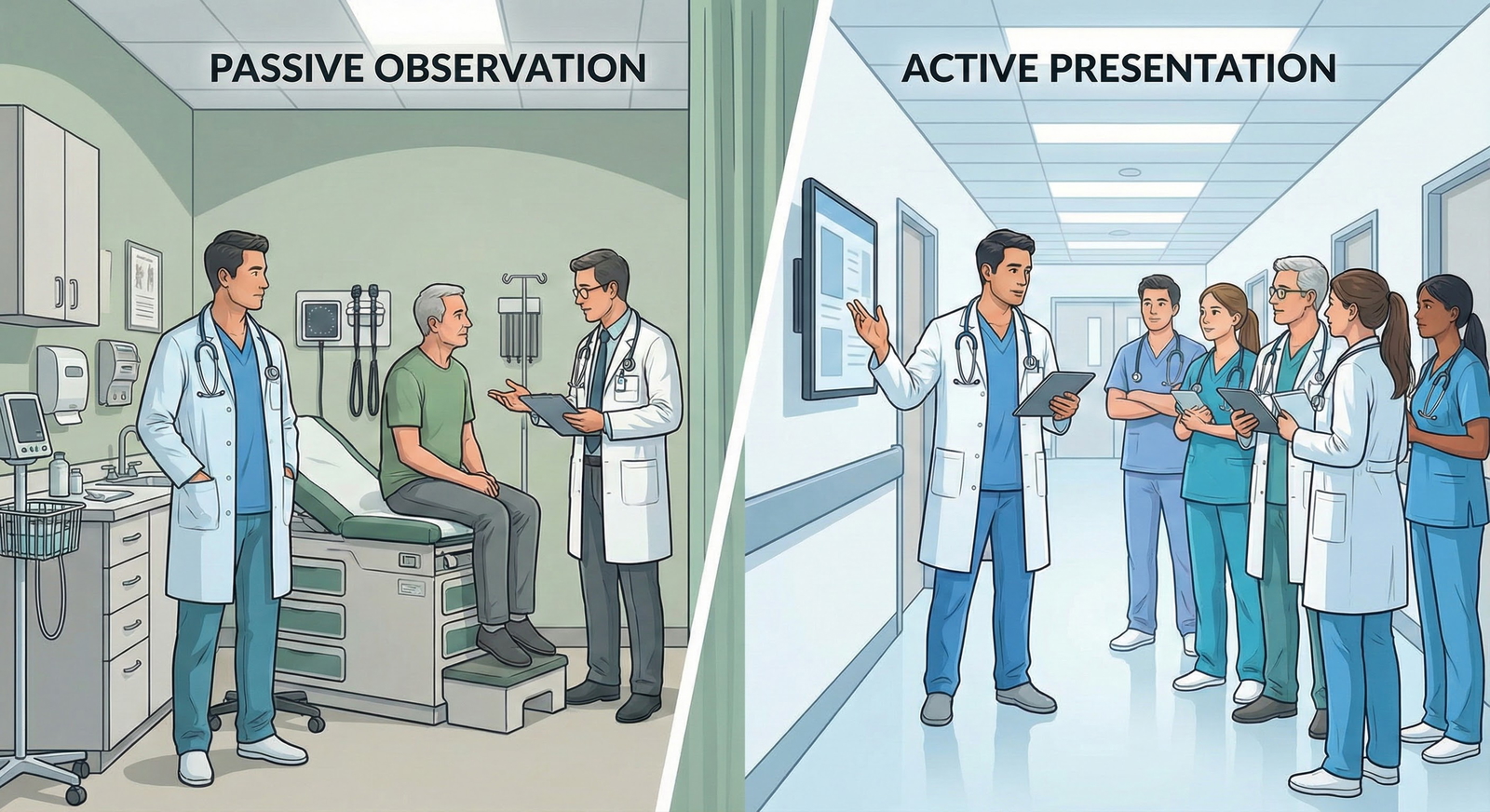
Observerships are mostly shadowing experiences:- You observe patient encounters and clinical reasoning
- No independent patient care, orders, or documentation
- Ideal for understanding workflow, communication styles, and cultural norms
While less impactful than hands-on experiences for some programs, strong observerships can still yield meaningful letters and significant insight into U.S. healthcare.
Research-Based Clinical Experiences
Some IMGs engage in clinical research roles with exposure to clinics or hospitals:- May involve chart reviews, data collection, quality improvement projects
- Limited direct patient contact, but excellent for academic CV building
- Can lead to strong academic letters of recommendation and publications
Why U.S. Clinical Experiences Matter for International Medical Graduates
U.S. clinical experiences sit at the center of successful Residency Preparation for IMGs because they:
Demonstrate familiarity with the U.S. healthcare system
Program directors want evidence that you:- Understand team-based care and interprofessional communication
- Can function in a system with strict documentation, billing, and regulatory processes
- Are comfortable with EHRs, HIPAA, and patient safety protocols
Build powerful professional networks
During USCEs, you meet:- Attendings who may write residency letters of recommendation (LORs)
- Residents and fellows who can advocate for you and provide interview tips
- Program coordinators and staff who may remember your professionalism and initiative
Enhance cultural competency and communication
Working with diverse patient populations sharpens:- Your ability to communicate with patients of varied backgrounds and health literacy levels
- Your sensitivity to social determinants of health, language barriers, and health beliefs
- Your readiness to practice in a culturally competent manner—an increasingly valued skill in U.S. healthcare
Strengthen your residency application profile
Strong U.S. clinical experiences:- Fill gaps if you’ve had a graduation delay or limited recent clinical exposure
- Provide concrete examples of clinical reasoning and teamwork for your personal statement and interviews
- Signal your genuine commitment to practicing medicine in the U.S.
Planning Your Path: How to Strategically Secure U.S. Clinical Experiences
Step 1: Clarify Your Goals and Readiness
Before applying for U.S. clinical experiences, assess your stage and objectives:
Are you a current medical student?
- Focus on electives or clerkships at U.S. institutions that accept international students.
- Coordinate with your home school’s Dean’s Office to meet visiting student requirements.
Are you a recent graduate (0–5 years from graduation)?
- Prioritize hands-on externships or clerkships where possible.
- Aim for experiences aligned with your intended specialty (e.g., internal medicine, pediatrics).
Are you an older graduate or career-switching IMG?
- Emphasize recent, high-quality USCE in primary care or your target field.
- Consider a mix of observerships and externships, plus research or quality improvement projects.
Also evaluate your readiness:
- Have you passed USMLE Step 1 or Step 2 CK? Many programs require at least Step 1.
- Are you on track for ECFMG certification?
- Is your English fluency and medical terminology comfortable enough for patient communication?
Clearly defined goals help you choose the right type and timing of U.S. clinical experiences.
Step 2: Research Programs and Understand Requirements
Finding legitimate, high-yield USCE opportunities takes time and strategy:
Use official and reputable sources
- University hospital and academic center websites (search “Visiting Medical Student Program,” “International Medical Student electives,” “IMG observership program”).
- ECFMG and AAMC resources that list training or visiting opportunities.
- Specialty societies (e.g., ACP, AAFP, AAP) that sometimes list externships or observerships.
Clarify eligibility criteria Common requirements include:
- Enrollment in or graduation from an approved medical school
- Proof of malpractice insurance (sometimes purchased through the program)
- Proof of immunizations, TB testing, and health clearance
- Background checks, drug screening, or HIPAA training
- USMLE exam status and ECFMG certification (for graduates)
Beware of red flags
- Extremely high fees with no clear structure or academic affiliation
- No defined supervisor or unclear clinical role
- No possibility of a formal evaluation or letter of recommendation
Building a spreadsheet can help you track:
- Program name, contact, and website
- Type of USCE (hands-on, observership, research)
- Requirements and costs
- Application deadlines
- Target specialty alignment

Step 3: Prepare Your Application Materials
Successful applications to U.S. clinical experiences mirror residency applications in professionalism and clarity. Prepare:
A U.S.-style CV
- List education, exam scores (if required), clinical rotations, research, and leadership.
- Emphasize any prior exposure to the U.S. healthcare system.
- Tailor to highlight experiences relevant to the specialty (e.g., internal medicine clinics for IM, pediatrics wards for peds).
A focused personal statement or statement of interest Briefly explain:
- Your background and long-term career goal (e.g., U.S. internal medicine residency).
- Why you are interested in this particular site or specialty.
- What you hope to gain (clinical skills, system understanding, enhancement of cultural competency).
- How you will contribute (work ethic, language skills, research interest, diversity perspective).
Supporting documents
- Medical school transcript and dean’s letter (MSPE) if requested
- USMLE transcripts and ECFMG status report (if applicable)
- Proof of English proficiency (TOEFL or OET), where required
- Immunization records, health forms, and background checks
Start preparing these materials at least 3–6 months before most application deadlines; many competitive electives and externships fill early.
Step 4: Build and Leverage Your Network
Networking is one of the most powerful tools IMGs have for accessing U.S. clinical opportunities and strengthening Residency Preparation:
Tap into IMG communities
- Connect with alumni from your medical school already in the U.S.
- Join IMG-focused organizations or platforms.
- Attend webinars and online meetups on U.S. residency and clinical experiences.
Engage with professional societies
- Join organizations like the American Medical Association (AMA), ACP, AAFP, or specialty interest groups that welcome medical students and graduates.
- Participate in conferences (even virtually) to meet faculty and residents who may guide you toward clinical experiences.
Use social and professional media strategically
- Maintain a professional LinkedIn profile highlighting your medical background, exam progress, and interests.
- Join LinkedIn and Facebook groups specifically for IMGs and U.S. Clinical Experiences.
- Reach out respectfully to physicians, stating briefly who you are, your goals, and asking for advice (not just a favor).
A concise message might say:
“I am an IMG from [Country], interested in [Specialty], preparing for U.S. residency. I admire your work at [Institution/Field]. Could you suggest how someone in my position might explore observership or clinical learning opportunities in your department or similar settings?”
Step 5: Prepare for and Excel in Interviews for USCE
Some programs will interview applicants for clinical experiences, often virtually:
Understand the program’s expectations
- Review the site’s patient population, services offered, and mission.
- Be ready to explain why their setting is a good match for your goals.
Practice common question types
- “Tell me about yourself and your journey as an IMG.”
- “Why do you want to pursue U.S. clinical experiences?”
- “Describe a challenging clinical situation and how you handled it.”
- “How do you handle feedback or mistakes?”
Show adaptability and insight Highlight how your prior training abroad:
- Has prepared you to work in resource-limited and resource-rich settings.
- Gives you unique perspectives that can enhance patient care and team diversity.
- Has motivated you to refine your Cultural Competency for U.S. patients.
Treat these interviews as early preparation for residency interviews—the skills are directly transferable.
Making the Most of Your U.S. Clinical Experiences
Securing a position is only the beginning. How you perform during your USCE will directly influence letters of recommendation, reputation, and your confidence entering residency.
Learn the System and the Culture of Care
Use your rotation to understand the “hidden curriculum” of U.S. healthcare:
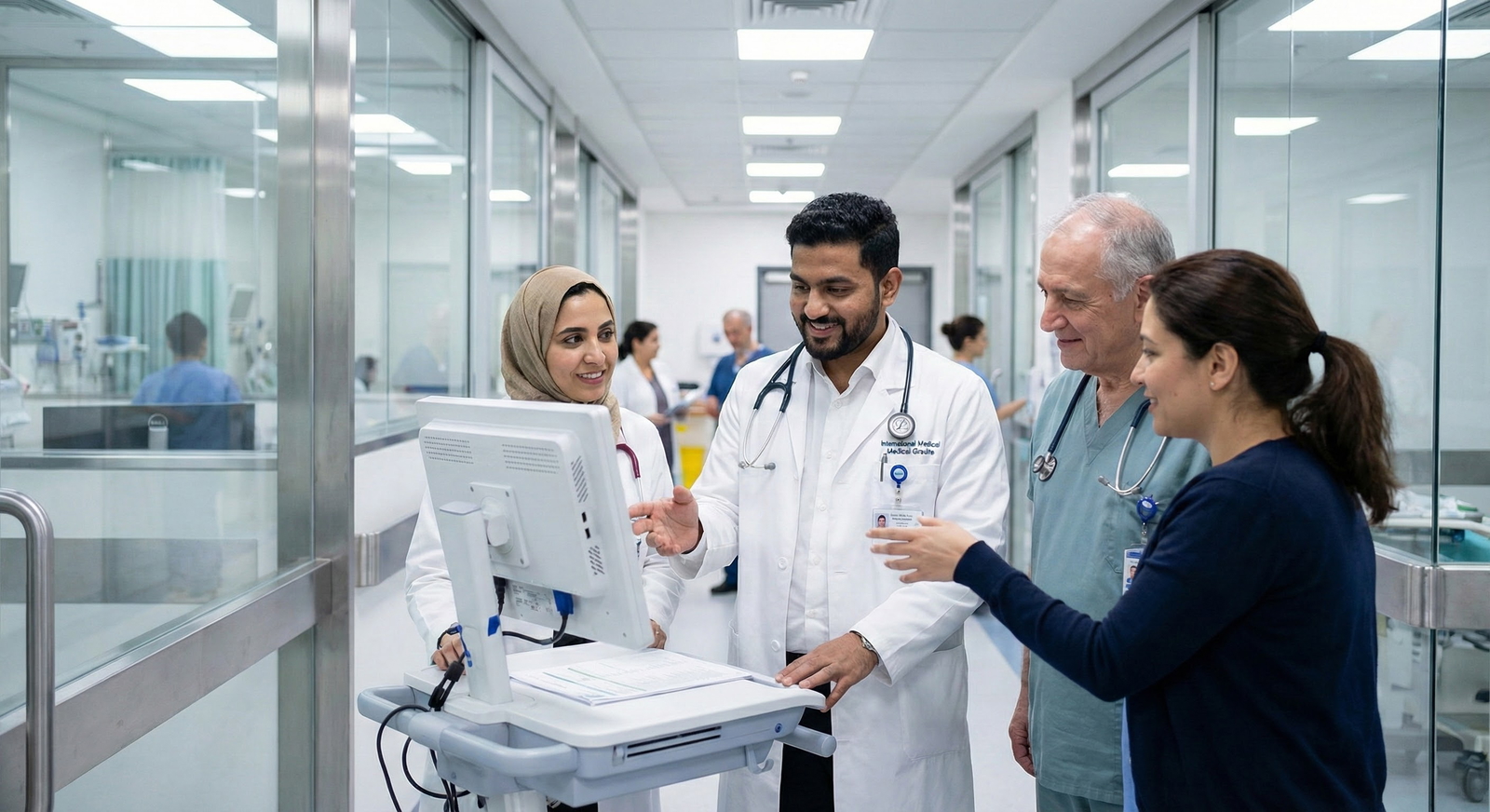
Workflow and team structure
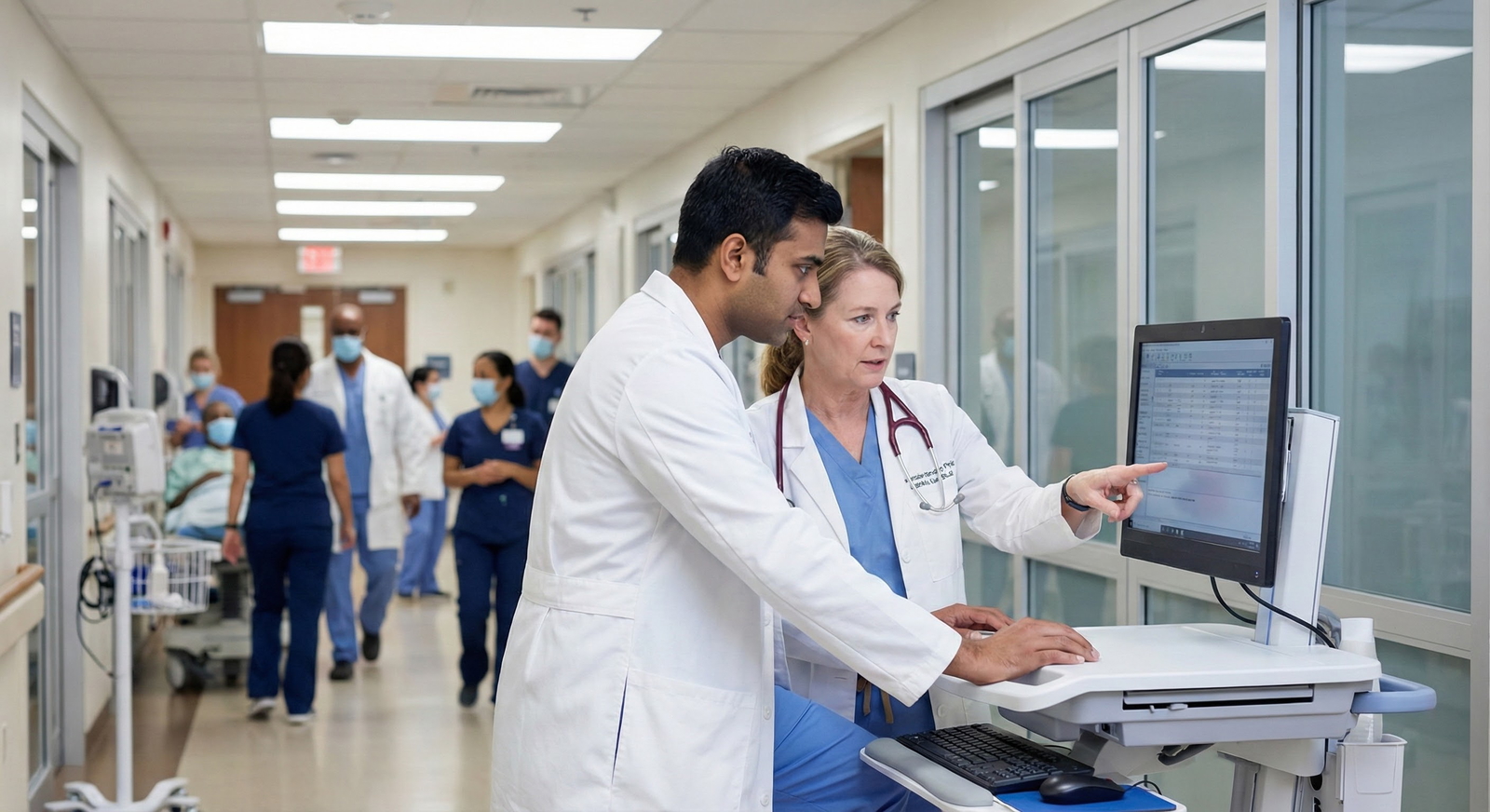
- Observe the roles of attendings, fellows, residents, interns, nurses, NPs/PAs, pharmacists, social workers, and case managers.
- Learn when and how each team member is typically contacted.
Documentation and EHR use
- Pay close attention to note structure: H&P, SOAP notes, progress notes, discharge summaries.
- Notice how physicians document for clarity, billing, quality metrics, and medico-legal safety.
Patient safety and quality practices
- Learn about checklists, time-outs, medication reconciliation, and handoff protocols.
- Engage in or observe quality improvement (QI) activities if possible.
Strengthen Clinical Skills and Professionalism
Whether your experience is hands-on or observational, you can actively grow:
Be consistently prepared
- Pre-read about common conditions seen on your service.
- Know your patients’ labs, imaging, and overnight events when presenting.
- Prepare focused, succinct presentations.
Seek and apply feedback
- Ask your attending or senior: “What is one thing I can do to improve my presentations or clinical reasoning?”
- Show that you can incorporate feedback quickly and positively.
Display professional behaviors
- Arrive early, stay engaged, and volunteer for tasks within your permitted scope.
- Maintain confidentiality and adhere strictly to HIPAA and hospital policies.
- Communicate respectfully with all team members, including nursing and non-clinical staff.
Keeping a brief reflective journal can help you:
- Track new clinical skills and system knowledge.
- Record cases that may later illustrate your growth in personal statements or interviews.
- Recognize patterns in your development and areas needing further work.
Navigating Common Challenges in the Classroom-to-Clinic Transition
Adapting to Cultural and Communication Differences
For many IMGs, cultural and communication adjustments are more challenging than medical knowledge itself:
Refine your spoken and clinical English
- Practice explaining diagnoses and plans in simple language.
- Role-play patient encounters to build confidence.
- Ask team members if your communication is clear and what could be improved.
Develop advanced Cultural Competency
- Notice how physicians explore social history (housing, employment, education, social supports).
- Observe how clinicians address sensitive topics like mental health, sexuality, substance use, and end-of-life care.
- Learn to navigate shared decision-making with families who may have very different expectations from those in your home country.
Use interpreters effectively
- Learn hospital policies on interpreter use.
- Observe best practices: speaking directly to the patient, using short sentences, and confirming understanding.
Mastering these skills not only improves patient care but also reassures program directors that you can thrive in diverse U.S. communities.
Handling Regulatory, Licensing, and Certification Requirements
Regulatory steps can feel overwhelming, but breaking them down makes them manageable:
Understand ECFMG Certification
- Keep track of: medical school verification, USMLE exam sequence, English proficiency (if required), and form submissions.
- Use the ECFMG and USMLE official websites for the most current policies.
Stay updated on state and institutional rules
- Different states and institutions have specific requirements for IMGs even for observational roles (e.g., specific forms, malpractice coverage).
- Before starting, confirm exactly what is required so your rotation is not delayed or canceled.
This regulatory literacy signals professionalism and readiness for residency.
Managing Financial and Logistical Challenges
U.S. clinical experiences can be expensive, encompassing program fees, travel, housing, visas, and daily living costs:
Budget realistically
- List all likely costs: application fees, tuition or rotation fees, visa expenses, flights, local transport, and accommodation.
- Consider cheaper housing options like short-term rentals, student housing, or shared apartments with other IMGs.
Look for support
- Explore scholarships, small grants, or institutional aid available through:
- Your home medical school
- International medical associations
- Faith-based or community organizations in your host city
- Explore scholarships, small grants, or institutional aid available through:
Optimize visas and timing
- Choose visa types that align with your activities and duration (often B-1/B-2 for observerships; J-1 for formal academic programs, depending on institution policy).
- Combine multiple clinical experiences in the same trip where possible to maximize your investment.
Thoughtful planning reduces stress and allows you to focus on learning and professional growth.

Connecting U.S. Clinical Experiences to the Residency Match
U.S. clinical experiences should not exist in isolation—they are part of a broader Residency Preparation strategy.
Translating Your Experience into Strong Letters of Recommendation
Toward the end of your rotation:
Identify potential letter writers
- Choose attendings who supervised you closely and saw your work ethic, clinical reasoning, and communication skills.
- Ideally, target at least one letter from your intended specialty (e.g., one internal medicine letter for IM residency).
Ask clearly and respectfully
- Request a “strong, detailed letter of recommendation for U.S. residency applications.”
- Provide your CV, personal statement draft, and a list of programs or specialties you are targeting.
Follow up appropriately
- Send a polite thank-you email, and later confirm that the letter was uploaded to ERAS if applicable.
Strong, U.S.-based LORs are often one of the most influential outcomes of your clinical experiences.
Showcasing USCE in Your Personal Statement and Interviews
When applying to residency:
Highlight specific experiences
- Describe 1–2 cases or moments that show how USCE shaped your clinical skills, professional values, or specialty choice.
- Emphasize what you learned about the U.S. healthcare system and Cultural Competency.
Demonstrate system familiarity
- Mention your comfort with rounding structure, EHRs, interprofessional collaboration, and quality improvement processes.
- This reassures programs that you can “hit the ground running.”
Reflect on growth
- Explain how transitioning from classroom-based learning to real clinical responsibilities in the U.S. has prepared you for the demands of residency.
Frequently Asked Questions (FAQ)
1. What are the best ways for IMGs to find legitimate U.S. clinical experiences?
- Start with academic medical centers and university hospitals that list visiting student or IMG observership programs on their websites.
- Use professional societies (AMA, ACP, AAFP, AAP, etc.) and IMG-focused organizations for leads.
- Network with alumni and senior IMGs who can recommend reputable programs or directly introduce you to supervisors.
- Be cautious with paid third-party companies—research reviews, affiliations, and whether past participants successfully obtained letters and matched to residency.
2. Do I need ECFMG certification or USMLE exams completed before starting U.S. clinical experiences?
Not always—but the requirements vary:
- For observerships: Many programs accept IMGs without full ECFMG certification; some accept those who have not yet taken USMLE exams.
- For hands-on externships or clerkships: Programs frequently require at least USMLE Step 1 (and sometimes Step 2 CK) passed, and for graduates, often ECFMG certification.
Always check the specific program’s requirements and plan your exam timeline accordingly.
3. How much do U.S. clinical experiences typically cost, and how can I reduce expenses?
Costs vary widely:
- Some academic observerships charge no or minimal fees, aside from health and background checks.
- Many private externship programs charge significant tuition-like fees, especially in competitive cities.
- Additional costs include visas, airfare, accommodation, transportation, and daily living.
To reduce expenses:
- Target university-based or teaching hospital programs with lower fees.
- Seek short-term housing options like shared apartments or dorms.
- Combine multiple rotations in one trip to the U.S. to maximize value.
4. How can I improve my chances of securing high-quality U.S. clinical experiences?
- Present a well-structured, professional application with a strong CV and focused statement of interest.
- Show evidence of commitment to your chosen specialty (research, electives, conferences).
- Network early with physicians and residents, and ask for guidance and referrals.
- Apply well ahead of deadlines and to multiple programs, not just the most famous or competitive ones.
- Maintain excellent email etiquette and follow instructions carefully—this reflects your professionalism.
5. What should I do if I face cultural or communication barriers during my U.S. clinical experience?
- Seek feedback from supervisors and colleagues about your communication style and areas for improvement.
- Attend any available cultural competency or communication workshops offered by the hospital or community organizations.
- Observe how experienced clinicians handle sensitive or complex conversations and model their approach.
- Practice explaining diagnoses and plans in simple, non-technical English and confirm patient understanding (“teach-back” method).
Transitioning from classroom-based learning to real-world patient care in the U.S. is challenging, but it is also one of the richest learning phases in an IMG’s journey. With thoughtful planning, strategic networking, and a commitment to continuous growth, U.S. clinical experiences can transform you from a competent graduate into a residency-ready physician—equipped with strong clinical skills, refined Cultural Competency, and a deep understanding of U.S. healthcare training and practice.