Understanding USCE: What Caribbean IMGs Really Need
US Clinical Experience (USCE) is one of the most critical factors in your journey from Caribbean medical school to a successful US residency match. For a Caribbean IMG, USCE is more than “doing rotations in the US”—it is your proof that you can function effectively in the US healthcare system, with its specific standards, workflows, documentation, and team-based culture.
What Counts as USCE?
Program directors often differ in how strictly they define USCE, but in general, the strongest forms of USCE are:
Hands-on clinical experience
- Core and elective clerkships in the US (especially if they are ACGME-affiliated)
- Sub-internships (sub-Is) or acting internships
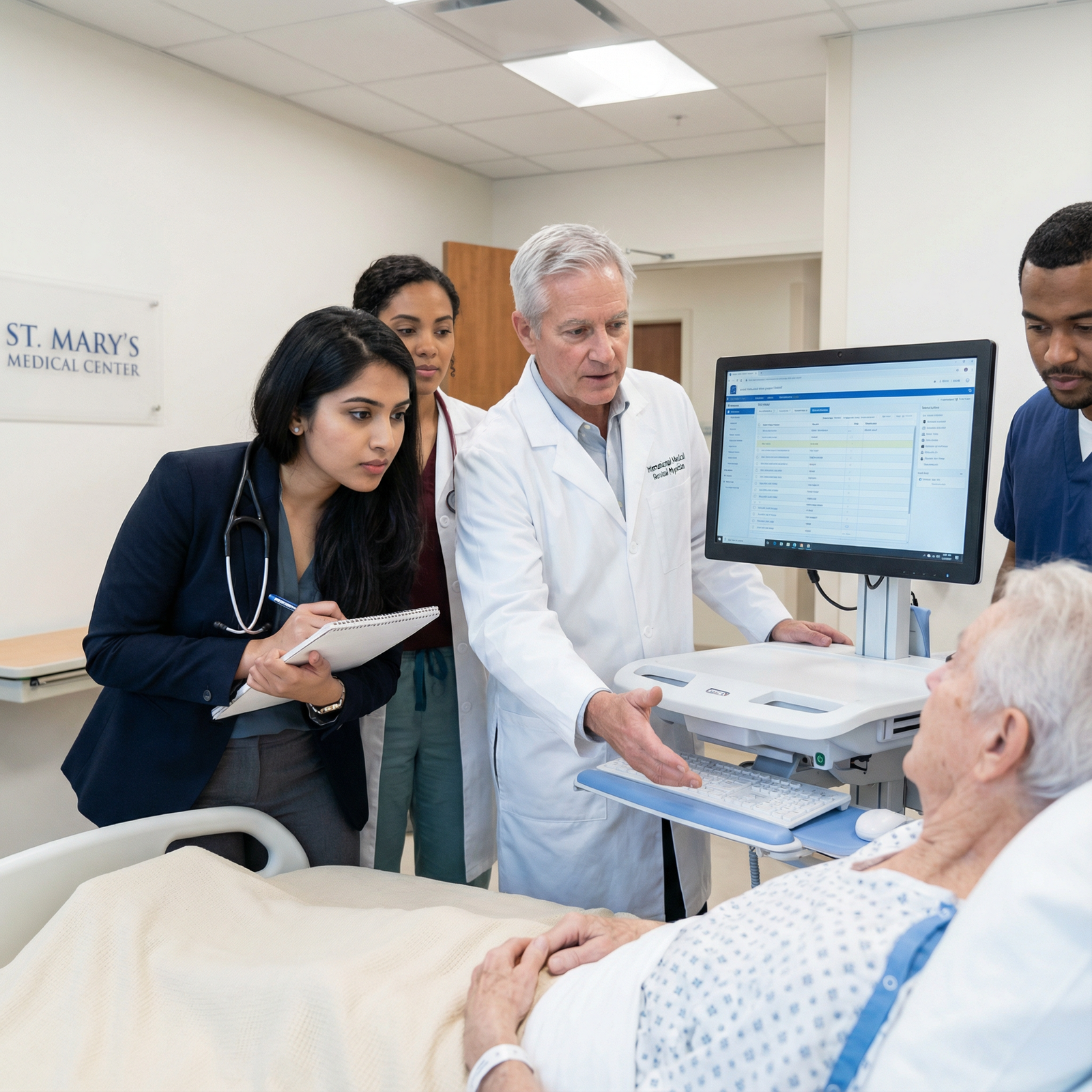
- Externships with direct patient contact (taking histories, performing physical exams, writing notes under supervision)
“Semi-clinical” or observership-type experiences
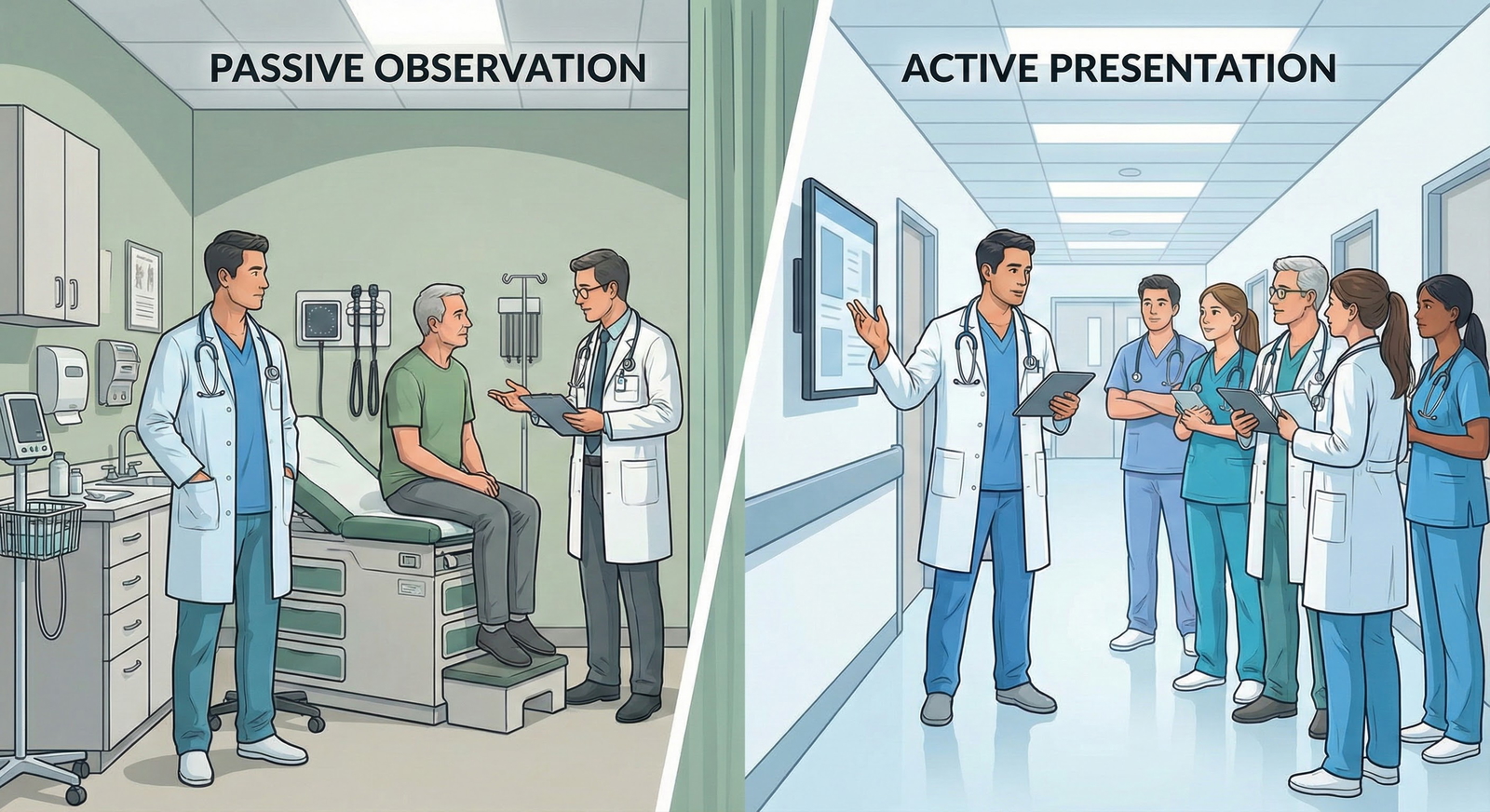
- Observership: Shadowing physicians without direct patient care; no orders or notes entered by you
- Research with clinical exposure: Research positions that still involve patient interaction or attendance at rounds and conferences
- Telemedicine observerships (less preferred, but may help if in-person is limited)
The hierarchy from residency programs’ perspective is usually:
ACGME-affiliated sub-I > US core clerkships > US electives > structured externship with direct patient care > high-quality observership with strong LORs > purely shadowing experiences > tele- or remote-only experiences
As a Caribbean IMG, you often have access to US clinical rotations through your school (e.g., SGU, AUC, Ross). These rotations are your primary USCE foundation and can be powerful if you maximize them strategically.
Why USCE Matters So Much for Caribbean IMGs
Program directors use USCE to answer specific questions about you:
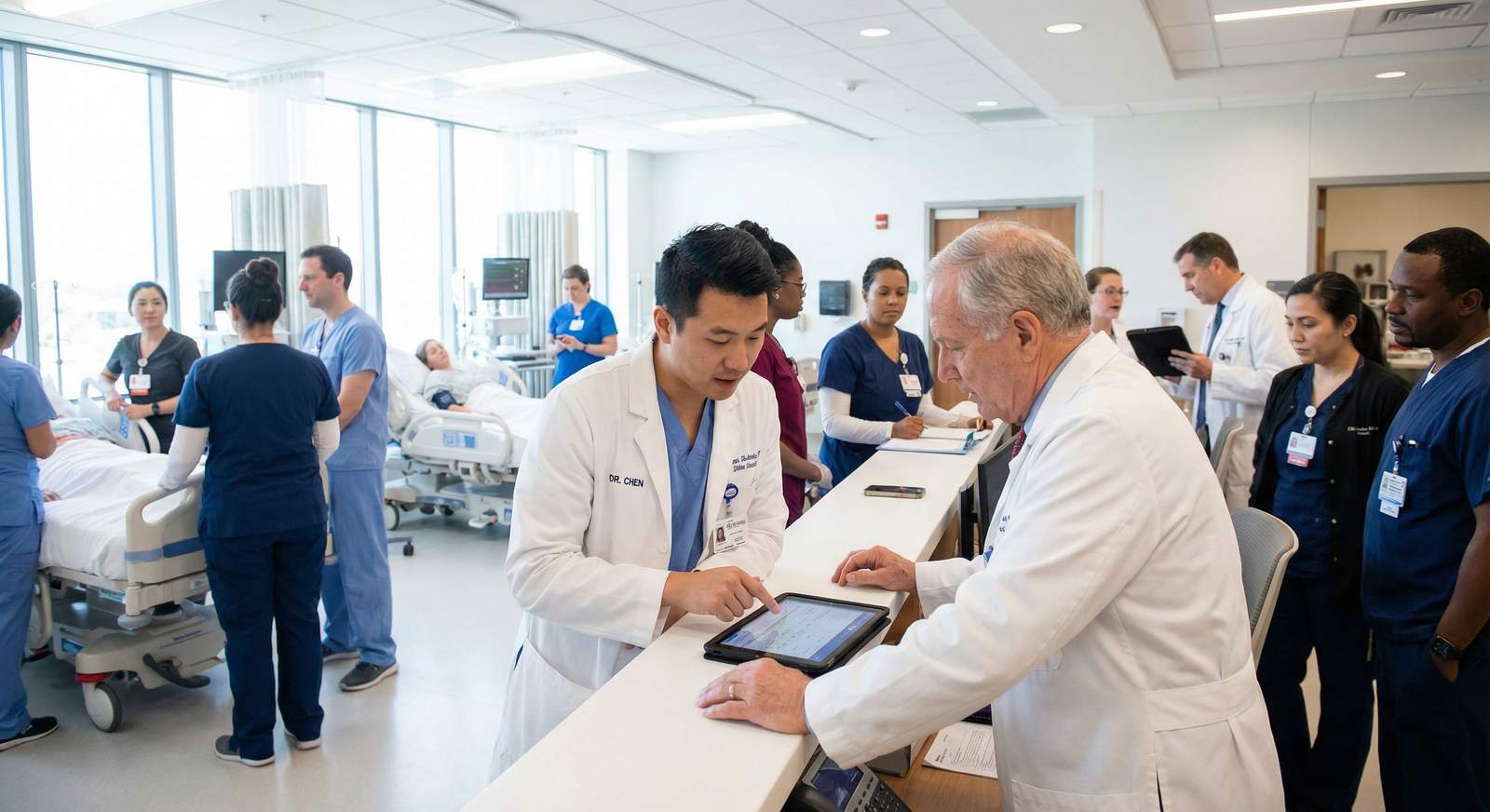
- Can you function in a US hospital environment with its documentation, EMR systems, and team dynamics?
- Do you understand US medical culture, professionalism, patient-centered communication, and liability concerns?
- Are you ready to start internship on Day 1 without a long adaptation period?
- Can US-based attendings vouch for you with strong, specialty-relevant letters of recommendation?
This is especially important for Caribbean IMGs because:
- Your preclinical training occurred outside the US
- There may be preconceived concerns about variability in Caribbean medical school quality
- Programs increasingly receive large numbers of applications; strong USCE + strong letters help you stand out
If you’re from a school that publishes its match outcomes (e.g., SGU residency match data), you’ll notice a consistent trend: students who matched successfully typically combined good USMLE scores with solid USCE and strong US letters.
Types of USCE and How They Are Viewed by Program Directors
To plan your strategy, you need a clear map of the different USCE options and their relative value.
1. Core Clinical Rotations (3rd Year)
Most larger Caribbean schools have established affiliations with US teaching hospitals for core clerkships:
- Internal Medicine
- Surgery
- Pediatrics
- OB/GYN
- Psychiatry
- Family Medicine
Key strengths of core rotations:
- Typically ACGME-affiliated or at least affiliated with US teaching hospitals
- Long duration (6–12 weeks per core), allowing attendings to know you well
- Excellent opportunities for strong, detailed letters of recommendation
- Direct, supervised patient care if well-structured
How programs see it: If your core rotations are in the US and well-documented, they already count as significant USCE. This is the basic foundation of a strong Caribbean medical school residency application.
2. Elective Rotations (4th Year)
Electives are where you can be strategic and targeted:
- Specialty-focused (e.g., cardiology, GI, heme/onc, critical care)
- Done at institutions or programs where you want to apply
- Often shorter (2–4 weeks), so you must perform well quickly
Electives are especially valuable when:
- They’re in your intended specialty
- The attending is involved in residency selection
- The rotation is at a program that takes IMGs or is Caribbean-friendly
Example: A Caribbean IMG interested in internal medicine does a 4-week IM sub-I at a community teaching hospital where multiple SGU graduates have matched in previous years. They perform at a high level, get a strong letter, and secure an interview at that same hospital.
3. Sub-Internships / Acting Internships
These are usually 4th-year rotations where you function almost like an intern:
- Carry a small list of patients
- Pre-round, write progress notes, and present on rounds
- Place orders (co-signed by residents/attendings)
- Participate in call or night duties
Why they’re so powerful:
- Demonstrate that you can work at the intern level
- Often lead to very strong, detailed letters
- Provide rich material for your personal statement and interviews
Programs often value a sub-I in the specialty you’re applying for more than a generic elective.
4. Externships
Externships are non-degree clinical training experiences, often used by graduates who need additional recent USCE:
- May include direct patient contact (history, physical, notes)
- Can be at hospitals, clinics, or private practices
- Quality varies widely—some are robust, others are glorified observerships
Externships are especially useful if:
- You have a gap after graduation
- Your core rotations were not all in the US
- You need more recent USCE (within 1–2 years of application)
5. Observerships
An observership is usually shadowing only:
- No direct patient care or charting
- No orders, no billing under your name
- May attend rounds, clinics, and conferences
Observerships are less powerful than hands-on USCE, but they can still help:
- Provide exposure to US practice and terminology
- Can yield letters of recommendation if the attending is engaged and sees you regularly
- Can be a lifeline for graduates trying to re-enter the clinical world
For Caribbean IMGs, observerships are most valuable when they are:
- Specialty-specific
- At programs known to accept IMGs
- Long enough (4+ weeks) to demonstrate your work ethic and earn a letter

Building a Strategic USCE Plan as a Caribbean IMG
Your goal is not just to collect random rotations. You are building a coherent narrative that supports your residency goals.
Step 1: Define Your Target Specialty (Early)
Before you structure your 4th year and additional USCE, you need clarity on:
- Intended specialty (e.g., IM, FM, peds, psych, surgery)
- Backup options (e.g., IM vs FM, peds vs IM)
- Level of competitiveness based on your:
- USMLE scores
- Academic performance
- Red flags (repeats, gaps)
This helps you choose:
- Where to focus electives
- Which hospitals or regions to target
- What kind of USCE (sub-I vs observership vs research/clinical hybrid)
Step 2: Maximize Your School-Affiliated Rotations
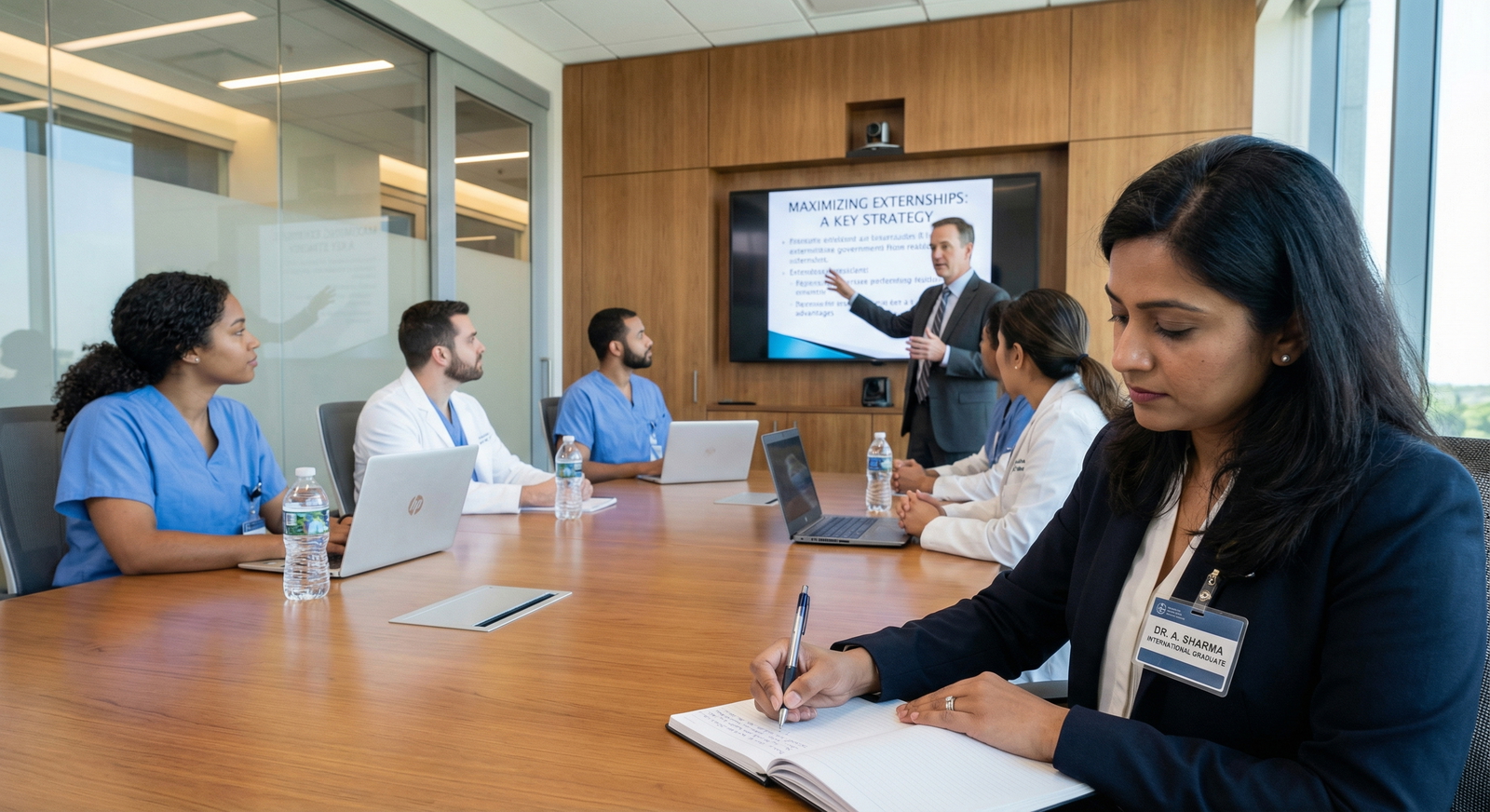
If you’re at a school like SGU, AUC, Ross, Saba, etc., your core USCE opportunities are built into the curriculum. Treat them as your primary audition:
- Aim for honors or highest evaluation marks
- Ask for mid-rotation feedback and adjust quickly
- Show up early, stay late when appropriate, volunteer to present topics
- Ask about the attending’s involvement with residency programs
For Caribbean IMGs, a strong SGU residency match outcome, for example, is usually driven by:
- Consistently strong evaluations across US rotations
- At least 2–3 stellar US letters of recommendation
- Strategic elective choices in 4th year
Step 3: Choose Electives That Support Your Match Narrative
Instead of chasing “impressive” hospital names alone, prioritize:
Programs that take Caribbean IMGs
- Check current and recent residents for Caribbean graduates
- Ask your school’s dean’s office or alumni office for lists
Locations where you want to live and work
- Regional familiarity can be a plus (e.g., doing IM rotations in the same region where you’ll later apply broadly)
Electives that demonstrate commitment to your specialty
- Internal Medicine applicant: IM wards sub-I, cardiology, hospitalist medicine, ICU
- Family Medicine applicant: FM clinics, OB in community settings, outpatient IM
- Psychiatry applicant: inpatient psych, C/L psych, outpatient psych clinic
A focused cluster of electives looks more intentional than a scattered assortment.
Step 4: Fill Gaps with High-Quality USCE (If Needed)
If you:
- Had to complete some cores outside the US
- Graduated more than 1–2 years ago
- Need extra time to retake exams or improve your application
…then you may need additional USCE beyond standard rotations:
- Hands-on externships in community hospitals or clinics
- Structured observerships tied to teaching programs
- Clinical research positions with patient contact
When evaluating an externship or observership provider, ask:
- Will I have consistent contact with one or a few attendings?
- Is there a clear evaluation system?
- Are letters of recommendation part of the structure?
- What specific responsibilities will I have day-to-day?
How to Excel in USCE: Day-to-Day Strategies That Matter
Once you secure USCE, your focus shifts to performance. You’re not just there to “be present”—you’re there to earn strong evaluations and letters.
Master the Basics of US Clinical Workflow
Before starting, review:
- US documentation standards
- SOAP notes
- Admission H&P
- Discharge summaries
- Common US abbreviations and EMR navigation
- Clinical communication
- SBAR for handoffs
- Concise oral presentations
Many Caribbean IMGs underestimate how different the communication style is in US hospitals. Being clear, concise, and structured will instantly make you stand out.
Behaviors That Impress Attendings and Residents
Preparation
- Read about your patients’ conditions every night
- Prepare 2–3 learning points to discuss on rounds
- Know your patients’ labs, vitals, and overnight events without being prompted
Professionalism
- Punctuality: arrive early and be ready
- Reliable follow-through: if you say you’ll do something, do it
- Respect for all team members: nurses, techs, clerks, environmental services
Initiative
- Ask, “Is there anything else I can help with?”
- Volunteer to present at case conferences or journal clubs
- Offer to help with QI projects or simple audits if residents are working on them
Teachability
- Accept feedback without defensiveness
- Implement suggested changes quickly
- Show visible improvement from one week to the next
Document Your Experiences and Achievements
Keep a clinical portfolio during your USCE:
- List of rotations, hospitals, and supervising attendings
- Summaries of notable patient cases (de-identified)
- Small QI or educational projects you contributed to
- Teaching activities (e.g., explaining concepts to junior students)
This portfolio will help you later when you:
- Request letters of recommendation
- Write your personal statement
- Prepare for residency interviews with concrete examples

Converting USCE into a Strong Residency Application
USCE is only as powerful as your ability to leverage it in your application materials and interview.
1. Letters of Recommendation from USCE
Your US clinical experience should yield:
- At least 2–3 US-based clinical LORs
- Ideally specialty-specific (e.g., IM letters for IM applicants)
- From attendings who:
- Directly supervised you
- Can comment on your clinical reasoning, work ethic, communication
- Are affiliated with residency programs if possible
When to ask:
- Near the end of the rotation, once you have established a strong impression
- After discussing your career goals: “I plan to apply to internal medicine; would you feel comfortable writing me a strong letter of recommendation?”
Provide:
- Your CV
- USMLE scores (if available)
- Brief summary of 2–3 cases you managed on the rotation
- A short paragraph on your career goals
2. Tying USCE into Your Personal Statement
Use concrete stories from your USCE to illustrate:
- Why you chose your specialty
- How you function on a US team
- Moments when you demonstrated resilience, growth, or leadership
For example, an internal medicine–bound Caribbean IMG might write about:
A complex patient with multiple comorbidities you followed on a US IM rotation, how you coordinated with different services, and how that experience confirmed your interest in longitudinal, team-based care.
3. Highlighting USCE in Your ERAS Application
In the ERAS “Experiences” section:
- List each US clinical experience clearly:
- Hospital/clinic name
- Rotation type (core, elective, sub-I, observership)
- Dates and approximate hours per week
- Emphasize:
- Hands-on responsibilities
- Team role
- Any teaching or QI involvement
For observerships and less traditional USCE, be transparent but focus on what you did:
- “Observed outpatient management of 15–20 patients per clinic session; regularly discussed assessment and plans with attending; independently reviewed current guidelines and presented brief evidence summaries.”
4. Demonstrating US Readiness During Interviews
Your US clinical experience will almost certainly come up in interviews. Be ready to:
- Compare briefly your Caribbean and US clinical training environments
- Discuss challenges you faced adapting to US practice (documentation, EMR, patient expectations) and how you overcame them
- Provide specific examples of teamwork, conflict resolution, or time management from your US rotations
Residency programs want to be confident that you’re:
- Comfortable with US standards of care
- Able to communicate with patients and staff
- Ready to hit the ground running on July 1
Special Considerations for Caribbean IMGs: Timing, Gaps, and Geography
Timing Your USCE Relative to Match
- Aim for recent USCE within 12–18 months of application where possible
- Have at least some 4th-year US electives/sub-Is completed before ERAS opens, so that:
- Letters can be uploaded early
- You can discuss those experiences in your application confidently
If you have a gap or delay (e.g., retaking Step exams, personal reasons):
- Use that time to gain USCE for IMG candidates (externships, observerships)
- Keep the gap explained and clinically relevant
Handling Gaps with Observerships and USCE
If you’ve already graduated from your Caribbean medical school and are awaiting the next match cycle:
- Seek structured observership or externship programs in your intended specialty
- Prioritize continuity with one site or preceptor over many short, scattered experiences
- Ask whether the preceptor has written letters for IMGs before and whether their letters have helped candidates secure interviews
Using observerships strategically helps you:
- Maintain recent US clinical contact
- Show continuous engagement with medicine
- Potentially obtain at least one new, up-to-date US letter
Geographic Strategy
Caribbean IMGs often find more opportunities and IMG-friendly programs in:
- Community-based teaching hospitals
- “Non-coastal” or midwestern or southern states
- Regions with a history of matching SGU, Ross, AUC, and similar graduates
You don’t need to limit yourself exclusively to these areas, but:
- Concentrating your USCE in regions with known IMG acceptance can increase your odds of securing interviews later
- Repeated exposure to a region (multiple rotations, USCE, maybe family ties) can be viewed positively as a sign you are likely to remain there long-term
FAQ: USCE for Caribbean IMGs
1. If I did all my cores in the US through my Caribbean school, do I still need extra USCE?
Often, no—your US core rotations may already satisfy the baseline USCE expectation, especially if they are ACGME-affiliated. However, additional targeted electives or a sub-I in your desired specialty and region can:
- Strengthen your specialty narrative
- Provide stronger, more recent letters
- Increase your exposure to potential residency programs
If your performance or letters from cores were only average, extra USCE may be particularly helpful.
2. Do observerships really help with residency applications?
Observerships are not as strong as hands-on USCE, but they can still be valuable when:
- You’re already a graduate and need recent US clinical exposure
- You lack US-based letters and need attendings who can write LORs
- You structure them for continuity (4+ weeks with the same preceptor/program)
Programs understand that some IMGs have limited options. A well-structured observership with a thoughtful, detailed LOR is far better than no recent US clinical connection.
3. How important is USCE compared to USMLE scores for Caribbean IMGs?
Both matter greatly:
- USMLE scores often determine whether your application is screened in or out
- USCE and letters often determine whether you get interviews and how you rank
For a Caribbean medical school residency applicant, it’s the combination that counts:
- Solid scores open the door
- Strong USCE and US letters show you’re ready to walk through it and succeed
4. Can I match into competitive specialties as a Caribbean IMG with good USCE?
It’s more challenging but not impossible. For specialties like dermatology, orthopedic surgery, or radiology, Caribbean IMGs face stiff competition. However, strong USCE can still:
- Make you a more attractive candidate for moderately competitive specialties (e.g., EM in some regions, anesthesiology, some IM subspecialty pathways later)
- Help you stand out in internal medicine, family medicine, pediatrics, and psychiatry, where most Caribbean IMGs successfully match
If you’re targeting a highly competitive specialty, you’ll likely need:
- Excellent USMLE scores
- Outstanding USCE (sub-Is at relevant institutions)
- Strong research and networking efforts
By approaching US Clinical Experience (USCE) with a clear, strategic plan—leveraging your Caribbean medical school’s resources, optimizing each US rotation, and converting experiences into compelling letters and narratives—you significantly improve your chances of a strong residency match in the US.