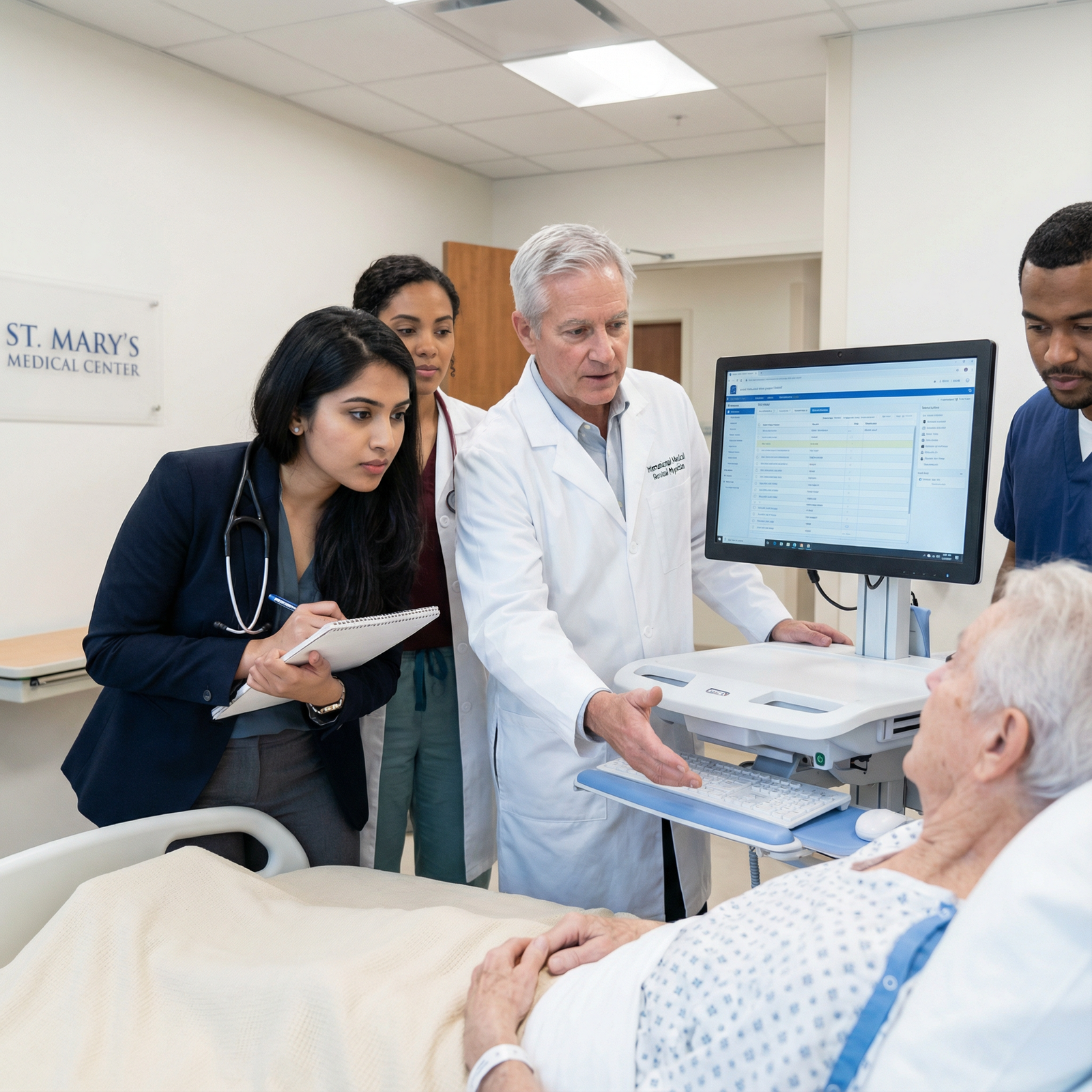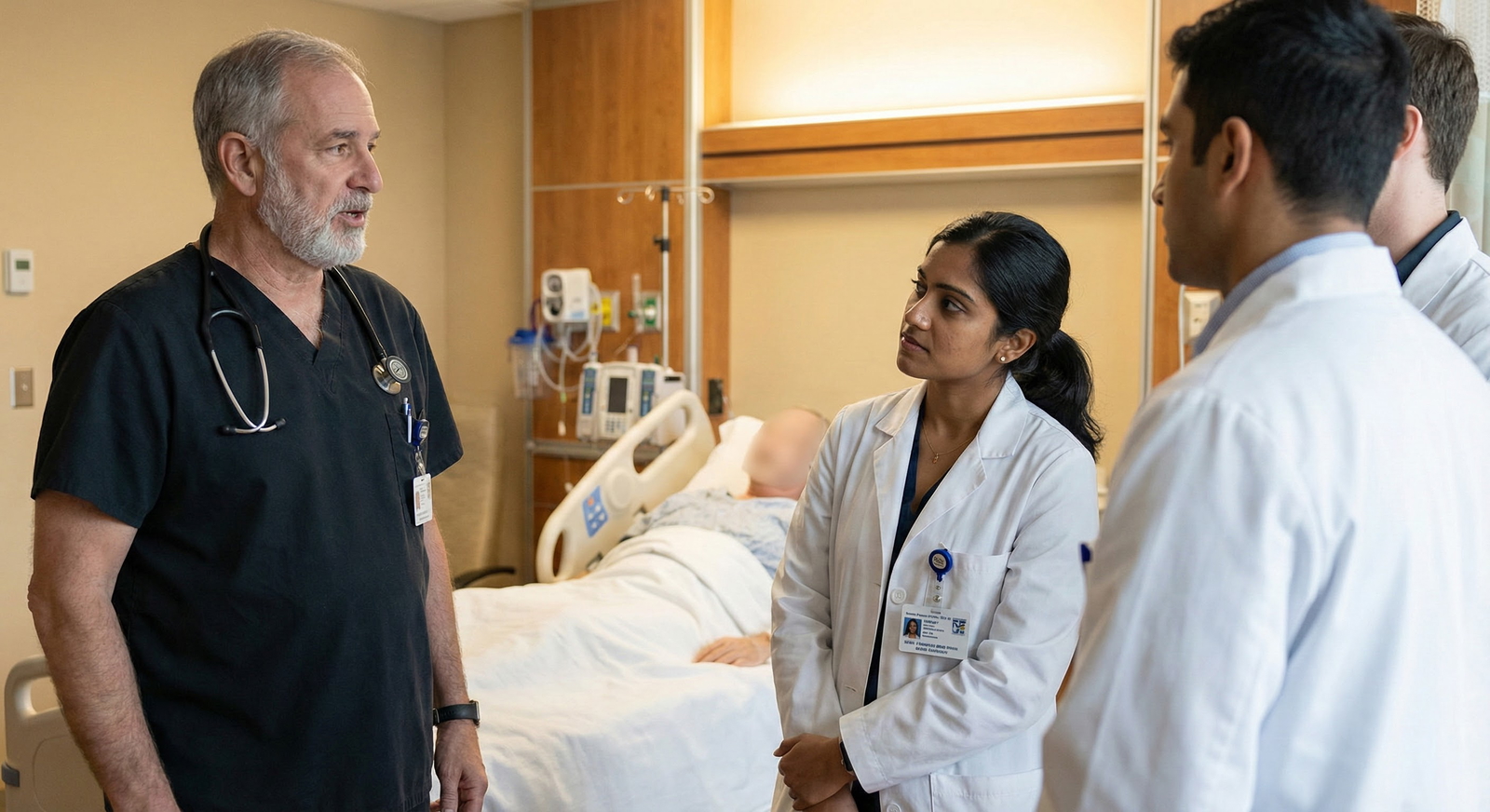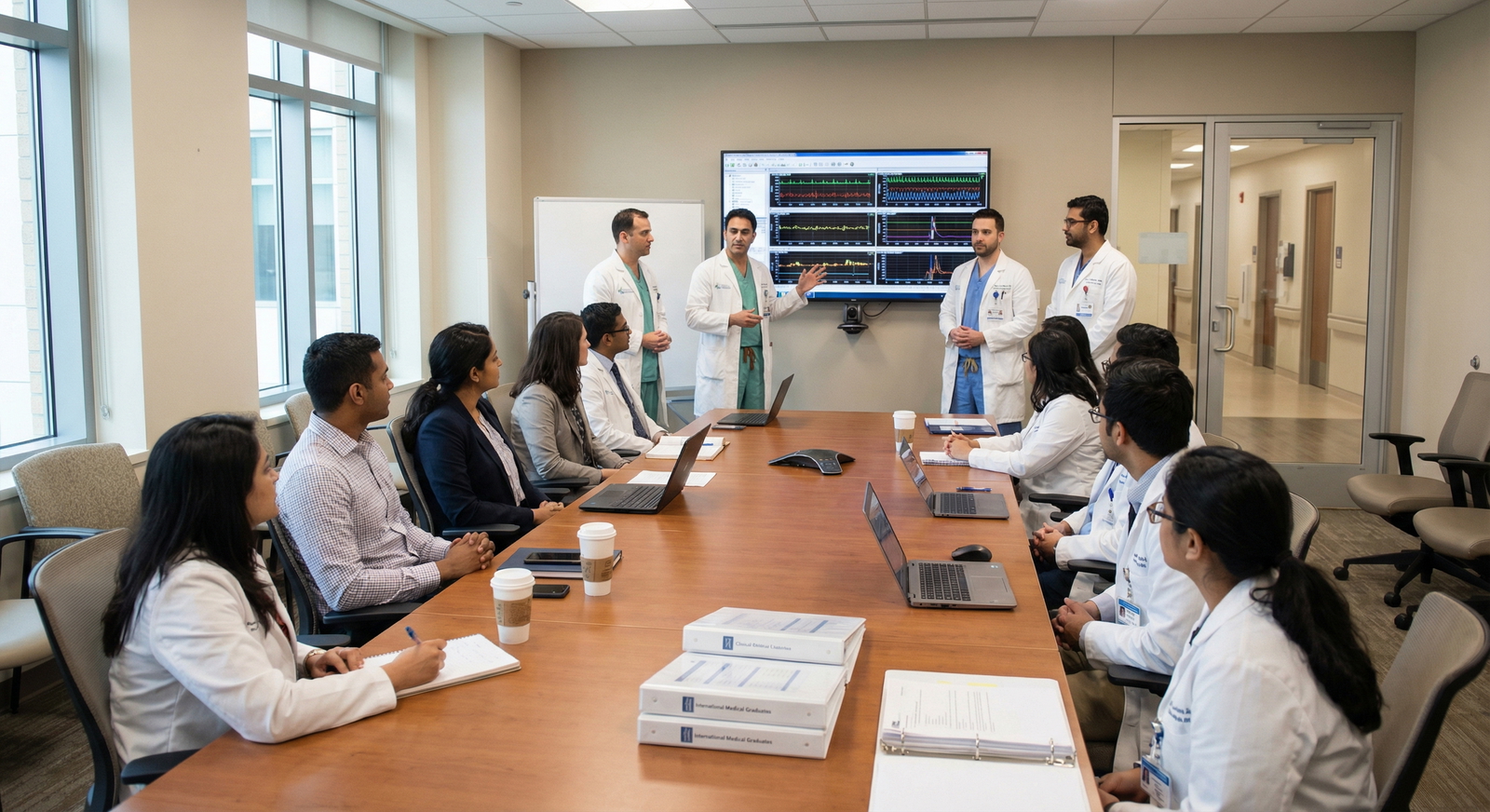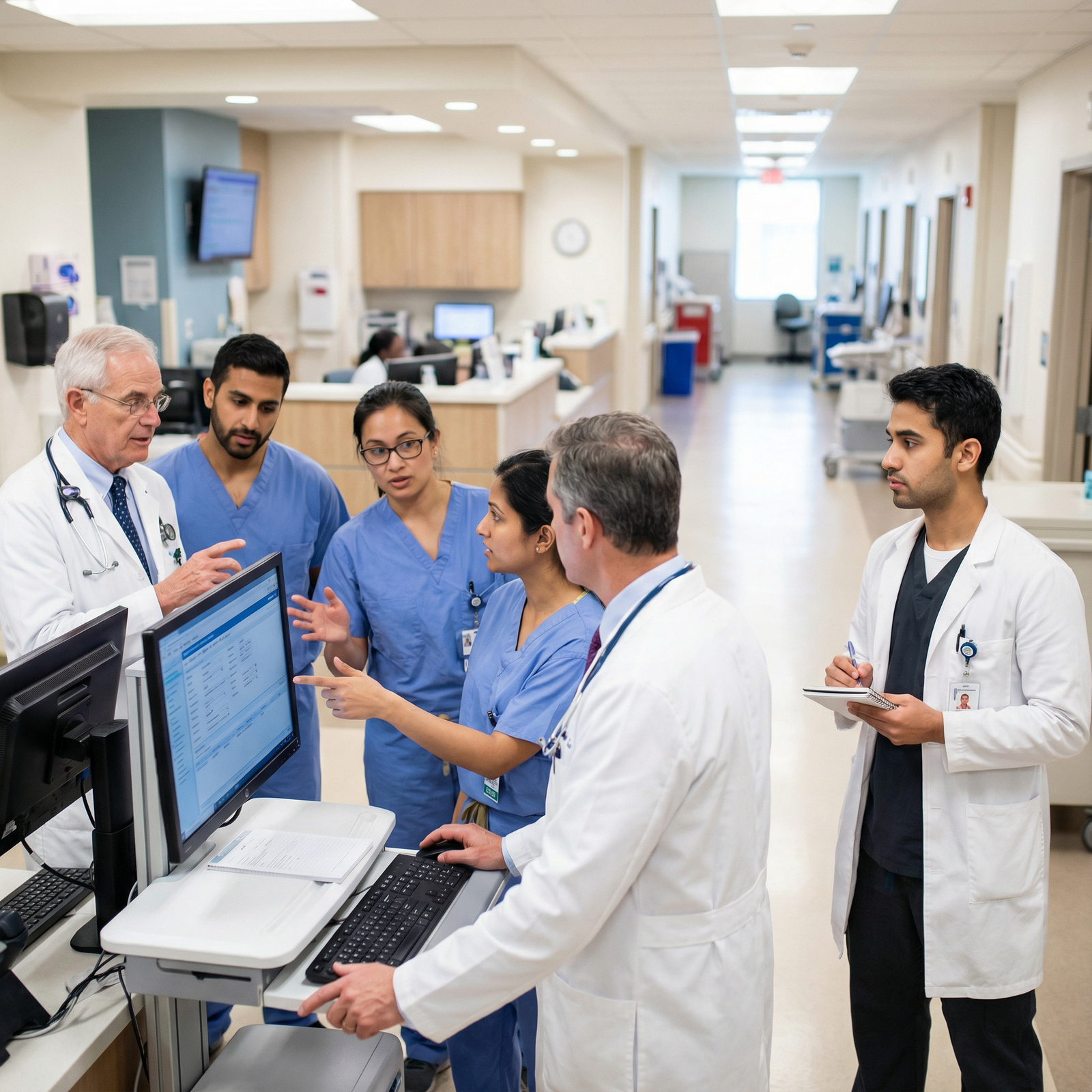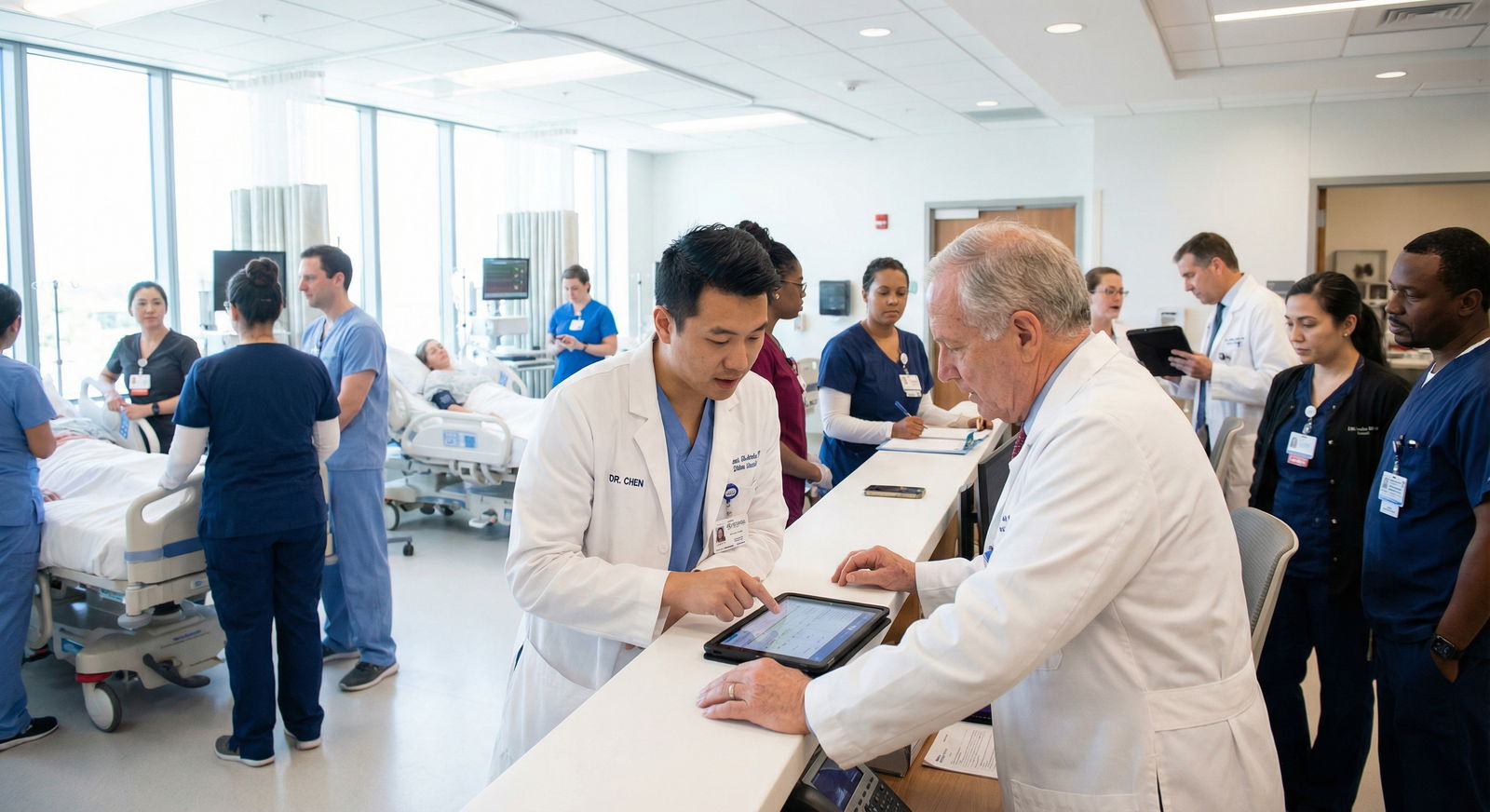
Unlocking the full educational value of US Medical Externships is crucial for International Medical Graduates (IMGs) preparing for residency in the United States. Externships are often your first sustained exposure to the US healthcare system and your first chance to demonstrate how you perform in real clinical environments. When approached strategically, they can significantly strengthen your clinical skills, deepen your understanding of US practice, expand your professional network, and boost your residency application.
This guide will walk you through practical, high-impact strategies to maximize your learning, stand out professionally, and turn your externship into a powerful step toward successful residency preparation.
Understanding US Medical Externships for IMGs
Before you can excel in a US clinical externship, you need a clear understanding of what it is—and what it is not.
What Is a US Medical Externship?
A US medical externship is a structured, short-term clinical experience in which you work within a US healthcare setting, typically under the supervision of licensed physicians. It is especially valuable for International Medical Graduates seeking US Clinical Experience (USCE) before applying for residency.
Externships:
- Are usually unpaid, short-term (weeks to a few months)
- Emphasize clinical exposure and learning, often more than direct responsibility
- Allow you to observe, assist, and participate depending on the site and your credentials
- Are available in hospitals, academic centers, and community clinics
They differ from electives (usually for enrolled medical students) and internships (often tied to employment or formal training roles for graduates).
Key Benefits of US Externships for Residency Preparation
US externships can be pivotal in your residency preparation and overall career trajectory. Core benefits include:
Hands-On Clinical Experience
- Practice focused history-taking and physical exams in English
- Learn documentation in US-style charts and EMRs (when permitted)
- Observe or assist with procedures (e.g., suturing, IV insertion, pelvic exams, joint injections—depending on setting)
- Participate in daily workflow: rounding, case discussions, discharge planning
Understanding the US Healthcare System and Culture
- Learn how care is coordinated among primary care, specialists, hospitals, and ancillary services
- Observe insurance-related issues, prior authorizations, and discharge challenges
- Adapt to US communication norms: shared decision-making, informed consent, patient autonomy
Networking in Medicine
- Build relationships with attending physicians, residents, fellows, and other staff
- Identify potential mentors and advocates for your career
- Position yourself for strong, US-based letters of recommendation (LoRs)
Strengthening Your Residency Application
- Demonstrate recent, relevant US Clinical Experience—highly valued by program directors
- Show commitment to practicing in the US healthcare system
- Collect concrete examples and cases for personal statements and interviews
Testing and Refining Your Specialty Interest
- Experience day-to-day life in particular specialties (internal medicine, family medicine, pediatrics, psychiatry, etc.)
- Clarify whether the specialty’s pace, patient population, and lifestyle align with your goals
- Gain specialty-specific skills and vocabulary that will be useful on rotations and in interviews
Preparing Before You Start: Laying the Foundation for Success
Effective externships start before day one. The more you prepare, the more you will gain from each patient encounter, teaching moment, and interaction.
Clarify Your Goals and Expectations
Well-defined goals create a roadmap for your externship. Instead of passively “seeing what happens,” you can strategically direct your efforts.
Ask yourself:
- Clinical skills goals
- “I want to improve in: focused histories, presenting patients on rounds, interpreting labs/imaging, formulating differential diagnoses.”
- System and culture goals
- “I want to understand: how attendings teach and evaluate trainees, how interdisciplinary teams function, how outpatient follow-up is arranged.”
- Residency preparation goals
- “I want to obtain: at least one strong LoR, concrete examples to use in my personal statement, a deeper confirmation of my specialty choice.”
Turn these into 3–5 clear, written objectives. For example:
- “By the end of this externship, I will be able to present a new admission in under 3 minutes using the US SOAP format.”
- “I will read and summarize at least one article per week related to a patient I saw.”
Share your goals early with your supervising physician or coordinator; it shows initiative and helps them guide you effectively.
Academic and Clinical Preparation
Before your first day, invest time in targeted study. This dramatically boosts your confidence and allows you to participate at a higher level.
Review common conditions in your specialty
For internal medicine/family medicine:- Hypertension, diabetes, COPD, heart failure, CKD, common infections, chest pain, abdominal pain, anemia, back pain
For pediatrics: - Well-child checks, asthma, bronchiolitis, febrile illnesses, developmental milestones
For psychiatry: - Major depression, anxiety disorders, schizophrenia, bipolar disorder, substance use disorders
- Hypertension, diabetes, COPD, heart failure, CKD, common infections, chest pain, abdominal pain, anemia, back pain
Refresh core clinical skills
- US-style case presentations (Chief complaint, HPI, PMH, medications, allergies, PE, data, assessment, plan)
- Basic interpretation of CBC, CMP, urinalysis, ECG, CXR
- Evidence-based guidelines (e.g., JNC for HTN, ADA for diabetes)
Familiarize yourself with US healthcare basics
- Differences between outpatient clinics, community hospitals, and academic centers
- Roles of nurses, PAs, NPs, case managers, social workers, pharmacists
Logistical and Professional Preparation
Confirm administrative requirements
- Immunizations, TB test, COVID and other vaccinations
- Background checks, drug screens if required
- Health insurance and malpractice coverage (often provided or required)
Prepare a professional “externship kit”
- Notepad or small notebook
- Pocket reference (physical or app-based)
- Penlight, reflex hammer, stethoscope
- Updated CV and, if appropriate, a brief professional “bio” you can share

Strategies During the Externship: How to Learn Intensively and Stand Out
Once your externship begins, every day becomes an opportunity to showcase your work ethic, clinical reasoning, and professionalism.
Be Proactive and Fully Engaged
Passive observation limits your growth. Active participation—within the boundaries of your role—expands your learning and visibility.
Practical ways to be proactive:
Ask targeted questions
Instead of “Why did you choose this treatment?” try:- “Given this patient’s CKD stage 3, was metformin still appropriate?”
- “What red flags would prompt hospital admission for a similar patient?”
Volunteer appropriately
- Offer to present new patients on rounds
- Ask if you may pre-round on selected patients and prepare a brief update
- When allowed, assist with simple procedures or patient counseling
Seek feedback regularly
- “Could you give me feedback on my presentation today?”
- “Is there one thing I could improve in my patient interactions this week?”
Document this feedback and actively work on it. Staff notice improvement over time.
Demonstrate Strong Professionalism
Program directors and attending physicians often say they can teach medical knowledge, but they rely on rotations to evaluate professionalism. This is where many candidates differentiate themselves.
Key professionalism behaviors:
Punctuality and reliability
- Arrive early, not just “on time”
- Stay until your tasks are complete and the team’s work is reasonably finished
- Communicate proactively if you are ill or delayed
Appropriate dress and demeanor
- Follow the institution’s dress code: clean white coat (if used), professional clothing or scrubs, neat appearance
- Maintain a calm, respectful, and courteous tone with everyone—patients, nurses, administrative staff, housekeeping, and physicians
Confidentiality and ethics
- Strictly follow HIPAA rules: no discussing cases in elevators or public spaces, no sharing patient information via personal devices
- Do not access charts for patients you are not involved in caring for
- If you are uncertain about permissions, ask before acting
Build Strong Relationships and Network Intentionally
Networking in medicine is not about superficial connections; it is about building mutually respectful, professional relationships.
With Attendings and Residents:
Introduce yourself clearly and concisely on day one:
- “I’m Dr. [Name], an IMG from [Country], interested in [Specialty], here for a [duration] externship. My goals are to improve my clinical reasoning and US-style presentations.”
Show reliability over time:
- Complete tasks you are given
- Follow up on labs, imaging, or consult notes (within your role)
- Ask for reading recommendations, then read and mention what you learned later
Express interest in mentorship:
- “I really value your teaching style and would appreciate any advice you have on strengthening my application to [specialty].”
With Fellows, Residents, and Peers:
- Engage in case discussions; ask how they prepared for residency
- Join them for noon conferences, grand rounds, journal clubs
- Exchange contact information (LinkedIn or email) and maintain contact appropriately
Well-cultivated relationships often lead to:
- Strong, personalized letters of recommendation
- Guidance on program selection and application strategy
- Early awareness of observerships, research, or other opportunities
Learning Deeply: Reflection, Reading, and Clinical Reasoning
Externships move quickly. To truly integrate what you see and hear into durable knowledge and improved skills, you need structured reflection and ongoing study.
Embrace Structured Reflection
Reflection transforms clinical exposure into clinical growth.
Consider keeping a reflection journal (digital or paper) and writing brief entries at least 2–3 times per week. Focus on:
Interesting or challenging cases
- Briefly summarize the case
- Ask: “What did I understand well?” “Where were my knowledge gaps?”
- “What would I do differently next time?”
Communication encounters
- A difficult conversation, breaking bad news (observed or assisted)
- How the attending handled patient expectations or disagreement
- Cultural differences compared to your home country
Professional dilemmas
- Time pressure vs. thoroughness
- Dealing with frustrated or non-adherent patients
- Interprofessional disagreements
This reflection will later provide authentic stories for your personal statement and residency interviews.
Connect Clinical Cases to Evidence-Based Medicine
For 1–2 patients each week, do a deeper dive:
Identify a clinical question (PICO format if possible):
- “In adults with new-onset atrial fibrillation, what factors guide the decision to anticoagulate?”
Search briefly in reputable resources:
- UpToDate, DynaMed, BMJ Best Practice, major guidelines, or PubMed
Write a 3–5 sentence summary:
- “Current evidence suggests… For this patient, given [factors], the recommended approach is…”
When appropriate, you can briefly mention your findings to your supervisor:
- “I read the ACC/AHA guidelines on atrial fibrillation last night and noticed they emphasize CHA₂DS₂-VASc. Would this patient qualify?”
This shows initiative, intellectual curiosity, and commitment to evidence-based care.
Translating Externship Performance into Residency Strength
Your externship is not just about the rotation itself; it should actively support your residency preparation and match strategy.
Positioning Yourself for Letters of Recommendation
Start planning for LoRs early:
Identify 1–2 attendings who:
- Supervised you closely
- Saw your growth over time
- Are familiar with writing letters for IMGs or residency applicants
About 1–2 weeks before the end of your externship:
- Ask respectfully and directly:
- “Based on your observation of my performance, would you feel comfortable writing a strong letter of recommendation in support of my US residency application?”
- Provide your CV, personal statement draft (if available), and a brief summary of what you did on the rotation
- Ask respectfully and directly:
Be specific about:
- The specialties you’re applying to
- Deadlines and submission method (ERAS, institutional portal, etc.)
A detailed, supportive LoR tied to your US Clinical Experience can significantly improve your residency competitiveness, especially for IMGs.
Articulating Your Experience in Applications and Interviews
Your externship should be visible throughout your residency preparation materials:
CV/ERAS application
- Clearly list the externship with dates, institution, department, and supervising physician
- Include concise bullet points about your responsibilities and skills developed
Personal statement
- Draw on one or two meaningful externship cases to show how you think, what you learned, and why you chose your specialty
Interview preparation
Be ready to answer:- “Tell me about your US Clinical Experience.”
- “What did you learn from your externship that changed how you approach patients?”
- “Can you describe a challenging case from your externship and what you took from it?”
Use the reflection notes you kept during the externship to give specific, memorable examples.
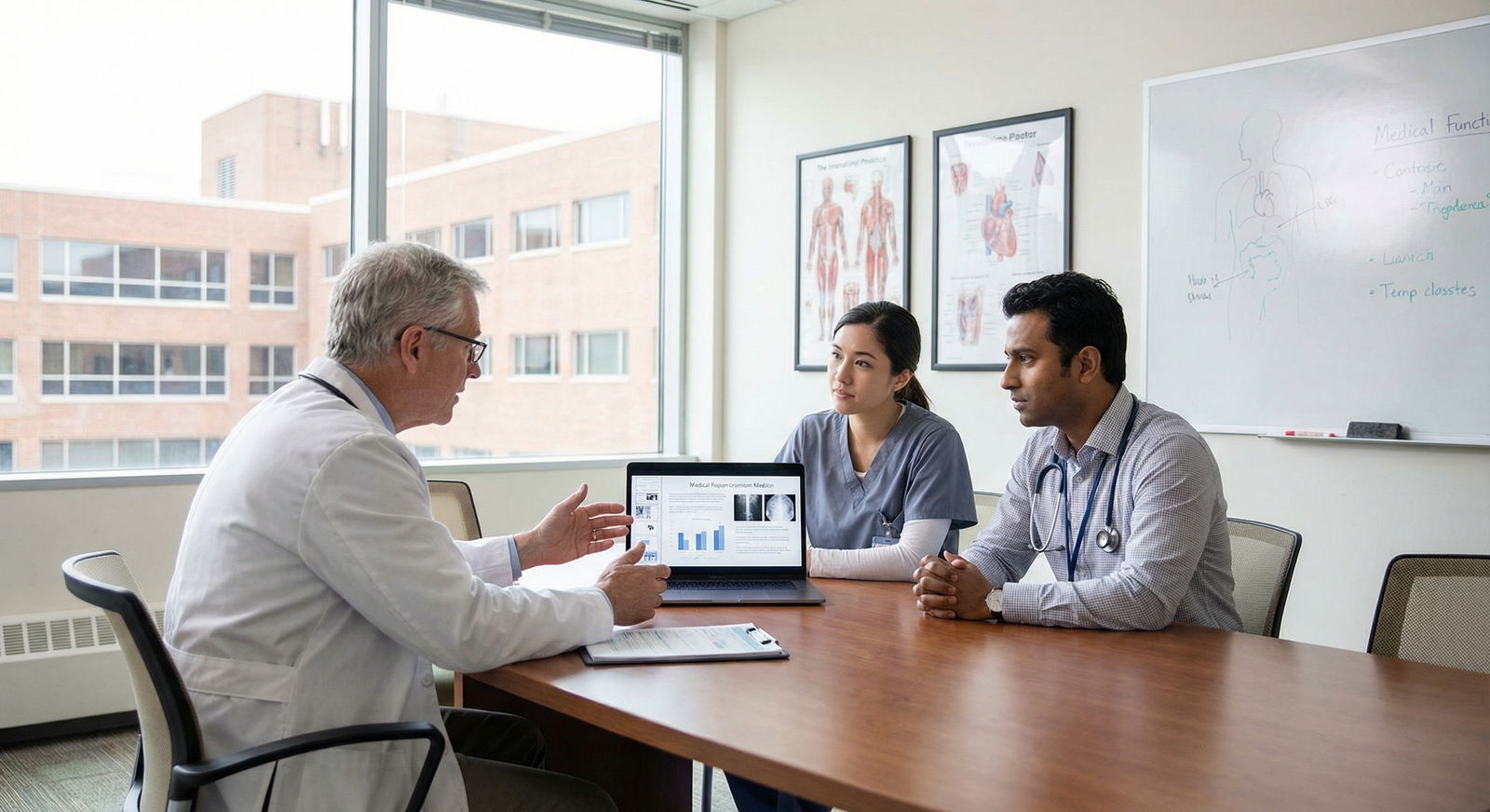
Advanced Tips: Common IMG Challenges and How to Overcome Them
Many International Medical Graduates share similar obstacles when adjusting to US externships. Anticipating and addressing them will help you excel.
Navigating Language and Communication Barriers
- Practice medical English and common phrases beforehand
- Ask patients to repeat or rephrase if needed—prioritize clarity and safety
- After patient encounters, ask your supervisor:
- “Is there a better way I could have explained that diagnosis or plan?”
Adjusting to Hierarchy and Team Dynamics
The structure and expectations of US training environments may differ from your home country.
- Observe how residents talk to attendings—and how attendings give feedback
- When unsure of your role, ask:
- “What tasks would be most useful for the team that are appropriate for me as an extern?”
- Respect chain of command: discuss issues first with immediate supervisors unless patient safety is at risk
Balancing Humility and Confidence
You must show willingness to learn without appearing passive or unsure.
- Acknowledge limits honestly:
- “I haven’t managed this condition independently, but I’ve read about it and would like to learn more.”
- Offer your thoughts before asking for answers:
- “My initial differential includes X, Y, Z. I’m unsure about the next step in management—could you clarify?”
FAQ: US Medical Externships for International Medical Graduates
1. What is the difference between an externship, observership, and internship in the US?
Externship:
A structured, educational clinical experience (often for IMGs or students), usually unpaid. In many programs, you may interact with patients under supervision, observe procedures, and participate in teaching activities.Observership:
Primarily shadowing; you observe patient care but generally do not examine patients independently or document in charts. Still valuable for understanding the system and building connections.Internship:
In the US, “intern” often refers to a PGY-1 resident—a fully employed and licensed physician in formal graduate medical education. This is different from externships and observerships.
2. How can I find and secure US externships as an International Medical Graduate?
- Explore university-affiliated and community hospital websites for IMG-friendly programs
- Use networks: alumni from your medical school, IMG organizations, or mentors who have matched in the US
- Consider reputable externship companies or structured programs, but evaluate them carefully (costs, reputation, level of clinical involvement)
- Contact departments directly with a concise email, CV, USMLE scores (if available), and a clear statement of your goals
Start the search 6–12 months before you plan to rotate, as spots can fill quickly.
3. Is US Clinical Experience through externships mandatory for residency?
Not strictly—but it is highly advantageous, particularly for IMGs. Many residency programs:
- Prefer or require applicants to have recent US Clinical Experience (USCE)
- Use externships and observerships to assess familiarity with US practice and communication style
- Value US-based letters of recommendation more than overseas letters
Applicants without any USCE can still match, but their path is typically more challenging and may be limited to certain specialties or programs.
4. Can I obtain strong letters of recommendation from an externship?
Yes—externships are one of the best opportunities for IMGs to earn strong US LoRs, provided that:
- You work closely and consistently with one or more attendings
- You are punctual, engaged, and proactive in your learning
- You ask for feedback and visibly improve over the course of the rotation
- You ask for a letter early enough and provide relevant information (CV, personal statement draft, deadlines)
Strong letters will highlight your clinical reasoning, professionalism, communication skills, and fit for residency.
5. How should I prepare practically and academically before starting my externship?
Practically:
- Confirm all paperwork, vaccines, and institutional requirements
- Arrange housing and transportation in advance
- Clarify start times, dress code, and meeting location for day one
Academically:
- Review common conditions in your chosen specialty
- Practice US-style patient presentations and note-writing (even if you won’t write official notes)
- Familiarize yourself with basic US healthcare structure and terminology (co-pay, outpatient vs. inpatient, discharge planning)
By approaching your US Medical Externships with clear goals, proactive engagement, and deliberate reflection, you transform a limited period of Clinical Experience into a powerful cornerstone of your Residency Preparation. As an International Medical Graduate, your externship is more than an observership—it is your opportunity to demonstrate that you can thrive in the US healthcare environment, collaborate effectively with teams, and deliver compassionate, evidence-based patient care.