Introduction: Why Externships Matter for International Medical Graduates
International Medical Graduates (IMGs) bring diverse training and perspectives to medicine, but many encounter significant barriers when entering the U.S. healthcare system. Even with strong exam scores and solid clinical skills, IMGs often struggle with the same core challenge: obtaining credible, recent U.S. clinical experience that residency programs recognize and value.
Externships have become one of the most effective ways for IMGs to bridge this gap. Well-chosen externships allow you to:
- Transition into the culture and workflow of the U.S. healthcare system
- Demonstrate your clinical abilities in a real-world setting
- Build a professional network, including potential mentors and letter writers
- Strengthen your residency application and overall medical career trajectory
This guide explores the key dimensions of externships for IMGs—what they are, why they matter, different types available, how to find them, and how to leverage them strategically to maximize residency and long‑term career opportunities.
What Are Externships for IMGs?
Externships are structured, time-limited clinical experiences in which you, as an IMG, participate in patient care activities under the supervision of licensed U.S. physicians. They sit between observerships (mostly shadowing) and residency (full clinical responsibility).
Externships are not formal training programs like residency or fellowship, and they do not confer board eligibility. Instead, they serve as an introduction and integration phase into the U.S. clinical environment.
Key Characteristics of IMG Externships
- Supervised clinical exposure: You work directly with attending physicians and sometimes residents or advanced practice providers.
- Defined scope of practice: Depending on the setting, you may be able to take histories, perform physical exams, write notes (often as “student notes”), present patients, and participate in team discussions.
- Short duration: Most externships last a few weeks to a few months, allowing you to sample different specialties or institutions.
- Learning-focused: The primary goal is education—understanding how U.S. medicine functions, both clinically and culturally.
Externships vs. Observerships vs. Research Positions
It’s helpful to distinguish externships from related experiences:
Externship
- Some degree of hands-on clinical experience
- Direct exposure to patient care workflows
- Often recognized favorably as “U.S. clinical experience” on residency applications
Observership
- Primarily shadowing with minimal or no direct patient contact
- Valuable for understanding the system, but often viewed as less robust clinical experience
Research Position
- Focused on data analysis, publications, and academic work
- Strengthens your CV, especially for academic programs, but may not replace direct clinical exposure
For many International Medical Graduates, the optimal approach is a combination: externships to gain practical U.S. clinical experience and research or observerships to round out their profile.
Why U.S. Clinical Experience Through Externships Is Crucial
Understanding the Realities of the U.S. Healthcare System
The U.S. healthcare system differs markedly from many other countries in terms of structure, financing, patient expectations, and legal responsibilities. Externships provide a controlled environment in which you can safely learn these differences.
During an externship, IMGs can:
Learn Electronic Medical Record (EMR) systems
Most U.S. institutions rely on extensive digital documentation. You’ll become familiar with:- Common EMR platforms (e.g., Epic, Cerner)
- Order entry and medication reconciliation
- Coding, billing, and documentation requirements (e.g., problem lists, HPI, ROS, assessment/plan)
Adapt to protocols and guidelines
You’ll see how evidence-based guidelines are applied in real time:- Standardized order sets and clinical pathways
- Quality metrics and safety checklists
- Roles of pharmacists, case managers, and social workers in care coordination
Experience a multidisciplinary, team-based model
You’ll interact with:- Nurses, advanced practice providers, pharmacists, social workers
- Consultants from other specialties
- Allied health professionals like physical therapists and dietitians
Mastering Patient-Centered Communication and Culture
Clinical knowledge alone is not enough. Residency programs expect IMGs to be ready for patient-centered, culturally sensitive communication.
Externships allow you to:
Practice communication styles common in U.S. settings
- Shared decision-making with patients and families
- Clear, jargon-free explanation of diagnoses and treatment options
- Handling difficult conversations, such as breaking bad news or addressing non-adherence
Learn documentation and medicolegal norms
- The importance of informed consent and risk-benefit discussions
- Clear documentation of clinical reasoning and care plans
- Understanding privacy laws such as HIPAA and patient confidentiality expectations
Appreciate cultural and social determinants of health
- Recognize how insurance, employment, immigration status, and health literacy affect care
- Learn to advocate for patients navigating complex systems
For many International Medical Graduates, an externship is the first time they see how deeply social and legal factors are integrated into medical decision-making in the U.S.

Strengthening Clinical and Soft Skills
Externships can significantly refine both your medical knowledge and professional behavior:
Clinical reasoning and presentation skills
You practice:- Focused histories and physicals tailored to U.S. expectations
- Problem-oriented SOAP notes
- Organized, concise oral case presentations during rounds
Time management and prioritization
You’ll see how U.S. physicians:- Prioritize acutely ill patients
- Balance inpatient and outpatient responsibilities
- Coordinate discharges and follow-up care
Professionalism and teamwork
You learn:- How to accept feedback constructively
- Appropriate ways to escalate concerns or clarify orders
- Standards of punctuality, reliability, and initiative
These competencies are heavily emphasized in residency interviews and program evaluations. Being able to say you’ve demonstrated them in a U.S. clinical environment is a major asset.
Building a Professional Network and Reputation
Networking is critical for IMGs seeking residency positions and long-term medical careers in the U.S. Externships offer unique access to:
Attending physicians who may become mentors
- Guidance on specialty choice, exam strategy, and application timing
- Advice on program selection and interview preparation
- Ongoing professional support as you advance in your career
Potential letter writers
Strong U.S. letters of recommendation, especially specialty-specific ones, can significantly boost your application. Externships are often where these relationships form.Current residents and fellows
- Insights into program culture and expectations
- Tips on standing out as an IMG applicant
- Connections across institutions through their networks
Each externship can expand your professional circle and reputation—if you approach it strategically and perform well.
Types of Externships Available to International Medical Graduates
Externships for IMGs are not all identical. Understanding the different formats helps you choose experiences that align with your goals and visa/credential constraints.
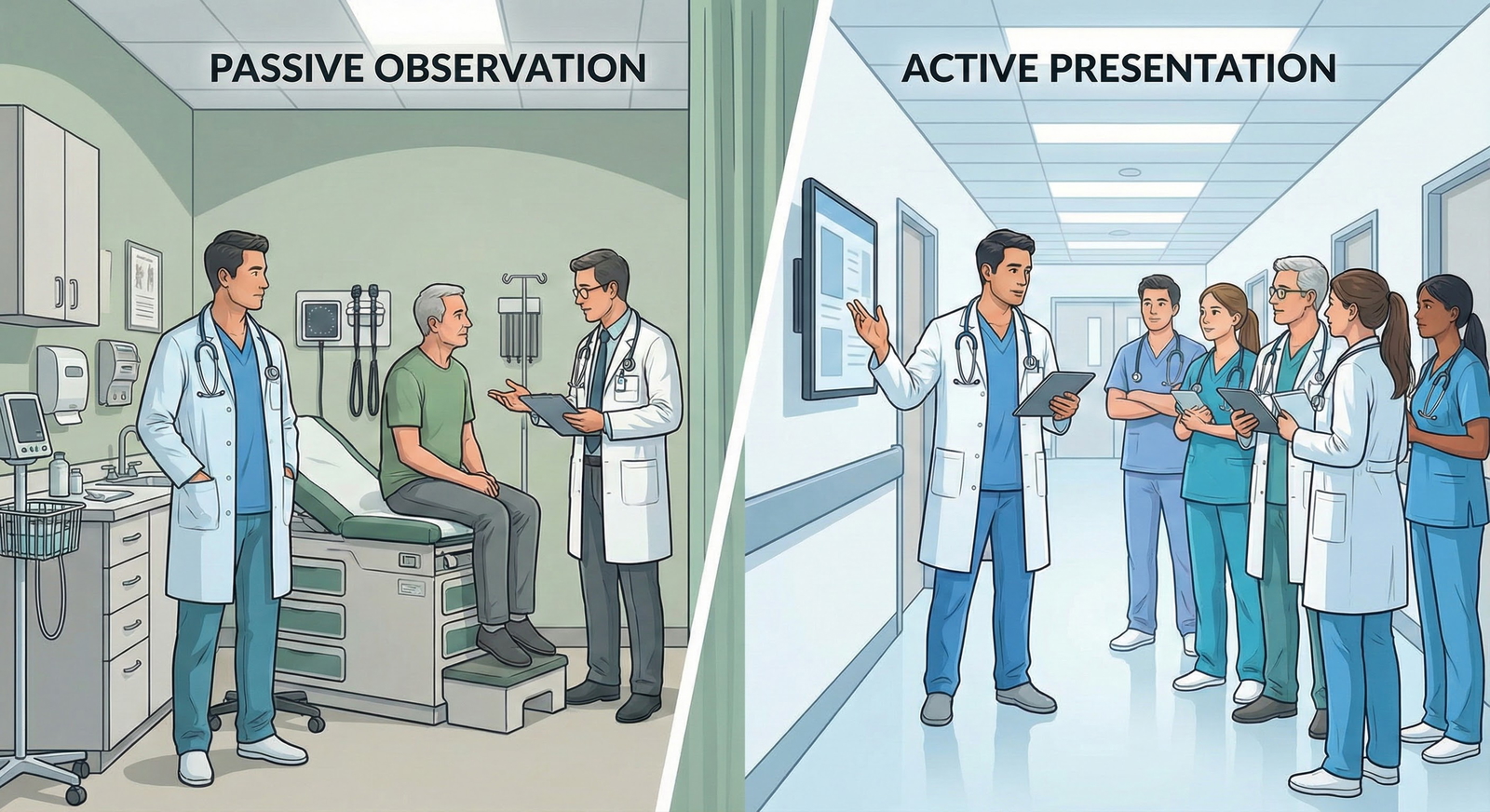
1. Observational Externships (Shadowing-Focused)
These are sometimes called “clinical observerships,” but some programs label them as externships. They typically involve:
- Shadowing physicians in clinics, wards, or procedure rooms
- Attending teaching rounds, case conferences, and grand rounds
- Limited or no direct patient interaction
Best for:
- IMGs awaiting ECFMG certification or exam completion
- Those new to the U.S. healthcare system seeking initial orientation
- Individuals with visa constraints that prohibit hands-on work
While less robust than hands-on roles, well-structured observational externships still demonstrate your interest, initiative, and commitment to understanding U.S. practice.
2. Hands-On Clinical Externships
These are the most coveted experiences because they approximate the responsibilities of a medical student or early resident, within legal and institutional limits.
You may be allowed to:
- Take patient histories and perform physical exams
- Present new admissions and follow-up patients
- Draft progress notes or consult notes (often reviewed and co-signed)
- Participate in procedures under supervision (e.g., suturing, simple bedside procedures, phlebotomy where permitted)
Best for:
- IMGs with ECFMG certification or in its final stages
- Candidates preparing to apply in the next Match cycle
- Those needing recent, specialty-specific U.S. clinical experience
These externships are highly valued by residency programs, especially when paired with strong evaluations and letters.
3. Research-Oriented Externships or Hybrid Roles
Some institutions combine clinical exposure with research responsibilities. In these roles you might:
- Attend clinics and rounds several days per week
- Assist with data collection, chart reviews, or clinical trials
- Contribute to abstracts, posters, or manuscripts
Best for:
- IMGs targeting academic or research-heavy specialties (e.g., internal medicine with academic focus, neurology, oncology)
- Those seeking publications or research experience alongside clinical exposure
Research plus clinical externships can make your profile stand out, especially in competitive programs.
4. Community Health and Safety-Net Externships
These experiences are based in:
- Federally qualified health centers (FQHCs)
- Free clinics
- Rural health centers
- Community hospitals serving underserved populations
You may gain:
- Exposure to public health challenges and social determinants of health
- Experience in resource-limited settings within the U.S.
- Opportunities for meaningful patient relationships and longitudinal care
Best for:
- IMGs interested in primary care (family medicine, internal medicine, pediatrics)
- Candidates passionate about health equity and community medicine
Residency programs value applicants who can demonstrate commitment to underserved populations and community-oriented care.
How International Medical Graduates Can Find High-Quality Externships
Identifying and securing externships takes proactive effort, persistence, and organization. Start early—ideally 12–18 months before your target Match cycle.
1. Use Educational and Institutional Resources
Even if you did not graduate from a U.S. medical school, you can still leverage institutional connections:
Your home medical school
- Ask if they have formal partnerships with U.S. institutions
- Explore alumni directories for graduates practicing in the U.S.
U.S. medical schools and teaching hospitals
- Some offer structured visiting student or IMG externship programs
- Check their websites under “International Programs,” “Visiting Students,” or “IMG Opportunities”
Professional organizations
- AMA, ACP, AAFP, AAN, and other specialty societies sometimes list clinical experiences, observership guidelines, or institutional contacts.
2. Explore Online Platforms and Placement Services
Several websites focus on U.S. clinical experience for IMGs, listing externships, observerships, and research opportunities. When using them:
- Verify the credibility of the organization or clinic
- Review what exactly is offered: hands-on vs. observership, supervision details, and setting
- Clarify fees, if any, and what they cover (administrative costs, malpractice coverage, EMR access, etc.)
- Search for reviews or testimonials from previous IMGs
While some paid programs are legitimate and helpful, avoid any that promise guaranteed residency positions or sound too good to be true.
3. Network Strategically and Use Alumni Connections
Networking is often more powerful than cold applications:
Reach out to alumni from your medical school who matched in the U.S.
- Ask how they obtained their U.S. clinical experience
- Inquire whether their current institution accepts IMGs for externships or observerships
Attend conferences and local meetings
- Specialty conferences (e.g., ACP, AAFP, ACC) can be invaluable for meeting program directors and faculty
- Introduce yourself professionally, express your interests, and follow up via email
Leverage social media and professional platforms
- LinkedIn and specialty-specific forums can connect you to physicians open to mentoring or hosting IMGs
- Professional, concise outreach messages are essential
4. Direct Outreach to Hospitals, Clinics, and Private Practices
targeted, personalized email can sometimes open doors where no formal program exists:
- Identify departments or clinics aligned with your target specialty
- Email the program coordinator, clinic manager, or physician directly
- Attach a concise CV and brief statement of interest
- Highlight:
- Your training background
- Exam status (e.g., USMLE Step scores, ECFMG certification)
- Your specific goals for an externship
Be prepared that many institutions have strict policies or may say no. Persistence and volume of outreach matter—a small percentage of well-crafted emails may yield opportunities.
Maximizing the Impact of Your Externship for Residency and Beyond
Securing an externship is only half the battle. The real value comes from how you perform and what you do with the experience.
Be Proactive, Reliable, and Professional
Program directors and attendings notice IMGs who:
- Arrive early and stay engaged throughout the day
- Prepare for each clinic or ward day by reading about common conditions and protocols
- Ask thoughtful, clinically relevant questions at appropriate times
- Volunteer for tasks within your allowed scope (presenting patients, drafting notes, reviewing labs, preparing brief teaching presentations)
Professionalism is non-negotiable: respect patient confidentiality, communicate courteously with all staff, and respond promptly to emails or instructions.
Build Strong Relationships with Supervisors and Team Members
Your supervising physicians are your gateway to mentorship and letters of recommendation:
- Request regular feedback: “Is there anything I could improve in my presentations or notes?”
- Demonstrate growth by applying feedback quickly
- Show genuine interest in their specialty and career path
As your externship progresses, and if you’ve consistently performed well, you can ask for a detailed letter of recommendation. Make it easier for them by:
- Providing your updated CV
- Sharing your future career goals and target specialties
- Reminding them of specific cases or contributions that reflect your skills
Document Your Experiences for Future Applications
Keeping track of your achievements will pay off when preparing your ERAS application and personal statement:
Maintain a clinical log:
- Types of cases you encountered
- Procedures you observed or assisted with
- Teaching sessions or conferences you attended
Note specific patient stories (de-identified) that illustrate:
- Clinical reasoning
- Ethical dilemmas
- Cultural and communication challenges
These examples become powerful material for interviews and essays, demonstrating your maturity and insight as an IMG navigating the U.S. healthcare system.
Stay Connected After the Externship Ends
Your externship should be the beginning—not the end—of your relationship with that institution:
- Send a brief, sincere thank-you email to your supervisors and team
- Connect on LinkedIn where appropriate
- Periodically update them on your progress (e.g., exam success, interview invitations, match results)
When the Match cycle begins, these sustained relationships can yield:
- Updated letters of recommendation
- Advocacy from faculty who may email or call program directors on your behalf
- Additional opportunities, such as research projects or extended clinical roles

Frequently Asked Questions About Externships for IMGs
1. How long do externships for International Medical Graduates typically last?
Externships usually range from 4 to 12 weeks per rotation, though duration varies by institution and program:
- Short-term (2–4 weeks): Good for observing a specialty or adding a quick experience before applications
- Standard rotations (4–8 weeks): Common for structured programs and often sufficient for a strong letter of recommendation
- Extended experiences (3–6 months): Sometimes available in community clinics, research-linked roles, or paid positions
When planning your timeline for the Match, aim to complete your most important externships within 6–12 months before applying, so your U.S. clinical experience and letters are recent.
2. Is prior clinical experience or ECFMG certification required to apply for an externship?
Requirements differ by program:
Observational externships/observerships often require:
- Medical school graduation or senior student status
- Proof of good standing and sometimes Step 1 completion
Hands-on externships more commonly require:
- USMLE Step 1 (and sometimes Step 2 CK)
- ECFMG certification or near-completion
- Malpractice coverage (often arranged through the host institution or a third party)
Even when not strictly required, having USMLE scores and some prior clinical experience significantly strengthens your application and expands your options.
3. Can externships directly lead to residency positions or job offers?
Externships do not guarantee residency or employment, but they can be highly influential:
- Many programs prefer or even expect recent U.S. clinical experience
- Strong performance in an externship can:
- Lead to enthusiastic letters of recommendation
- Prompt faculty to advocate for you with program directors
- Result in interview invitations at the same institution or affiliated programs
In some cases, IMGs who excel during externships are later offered preliminary positions, research roles, or are strongly encouraged to apply to that institution’s residency programs.
4. How can externships enhance my residency application as an IMG?
Externships strengthen your application in multiple ways:
- Credible U.S. clinical experience in your chosen specialty (often listed explicitly on ERAS)
- Evidence of adaptability to the U.S. healthcare system and team dynamics
- High-quality letters of recommendation from U.S. physicians who can comment on your clinical skills, communication, and professionalism
- Compelling stories and examples for your personal statement and interviews, demonstrating resilience, insight, and growth
Program directors often cite solid, recent U.S. clinical experience as one of the most important differentiators for International Medical Graduates.
5. What if I can’t find or afford a formal externship program?
If formal externships are limited or financially out of reach, you still have options to build a strong profile:
- Observerships at teaching hospitals or private practices
- Volunteer roles in clinics, hospitals, or community health organizations (e.g., medical interpreter, health educator, clinic assistant within legal limits)
- Research positions that include at least some clinical exposure or case conferences
- Public health or quality improvement projects within healthcare systems
While some of these may not be counted as full “U.S. clinical experience,” they demonstrate your commitment, initiative, and familiarity with the U.S. healthcare environment. Combined with strong exam scores and a well-crafted application, they can still significantly support your journey toward residency and a successful medical career in the United States.
Externships are one of the most powerful tools International Medical Graduates can use to unlock opportunities in the U.S. healthcare system. By carefully selecting high-quality experiences, engaging fully in clinical learning, building strong professional relationships, and documenting your growth, you position yourself competitively for residency and long-term success in your medical career.