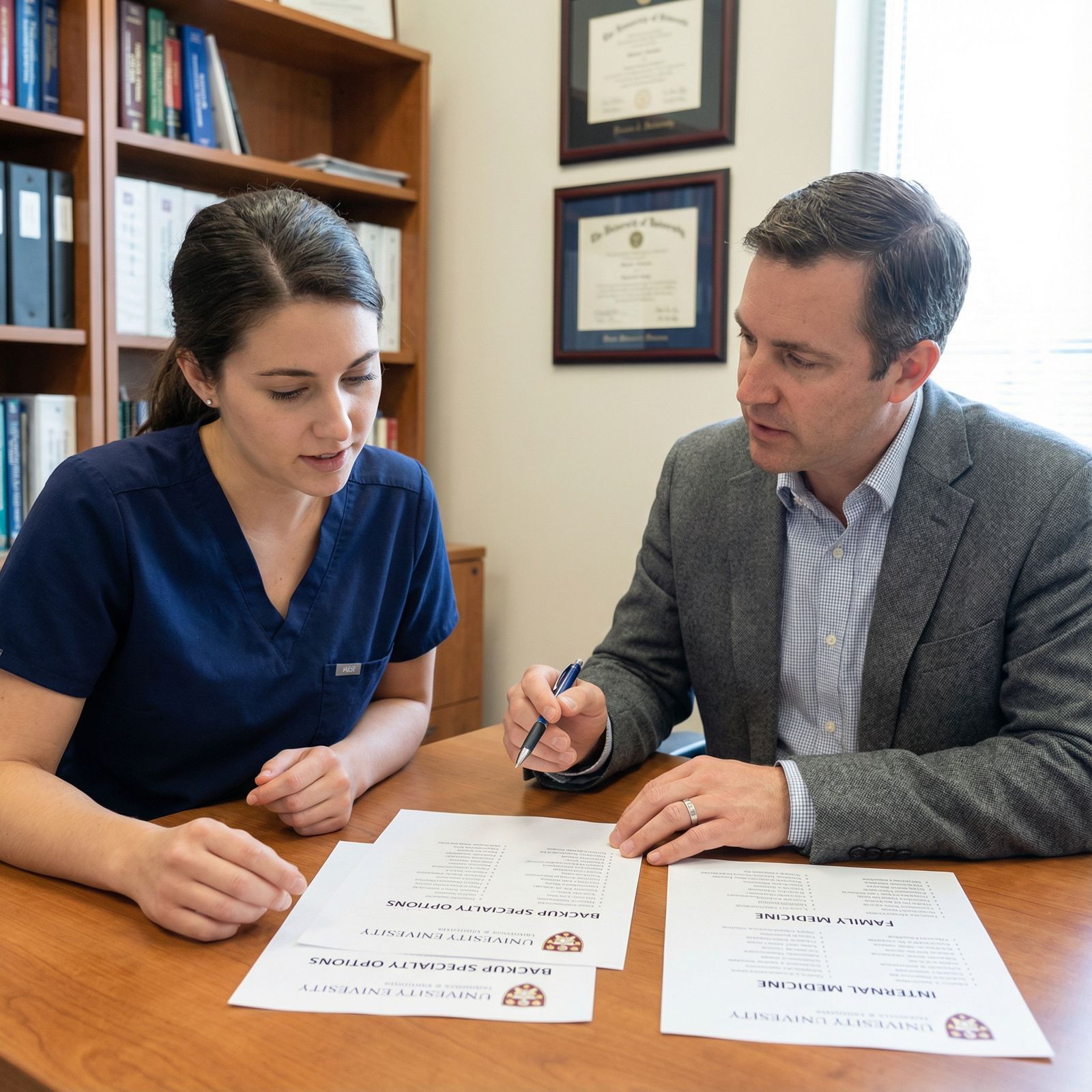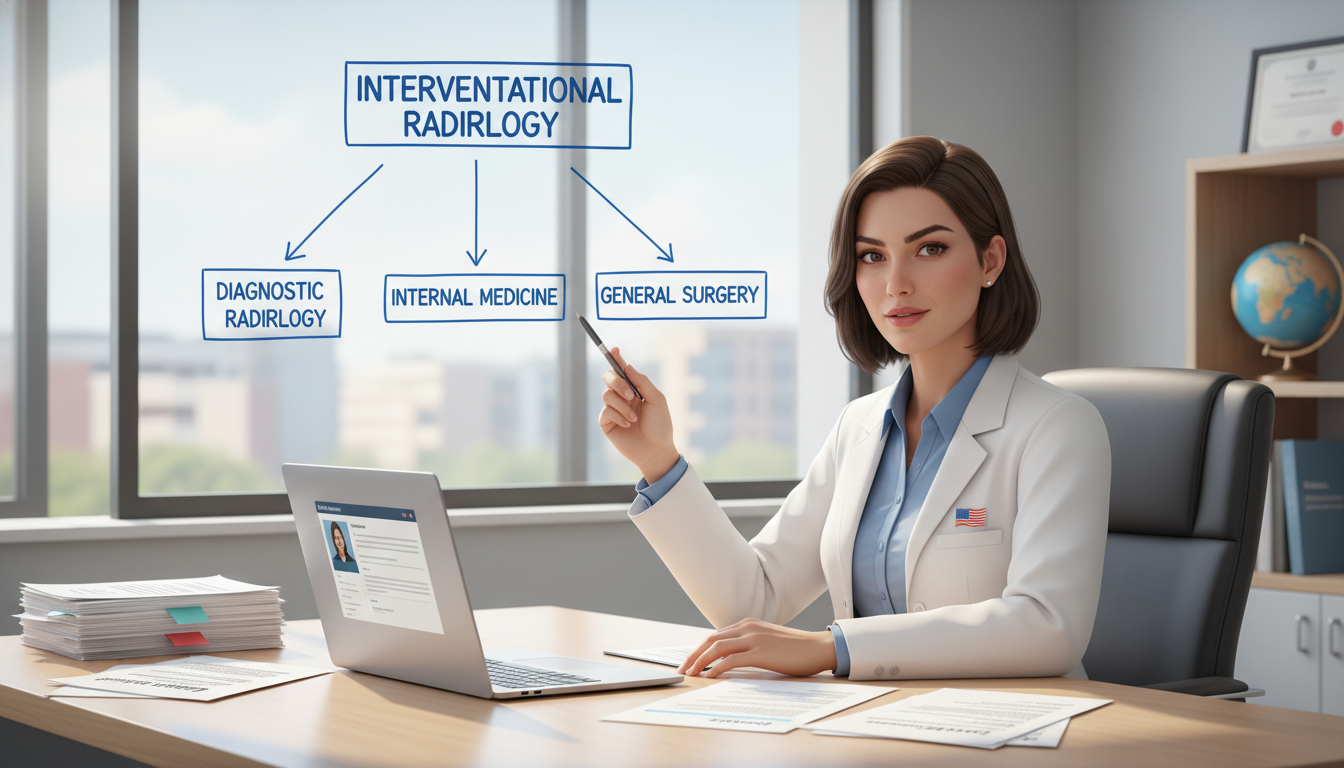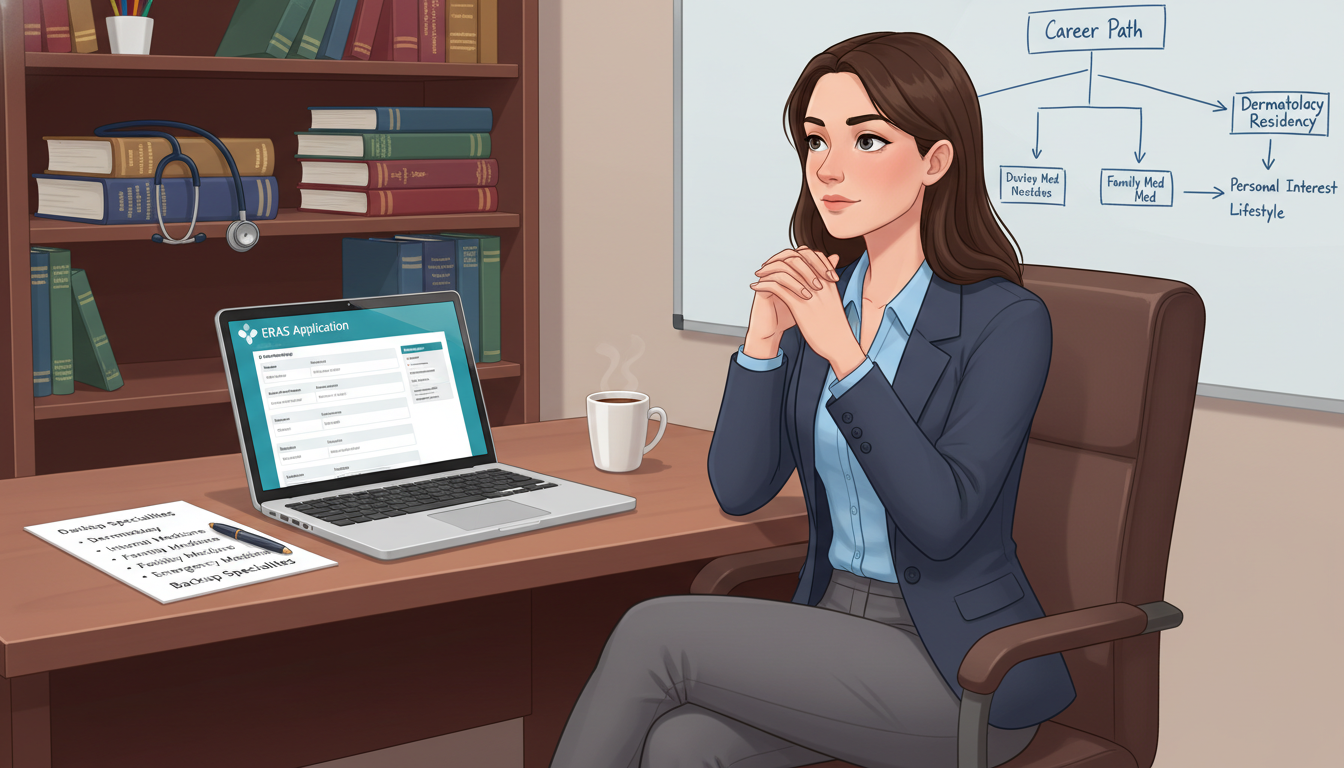
As a DO graduate pursuing dermatology, you’re targeting one of the most competitive specialties in medicine—and you know it. Even with strong scores, robust research, and great letters, a solid backup plan is not a sign of doubt; it’s a sign of maturity and strategic thinking.
This guide will walk you through how to build a smart, realistic backup specialty strategy as an osteopathic applicant focused on the derm match. We’ll cover data, mindset, specialty selection, dual applying, and what to do if you don’t match.
Understanding the Reality: Dermatology Competitiveness for DO Graduates
Dermatology is consistently among the most competitive residencies. For DO graduates, there are additional structural challenges beyond the usual competitiveness.
Why Dermatology Is So Hard to Match Into
Key factors that make dermatology residency tough:
- Very limited number of positions nationally
- High proportion of applicants with:
- Significant research (often multiple first-author publications)
- AOA/Gold Humanism, top 10% class rank
- Strong home program connections and specialty mentors
- Many programs historically favoring MD applicants or known schools
- Programs often interviewing 10–15 applicants per position
For DO applicants, the osteopathic residency match merger improved access in some ways but also intensified competition, as everyone now competes in the same Main Residency Match.
DO Graduate–Specific Challenges
As a DO graduate, you may face:
- Fewer dermatology departments at osteopathic schools → fewer in-house derm mentors
- Historically fewer DOs in academic dermatology → smaller alumni network
- Some programs with limited or no DO representation in recent matched classes
- Pressure to “prove” yourself with scores, letters, and research equivalent to top MD applicants
This doesn’t mean you can’t match derm; many DOs do. It means you should plan like a realist:
- Pursue dermatology as a primary target
- Design a robust backup specialty strategy in parallel
Mindset Shift: Why a Backup Specialty Is Not Giving Up
Many derm-focused students feel that considering a backup specialty means they’re not “all in.” That’s an unhelpful myth.
Think Like a Risk Manager, Not a Gambler
You’re making a high-stakes career decision where:
- Supply (derm spots) is limited
- Demand (applicants) is high
- A single-cycle failure can mean:
- Delayed training
- Extra cost (gap year, additional applications)
- Visa or financial complications for some applicants
Planning a Plan B specialty is not:
- A sign that you’re less committed to dermatology
- Something you need to broadcast to everyone
Instead, it is:
- A way to protect your ability to practice medicine
- An opportunity to identify fields you’d still be happy in
- A practical response to data, not self-doubt
Dual Identity: “Derm-Oriented Physician” First, Not “Derm-Or-Bust”
Frame your professional identity as:
“I’m a future physician who is strongly drawn to dermatology and has thoughtfully identified other specialties I’d also be fulfilled in.”
This mindset:
- Reduces anxiety and “all-or-nothing” thinking
- Helps you speak authentically in interviews for both derm and backup specialties
- Keeps you open-minded rather than desperate
Criteria for Choosing a Strong Backup Specialty
Not every specialty makes sense as a backup for a DO derm applicant. You need a structured way to choose.
Step 1: Clarify What You Actually Love About Dermatology
Break down what attracts you to derm:
- Visual diagnosis & pattern recognition
- Outpatient-focused lifestyle
- Procedures (biopsies, excisions, cosmetics, lasers)
- Chronic disease management with long-term follow-up
- Immunology + dermatopathology + systemic connections
- Opportunity for private practice or niche sub-specialization
Write these down. Your backup specialty should preserve as many of these elements as possible.
Step 2: Consider Match Competitiveness and DO Friendliness
Your backup should generally be:
- Less competitive than dermatology overall
- Historically more welcoming to DO graduates
- Available in a broad range of programs and locations
Good signs a specialty is DO-friendly:
- Consistently matches DOs across multiple programs
- Has DO faculty or program leadership
- Publicly states openness to osteopathic applicants
Step 3: Check Training Structure and Overlap with Derm
Ask:
- Does the specialty share a preliminary year requirement with derm?
- Is there overlapping content (e.g., immunology, chronic disease, procedures)?
- Will derm research and experiences still look relevant?
The more overlap, the easier it is to tell a coherent story in both directions.
Step 4: Future Lifestyle and Job Market
Evaluate:
- Typical work hours and on-call burden
- Outpatient vs inpatient mix
- Job prospects in your preferred geographic areas
- Procedural vs cognitive balance
A good backup specialty is one where you can genuinely see yourself long-term, not just “if I have to.”
Common Backup Options for DO Applicants Targeting Dermatology
Below are several commonly considered backup specialties for derm-focused DO graduates, with pros, cons, and practical considerations.

1. Internal Medicine (IM)
Why it works as a backup:
- DO-friendly with many community and academic programs
- Broad procedural opportunities (biopsies, joint injections, etc.) depending on practice setting
- Large number of positions → higher match probability
- Path toward rheumatology, allergy/immunology, or immunodermatology collaboration
How it aligns with derm:
- Chronic disease management (psoriasis, atopic dermatitis, connective tissue disease overlap)
- Immune-mediated disease interest can blend dermatology and IM
- You can develop niche expertise in “skin in systemic disease” as an internist
Drawbacks:
- More inpatient-heavy training, especially early years
- Less inherently visual/procedural in many IM practices
Strategic tip:
If you dual apply to dermatology residency and IM:
- Emphasize your interest in complex medical dermatology and systemic disease
- Show genuine enthusiasm for longitudinal care, not just “IM as a bridge to derm”
2. Family Medicine (FM)
Why it works as a backup:
- Broadly DO-friendly, with many osteopathic and community programs
- Strong outpatient focus
- Opportunity to incorporate significant skin and minor procedures into practice
- Good lifestyle and flexibility (urban, suburban, rural)
How it aligns with derm:
- Primary care dermatology is a real need, particularly in underserved/rural areas
- You can build a practice heavily focused on skin: rashes, lesions, biopsies, cryotherapy, minor excisions
Drawbacks:
- Prestige-focused derm programs may see a big conceptual gap between FM and academic derm
- Some FM programs have limited exposure to advanced dermatology
Strategic tip:
Frame FM as a chance to:
- Address derm access gaps in primary care
- Become the “go-to” skin expert in your community
This is especially powerful if you’re drawn to rural or community practice.
3. Pediatrics
Why it works as a backup:
- DO-friendly, with many positions
- High proportion of derm pathology in children (eczema, birthmarks, infectious rashes)
- Strong outpatient subspecialty and chronic disease management focus
How it aligns with derm:
- Pediatric dermatology is a substantial subspecialty
- Pediatricians often manage common skin conditions even without formal derm consultation
Drawbacks:
- Less procedural emphasis outside of certain subspecialties
- Requires strong interest in child and adolescent medicine broadly
Strategic tip:
If you enjoy pediatric patients and skin, you can position yourself as:
- Particularly interested in pediatric skin disease, atopic conditions, and allergy overlap
4. Pathology (especially Dermatopathology Path)
Why it works as a backup:
- DOs match into pathology regularly
- Very strong alignment with dermatology’s microscopic side
- Dermatopathologists are essential to derm care and often work closely with dermatologists
How it aligns with derm:
- Dermatology rotations often include dermpath exposure
- Your derm research (biopsies, skin cancer, inflammatory dermatoses) is directly relevant
Drawbacks:
- Limited patient-facing interaction
- Work is intellectually heavy, visually detailed, and lab-based—great for some, a poor fit for others
Strategic tip:
If you love:
- Histology
- Pattern recognition
- Microscopic diagnosis
Pathology (with an eye toward future dermpath fellowship) can be an excellent niche that still shares derm DNA.
5. Physical Medicine & Rehabilitation (PM&R)
Why it works as a backup:
- Frequently DO-friendly; many PM&R attendings are DOs
- Balanced lifestyle and strong procedural component (injections, EMG, interventional spine)
- Many residents are drawn by outpatient, quality-of-life–focused care
How it partially aligns with derm:
- Outpatient-heavy, procedure-friendly
- Focus on function and quality of life (akin to cosmetic derm goals for self-image and comfort)
Drawbacks:
- Less direct overlap with dermatology knowledge
- You must have a real interest in neuro-musculoskeletal medicine, disability, and rehab
Strategic tip:
Only choose PM&R if you genuinely like:
- Neuromuscular anatomy
- Chronic pain/rehab
- Team-based inpatient care (during residency)
It can be a fantastic career, but it’s not a derm surrogate.
6. Transitional Year (TY) or Preliminary Medicine as “Soft Backup”
Some applicants try to use a Transitional Year (TY) or Prelim Medicine as a hedge.
Pros:
- Keeps you in the system as a physician in training
- Lets you reapply for derm with new letters and stronger clinical record
- Gives you time to explore alternative specialties from within residency
Cons:
- Not a true career backup: you still need a categorical spot later
- Reapplying derm from a TY can be challenging without new research and strong mentorship
- If derm never materializes, you must later match into another categorical specialty
Strategic tip:
This route is more feasible if:
- You have strong derm connections and a credible plan to improve your derm application
- You’re willing to accept the risk of being “in-between” for a longer period
How to Execute a Dual Applying Residency Strategy (Derm + Backup)
Dual applying residency (dermatology plus a backup specialty) is complex but very doable with planning.
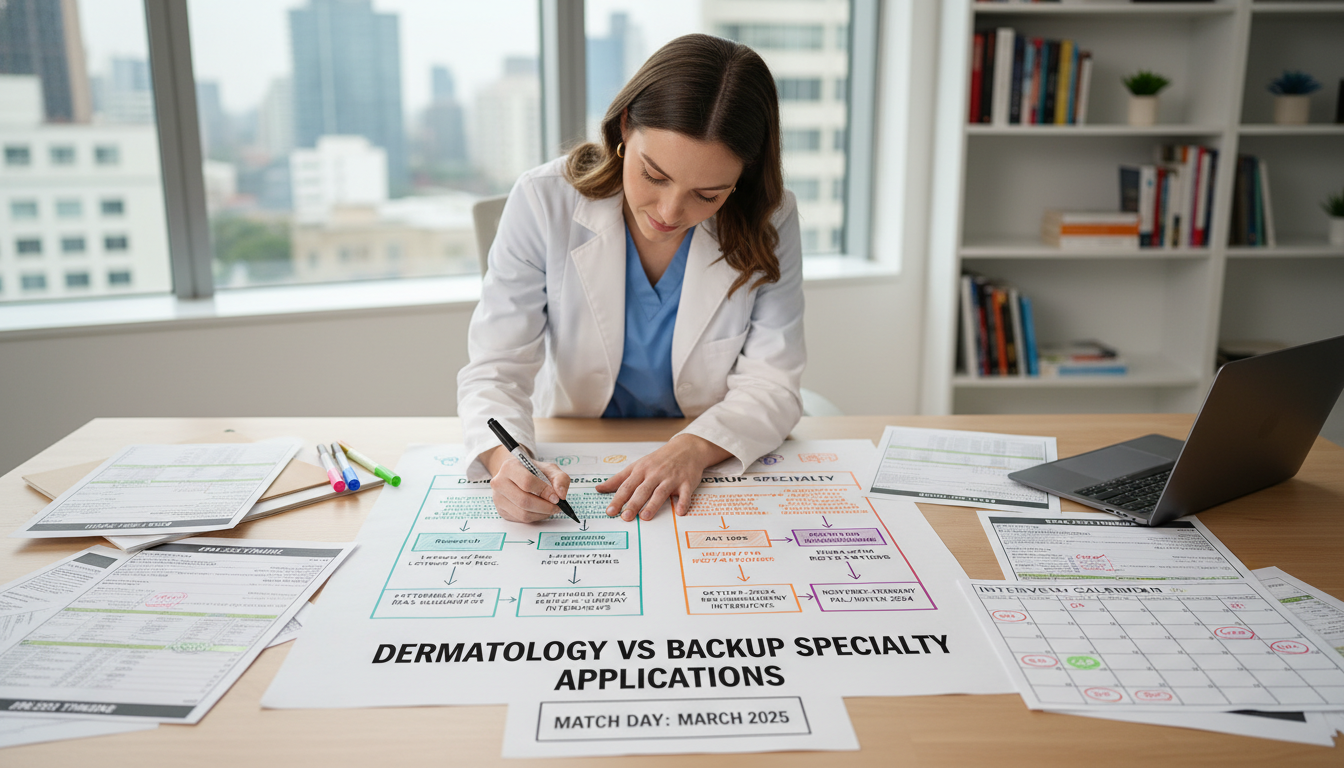
Step 1: Decide Early If You’ll Dual Apply
Ideally, make the decision by:
- Late spring or early summer of the year before you apply
This gives you time to:
- Obtain letters in both fields (derm + backup)
- Arrange at least one rotation that supports your backup specialty
- Clarify your story and long-term vision
Waiting until October to think about backup specialties is too late for genuine strategy.
Step 2: Tailor Your ERAS Application to Both Fields
You will usually:
- Submit one core ERAS application, but:
- Use different personal statements for derm and backup
- Consider customizing your experiences section emphasis for each field (where possible)
Dermatology Personal Statement Focus:
- Your pathophysiology/visual diagnosis/procedural interests
- Derm research, derm mentors, derm rotations
- Long-term vision in dermatology (academic, private, underserved, etc.)
Backup Specialty Personal Statement Focus:
- Authentic reasons for liking the backup field
- Overlap with derm that feels organic (e.g., chronic disease and systemic illness in IM, skin in primary care for FM)
- Commitment to a meaningful career path in that specialty even if derm doesn’t materialize
Avoid any wording that:
- Suggests you’re using the backup specialty as a “stepping stone” to derm
- Implies a half-hearted commitment
Programs want residents who are genuinely happy to be there.
Step 3: Secure Letters of Recommendation Strategically
Aim for:
- Derm: 2–3 letters from dermatologists (ideally including at least one academic derm)
- Backup specialty: 1–2 letters from faculty in that field (IM, FM, peds, etc.)
You can:
- Use different combinations of letters for derm vs backup applications
- Politely tell letter writers your goals; many understand dual applying in competitive fields
Example phrasing:
“I’m strongly interested in dermatology and will be applying to derm programs, but given the competitiveness, I’m also applying to [backup specialty]. I’d really value your letter speaking to my strengths as a future [internist/family physician/pathologist/etc.].”
Step 4: Be Thoughtful About Where You Apply
For dermatology:
- Include a mix of reach, realistic, and DO-friendly programs
- Pay attention to programs where DOs have matched previously
For your backup specialty:
- Apply broadly enough to be realistically safe
- Consider geographic flexibility if derm is your first choice but backup must be more certain
Step 5: Manage Interviews Honestly and Professionally
On derm interviews:
- You do not need to volunteer that you’re dual applying
- Focus on your authentic interest in dermatology
On backup specialty interviews:
- If asked directly, you can be honest without undermining your candidacy
Example response:
“Dermatology has been a strong interest of mine for several years, particularly the visual and procedural aspects. At the same time, through my clinical rotations, I’ve realized that I would also be genuinely fulfilled in [backup specialty], especially because of [specific reason]. Given the competitiveness of derm, I’ve approached this cycle thoughtfully by applying to both, and I’d be fully committed to training as a [backup specialty physician] if given the opportunity.”
This shows:
- Self-awareness
- Professionalism
- Genuine respect for the backup field
Step 6: Create a Match Ranking Strategy
When rank list time comes, you must answer:
- “Would I rather scramble/SOAP and reapply derm, or would I rather start training in my backup specialty now?”
Options:
- Rank all derm programs first, then backup programs after
- If you match derm, great
- If you don’t, you have a legitimate backup
- Rank only derm programs and opt to SOAP if you don’t match
- Higher risk, potentially more derm-focused future
- Less security for this cycle
Most applicants benefit from the first approach, especially DO graduates, to avoid being left with no position.
If You Don’t Match Dermatology: Making the Most of Plan B
Despite careful planning, you may not match dermatology. That’s not a reflection of your worth as a physician; it’s a reflection of supply and demand.
Immediate Next Steps
If you don’t match:
- Allow yourself to process it emotionally
- Disappointment is normal
- Avoid impulsive, long-term career decisions in the first 48 hours
- Clarify your SOAP strategy (if applicable)
- Decide whether to target your backup specialty, TY/prelim, or other options
- Seek mentorship quickly
- Talk to derm mentors, advisors, and faculty in your backup field
Long-Term Pathways After a Missed Derm Match
You generally have three broad routes:
Commit fully to your backup specialty
- Train, board-certify, build a rewarding career
- Incorporate your derm interests where possible (e.g., skin focus in primary care, rheum/derm overlap in IM, dermpath in pathology)
Reapply dermatology from within your backup specialty
- More challenging, but not impossible
- Requires:
- Excellent performance as a resident
- Additional derm research and strong updated letters
- Willingness to change programs/systems
- Some programs are more open to residents switching in; others rarely do
Pursue derm-adjacent niche practice
- Primary care with strong skin focus
- Rheumatology or allergy/immunology with overlap in skin disease
- Dermatopathology if you’re in pathology
None of these paths represent failure. They are all legitimate, impactful careers.
Reframing Success
Success for a DO graduate in this context is:
- Practicing medicine in a field that fits your skills, values, and lifestyle
- Serving patients well
- Maintaining the flexibility to evolve your career over time
Dermatology is one beautiful path to that goal—but not the only one.
Practical Action Plan Summary for DO Derm Applicants
Use this checklist as you plan your backup specialty strategy:
Early in Medical School / Early Clinical Years
- Clarify what you love about dermatology
- Get early derm exposure and mentorship
- Understand derm competitiveness and DO-specific factors
Pre-Application Year
- Decide whether dual applying is likely
- Explore 1–2 backup specialties that fit your values and lifestyle goals
- Start cultivating mentors in both derm and your potential backup field
Application Season
- Finalize whether you’ll dual apply
- Draft separate personal statements for derm and backup
- Obtain letters from both fields
- Apply smartly: derm targets + a realistic number of backup specialty applications
Interview Season
- Be authentic and professional in both derm and backup interviews
- Avoid disparaging any specialty or implying backup is a “consolation prize”
Ranking and Match
- Decide how to order derm and backup programs
- Discuss your ranking strategy with trusted mentors
After Match Day
- If matched in derm: celebrate and commit fully
- If matched in backup: embrace your new specialty and seek derm-adjacent niches if desired
- If unmatched: promptly implement a SOAP and reapplication plan with mentor guidance
FAQs: Backup Specialty Planning for DO Graduates in Dermatology
1. As a DO graduate, should I always dual apply if I’m going for dermatology?
Not always, but often yes, especially if:
- Your scores, research, or derm exposure are average rather than exceptional
- You lack a home derm program or strong derm mentors
- You have geographic or visa constraints
If your application is exceptionally strong and your mentors strongly support a derm-only approach, you might choose not to dual apply, but understand the risk.
2. What is the best backup specialty for a DO derm applicant?
There is no single “best” plan B specialty. Good options depend on:
- Your interests: outpatient vs inpatient, procedural vs cognitive
- Your long-term lifestyle preferences
- Your tolerance for additional training or reapplication
Common choices include internal medicine, family medicine, pediatrics, pathology, and PM&R. The “best” one is the field in which you can genuinely see yourself happy and fulfilled if derm doesn’t happen.
3. Will derm programs hold it against me if they find out I dual applied?
In general, no—especially in highly competitive specialties, program directors understand dual applying. Problems arise only if:
- You appear disingenuous or non-committal in derm interviews
- You openly frame other fields as “backup plans” in a dismissive way
If you maintain professionalism and demonstrate clear, authentic interest in dermatology, dual applying itself is not typically a liability.
4. If I match into my backup specialty, is it realistic to switch into dermatology later?
It’s possible but uncommon and challenging. To maximize your chances, you’d need to:
- Excel in your current residency (top performance, strong letters)
- Stay involved in derm-related research or electives
- Network actively with derm programs friendly to residents transferring in
However, it’s crucial to choose a backup specialty you’d be content with even if you never switch. Relying on switching as your primary strategy is risky.
Thoughtful backup specialty planning doesn’t dilute your dermatology dreams as a DO graduate. It strengthens your overall residency strategy, protects your long-term career, and ensures that—no matter how the derm match turns out—you are positioned to become a skilled, fulfilled physician.