Why Backup Specialty Planning Matters for DO Graduates Targeting Neurosurgery
Applying to neurosurgery residency is one of the most competitive paths in medicine—and being a DO graduate adds extra layers of strategy. Even highly qualified applicants can go unmatched in neurosurgery. That reality makes deliberate backup specialty planning not a sign of weakness, but a sign of maturity and risk management.
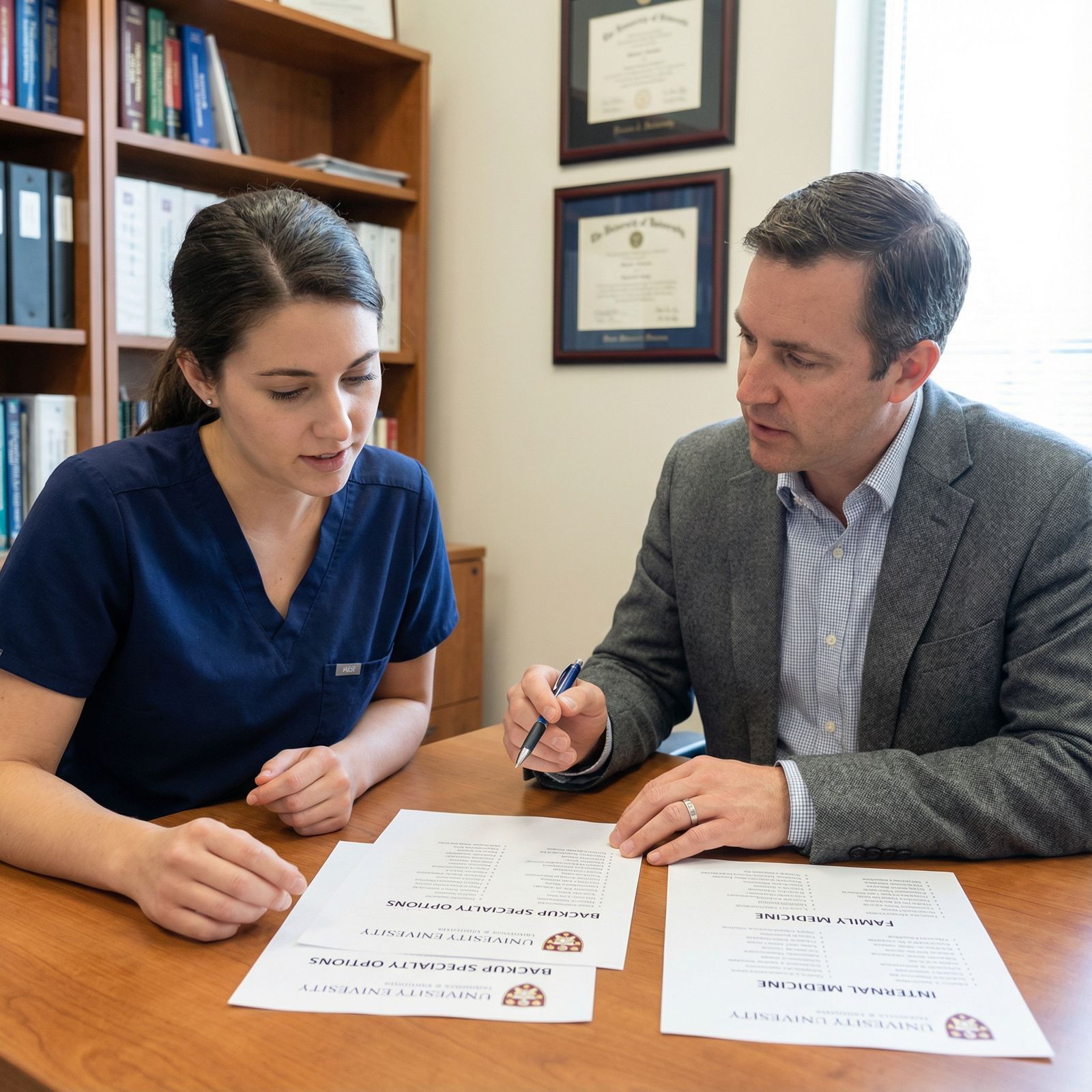
For a DO graduate trying to enter neurosurgery, having a smart, realistic Plan B specialty and, in some cases, dual applying can:
- Protect you from going unmatched and losing a year
- Preserve your ability to stay close to neurosurgical work (if that’s important to you)
- Give you an alternative career that you would still find meaningful
- Lower anxiety by knowing you have more than one path to success
This article walks you step-by-step through how to think about backup specialties, what’s different for DO applicants, how dual applying in residency works, and how to stay strategically close to neurosurgery or brain surgery residency–adjacent careers.
We’ll focus specifically on DO graduates interested in neurosurgery residency, with an emphasis on realistic options and practical tactics.
Understanding Your Risk Profile as a DO Applicant to Neurosurgery
Before you can design a good backup plan, you need an honest sense of your chances in neurosurgery and how programs view DO graduates.
1. Competitiveness of Neurosurgery Residency
Neurosurgery is consistently among the most competitive specialties:
- Very limited number of PGY-1 positions nationally
- High proportion of applicants with research, publications, and strong letters
- Increasing emphasis on away rotations and demonstrated commitment
- Programs often prefer candidates who show readiness for the rigors of brain surgery residency and long training (7+ years)
Unlike some fields, neurosurgery has a smaller margin for error: one poor rotation, a weak letter, or underwhelming Step/COMLEX scores can significantly affect your application.
2. How DO Graduates Are Viewed in Neurosurgery
While opportunities for DO graduates have improved, the neurosurgery residency landscape is still MD-heavy. Key realities:
- A smaller number of neurosurgery programs historically interview DOs
- Some programs still have implicit bias or lack familiarity with osteopathic training
- DO students may have fewer home neurosurgery departments and thus fewer built-in opportunities for neurosurgery research and mentorship
- Having a strong performance on USMLE (if taken) can sometimes help DO applicants be more directly comparable with MD peers
This does not mean DOs cannot match neurosurgery—many do. But it means your risk of going unmatched is objectively higher, even with strong credentials.
3. Personal Factors That Raise or Lower Risk
Consider these factors honestly when assessing whether you should rely solely on neurosurgery or strongly consider dual applying:
Stronger neurosurgery profile (lower risk if applying neurosurgery-only):
- High Step 2 CK and/or strong COMLEX Level 2 scores
- Honors in neurosurgery and core clerkships
- Multiple neurosurgery rotations (including away rotations) with strong written evaluations
- Meaningful neurosurgery or neuroscience research with presentations/publications
- Strong neurosurgeon letters (including at least one well-known academic neurosurgeon if possible)
- A home neurosurgery program that strongly supports you
Higher-risk profile (strong indication to build a robust backup specialty plan):
- Below-average board scores or failed exam attempt
- Limited neurosurgery exposure or no home neurosurgery program
- Minimal research or no neurosurgery-related work
- Mixed or mediocre clinical evaluations
- Geographic limitations (you only want to match in a few specific cities or regions)
- Significant career red flags (LOA, professionalism concerns, major gaps)
The more items you check in the second list, the more critical serious backup planning—possibly including dual applying in residency—becomes.
Strategic Principles for Choosing a Backup Specialty
A good backup specialty for a DO student targeting neurosurgery is not just “whatever is easier to match.” Instead, it should meet four criteria:
Realistic Match Probability
It should materially improve your chance of matching somewhere, based on your metrics and the osteopathic residency match landscape.True Personal Fit
You must be able to picture yourself doing this specialty happily if neurosurgery is off the table. This is crucial for mental health and career satisfaction.Alignment With Your Strengths
It should make use of your skills and preferences (e.g., procedural vs cognitive, inpatient vs outpatient, long vs predictable hours).Option to Stay “Neuro-Adjacent” (If Important to You)
Ideally, your backup can keep you close to the nervous system or brain surgery–related work if that’s central to your identity and interests.
Common Backup Specialty Types for Neurosurgery-Focused DOs
While there is no universally “right” backup, certain plan B specialties commonly appeal to neurosurgery-minded applicants:
- Neurology
- Physical Medicine & Rehabilitation (PM&R)
- Anesthesiology
- Radiology (Diagnostic or Interventional focus later)
- General Surgery (with intent to subspecialize)
- Emergency Medicine (for procedural, acute care focus)
We’ll examine these in more detail later, but first, you need a clear process.
A Stepwise Process to Select a Plan B Specialty
Clarify what you actually love about neurosurgery
Is it:- Long, complex operations?
- Acute neurocritical care?
- Intellectual puzzle-solving around nervous system disease?
- High-intensity environments and critical decision-making?
Identify core needs you must preserve in a career
Examples:- High acuity vs more longitudinal relationships
- Hands-on procedures vs diagnostic focus
- ICU and inpatient care vs more outpatient
Screen specialties through three filters
- Is it open and reasonably welcoming to DO graduates?
- Does your current CV align with what they value (scores, research, letters)?
- Could you see yourself doing that work full-time if neurosurgery is never an option?
Test your assumptions
- Talk to residents and attendings in that specialty
- Consider doing an elective rotation
- Ask your advisor candidly if this would be a realistic backup
When those answers feel coherent, you’re ready to sketch a specific dual applying residency or backup-only strategy.

Deep Dive: High-Yield Backup Specialties for Neurosurgery-Oriented DO Graduates
Below are commonly considered backup specialties, with a focus on how they align with neurosurgery-minded DO applicants and the osteopathic residency match environment.
1. Neurology
Why it’s appealing:
- Directly related to the nervous system
- Overlaps significantly with neurosurgery in pathology (strokes, tumors, epilepsy, spine, neurotrauma)
- Allows for subspecialty training in stroke, epilepsy, neurocritical care, neuromuscular, movement disorders, etc.
- Neurosurgeons often work closely with neurologists; you remain in the “neuro world”
Pros:
- Generally less competitive than neurosurgery and many surgical specialties
- A number of neurology programs are DO-friendly
- Logical fit if much of your neurosurgery interest is driven by neuroscience and brain disease rather than surgery itself
- Pathway to neurocritical care, which keeps you in high-acuity, ICU-level work
Cons:
- Less procedural than neurosurgery
- Lifestyle and practice patterns are different (more outpatient clinics, less OR time)
Best fit if:
- You enjoy neuroanatomy and neurophysiology
- You like diagnostic reasoning and longitudinal patient care
- You can accept not operating but still working intensively with brain and spine pathology
2. Physical Medicine & Rehabilitation (PM&R)
Why it’s appealing:
- Strong focus on neurological recovery (stroke, spinal cord injury, TBI)
- Heavy involvement with spinal cord injury patients—close to one of neurosurgery’s major domains
- Opportunities for interventional procedures (e.g., injections, EMG, sometimes pain procedures)
- Often a good match for DO graduates due to holistic, functional focus
Pros:
- Generally moderate competitiveness, historically more DO-welcoming
- Good lifestyle relative to many surgical fields
- Allows you to stay neuro-adjacent, especially with fellowships in Brain Injury Medicine, Spinal Cord Injury, Pain Medicine
- Team-based care and long-term functional outcomes can be rewarding
Cons:
- Less acute surgical management
- More rehab and functional goals than “fix it now in the OR” mentality
Best fit if:
- You enjoy working within multidisciplinary teams
- You value functional improvement and quality of life
- You’re open to outpatient-based procedures and longitudinal care
3. Anesthesiology
Why it’s appealing:
- You remain in the OR, including neurosurgical cases
- Focus on physiology, critical care, and acute management
- Options for fellowship in Neuroanesthesia or Critical Care
Pros:
- Often more accessible for DOs than neurosurgery
- Good match for those who enjoy acute, hands-on medicine but not necessarily operating themselves
- Good income and some degree of flexibility in practice settings
Cons:
- Less disease-specific longitudinal follow-up
- Different professional identity from surgeon; not ideal if you’re strongly procedure-ownership oriented
Best fit if:
- You love the physiology side of medicine
- You enjoy being in the OR and working closely with surgeons
- You’re okay not being the primary proceduralist but rather the perioperative expert
4. Radiology (Diagnostic, with Possible Interventional Interest Later)
Why it’s appealing:
- Intensive neuroimaging is central to neurosurgery; you’d remain heavily engaged with neuroanatomy
- Possibility of pursuing Neuroradiology fellowship
- Later pathway to Interventional Radiology (though this is itself competitive)
Pros:
- You remain a crucial part of the neurosurgical care team
- Strong intellectual overlap with neurosurgery via imaging-based decision-making
- Sometimes more DO-welcoming than highly competitive surgical fields
Cons:
- Primarily non-procedural early on (unless IR track)
- More screen-based, less direct patient contact in many settings
- Highly competitive for IR and some top radiology programs
Best fit if:
- You love neuroimaging and pattern recognition
- You’re comfortable with a technology-heavy, interpretive role
- You’re open to a CLINICAL but less hands-on-direct-surgery role
5. General Surgery as a Backup for Neurosurgery
This is more nuanced. General surgery is itself competitive and intense, and as a DO graduate you face similar structural challenges as in neurosurgery.
Potential rationale:
- If you’re deeply committed to surgical identity, general surgery may allow a surgical career even if not brain surgery residency
- Possible later subspecialization in something like trauma, vascular, or critical care surgery
Risks:
- It may not be significantly “easier” to match than some neurology-aligned or other backups
- Program directors may question your commitment if they sense neurosurgery was your first choice and general surgery is a fallback
Best fit if:
- Your primary love is operating and surgical decision-making, not specifically neurosurgery
- You’re willing to forgo exclusively neuro-focused work for the broader domain of general surgery
6. Emergency Medicine and Other Procedural or Acute Care Fields
Some neurosurgery-minded individuals find Emergency Medicine a plausible alternative because of:
- Acute, high-stakes decision-making
- Exposure to neurotrauma, strokes, and emergent neurosurgical cases
- Procedural opportunities (intubations, lines, reductions, etc.)
However, EM is its own culture and lifestyle; it’s not neurosurgery-light. Choose it only if you’ve genuinely enjoyed your EM rotations and can imagine the shift-work lifestyle.

How to Execute a Dual Applying Strategy as a DO Neurosurgery Applicant
Dual applying residency means you apply in neurosurgery and at least one backup specialty during the same match cycle. For a DO graduate, this strategy requires careful planning so you appear genuinely committed to each specialty, not as though one is an afterthought.
1. Decide Early If You’ll Dual Apply
Ideally, you decide by:
- Early M4 (or late M3) at the latest
This timing affects:- Choice of away rotations (how many in neurosurgery vs backup)
- Letters of recommendation mix
- Personal statement strategy
- How you structure your ERAS application and interview schedule
Indicators you should strongly consider dual applying:
- You lack a home neurosurgery program
- Your board scores are well below average for neurosurgery
- Your mentors express concern about your neurosurgery match odds
- You have a clear backup specialty that you would genuinely accept
2. Build a CV That Supports Both Neurosurgery and Your Backup
This balance is tricky but doable:
Research:
Primary neurosurgery projects are ideal, but additional research in your backup field can strengthen that application. Example:- Neurosurgery research + a smaller project in neurocritical care, stroke, or rehabilitation.
Rotations:
- 1–2 neurosurgery away rotations (if possible, DO-friendly programs)
- 1 rotation in your backup specialty, ideally at a program that likes DOs
Letters of Recommendation:
- For neurosurgery: at least 2 letters from neurosurgeons (one from away rotation if strong)
- For backup specialty: 2 letters from attendings within that field
- It’s fine to have overlap (e.g., internal medicine letter used for both neurology and neurosurgery applications if very strong), but try to have specialty-specific letters for each.
3. Craft Clear, Separate Personal Statements
Never use a single generic statement for neurosurgery and your backup specialty.
Neurosurgery personal statement:
Focus on surgical identity, technical interest, resilience, long-term commitment to a 7-year training path, and what draws you specifically to neurosurgery.Backup specialty personal statement:
Must read as a genuine interest. Emphasize:- What you’ve learned and enjoyed in that field
- How your experiences (clinical, research, personal) specifically connect to it
- Your long-term vision within that specialty (e.g., neurocritical care neurologist, spinal cord rehab specialist)
Program directors can quickly detect “placeholder” statements; this can hurt you in the osteopathic residency match for both specialties.
4. Navigating Interviews When Dual Applying
This is one of the most anxiety-inducing parts of dual applying residency.
Key guidelines:
Never lie if asked about applying to other specialties.
Frame your answer as risk management and honesty about competitiveness, not ambivalence.
Example response in neurology interview if asked about neurosurgery applications:
“I’ve been strongly drawn to neurosurgery and have applied there as well, but I also recognize how competitive it is, particularly as a DO graduate. My experiences in neurology, especially on the stroke and consult services, have shown me that I would be very fulfilled as a neurologist. I’ve decided I would rather match in a specialty I truly enjoy than risk going unmatched. If I match in neurology, I’ll be fully committed to pursuing a career in vascular neurology or neurocritical care.”
In neurosurgery interviews, emphasize that neurosurgery is your first choice and that your backup is a practical safeguard, not evidence of lack of commitment.
5. Ranking Strategy in the Match
When it’s time to submit your rank list:
Rank all neurosurgery programs you would genuinely attend first.
Don’t rank neurosurgery programs you would be miserable in or would prefer your backup over.Then rank backup specialty programs, from most to least desirable.
Remember: the algorithm favors your preferences, not what you think programs want you to do. Your job is to be honest about where you’d actually want to be.
Special Considerations for DO Graduates in the Match
As a DO graduate, you must be intentional about where and how you apply—both for neurosurgery residency and any backup specialty.
1. Identify DO-Friendly Programs
- Use prior match lists from your school to see where DOs have matched into neurosurgery, neurology, PM&R, etc.
- Check program websites and resident rosters for DO alumni or current DO residents.
- Talk to upperclassmen or recent graduates who matched in neuro-related fields.
2. Leverage COMLEX and/or USMLE Wisely
- If you took USMLE Step 2 CK and did well, use it to your advantage; many neurosurgery programs are more comfortable comparing Step scores.
- If you only took COMLEX, target programs known to accept and understand COMLEX scoring.
- For your backup specialty, check whether they have explicit policies on DO applicants and COMLEX-only candidates.
3. Advocate for Yourself Through Mentors
Strong, vocal mentors can make a difference:
- Ask neurosurgeons at your away rotations if they’re willing to contact programs on your behalf.
- Secure at least one advisor in your backup specialty who can advise you on program selectivity and your competitiveness.
- Have mentors review your application strategy and provide honest feedback about whether your neurosurgery-only vs dual applying plan is realistic.
Maintaining Your Identity and Long-Term Vision
Backup specialty planning is emotionally complex. Many neurosurgery applicants feel that acknowledging a Plan B is “giving up” or diluting their commitment. For DO graduates, these feelings may be intensified by perceptions of bias or systemic disadvantage.
A healthier reframing:
- You’re committing to a long career in medicine, not only to a specific residency name.
- You are planning responsibly, given the objective competitiveness of neurosurgery and the extra barriers in the osteopathic residency match.
- You can still build a career focused on neuro-related care in many other fields:
- Vascular neurologist managing stroke systems
- PM&R physician leading spinal cord injury rehab programs
- Neuroanesthesiologist working on complex brain cases
- Neuroradiologist optimizing neurosurgical planning and imaging
- Neurocritical care specialist managing ICU patients pre- and post-op
Planning a backup specialty or doing dual applying residency does not diminish your passion. It protects your ability to practice medicine and serve patients—whether or not you ultimately become a neurosurgeon.
FAQs: Backup Specialty Planning for DO Graduates Aiming at Neurosurgery
1. As a DO graduate, is it realistic to apply only to neurosurgery without a backup?
It depends on your application strength. If you have excellent board scores, strong neurosurgery research, stellar letters from neurosurgeons, and clear program support, a neurosurgery-only strategy can be considered—especially if you’re geographically flexible and apply broadly. However, because of the limited spots and MD-heavy applicant pool, many DO advisors recommend at least exploring a plan B specialty and having a clear fallback if interviews are fewer than expected.
2. What is the best backup specialty if I want to stay as close as possible to brain surgery residency?
There is no single “best” option, but for staying neuro-adjacent:
- Neurology (with a focus on stroke, epilepsy, movement disorders, neurocritical care)
- PM&R (spinal cord injury, brain injury rehabilitation, pain medicine)
- Anesthesiology (with potential neuroanesthesia or critical care focus)
- Radiology (neuroradiology, possibly interventional pathways)
The right choice depends on whether your core love is the nervous system itself, the OR environment, or the acute critical care aspects.
3. How many programs should I apply to in my backup specialty?
If you are seriously dual applying, treat your backup as a fully viable primary specialty. Many applicants submit:
- A broad list of neurosurgery programs (often 40–60+ given competitiveness)
- A similarly broad or slightly smaller list in the backup specialty, depending on competitiveness and your statistics
Your advisor can help calibrate numbers, but a common mistake is underapplying to the backup and then having too few non-neurosurgery interviews if neurosurgery doesn’t pan out.
4. Can I switch into neurosurgery after matching into a backup specialty?
In rare cases, residents transfer into neurosurgery from another specialty, but this is uncommon and uncertain, especially for DOs. Neurosurgery programs have limited positions and are cautious about mid-residency transfers. If you enter a backup residency, you should do so with the mindset that you may spend your entire career in that specialty and strive to build a fulfilling path there. If an opportunity arises to move into neurosurgery later, consider it a bonus rather than a guaranteed plan.
By approaching backup specialty planning proactively and strategically, you protect your future while still giving yourself a strong chance at neurosurgery. As a DO graduate, your path may be less linear, but with clear priorities, flexible thinking, and honest mentorship, you can design more than one career path that you’d be proud to pursue.