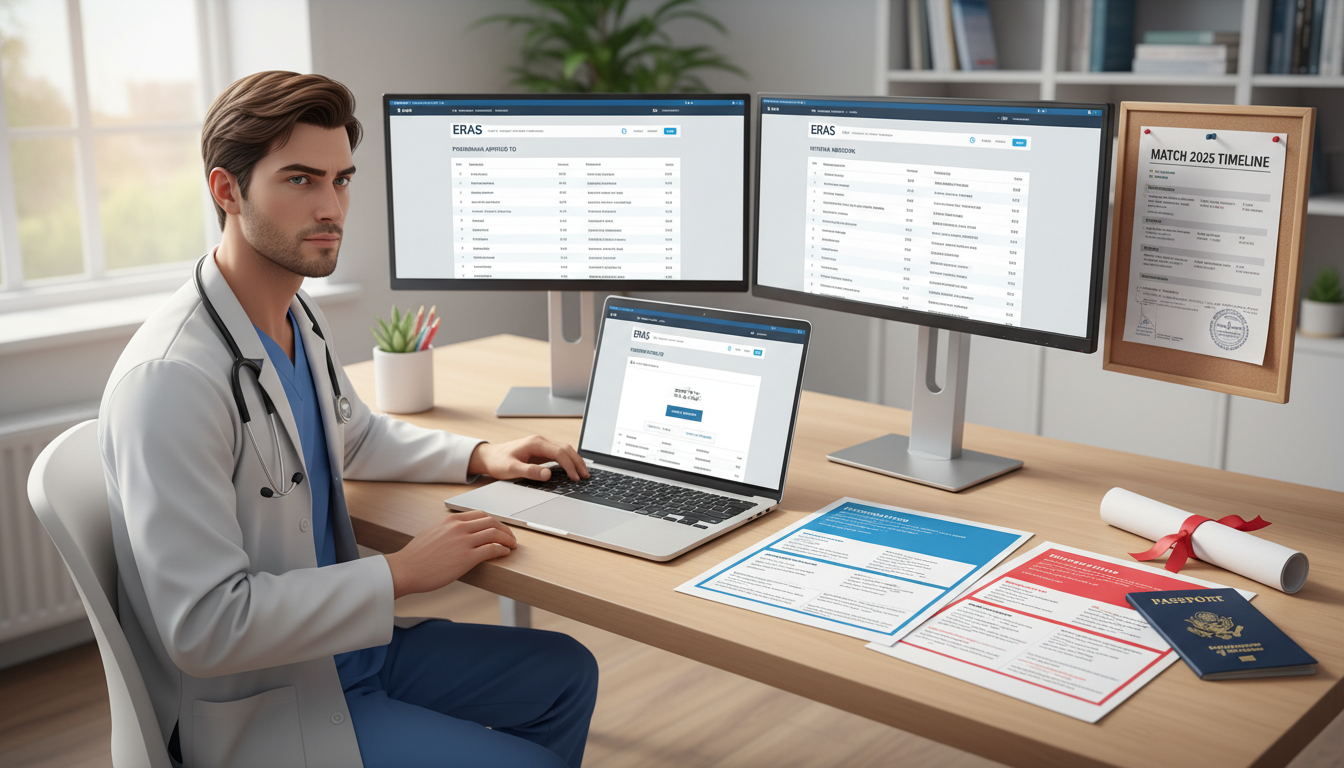
Why Backup Planning Matters for a US Citizen IMG in Dermatology
Dermatology is one of the most competitive specialties in the United States. For a US citizen IMG (American studying abroad), the path is even steeper—but absolutely not impossible. Thoughtful backup specialty planning is often the difference between:
- Matching into something you can live with (and potentially use as a bridge into dermatology later), versus
- Going unmatched, losing a year, and facing an even harder cycle.
As an American studying abroad, you typically face:
- Limited home‑institution derm exposure in the U.S.
- Fewer built‑in faculty advocates in American derm departments
- Visa issues are less of a concern (since you’re a US citizen), but many programs still view IMGs as higher risk
That’s why you must be deliberate—both about your dermatology strategy and your Plan B specialty.
This article walks you through:
- How to honestly assess your derm competitiveness as a US citizen IMG
- When and how to consider dual applying residency
- Choosing the right Plan B specialty (and wrong ones to avoid)
- Building an application that supports both your derm match and your backup
- How to keep derm doors open even if you start in another field
Throughout, we’ll use the specific lens of a US citizen IMG targeting dermatology residency in the U.S.
Step 1: Honestly Assess Your Dermatology Competitiveness as a US Citizen IMG
Before you can design a backup plan, you need a clear picture of how competitive you truly are for dermatology residency.
Key Competitiveness Factors in Dermatology
Programs will look at your:
USMLE performance
- Step 1 (Pass/Fail now, but timing and number of attempts still matter)
- Step 2 CK score (critical; often used as a hard screen)
- Any failures or multiple attempts
Dermatology‑relevant experiences
- U.S. dermatology clinical electives or sub‑internships
- Letters of recommendation from US dermatology faculty
- Dermatology research output—publications, abstracts, posters
Overall IMG profile
- US citizen IMG vs non‑US IMG (you’re advantaged as a citizen)
- School reputation and location (Caribbean vs European vs other)
- Gaps in training, remediation, or exam failures
Application polish
- ERAS personal statement specific to dermatology
- Demonstrated longitudinal interest in derm (volunteering, research, QI)
- Professionalism and communication skills in interviews
Rough Self‑Assessment Tiers for US Citizen IMGs
These are general patterns, not absolute rules, but they can guide your backup strategy.
High‑end competitive US citizen IMG for derm:
- Step 2 CK: ~255+
- No exam failures; strong clinical evaluations
- 1–2+ derm publications or solid ongoing derm research
- 2–3 letters from US dermatology faculty
- Multiple U.S. dermatology electives, ideally including away rotations
Moderately competitive:
- Step 2 CK: ~240–255
- No exam failures
- Derm‑related research, maybe not first‑author or not yet published
- At least one strong US derm letter + strong medicine/surgery letters
- Some derm exposure but fewer U.S. derm rotations
At‑risk/low‑probability for derm match (as an IMG):
- Step 2 CK: <240 or exam failure(s)
- Little or no derm research
- Limited or no U.S. dermatology clinical experience
- Mostly non‑U.S. or non‑derm letters
- Training interruptions or professionalism concerns
This honest categorization matters because your backup specialty planning for dermatology residency will be very different if you’re:
- High‑end competitive: You might still want a backup, but you can be selective.
- Moderate: Dual applying residency becomes highly advisable.
- At‑risk: You should treat derm as a reach and put serious emphasis on a realistic Plan B specialty.

Step 2: Understanding Dual Applying and When It Makes Sense
If you’re an American studying abroad aiming for derm, dual applying residency—submitting applications to dermatology and a backup specialty—can be a smart risk‑management strategy.
Benefits of Dual Applying as a US Citizen IMG
Increased odds of matching overall
You protect yourself from the very real possibility of not securing a derm match.Psychological safety
Knowing you have a strong Plan B specialty reduces anxiety so you can interview better.Flexibility for future derm routes
Certain backup fields keep you connected to dermatology or to research pipelines.
Downsides and Risks of Dual Applying
Diluted messaging
Program directors might sense that you’re not fully committed to their specialty if your application is generic.Time and cost
More ERAS fees, more interviews, more letters, more personal statements.Logistical complexity
Scheduling interviews for two fields, tailoring personal statements, managing letters strategically.
Who Should Seriously Consider Dual Applying?
As a US citizen IMG specifically:
Strongly consider dual applying if:
- Step 2 CK < 255, OR
- Limited derm research (no significant publications or ongoing projects), OR
- <2 strong US derm letters, OR
- No U.S. derm sub‑I/away rotation at an academic center
May reasonably single‑apply to derm (with a small backup within derm, like prelim options) if:
- Step 2 CK ≥ 260, AND
- Multiple strong derm letters from respected US faculty, AND
- Robust derm research & presentations, AND
- Several strong derm electives in U.S. programs
Even in that top tier, some US citizen IMGs still choose a backup specialty just for risk mitigation.
Step 3: Choosing the Right Plan B Specialty for Derm Applicants
Not all backup specialties are equally strategic for a derm match. Your Plan B specialty should:
- Be realistically attainable for an IMG with your profile
- Offer a career you can enjoy if derm never happens
- Potentially keep doors open toward dermatology or related fields
Common Backup Specialty Options for Dermatology Applicants
Below are frequently considered Plan B specialties and how they align with a derm match strategy for a US citizen IMG.
1. Internal Medicine (IM)
Pros:
- Larger number of positions; more IMG‑friendly programs
- Strong foundation for clinical reasoning and complex medical dermatology
- Pathway to derm‑related fellowships (e.g., rheumatology, allergy/immunology, infectious disease) or a future derm residency via re‑application
- Can work in combined clinics with dermatology in some academic centers
Cons:
- Lifestyle, clinic tempo, and disease spectrum quite different from dermatology
- Competition for top internal medicine academic programs can still be intense
When IM is a good Plan B specialty:
- You enjoy chronic disease management and complex medical workups
- You like inpatient + outpatient mix and team‑based care
- You’re open to subspecializing in areas that overlap with dermatology (rheumatology, allergy, ID)
2. Family Medicine (FM)
Pros:
- Many positions; often IMG‑friendly
- Office‑based, continuity practice; closest to derm’s outpatient lifestyle
- You can develop a niche in primary care dermatology (especially in underserved areas)
- Allows procedural work (biopsies, cryotherapy, minor excisions) depending on setting
Cons:
- Limited formal pathways back into ACGME dermatology residency (though re‑applying is possible)
- Income and prestige are typically lower than dermatology
- Scope is very broad—must be comfortable with everything from pediatrics to geriatrics, OB in some settings
When FM is a good Plan B specialty:
- You value broad primary care and preventive medicine
- You like outpatient continuity and procedures
- You’re comfortable building a “primary care derm” niche rather than being a board‑certified dermatologist
3. Pathology
Pros:
- Strong dermatopathology overlap—directly relevant to derm
- IMG‑friendliness varies but can be more accessible than derm
- Intellectual, diagnostic focus; less direct patient interaction (good for some personalities)
- Future fellowship in dermatopathology offers a derm‑adjacent career
Cons:
- Limited patient contact, which may not suit everyone
- Job markets can be geographically variable, especially for subspecialists
- Switching from pathology to derm residency later is possible but uncommon and highly competitive
When pathology is a good Plan B specialty:
- You enjoy histology, microscopy, and diagnostic puzzles
- You’re open to a career as a dermatopathologist rather than a clinical dermatologist
- You’re comfortable with a lab‑based, behind‑the‑scenes role
4. Internal Medicine‑Preliminary / Transitional Year as “Soft Backup”
Some applicants treat a preliminary internal medicine or transitional year (TY) as a “backup” if they can’t get a categorical derm spot.
Pros:
- Maintains clinical activity in the U.S. healthcare system
- Allows more time to strengthen your derm application (research year, networking, publications)
- You can re‑apply to derm after a strong intern year
Cons:
- Not a true long‑term Plan B specialty—no secured specialty training beyond PGY‑1
- Requires re‑application, which is high stress and uncertain
- If you don’t match derm later, you may have to re‑enter the Match again for another specialty
When a prelim/TY is reasonable:
- You are highly derm‑committed and reasonably competitive
- You accept the risk and cost of potentially re‑applying multiple times
- You have mentors strongly supporting your derm re‑application plan
Less Ideal Backup Options for Most Derm‑Focused US Citizen IMGs
These are not wrong choices if you genuinely love them, but they’re less directly aligned as a backup for the purpose of keeping derm options open:
- General surgery: More intense lifestyle, different skill set, less derm overlap
- Emergency medicine: Shifting competitiveness, lifestyle/disease mix very different
- Neurology / Psychiatry: Valuable specialties but limited direct overlap with derm and uncommon transitions into derm
If you feel strongly drawn to any of these on their own merits, they can still be your Plan B specialty. Just be aware they’re not especially “derm‑bridging” fields.
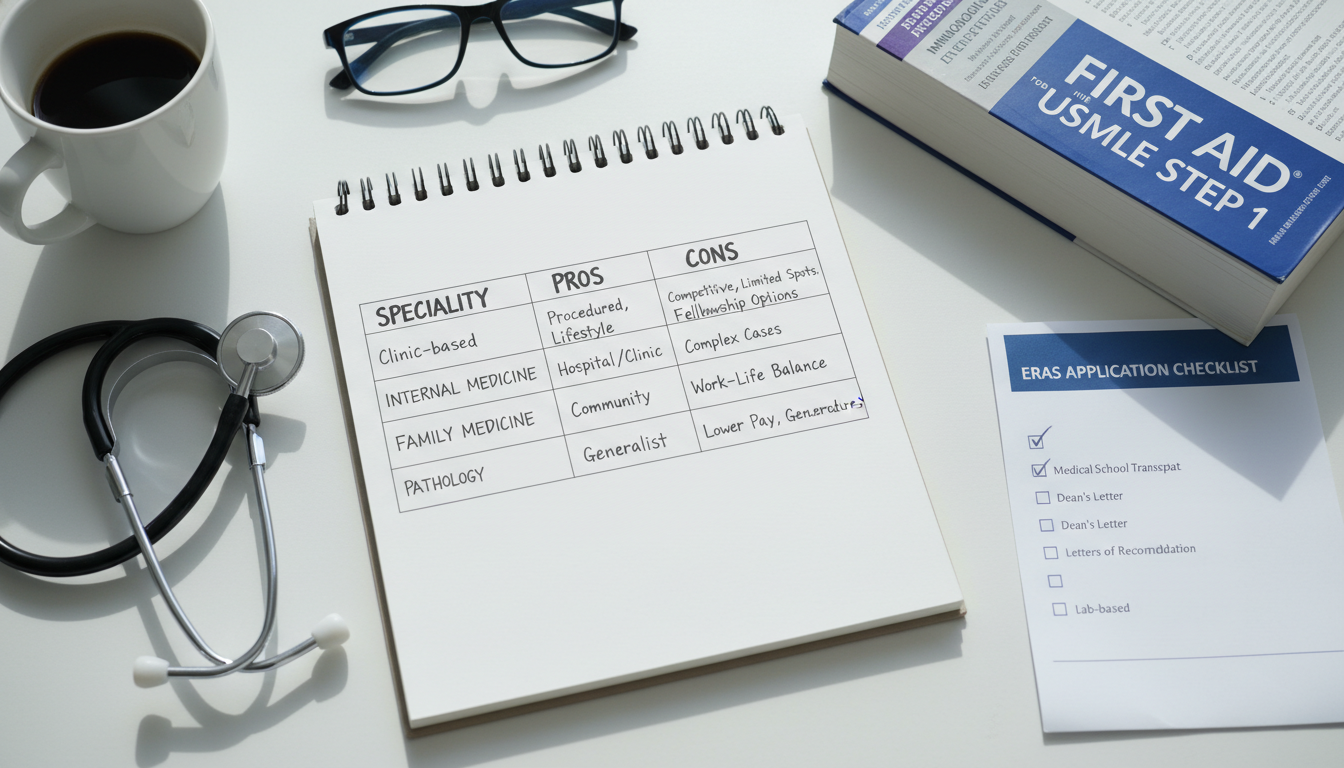
Step 4: Building an Application That Works for Both Derm and a Backup Specialty
Dual applying means your ERAS profile must support two narratives: your derm passion and your Plan B commitment.
1. Strategically Tailor Your Personal Statements
You should write separate personal statements:
- One for dermatology residency
- One for your backup specialty (e.g., IM, FM, pathology)
Derm dermatology residency personal statement:
Highlight:
- Early exposure to dermatology
- Specific cases that fascinated you
- Research experiences and derm mentors
- Long‑term goals in derm (e.g., complex medical derm, dermpath, procedural derm)
Avoid:
- Language implying derm is your “only acceptable” outcome
- Any hint you’re not open to other fields (this can backfire if read by prelim/TY or medicine programs)
Backup specialty personal statement:
Center the story on that specialty’s strengths:
- For IM: complex multisystem disease, diagnostic thought, inpatient care
- For FM: continuity, prevention, whole‑person care, community impact
- For pathology: diagnostic rigor, love of histology, bridging lab and clinic
It’s fine if you briefly mention derm‑adjacent interests, but your enthusiasm for the backup specialty must feel authentic, not like a consolation prize.
2. Letters of Recommendation (LoRs) Strategy
For dermatology:
- Aim for:
- 2–3 letters from U.S. dermatology faculty
- 1 strong medicine or surgery letter (often from a department chair or respected attending)
For your Plan B specialty:
- Secure at least:
- 1–2 letters from attending physicians in that specialty (e.g., IM program director, FM faculty, pathology chair)
- These letters should directly address your potential in that field
ERAS mechanics:
You can upload multiple letters and choose which to assign to each program:
- Assign derm‑heavy letters to dermatology programs
- Assign specialty‑specific letters (e.g., IM faculty) to your backup specialty programs
- If you’re applying to prelim or TY programs, assign a mix that shows clinical strength (medicine, surgery, or primary care letters)
3. Experiences and Activities: How to Frame Them
If much of your portfolio is derm‑heavy (research, electives), you can still frame it to appeal to backup specialties:
Internal Medicine programs will like:
- Complex derm cases with systemic involvement
- Research involving systemic disease, immunology, rheumatologic overlap
- Evidence of strong teamwork and inpatient performance
Family Medicine programs will value:
- Community dermatology outreach, tele‑derm for rural clinics
- Preventive counseling in skin cancer, sun protection, pediatric derm issues
- Longitudinal care and patient education
Pathology programs will appreciate:
- Work in dermatopathology labs
- Case reports or publications involving histology or diagnostic challenges
- Evidence that you’re comfortable with analytic, detail‑oriented work
You don’t need to hide your derm interest—but you do need to show a real, coherent commitment to your Plan B specialty as well.
Step 5: Timelines, Interview Strategy, and Ranking for Dual Applicants
Backup specialty planning isn’t just about what you apply to; it’s about how you manage the season.
Application and Interview Planning
Apply broadly in dermatology
- As a US citizen IMG, err on the side of applying widely, including:
- University‑affiliated community programs
- Newer programs and those with a history of taking IMGs
- As a US citizen IMG, err on the side of applying widely, including:
Apply strategically in your backup specialty
- Use NRMP/ERAS filters for IMG‑friendliness and interview yields
- Emphasize programs that:
- Are in geographic regions you can see yourself in long‑term
- Have derm departments or derm‑related fellowships (especially IM and pathology)
Scheduling interviews:
- Prioritize early dermatology interviews whenever possible
- Accept a healthy number of backup specialty interviews; for most IMGs this is crucial for safety
- Be realistic: if derm interviews are very limited, take more backup interviews to secure a match
Talking About Dual Interests in Interviews
Program directors may ask indirectly:
- “What other specialties did you consider?”
- “How did you decide on our specialty?”
For dermatology interviews, it’s generally best to:
- Emphasize derm as your clear top priority
- If asked about other considerations, you can say you “explored” other fields but reaffirm your conviction for derm
- Avoid extensively discussing your backup specialty unless explicitly asked
For backup specialty interviews:
- Present genuine reasons for your interest
- You may briefly acknowledge your interest in skin disease—for example, an IM applicant who enjoys derm‑relevant systemic conditions—but affirm that you would be fully committed and satisfied in that specialty if matched
- Never frame the backup as a placeholder. Programs want residents who will stay, thrive, and graduate.
Ranking Strategy: Protecting Your Future
When it comes time to create your rank list, you face some hard choices:
If derm is a long shot (few interviews, weaker metrics), it’s usually wise to:
- Rank all derm programs you interviewed at (if you would actually go there)
- Then rank your backup specialty programs in order of preference
- Avoid leaving your list top‑heavy with derm programs if that leads to a high risk of going unmatched
If you have multiple derm interviews and solid signals of interest, you can:
- Rank derm programs more assertively at the top
- Still rank your backup programs afterward as true safety net
NRMP’s algorithm matches to your highest ranked program that also ranks you, so you cannot “hurt” your derm chances by ranking backups lower. The concern is more about whether you acquire enough backup interviews and rank them realistically to secure a position if derm doesn’t work out.
Step 6: Long‑Term Strategy if You Match Your Plan B Specialty
Many US citizen IMGs hope their backup specialty will be a stepping stone to derm later. Sometimes that works; more often, people find a satisfying career in their Plan B specialty.
If You Match Internal Medicine or Family Medicine
Ways to keep derm in your career:
- Develop a dermatology niche in primary care:
- Seek derm electives or mini‑fellowships offered to PCPs
- Do extra clinics with dermatologists
- Learn procedures like biopsies and cryotherapy
- Participate in derm‑related research with your institution’s dermatology or rheumatology departments
- Re‑apply to dermatology with:
- Strong letters from your residency program leadership
- Strong Step/clinical performance and derm‑related scholarship
Know that switching to derm is still highly competitive—but your US citizen status, U.S. clinical training, and connections can make it more possible.
If you never switch, you can:
- Market yourself as a PCP with advanced dermatology expertise
- Help reduce access disparities for derm care in underserved areas
- Enjoy an outpatient‑heavy, procedures‑inclusive clinical life
If You Match Pathology
Pathology offers the clearest derm‑adjacent pathway:
- Consider a dermatopathology fellowship after general pathology residency
- Keep dermatology contacts and attend combined derm–path conferences
- Participate in dermpath research and quality projects
You’ll likely never function as a clinic‑based dermatologist, but you can have a deep, subspecialized derm career in diagnostic pathology.
Emotional and Career Considerations
If you end up in your Plan B specialty:
- Allow grieving for the derm dream—it’s normal and valid
- Give your new specialty a real chance; immerse fully for at least a year before making major decisions
- Look for overlapping meaning: procedural work, complex cases, teaching, research, underserved care
A backup specialty isn’t “failure.” For many US citizen IMGs, it becomes a rewarding primary career—even if they started out chasing derm.
FAQs: Backup Specialty Planning for US Citizen IMG in Dermatology
1. As a US citizen IMG, do I have to dual apply if I want dermatology?
No. But if your profile isn’t clearly top‑tier (very high Step 2 CK, multiple derm publications, strong U.S. derm rotations and letters), dual applying residency significantly lowers your risk of going unmatched. For most American studying abroad candidates, a carefully chosen backup specialty is strongly advisable.
2. What is the best backup specialty for a derm applicant who wants to re‑apply later?
There is no universal answer, but common choices are:
- Internal Medicine: good for complex systemic disease, opens derm‑related subspecialties, widely available
- Family Medicine: good if you want outpatient focus and primary care dermatology
- Pathology: best if you might pivot to dermatopathology
Pick a Plan B specialty in which you can envision a satisfying career even if dermatology never materializes.
3. Won’t programs in my backup specialty reject me if they know I prefer dermatology?
They might, if you present your interest poorly. That’s why messaging matters. Frame your story so that:
- Your derm exposure informs your interest in their specialty (e.g., systemic disease in IM, community derm in FM, dermpath in pathology)
- You clearly state that if you match with them, you are prepared to commit fully and complete the training.
Avoid describing their specialty as only a stepping stone.
4. If I don’t match dermatology the first time, is doing a research year better than going straight into a backup specialty?
It depends on your risk tolerance and profile:
- A research year can boost derm publications and networking, improving your derm match odds—especially at academic programs—but offers no guaranteed income or position.
- Going straight into a backup specialty provides stability, income, and alternative career growth, while leaving open some future derm pathways (especially via IM, FM, or pathology).
As a US citizen IMG, both routes are viable; the right choice depends on your financial situation, support system, and how far you are from being realistically competitive for derm.
Backup specialty planning as a US citizen IMG in dermatology is about realism, flexibility, and preserving your options. By assessing your competitiveness honestly, choosing a thoughtful Plan B specialty, and crafting an application that respects both paths, you dramatically increase your chances of securing a fulfilling residency—whether that ends up being a derm match or a rewarding alternative.