Choosing a medical specialty is one of the most high‑stakes decisions future doctors make—but it doesn’t have to be an all‑or‑nothing gamble. Many students aim for hyper‑competitive medical specialties and forget to build a thoughtful, realistic set of backup specialties that still align with their values, interests, and desired work-life balance.
Lesser‑known specialties can offer intellectually rich practice, strong job security, and more control over your lifestyle, without requiring you to abandon your core professional goals. Understanding these options early in your training can dramatically reduce anxiety around the Match and open doors to fulfilling medical careers you may not have considered.
This guide explores what makes a good backup specialty, highlights several under‑the‑radar options, and provides a step‑by‑step framework to help you choose backup specialties that make sense for you.
Understanding Backup Specialties in the Residency Match
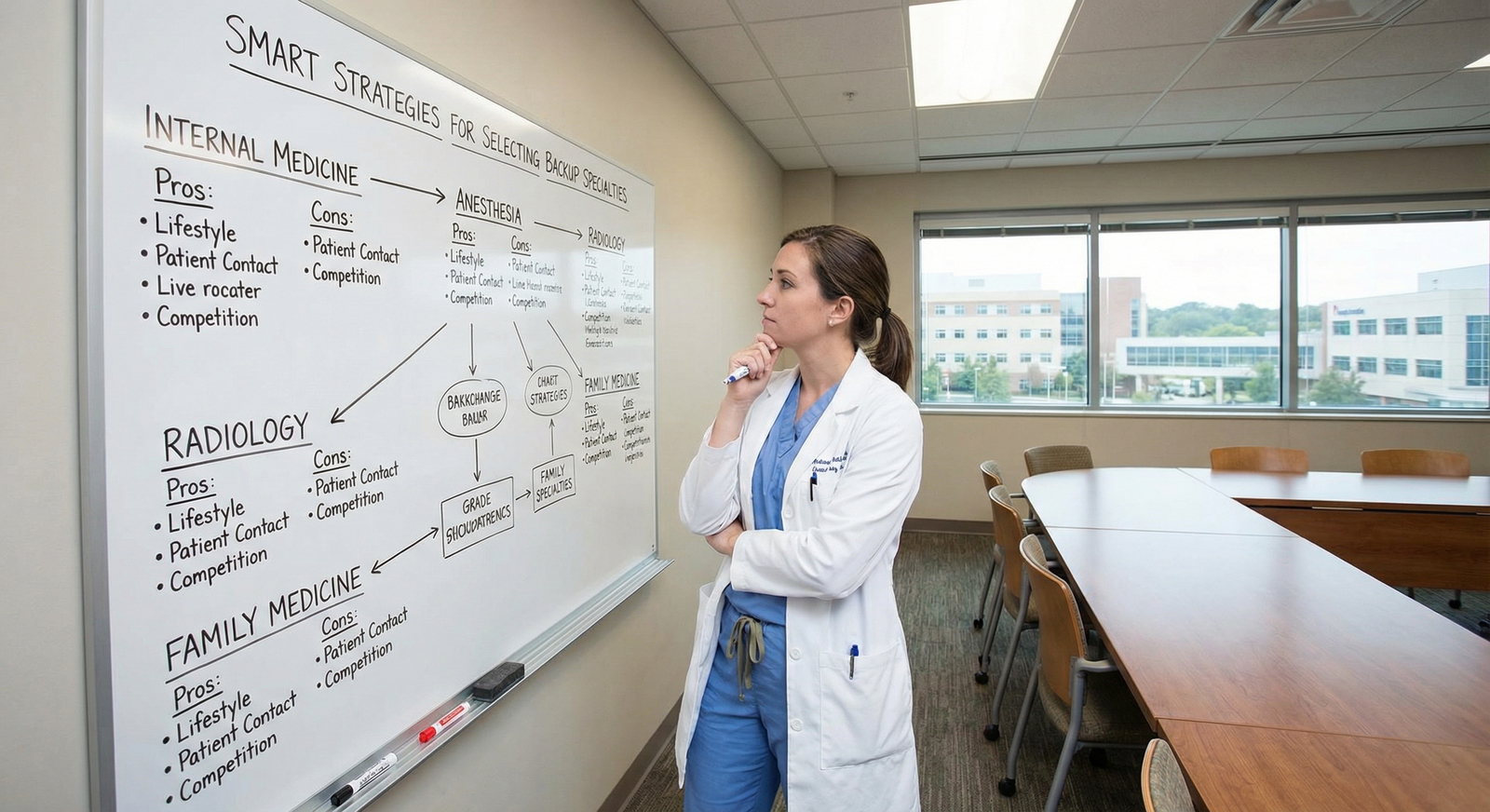
Backup specialties are not “consolation prizes.” They are deliberately chosen alternative residency paths that you would genuinely be willing to pursue if your primary specialty doesn’t work out—or if your priorities evolve during medical school.
What Actually Makes a Good Backup Specialty?
When future doctors talk about backup specialties, they’re usually thinking about:
- Match probability – Historically higher match rates or more positions
- Training environment – Lower risk of residency burnout, more supportive cultures
- Work-life balance – More predictable schedules, fewer overnight calls, or flexible practice models
- Alignment with core interests – Still lets you use the skills and patient populations you care about
- Geographic flexibility – More programs across regions or community vs academic options
- Long‑term viability – Strong or growing demand and stable reimbursement
A backup specialty is not just “easier to match into.” A good backup specialty:
Fits your personality and clinical preferences
For example, if you love longitudinal relationships and dislike the OR, a back‑up in another procedural specialty may not make sense.Provides a realistic match path given your application profile
Board scores, clinical grades, research experiences, and visa status all affect competitiveness.Aligns with your career values
Whether your priorities are flexibility, academic work, advocacy, income, or location.
Thinking this way shifts the mindset from “settling” to “strategic diversification” of your medical career plans.
Lesser‑Known Backup Medical Specialties Worth Exploring
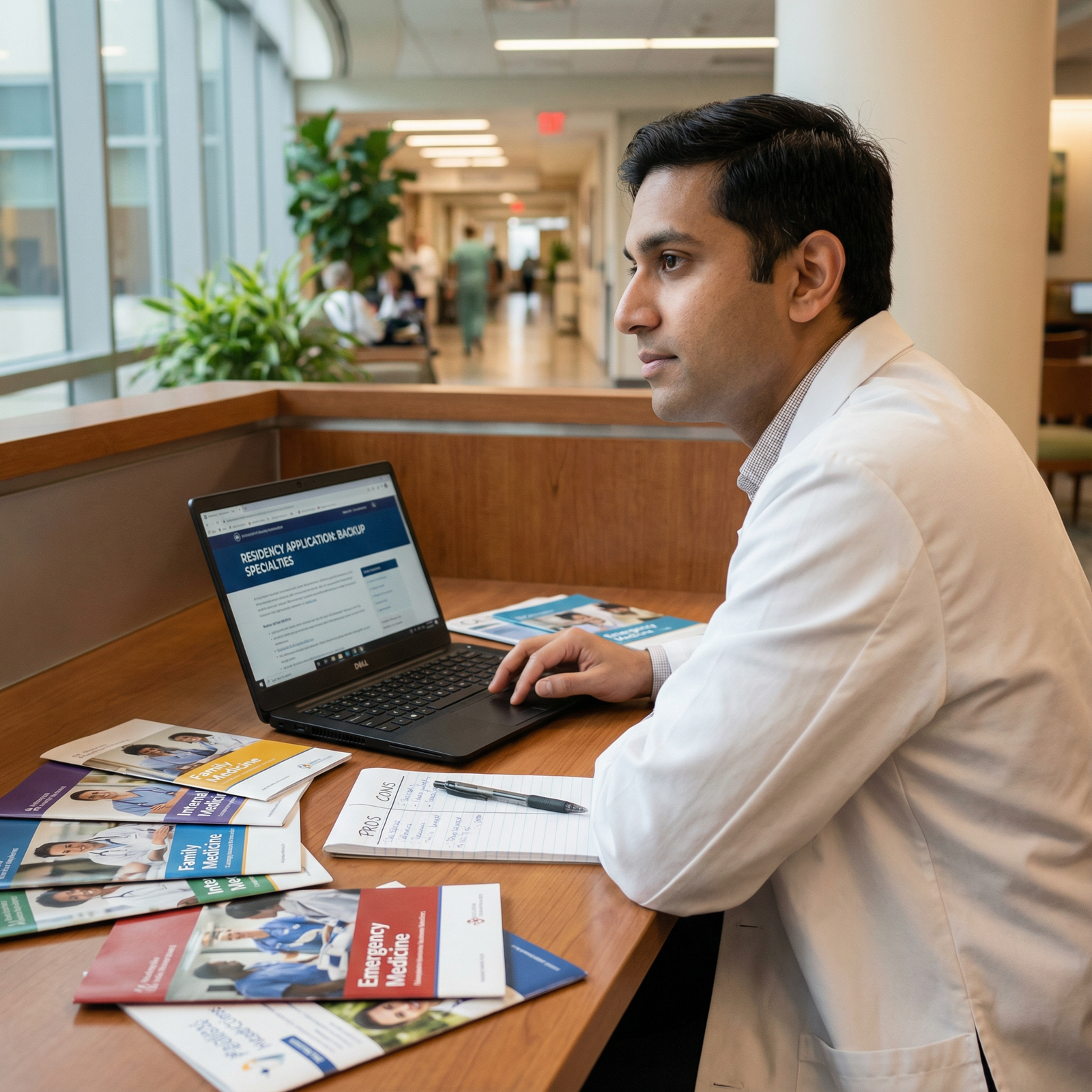
Many students default to well‑known backup specialties like internal medicine or family medicine. While these are excellent options, there is a broader landscape of medical specialties that:
- Have relatively favorable work-life balance,
- Offer meaningful patient impact, and
- Are often under‑explored by medical students.
Below are several such specialties, with practical details to help you decide whether they belong on your personal backup list.
1. Physical Medicine and Rehabilitation (PM&R)
Physical Medicine and Rehabilitation—physiatry—focuses on restoring function and quality of life for patients with disabilities, injuries, or chronic conditions.
Common patient populations include:
- Stroke survivors
- Spinal cord injury patients
- Traumatic brain injury patients
- Amputees and prosthetics users
- Patients with chronic musculoskeletal or neuromuscular disorders
PM&R physicians often lead interdisciplinary rehab teams that include physical therapists, occupational therapists, speech‑language pathologists, psychologists, and social workers.
Why PM&R Works Well as a Backup Specialty
Strong work-life balance potential
Many PM&R practices operate primarily during business hours, with comparatively limited overnight call in some settings. Outpatient musculoskeletal or sports rehab clinics can be particularly lifestyle‑friendly.Procedural but not surgical
For students who enjoy procedures but don’t want a surgical residency, PM&R offers:- Joint injections
- Nerve blocks
- EMG/NCS
- Ultrasound‑guided procedures
- Spasticity management (e.g., botulinum toxin injections, intrathecal baclofen)
Diverse career paths
You can subspecialize in:- Pain medicine
- Sports medicine
- Spinal cord injury
- Brain injury
- Pediatric rehab
- Cancer rehabilitation
Tips for Exploring PM&R
- Try to do at least one elective rotation at a rehab hospital or academic PM&R department.
- Join your school’s PM&R interest group or the American Academy of Physical Medicine and Rehabilitation (AAPM&R) as a student member.
- Seek mentors who practice in different PM&R environments (inpatient rehab, outpatient MSK, academic, private).
2. Geriatric Medicine
Geriatrics focuses on the care of older adults, typically those 65 years and older, with attention to functional status, polypharmacy, cognition, and complex multimorbidity.
Most geriatricians complete:
- A residency in Internal Medicine or Family Medicine
- A fellowship in Geriatric Medicine
So geriatrics often functions as a “backup‑plus” specialty—you first choose a core field (IM or FM) that already has strong match numbers, then add geriatrics if it fits your interests.
Why Geriatrics Deserves More Attention
High and growing demand
Aging populations worldwide are creating urgent need for specialists in:- Dementia care
- Falls and mobility
- End‑of‑life care
- Medication management
Rich relationship‑centered care
Geriatricians often build long‑standing relationships with patients and their families and play a central role in goals‑of‑care discussions and advanced care planning.Multiple practice settings
- Outpatient geriatric clinics
- Inpatient consult services
- Skilled nursing facilities
- Home visits
- Academic teaching roles
Is Geriatrics a Fit for You? Ask Yourself:
- Do you enjoy complex medical decision‑making rather than quick fixes?
- Are you comfortable with cognitive decline, end‑of‑life discussions, and family dynamics?
- Are you drawn to advocacy around long‑term care, Medicare policy, or age‑friendly health systems?
Even if you don’t ultimately pursue fellowship, interest in geriatric principles can strengthen applications to both IM and FM residency programs and differentiate you within those medical specialties.
3. Occupational Medicine
Occupational medicine sits at the intersection of clinical care, public health, and workplace safety. These physicians focus on the health of workers, workplace‑related injuries and illnesses, and the broader interface between work and health.
Common activities include:
- Evaluating and treating workplace injuries
- Performing pre‑employment and fitness‑for‑duty exams
- Managing exposure to chemicals, noise, or radiation
- Conducting disability and return‑to‑work evaluations
- Advising on workplace safety policies and ergonomics
Why Occupational Medicine Is a Strong Backup Option
Predictable schedules and lifestyle
Many Occupational Medicine clinics run on standard business hours with minimal nights, weekends, or inpatient responsibilities—appealing for those who prioritize work-life balance.Varied practice environments
You can work in:- Corporate health departments
- Hospital‑based occupational health clinics
- Government or military settings
- Independent or group occupational health practices
Opportunities in policy and leadership
Physicians often participate in:- Workforce health programs
- OSHA compliance
- Health and safety policy development
- Disaster preparedness planning
Training Pathways
- Many practitioners come from Internal Medicine, Family Medicine, or Emergency Medicine, then complete a Preventive Medicine/Occupational Medicine residency or fellowship.
- Some positions (especially clinical injury care) may be open to physicians with primary care training and on‑the‑job occupational health experience.
If you enjoy systems thinking, population‑level impact, and more structured hours, Occupational Medicine can be an excellent backup specialty to put on your radar.
4. Public Health and Preventive Medicine
Preventive Medicine physicians focus on the health of populations rather than individual patients. They blend clinical medicine, epidemiology, health policy, and biostatistics.
Core areas include:
- Disease prevention and health promotion
- Environmental and occupational health
- Epidemiologic surveillance
- Health systems management and public policy
Why Future Doctors Should Consider Preventive Medicine
Broad, scalable impact
Instead of treating one patient at a time, you may influence:- Vaccination programs
- Chronic disease prevention initiatives
- Health equity and access policies
- Environmental and climate‑related health strategies
Diverse career options
Preventive Medicine physicians work in:- Local, state, and federal public health departments (e.g., CDC)
- Academic public health schools and medical centers
- NGOs and global health organizations
- Health insurance and quality improvement organizations
Flexible clinical engagement
Some practitioners maintain part‑time clinical work in primary care or subspecialties while holding leadership or public health roles.
Typical Training Path
- Completion of at least one clinical year (often an intern year in IM, FM, or Transitional Year)
- A Preventive Medicine residency that usually includes:
- Public health coursework (often leading to an MPH)
- Rotations in public health agencies, epidemiology, and policy
For students interested in systems‑level change, health inequities, or global health, Preventive Medicine pairs well with many primary specialty choices and can serve as an excellent alternative path if your initial plan evolves.
5. Palliative Care
Palliative Medicine focuses on improving quality of life for patients with serious or life‑limiting illnesses, and supporting their families. It emphasizes symptom management, psychosocial support, and complex communication.
Most palliative care physicians complete a primary residency (such as Internal Medicine, Family Medicine, Pediatrics, or Anesthesiology), then a Palliative Care fellowship.
Why Palliative Care Is Increasingly Important
Growing demand across settings
Palliative care is integrated into:- Inpatient consult services
- Outpatient clinics for heart failure, oncology, or advanced lung disease
- Home‑based care programs
- Hospice programs (distinct but often overlapping with palliative care)
Core skill set valued in many specialties Training in palliative care enhances:
- Communication about goals of care
- Advanced care planning
- Prognostication and complex decision‑making
- Symptom management (pain, dyspnea, nausea, delirium)
Interdisciplinary, team‑based practice Teams often include nurses, social workers, chaplains, and other allied health professionals.
Is Palliative Care Right for You? You might thrive in this field if you:
- Value deep, meaningful patient and family interactions
- Are comfortable sitting with uncertainty and emotional intensity
- Want to bridge the gap between high‑tech care and what truly matters to patients
Even if you don’t subspecialize, demonstrating genuine palliative care interest and skills can strengthen applications within primary specialties like IM, FM, or EM.
6. Medical Genetics
Medical Genetics is at the forefront of precision medicine. Geneticists diagnose and manage inherited disorders, chromosomal abnormalities, and increasingly, conditions influenced by genomic variations.
Clinical work may include:
- Evaluating children with developmental delay or congenital anomalies
- Managing hereditary cancer syndromes
- Assessing adults with undiagnosed rare diseases
- Counseling families on recurrence risks and reproductive options
Advantages of a Career in Medical Genetics
Cutting‑edge, intellectually stimulating work You’ll engage with:
- Rapidly evolving genomic technologies
- Variant interpretation
- Personalized treatment planning
- Research into rare diseases or gene therapies
Collaborative, consultative role Geneticists frequently work closely with:
- Pediatricians
- Oncologists
- Neurologists
- Obstetricians/Maternal‑Fetal Medicine
- Lab scientists and genetic counselors
Academic and research opportunities Many positions are at academic centers, combining clinical practice with teaching and research.
Training Models
- Categorical Medical Genetics residency (often combined with Pediatrics or Internal Medicine)
- Genetics fellowship after primary training, depending on country and program structure
For students who enjoy pathophysiology, diagnostics, and longitudinal counseling, Medical Genetics can be a rewarding backup path that still intersects with many other areas of medicine.
7. Aerospace Medicine
Aerospace Medicine deals with the health and performance of individuals in aviation and space environments. While niche, it is a compelling option for students with interests in physiology, engineering, and extreme environments.
Areas of focus include:
- Pilot and aircrew health
- Flight fitness assessments
- Effects of altitude, acceleration, and microgravity on the human body
- Spaceflight medicine (for astronauts and related personnel)
- Accident investigation and safety recommendations
Why Aerospace Medicine Appeals to Certain Future Doctors
Unique practice setting and patient population
You may work with:- Commercial pilots and airline personnel
- Military aviators
- Astronauts and space agency staff
- Air traffic controllers and related professionals
Blending clinical care with operational and research work Many aerospace physicians are involved in:
- Policy guidelines for flight fitness
- Environmental exposure standards
- Research into human performance at altitude or in space
Connections with government and military organizations Positions exist within:
- Air Force or other military branches
- NASA or national space agencies
- Civil aviation authorities
Aerospace Medicine is rarely a first specialty for most students, but it can be a strategic backup path for those pursuing fields like Emergency Medicine, Internal Medicine, or Family Medicine who also have strong interest in aviation or space.
How to Thoughtfully Choose Your Backup Specialties
Having multiple backup specialties doesn’t mean diluting your focus; it means planning intelligently. Here’s a structured way to approach the decision.
1. Start with Honest Self‑Reflection
Before looking outward, look inward.
Ask yourself:
- What types of patients energize you?
Children, older adults, athletes, complex multi‑morbid patients, acutely ill, or stable outpatients? - What work settings do you prefer?
ICU, clinic, OR, consult service, community hospital, academic center, corporate or public health settings? - How do you handle uncertainty and risk?
Are you comfortable with procedures and acute emergencies, or do you prefer deliberative, cognitive work? - What does sustainable work-life balance look like for you?
Consider:- Desired income range
- Tolerance for night shifts and weekend calls
- Geographic flexibility and family considerations
Write your reflections down. Patterns will emerge that can help filter which backup specialties are realistic fits.
2. Map Overlapping Skill Sets
Strategically, strong backup specialties share overlapping skills and experiences with your primary choice.
Examples:
- Planning for Orthopedic Surgery but want a backup? Explore PM&R with a musculoskeletal/sports emphasis.
- Interested in critical care or oncology but unsure about long ICU hours? Consider Palliative Care as a focus within IM/FM with potential fellowship.
- Passionate about population health and advocacy? Pair Internal Medicine or Family Medicine with interest in Preventive Medicine or Occupational Medicine.
This overlap:
- Makes your application more coherent
- Reduces the need to completely reinvent your CV
- Allows you to present a clear narrative to program directors
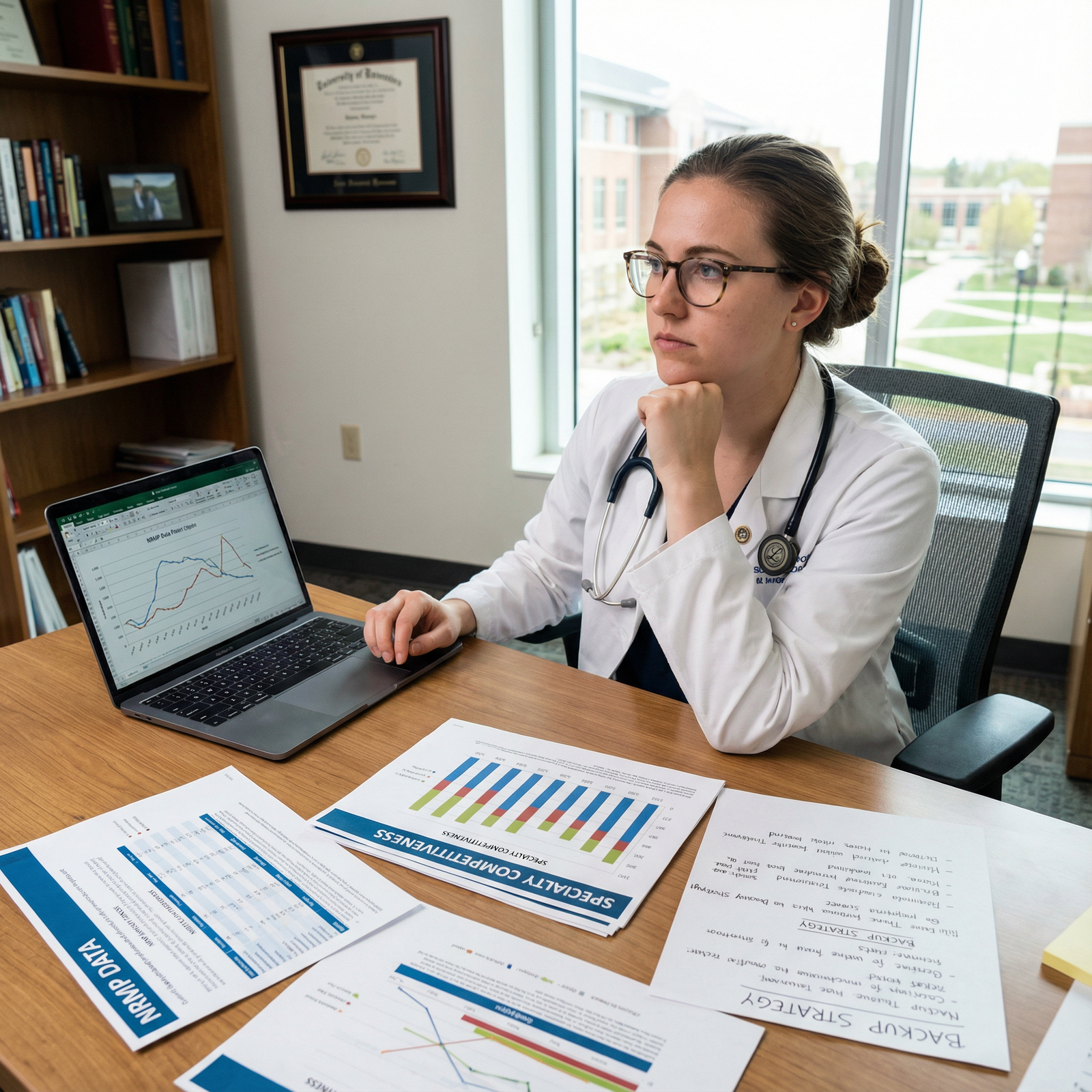
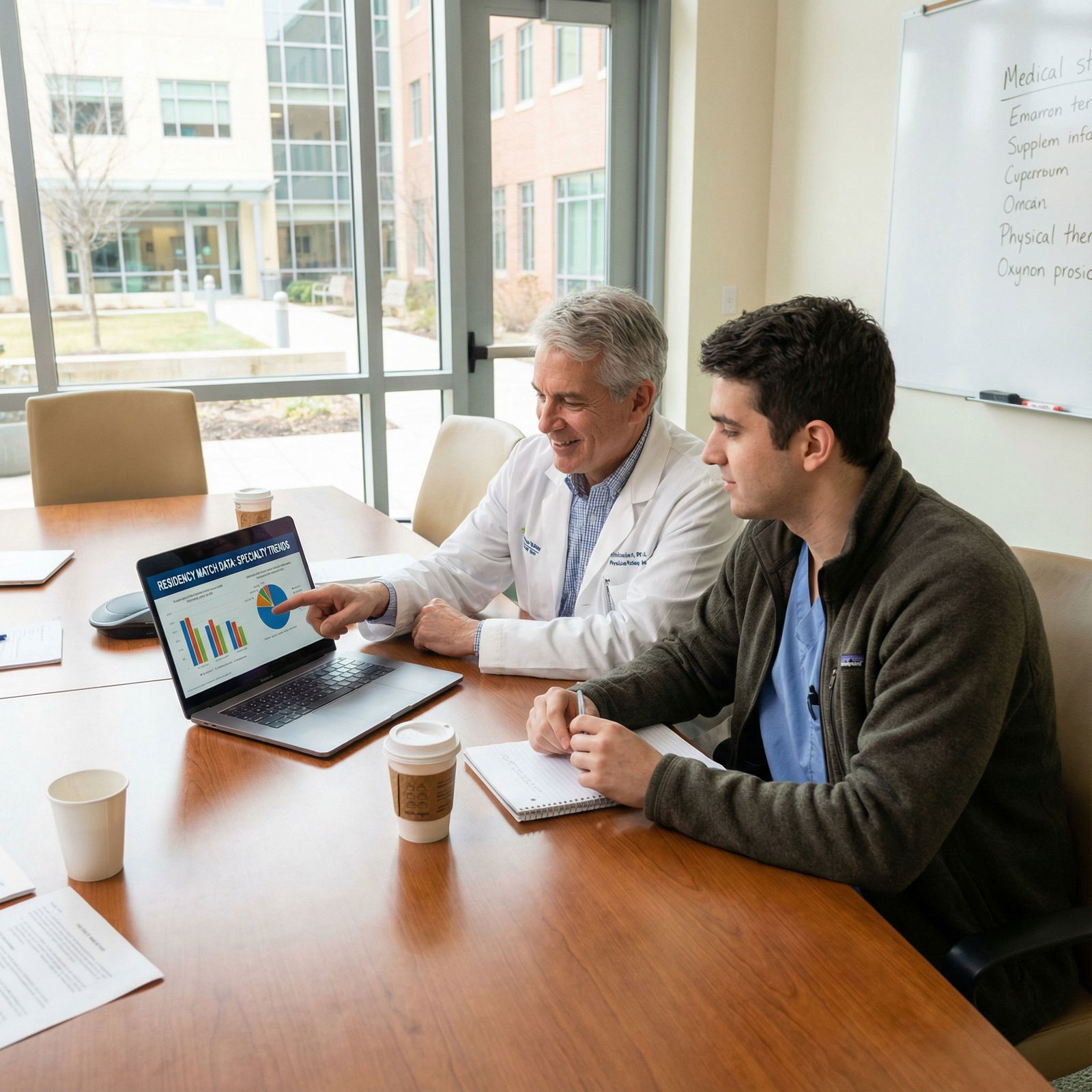
3. Do Targeted Research on Programs and Match Data
Use resources like:
- NRMP’s “Charting Outcomes in the Match” (for the U.S.)
- Specialty‑specific match data from professional societies
- Program websites and FREIDA (or your country’s equivalent)
Focus on:
- Number of positions and match rates in your preferred region
- Typical applicant profiles (Step scores, research, AOA, etc.)
- Availability of categorical vs. combined programs (e.g., IM/Genetics)
This helps distinguish between:
- Conceptually appealing backup specialties
- Realistically achievable ones given your current application
4. Get Real Exposure: Rotations, Shadowing, and Electives
Online research can’t replace first‑hand experience.
Actionable steps:
- Schedule at least one elective in any specialty you’re seriously considering as a backup.
- Attend multidisciplinary conferences (tumor boards, rehab meetings, ethics rounds).
- Shadow physicians in different practice settings within the same specialty (academic vs community; inpatient vs outpatient).
Pay attention to:
- How residents and attendings talk about their work
- Burnout signs and culture
- Daily workflows, not just the “highlight reel” moments
5. Build Relationships and Seek Mentorship
Mentors can give you candid insight into:
- The reality of work-life balance in their field
- How the job market is evolving
- How programs view backup applicants
Consider:
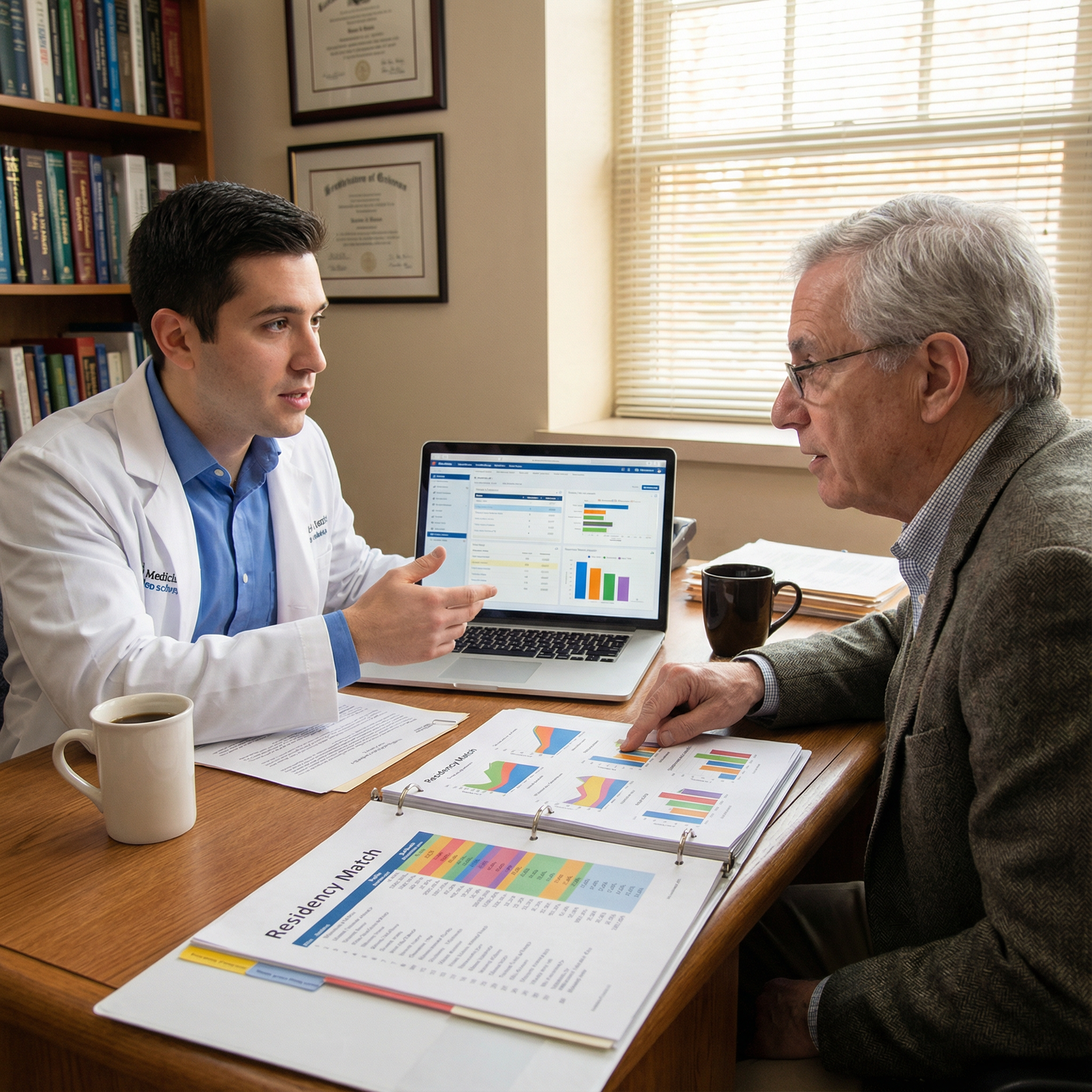
- Asking advisors to help you structure a primary + backup strategy (e.g., dual application, tiered rank list).
- Connecting with residents currently in your possible backup specialties—many will share how they chose their path and whether they ever changed course.
Putting It All Together: Creating a Realistic Specialty Strategy
To move from theory to action, structure your planning:
Define your primary specialty goal
Be honest about competitiveness and your current profile.Select 1–2 closely aligned backup specialties
Ideally:- Similar patient populations or clinical interests
- Overlapping rotations, letters of recommendation, or research
Plan your fourth‑year schedule strategically
- Ensure at least one audition/sub‑internship in your primary specialty.
- Reserve time for electives in your backup specialties early enough to obtain letters if needed.
- Avoid overloading the end of the year with key rotations that are too late to meaningfully adjust your strategy.
Craft tailored personal statements and narratives
- Highlight genuine interest in each field independently.
- Avoid language that clearly positions one as “second choice.”
- Emphasize common themes across specialties—patient population focus, systems thinking, advocacy, or research interests.
Design a tiered rank list
- Rank programs where you’d be happiest in your primary specialty at the top.
- Follow with strong programs in your backup specialties where you could sincerely see yourself building a long‑term career.
Remember: many physicians look back and realize their “backup” specialty was actually the best match for their personality and life goals.
FAQs About Choosing Backup Medical Specialties
1. Does choosing a backup specialty hurt my chances in my primary specialty?
Not if you plan thoughtfully. Programs expect applicants to have realistic strategies. What they don’t like is:
- Generic or unfocused applications,
- Personal statements that clearly treat their field as a second‑tier option, or
- Letters of recommendation that don’t align with your stated interests.
If you tailor each application and present a coherent story, having a backup specialty will not inherently weaken your primary applications.
2. How many backup specialties should I consider?
Most students do best with one primary specialty and one well‑chosen backup, occasionally two if:
- Your primary choice is extremely competitive, and
- Your interests naturally span multiple related fields.
More than that can dilute your efforts, make rotations and letters harder to organize, and raise questions about your commitment to any one area.
3. Can I switch into my original dream specialty later if I match into a backup?
In some cases, yes—but it’s not guaranteed and may require:
- Reapplying to a different residency
- Completing extra training years
- Accepting geographic or program‑level tradeoffs
However, many physicians find that they grow to truly love their backup specialty and no longer feel the need to switch. If you would be miserable staying in your backup field long‑term, it’s probably not a good backup choice.
4. Which lesser‑known specialties are best for work-life balance?
Work-life balance depends heavily on practice setting, but specialties that often offer more predictable hours and fewer overnight emergencies include:
- Occupational Medicine
- Outpatient‑focused PM&R
- Many roles in Preventive Medicine and Public Health
- Some Palliative Care and Geriatrics positions (especially outpatient)
That said, even within “lifestyle‑friendly” specialties, academic or inpatient roles may have more demanding schedules.
5. How can I demonstrate genuine interest in a backup specialty on my application?
You can show authenticity by:
- Completing focused electives or sub‑internships in the field
- Obtaining at least one strong letter of recommendation from a faculty member in that specialty
- Joining relevant student or professional societies
- Participating in related research, QI, or advocacy projects
- Writing a personal statement that clearly explains why this specialty’s patient population, clinical style, or career trajectory fits your values, without comparing it unfavorably to other fields
Thoughtful exploration of these lesser‑known backup medical specialties can turn what feels like a stressful gamble into a strategic, informed decision. By aligning your choices with your core interests, desired work-life balance, and realistic match prospects, you can build a medical career that’s both sustainable and deeply rewarding—whether you end up in your original “dream” field or discover a new one along the way.