Introduction: Rethinking Backup Specialties in the Residency Match
As the Residency Match approaches, anxiety naturally rises for medical students. You’ve invested years into Medical Education, built your CV around a particular specialty, and may feel that not matching your first choice would derail everything.
It doesn’t.
Not matching into your top-choice specialty is emotional and disruptive, but it is not the end of your path in medicine. The U.S. healthcare system offers a wide range of meaningful, stable, and intellectually rich Healthcare Careers. Many physicians ultimately thrive in specialties that were initially their “backup” or even discovered later in training.
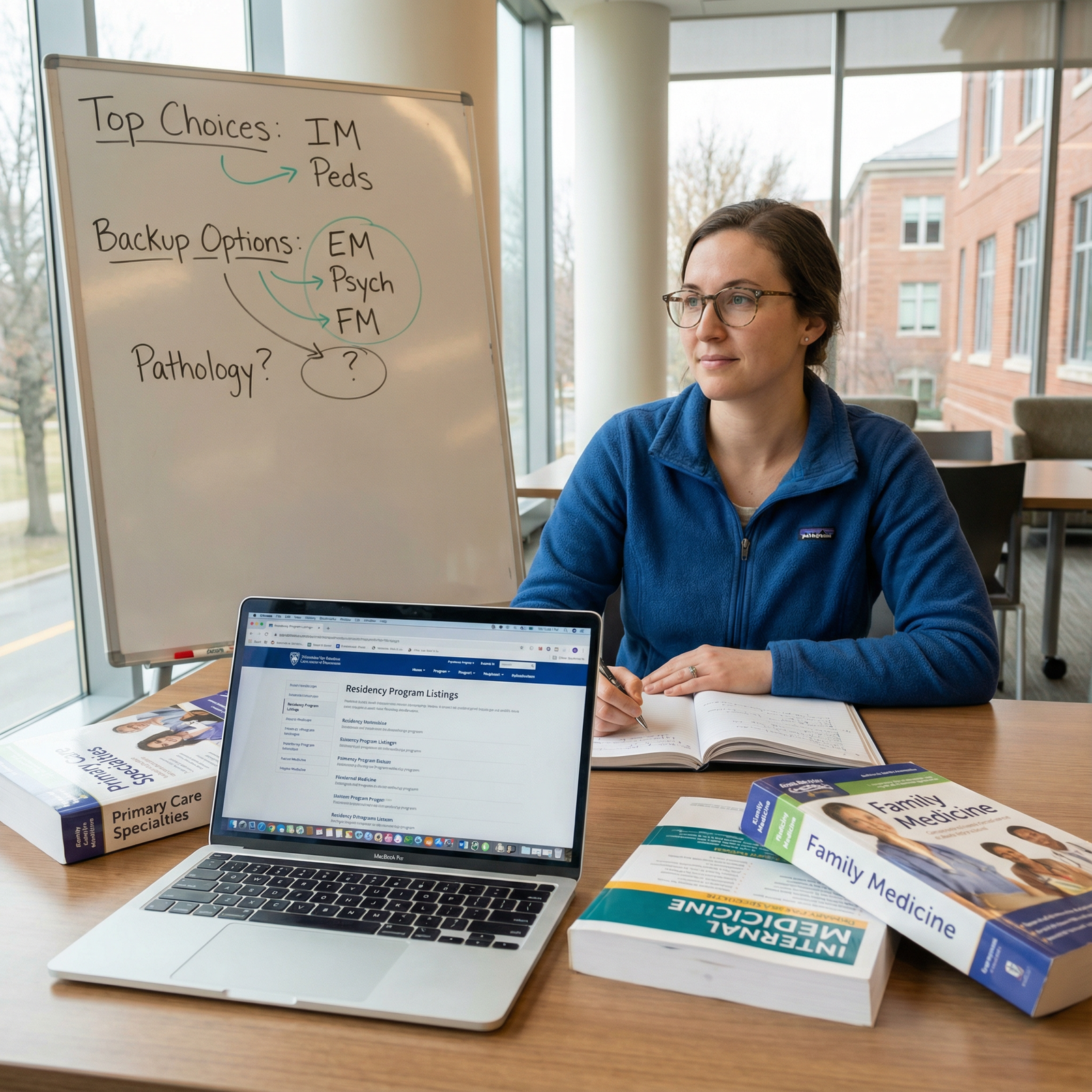
This guide walks you through strategically choosing backup specialties for the Residency Match, focusing on realistic options, fit with your interests and strengths, and long‑term Career Paths. We’ll cover:
- How to think strategically if you might not match
- What makes a good backup specialty
- Detailed overviews of ten commonly chosen backup specialties
- Practical tips and FAQs on maximizing your chances of matching
Understanding the Residency Match and Backup Planning
How the Residency Match Works in Practice
The National Resident Matching Program (NRMP) uses a matching algorithm that pairs applicants and programs based on each side’s rank lists. A few key realities:
- Some specialties are consistently more competitive (e.g., dermatology, plastic surgery, neurosurgery, orthopedic surgery, ENT).
- Even strong applicants can go unmatched due to limited positions, geographic constraints, or an overconcentration of applications in popular fields.
- Each year, a portion of applicants successfully pivot to alternative specialties during SOAP or in a subsequent application cycle.
Understanding this context allows you to treat backup planning as a strategic move, not as a sign of failure.
Signs You Should Seriously Consider Backup Specialties
You may benefit from building a strong backup strategy if:
- Your Step/COMLEX scores are significantly below the average for your first-choice specialty.
- You have limited or late specialty‑specific research or letters of recommendation.
- You require strict geographic constraints that further limit your options.
- Your advisors (e.g., dean’s office, specialty mentors) express concern about match probability.
Early, honest self-assessment is critical. Speak with faculty advisors and specialty mentors and ask directly:
- “Based on my scores, grades, and experiences, do you consider me competitive for this specialty?”
- “Would you recommend I have a parallel plan and, if so, which specialties fit me best?”
Key Questions When Considering Backup Options
When you think about Backup Specialties, reflect on:
Interests:
- Do you prefer long-term patient relationships or acute care?
- Do you want procedural work or primarily cognitive decision-making?
Lifestyle and schedule:
- How important are predictable hours and work-life balance to you?
- Are you comfortable with nights/weekends/holiday shifts?
Strengths and personality:
- Do you excel at complex problem‑solving, communication, manual skills, or systems thinking?
- Can you handle high-intensity environments?
Use these reflections to guide which specialties below might serve as realistic and fulfilling alternatives.
1. Family Medicine: Broad Scope and Flexible Career Paths
Family Medicine is the backbone of primary care in many communities. It emphasizes continuity of care, prevention, and whole‑person medicine—treating patients of all ages and stages of life.
Why Family Medicine Is a Strong Backup Specialty
- Broad career flexibility:
You can practice full-spectrum outpatient care, urgent care, hospital medicine (in some settings), maternity care, sports medicine, addiction medicine, and more. - High demand nationwide:
Particularly strong needs exist in rural and underserved urban areas, often with loan repayment or incentive programs. - Solid work‑life balance potential:
Outpatient practice can offer relatively predictable hours compared to many hospital-based fields.
Pros
- Consistently high demand across most geographic regions
- Diverse and meaningful patient relationships over years and even generations
- Opportunities in underserved areas with financial incentives and leadership roles
- Good platform for Healthcare Careers in community leadership, public health, and medical education
Cons
- Income typically lower than many procedural subspecialties
- Broad clinical scope can be mentally demanding
- Administrative burden and productivity pressures in some practice models
Who Might Thrive Here
- Students who enjoy longitudinal relationships, counseling, and preventive care
- Those considering public health, health policy, or leadership in primary care delivery
- Applicants looking for a relatively less competitive specialty with many available positions
2. Internal Medicine: Foundation for Subspecialty and Academic Careers
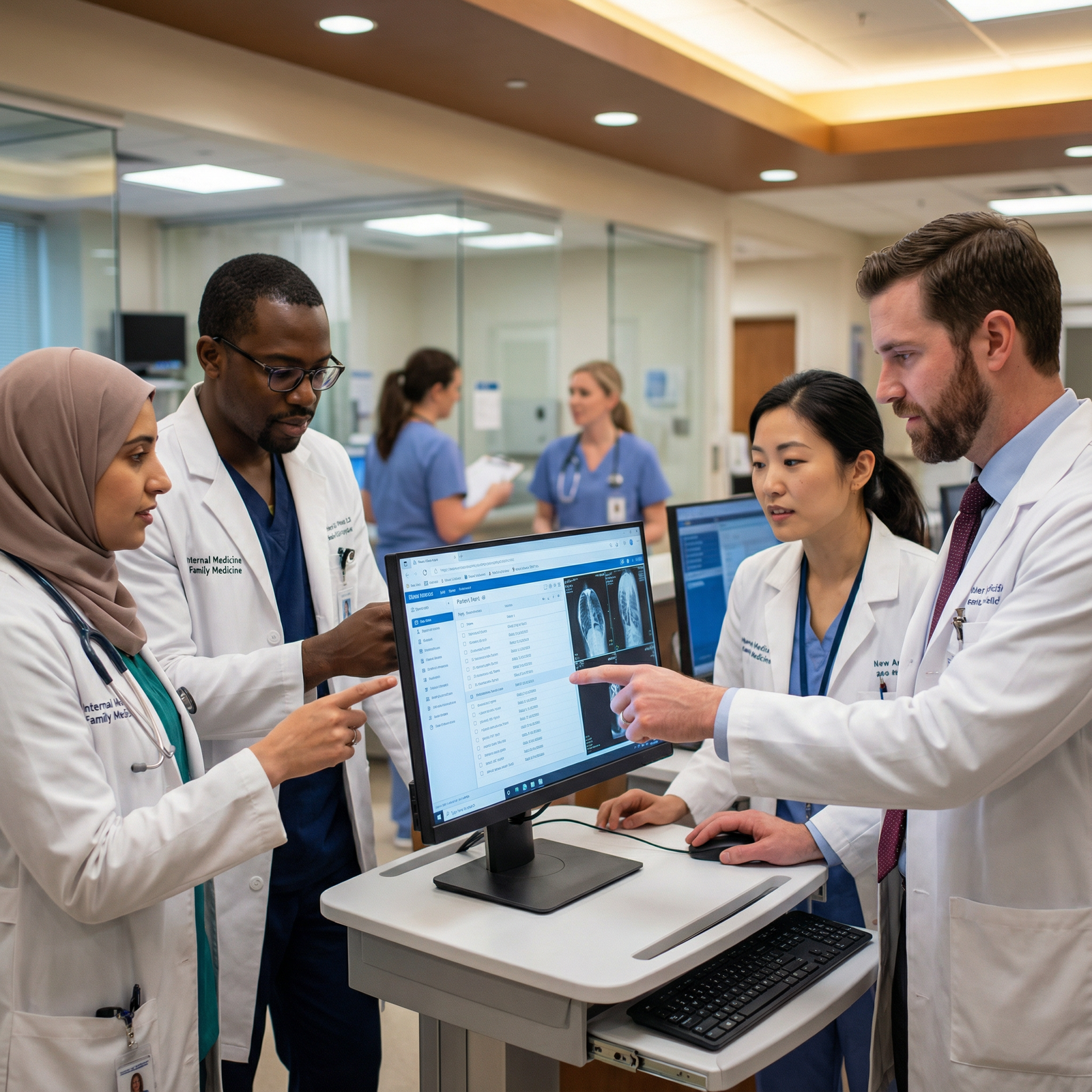
Internal Medicine (IM) focuses on the diagnosis and management of adult disease across inpatient and outpatient settings. It is one of the most versatile Career Paths in medicine.
Why Internal Medicine Works as a Backup
- Gateway to subspecialties:
IM provides the foundation for fellowships in cardiology, gastroenterology, oncology, pulmonary/critical care, nephrology, infectious disease, rheumatology, and more. - Flexible career structure:
You can be a hospitalist, primary care internist, researcher, educator, or subspecialist. - Breadth of pathology:
Excellent training in complex medical decision-making, which is highly transferable.
Pros
- Strong platform for subspecialty fellowships and academic medicine
- Ability to pursue hospital-based or clinic-based careers
- High intellectual variety and diagnostic challenge
- Broad availability of residency positions nationwide
Cons
- Inpatient services can be high volume and exhausting
- Burnout risk due to complex patients, long hours, and documentation
- Outpatient primary care internists face similar system pressures as family physicians
Who Might Thrive Here
- Students drawn to complex, multisystem disease and detailed problem‑solving
- Applicants interested in research, teaching, or future subspecialization
- Those who are open to varied practice models and geographic locations
3. Psychiatry: Growing Demand and Meaningful Patient Impact
Psychiatry focuses on the diagnosis and treatment of mental health and behavioral disorders, integrating biological, psychological, and social perspectives.
Why Psychiatry Is an Appealing Backup Option
- Rising demand:
Increased recognition of mental health needs has created a significant shortage of psychiatrists across the U.S. - Range of practice settings:
Outpatient clinics, inpatient units, consult‑liaison services, telepsychiatry, addiction treatment, emergency psychiatry, and collaborative care models. - Opportunities for work‑life balance:
Many outpatient practices have predictable schedules and fewer overnight emergencies.
Pros
- Deep and lasting impact on patients’ lives and functioning
- Ability to integrate psychotherapy, medication management, and systems of care
- Growing opportunities in telehealth and integrated behavioral health
- Generally less physically demanding than many procedural specialties
Cons
- Emotional fatigue from exposure to trauma, suicidality, and chronic mental illness
- Stigma and misconceptions about mental health may affect some practice environments
- Some regions have high caseloads due to severe provider shortages
Who Might Thrive Here
- Students interested in mind‑body interactions, neurology, or behavioral science
- Applicants skilled in communication, empathy, and long‑term therapeutic relationships
- Those comfortable with ambiguity and evolving treatment plans
4. Pediatrics: Caring for Children and Families
Pediatrics focuses on the health of infants, children, and adolescents, including preventive care, acute illness, and management of chronic conditions.
Why Pediatrics Can Be a Great Backup
- Strong sense of purpose:
Many physicians find caring for children and advocating for families especially rewarding. - Future subspecialty options:
Fellowship possibilities include pediatric cardiology, critical care, hematology/oncology, neonatology, emergency medicine, and many others. - Diverse practice settings:
Outpatient clinics, children’s hospitals, school-based health centers, global health work, and advocacy roles.
Pros
- Opportunity to influence lifelong health trajectories through early intervention
- Collaborative work with families, schools, and community agencies
- Broad range of subspecialties and academic roles
- Often strong team culture in children’s hospitals and pediatric departments
Cons
- Emotional stress from caring for critically ill or abused children
- Lower compensation relative to many adult subspecialties
- Long or irregular hours in hospital-based or subspecialty roles
Who Might Thrive Here
- Students who genuinely enjoy interacting with children and families
- Those interested in growth and development, congenital conditions, and preventive care
- Applicants with a strong interest in advocacy, public health, or global child health
5. Emergency Medicine: High-Intensity, Shift-Based Care
Emergency Medicine (EM) involves the rapid evaluation and stabilization of patients with acute illnesses or injuries in the emergency department.
Why EM Often Serves as a Parallel or Backup Plan
- Shift work structure:
Clear start and end times for shifts can enable predictable off‑time (though nights and weekends are common). - Breadth of clinical exposure:
Trauma, acute medical conditions, psychiatric crises, pediatric emergencies, and procedural medicine. - Appeal for procedural interest:
Opportunities for intubation, central lines, fracture reduction, ultrasound, and more.
Pros
- Fast-paced, varied clinical environment—no two shifts are the same
- Strong procedural component without long-term continuity responsibilities
- Opportunities in academic centers, community hospitals, urgent care, and telehealth triage
- Skills are broadly transferable across regions and practice types
Cons
- High stress and risk of burnout, especially in busy EDs
- Frequent nights, weekends, and holidays
- Exposure to workplace violence and challenging interactions at times
- Current concerns about job market shifts in some locations (e.g., corporate staffing models)
Who Might Thrive Here
- Students energized by acute care, multitasking, and quick decision making
- Those comfortable with uncertainty and incomplete follow-up
- Applicants who value time off between shifts and can tolerate irregular schedules
6. Anesthesiology: Perioperative, Critical Care, and Pain Management
Anesthesiology focuses on perioperative care, pain control, and physiologic optimization during surgical and procedural interventions.
Why Anesthesiology Can Be a Strategic Backup
- Procedural focus without long clinic days:
Airway management, vascular access, regional blocks, and intraoperative monitoring. - Subspecialty diversity:
Cardiac anesthesiology, pediatric anesthesiology, obstetric anesthesia, critical care, pain medicine, and more. - Team-based environment:
Close collaboration with surgeons and perioperative care teams.
Pros
- High earning potential and stable job market in many regions
- Intellectually engaging physiology and pharmacology
- Defined patient encounters rather than long-term continuity
- Opportunities to work in ORs, procedure suites, ICUs, and pain clinics
Cons
- Long OR days and early mornings are common
- High-stakes environment where vigilance is essential
- Some find the lack of long-term relationships less fulfilling
Who Might Thrive Here
- Students who enjoy acute physiology, pharmacology, and procedural work
- Those who like being “behind the scenes” in the OR
- Applicants drawn to intensive care or interventional pain as potential future paths
7. Obstetrics and Gynecology (OB/GYN): Women’s Health Across the Lifespan
OB/GYN combines surgical, procedural, and primary care aspects while focusing on women’s reproductive and general health.
Why OB/GYN Can Be a Backup for Surgical or Procedural Interests
- Balanced practice:
Mix of office visits, deliveries, gynecologic surgeries, and procedures. - Continuity plus acute care:
You build long-term relationships while also managing labor and delivery and emergent issues. - Subspecialty options:
Maternal-fetal medicine, gynecologic oncology, urogynecology, reproductive endocrinology/infertility, and minimally invasive gynecologic surgery.
Pros
- Deeply meaningful role in reproductive health and childbirth
- Combination of surgical skills and primary care
- Strong subspecialty and academic opportunities
- High demand across most regions
Cons
- High malpractice insurance costs in some areas
- Irregular hours and frequent call, particularly for obstetrics
- Emotional stress from obstetric and gynecologic emergencies
Who Might Thrive Here
- Students who enjoy both surgery and clinic-based care
- Those passionate about women’s health, advocacy, and reproductive rights
- Applicants who value long-term patient relationships and procedural variety
8. General Surgery: Hands-On Procedural Medicine
General Surgery focuses on operative management of a wide range of conditions, especially abdominal and soft-tissue diseases.
When General Surgery Serves as a Backup Option
For some students applying to highly specialized surgical fields (e.g., plastics, neurosurgery), General Surgery can be a more accessible surgical pathway, though it remains competitive.
Pros
- Immediate, tangible impact on patients’ health through operations
- Strong foundation for fellowships (trauma, colorectal, surgical oncology, MIS, transplant, etc.)
- Opportunities for academic, community, and global surgery Career Paths
- High degree of technical skill development and teamwork
Cons
- Long and physically demanding training (5+ years plus potential fellowship)
- Early mornings, long cases, frequent emergency call
- Higher burnout risk and lifestyle challenges compared to many non-surgical fields
Who Might Thrive Here
- Students who love the OR, procedural precision, and acute care
- Those who can tolerate long hours and physical demands
- Applicants committed to a long training pathway with high responsibility
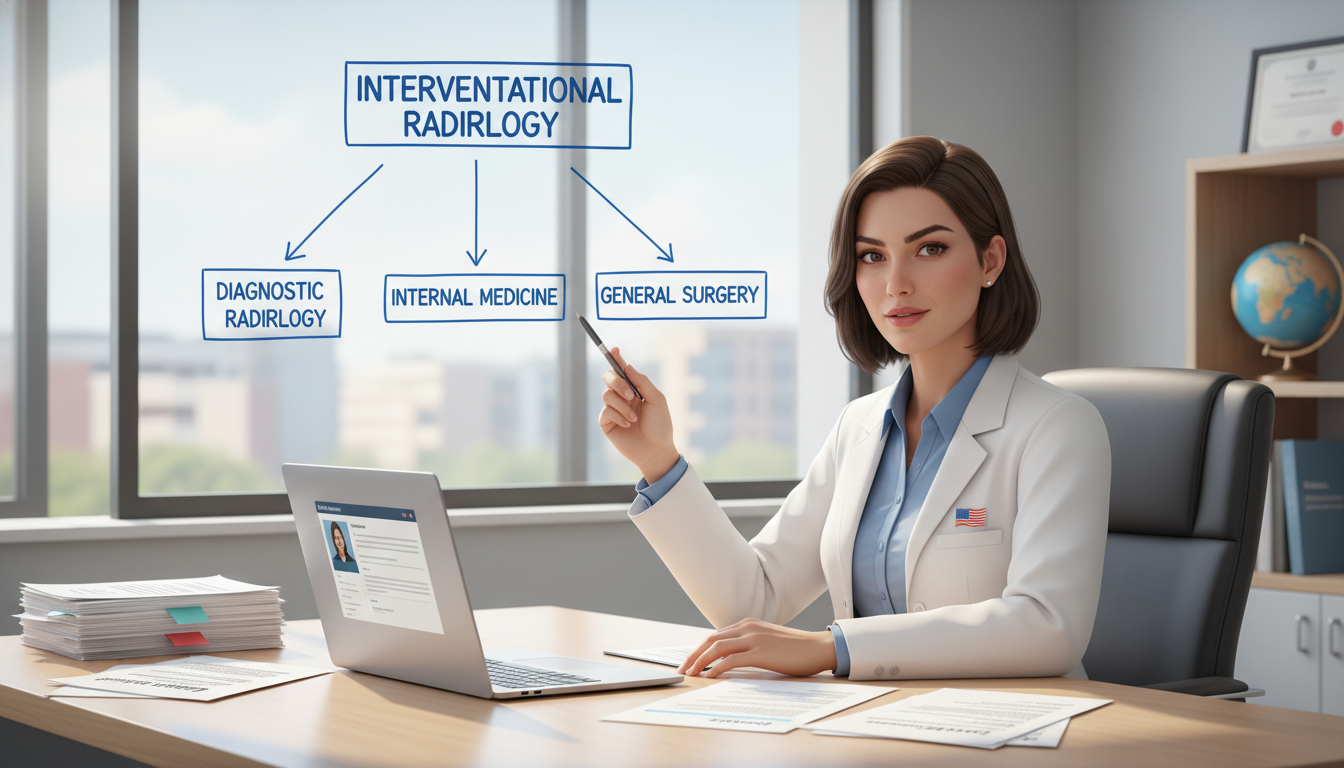
9. Radiology: Imaging, Diagnosis, and Interventional Opportunities
Radiology uses imaging techniques to diagnose and sometimes treat disease. It is central to modern medical decision-making.
Why Radiology Is an Attractive Backup for Tech‑Oriented Students
- Diagnostic influence across specialties:
Radiologists impact nearly every area of medicine through imaging interpretation. - Subspecialty possibilities:
Neuroradiology, musculoskeletal, interventional radiology (IR), breast imaging, pediatric radiology, and more. - Evolving technology:
Heavy integration with AI, advanced imaging, and minimally invasive procedures.
Pros
- Typically strong compensation and favorable lifestyle in many practice models
- High intellectual challenge in pattern recognition and clinical correlation
- Interventional radiology offers procedural practice without continuous clinic
- Opportunities for remote or teleradiology work in some settings
Cons
- Limited direct patient contact in diagnostic radiology
- Long stretches of screen-based work can be fatiguing
- Competitive for certain subspecialty fellowships and IR pathways
Who Might Thrive Here
- Students drawn to imaging, technology, and pattern recognition
- Those less focused on daily face-to-face patient interaction
- Applicants who enjoy cross‑specialty collaboration and systems-level impact
10. Pathology: The Science Behind Clinical Decisions
Pathology centers on studying disease through analysis of tissues, blood, and body fluids. Pathologists generate the diagnoses that guide most clinical management decisions.
Why Pathology Can Be a Smart, Often Overlooked Backup
- Crucial but behind-the-scenes role:
You contribute essential diagnostic information without direct bedside care. - Subspecialty and academic options:
Hematopathology, cytopathology, forensic pathology, molecular pathology, and transfusion medicine, among others. - Predictable schedules in many practice settings:
Often more regular hours than many clinical specialties.

Pros
- Regular hours and generally limited overnight call in many positions
- Intellectually rigorous with strong focus on morphology and lab medicine
- Less exposure to direct conflict or emotionally charged bedside encounters
- Central role in cancer diagnosis, infectious disease, and personalized medicine
Cons
- Very limited direct patient interaction, which some find less satisfying
- Misperceptions about the field may require extra effort when educating others
- Some geographic variability in job markets and subspecialty demand
Who Might Thrive Here
- Students who enjoy histology, lab work, and diagnostic puzzles
- Those who value predictable hours and non-bedside work
- Applicants interested in the science of disease and translational research
Strategic Tips for Choosing and Matching into a Backup Specialty
1. Create a Parallel Plan, Not a Panic Plan
Start considering backup specialties early in fourth year, especially if you’re applying to highly competitive fields. A parallel plan might include:
- Applying to your first-choice specialty plus 1–2 realistic Backup Specialties
- Scheduling rotations in both your primary and backup fields
- Requesting letters of recommendation in more than one area
2. Tailor Your Application to Each Specialty
Programs can tell when an application is generic. For each specialty:
- Customize your personal statement to reflect genuine interest and relevant experiences.
- Obtain at least one letter of recommendation from faculty in that specialty.
- Highlight procedures, research, or leadership roles that align with the specialty’s priorities.
3. Be Honest but Strategic in Interviews
If asked about your interest in the specialty:
- Do not describe it as “only a backup.”
- Emphasize authentic aspects you appreciate about the field (e.g., patient population, style of practice, procedures, lifestyle).
- You can acknowledge a broad set of interests without devaluing the specialty:
“I’ve always enjoyed both acute care and longitudinal relationships, and this specialty gives me a balance of those that I find very appealing.”
4. Use SOAP and Reapplication Wisely
If you go unmatched:
- Engage proactively in the Supplemental Offer and Acceptance Program (SOAP). Many of the specialties above frequently have unfilled positions in certain years and locations.
- If you decide to reapply the following year, consider a dedicated plan: research, additional clinical work, preliminary positions, or a non‑categorical internship to strengthen your candidacy.
5. Focus on Long-Term Fit, Not Short-Term Prestige
In the stress of the Residency Match, it’s easy to focus on competitiveness and perceived prestige. Long-term satisfaction, however, is more influenced by:
- Day-to-day work you enjoy
- The pace and environment you can sustain
- The types of patient and team interactions that energize you
Many physicians discover that a “backup” specialty aligns much better with their real preferences than their original choice.
FAQ: Backup Specialties and the Residency Match
Q1: How can I realistically assess whether I need a backup specialty?
Ask your dean’s office, specialty advisors, and at least one program director or clerkship director for candid feedback on your competitiveness. Compare your scores, grades, and research output to NRMP data for matched applicants in your first-choice specialty. If multiple advisors raise concerns, it’s wise to develop a parallel plan.
Q2: Should I apply to two specialties in the same Match cycle? Won’t that look bad?
Applying to two specialties is common and acceptable, especially when done thoughtfully. Programs generally only see the materials you send to them. As long as your application to each specialty appears genuine—specialty-specific personal statement, relevant letters, and experiences—most program directors understand that applicants may have more than one interest or a backup plan.
Q3: How can I strengthen my chances of matching into a backup specialty quickly?
- Do a dedicated sub‑internship or elective in the backup specialty.
- Seek strong letters from faculty in that field.
- Join the specialty’s student interest group and attend related conferences if possible.
- Highlight relevant clinical experiences on your CV and in your personal statement.
- Be geographically flexible where possible, as this increases your match options.
Q4: What if I don’t match into any specialty at all?
You still have options:
- Participate fully in SOAP to pursue unfilled positions.
- If still unmatched, consider a year focused on research, additional clinical experience (e.g., preliminary year, transitional year, or non‑ACGME positions), or advanced degrees (MPH, MBA) that strengthen your profile.
- Work closely with your dean’s office and mentors to reassess specialty choice, geographic preferences, and application strategy before reapplying.
Q5: Is it possible to switch specialties after starting residency in a backup field?
Yes, some residents successfully transfer to another specialty, but it’s not guaranteed and depends on available positions, your performance, and timing. If you start in a backup specialty:
- Commit fully and do excellent work—your performance will matter regardless of future plans.
- Maintain open communication with mentors about long-term goals.
- If an opportunity to transfer arises and is truly right for you, you can pursue it; if not, you can still build a satisfying career where you are.
Choosing Backup Specialties during the Residency Match is not about settling—it’s about recognizing that multiple paths can lead to a meaningful, impactful life in medicine. By approaching this process thoughtfully, gathering honest feedback, and aligning your choices with your strengths and values, you can secure a residency position that supports a rewarding long‑term career in healthcare.