
It’s June 5th. MS1 finals just ended. Your friends are talking about beach trips and Netflix. You’re staring at your half-empty CV, thinking: “If I want a solid shot at a good residency, I cannot waste this summer.”
You’re right.
The summer between MS1 and MS2 is the first real block of free time you get. Once MS2 starts, it’s Step prep, then clerkships, then you’re basically on a treadmill until ERAS. So this summer is where you either:
- Build a few high-yield anchors on your CV
or - Drift through “random shadowing” and come out with nothing concrete
Let’s not do that second one.
Below is a chronological guide: what to prioritize month-by-month, then week-by-week. I’ll walk you through exactly what projects move the needle for residency applications—and how to stack them so you don’t burn out.
Big Picture: What PDs Actually Care About From This Summer
Before we slice time, you need targets.
Programs do NOT care that you “were busy” or “learned a lot.” They care about outputs they can see:
- Research productivity (posters, manuscripts, abstracts, QI projects)
- Demonstrated interest in a specialty (especially competitive ones)
- Leadership roles that have real responsibility (not just titles)
- Longitudinal commitment (things that continue into MS2+)
- Concrete skills: teaching, QI, curriculum development, data analysis
Your summer projects should be designed so that, by the time you apply to residency, they’ve matured into:
| Output Type | How It Shows Up on ERAS |
|---|---|
| Manuscript | Peer-reviewed publication |
| Abstract/Poster | National or regional meeting |
| QI Project | Presentation + leadership |
| Leadership Role | Officer/Founder position |
| Teaching Project | Teaching or curriculum entry |
Your job this summer isn’t just “do stuff.” It’s start things that will bear fruit over 2–3 years.
Late Spring (April–Mid May): Set Up the Summer So It Actually Counts
At this point you should not be “waiting for summer” to figure things out. If you’re still in this stage now, compress it and move fast.
1. Pick 1–2 Target Specialties (Even If You’re Unsure)
You don’t need to lock in a career, but you should lean in a direction so your work can cluster.
- Thinking surgery/ortho/ENT/derm? You need research now.
- Thinking IM, EM, peds? Research helps, but leadership and longitudinal projects also play big.
- Thinking primary care or not sure? General IM/peds/family research or QI is safe and flexible.
Do this in one evening:
- List 3 specialties you might like
- Check your school’s department pages for each:
- Do they have student research coordinators?
- Are there labs with med students listed as authors?
- Any active QI or education projects?
Pick 1–2 to pursue for the summer.
2. Hunt for a Concrete Project, Not Just “Research”
Your goal by mid-May: a defined project with a real mentor and rough deliverables.
You should be aiming for one of these:
- Retrospective chart review (fastest path to a poster/manuscript)
- Systematic or scoping review (good if your school’s IRB is slow)
- QI project that can run into MS2 (e.g., improving discharge instructions, vaccination rates)
- Education project (building a workshop, creating question bank items, peer-teaching curriculum)
How to find it (this is where students screw up by just sending “I’d love to get involved” emails):
Ask MS3/MS4s who matched in your interest area:
- “Who actually gets students on papers?”
- “Which attendings respond to email and give you real work?”
Email 5–10 faculty with a tight, targeted email:
- 3–4 sentences, mention your interest, a skill or two (Excel, R, lit reviews), and that you’re free full-time this summer
- Ask specifically: “Do you have an existing project with a defined role for a student this summer?”
Prefer:
- Projects already IRB-approved
- Mentors with a track record of student publications
At this point you should have:
- 1 primary project confirmed
- 1–2 backup options being discussed
Early Summer (June): Lock in Structure and Outputs
You’re now “on” for the summer.
The biggest mistake now is drifting—doing “some reading,” “some data collection,” and ending August with nothing you can put on ERAS.
Week 1 of June: Build a Summer Plan with Your Mentor
Sit down (in person or Zoom) and say directly: “I want this to result in something I can present or publish. What would be realistic by the end of summer?”
You want specifics:
- Data collection done by: _____
- Abstract/poster ready by: _____
- Draft manuscript by: _____ (even if it will be submitted later)
Get agreement in writing (email recap is fine).
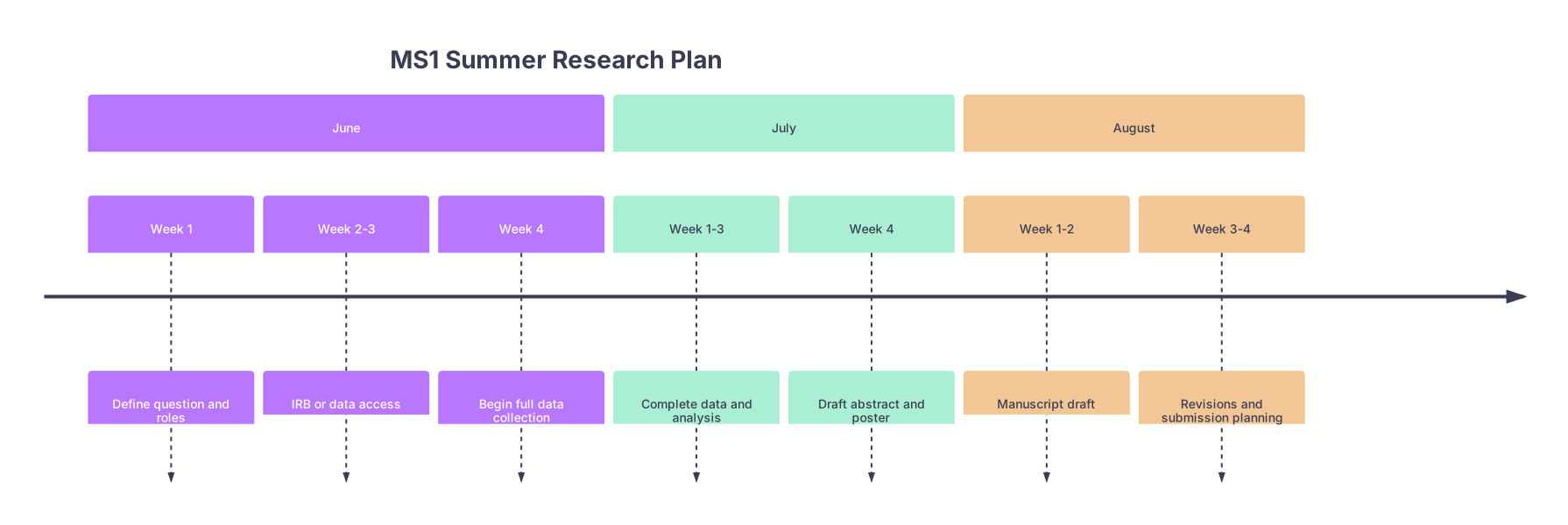
| Period | Event |
|---|---|
| June - Week 1 | Define question and roles |
| June - Week 2-3 | IRB or data access |
| June - Week 4 | Begin full data collection |
| July - Week 1-3 | Complete data and analysis |
| July - Week 4 | Draft abstract and poster |
| August - Week 1-2 | Manuscript draft |
| August - Week 3-4 | Revisions and submission planning |
If your mentor can’t commit to concrete timelines, that’s a red flag. Either add a second project or be realistic about what this one can produce.
Week 2–4 of June: Do the Heavy Lifting
At this point you should be:
Deep in:
- Data extraction
- Literature review
- Building survey tools or QI protocols
Meeting with your mentor or senior resident weekly or every other week
Two key rules here:
Push for something time-bound.
- “Is there a conference this fall we could target?”
- “Can we frame this as a brief report if the data pool is small?”
Document everything.
- Keep a running doc: search terms, inclusion criteria, variables
- Save draft tables and figures early—these become your poster/manuscript backbone
Mid Summer (July): Turn Work Into CV Lines
By July 1, if you’re serious, you should NOT still be “starting up.” You should be pivoting from raw work to output.
Early July: Aim for a Poster/Abstract
Abstracts are your fastest visible win.
At this point you should:
- Have at least preliminary results
- Be drafting an abstract structured like:
- Background
- Methods
- Results (even if preliminary)
- Conclusion
Watch for submission deadlines:
- Your school’s research day
- Regional specialty meetings
- National conferences (some have very early deadlines—check now)
This is where students either level up their CV or waste the summer. No poster = weaker return on your time.
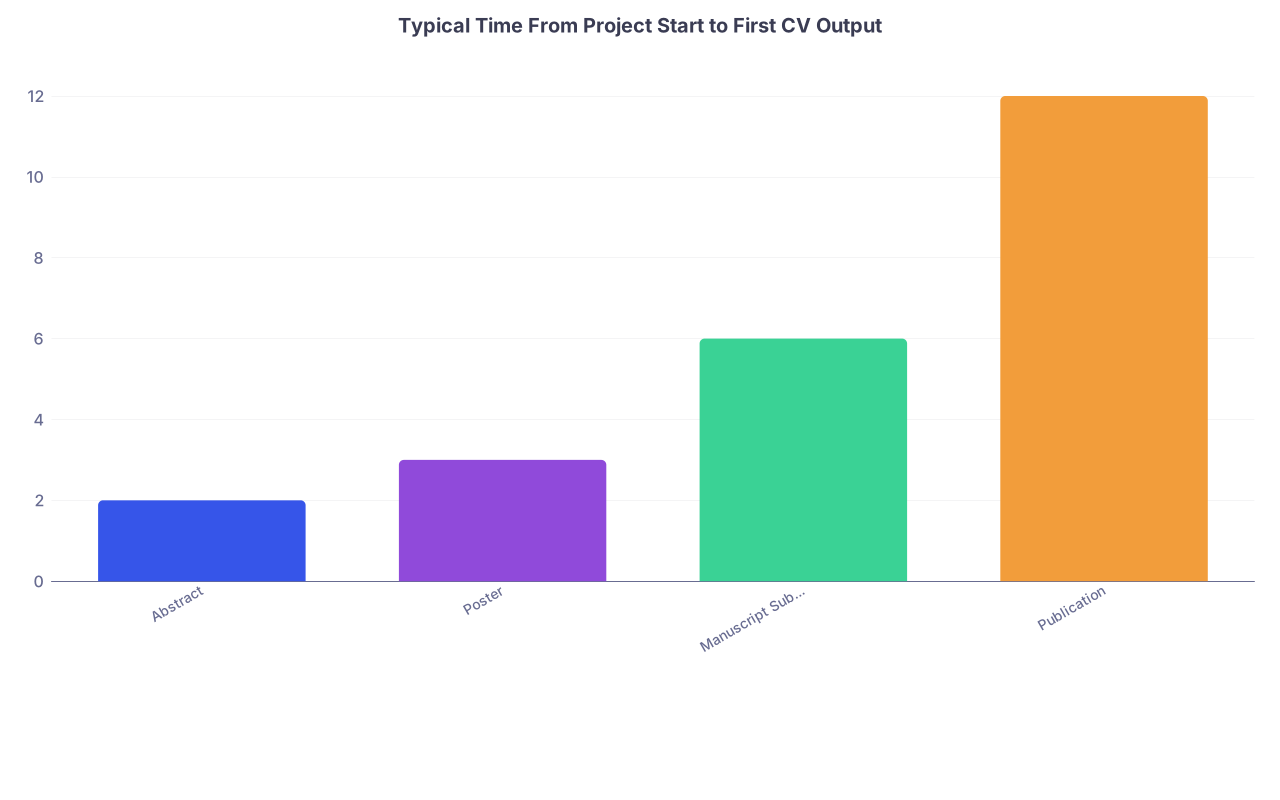
| Category | Value |
|---|---|
| Abstract | 2 |
| Poster | 3 |
| Manuscript Submitted | 6 |
| Publication | 12 |
Mid–Late July: Layer in a Second High-Yield Project (Smaller Scope)
Once your main project is on rails, you can add something smaller that rounds out your CV. Think:
- A defined teaching project:
- Leading MS1 anatomy review in the fall
- Designing a Step 1 review session series
- A QI mini-project:
- Working with the hospital QI office on a limited-scope intervention
- Leadership foundation:
- Joining a student interest group with an eye toward a leadership role in MS2
Do NOT start another massive research project that competes for the same hours. Your main project should still be priority one.
Late Summer (August): Convert, Package, and Set Up Continuity
August is where you stop “doing” and start “baking” the work into your future CV.
First Half of August: Manuscript or Concrete Next Steps
You might not finish a full manuscript before MS2, but you should not leave with nothing written.
At this point you should:
Have:
- At least one abstract submitted or ready to submit
- A poster template started (PowerPoint or similar)
- Outline of a manuscript (sections + bullet points)
Clarify next steps with your mentor:
- Who owns which parts of the manuscript?
- Realistic target journal types (don’t chase NEJM with a small retrospective study)
- Plan for meetings during MS2 (monthly or milestone-based)
If your mentor is vague about publishing (“we’ll see”), push for at least a local or regional presentation. That still counts on ERAS.
Second Half of August: Prep for MS2 Integration
This is where smart students connect their summer work to what’s coming:
At this point you should:
Lock in:
- A continuing role in the project (data analysis, manuscript drafting)
- A defined teaching or leadership role for the academic year
- A schedule for small, recurring work blocks (2–4 hours/week) to keep momentum
-
- Add “Submitted abstract” or “In preparation” sections with dates
- Capture exact project titles and mentor names now (you’ll forget later)
What To Prioritize: High-Yield Project Types (Ranked)
Let me be blunt. Not all summer activities are created equal for residency.
Here’s how I’d prioritize for most students.
1. Clinical Research with Realistic Output
Gold standard. Especially if:
- You’re eyeing competitive fields
- Your school isn’t super well-known nationally
Best formats:
- Retrospective chart reviews
- Outcomes research with existing databases
- Clinical education research tied to your school
Try to line up:
- 1 project where you’re first or second author on at least a submission
- 1–2 abstracts/posters over the next 2 years from that same project
2. Quality Improvement (QI) You Can Actually Finish
PDs like QI, but only when it’s real:
- Baseline data
- Intervention
- Re-measurement
- Presentation or write-up
High-yield examples:
- Improving screening or vaccination rates in a clinic
- Reducing discharge errors
- Streamlining communication between ED and inpatient services
These can often be quicker than full-blown research and still give you a talk or poster.
3. Longitudinal Teaching or Curriculum Work
Especially valuable if you’re interested in academic medicine, EM, IM, peds, neuro, or any teaching-heavy specialty.
Examples:
- Co-creating an MS1 review series (pharm, path, anatomy)
- Developing board-style questions for a faculty member’s question bank
- Being a near-peer tutor with a defined curriculum you help refine
Convert this into CV entries by:
- Tracking contact hours taught
- Getting your name on a workshop or teaching session description
- Helping write up the curriculum as an education abstract down the line
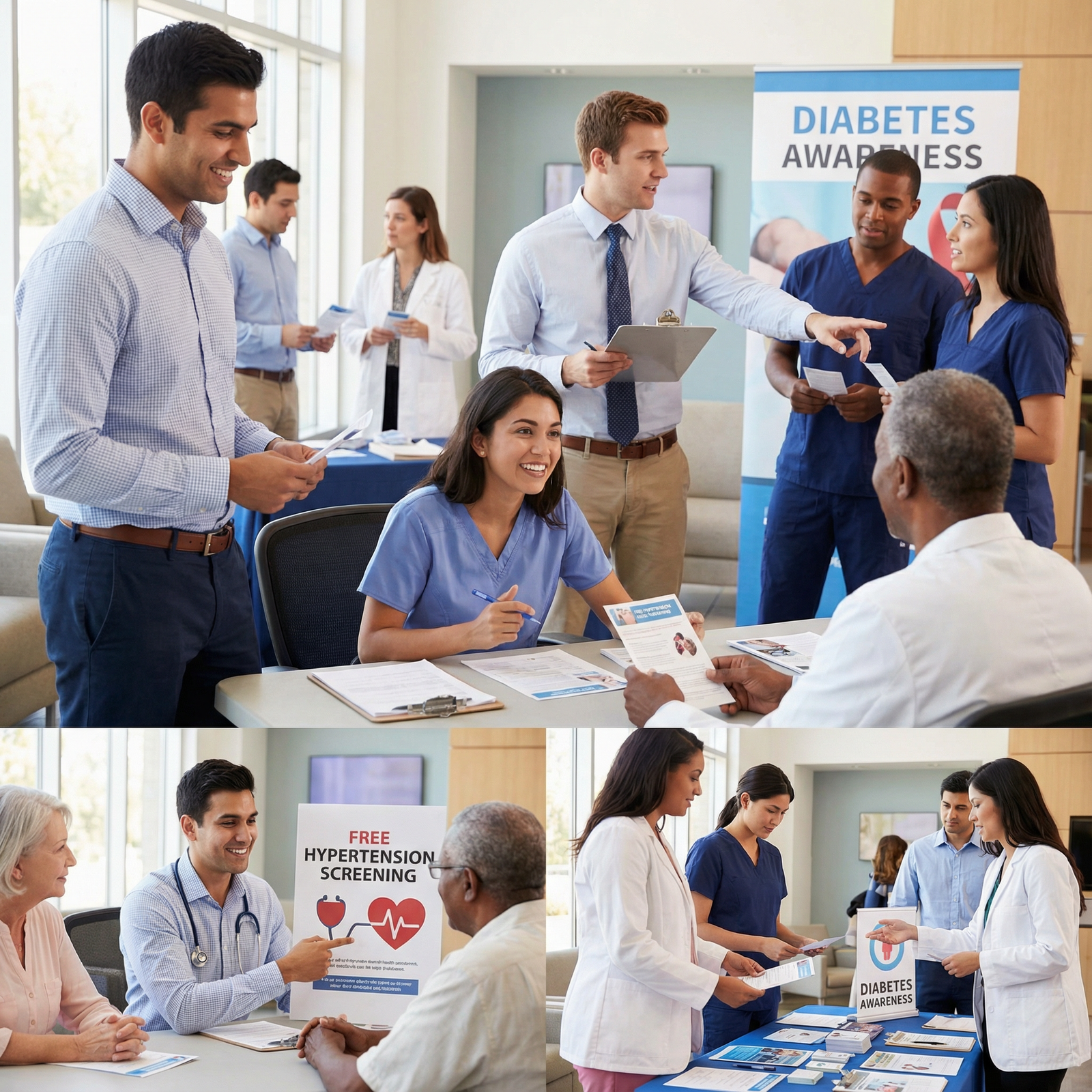
4. Leadership That Isn’t Just a Title
Summer is a good time to:
- Plan big initiatives you’ll run in MS2:
- Free clinic scheduling overhaul
- New mentorship program
- Specialty interest group service project
Avoid weak entries like “Member, XYZ interest group.” Aim for:
- Founder/Co-founder
- Director/Coordinator
- Chair of a working group for a concrete event or initiative
5. Shadowing (Only as a Supplement)
Shadowing is fine, but on its own it’s low-yield for residency applications. Use it to:
- Confirm whether you actually like a specialty
- Meet potential mentors for future research or letters
If you’re spending more than 4–6 hours/week shadowing all summer and not building anything else, you’re underusing your time.
Week-by-Week Sample Plan (If You’re Starting in June)
Let’s say it’s June 1st and you’ve just lined up a clinical research project in cardiology and you’re generally interested in IM.
Here’s a practical skeleton.
Weeks 1–2 (June)
At this point you should:
Finalize:
- Research question
- Data fields to collect
- Division of labor
Start:
- IRB training (if needed)
- Data collection or lit search
Parallel micro-task: identify one teaching/leadership opportunity for fall (talk to student affairs, interest group leaders, or your course directors).
Weeks 3–4 (June)
You should now be in execution mode:
- Data collection in full swing
- Weekly check-ins with a resident/fellow on the project
- Literature matrix being built (spreadsheet of key papers with 1–2 line summaries)
End of June checkpoint:
- At least 25–30% of data collected OR
- Full draft of methods and preliminary results structure
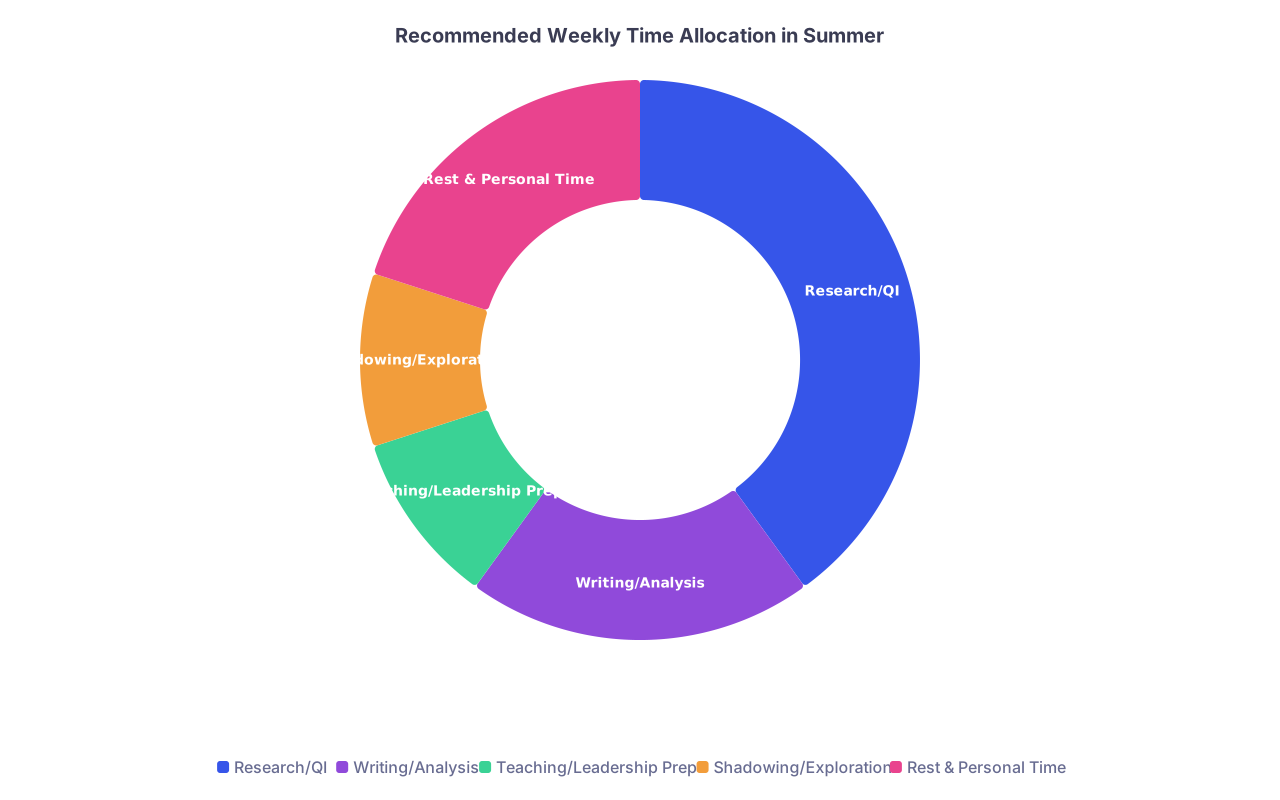
| Category | Value |
|---|---|
| Research/QI | 40 |
| Writing/Analysis | 20 |
| Teaching/Leadership Prep | 10 |
| Shadowing/Exploration | 10 |
| Rest & Personal Time | 20 |
Weeks 5–6 (Early July)
At this point you should:
- Be close to finishing data collection
- Start:
- Running basic analyses with your mentor or stats person
- Drafting outline of abstract: Background, Methods, Results, Conclusion
If there’s a fall or winter conference, make sure you know the abstract deadline. Work backwards from that.
Weeks 7–8 (Late July)
Transition from “working” to “producing.”
You should be:
- Finalizing abstract text
- Building a rough poster layout
- Listing target journals or meetings in an email to your mentor:
- “Here are 2–3 journals and 2–3 conferences that look realistic—do these seem reasonable?”
This is also when you should lock in your MS2 teaching/leadership commitment and get it in writing:
- “You’ll be co-leading 4 review sessions in October–December”
- “You’ll be coordinator for the free clinic shifts schedule”
Weeks 9–10 (Early August)
You should now:
- Submit at least one abstract (if timelines allow)
- Draft:
- Introduction section of manuscript
- Methods section (most straightforward to write early)
If the project is moving slowly, push for at least an internal poster (school research day) and a “manuscript in preparation” that will realistically be submitted in MS2.
Weeks 11–12 (Late August)
Final stretch.
At this point you should:
Have:
- One or more abstract submissions
- A clear manuscript plan
- A continuing role into MS2
Do:
- CV update with all new entries, dated accurately
- Email to your mentor summarizing:
- What’s been done
- What will be done in fall
- How often you’ll check in

Common Traps To Avoid This Summer
I've watched a lot of MS1s waste this window. Don’t be that person.
Trap 1: “Helping out” with no defined project.
If all you’re doing is “data entry” with no authorship discussion, you’re an assistant, not a collaborator.Trap 2: Ten tiny projects, zero outputs.
Two strong, focused projects beat six half-finished ones every time.Trap 3: Overvaluing shadowing.
Great for deciding what you like. Minimal direct CV yield unless it leads to a letter or project.Trap 4: No written work.
If nothing exists in writing by the end of August (abstract, outline, draft), the odds of that project ever becoming a publication drop fast.Trap 5: No continuity plan.
Projects die when MS2 starts and there’s no structure. Calendar recurring time and meetings now.

| Step | Description |
|---|---|
| Step 1 | Start Summer Planning |
| Step 2 | Prioritize research project |
| Step 3 | Research or QI reasonable |
| Step 4 | Commit as main summer project |
| Step 5 | Seek alternate project |
| Step 6 | Add small teaching or leadership role |
| Step 7 | Set MS2 continuity plan |
| Step 8 | Interest in competitive field |
| Step 9 | Project has clear mentor and plan |
FAQ (Exactly 3 Questions)
1. Is it “too early” after MS1 to worry about my residency CV?
No. The people who match well in competitive specialties almost always started building something during or right after MS1—especially research. You’re not locking in a specialty forever, you’re building skills, mentors, and outputs that are flexible. Waiting “until after Step” is how you end up scrambling with no track record.
2. What if my project doesn’t lead to a publication by ERAS time? Was it wasted?
Not necessarily. Abstracts, posters, presentations, and substantial QI work all count. On ERAS you can list “manuscript in preparation” or “submitted,” and PDs look at the overall pattern: Did you start projects, stick with them, and deliver something? One unfinished project is weak. A consistent story of engagement with at least a couple of tangible outputs is solid.
3. How much pure vacation is reasonable this summer without hurting my CV?
Two to three weeks off total—scattered or in a block—is fine and healthy. The problem isn’t time off, it’s spending 10–12 weeks in a “sort of working” mode where nothing gets finished. Front-load the summer with focused work, grab your rest intentionally, and make sure you have at least one clear, CV-worthy product or ongoing role by the time MS2 starts.
Key points to walk away with:
- Treat this summer as a launchpad, not a break from reality. Aim for 1 main research/QI project with real output, plus 1 smaller teaching/leadership role that continues into MS2.
- Push early for concrete deliverables—abstracts, posters, drafts—and a continuity plan; “helping out” without structure is how you end August with nothing new on your CV.
- You don’t need to martyr your summer. You do need to be intentional. A focused 8–10 weeks now will make MS3–MS4 and your ERAS application much, much easier.