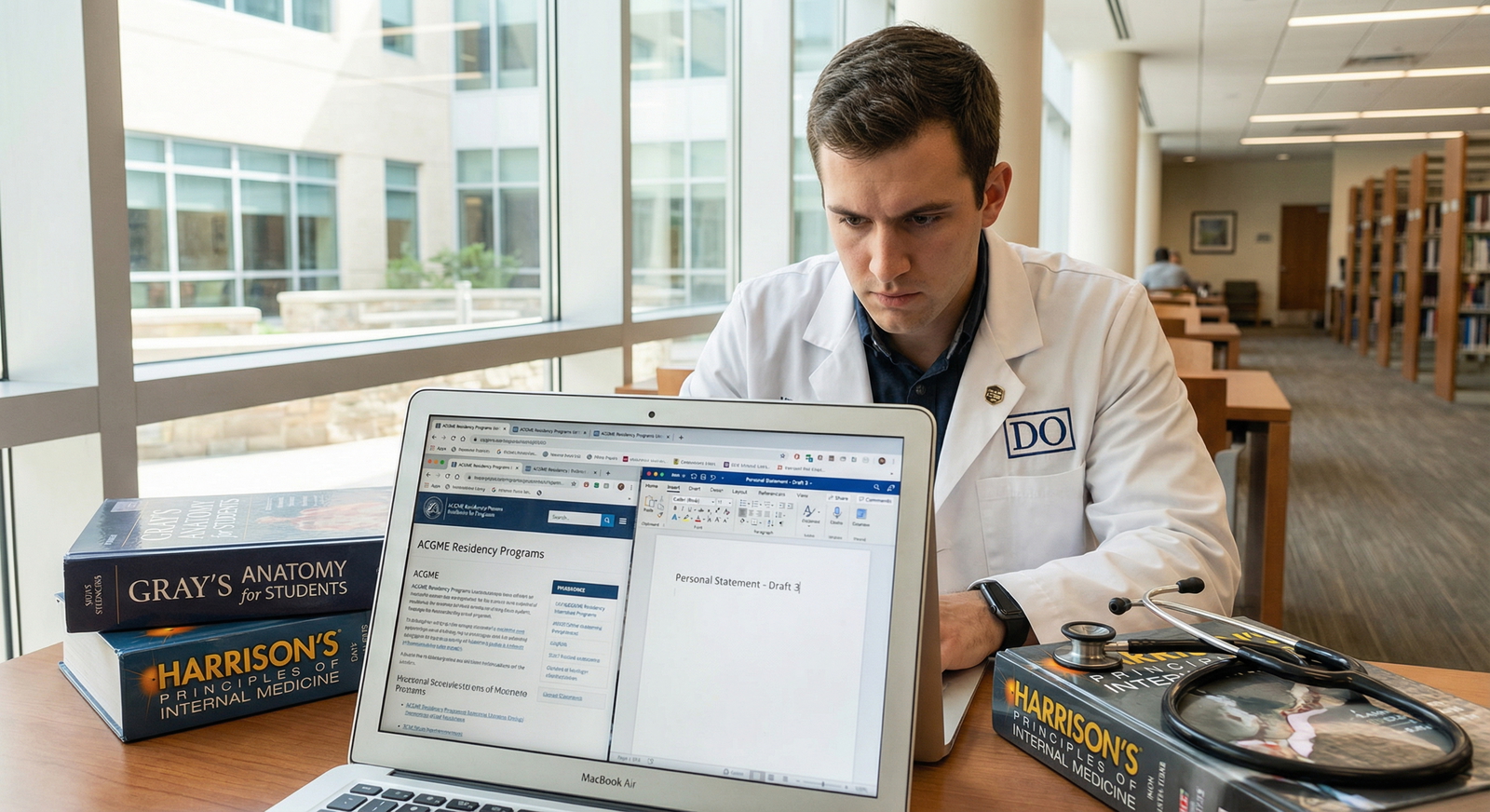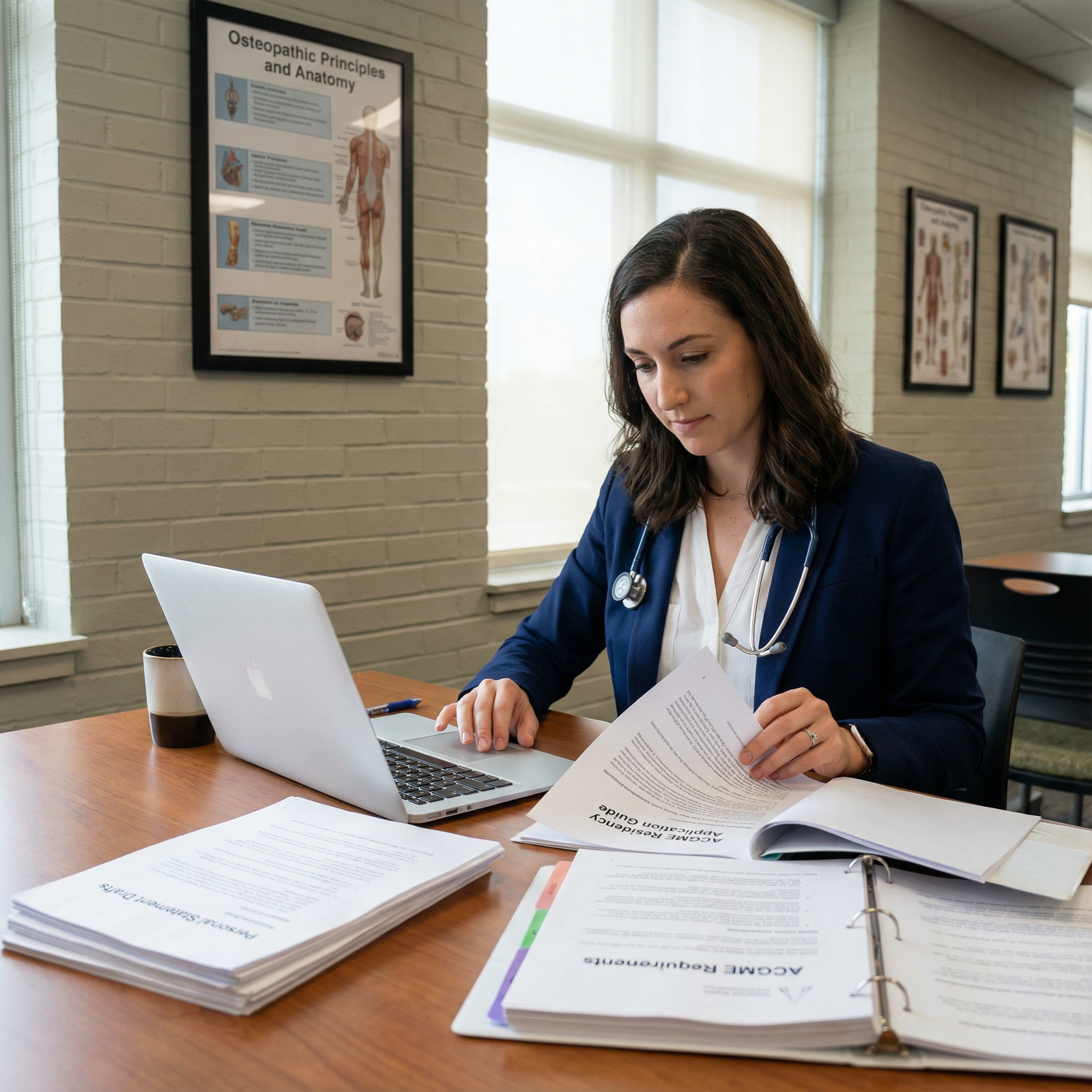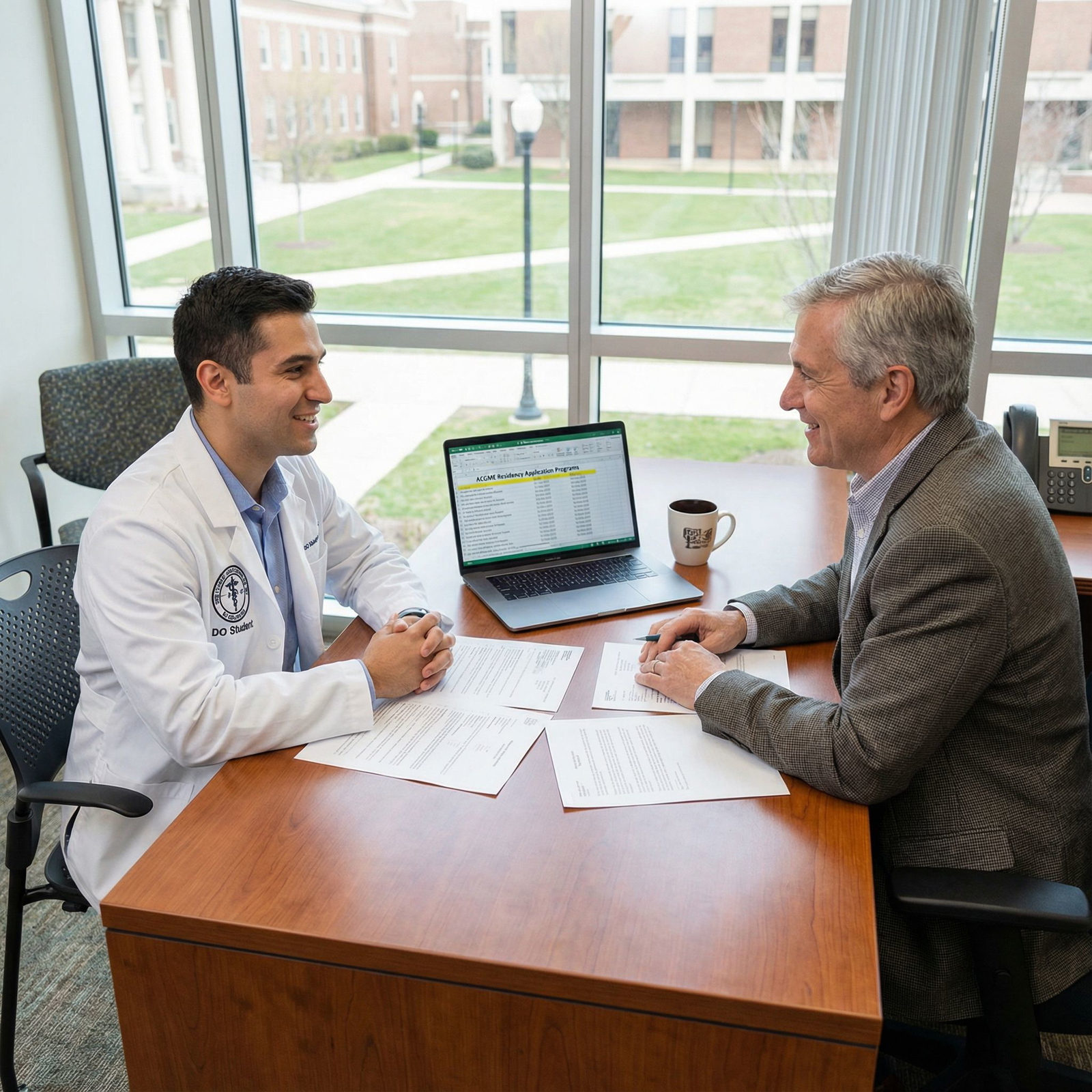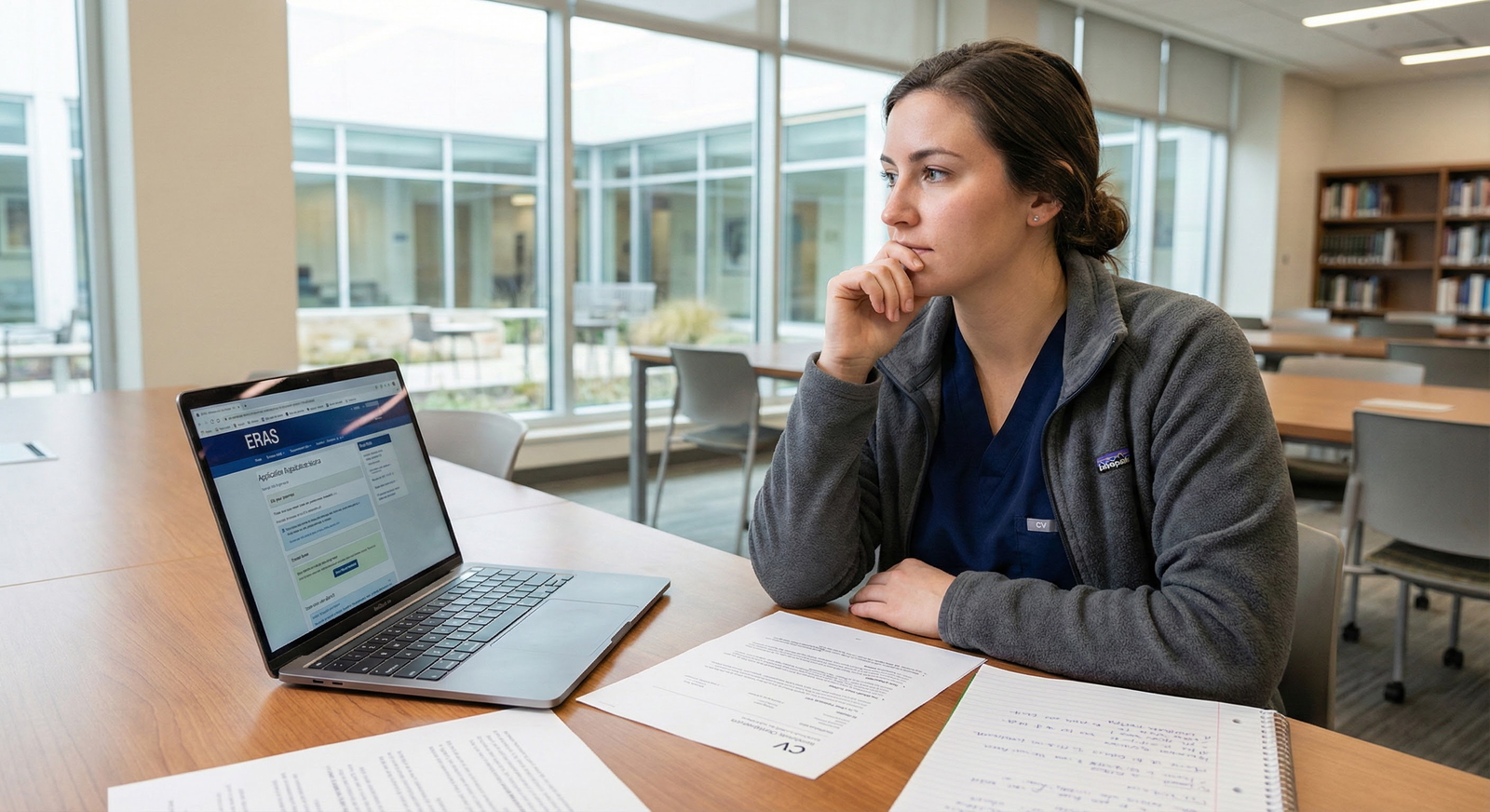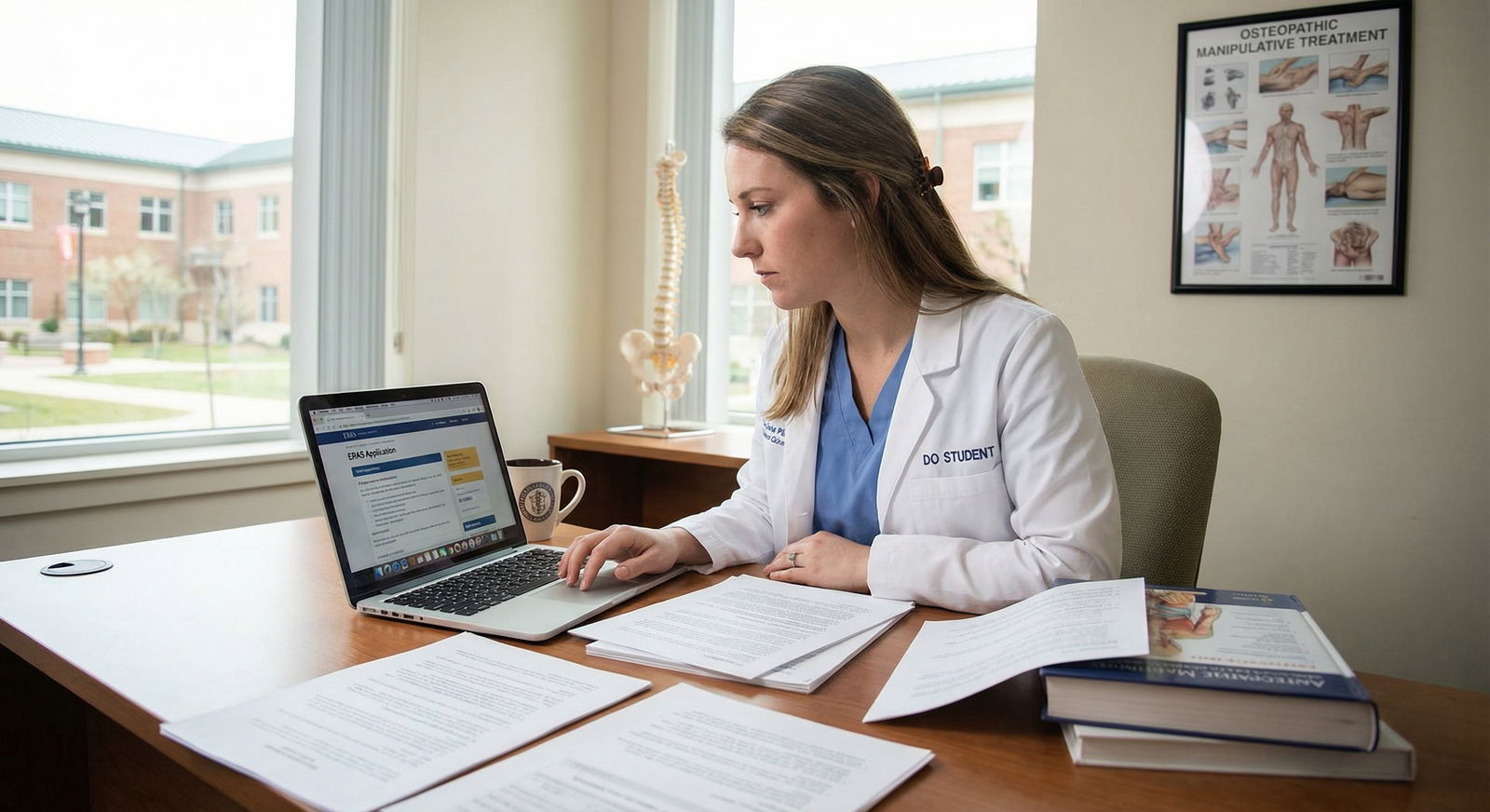
ACGME Residency Application Hacks: What Every DO Should Know
Navigating the ACGME residency application process can feel overwhelming for many DO (Doctor of Osteopathic Medicine) students. With the single accreditation system now fully implemented, nearly all residency programs are ACGME (Accreditation Council for Graduate Medical Education)–accredited, and DO applicants compete side-by-side with MD graduates for the same positions.
The good news: osteopathic training offers distinctive strengths that can make you highly competitive—if you know how to present them. This expanded guide breaks down practical, high-yield application tips specifically for DO students applying to ACGME Residency programs, and shows you how to strategically showcase your osteopathic background, optimize your application components, and maximize your chances of a successful match.
Understanding the ACGME Landscape for DO Students
The former divide between AOA and ACGME programs has been replaced by a unified system. This shift creates both opportunities and challenges for DO students in modern medical education.
The Single Accreditation System and What It Means for DOs
Under the current structure:
- All new residency positions are ACGME-accredited. ACGME Residency programs now train both MD and DO residents.
- Osteopathic recognition exists within some programs, signaling specific support for osteopathic principles and OMT training.
- Program directors are increasingly familiar with DO students, but there is still variability in how programs assess COMLEX scores, OMT skills, and osteopathic training.
As a DO applicant, you should:
- Understand which programs accept COMLEX only, and which require or strongly prefer USMLE.
- Identify programs with osteopathic recognition or a track record of training DOs, as these often understand your background best.
- Learn to clearly and confidently explain the value of osteopathic medicine in a way that resonates with program directors and selection committees.
1. Embrace and Market Your Osteopathic Heritage
Your osteopathic identity is not a liability—it is a differentiating strength when framed properly. ACGME residency programs increasingly value physicians who bring holistic, patient-centered approaches to care.
A. Highlight Your Unique Osteopathic Training
In all application materials—ERAS entries, personal statement, interviews—intentionally showcase what sets osteopathic medicine apart:
Holistic, whole-person approach
Emphasize how your training prepared you to:- Integrate physical, emotional, social, and environmental factors into patient care.
- Focus on prevention, lifestyle, and patient education, not just diagnosis and treatment.
- Develop strong therapeutic relationships and communication skills.
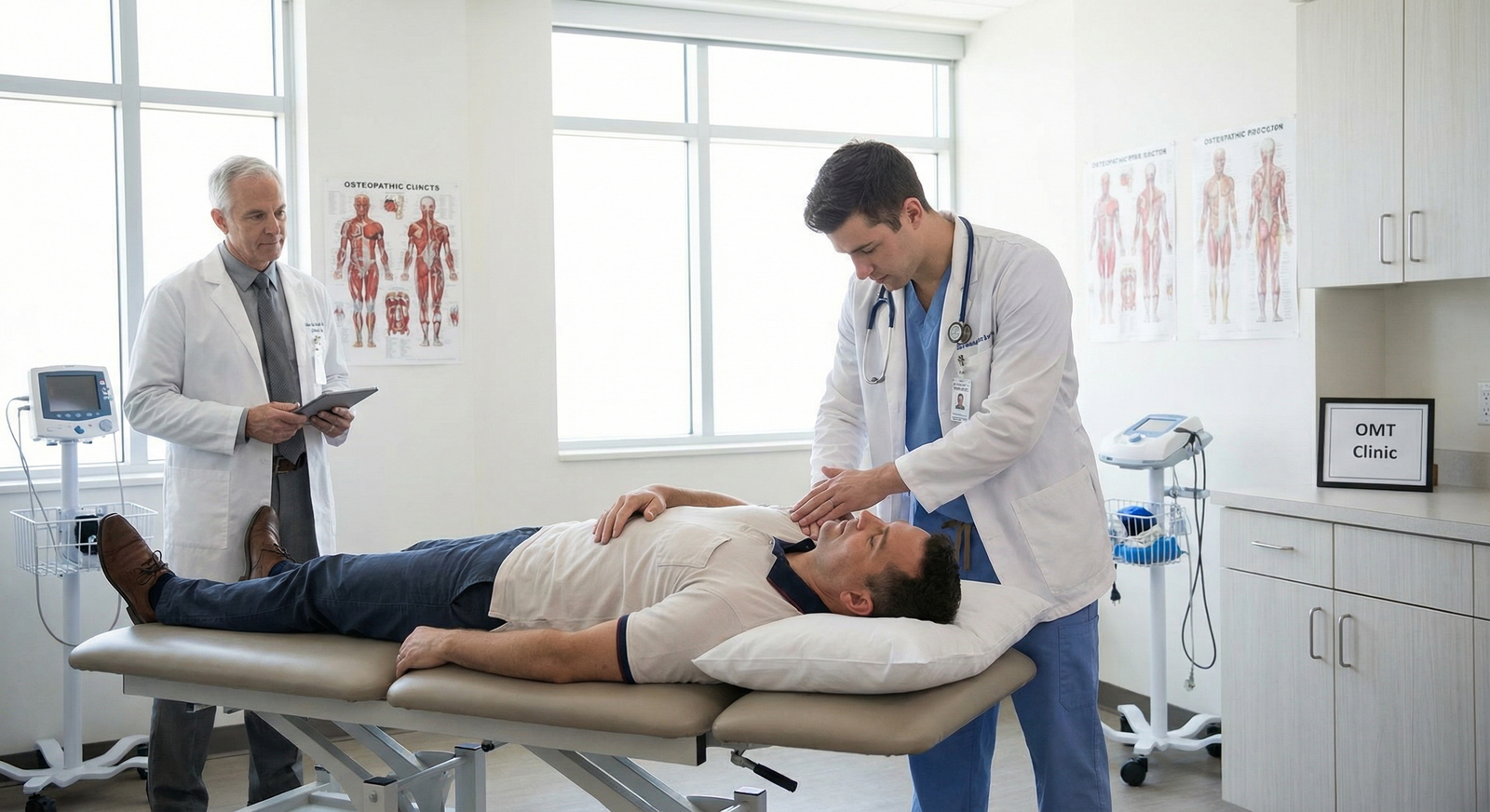
Osteopathic Manipulative Treatment (OMT)
Even if you don’t plan to use OMT daily in your specialty, it signals:- Advanced understanding of anatomy and biomechanics.
- Hands-on examination skills and comfort with physical assessment.
- A different problem-solving perspective (e.g., thinking about structure-function relationships in complex cases).
Be prepared with specific examples, such as:
- A time OMT provided relief where standard measures fell short.
- Using OMT to complement conventional treatment in musculoskeletal pain, headaches, or respiratory conditions.
- Teaching or leading OMT workshops or labs.
Wellness and prevention focus
Many ACGME Residency programs now prioritize:- Population health and preventive medicine.
- Chronic disease management.
- Patient engagement and shared decision-making.
Show how your osteopathic education aligns with these missions—for instance, through quality improvement projects, lifestyle medicine initiatives, or community health work.
B. Target DO-friendly and Osteopathically-Oriented Programs
Being strategic about where you apply is one of the most powerful “hacks” in the process.
Look for programs with osteopathic recognition
These programs:- Specifically incorporate osteopathic principles in their curriculum.
- Often have DO faculty or leadership.
- May include OMT clinics, osteopathic didactics, or osteopathic scholarly activity.
Review resident rosters and alumni lists
On program websites or social media:- Count how many current residents are DOs.
- Note whether DOs hold chief resident, leadership, or academic roles.
- Look for DO faculty on staff—this often correlates with a more supportive environment.
Consider programs explicitly open to DO students
Program websites, FREIDA, and residency fairs sometimes state:- “DO-friendly” or “welcomes applicants from osteopathic schools.”
- Acceptance of COMLEX alone or COMLEX + USMLE.
Use these signals to prioritize where you send applications and invest the most effort.

2. Mastering the ACGME Residency Application Components
Success in the match requires more than strong grades and scores. You must communicate your story clearly and consistently across your application.
A. Craft a Personal Statement That Sells Your Story
Your personal statement is prime real estate to highlight your osteopathic identity and explain your fit for your chosen specialty and ACGME Residency programs.
Key elements to include:
Authentic origin story
- Why medicine—and specifically, why osteopathic medicine?
- A defining clinical encounter, personal experience, or mentor influence that shaped your path.
- How your values align with osteopathic principles and your chosen specialty.
Integration of osteopathic principles
- Show—not just tell—how your osteopathic approach guides:
- Clinical reasoning.
- Communication with patients and families.
- Team collaboration.
- Example: “On my internal medicine rotation, I approached each new patient by understanding not just their lab results and diagnosis, but also their social support, barriers to care, and personal goals.”
- Show—not just tell—how your osteopathic approach guides:
Specific fit for each program
- While you may start with a core personal statement, customize 1–2 short paragraphs for each program:
- Mention particular faculty, tracks, or clinical sites.
- Align your interests with the program’s strengths (e.g., community health, research, rural medicine).
- Highlight if the program has DO faculty, osteopathic recognition, or a strong history of training DOs.
- While you may start with a core personal statement, customize 1–2 short paragraphs for each program:
Forward-looking perspective
- Clarify your long-term goals: academic vs community practice, subspecialty interests, leadership, teaching, or advocacy.
- Explain how the program’s training environment will help you reach these goals.
Avoid common pitfalls:
- Generic statements that could apply to any specialty or program.
- Overemphasis on OMT without connecting it to broader clinical thinking (unless applying to very OMT-heavy programs).
- Rehashing your CV—focus on reflection, not repetition.
B. Strategically Secure Strong Letters of Recommendation (LoRs)
Thoughtfully chosen letters can significantly boost your application, especially as a DO applying to competitive ACGME Residency programs.
Whom to ask:
ACGME faculty in your chosen specialty
Prioritize:- Attendings at ACGME-affiliated sites.
- Core faculty or program directors from your audition/sub-internship rotations.
- Faculty who regularly work with both MD and DO students and understand the training standards.
Osteopathic mentors (when appropriate)
Particularly valuable if:- They can speak to your application of osteopathic principles in patient care.
- You’re applying to a program with osteopathic recognition or a history of DO leadership.
How to maximize letter quality:
- Provide:
- An updated CV.
- Your personal statement draft.
- A brief “brag sheet” with bullet points about cases, projects, or interactions you had with that faculty.
- Politely ask if they can write a “strong, supportive letter”—this gives them a graceful way to decline if they can’t.
- Request letters early (ideally 6–8 weeks before deadlines), and gently remind them as ERAS deadlines approach.
Content you want highlighted:
- Clinical competence and work ethic.
- Communication and teamwork.
- How your osteopathic background (holistic thinking, OMT, patient-centered approach) benefits the team and patients.
- Any comparative statements (“among the top X% of students I’ve worked with”).
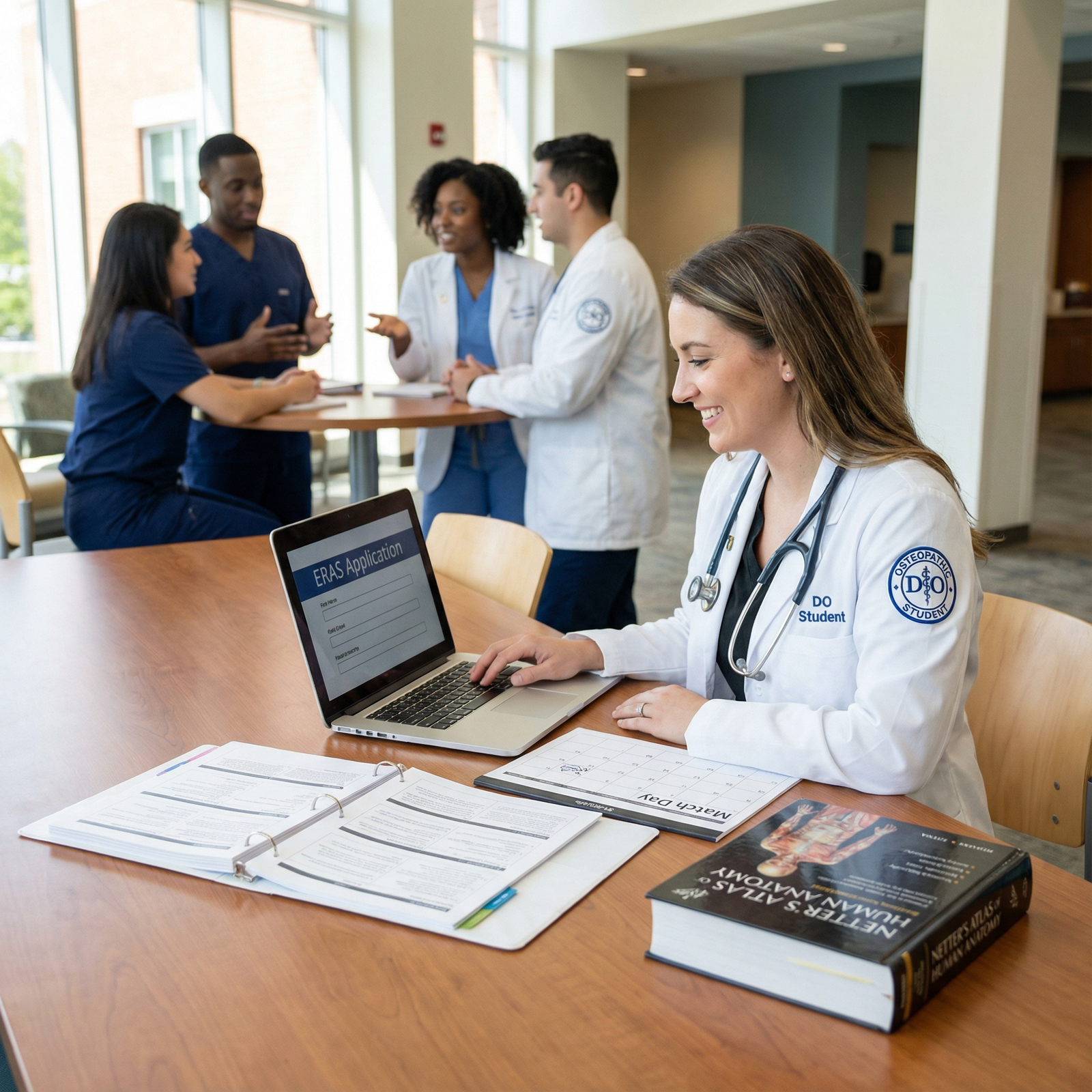
C. Optimize Your ERAS Application and Experiences Section
Your ERAS entries should feel consistent with your personal statement and interviews.
Prioritize impact
In your top experiences, highlight:- Clinical roles where you demonstrated responsibility and initiative.
- Leadership or advocacy roles in osteopathic or specialty organizations.
- Research or quality improvement relevant to your specialty or osteopathic principles.
Be concrete and outcome-oriented
Use bullets that show:- What you did.
- The skills you developed.
- Any tangible results (e.g., “Led a QI project that reduced ED revisits for CHF by 10% over six months.”)
Explicitly connect experiences to osteopathic medicine where relevant:
- OMT clinic or osteopathic research projects.
- Health and wellness initiatives.
- Community outreach addressing social determinants of health.
3. Residency Interviews: Turning Your DO Training into an Advantage
The interview is your chance to transform a paper application into a compelling, three-dimensional story.
A. Research Each Program in Depth
Program knowledge shows seriousness and maturity. Before each interview:
Review:
- Program website and social media.
- Resident and faculty profiles (especially any DOs).
- Program’s major training sites and patient populations.
Look for:
- Whether they currently have DO residents or faculty.
- Areas of strength (e.g., procedures, global health, research, rural training).
- Mission statements or values that align with osteopathic principles (holistic care, underserved populations, prevention).
Use this information to tailor your responses to “Why this program?” and to ask thoughtful questions.
B. Practice High-Yield Interview Questions as a DO Applicant
Be ready to clearly and confidently address:
- “How has your osteopathic training shaped your approach to patient care?”
Have 1–2 concrete stories ready, such as:- A complex patient where your holistic assessment changed the plan.
- An encounter where OMT or your musculoskeletal training made a difference.
- “Why did you choose a DO school?”
Show intentionality:- Align it with your values, philosophy of care, and long-term goals.
- “How do you see OMT fitting into your future practice?”
Be honest:- Some specialties will use more OMT (e.g., FM, IM, PM&R, EM).
- Others may use it sparingly but still benefit from your background (anatomy, manual skills, patient communication).
Also prepare for:
- Classic behavioral questions (use the STAR method).
- Conflict and teamwork scenarios.
- Situational judgment questions related to ethics or professionalism.
C. Demonstrate Teachability, Resilience, and Growth Mindset
Programs want residents who will grow rapidly in a demanding environment. Emphasize:
- Times you received constructive feedback and how you responded.
- Examples of resilience (e.g., struggling early with a skill and improving).
- How your osteopathic training has prepared you for lifelong learning, systems-based practice, and interprofessional care.
4. Maximizing Your Experiences: Research, Leadership, and Service
Programs look beyond scores and grades to see what kind of colleague and physician you are becoming.
A. Research and Scholarly Activity for DO Applicants
You do not need dozens of publications to match well, but focused scholarly activity can strengthen your profile—especially in academic or competitive specialties.
Start where you are
Options include:- Case reports or case series.
- Retrospective chart reviews.
- Quality improvement projects.
- Educational projects (e.g., curriculum development or workshops on OMT).
Align projects with your specialty and osteopathic interests
Examples:- A QI project on chronic pain management that integrates multidisciplinary approaches.
- Research on non-pharmacologic management of musculoskeletal conditions.
- Outcomes of OMT as adjunctive therapy in specific populations.
Present your work
Aim for presentations at:- School research days.
- Specialty-specific conferences (e.g., ACOFP, ACOI, AAO).
- National meetings with osteopathic or ACGME audiences.
Describe these activities in ERAS with clear outcomes and your specific role.
B. Leadership, Extracurriculars, and Community Engagement
Leadership and service often differentiate otherwise similar applicants.
Osteopathic and specialty organizations
- Active involvement in campus or national organizations (e.g., SOMA, specialty clubs).
- Leadership roles that demonstrate responsibility, initiative, and collaboration.
Community service and outreach
- Free clinics, health fairs, school health education.
- Projects addressing social determinants of health (housing, food insecurity, access to care).
- Activities showing a commitment to underserved populations, primary care, or rural health—especially powerful for certain ACGME Residency programs.
Teaching and mentorship
- Serving as an OMT tutor, anatomy TA, or peer mentor.
- Leading workshops or small groups for junior students.
Highlight how these experiences demonstrate your professionalism, empathy, and alignment with osteopathic values.
5. Mentorship, Networking, and Strategic Planning
Thoughtful guidance can dramatically improve your application strategy and outcomes.
A. Build a Mentorship Team
Aim for two types of mentors:
Osteopathic mentors
- Can help you frame your osteopathic identity effectively.
- Understand unique challenges DO students face in the match.
- Provide guidance on COMLEX vs USMLE decisions and osteopathic recognition programs.
Specialty and program-specific mentors
- Faculty in your intended specialty.
- Residents (especially DOs) at programs you’re considering.
- Alumni from your school who matched into similar pathways.
Use mentors to:
- Review your CV and ERAS entries.
- Edit and refine your personal statement.
- Prepare for specialty-specific interview questions.
- Build a realistic and well-balanced application list (safety, target, and reach programs).
B. Network Intentionally
Networking is not about favoritism; it’s about visibility and fit assessment.
- Attend:
- Specialty conferences.
- Osteopathic organization meetings.
- Residency fairs and virtual open houses.
- When you meet faculty or residents:
- Ask thoughtful questions about training and culture.
- Follow up with a brief thank-you email and, when appropriate, a CV.
- During audition rotations:
- Treat every day like a month-long interview.
- Show reliability, curiosity, and teamwork.
- Ask for feedback and respond constructively.
These relationships can translate into:
- Strong letters.
- Advocates in selection meetings.
- Honest advice about program fit.
6. Stay Organized, Proactive, and Data-Driven
Organization and strategy make a significant difference in stressful application seasons.
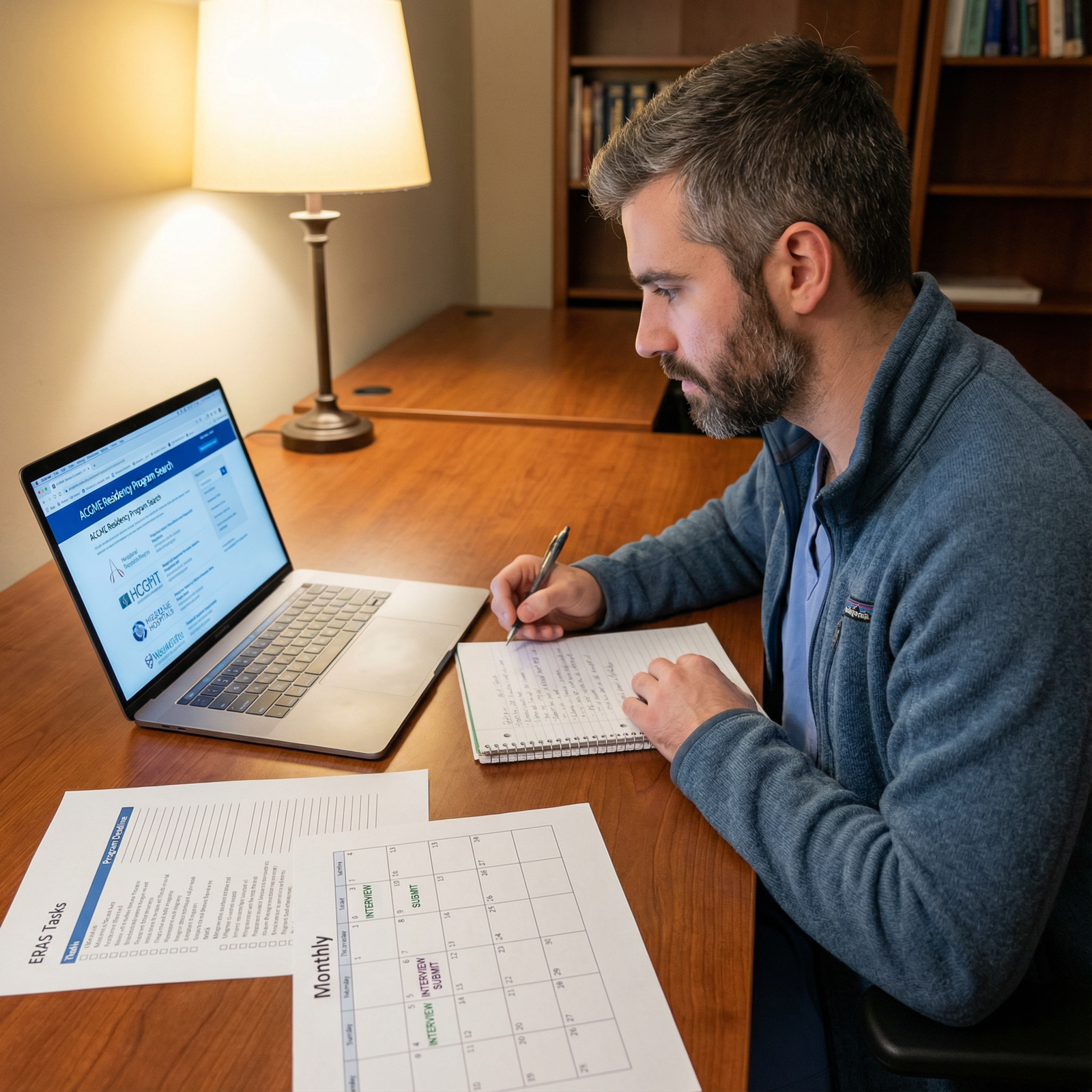
A. Build a Clear Application Timeline
Starting early reduces errors and panic. Include:
- Preclinical/early clinical years
- Decide about taking USMLE in addition to COMLEX.
- Begin preliminary specialty exploration and mentorship.
- Third year
- Identify specialties of interest by mid-year.
- Start research and leadership projects.
- Plan audition/sub-internship rotations strategically.
- Early fourth year
- Finalize specialty choice and program list.
- Complete audition rotations at top-choice programs.
- Prepare and refine personal statement and CV.
- Request LoRs early.
Use spreadsheets or task trackers to monitor:
- Programs applied to, interview offers, and communication.
- Letter of recommendation status.
- Deadlines for ERAS, NRMP, and any supplemental applications.
B. Communicate Professionally and Consistently
- Respond promptly to emails from programs and coordinators.
- Write clear, concise messages when expressing interest in programs or scheduling interviews.
- Consider targeted, professional post-interview communications when appropriate (and consistent with program policies).
FAQ: DO Students and ACGME Residency Applications
1. Do I need to take USMLE in addition to COMLEX to match into an ACGME Residency?
It depends on your specialty and target programs:
- Some ACGME programs accept COMLEX alone, and this is increasingly common—especially in primary care and DO-friendly specialties.
- More competitive specialties or academic programs may strongly prefer or require USMLE Step 1/2.
- Check each program’s requirements (websites, FREIDA, program coordinators) and talk with mentors in your specialty.
If you have not yet taken USMLE:
- Discuss with your dean’s office and advisors whether it’s strategically beneficial based on your scores, specialty choice, and target regions.
2. How can I strengthen my ACGME application as a DO if I have limited research?
Focus on what you can realistically improve:
- Emphasize strong clinical performance, narrative comments, and LoRs.
- Highlight:
- Leadership roles.
- Community service.
- Teaching and mentorship.
- Quality improvement projects or small scholarly activities (even if not high-impact research).
- Use your personal statement and interviews to tell a cohesive story that links your experiences to your specialty and osteopathic values.
For future cycles or early planners:
- Seek manageable, focused projects (case reports, small QI projects) rather than feeling pressure to produce large research portfolios.
3. What should I do if I don’t match into an ACGME Residency as a DO?
First, know that you are not alone; many excellent physicians have unmatched years in their history.
Steps to consider:
- Participate in SOAP (Supplemental Offer and Acceptance Program) if eligible.
- Meet with:
- Your school’s advising office.
- Specialty mentors.
- Alumni who navigated similar paths.
- Analyze your application:
- Were your scores, grades, or LoRs below typical ranges?
- Was your specialty choice too competitive relative to your profile?
- Did you apply to enough programs or the right mix?
- Strengthen your candidacy for the next cycle by:
- Completing a transitional year, preliminary year, or research year.
- Improving test scores (if applicable).
- Gaining additional clinical experience and new letters.
- Broadening your specialty or program list.
4. Are some specialties more receptive to DO applicants than others?
Yes, there are trends, although they evolve:
- Historically more DO-friendly:
- Family Medicine, Internal Medicine, Pediatrics, Psychiatry, Emergency Medicine, PM&R, and some community-based programs.
- Increasing DO representation:
- Many surgical and subspecialty fields now regularly train DO residents, particularly in programs that have DO faculty.
The best approach:
- Look at current resident rosters, program histories, and match lists from your school.
- Talk to DOs currently in your desired specialty.
- Recognize that individual program culture matters more than broad stereotypes.
5. Why should I emphasize my osteopathic identity when applying to ACGME programs?
Because it differentiates you in a positive way when framed correctly:
- Osteopathic medicine represents:
- A holistic, patient-centered philosophy.
- Strong anatomy and physical exam skills.
- A preventive and wellness-oriented mindset.
- Programs want residents who bring diverse training backgrounds and perspectives, as long as they meet rigorous clinical standards.
By confidently embracing your osteopathic identity—rather than minimizing it—you can stand out as a mature, reflective, and mission-aligned candidate in the ACGME Residency match.
By understanding the modern ACGME landscape, embracing your osteopathic heritage, strategically shaping your application components, and seeking robust mentorship, you can position yourself as a compelling DO applicant. Your training in osteopathic medicine gives you tools that residency programs value—your job is to make those tools visible, specific, and aligned with each program’s mission and needs.