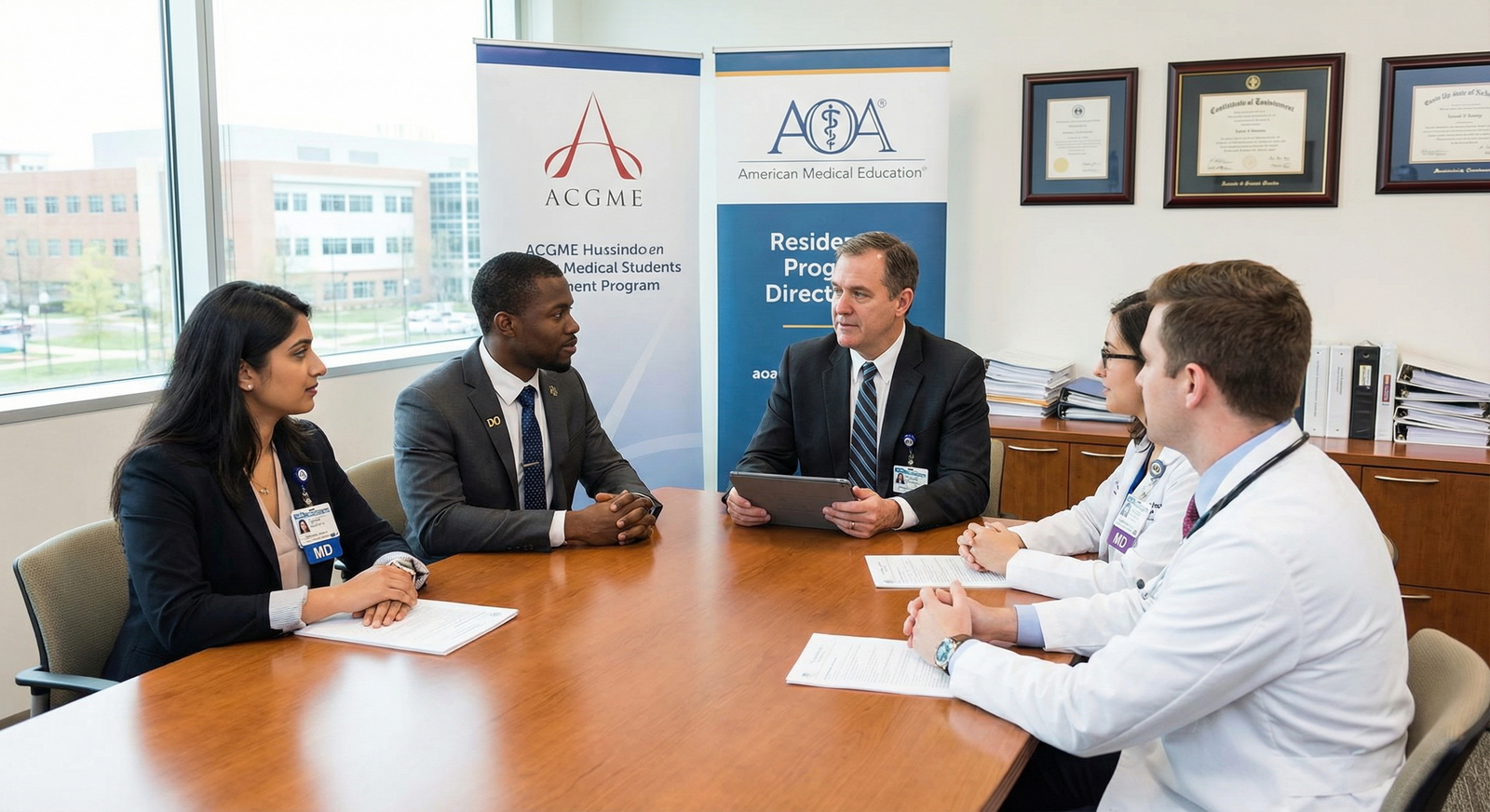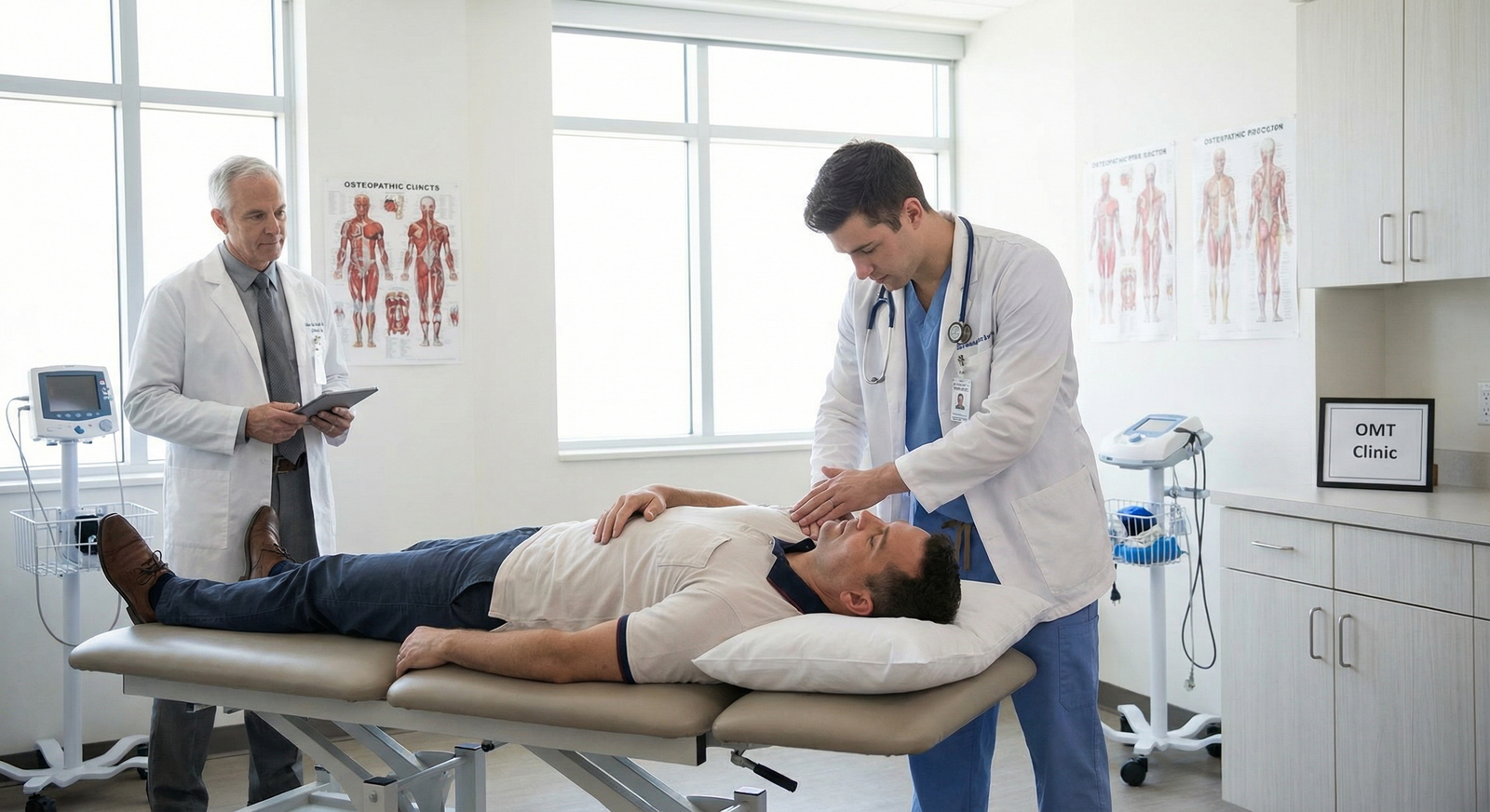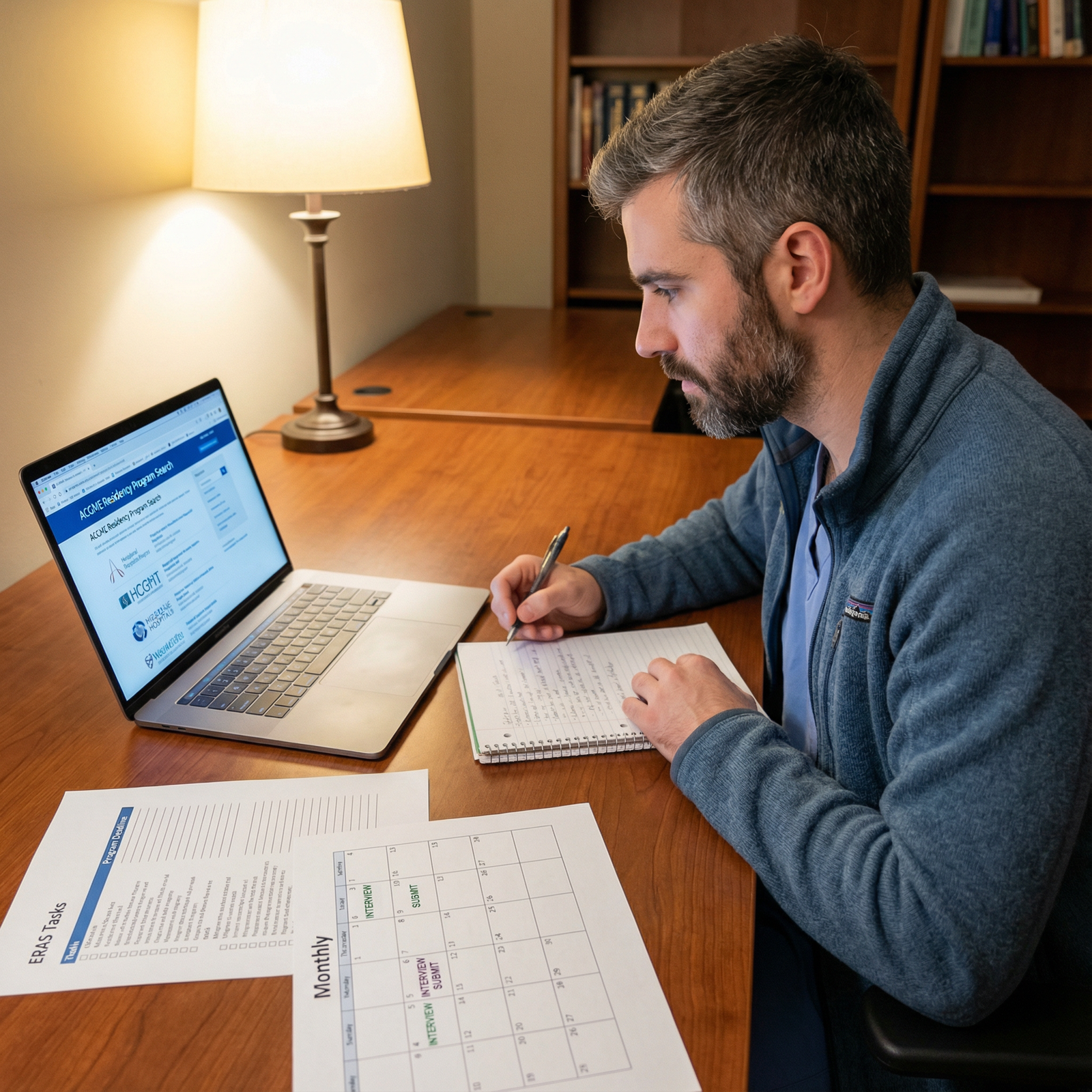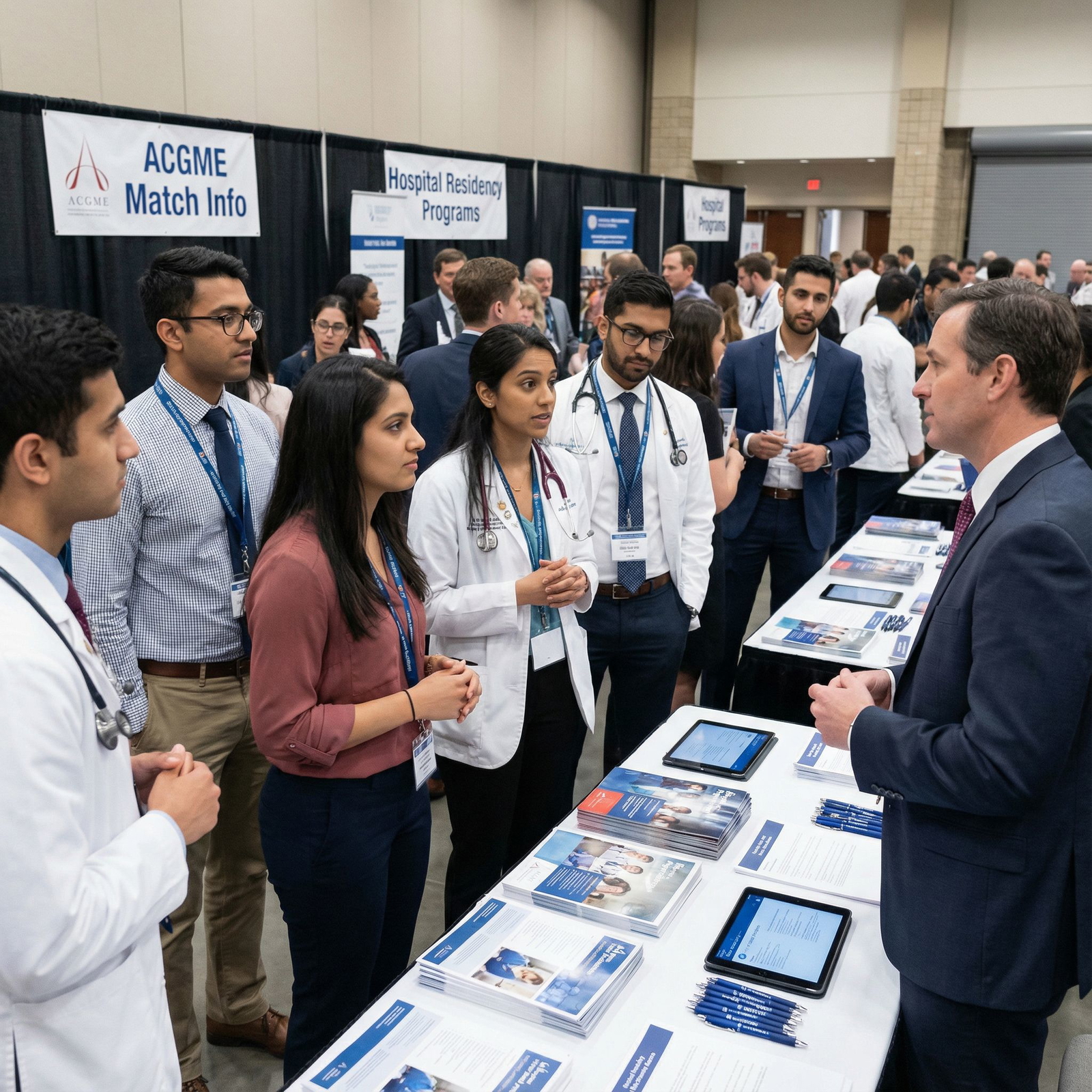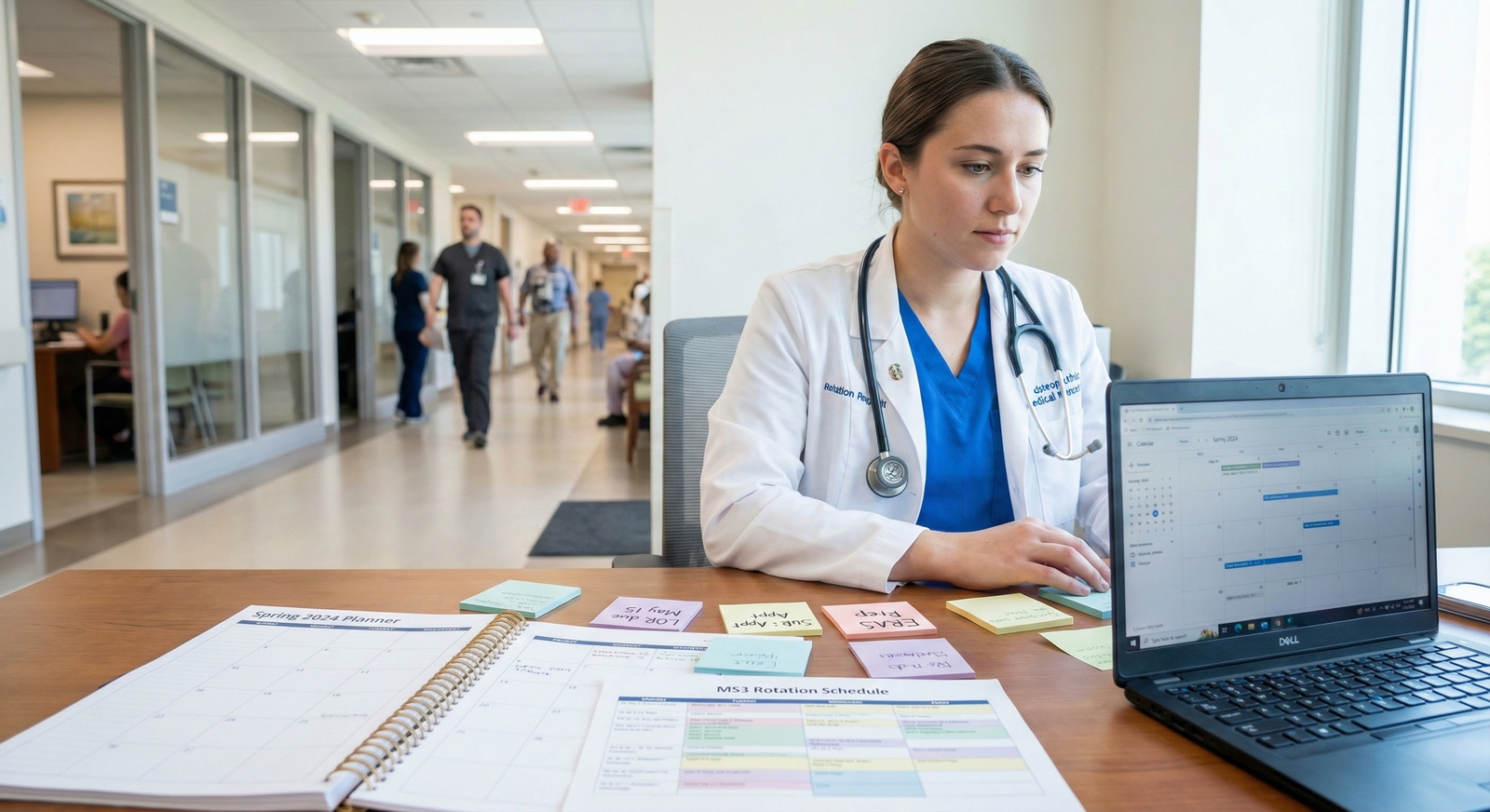
For many Doctors of Osteopathic Medicine (DOs), matching into an ACGME (Accreditation Council for Graduate Medical Education) residency is a central goal—and a major source of stress. The landscape has evolved dramatically with the single accreditation system, creating more opportunities but also more competition, especially from MD applicants.
As an osteopathic medical student or recent graduate, you bring a distinct training background, hands-on physical exam skills, and a holistic approach to patient care. The key is learning how to translate those strengths into a compelling, competitive application for ACGME residency programs.
This guide expands on core residency tips for DO applicants and adds current, practical strategies to help you stand out and maximize your match chances.
Understanding the ACGME Residency Landscape as a DO Applicant
Before you can optimize your application, you need a clear understanding of the system you’re entering and how DO applicants fit into it.
The Single Accreditation System and What It Means
Historically, DO graduates primarily applied to residency programs accredited by the American Osteopathic Association (AOA), while MD graduates applied to ACGME programs. With the transition to the single accreditation system, former AOA and ACGME programs are now under one umbrella: ACGME Residency.
Key implications for DO applicants:
- More Program Options: You now have access to the full spectrum of ACGME-accredited programs, including those that were historically MD-dominated.
- Osteopathic Recognition Tracks: Some ACGME programs carry “Osteopathic Recognition,” explicitly valuing osteopathic principles and offering OMT continuity.
- Increased Competition: You will often compete directly with MD applicants from US and international schools, making strategy and presentation crucial.
Why ACGME Programs Matter for Osteopathic Medicine Graduates
For DO applicants, ACGME residency programs offer:
- Broader geographic and specialty choice: Particularly in competitive fields (dermatology, radiology, anesthesia, EM, certain surgical specialties).
- Academic opportunities: Stronger research infrastructure and subspecialty fellowships at many ACGME academic centers.
- Standardized expectations: Program directors across the country use similar metrics (board scores, clinical grades, research, letters) to assess all applicants.
For these reasons, understanding how ACGME program directors view DO applicants—and how you can position your osteopathic background as an asset—is essential to your residency strategy.
Laying the Foundation Early: Strategic Preparation in Medical School
Strong ACGME applications are built over years, not weeks. Start early, ideally in your preclinical and early clinical years, to shape your candidacy deliberately.
Build a Support Network: Mentors, Advisors, and Role Models
Mentorship is a major differentiator for DO applicants navigating a largely ACGME-dominated space.
Actionable steps:
- Identify mentors early: Seek DO or MD faculty, residents, or alumni in your desired specialty—especially those who trained or work in ACGME programs.
- Ask targeted questions: Inquire about program culture, competitiveness, board expectations, and how DO applicants are perceived in their field.
- Use official advisors: Your school’s dean’s office, career advisors, and specialty interest groups (e.g., ACOFP, ACOI, ACOEP) can provide data and guidance tailored to DO students.
Good mentors can advise you on board exam choices (COMLEX vs. USMLE), away rotations, research priorities, and realistic program lists.
Understand Specialty-Specific Expectations
Every specialty evaluates applicants differently. As a DO:
- Look up NRMP and specialty-specific data: Examine match statistics for DOs in your target field (e.g., internal medicine vs. orthopedics) to gauge competitiveness.
- Ask residents in your specialty: Clarify whether programs “require” USMLE, how much they value research, and whether they routinely interview DOs.
- Be honest with yourself: Choose a specialty that fits your clinical interests and aligns with your academic profile and available time to strengthen your application.
This early understanding lets you prioritize what will matter most: scores, research, leadership, or clinical honors.
Strengthen Your Clinical Experience Intentionally
Clinical performance is one of the strongest predictors of success in the match.
Focus on:
- Core rotations: Aim for strong evaluations in Internal Medicine, Surgery, Pediatrics, Family Medicine, OB/GYN, and Psychiatry. Honors or high passes carry real weight.
- Electives/Sub-Internships: For ACGME Residency programs, away rotations or sub-Is at target institutions can be game-changers. These allow faculty to see your work ethic, clinical reasoning, and how you fit with their team.
- Osteopathic identity in practice: Use your rotations to demonstrate how your osteopathic training improves patient care—such as using OMT for pain management when appropriate, employing whole-person assessments, and emphasizing prevention.
Document your experiences, standout cases, and feedback as you go; these details will help you later with your CV, personal statement, and interviews.
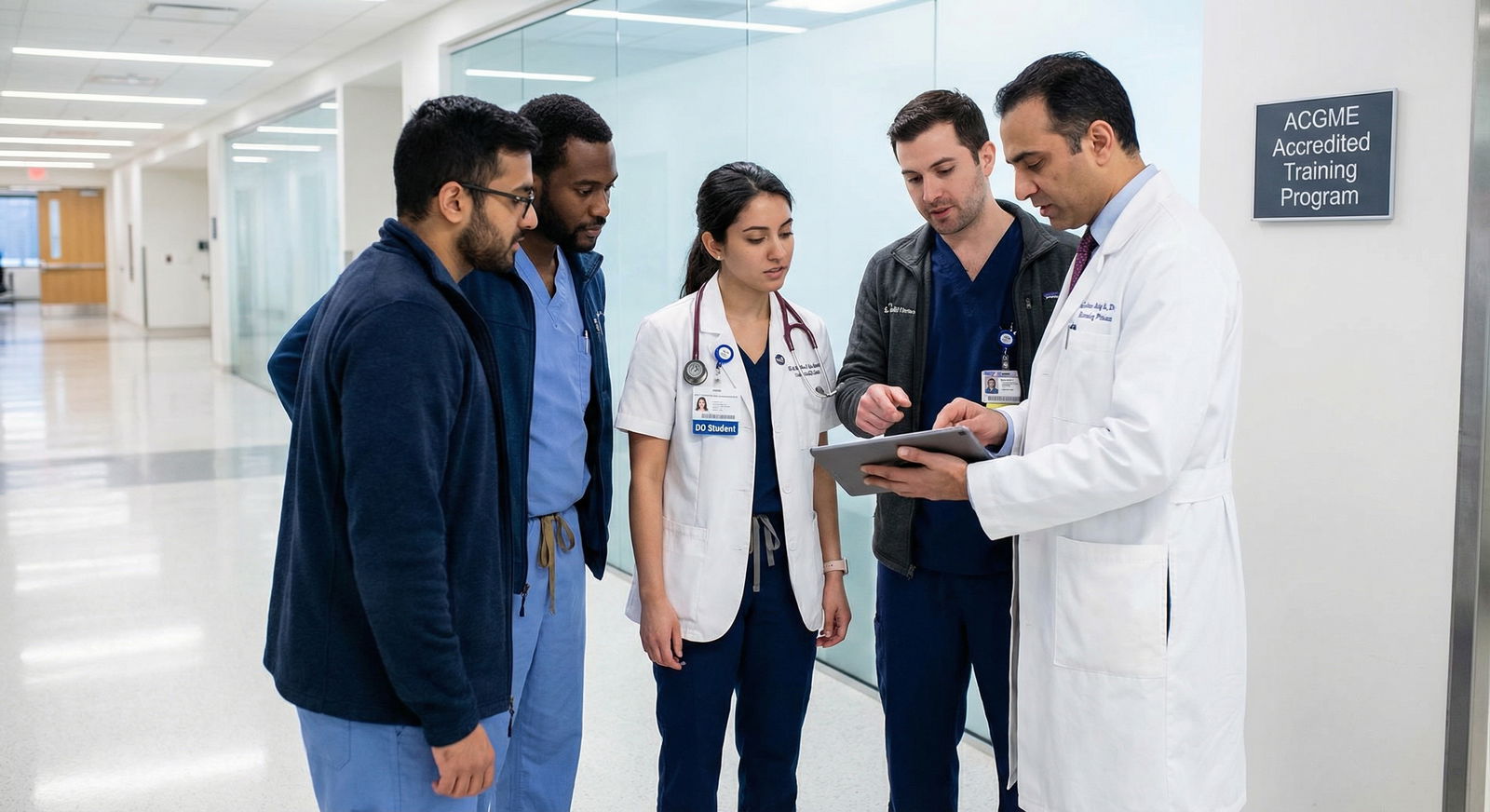
Using the “Clipboard Approach” to Organize and Showcase Your Experiences
A practical way to prepare for ERAS is to imagine a virtual clipboard with clearly labeled sections: Clinical Experience, Research, Leadership, and Service. This framework helps you identify gaps and present a balanced, compelling application.
Clinical Experience: Depth, Breadth, and Performance
Program directors want to see:
- Breadth: Exposure across multiple core disciplines, showing versatility and foundational knowledge.
- Depth: Focused experiences in your chosen specialty (e.g., multiple EM rotations if applying EM, or ICU rotations for IM).
- Performance: Concrete evidence that you function at or above the level expected—strong evaluations, positive comments, and trusted responsibilities.
Actionable tips:
- Prioritize rotations at ACGME sites, especially in your field of interest.
- Seek letters of recommendation from attendings (DO or MD) who worked closely with you and can speak to your clinical reasoning, work ethic, and interpersonal skills.
- Keep a log of complex or meaningful cases you participated in—you can use these later when answering behavioral or clinical scenario questions in interviews.
Research and Scholarly Activity: Strengthening Your Academic Profile
While not mandatory in every specialty, research can be especially valuable for DO applicants, particularly in academic or competitive ACGME programs.
Consider:
- Relevance: Projects in your intended specialty (e.g., cardiology topics for IM applicants) make you more appealing and give you something concrete to discuss with faculty in that field.
- Scope: Research can include traditional bench or clinical studies, quality improvement projects, case reports, retrospective chart reviews, or even educational projects.
- Visibility: Aim for posters, presentations, or publications. Even small contributions—like helping with data collection or literature review—can be meaningful if you can articulate your role.
If your school has limited research infrastructure, look for:
- Online collaborative projects led by national specialty organizations.
- Mentors at affiliated hospitals who need help with ongoing projects.
- Virtual research opportunities or multi-institutional QI initiatives.
Leadership, Service, and Extracurriculars: Demonstrating Professionalism and Character
ACGME programs care deeply about teamwork, professionalism, and commitment to service—core components of osteopathic medicine.
Highlight roles such as:
- Student organization leadership: Class officer, specialty interest group president, committee member.
- Community outreach: Free clinics, health fairs, school health education, rural or underserved outreach.
- Teaching and mentorship: Peer tutoring, anatomy lab TA, board review teaching for junior students.
When describing these on ERAS:
- Be specific about your responsibilities (“led weekly planning meetings,” “organized 3 community health fairs serving 300+ patients”).
- Emphasize outcomes or impact when possible (e.g., “increased group membership by 40%,” “expanded clinic capacity by adding student volunteers”).
Crafting a Compelling Personal Statement as a DO Applicant
Your personal statement is your best opportunity to humanize your application and connect your background in osteopathic medicine to your target specialty and program culture.
Tell a Focused, Authentic Story
Avoid simply reciting your CV. Instead:
- Begin with a defining clinical or life experience that illustrates why you chose your specialty and how your DO training influenced that decision.
- Connect your journey to osteopathic principles: Perhaps your interest in holistic care, structural-functional relationships, or preventive medicine guided your path to a particular field.
- Show, don’t just tell: Rather than stating “I value holistic care,” describe a patient interaction where you integrated psychosocial factors, OMT, or lifestyle counseling to improve outcomes.
Align Your Values with ACGME Residency Expectations
Program directors want residents who:
- Are reliable, teachable, and collegial.
- Care deeply about patients and team members.
- Contribute to the program’s mission (clinical excellence, research, service, education).
In your statement:
- Highlight professional qualities: resilience, adaptability, humility, curiosity.
- Address any non-obvious aspects of your application (e.g., why you took a research year, how you grew after a setback, or why your osteopathic identity is central to your future career).
- End with a forward-looking perspective: the type of physician you hope to become and how residency training in their environment will help you get there.
Mastering ERAS and Letters of Recommendation for ACGME Residency
The Electronic Residency Application Service (ERAS) is your main interface with programs, and details matter.
Presenting a Clean, Strategic ERAS Application
Key tips:
- Be concise but descriptive: Use bullet points that highlight impact: “Coordinated care for 10–15 patients daily, presenting thorough assessments and plans on rounds.”
- Use consistent terminology: Use terms familiar to ACGME program directors (e.g., “sub-internship,” “acting internship”).
- Prioritize experiences: Put your most important, relevant entries at the top of each section.
For DO Applicants, also consider:
- If you took USMLE in addition to COMLEX, make sure both are clearly reported.
- If you did not take USMLE, be prepared to highlight other strengths (evaluations, OMT skills, research) and target programs known to be COMLEX-friendly.
Letters of Recommendation: Quality Over Quantity
Strong letters carry significant weight, especially for DO applicants breaking into historically MD-heavy programs.
Aim for:
- 3–4 strong, recent clinical letters from attendings in your specialty (or related fields), ideally including:
- At least one from a core rotation in your chosen field.
- Ideally one from an ACGME program or a well-known academic faculty member.
- One from someone who can speak to your character, reliability, and professionalism.
- Avoid generic letters: A short, generic letter can hurt you more than help. Prioritize writers who:
- Worked closely with you.
- Can compare you favorably with peers.
- Understand osteopathic training and can frame it positively.
When asking for a letter, consider saying:
“Would you feel comfortable writing a strong, supportive letter of recommendation for my ACGME residency applications?”
This invites honest feedback and gives your writer a clear sense of your goals.
Excelling in Residency Interviews as a DO Applicant
Once you earn an interview, your goal is to confirm the positive impression created by your application and break down any remaining biases about DO applicants.
Research Each Program Thoroughly
Before each interview:
- Review the program’s website, mission statement, curriculum structure, and resident roster.
- Note any Osteopathic Recognition, faculty with DO backgrounds, or former graduates from DO schools.
- Identify 2–3 specific reasons you’re drawn to that program (e.g., strong critical care exposure, robust community outreach, dedicated teaching faculty).
You should be prepared to answer:
- “Why this specialty?”
- “Why our program specifically?”
- “How has your osteopathic training shaped your approach to patients?”
Practice Answering Common and Specialty-Specific Questions
For DO applicants, be ready for questions like:
- “Tell me about your decision to pursue osteopathic medicine.”
- “How do you see OMT fitting into your future practice?”
- “Have you felt any challenges as a DO applying to ACGME programs?”
Tips:
- Answer confidently and positively—do not be defensive about being a DO.
- Show how osteopathic principles (holistic care, structural-functional relationships, preventive focus) enhance your patient care.
- Use specific examples from rotations to highlight your teamwork, communication, and problem-solving skills.
Mock interviews with faculty, advisors, or peers—and recording yourself for self-review—can significantly improve your performance.
Professionalism and Fit
Programs are also evaluating:
- Professionalism: Punctuality, communication, appearance, and courtesy.
- Collegiality: How you interact with residents, coordinators, and fellow applicants.
- Fit: Whether your goals align with the program’s strengths and culture.
Treat every interaction with the program—emails, virtual meet-and-greets, social events—as part of your interview.
Networking, Social Media, and Post-Interview Etiquette
Networking is particularly important for DO applicants who may be less visible to ACGME faculty compared with nearby MD schools.
Strategic Networking for DO Applicants
Consider:
- National conferences: Specialty-specific meetings (e.g., ACEP for EM, ACOI for IM, AAFP for FM) are ideal for meeting program directors, residents, and potential research mentors.
- Virtual open houses and webinars: Many programs now host online sessions. Attending shows interest and allows you to ask informed questions.
- LinkedIn and professional social media: Maintain a professional online presence. Follow programs, alumni, and faculty. Engage with educational content thoughtfully.
When networking:
- Be respectful of time and boundaries.
- Ask specific, thoughtful questions rather than broad, generic ones.
- Follow up with a brief thank-you message if someone spends time advising you.
Following Up and Thank-You Notes After Interviews
While thank-you notes do not guarantee a ranking advantage, they can reinforce positive impressions.
Effective thank-you etiquette:
- Send personalized emails to each interviewer within 24–72 hours.
- Reference specific details from your conversation to show genuine engagement.
- Briefly reiterate:
- What you appreciated about the program.
- Why you feel aligned with their mission or culture.
- Keep messages professional, concise, and error-free.
Avoid:
- Overstating your intentions to multiple programs (“You are my absolute #1 choice!” to more than one).
- Repeated follow-up emails that could be perceived as pushy.
Final Thoughts: Embracing Your Identity as a DO in ACGME Residency Applications
Successfully matching into an ACGME Residency as a DO applicant requires more than just good grades and test scores. It calls for strategic planning, self-awareness, professionalism, and effective storytelling.
Key takeaways:
- Start early: Seek mentorship, clarify your specialty goals, and understand the expectations for DO applicants in your field.
- Use the “clipboard approach” to ensure your clinical, research, leadership, and service experiences tell a cohesive story.
- Leverage your osteopathic training as a unique strength—your holistic mindset, manual skills, and focus on prevention are valuable in every specialty.
- Master the technical aspects of the process: ERAS, letters of recommendation, interview skills, and professional networking.
- Stay adaptable and resilient: The match is competitive, but with thoughtful preparation, DO applicants consistently succeed across a wide range of ACGME programs.
By combining the practical residency tips above with your dedication and osteopathic values, you can present the strongest possible version of yourself and maximize your chances of matching into the residency that fits you best.
FAQs: ACGME Residency Tips for DO Applicants
1. What are the most common mistakes DO applicants make in ACGME applications?
Some frequent pitfalls include:
- Applying too narrowly: Only applying to highly competitive programs or geographic “hot spots” without including a mix of reach, target, and safety programs.
- Underestimating the importance of clinical performance: Focusing only on board scores while neglecting evaluations and comments from rotations.
- Generic applications: Sending the same personal statement and lackluster program-specific messaging to every program.
- Weak or vague letters of recommendation: Asking letter writers who don’t know you well or can’t provide specific examples of your strengths.
- Ignoring program fit for DO applicants: Not researching whether programs are historically DO-friendly or have Osteopathic Recognition.
2. How important is research for DO applicants to ACGME programs?
Research importance depends heavily on specialty and program type:
- Highly competitive specialties and academic programs: Research can be a major differentiator and sometimes an unofficial expectation (e.g., dermatology, radiology, neurosurgery, competitive subspecialties).
- Primary care or community programs: Research may be helpful but is rarely a strict requirement; clinical performance, interpersonal skills, and commitment to community care often matter more.
If you have limited research, focus on:
- Strong clinical evaluations.
- Clear specialty commitment (electives, sub-Is).
- Service, leadership, and a compelling personal narrative.
3. Should DO applicants explicitly highlight their osteopathic training in their application?
Yes—when done thoughtfully, highlighting your osteopathic background is a strength:
- In your personal statement, describe how osteopathic principles shaped your patient care philosophy.
- In your interviews, discuss how OMT and holistic assessment have enhanced your management of pain, musculoskeletal complaints, or complex multimorbidity.
- On ERAS, list OMT or osteopathic-focused experiences under skills or experiences when relevant.
The goal is not to contrast your training negatively with MD peers, but to show how your osteopathic foundation adds value to any ACGME residency program.
4. Should DO applicants take the USMLE in addition to COMLEX for ACGME Residency?
This is a nuanced decision, but many DO applicants still benefit from taking USMLE Step 1 and/or Step 2 CK, especially if:
- You are targeting competitive specialties or major academic centers.
- You are unsure if some programs will accept COMLEX alone.
- You want to avoid being screened out at programs that only review USMLE scores.
If you choose not to take USMLE, prioritize:
- Strong COMLEX scores.
- Excellent clinical evaluations and letters.
- Targeting programs that are transparent about accepting COMLEX.
Whenever possible, discuss this decision early with your mentors and advisors based on your specialty interests and academic profile.
5. How can DO applicants best prepare for residency interviews at ACGME programs?
Effective preparation includes:
- Content prep: Reviewing common interview questions and preparing concise, authentic stories that demonstrate your strengths, resilience, and osteopathic perspective.
- Program-specific prep: Researching each program’s curriculum, patient population, and culture so you can articulate why you are a good fit.
- Mock interviews: Practicing with faculty, advisors, or peers to refine your communication, pacing, and nonverbal cues.
- Technical prep (for virtual interviews): Testing your internet connection, camera, audio, lighting, and background ahead of time.
Above all, be confident in the value of your osteopathic training and approach each conversation as a chance to show programs who you are as a future colleague—not just as an applicant on paper.