Introduction: A New Era for DO Applicants in ACGME Residency Programs
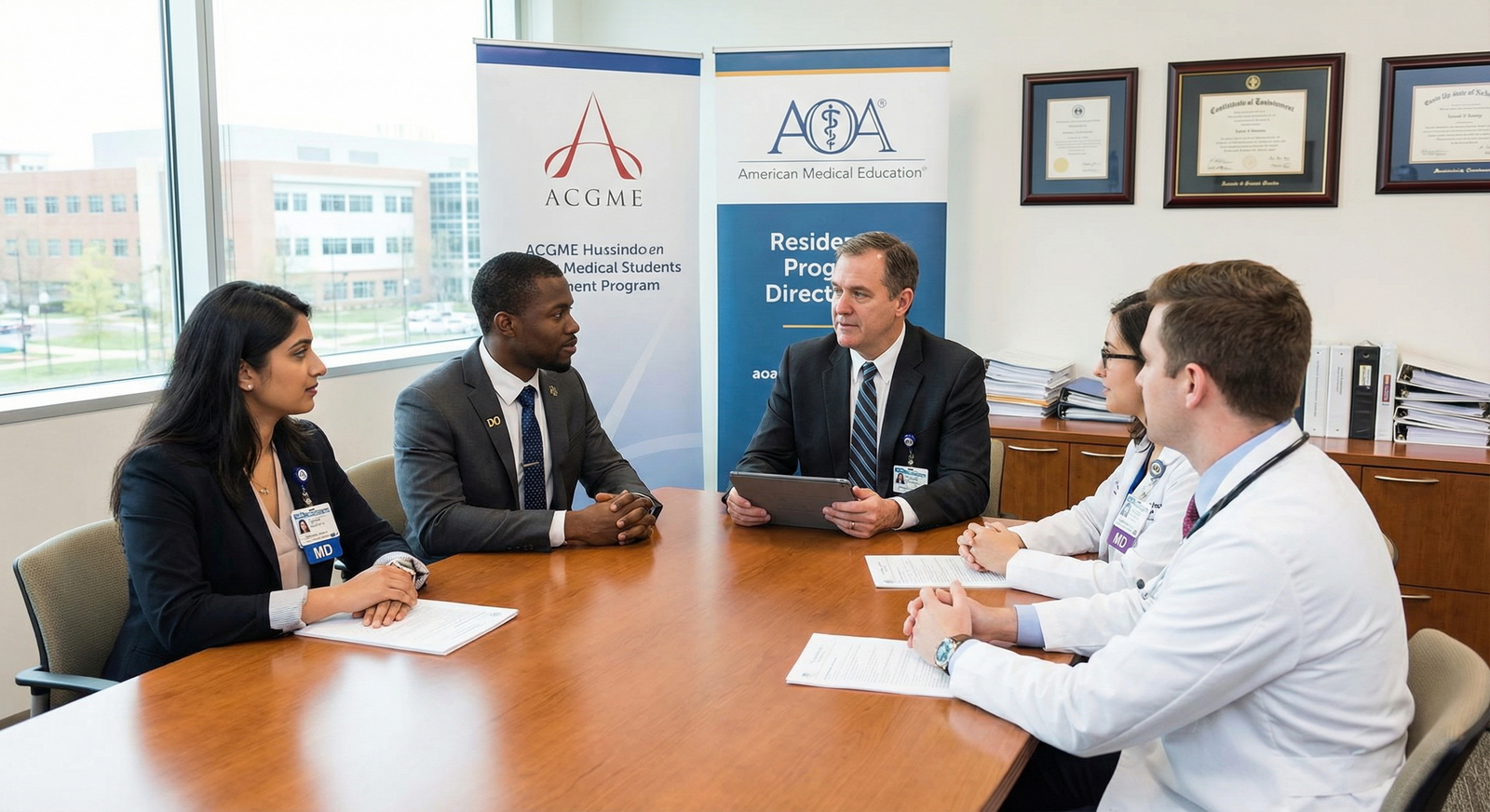
The residency landscape for Doctors of Osteopathic Medicine (DOs) has changed dramatically in the last decade. With the Single Accreditation System and the unification of AOA and ACGME residency accreditation, DO applicants now have broader access than ever to ACGME Residency programs across all specialties.
Yet greater access also means greater competition. As a DO student, you are evaluated alongside MD peers in a system that may still have residual misconceptions about osteopathic medicine. Your goal is not just to be eligible for ACGME programs—it’s to be an unmistakably competitive, informed, and strategic applicant.
This guide expands on core residency application tips specifically for DO applicants. It will help you:
- Understand how DOs fit into the current ACGME Residency and Single Accreditation System
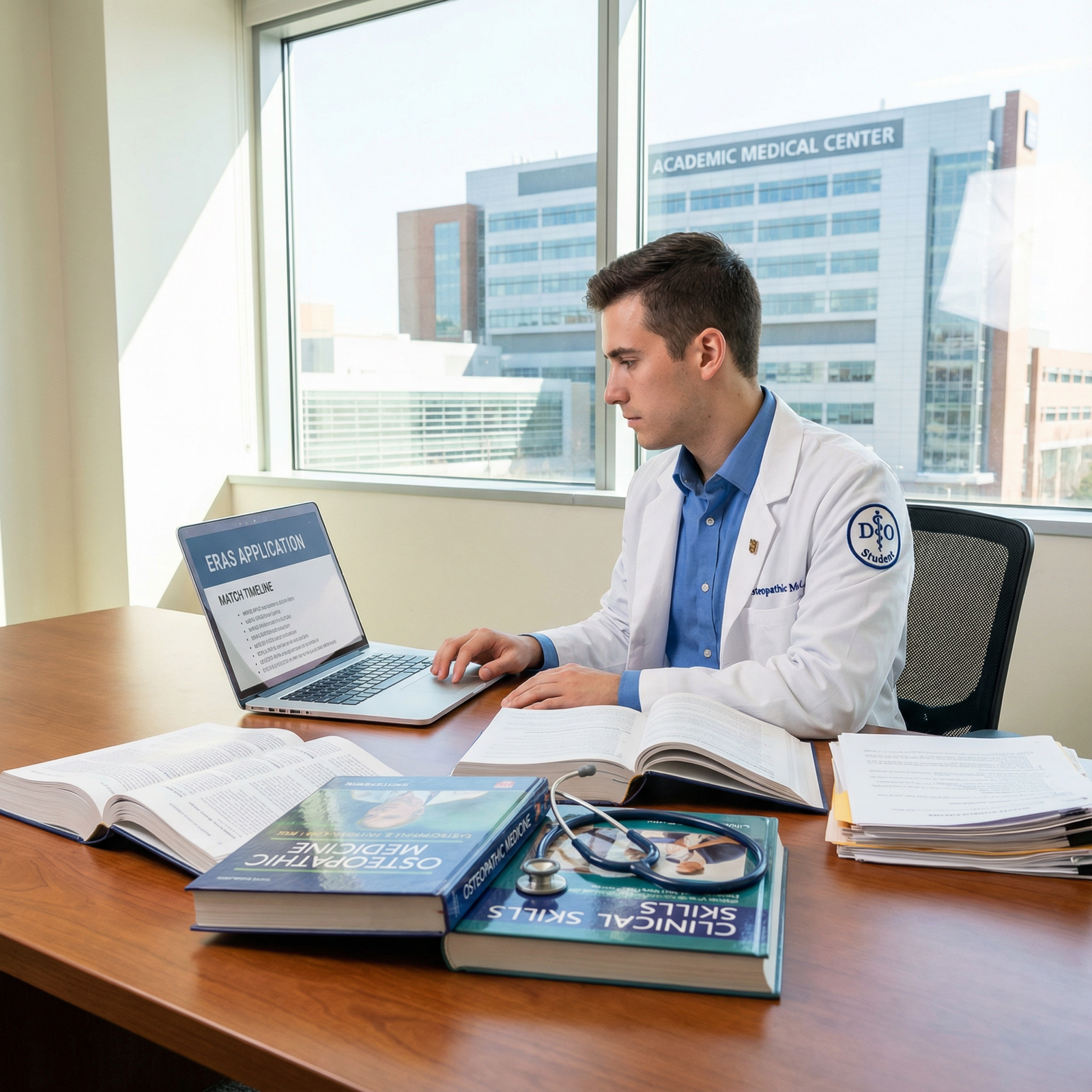
- Strategically plan your medical education timeline from MS1 onward
- Optimize your academic record, licensing exams, and clinical experiences
- Showcase your strengths as a DO through your personal statement, CV, and interviews
- Avoid common pitfalls that disadvantage osteopathic applicants
Whether you are early in your osteopathic medical education or actively applying, these residency application tips will help you position yourself for success.
Understanding ACGME Residency and the Role of DO Applicants
What Is the ACGME and Why It Matters to DO Students
The Accreditation Council for Graduate Medical Education (ACGME) is the primary body that accredits residency and fellowship programs in the United States. It sets and monitors:
- Educational standards and milestones for residents
- Program requirements for each specialty
- Institutional requirements for teaching hospitals and sponsoring institutions
Matching into an ACGME-accredited program is critical because:
- It qualifies graduates for specialty board certification.
- It provides standardized training recognized nationwide.
- It offers broader career mobility, subspecialty options, and academic opportunities.
For DOs, ACGME accreditation is now the universal currency of graduate medical education.
The Single Accreditation System and Osteopathic Medicine
Historically, MDs trained under ACGME-accredited programs, and DOs had a parallel system under the American Osteopathic Association (AOA). This often led to:
- Separate matches
- Limited understanding of osteopathic training among some allopathic programs
- A perception gap around COMLEX versus USMLE scores
With the Single Accreditation System:
- AOA and ACGME residency programs transitioned into a unified ACGME framework.
- DOs and MDs now apply via the same ERAS and NRMP Match processes.
- DO graduates have full access to the full range of ACGME Residency training opportunities.
Many programs now explicitly welcome DO Applicants, and a growing number of ACGME programs have “Osteopathic Recognition,” which formally integrates osteopathic principles and OMT into residency training.
Remaining Nuances for DO Applicants
Despite this progress, there are still important nuances:
- Some program directors are more familiar with USMLE scores than COMLEX.
- Certain competitive specialties and academic institutions may historically have lower DO representation.
- A few programs may still preferentially select MD applicants—though this is slowly changing.
Understanding these subtleties allows you to target programs strategically and present your osteopathic training as a clear asset.
Laying the Groundwork Early: Strategic Planning from Day One
Start Early and Plan Intentionally
Your ACGME residency competitiveness is built over all four years of medical school, not just during application season.
Key mindset: Every course, rotation, and extracurricular decision can support your end goal.
Actionable Steps:
Clarify your target range of specialties early.
- MS1–MS2: Narrow to a few potential fields (e.g., Internal Medicine vs. EM vs. Family Medicine).
- Use shadowing, interest groups, and mentorship to explore.
Study program requirements by specialty.
- Use FREIDA, program websites, and NRMP/Charting Outcomes in the Match data to understand typical:
- Board scores (USMLE/COMLEX)
- Research expectations
- Honors/AOA/Sigma Sigma Phi rates
- DO representation in prior classes
- Use FREIDA, program websites, and NRMP/Charting Outcomes in the Match data to understand typical:
Develop a four-year roadmap.
- MS1–2: Focus on mastering basic sciences, licensing exam prep, and foundational research/volunteering.
- MS3: Excel on core rotations and audition electives; build relationships for letters.
- MS4: Polish application, complete Sub-Is, and prepare for interviews.
Starting with a clear plan reduces last-minute scrambling and allows you to build a coherent, intentional application narrative.
Maximize Clinical Rotations as a DO Applicant
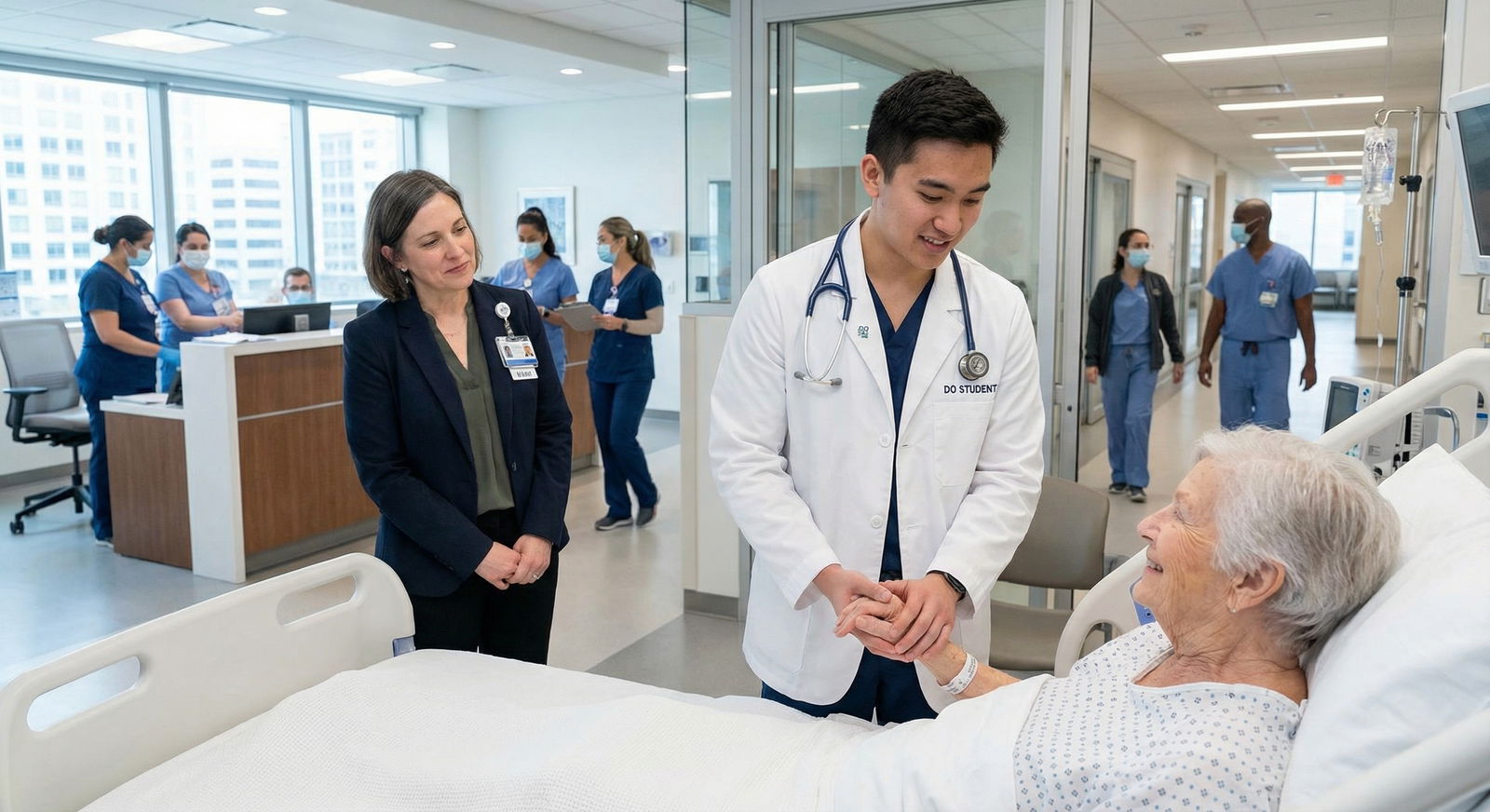
Clinical rotations are where ACGME program directors most directly evaluate your readiness for residency.
Actionable Steps:
Aim for strong clinical performance on core rotations.
- Show reliability, work ethic, and teachability.
- Seek mid-rotation feedback and actively correct weaknesses.
Prioritize audition rotations (away rotations) strategically.
- Consider away rotations at programs you are highly interested in, especially in competitive specialties or academic centers.
- For DO Applicants, a strong performance on an away rotation at an ACGME program can:
- Demonstrate that you perform at or above the level of MD peers.
- Lead to strong letters and increased interview likelihood.
Demonstrate osteopathic principles in practice.
- Even if you do not routinely perform OMT, highlight:
- Whole-person care
- Preventive medicine
- Biopsychosocial approach to patient care
- Even if you do not routinely perform OMT, highlight:
This helps differentiate you and showcases the value of osteopathic medical education in modern residency training.
Academic Strength: Grades, Licensing Exams, and Performance Metrics
Optimize Your Transcripts and Clinical Evaluations
Your transcript gives residency programs a quick snapshot of your academic consistency and trajectory.
Actionable Steps:
Prioritize high performance in clinical years.
Many programs weigh MS3/MS4 clinical grades and narrative evaluations more heavily than pre-clinical performance.Understand grading systems.
- If your school uses Pass/Fail in preclinical years, distinguish yourself through:
- Honors on clinical rotations
- Strong narrative comments
- Class rank (if reported)
- Leadership or research
- If your school uses Pass/Fail in preclinical years, distinguish yourself through:
Benchmark your performance.
- Compare your grades, exam scores, and class rank to typical matched applicants in your target specialty (using NRMP data and your school’s advising resources).
Address academic red flags thoughtfully.
- If you have failed a course, repeated a year, or have low grades:
- Seek advising early.
- Demonstrate a clear upward trajectory.
- Be prepared to address this concisely and reflectively in interviews.
- If you have failed a course, repeated a year, or have low grades:
USMLE vs COMLEX: Strategic Exam Planning for DO Applicants
For DO students targeting ACGME Residency positions, licensing exam strategy is critical.
Key principles:
- COMLEX is required for DO licensure.
- Many ACGME programs still prefer or require USMLE scores for direct comparison with MD applicants.
- You should verify each program’s stance on COMLEX-only vs. COMLEX + USMLE early in your planning.
Actionable Steps:
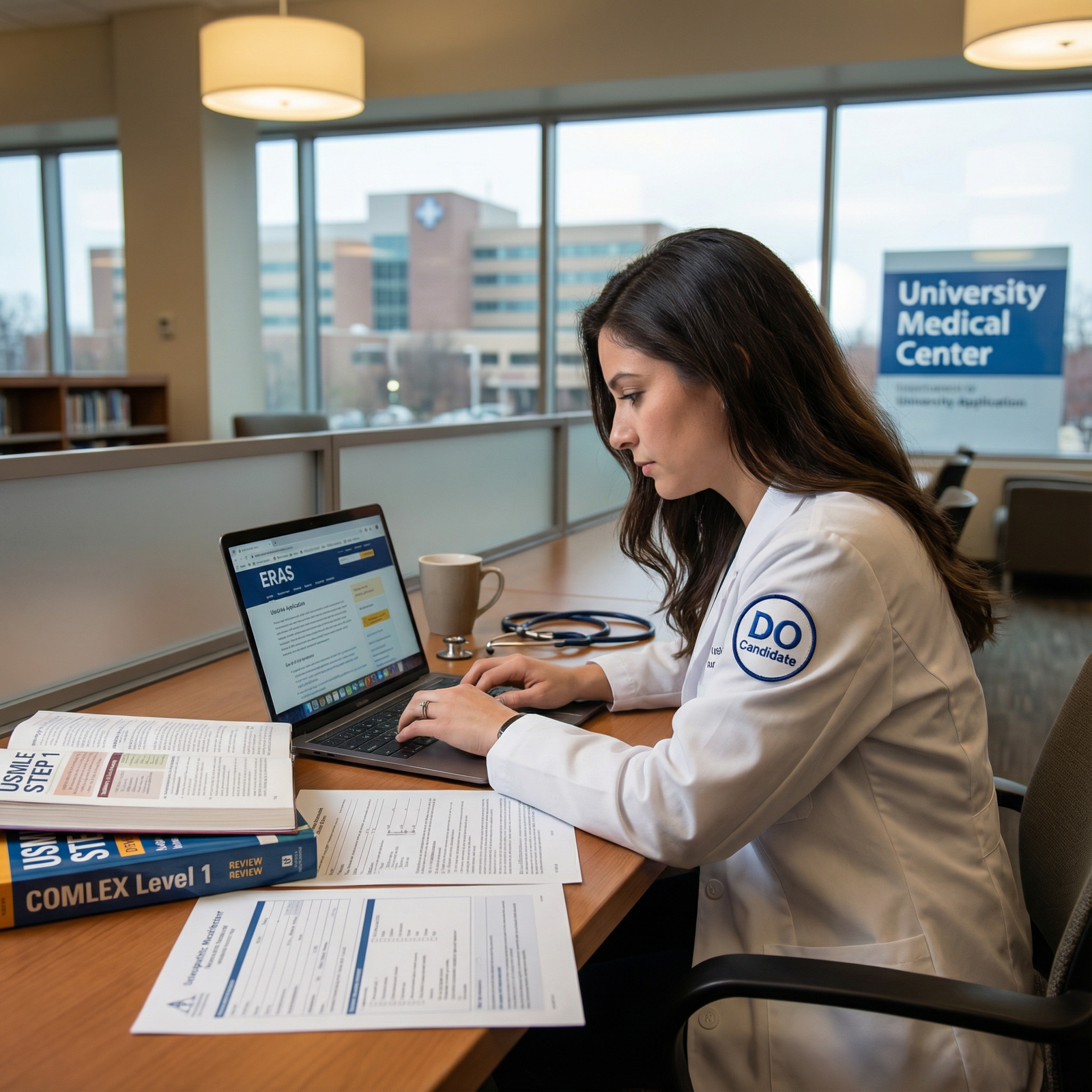
Strongly consider taking USMLE Step 2 CK.
- USMLE Step 1 is now Pass/Fail, reducing its value as a discriminator.
- Step 2 CK remains a major objective metric for residency selection.
- A solid Step 2 CK score:
- Helps normalize your application alongside MDs.
- Can offset concerns about lower COMLEX scores in some programs.
Plan integrated exam preparation.
- Use resources that cover both COMLEX and USMLE content (e.g., UWorld, NBME practice exams, COMSAE).
- Align your test dates so that knowledge for one exam supports performance on the other.
Know the score expectations for your specialty.
- Highly competitive specialties (e.g., Dermatology, Ortho, Plastics) often expect:
- High USMLE Step 2 CK
- High COMLEX Level 2-CE
- Less competitive or more DO-friendly specialties may be more flexible but still appreciate strong scores.
- Highly competitive specialties (e.g., Dermatology, Ortho, Plastics) often expect:
Manage test anxiety and burnout.
- Use structured study schedules with dedicated rest.
- Incorporate active learning (questions, spaced repetition) rather than endless passive reading.
- Seek wellness resources if anxiety is impairing performance.
Your exam strategy should be thoughtful, specialty-appropriate, and supported by a realistic study plan.
Crafting Your Story: Personal Statement, CV, and Letters of Recommendation
Writing a Compelling Personal Statement as a DO Applicant
Your personal statement is your opportunity to explain who you are beyond numbers and how osteopathic medicine shapes your approach to patient care.
Key goals:
- Communicate your authentic motivations for your chosen specialty.
- Integrate your identity as a DO without making the essay solely about DO vs MD.
- Demonstrate insight, maturity, and alignment with ACGME Residency training.
Actionable Steps:
Tell a focused, cohesive story.
- Avoid simply listing accomplishments—that belongs in your CV.
- Use 1–2 specific patient or rotation experiences that:
- Illustrate your growth.
- Reflect osteopathic principles (whole-person care, prevention, function-structure relationship).
Highlight your osteopathic training strategically.
- Example themes:
- How osteopathic principles influence your approach to complex, chronic patients.
- Experiences where OMT or osteopathic thinking meaningfully impacted care.
- Your interest in integrating osteopathic concepts into an ACGME program with or without Osteopathic Recognition.
- Example themes:
Show specialty-specific insight.
- Discuss what excites you about daily work in that specialty.
- Reflect on skills you bring that match the specialty’s demands (e.g., teamwork in EM, continuity in FM, analytical thinking in IM).
Get feedback from multiple reviewers.
- Ask DO and MD mentors, plus at least one person who doesn’t know you well, to review for clarity and impact.
- Ensure grammar and syntax are flawless—sloppiness here is a red flag.
Securing Strong, Targeted Letters of Recommendation
Letters of Recommendation (LORs) often carry more weight than applicants realize, especially when written by respected faculty in the specialty.
Actionable Steps:
Prioritize letters from within your target specialty.
- For Internal Medicine: aim for at least one letter from an IM faculty, ideally someone who supervised you on an inpatient rotation or Sub-I.
- For surgical fields: at least one letter from a surgeon in your desired specialty.
Choose letter writers who know you well.
- Quality > prestige, though both are ideal.
- Look for attendings who can comment on:
- Clinical reasoning
- Work ethic
- Teamwork and communication
- Professionalism and integrity
Provide a letter packet to your recommenders.
Include:- Your CV
- Personal statement draft
- Your specialty interests and career goals
- Specific programs or type of program you are targeting (academic vs community, geographic regions)
- Reminders of specific cases or projects you worked on with them
Ask early and politely.
- Request letters at the end of a strong rotation, ideally in person.
- Phrase your ask as: “Would you feel comfortable writing me a strong letter of recommendation for [specialty] residency?”
Letters that specifically address how you compare to MD peers or highlight your osteopathic strengths can be especially impactful.
Building a CV That Reflects Depth and Commitment
Your CV should present a well-rounded picture of academic, clinical, and professional development.
Key components to emphasize for DO Applicants:
Research and scholarly activity:
- Posters, abstracts, publications, QA/QI projects, book chapters.
- Even small projects show initiative and curiosity.
Leadership and involvement in osteopathic and specialty organizations:
- AOA, SOMA, ACOFP, ACOI, American College of Emergency Physicians (ACEP), etc.
- Roles that demonstrate responsibility, advocacy, or curriculum development.
Community service and outreach:
- Free clinics, health fairs, underserved population initiatives.
- These often resonate strongly with programs emphasizing service and holistic care.
Teaching and mentoring:
- Peer tutoring, TA roles, preclinical teaching, mentoring junior students.
- These signal potential for future faculty roles and contribution to medical education.
Use clear, concise bullet points emphasizing outcomes (e.g., “Led team of 10 volunteers; increased clinic patient capacity by 30% over 6 months”).
Professional Development: Associations, Networking, and Interview Readiness
Leveraging Medical Associations and Osteopathic Organizations
Participation in professional organizations is more than a line on your CV; it can open doors to mentorship and networking.
Actionable Steps:
Join national and specialty-specific organizations early.
Examples:- American Osteopathic Association (AOA)
- Specialty colleges (e.g., ACOFP, ACOI, AOAO)
- Specialty organizations open to both MDs and DOs (e.g., ACP, AAFP, AAEM)
Be an active member, not just a member on paper.
- Serve on committees.
- Help organize workshops or conferences.
- Participate in advocacy days or policy work.
Use conferences strategically.
- Identify sessions where program directors and residents from your target specialties will be present.
- Prepare a brief introduction and thoughtful questions.
- Follow up with polite emails thanking them for their time and asking for any advice or resources.
This type of professional engagement demonstrates maturity, commitment to the field, and comfort within the broader medical community.
Preparing for Residency Interviews as a DO Applicant
Your interview is where program directors assess fit, communication skills, and professionalism.
Actionable Steps:
Practice both traditional and behavioral questions.
- “Why this specialty?”
- “Why our program?”
- “Tell me about a time you faced a conflict on the team and how you handled it.”
- “What does being a DO mean to you, and how will that influence your practice?”
Prepare a concise “DO narrative.”
- Be ready to confidently and positively explain:
- Why you chose osteopathic medicine.
- How your training differs and what strengths it brings.
- How you integrate osteopathic philosophy in a multidisciplinary ACGME setting.
- Be ready to confidently and positively explain:
Research each program thoroughly.
- Know:
- Program size, affiliated hospitals.
- Unique tracks (e.g., Osteopathic Recognition, rural tracks, research tracks).
- Recent publications or initiatives.
- Know:
Ask thoughtful questions.
Examples:- “How do DO residents integrate into your curriculum and scholarly activities?”
- “What support do you offer for residents interested in incorporating OMT or osteopathic principles in practice?”
- “How have residents from osteopathic schools performed in your program historically?”
Polish your virtual interview setup (if applicable).
- Quiet environment, professional attire, neutral background, test audio/video.
A confident, well-prepared DO applicant who understands their strengths and fit can dispel lingering biases and leave a strong impression.

Match Strategy: Flexibility, Program Selection, and Backup Plans
Be Strategic and Realistic in Program Selection
A thoughtful rank list can dramatically influence your Match outcome.
Actionable Steps:
Create tiers of programs.
- Reach: highly competitive, top academic centers, historically fewer DOs.
- Target: solid programs where your stats are near the mean of matched residents.
- Safety: DO-friendly programs, community-based programs, locations with higher DO representation.
Consider geographical flexibility.
- Willingness to relocate to less saturated regions (Midwest, South, certain rural or smaller cities) can significantly increase your chances of matching.
Look for DO-friendly signals.
- Programs listing DO graduates on their website.
- Programs that explicitly accept COMLEX.
- ACGME programs with Osteopathic Recognition.
Maintain Flexibility Without Losing Your Core Goals
While you should be realistic, flexibility does not mean abandoning your aspirations.
Actionable Steps:
Have a primary and secondary specialty interest if appropriate.
- Some applicants pair a more competitive specialty with a less competitive one aligned with their interests.
- Example: Applying to both Internal Medicine and Neurology, or EM and IM.
Develop a reapplication or SOAP plan with your advisor.
- If your application is borderline for your target specialty, ensure you understand:
- SOAP options
- Strengthening strategies if you need to reapply (research year, additional rotations, etc.)
- If your application is borderline for your target specialty, ensure you understand:
Stay grounded in your personal and professional priorities.
- Consider:
- Family and support systems.
- Desired patient population and practice setting.
- Long-term career vision (academic vs community, research vs clinical, primary care vs subspecialty).
- Consider:
A flexible but intentional approach helps you navigate the inherent unpredictability of the Match.
FAQ: ACGME Residency and DO Applicants
1. Do I really need to take the USMLE if I already take COMLEX as a DO student?
It depends on your target specialty and programs, but for most DO Applicants aiming at ACGME Residency positions—especially in competitive or academic specialties—taking at least USMLE Step 2 CK is strongly beneficial. Many programs are more familiar with USMLE scores and find them easier to compare across applicants. Some programs explicitly require USMLE, while others accept COMLEX only. Review program websites and contact coordinators if unclear. If you are targeting less competitive specialties and DO-friendly programs, COMLEX alone may be sufficient, but confirm this early.
2. How can I tell if a program is DO-friendly?
Look for multiple signals:
- DO residents listed on the program’s website or current resident roster
- Program materials stating they accept COMLEX and/or welcome DO applicants
- A history of matching DOs (ask your school’s advising office or recent graduates)
- Programs with Osteopathic Recognition or faculty with DO degrees on staff
Additionally, email program coordinators or talk to current residents at conferences or virtual meet-and-greet events to ask about DO representation and experiences.
3. Is research experience mandatory for DO applicants to match into ACGME programs?
Research is not mandatory for all specialties, but it is increasingly common and often expected in more competitive fields or academic programs. For specialties like Dermatology, Radiology, Orthopedics, and some Internal Medicine subspecialties, research (especially in the specialty) can significantly strengthen your application. For primary care specialties, community programs, or DO-heavy fields, research is helpful but less critical than strong clinical performance, good letters, and clear commitment to patient care. If you have limited research, consider at least one quality improvement, case report, or small project to show scholarly engagement.
4. How can I best highlight osteopathic principles in my application without sounding repetitive?
Integrate osteopathic principles naturally into your broader story rather than reciting textbook definitions. For example:
- Describe a patient encounter where your whole-person perspective changed your diagnostic or management approach.
- Explain how training in OMT improved your understanding of musculoskeletal complaints, even when you didn’t perform OMT directly.
- Emphasize preventive care, function, and patient education as recurring themes in your clinical experiences.
Keep it concrete, patient-centered, and linked to your chosen specialty and the mission of ACGME Residency programs you’re targeting.
5. What are the most common mistakes DO applicants make in the residency process?
Frequent pitfalls include:
- Assuming COMLEX alone is sufficient without verifying program requirements.
- Applying too narrowly (only to highly competitive specialties or specific geographic areas) without a realistic backup plan.
- Under-utilizing away rotations or not requesting strong, timely letters from key rotations.
- Writing generic personal statements that could apply to any specialty or program.
- Failing to articulate clearly and confidently what being a DO means and how it benefits their future practice.
Working closely with your school’s advising office, recent graduates, and mentors can help you avoid these missteps.
By understanding the nuances of ACGME Residency programs, planning early, and showcasing the unique strengths of your osteopathic education, you can stand out as a competitive DO applicant in the Match. Combine solid academic performance with a compelling narrative, targeted networking, and realistic strategy, and you will be well-positioned to secure a residency that aligns with both your professional goals and osteopathic values.