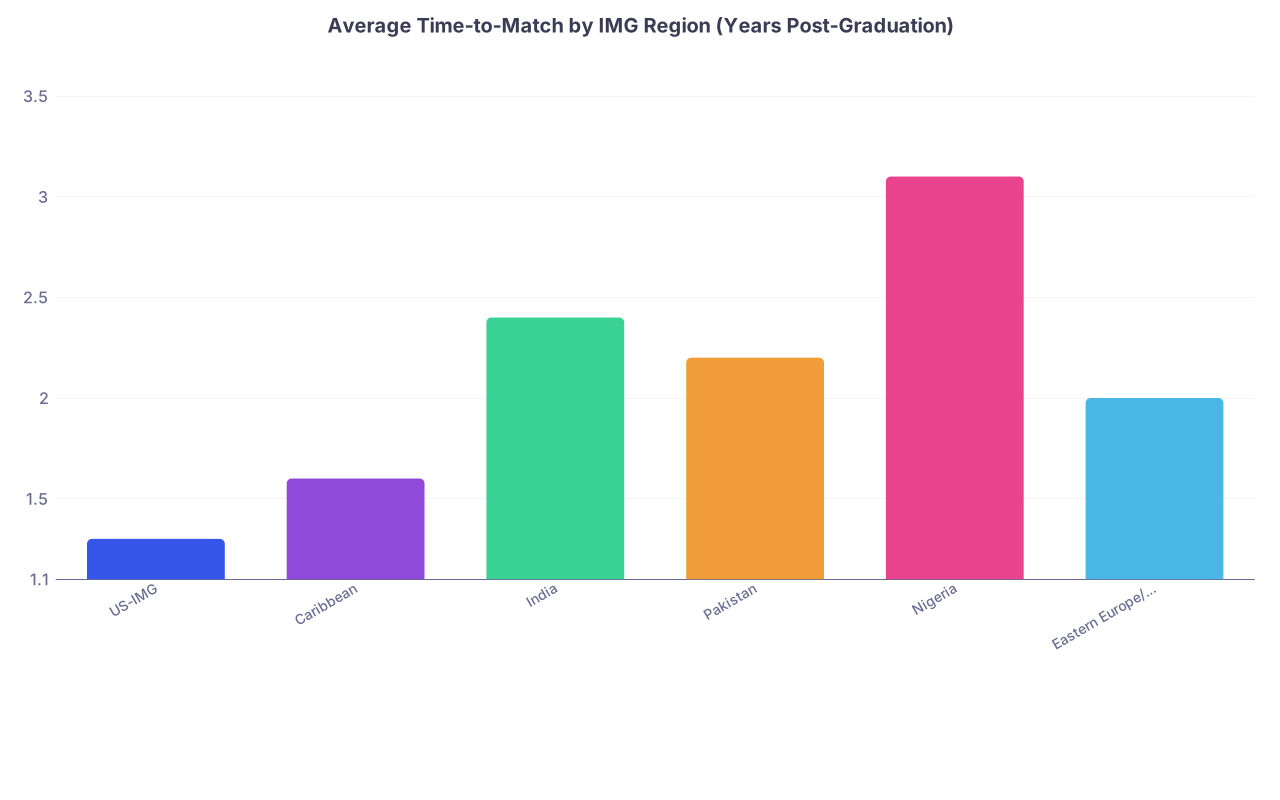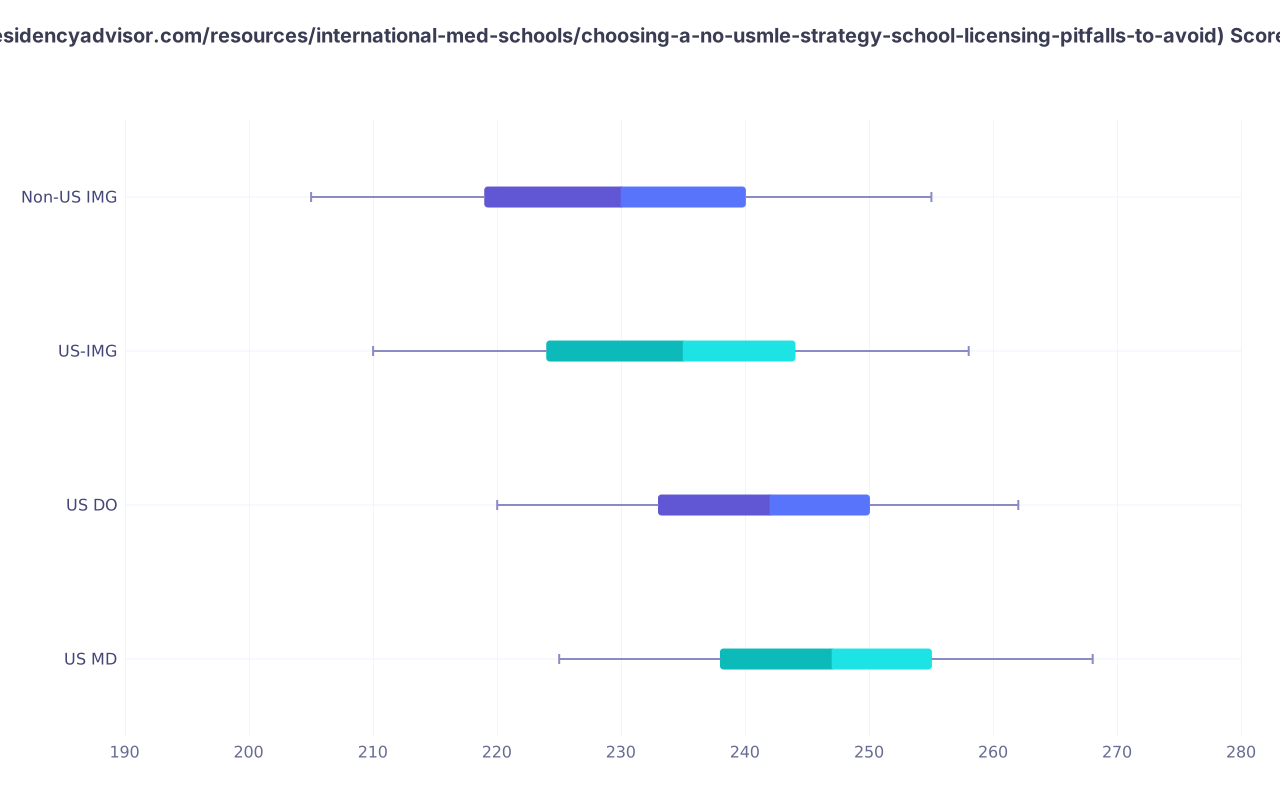
Choosing the right international medical school is one of the most consequential decisions you’ll make on your journey to becoming a physician. For many future doctors, International Medical Schools offer an appealing blend of rigorous Medical Education, global perspective, and—often—more flexible admissions pathways than in their home countries.
But “international” doesn’t automatically mean “best fit” or “good preparation for residency.” Programs vary widely in quality, outcomes, cost, and student experience. The key is to evaluate schools systematically, with your long‑term goals—especially Residency Matching—in clear focus.
This guide breaks down the most important factors to consider so you can confidently choose an international medical school that supports your career ambitions and personal needs.
1. Accreditation and Global Recognition: The Non‑Negotiable Foundation
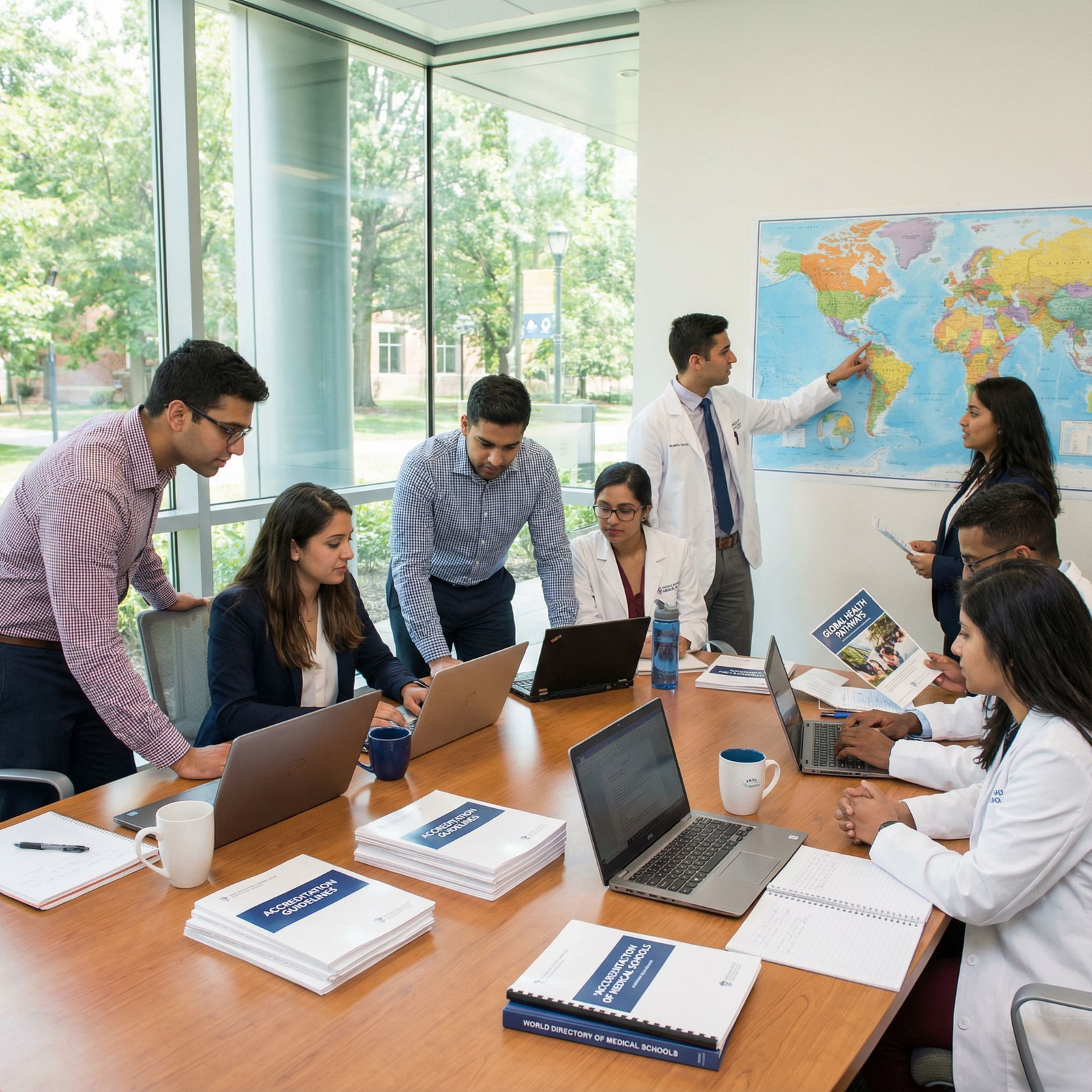
Accreditation and recognition are the first—and most critical—filters you should apply when evaluating any international medical program. Without proper accreditation, your degree may not be accepted by licensing bodies, hospitals, or residency programs in the country where you want to practice.
Why Accreditation Matters for Your Future Career
Accreditation ensures that a medical school meets defined standards for curriculum, faculty, assessment, facilities, and Student Support Services. These standards protect you as a learner and help maintain public safety.
For international graduates, accreditation directly impacts:
- Eligibility for licensing exams (e.g., USMLE, MCCQE, PLAB)
- Ability to apply for residency/foundation training in the U.S., Canada, UK, and other countries
- Visa and immigration processes, which often require recognized educational programs
- Long‑term mobility, if you later decide to switch countries or pursue fellowships abroad
Skipping this step because a school “seems reputable” or “has nice facilities” is a common—and sometimes career‑limiting—mistake.
Key Accreditation and Recognition Checkpoints
When assessing International Medical Schools, verify the following:
1. Listed in the World Directory of Medical Schools (WDOMS)
- Confirm that the school is listed in the World Directory of Medical Schools.
- For those targeting the U.S., check for the note indicating that graduates are eligible to apply for ECFMG certification for your expected year of graduation.
- From 2024 onward, ECFMG requires that schools be accredited by an agency recognized as meeting certain global standards.
2. Accreditation by a Recognized Agency
Ask or verify:
- Is the school accredited by a national or regional accrediting body in its home country?
- Is that accrediting body recognized by organizations such as:
- World Federation for Medical Education (WFME)
- ECFMG/FAIMER
- Does the accreditation cover all current campuses and programs, including any offshore or satellite locations?
Be cautious of vague statements like “We meet international standards” without naming the accrediting body.
3. Recognition in Your Target Practice Country
Think backward from where you want to practice:
- For the United States:
- WDOMS listing with ECFMG eligibility note
- Accreditation acceptable to ECFMG
- For Canada:
- Check the Medical Council of Canada and provincial college requirements
- For the UK:
- Check GMC (General Medical Council) requirements for IMG degrees
- For other regions:
- Contact national medical councils or licensing authorities directly; they often list recognized foreign schools.
Practical Action Steps
- Search the school in WDOMS and screenshot/save the listing.
- Check the school’s accreditation on the accrediting agency’s own website (not just the school’s marketing materials).
- Email licensing authorities in your intended practice country if anything is unclear.
If a school cannot provide clear, verifiable accreditation information, consider that a serious red flag—no matter how attractive the brochures look.
2. Curriculum Design and Educational Quality
Once you’ve confirmed basic legitimacy, the next step is to examine the structure and quality of the Medical Education itself. A well‑designed curriculum not only helps you pass exams but also builds the clinical reasoning and professionalism you’ll need for residency and beyond.

Core Curriculum Questions to Ask
1. Is the Curriculum Integrated and Systems‑Based?
Modern medical curricula often:
- Use a systems‑based organization (e.g., cardiovascular, respiratory)
- Integrate basic sciences with clinical medicine from early on
- Include case‑based learning and problem‑based discussion
This approach tends to:
- Improve information retention
- Strengthen clinical reasoning
- Better prepare you for licensing exams like USMLE Step 1 and Step 2 CK
Look for terms such as integrated curriculum, case-based learning, or spiral curriculum in the school’s description.
2. How Are Clinical Skills and Patient Contact Structured?
Ask specifically:
- When do students start interacting with patients?
- Are there clinical skills labs, standardized patients, and simulation centers?
- How are physical examination skills, communication, and professionalism taught and assessed?
Schools that delay all patient contact until late in the program may leave you underprepared for clinical years and residency.
3. What Is the Language of Instruction and Clinical Care?
Even if lectures are in English, clinical rotations may be in a different language.
- Confirm the teaching language for both pre‑clinical and clinical years.
- If rotations are in a non‑native language for you, ask:
- Is language training provided?
- Are there sufficient English‑speaking attending physicians?
- Will patient communication be a barrier?
Language barriers can significantly limit clinical learning and Residency Matching competitiveness, especially for communication‑heavy specialties.
4. Assessment Methods and Exam Preparation
Inquire about:
- Types of exams: multiple-choice, oral viva, OSCEs (Objective Structured Clinical Examinations).
- Alignment with USMLE, MCCQE, PLAB, or your target exams.
- Availability of internal NBME‑style exams, question banks, and review courses.
Programs that intentionally align with major licensing exams usually provide:
- Structured board review resources
- Dedicated USMLE preparation time
- Faculty who understand exam strategies and expectations
5. Research and Academic Development Opportunities
If you’re interested in competitive specialties or academic medicine, research exposure is important:
- Are there active research projects students can join?
- Do students commonly present at conferences or publish papers?
- Is there a research office or mentor matching process?
Even small projects—case reports, quality improvement, or retrospective studies—can strengthen your CV for Residency Matching.
3. Clinical Rotations, Hospital Affiliations, and Residency Matching Outcomes
For most international students, the primary goal is to secure strong clinical training and a pathway into residency. This section is where International Medical Schools can differ dramatically.
Evaluating Clinical Rotations and Hospital Training
Clinical rotations are where you learn to function as a future physician. Key points to investigate:
1. Location and Quality of Clinical Sites
- Where are core and elective rotations held?
- In the school’s home country?
- In the U.S., Canada, UK, or other countries?
- Are the hospitals teaching hospitals with residency programs?
- Do attendings have academic titles or teaching responsibilities?
For those targeting U.S. Residency Matching, clinical experience in U.S. teaching hospitals (especially ACGME‑affiliated sites) can be a major advantage.
2. Stability and Formality of Hospital Agreements
Ask directly:
- Are clinical sites secured via long‑term contracts or short‑term agreements?
- What happens if a contract ends while you’re in the program?
- Are rotations guaranteed for all students, or do students compete internally for limited slots?
Schools with unstable or “ad hoc” clinical placements can leave students scrambling later.
3. Supervision and Responsibility
Clarify:
- How many students are assigned per team or per attending?
- What tasks are students allowed to perform—history, physical exams, progress notes, procedures?
- Are you evaluated with written feedback, formal OSCEs, or standardized forms?
Clinical experiences should offer active participation, not just shadowing.
Understanding Residency Matching and Graduate Success
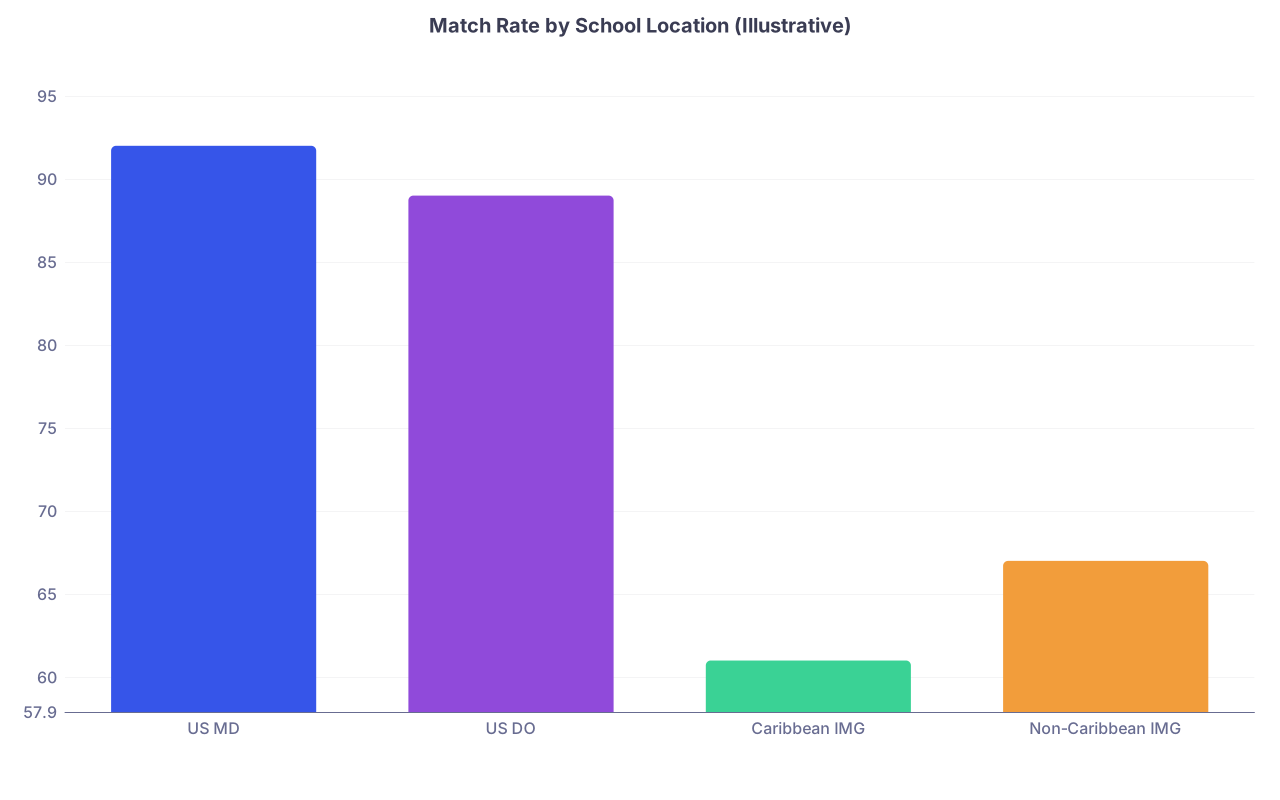
Residency Matching outcomes may be the most important metric of all.
1. Match Rate Transparency
Request specific data:
- Overall match rate by year (for the last 3–5 years)
- Match rates in the U.S. vs. other countries
- Specialty distribution (family medicine, internal medicine, surgery, etc.)
Be cautious of vague claims like “Our graduates match worldwide” without numbers or specialty breakdowns.
2. Where Do Graduates Match?
Look for:
- Lists of recent residency placements with:
- Specialty
- Location
- Program name
- Patterns that align with your goals:
- If you want internal medicine in the U.S., do many graduates match into that field?
- Are there matches in university‑affiliated programs, or mostly smaller community sites?
3. Support for the Residency Application Process
Effective Student Support Services for residency include:
- Advising on specialty choice and competitiveness
- Help with personal statements, CV, and ERAS applications
- Mock interviews and feedback
- Letters of recommendation guidance
- Information sessions about visa processes for IMGs
Ask to speak with the residency advising office or current students who have recently gone through the Match.
4. Faculty Quality, Mentorship, and Student Support Services
The people and systems surrounding you will significantly shape your experience. Strong faculty and robust Student Support Services set excellent international programs apart.
Evaluating Faculty and Teaching Quality
1. Faculty Credentials and Experience
Look for:
- Faculty with recognized qualifications (MD/MBBS, relevant fellowships, or postgraduate training)
- Experience in your target country’s health system (e.g., U.S.-trained physicians teaching USMLE‑aligned content)
- Evidence of ongoing clinical practice and/or academic involvement
Many schools list faculty profiles on their websites—review them carefully.
2. Teaching Culture and Accessibility
Ask current students:
- Are faculty approachable and responsive?
- Do they offer office hours or review sessions?
- Are lectures recorded and accessible online?
A supportive teaching culture makes a huge difference during demanding preclinical and clinical years.
Critical Student Support Services to Look For
High‑quality international medical schools invest heavily in Student Support Services, including:
1. Academic Support
- Tutoring programs led by senior students or faculty
- Workshops on study strategies, time management, and exam preparation
- Early identification and support for students struggling academically
2. Wellness and Mental Health Services
Medical school is stressful, and studying abroad adds additional layers (distance from family, cultural adjustment, immigration concerns). Seek:
- Access to licensed counselors or psychologists
- Confidential mental health services
- Wellness initiatives, peer support groups, and stress‑management workshops
3. Career and Residency Advising
- One‑on‑one meetings to discuss career goals and competitiveness
- Structured support for Residency Matching, observerships, and electives
- Networking opportunities with alumni and practicing physicians
4. Administrative and Visa Support
Especially important for international students:
- Assistance with student visas, renewals, and documentation
- Help navigating local health insurance and administrative requirements
- Clear guidance on work restrictions during study
When comparing schools, ask directly: “What specific Student Support Services are available, and how do students access them?”
5. Location, Culture, Lifestyle, and Financial Planning
Beyond academics, the environment where you live and study for 4–6 years will shape your personal growth and day‑to‑day well‑being.
Evaluating Location and Cultural Experience
1. Cost of Living and Practical Considerations
Research:
- Average monthly rent, utilities, transportation, and food
- Exchange rate and currency stability
- Availability of affordable housing near campus or in safe neighborhoods
Create a realistic monthly and yearly budget that includes:
- Tuition and fees
- Books and materials
- Health insurance
- Travel home
- Visa and immigration costs
Sometimes a “cheaper” tuition program is actually more expensive once cost of living is factored in.
2. Safety and Healthcare Access
Investigate:
- Local crime rates
- Student experiences with safety on and around campus
- Requirement for and coverage of health insurance
- Proximity and quality of nearby hospitals and clinics
Ask current students whether they feel safe walking to and from campus and what the school does to support safety (transport, security, etc.).
3. Cultural Fit and Personal Growth
Studying abroad can be incredibly enriching:
- Exposure to a different healthcare system
- Learning a new language or practicing clinical communication in multilingual environments
- Building global networks with peers from many countries
Reflect on:
- Do you prefer a large urban center or a smaller, quieter setting?
- How comfortable are you with cultural and religious norms in the region?
- Are there communities (cultural, religious, interest‑based) where you’ll feel supported?
Financing Your International Medical Education
Long‑term financial planning is essential.
1. Understand the Full Cost—Not Just Tuition
Request a detailed cost breakdown:
- Tuition per semester or year, and how often it increases
- Required fees (lab fees, exam fees, technology fees)
- Clinical rotation fees, especially if in another country
- Graduation, licensing, or administrative fees
Clarify whether tuition changes for clinical years or international rotations.
2. Scholarships, Grants, and Aid
Ask about:
- Merit‑based scholarships for strong academic or test performance
- Need‑based aid for students with financial constraints
- Renewal criteria (e.g., maintaining certain grades)
- Scholarships available specifically for international students
Be wary of offers that seem too good to be true without clear conditions.
3. Loan Options and Repayment Planning
For students from the U.S. and other countries:
- Does the school qualify for federal or government loans in your home country?
- Are there private lenders that work with students at this specific school?
- What are the typical debt levels of graduates?
Consider how your target specialty and practice country will affect your ability to repay loans. For instance, primary care in some regions may offer lower starting salaries than highly specialized fields.
6. Extracurricular Opportunities, Student Life, and Community
Your growth as a physician isn’t limited to the classroom or hospital. Activities outside formal coursework can strengthen your Residency Matching profile and support your well‑being.
Extracurricular and Professional Development Opportunities
1. Student Organizations and Leadership
Look for:
- Medical student associations, specialty interest groups, global health clubs
- Opportunities to take leadership roles (president, committee chair, event organizer)
- Workshops on advocacy, leadership, and medical ethics
Leadership experience can distinguish you in Residency Matching applications.
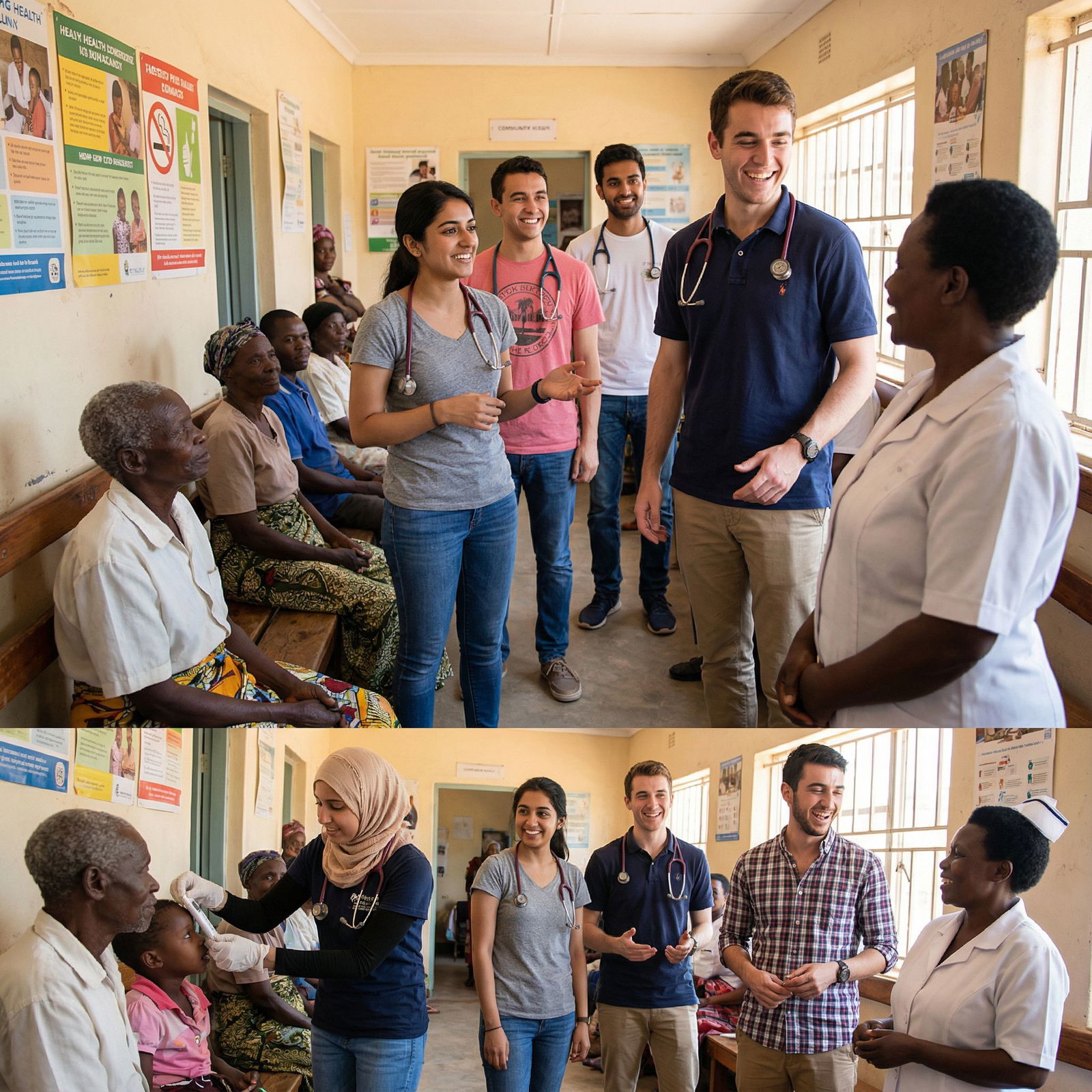
2. Volunteerism and Community Engagement
Strong programs often support:
- Community clinics, health fairs, and screening events
- Public health education initiatives
- Partnerships with NGOs or local health organizations
These experiences demonstrate commitment to service and can offer meaningful personal reflection topics for personal statements and interviews.
3. Global Health and International Electives
Ask whether students can:
- Participate in global health projects in other countries
- Arrange elective rotations abroad, including in your home country or desired practice country
- Receive academic credit or funding support for these experiences
Such experiences can broaden your understanding of health systems and inform your future career choices.
Student Life, Diversity, and Inclusion
1. Student Feedback and Reputation
Research:
- Online forums, student review sites, and social media groups
- Official student ambassadors or contacts provided by the school
- Alumni perspectives on strengths and weaknesses of the program
Speak directly with current students from your country or with similar goals whenever possible.
2. Diversity and Inclusion
A strong international medical school should:
- Enroll students from multiple countries and backgrounds
- Have policies and supports addressing discrimination, harassment, and equity
- Provide cultural and religious accommodations where feasible
A diverse and respectful environment fosters collaboration and resilience.
3. Housing and Daily Living
Clarify:
- Availability of on‑campus or affiliated housing
- Support for finding safe off‑campus housing
- Orientation programs for international students (banking, phone plans, transportation, etc.)
Settling into a stable living situation early allows you to focus fully on your Medical Education.
Conclusion: Choosing the Best International Medical School for Your Future
Selecting the best international medical school is a multi‑step process that requires strategic thinking and honest self‑assessment. As you compare International Medical Schools, keep the following core pillars in mind:
- Accreditation and Recognition: Non‑negotiable for future licensing and mobility.
- Curriculum and Clinical Training: Must align with your learning style and target exams.
- Residency Matching and Graduate Success: Look at real outcomes, not just marketing claims.
- Faculty and Student Support Services: Seek a learning environment where you’ll be supported, not just admitted.
- Location, Culture, and Finances: Ensure the overall setting is sustainable for your well‑being and budget.
- Extracurriculars and Student Life: Consider how you’ll grow as a leader, advocate, and global citizen.
Take your time to research, compare, and verify information. Whenever possible:
- Attend virtual or in‑person open houses
- Speak with current students and recent graduates
- Reach out to residency program directors or mentors in your target country for their views on certain schools
The right international medical school will not only help you earn a degree—it will equip you to thrive in residency, practice ethically and competently, and contribute meaningfully to global healthcare.
FAQs: Choosing an International Medical School
1. What is the most important factor when choosing an international medical school?
The single most critical factor is accreditation and recognition by reputable bodies and by the licensing authorities in your intended country of practice. Without this, your options for taking licensing exams and entering Residency Matching may be severely restricted, regardless of how good the facilities or faculty seem. Always verify accreditation independently via WDOMS and national medical councils.
2. How can I realistically assess a school’s Residency Matching strength?
Ask schools for detailed match lists from the last several years, including:
- Specialty
- Program name
- City and country
Then, compare these outcomes to your own goals. Additionally, seek out independent student forums, connect with alumni on professional networks like LinkedIn, and ask them directly about their experience with the Match or equivalent postgraduate training processes.
3. Are international medical graduates (IMGs) at a disadvantage for U.S. residency?
IMGs do face additional challenges—such as visa considerations, potential bias, and the need for strong exam scores—but many successfully match every year. Your odds improve significantly if:
- Your school is well‑recognized and properly accredited
- You achieve competitive scores on USMLE exams
- You gain high‑quality clinical experience (especially in U.S. teaching hospitals)
- You secure strong letters of recommendation and present a well‑rounded application
Your choice of international medical school can either enhance or limit your competitiveness.
4. How can I compare Student Support Services between schools?
Create a simple comparison checklist, including:
- Academic support (tutoring, review sessions)
- Wellness/mental health services
- Residency and career advising
- Visa and administrative support
- Orientation and transition help for international students
Ask each school for specific examples: How many counselors are available? Is there a dedicated residency office? How do struggling students get help? Use student testimonials to validate official claims.
5. What steps should I take before making a final decision on an international medical school?
Before committing, you should:
- Confirm accreditation and recognition (WDOMS, national medical councils).
- Review curriculum details, exam alignment, and clinical rotation structure.
- Obtain and analyze residency or postgraduate placement data.
- Speak to current students and recent graduates, preferably from your country.
- Build a realistic budget covering total costs for the entire duration of study.
- Reflect on whether the school’s location, culture, and support systems align with your needs.
If all these align with your long‑term goals, you’re far more likely to thrive in your chosen international medical school and successfully transition into residency and practice.