Introduction: Separating Fact from Fiction About Caribbean Medical Schools
Caribbean Medical Schools have become an increasingly common pathway for students determined to become physicians, especially those who may not have followed a traditional route to medical school in the United States or Canada. Yet despite their growth and the success of many graduates, these schools are still surrounded by persistent myths and outdated assumptions.
These misconceptions can cause strong candidates to hesitate, overlook viable options, or make decisions based on fear rather than facts. Understanding the realities of Caribbean Medical Schools—particularly around accreditation, physician training quality, and residency matching—is essential for anyone considering international medical schools as part of their medical education journey.
This expanded guide debunks some of the most common myths about Caribbean Medical Schools, provides updated context and examples, and offers practical advice on how to evaluate programs thoughtfully and strategically. The goal is not to “sell” any particular school, but to help you make a clear-eyed, informed decision about whether this path aligns with your goals, risk tolerance, and circumstances.
Myth #1: “Caribbean Medical Schools Are Inferior to U.S. Medical Schools”
The Reality: Quality Varies, and Top Caribbean Schools Offer Robust Physician Training
One of the most widespread myths is that all Caribbean Medical Schools provide a substandard education compared with U.S. MD programs. The truth is more nuanced.
Caribbean schools exist on a spectrum. Some have strong accreditation, long-standing clinical partnerships, and a proven track record of residency placement. Others may lack stable accreditation, have weaker outcomes, or be relatively new and untested. Lumping them all together hides this important variation.
Accreditation as a Quality Signal
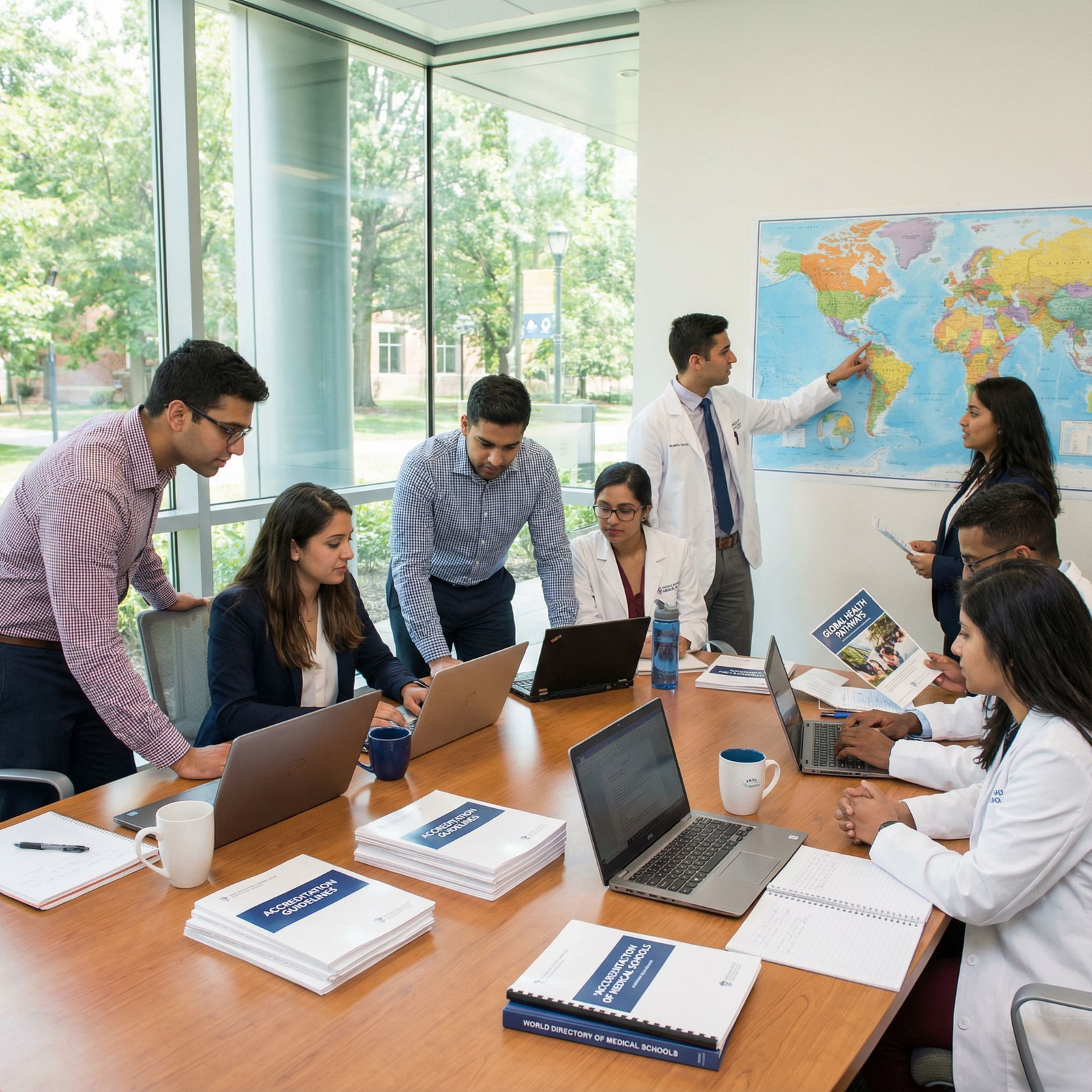
Accreditation is one of the most critical markers of educational quality and recognition. For Caribbean Medical Schools, key accrediting bodies include:
- Caribbean Accreditation Authority for Education in Medicine and Other Health Professions (CAAM-HP)
- Accreditation Commission on Colleges of Medicine (ACCM)
- Other agencies recognized as comparable by the World Federation for Medical Education (WFME)
Why does this matter?
- The Educational Commission for Foreign Medical Graduates (ECFMG)—which certifies international medical graduates (IMGs) to enter U.S. residency—requires that graduates come from schools accredited by a WFME-recognized body (a key change solidified in the 2020s).
- Many U.S. state medical boards, such as in New York, California, and Florida, perform their own evaluation or rely on recognized accrediting agencies when determining whether a school’s graduates can obtain licensure.
Several well-established Caribbean schools now meet or exceed these accreditation standards and are listed in the World Directory of Medical Schools (WDOMS) with ECFMG-eligible status.
Evidence of Educational Rigor and Outcomes
Top-tier Caribbean Medical Schools:
- Use U.S.-style curricula modeled after LCME-accredited medical schools
- Prepare students for USMLE Step 1 and Step 2 CK using intensive prep resources
- Offer early clinical exposure and structured basic-science teaching
- Partner with U.S. and U.K. teaching hospitals for core and elective clinical rotations
For example, schools such as St. George’s University (SGU), Ross University School of Medicine (RUSM), and American University of the Caribbean (AUC) have consistently reported:
- Hundreds of graduates each year matching into U.S. residency programs
- Placement across a range of specialties, including Internal Medicine, Pediatrics, Family Medicine, Psychiatry, and even some competitive fields for top-performing students
While outcomes vary by individual performance and school, the idea that Caribbean Medical Schools as a whole are educationally “inferior” is not accurate. Rather, there is a spectrum—and the onus is on applicants to distinguish between higher- and lower-quality programs.
How to Assess Educational Quality
If you are evaluating schools, look beyond marketing and ask:
- What is the school’s accreditation status and by which body?
- Are they listed in the World Directory of Medical Schools with an ECFMG-eligible notation?
- What are their first-time USMLE pass rates (Step 1 and Step 2 CK)?
- What is their average time to graduation and attrition rate?
- Where have graduates matched for residency in the past 3–5 years?
Asking these questions will give you a far clearer sense of educational quality than blanket myths.
Myth #2: “Caribbean Medical School Graduates Don’t Match into Residency”
The Reality: Matching Is More Challenging, but Far from Impossible
Another pervasive belief is that if you attend a Caribbean Medical School, you will never secure a residency position in the U.S. or Canada. The data tell a more complex story.
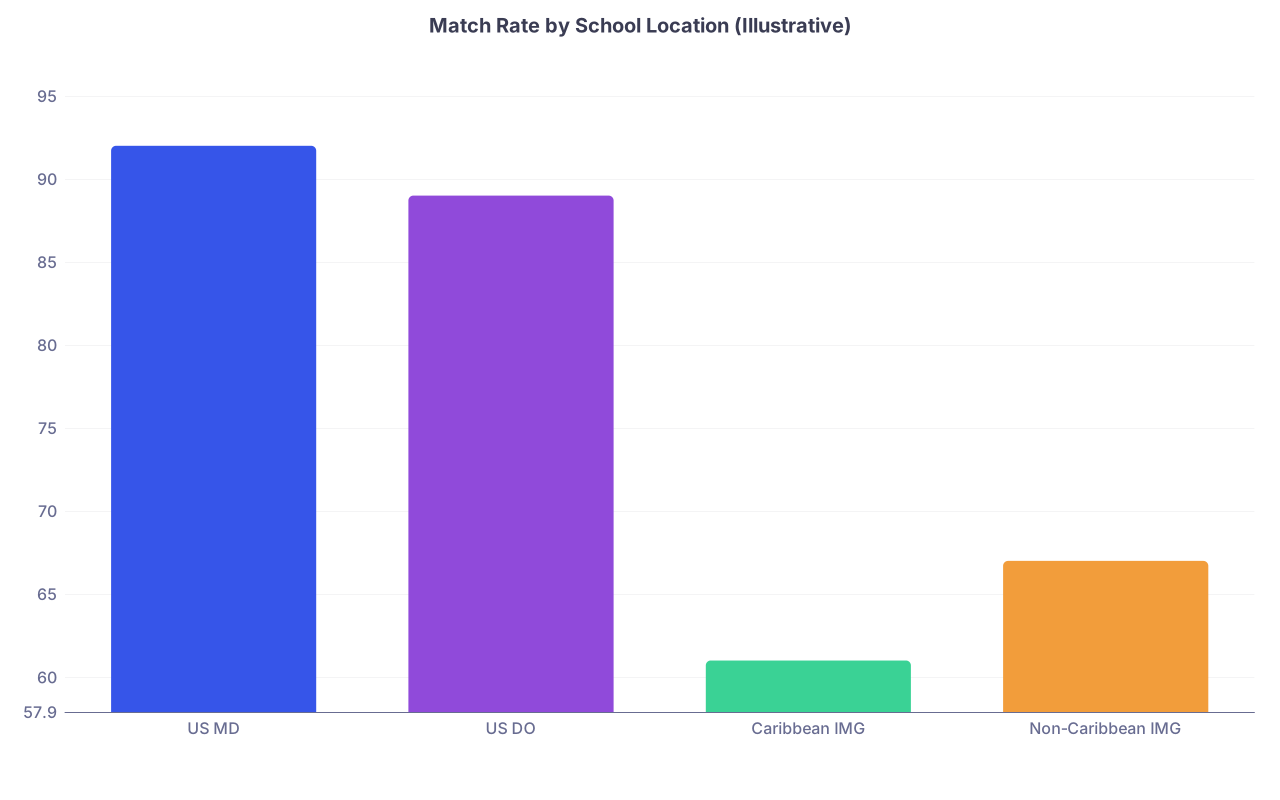
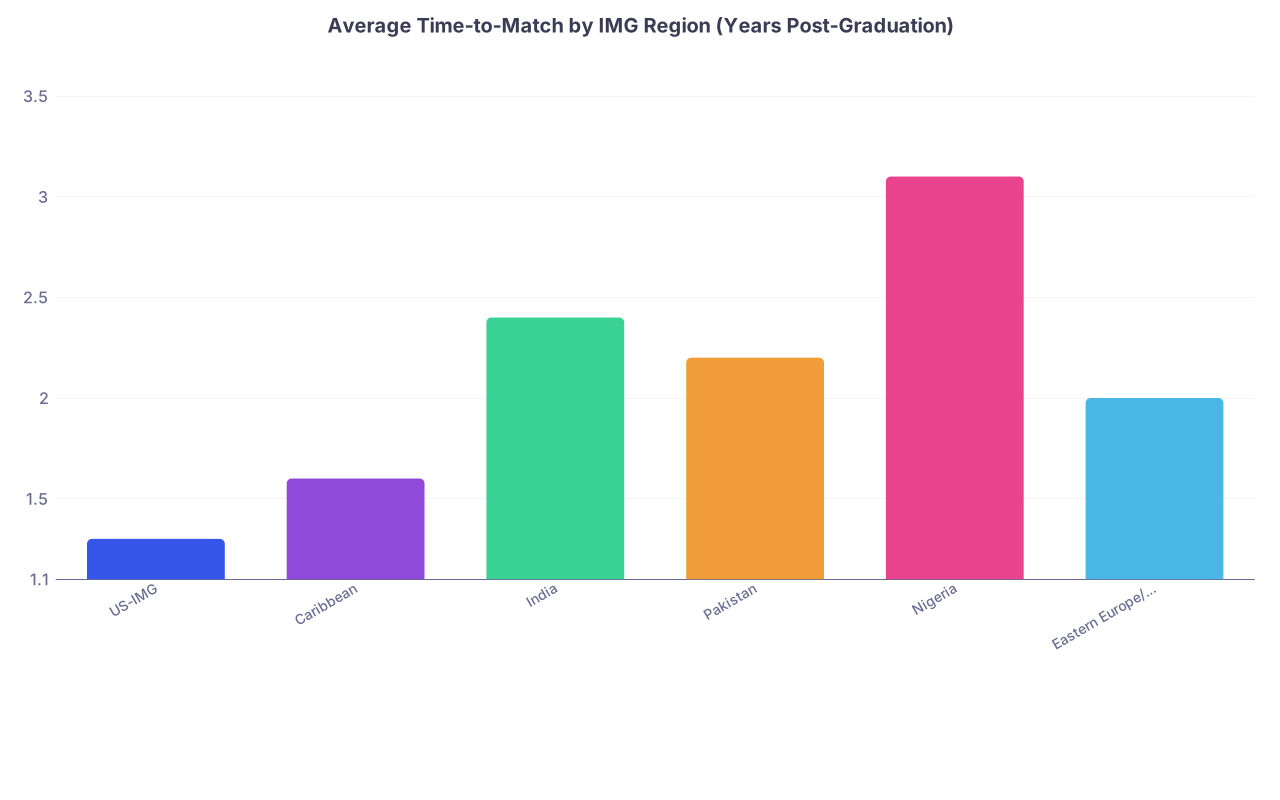
International Medical Graduates (IMGs), including Caribbean-trained physicians, do face more competition and lower overall match rates compared with U.S. MD seniors. However, each year thousands of IMGs—including many from Caribbean Medical Schools—successfully match into residency programs across the United States.
Understanding the Match Landscape for Caribbean Graduates
According to recent National Resident Matching Program (NRMP) data:
- More than half of IMGs who actively participated in the Match obtained residency positions.
- A substantial portion of those IMGs were graduates of Caribbean Medical Schools.
- Many matched into core specialties like Internal Medicine, Family Medicine, Pediatrics, and Psychiatry, with some in transitional years and prelim positions that can serve as entry points to further training.
The lower match rate compared to U.S. MD seniors does reflect real challenges:
- Program directors may perceive higher variability in training and preparedness among IMGs.
- Visa issues can complicate hiring in certain programs or states.
- Some competitive specialties rarely take IMGs unless they are top-tier applicants with exceptional metrics and research.
However, these obstacles do not equate to an impossibility. They instead mean that Caribbean students must be particularly strategic, disciplined, and proactive.
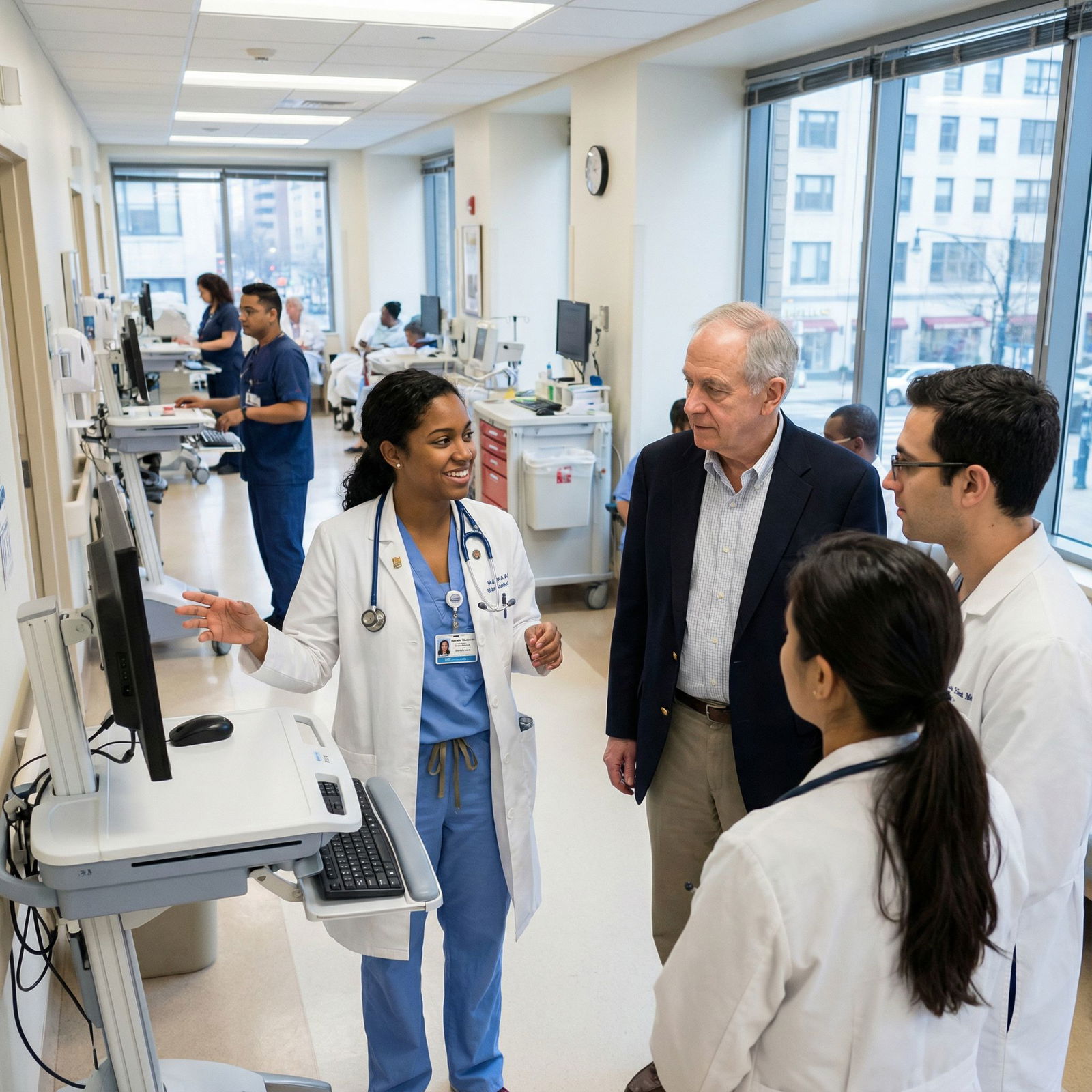
Key Factors That Improve Residency Prospects
Caribbean graduates who successfully match tend to have several things in common:
Strong Academic Performance
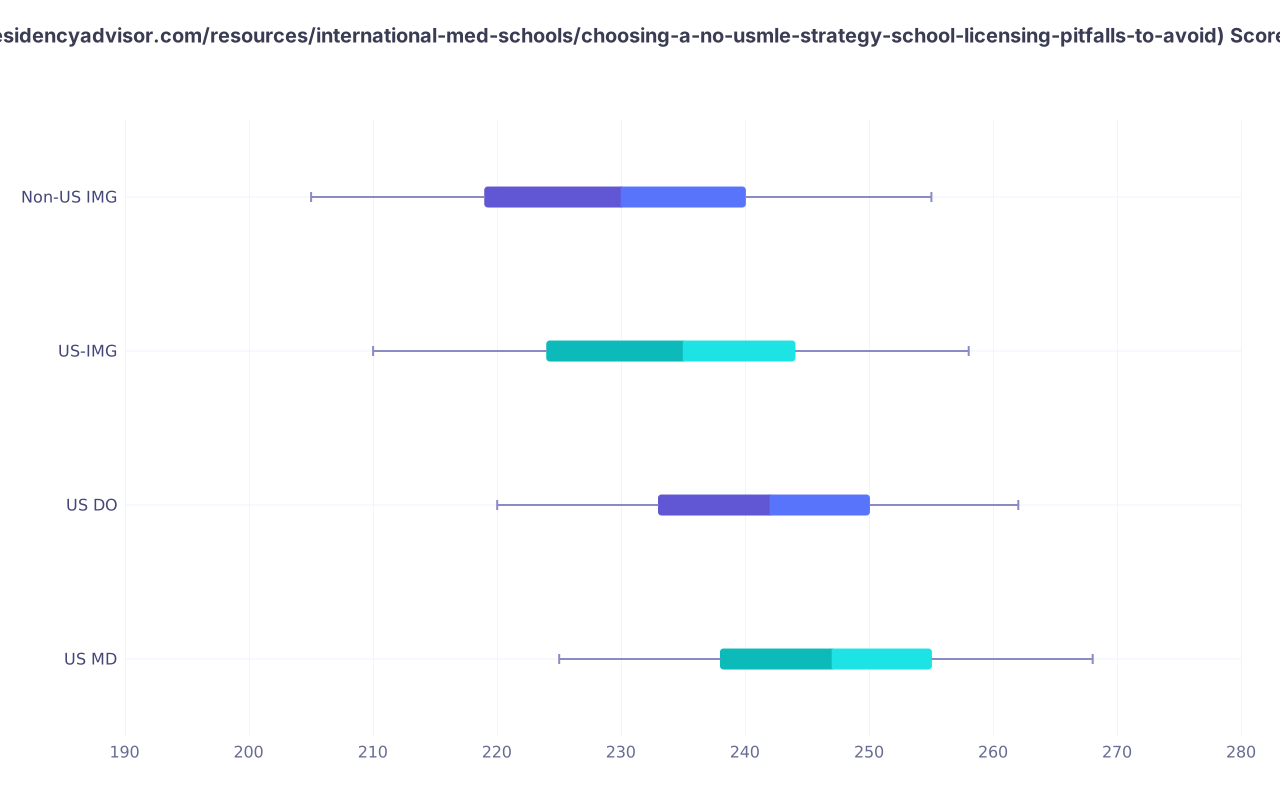
- High USMLE Step 1 and Step 2 CK scores
- Solid basic science foundation and clinical reasoning skills
Strategic Clinical Rotations
- Completing core and elective rotations at U.S. teaching hospitals
- Obtaining strong letters of recommendation from U.S.-based attendings
- Targeting rotations in the specialty and geographic region of interest
Thoughtful Specialty Selection
- Applying to specialties that are more IMG-friendly (e.g., Internal Medicine, Family Medicine, Pediatrics, Psychiatry, Neurology, some Pathology programs)
- Using tools like NRMP’s Charting Outcomes and FREIDA to research program characteristics
Professionalism and Communication
- Demonstrating reliability, strong work ethic, and teachability on the wards
- Building a reputation as a team player whom attendings want to recommend
Applying Broadly and Early
- Submitting residency applications as early as possible in the ERAS season
- Applying to a higher number of programs than typical U.S. MD seniors
Practical Advice for Prospective or Current Caribbean Students
- Start USMLE preparation early; treat Step 1 and Step 2 as career-defining examinations.
- Seek out U.S. clinical electives in your target specialty and region.
- Plan research or scholarly projects if possible; publications and posters can help differentiate you.
- Use your school’s residency advising resources and talk to recent graduates about their strategies.
Matching from a Caribbean Medical School is challenging but achievable when combined with strong academics, smart planning, and persistent effort.
Myth #3: “All Caribbean Medical Schools Are Basically the Same”
The Reality: There Is Major Variation in Accreditation, Outcomes, and Support
Another harmful oversimplification is the notion that all Caribbean Medical Schools can be treated as interchangeable options. In reality, schools differ substantially in:
- Accreditation and recognition
- Academic rigor and support systems
- Clinical rotation networks
- Residency outcomes and alumni networks
- Campus resources and student services
Accreditation and Recognition: A Critical Differentiator
As noted earlier, not every Caribbean school is accredited by a WFME-recognized agency. Some are in the process of seeking accreditation, others may have partial recognition, and a few are not accredited at all.
Prospective students should:
- Confirm that the school is listed in the World Directory of Medical Schools.
- Check that its entry in WDOMS includes the note “ECFMG eligible” (or equivalent).
- Verify accreditation with bodies such as CAAM-HP or ACCM.
- Review state-specific approval, especially in New York, California, Texas, and Florida, which have stricter regulations.
Lack of proper accreditation can affect:
- Your ability to sit for USMLE.
- Your eligibility for ECFMG certification.
- Your options for U.S. residency and state licensure down the line.
Academic and Clinical Infrastructure
Beyond accreditation, consider:
- Curriculum structure (systems-based vs. traditional, integrated clinical experiences, small group learning)
- Faculty credentials and student-to-faculty ratios
- Access to simulation labs, anatomy facilities, and academic support (tutoring, advising, mental health services)
- Clinical rotation network:
- Which hospitals?
- Are they ACGME-affiliated U.S. teaching hospitals?
- How are rotations scheduled and supported?
Examples of Distinctions
Some schools—such as University of the West Indies (UWI), St. George’s University (SGU), Ross University (RUSM), American University of Antigua (AUA), and American University of the Caribbean (AUC)—have:
- Long-standing accreditation
- Large alumni networks across the U.S., Canada, and the Caribbean
- Documented histories of placing graduates into residency programs
Other lesser-known or newer schools may:
- Have limited data on residency outcomes
- Lack robust U.S. rotation networks
- Have higher attrition rates
These differences can significantly impact your training experience and long-term career trajectories.
Actionable Steps for Applicants
When comparing Caribbean Medical Schools, create a structured checklist:
Accreditation & Eligibility
- WFME-recognized accreditation?
- ECFMG eligibility confirmed?
Academic Performance Metrics
- First-time USMLE pass rates
- Attrition and on-time graduation rates
Clinical Opportunities
- U.S. vs. local rotations
- Specialty availability (do they offer all core rotations?)
Residency Match Outcomes
- Number and percentage of graduates matching annually
- Types of specialties and locations
Support Services
- Academic tutoring, Step prep, career advising
- Wellness and mental health support
Treat each school as an individual entity; never choose based solely on location or marketing.
Myth #4: “Caribbean Medical Schools Are Just a Last Resort for ‘Weak’ or ‘Troubled’ Students”
The Reality: Students Choose Caribbean Schools for Diverse and Often Strategic Reasons
There is a persistent stigma that Caribbean Medical Schools are only for students who “couldn’t make it” into U.S. or Canadian MD programs. While it is true that some applicants turn to Caribbean options after unsuccessful application cycles, that does not mean they are unqualified or incapable.
In reality, Caribbean programs often attract:
- Non-traditional students (career changers, those with families, or prior healthcare careers)
- Students with upward academic trends who improved late in their undergraduate careers
- Applicants who had limitations on applying domestically (e.g., citizenship status, geographic constraints, family obligations)
- Students seeking a more flexible or rolling admissions process rather than a once-per-year cycle
Many of these candidates are highly motivated, mature, and committed to the long-term demands of physician training.
Academic Profiles and Holistic Admissions
Caribbean Medical Schools typically offer:
- Greater flexibility with GPA and MCAT cutoffs, especially looking at candidates holistically.
- Consideration of life experience, resilience, and non-academic strengths.
- Opportunities for students who may have had one “bad semester” or took longer to discover medicine as a career.
Research has shown that standardized tests and GPA alone do not perfectly predict clinical performance or physician quality. Many students who thrive in Caribbean Medical Schools had acceptable or even strong academic metrics, but faced limited seats in extremely competitive U.S. and Canadian schools.
Diversity of Experience as a Strength
Training in the Caribbean often means:
- Immersion in multicultural, resource-variable healthcare settings
- Exposure to tropical medicine, public health challenges, and limited-resource care
- Learning to adapt, communicate, and problem-solve in new environments
These experiences can cultivate valuable physician traits: adaptability, cultural humility, and resilience—qualities that residency programs and future patients can benefit from.
Myth #5: “Credits and Training from Caribbean Medical Schools Are Not Recognized in the U.S.”
The Reality: Recognition Depends on Accreditation, But Many Schools Are Widely Accepted
A common worry is that coursework or clinical training completed at Caribbean Medical Schools will not be recognized by U.S. institutions, rendering the degree “worthless.” This is an oversimplification.
What “Recognition” Actually Means
For most students, the primary goals are:
- Eligibility for USMLE exams
- ECFMG certification
- Qualification for U.S. residency programs
- State licensure after residency
For ECFMG certification and USMLE eligibility, the key factors are:
- Attending a school listed in the World Directory of Medical Schools.
- Ensuring that the school holds WFME-recognized accreditation.
Graduates of properly accredited Caribbean Medical Schools who meet exam and certification requirements can—and regularly do—go on to U.S. residency and licensure.
Transferring Between Medical Schools
Transferring during medical school (e.g., from a Caribbean institution to a U.S. MD or DO program) is less common and more complex:
- U.S. MD and DO schools may accept very few transfer students each year, if any.
- Transfers typically require:
- Excellent academic performance and USMLE scores (if taken)
- Detailed syllabus review and mapping of completed coursework
- Compatibility with the receiving school’s curriculum
That said, some Caribbean schools maintain formal affiliations or articulation agreements with U.S. universities for select programs or years, which can facilitate limited transfer or joint-degree opportunities.
Practical Takeaways
If your primary goal is to become a practicing physician in the U.S., focus on:
- Accreditation and ECFMG eligibility
- USMLE scores and strong clinical evaluations
If you are specifically hoping to transfer to a U.S. medical school, recognize that:
- This is uncommon and highly competitive, even from reputable Caribbean programs.
- You should not enroll with the transfer as your only viable plan.
In other words, the path from a well-accredited Caribbean Medical School to U.S. residency and licensure is very real—but you should enter with clear expectations and a focus on excelling where you are.

Strategic Considerations Before Choosing a Caribbean Medical School
Aligning Your Goals with the Caribbean Path
Caribbean Medical Schools can be a solid route for students who:
- Are deeply committed to becoming physicians and are willing to handle extra hurdles
- Can accept a higher-risk, higher-effort path compared to U.S. MD/DO schools
- Are ready to relocate internationally and adapt to a different cultural and academic environment
However, this path may not be ideal if:
- You are uncertain about medicine as a long-term career
- You are unable or unwilling to tolerate academic and financial risk
- You prefer the lowest-risk route to residency (in which case, reapplying to U.S. MD/DO or considering other healthcare professions might be more appropriate)
Financial and Personal Planning
Before enrolling, consider:
- Total cost of attendance: tuition, housing, travel, exam fees, and potential interest on loans
- Availability of federal loans or private financing (many Caribbean schools are eligible for U.S. federal loans, but not all)
- Impact of distance from family and support systems
- Your plan for USMLE prep, research, and rotations
Having a realistic financial and personal support plan significantly improves your chances of success.
Conclusion: Caribbean Medical Schools as a Legitimate—But Demanding—Path to Medicine
Caribbean Medical Schools are neither the “easy way out” nor a dead end. They represent a legitimate, internationally recognized pathway for dedicated students who understand the trade-offs, plan strategically, and commit fully to their medical education.
Key takeaways:
- Not all Caribbean schools are alike. Accreditation, outcomes, and resources vary widely.
- Graduates of well-accredited Caribbean Medical Schools routinely match into U.S. residencies, particularly in core, IMG-friendly specialties.
- Success from this route requires strong academic performance, excellent USMLE scores, proactive clinical networking, and resilience.
- Decisions should be based on current data, accreditation status, and realistic self-assessment, not stigma or outdated myths.
If you are seriously considering this path, invest time in research, speak with current students and alumni, and evaluate whether your academic profile, financial situation, and personal resilience align with the demands of Caribbean medical training.
FAQ: Caribbean Medical Schools, Accreditation, and Residency Matching
1. Are Caribbean Medical Schools accredited, and how do I verify this?
Many Caribbean Medical Schools are accredited, but not all. To verify:
- Check whether the school appears in the World Directory of Medical Schools (WDOMS).
- Confirm that its WDOMS listing notes ECFMG eligibility.
- Review the school’s accreditation on the websites of CAAM-HP, ACCM, or another WFME-recognized agency.
- Look up state-specific lists (e.g., New York, California) for approved international schools.
If accreditation or ECFMG eligibility is unclear, proceed with extreme caution.
2. Can graduates of Caribbean Medical Schools practice in the U.S.?
Yes—if they graduate from a properly accredited school and successfully complete the required steps:
- Pass USMLE Step 1 and Step 2 CK.
- Obtain ECFMG certification.
- Match into and complete an ACGME-accredited residency program in the U.S.
- Fulfill state-specific licensure requirements, which may include additional exams or documentation.
Thousands of Caribbean-trained physicians currently practice in the U.S. in both primary care and specialty fields.
3. How competitive is residency matching for Caribbean Medical School graduates?
Residency matching is more competitive for IMGs, including Caribbean graduates, than for U.S. MD seniors. Match rates are lower, and certain specialties (like dermatology, plastic surgery, and neurosurgery) are extremely difficult to obtain.
However, many Caribbean graduates match each year, particularly in:
- Internal Medicine
- Family Medicine
- Pediatrics
- Psychiatry
- Some Neurology and Pathology programs
Strong USMLE scores, excellent clinical evaluations, strategic specialty selection, and broad, early applications are essential to maximize your chances.
4. How does the cost of Caribbean Medical Schools compare to U.S. medical schools?
Costs vary by institution, but many Caribbean Medical Schools have tuition comparable to or slightly lower than private U.S. MD programs, though often higher than in-state tuition at U.S. public schools.
When comparing costs, consider:
- Tuition and fees
- Housing and living expenses (often higher due to island imports)
- Travel costs between home and campus
- USMLE and application fees
- Loan interest over time
Ask each school about financial aid, scholarships, and federal loan eligibility. Make sure the total cost aligns with realistic expectations for future income and repayment.
5. What should I prioritize when deciding whether a Caribbean Medical School is right for me?
Focus on:
- Accreditation and ECFMG eligibility
- USMLE performance data and match outcomes
- Your academic readiness and willingness to work extremely hard
- Financial feasibility and access to support systems
- Your long-term goals (specialty interests, where you want to practice)
If, after careful research and self-reflection, you remain committed to medicine and accept the additional challenges of this route, a carefully chosen Caribbean Medical School can offer a viable path to becoming a physician.
By debunking common myths and focusing on accreditation, outcomes, and strategy, you can move beyond stigma and evaluate Caribbean Medical Schools as they truly are: a demanding but potentially rewarding path in international medical education and physician training.