
Europe has become one of the most attractive regions in the world for aspiring doctors who want to study abroad. For many premeds and medical applicants, especially International Students, European medical schools offer a balance of high-quality Medical Education, reasonable costs, rich cultural exposure, and strong career prospects in Healthcare Careers worldwide.
Below is a detailed guide to some of the best European countries for international medical students, how their systems work, and what to consider as you plan your path into medicine in Europe.
Why Europe Is a Top Choice for International Medical Education
Europe is not a single, unified medical education system but a collection of diverse national systems aligned through common standards such as the Bologna Process and, in many cases, EU regulations. This diversity gives you options—whether you’re seeking low tuition, English-taught programs, research intensity, or a particular lifestyle.
Key Advantages of Studying Medicine in Europe
High Academic and Clinical Standards
Many European medical universities consistently rank among the top in global rankings. Teaching hospitals are often part of national health systems, giving students access to:
- High patient volumes and case diversity
- Advanced diagnostic and therapeutic technologies
- Strong emphasis on evidence-based medicine and clinical guidelines
English-Taught Medical Programs
While not universal, a growing number of European medical schools offer complete MD or MBBS-equivalent programs in English, particularly designed for International Students. This makes Europe very accessible if you:
- Prefer to study in English
- Come from non-EU regions (Asia, Middle East, Africa, North America, etc.)
- Plan to later practice in other English-speaking countries
Globally Recognized Degrees
Reputable European medical degrees are often recognized by:
- National medical councils across Europe
- The World Directory of Medical Schools
- The Educational Commission for Foreign Medical Graduates (ECFMG) for US pathways (subject to school listing and evolving regulations)
This recognition can support a wide range of Healthcare Careers internationally, though you must always check the specific licensing requirements of the country where you plan to practice.
Cost-Effectiveness Compared to Other Regions
In many European countries, especially in Central and Eastern Europe and some Western European public universities:
- Tuition is significantly lower than in the US, UK, or Australia
- Some countries offer tuition-free education or very low fees, even to non-EU students
- Living costs can be moderate, depending on the city
Cultural and Professional Development
Studying in Europe naturally becomes a Study Abroad experience:
- Exposure to multiple languages and cultures
- Chance to work with international patient populations
- Strong emphasis on teamwork, communication, and cultural competence—essential for today’s global Healthcare Careers
Key Considerations Before Choosing a European Country
Before focusing on specific countries, it’s important to understand how to evaluate your options. Not all “English-taught” or “international” programs are equal.
Accreditation and Licensing Pathways
Always investigate:
- Is the school officially accredited by national education and health authorities?
- Is it listed in trusted directories (e.g., World Directory of Medical Schools)?
- What is the track record for graduates matching into residency or getting licensed in:
- The United States (USMLE + ECFMG rules)
- The United Kingdom (UKMLA/PLAB)
- Canada, Australia, or your home country
This step is critical. A low-cost degree is not helpful if you cannot register as a doctor where you intend to work.
Language Requirements and Clinical Training
Even in fully English-taught programs, clinical years often require communication in the local language. Ask:
- When does clinical exposure begin (early vs. later years)?
- What language level is required for patient interaction (e.g., B2 in German, Polish, Swedish, etc.)?
- Does the university provide structured language courses?
EU vs. Non-EU Students
Within Europe, EU/EEA citizens often enjoy:
- Lower or no tuition fees at public universities
- Easier access to some postgraduate training positions
Non-EU students can still thrive, but must plan more carefully regarding:
- Visa and residence permit rules
- Restrictions on work during and after studies
- Competition for residency positions
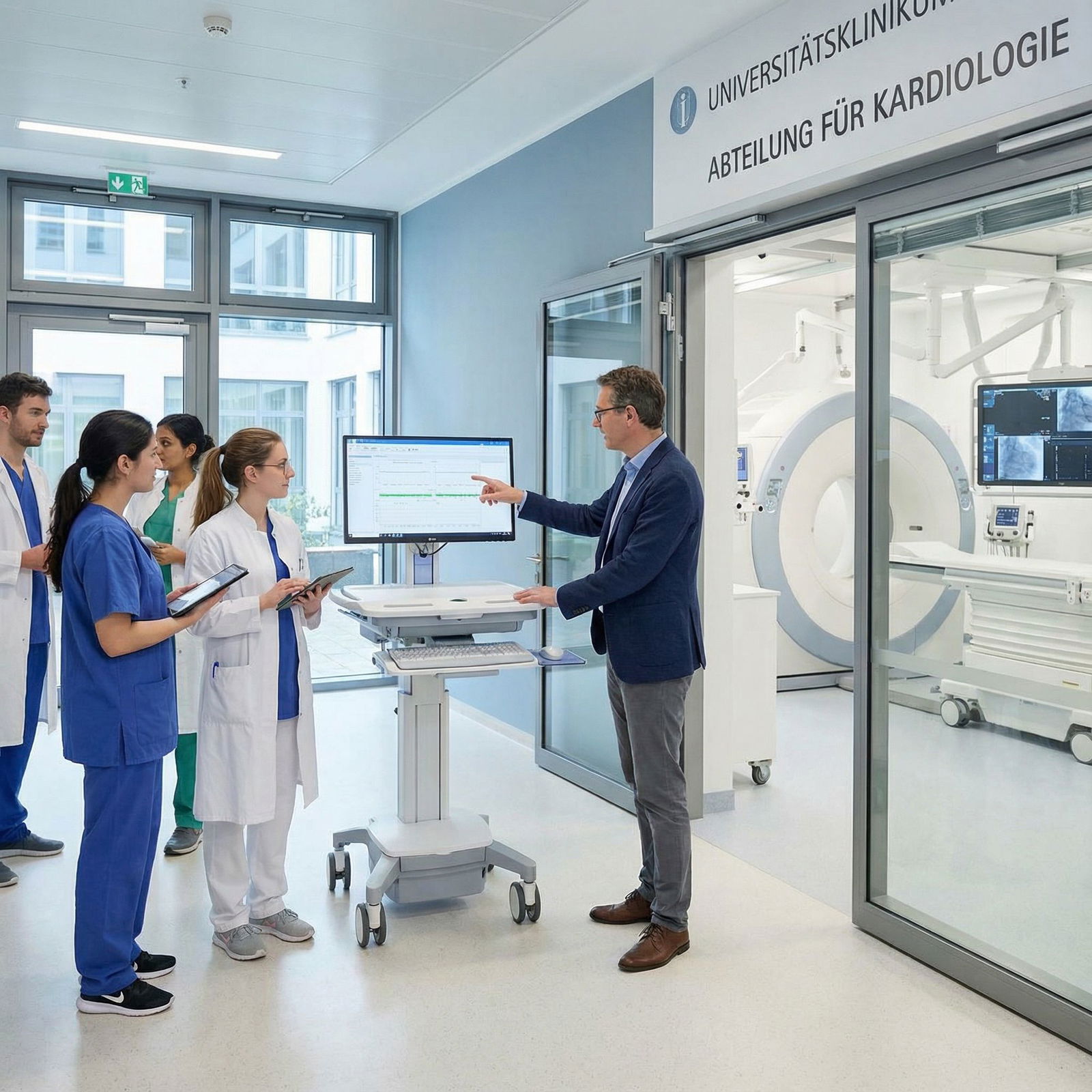
Germany: Research Powerhouse with Low-Cost Medical Education
Germany is frequently at the top of lists for International Students seeking Medical Education in Europe, especially those interested in research and strong public healthcare systems.
Why Germany Stands Out
Tuition-Free or Very Low Tuition
Public universities traditionally charge minimal or no tuition, even for non-EU students (though some federal states have introduced modest fees). Semester contributions cover administration and often local transport.Strong Research and Innovation Culture
Germany is home to world-renowned research institutes and university hospitals, ideal if you’re interested in academic medicine or PhD pathways.
Leading Medical Universities in Germany
Heidelberg University
- One of Germany’s oldest and most prestigious universities
- Strong focus on biomedical research, oncology, and translational medicine
Charité – Universitätsmedizin Berlin
- One of Europe’s largest university hospitals
- Internationally recognized for research, clinical excellence, and history
- Many collaborative projects with global institutions
Language and Curriculum Structure
Language:
- The vast majority of standard medical programs (Staatsexamen) are taught in German.
- Clinical interaction with patients requires strong German (usually at least B2/C1).
Program Length:
- Typically six years plus the state examinations.
- Structured in preclinical (Vorklinik), clinical (Klinik), and practical year (Praktisches Jahr).
Work and Residency Opportunities
Germany faces a physician shortage, particularly in certain regions and specialties, which can benefit international graduates who:
Obtain strong German language skills
Successfully complete licensing requirements and standard exams
Apply for residence permits for job search and work after graduation
For students who want a low-cost, high-quality education and are willing to invest in learning German, Germany is a top-tier choice.
Poland: Accessible, English-Taught Medical Programs with Reasonable Costs
Poland has rapidly grown as a Study Abroad destination for international medical students, particularly from Asia, the Middle East, North America, and other parts of Europe.
Why International Students Choose Poland
Multiple English-Taught MD Programs
Several Polish universities offer full 6-year medical programs in English, specifically targeting International Students.Balanced Cost of Study and Living
- Tuition is often lower than in Western Europe or North America.
- Living expenses (rent, food, transport) are relatively affordable in many cities.
Notable Polish Medical Universities
Jagiellonian University Medical College (Kraków)
- One of the oldest universities in Europe
- Well-established English-language medical program
- Strong academic reputation and vibrant student life in a historic city
Medical University of Gdańsk
- High proportion of international students
- English-taught MD programs
- Modern campus located near the Baltic Sea, with a growing research profile
Other well-known options include Warsaw Medical University, Medical University of Łódź, and others, though due diligence on accreditation is essential.
Language and Clinical Training
- Instruction: Lectures and exams are in English for the international tracks.
- Clinical Years: Students are generally expected to learn Polish for patient communication in wards and clinics. Many schools provide Polish language courses.
Career Prospects
Graduates from reputable Polish medical schools have:
- Matched into residencies in Europe, the US, and elsewhere (depending on exam performance and individual profiles)
- Opportunities to remain in Poland for specialization, though language fluency and regulations apply
Poland is especially appealing for students who want an English-taught program in Europe with respectable costs and an active international student community.
Sweden: Research-Focused Medical Education and High Quality of Life
Sweden is known for its innovation, strong public health focus, and exceptional quality of life. It is an attractive destination for students prioritizing research and a progressive social environment.
Strengths of Studying Medicine in Sweden
- World-Class Research Institutions
Sweden invests heavily in medical research, biotechnology, and public health. - Focus on Evidence-Based, Patient-Centered Care
Communication skills, ethics, and interdisciplinary work are central themes.
Top Swedish Medical Universities
Karolinska Institutet (Stockholm)
- Globally renowned, home of the Nobel Assembly for the Nobel Prize in Physiology or Medicine
- Strong emphasis on biomedical research and global health
Uppsala University
- One of Sweden’s oldest universities
- Comprehensive, research-intensive medical curriculum with international collaborations
Language and Program Structure
Language of Instruction:
- Many advanced degrees and research programs are in English.
- However, core medical programs for undergraduates are often in Swedish, and clinical practice requires fluency in Swedish.
Pathways for International Students:
- Particularly strong for those pursuing master’s or PhD programs in medical or biomedical sciences.
- Some routes for clinical medicine exist but require substantial language preparation.
Postgraduate Opportunities
Sweden offers:
- Relatively streamlined immigration pathways for skilled graduates
- Potential work visas and post-study options
- High salaries and excellent working conditions for physicians, though competition can be strong and Swedish language skills are non-negotiable for practice
Sweden is ideal if you aim for a research-heavy career, academic medicine, or public health—and are prepared for the language and competitiveness.
The Netherlands: Innovative Teaching and Strong Healthcare System
The Netherlands is known for its student-centered learning, problem-based education (PBL), and highly regarded healthcare system. For international applicants, it can be a compelling yet competitive option.
What Makes the Netherlands Attractive
Innovative Medical Education Models
Dutch programs often emphasize:- Problem-Based Learning
- Early clinical exposure
- Interdisciplinary teamwork
High Ranking in Global Health and Healthcare Quality
Exposure to one of Europe’s most efficient, accessible healthcare systems.
Key Dutch Medical Schools
Leiden University Medical Center (LUMC)
- Major center for clinical care and biomedical research
- Strong international collaborations
Utrecht University
- Known for its research-driven environment and emphasis on independent learning
- Student-centered approach with modern curricula
Language and Program Access
Language:
- While some preclinical years or specific tracks may incorporate English, full medical programs are predominantly taught in Dutch.
- Clinical training requires proficiency in Dutch.
International Pathways:
- Many opportunities for exchange programs, electives, and research internships for international students.
- Fully English-taught medical degrees at the undergraduate level are limited; however, related programs (biomedical sciences, public health) can be in English.
Work and Residency
Physicians in the Netherlands enjoy:
- Strong professional support structures
- Competitive remuneration
- High standards for work-life balance
However, for non-Dutch-speaking international students, the main challenge is language and limited spaces in undergraduate medical programs.
Italy: Historic Universities and Expanding English-Taught Medical Programs
Italy combines centuries-old academic traditions with growing internationalization. It has become increasingly popular among non-EU applicants seeking English-taught medical programs in Europe.
Why Consider Italy for Medical School
Historic and Prestigious Institutions
Many Italian universities are among the oldest in the world, with rich academic and cultural legacies.Multiple English-Taught MD Programs
Over the last decade, Italy has expanded English-language MD programs at several public universities, making it more accessible to International Students.
Leading Italian Medical Schools for International Students
University of Milan (Università degli Studi di Milano)
- Offers medical programs with strong clinical exposure and research links
- Located in a major economic and cultural hub
Sapienza University of Rome
- One of Europe’s largest universities
- Offers a Medicine and Surgery program in English
- Access to multiple teaching hospitals in the capital city
Other notable options include universities in Pavia, Padua, and Bologna that also offer English-taught medical tracks.
Admissions, Language, and Cost
Admissions Tests:
Italy uses standardized entrance exams (previously IMAT; updated tools and formats may apply) for English-taught programs, taken in test centers worldwide.Language:
- Programs are taught in English.
- Learning Italian is important for clinical rotations and daily life; many schools integrate Italian language training into early years.
Tuition and Living Costs:
- Tuition at public universities is moderate compared with Anglo-American systems.
- Living costs vary widely—Milan and Rome are more expensive than smaller cities.
Lifestyle and Career Prospects
Italy offers:
- Deep cultural immersion (art, history, cuisine, language)
- Opportunities to specialize and work in Italy (with EU regulations, language fluency, and competition to consider)
- Increasing recognition of its international medical programs worldwide
For applicants seeking a combination of strong Medical Education, rich cultural experiences, and English-taught curricula, Italy is a highly appealing option.

How to Choose the Right European Country and Program
Selecting where to study medicine in Europe is a strategic decision that affects your long-term career. Here are practical steps and criteria.
Step 1: Clarify Your Long-Term Career Goals
Ask yourself:
- Where do I ultimately want to practice? (Home country, EU, US, UK, etc.)
- How important is research vs. clinical practice?
- Do I prefer a highly competitive, prestigious environment or a more balanced lifestyle?
Step 2: Map Licensing Requirements Backwards
Research the destination country where you want to work and determine:
- Required exams (e.g., USMLE, UKMLA/PLAB, national licensing tests)
- Recognition of foreign medical schools
- Need for postgraduate training in that country
Then, prioritize European programs whose graduates successfully navigate those pathways.
Step 3: Evaluate Costs and Scholarships
Create a realistic budget including:
- Tuition fees for all years (6 years is typical for MD/MBBS-equivalent in Europe)
- Living expenses (housing, insurance, food, transport, visas)
- Exam fees, travel for electives, preparation courses
Look for:
- Government scholarships (e.g., DAAD in Germany, national scholarships in Poland, Sweden, Italy)
- University-specific merit scholarships for International Students
Step 4: Consider Language and Culture
- Are you willing and able to learn the local language to at least B2 level?
- Do you prefer a cosmopolitan capital city or a smaller university town?
- What climate, lifestyle, and cultural environment support your well-being?
Successful international medical students in Europe are usually those who embrace the local culture and language, not only those who attend an English-taught curriculum.
Step 5: Contact Current Students and Alumni
Whenever possible:
- Join official or unofficial student groups (social media, forums)
- Attend virtual open days or Q&A sessions
- Ask specifically about:
- Teaching quality
- Clinical exposure
- Support services for international students
- Residency or job outcomes after graduation
Conclusion: Europe as a Launchpad for Global Healthcare Careers
For premeds and aspiring doctors exploring Study Abroad options, Europe offers a unique combination of:
- High-standard Medical Education
- Diversity in curricula and teaching styles
- Opportunities to learn new languages and cultures
- Multiple routes into global Healthcare Careers
Germany, Poland, Sweden, the Netherlands, and Italy each provide distinct strengths—from tuition-free public education and research intensity to English-taught programs and historic campuses.
Your ideal choice will depend on your language readiness, financial situation, academic profile, and where you envision practicing medicine. With careful planning and thorough research on accreditation and licensing, a European medical degree can become a powerful foundation for an international medical career.
Frequently Asked Questions (FAQ)
1. How do international students typically apply to medical schools in Europe?
Most European countries use one of the following systems:
- Centralized online application portals (e.g., some national systems where you rank multiple universities)
- Direct applications to universities, often via their international admissions office
Common requirements include:
- High school transcripts with strong science performance
- Proof of language proficiency (English and/or local language)
- Entrance exams (e.g., IMAT in Italy, university-specific tests, or adapted MCAT-style exams)
- Motivation letters, CV, and sometimes interviews
Always check each university’s official website, as criteria, deadlines, and required documents vary significantly by country and institution.
2. Are European medical degrees recognized in the United States, Canada, or other non-European countries?
Many accredited European medical schools are recognized for purposes such as:
- ECFMG certification and USMLE eligibility for the United States (subject to evolving rules around school certification and dates of graduation)
- Various national medical council requirements in Canada, the UK, and elsewhere
However, recognition is not automatic. You must:
- Confirm that your target school is listed in the World Directory of Medical Schools
- Check the latest regulations for the country where you plan to practice
- Understand that residency positions can be competitive and may favor domestic graduates
Early planning—ideally before you apply to schools—is essential.
3. Do European medical schools offer scholarships or financial aid for international students?
Yes, many do, but availability varies widely:
- National scholarship programs (e.g., DAAD in Germany, governmental schemes in Poland or Sweden)
- University-specific scholarships for high-achieving international applicants
- Need-based aid in some Western European countries
Because funding is competitive, you should:
- Start researching at least 12–18 months before your intended start date
- Carefully review eligibility criteria (citizenship, academic performance, program type)
- Prepare supporting documents early (recommendation letters, personal statements, financial documents)
4. Is it necessary to learn the local language if my program is taught in English?
For most European medical programs, yes, in practice:
- Preclinical courses may be entirely in English.
- Clinical training almost always involves patients who speak the local language (German, Polish, Italian, Dutch, Swedish, etc.).
Without local language skills:
- Your clinical learning will be limited.
- Your chances of remaining in the country for residency or work will drop significantly.
Many schools provide language courses, but you should expect to put in serious effort to reach a functional, patient-safe level of fluency.
5. What is daily life like for international medical students in Europe?
While experiences differ by country and city, international medical students in Europe often report:
- Vibrant student communities with clubs, sports, and cultural events
- Efficient public transport and relatively safe environments
- Diverse food and cultural scenes, especially in larger cities
- A workload that becomes very intense in clinical years, requiring good time management
Most universities have international student offices, mentoring programs, and counseling services to help with academic, cultural, and personal adjustment. Choosing the right environment—big city vs. smaller town, colder vs. warmer climate—can make a significant difference in your overall well-being during medical school.
Pursuing Medical Education in Europe can be a transformative Study Abroad experience that opens doors to global Healthcare Careers. With thoughtful research, clear goals, and a willingness to adapt culturally and linguistically, international students can thrive in some of the world’s most respected medical education systems.