Introduction: Why Networking and Support Matter So Much for IMGs
For many International Medical Graduates (IMGs), the path to practicing medicine in countries like the United States or Canada is both exciting and intimidating. Beyond exams, visas, and credentialing, there is another crucial determinant of success that is sometimes overlooked: your relationships.
Strategic Networking, intentional Mentorship, and strong Support Systems can dramatically influence your residency prospects, your well-being, and your long-term career development. These elements are not “extras” or nice-to-haves; for IMGs, they can be the difference between remaining an unknown applicant and becoming a valued colleague in a residency program.
This expanded guide will help you:
- Understand why networking is uniquely important for International Medical Graduates
- Build a professional network in a new country, both in-person and online
- Develop robust support systems—academic, professional, and emotional
- Find and work effectively with mentors
- Use volunteering, observerships, and research to stand out
- Leverage social media and virtual events strategically for career development
Whether you are still in medical school abroad, recently graduated, or already in the US/Canada preparing for residency applications, these strategies can help you move from isolation to integration in your new medical community.
The Strategic Importance of Networking for International Medical Graduates
Why Networking is Especially Critical for IMGs
For local graduates, faculty, alumni networks, and school reputation often “speak” for them. International Medical Graduates usually do not have that built-in advantage. Instead, they often face:
- Limited familiarity with their medical school among program directors
- Fewer local clinical experiences at teaching hospitals
- Visa considerations and perceived barriers
- Less access to “hidden” opportunities (informal research openings, shadowing, introductions)
Networking helps level the playing field. It allows you to:
- Demonstrate who you are beyond your CV
- Show commitment to the local healthcare system and patient population
- Obtain letters of recommendation from local physicians
- Learn unwritten rules about the match process and specialty expectations
- Discover opportunities that are never publicly posted
In competitive specialties or geographic regions, these relationships often become a deciding factor when programs select between otherwise similar applicants.
Building Professional Relationships in Person
Creating a strong local professional presence is one of the most valuable investments you can make.
Engage with Local Physicians and Clinical Sites
Introduce yourself thoughtfully:
When you interact with attendings, residents, or clinic staff, share a concise “elevator pitch”:- Who you are and where you trained
- Your current status (exam preparation, observer, research assistant, etc.)
- Your target specialty and long-term goals
Ask for specific guidance:
Instead of “Can you help me get a residency?” try:- “Would you be willing to give me feedback on how I can strengthen my application in internal medicine?”
- “Are there any local research or quality improvement projects I might be able to assist with?”
Follow up professionally:
Send a brief thank-you email within 24–48 hours:- Mention one thing you learned from them
- Express interest in staying in touch
- Connect on LinkedIn where appropriate
Join Professional and Cultural Physician Associations
Professional organizations offer a structured path into established networks, especially useful for IMGs.
Examples include:
- Specialty societies: American College of Physicians (ACP), American Academy of Family Physicians (AAFP), American College of Surgeons (ACS), etc.
- Ethnic or regional associations: American Association of Physicians of Indian Origin (AAPI), National Arab American Medical Association (NAAMA), American Association of Pakistani Physicians of North America (APPNA), and many others.
- Local medical societies: City or state/provincial medical associations.
Benefits for IMGs:
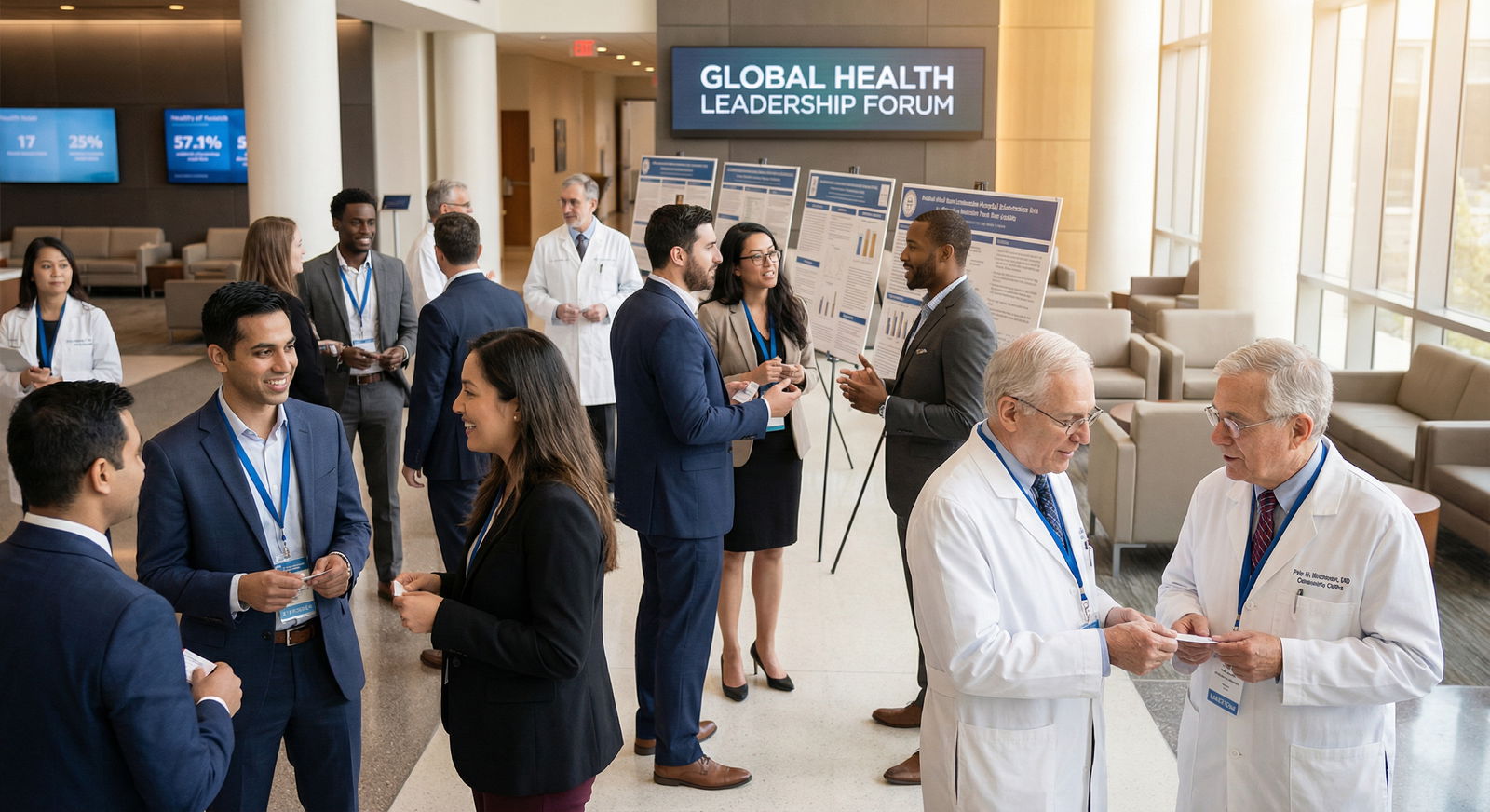
- Networking receptions at national and regional meetings
- IMG-focused mentorship programs or committees
- Access to workshops on licensing, visas, and career development
- Direct contact with physicians who understand both your background and your aspirations
Participate in Local Educational and Community Events
Do not underestimate the value of physically showing up:
- Hospital grand rounds and morbidity & mortality conferences
- Community health fairs and screening events
- University workshops on research, ethics, or quality improvement
Action steps:
- Introduce yourself to at least 1–2 people at each event.
- Prepare a 1–2 sentence summary of your interests (e.g., “I’m an IMG from Brazil interested in family medicine and improving care for underserved populations.”).
- Ask people what they do and what they enjoy about their work—people are more likely to remember you if they feel you listened and showed genuine curiosity.
Using Social Media and Digital Platforms for Networking and Visibility
In addition to in-person networking, online presence has become a powerful tool for International Medical Graduates. Used strategically, social media can amplify your visibility, strengthen your reputation, and connect you with mentors and opportunities worldwide.
Creating a Strong Professional Profile
Optimize Your LinkedIn Profile
LinkedIn is often the first place faculty and program staff will look you up.
Key elements to include:
Professional headline:
“International Medical Graduate | Internal Medicine Residency Applicant | Interested in Hospital Medicine & Quality Improvement”Professional photo:
Clear, well-lit headshot in professional attire with a neutral background.About / Summary section:
3–5 sentences highlighting:- Your medical education and home country
- Exam status (USMLE/ MCCQE/ others)
- Target specialty and specific interests
- Key experiences (research, leadership, global health, community engagement)
Experience and accomplishments:
- Clinical experiences (observerships, externships, electives)
- Research projects and presentations
- Volunteer work in healthcare or community settings
- Leadership roles (student organizations, committees, initiatives)
Maintain a Professional Presence on X (Twitter) and Other Platforms
X (Twitter), and to a lesser extent Instagram and Facebook, are popular among physicians and academic leaders.
How to use them professionally:
- Follow:
- Academic institutions and hospitals
- Specialty societies and journals
- Thought leaders and program directors
- Engage:
- Retweet and comment on educational threads
- Share brief reflections on articles or guidelines you read
- Join specialty-specific hashtag conversations (#MedTwitter, #NephTwitter, #FMRevolution, etc.)
Always protect patient confidentiality and maintain professionalism—assume program directors will see everything you post.
Engaging with Content and Building Your Voice
You do not need to be an influencer; you simply need to demonstrate curiosity, engagement, and professionalism.
Ideas for posts:
- Short takeaways from articles or guidelines you read
- Reflections on clinical ethics or communication skills (no patient identifiers)
- Lessons learned from conferences, webinars, or USCE (U.S. Clinical Experience)
- Sharing resources that helped you as an IMG (study tools, application tips)
Aim for consistency rather than volume—posting or engaging a few times per week is enough to keep you visible and build a professional footprint.
Building a Robust Support Network as an IMG
Networking is about professional relationships, but support systems address the whole person—your academic, emotional, and practical needs. The transition to a new country, culture, and healthcare system can be isolating; deliberate effort to build support is essential for both success and mental health.
Connecting with Other International Medical Graduates
Your fellow IMGs are often your best allies.
Ways to find IMG communities:
- Local hospital IMG groups or WhatsApp groups
- Student or graduate associations at universities involved in clinical electives or research
- Online forums and communities:
- Reddit communities for IMGs
- Facebook and Telegram groups for specific countries or specialties
- Specialty-specific IMG mentorship groups
Benefits of connecting with other IMGs:
- Sharing information about clinical electives, observerships, and research
- Comparing experiences with exams and applications
- Emotional validation from people who truly understand your journey
- Accountability partners for studying and goal setting
Leveraging Formal IMG Organizations and Resources
Several organizations specifically support International Medical Graduates:
ECFMG (Educational Commission for Foreign Medical Graduates):
Offers certification, guidelines, and sometimes workshops/webinars.Provincial/State licensing bodies and medical councils:
Often have dedicated IMG pages with pathways and requirements.University-based IMG programs:
Some schools run preparatory courses, bridging programs, or observership tracks for IMGs.
Use these not only as informational resources, but as networking hubs—staff, faculty, and coordinators often know about opportunities and can introduce you to others.
Emotional and Practical Support: Beyond Academics
The IMG journey can be emotionally demanding. Culture shock, financial pressures, family responsibilities, and the uncertainty of the match can contribute to anxiety and burnout.
Strategies for emotional support:
Build friendships outside medicine:
Neighbors, community groups, religious communities, and language exchange groups can provide a sense of grounding and belonging.Use counseling and wellness services:
If you are enrolled in a university or affiliated program, you often have access to:- Psychologists or counselors
- Stress management workshops
- Peer support groups
Maintain ties with family and friends back home:
Schedule regular calls or video chats. Share not only your challenges but also your small wins.Develop healthy routines:
Sleep, exercise, and nutrition often erode during exam prep or applications. A stable routine will make you more resilient and productive.
A strong support system is not a luxury—it's a protective factor against burnout and a key element of sustainable success.
Mentorship: A Powerful Accelerator for IMG Career Development
Why Mentorship is So Valuable for IMGs
A good mentor can:
- Explain nuances of the healthcare system and residency selection
- Help you prioritize steps in your career development
- Provide critical feedback on your CV, personal statement, and interview skills
- Introduce you to their professional network
- Advocate for you when opportunities arise
For International Medical Graduates who may feel invisible in a new system, a mentor is often the first person to say, “I see your potential—and I’m willing to invest in it.”
How to Find a Mentor as an IMG
You do not need to wait for a formal program to be assigned a mentor. You can actively create these relationships.
Potential sources:
- Attendings or residents from your clinical observerships or electives
- Supervisors from research or volunteer projects
- Physicians you meet at conferences or society meetings
- Alumni from your medical school now practicing in your target country
- Formal mentorship programs in specialty societies or IMG groups
Steps to approach a potential mentor:
- Start small: Ask for a brief meeting (15–20 minutes) to seek advice on a specific question (e.g., “Could you advise me on strengthening my application to internal medicine?”).
- Be prepared: Come with your CV and a list of specific questions.
- Demonstrate commitment: Show that you have already researched basic information (exam scores, timelines) and are now looking for deeper insights.
- Follow up: Thank them, summarize actionable points, and implement their suggestions.
Over time, you can ask if they would be comfortable being a more formal mentor.
Being an Excellent Mentee
Mentorship is a two-way relationship. To maintain it:
- Respect their time: Be punctual, prepared, and concise.
- Act on feedback: Show that you value their input by following through.
- Provide updates: Briefly share how their advice helped you achieve milestones.
- Offer value where you can: Help with data collection, literature searches, or projects.
Mentors are more willing to invest in mentees who are reliable, motivated, and appreciative.
Seizing Opportunities: Research, Volunteer Work, and Clinical Exposure
To stand out as an IMG, you need more than exam scores. Meaningful experiences in research, volunteering, and clinical environments in your target country show commitment, adaptability, and initiative.
Research: Building Academic Credibility and Connections
Engaging in clinical or translational research helps you:
- Demonstrate scholarly ability
- Gain publications, abstracts, and presentations
- Build stronger relationships with faculty who can later write letters of recommendation
- Learn evidence-based medicine in the context of your target healthcare system
How to find research opportunities:
Check departmental websites for ongoing projects and faculty interests.
Email potential supervisors with:
- A short introduction and your background
- Why their work interests you
- How you can contribute (data collection, chart review, literature review, basic statistics)
- Attach your CV
Ask your mentor or contacts from networking events if they know of projects needing help.
Even small roles (e.g., chart review, data entry) can lead to posters or co-authorships if you stay engaged and reliable.
Volunteer and Community Engagement
Volunteering benefits you and your community—and residency programs value it.
Effective volunteer settings for IMGs:
- Free clinics, community health centers, or mobile outreach units
- Health education events (smoking cessation, diabetes education, vaccination drives)
- Organizations serving immigrants, refugees, or other underserved populations
What programs look for:
- Commitment over time rather than one-time events
- Clear alignment with your specialty interest (e.g., volunteering in a hospice if you’re interested in internal medicine or palliative care)
- Evidence of leadership, initiative, or problem-solving (starting a new program, improving a process, creating patient education materials)
Clinical Observerships, Externships, and Shadowing
For many IMGs, obtaining local clinical experience is critical.
Potential options:
- Observerships: Observing clinical care without direct patient responsibility. Good for understanding workflow and culture, and for networking.
- Externships or hands-on electives: Direct participation in clinical care under supervision (where allowed). Stronger for letters of recommendation.
- Shadowing: Less formal, often one-on-one, but can still be useful for insight and connections.
How to maximize these experiences:
- Arrive early, be engaged, and ask thoughtful questions at appropriate times.
- Show professionalism toward all staff—nurses, clerks, and residents.
- Offer to help with non-clinical tasks: presentations, literature reviews, small quality improvement projects.
- Ask for feedback throughout the rotation.
- If appropriate, request a letter of recommendation near the end, providing your CV and personal statement draft.

Frequently Asked Questions (FAQ) for International Medical Graduates
1. What is the most effective way for an IMG to start networking in a new country?
Begin where access is easiest and impact is high:
- Attend hospital grand rounds and local specialty society meetings
- Join at least one specialty organization and one IMG or cultural physician association
- Create or update a professional LinkedIn profile and connect with people you meet
- Reach out to physicians involved in IMG education or local residency programs to request brief informational meetings
Set a realistic goal—for example, connecting with one new person each week—and follow up consistently.
2. How can I find a mentor as an International Medical Graduate?
Start by identifying potential mentors in environments you already access:
- Attendings or residents from your observerships, electives, or research projects
- Faculty you meet at conferences or webinars
- Physicians active in IMG-focused organizations or mentorship programs
- Alumni from your medical school now practicing in your target country (often accessible via LinkedIn)
Reach out with a concise email requesting a short meeting for advice, come prepared with questions, and if the interaction goes well, ask if they would be open to ongoing mentorship.
3. Can social media really make a difference for IMGs?
Yes—if used strategically and professionally. Social media can:
- Increase your visibility among physicians, researchers, and program directors
- Help you stay updated on specialty-specific news, guidelines, and opportunities
- Allow you to engage in professional discussions and demonstrate your interests
- Connect you to global and local IMG communities, webinars, and academic opportunities
However, always maintain professionalism, avoid sharing patient information, and assume program directors may see what you post.
4. What types of volunteer or research experiences are most valuable for residency applications?
Residency programs value:
- Long-term and consistent involvement over brief or scattered experiences
- Activities that show your commitment to patient care, especially in underserved or diverse communities
- Research or quality improvement projects that result in tangible outputs (posters, abstracts, publications, or presentations)
- Experiences aligned with your intended specialty and career goals
Choose experiences that you genuinely care about—you will speak more convincingly about them in interviews and personal statements.
5. How can I manage the emotional stress of being an IMG while staying productive?
A few key strategies:
- Build a support system of fellow IMGs, local friends, family, and mentors
- Use available mental health services and counseling when needed—this is a sign of strength, not weakness
- Create a structured schedule that includes breaks, exercise, and sleep
- Set short-term, achievable goals (e.g., one chapter per day, one new contact per week)
- Celebrate small wins and progress, not just final outcomes like match results
Balancing productivity with self-care is essential for sustaining your efforts over the long journey to residency and beyond.
By intentionally building networks, seeking mentorship, and strengthening your support systems, you transform the IMG experience from a solitary struggle into a collaborative journey. Every email you send, conference you attend, clinic you volunteer in, and conversation you initiate is an investment—not only in your own career development, but in the communities and patients you will serve.
Your medical training and global perspective are valuable. Networking and support simply help others see that value—and open doors for you to practice it.