The Rise of International Medical Schools: Should You Consider One?
Introduction: Why International Medical Schools Are on the Rise
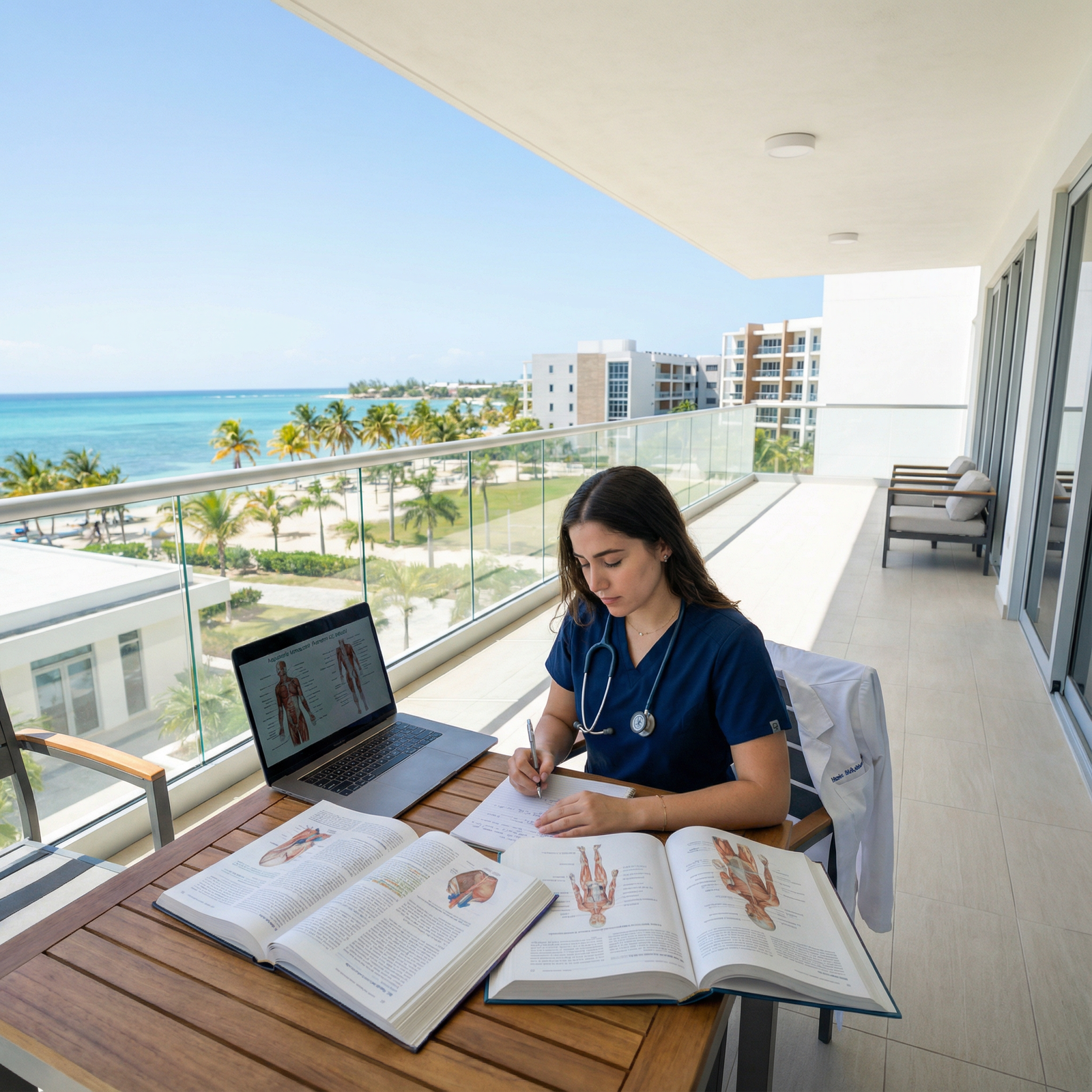
International Medical Schools have become an increasingly visible pathway for aspiring physicians who are unable—or unwilling—to follow the traditional route in their home country. As seats in domestic medical schools remain limited and competition intensifies, more premeds are looking abroad for their Medical Education and a viable path to Healthcare Careers.
These schools, located in regions such as the Caribbean, Europe, Asia, and Latin America, often advertise:
- Quicker or more flexible routes to an MD
- Lower or more predictable tuition
- English-language instruction, even in non-English-speaking countries
- Opportunities for global clinical experience
However, the decision to Study Abroad for medical school is complex. Beyond glossy brochures and recruitment fairs, you need to understand issues of Medical Accreditation, residency placement, licensing, and long-term career impact.
This guide walks through the current landscape of International Medical Schools, key advantages and challenges, critical evaluation criteria, and practical steps to determine whether pursuing medical education abroad aligns with your goals.
The Changing Landscape of International Medical Schools
Global Growth in Medical Programs Abroad
Several trends have fueled the rapid expansion of medical programs outside the traditional hubs (like the U.S., Canada, and the UK):
Unmet Demand for Medical School Seats
In countries such as the United States and Canada, the number of qualified applicants far exceeds the number of available MD seats. Many strong candidates—sometimes with competitive GPAs and MCAT scores—are left without offers. International Medical Schools have stepped in to absorb some of this unmet demand.Rising Domestic Tuition and Student Debt
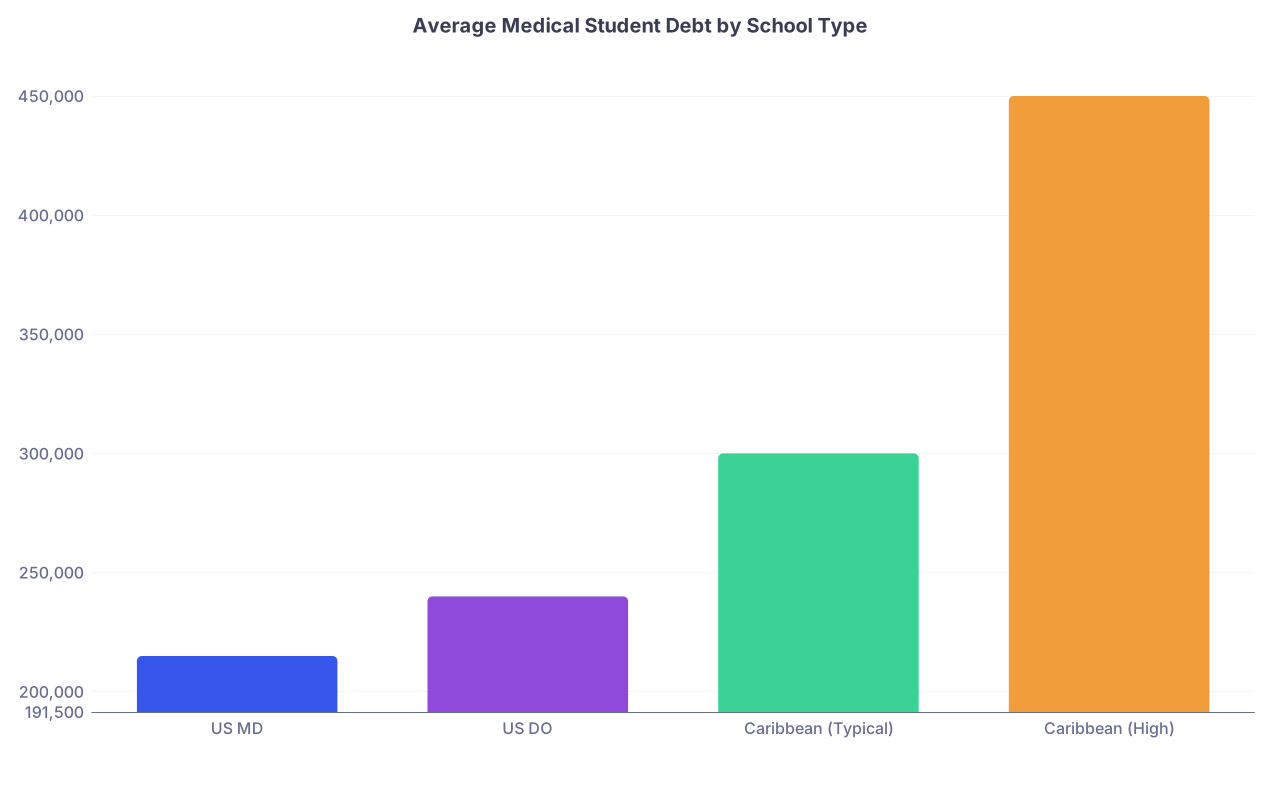
In many high-income countries, domestic medical school tuition and cost of living are exceptionally high. This, combined with undergraduate debt, creates a substantial financial barrier. Some international programs, particularly in Eastern Europe, Asia, and parts of the Caribbean, advertise significantly lower tuition and cost of living, making them attractive to cost-conscious students.Globalization of Healthcare and Training
Healthcare delivery is increasingly global and collaborative. Cross-border telemedicine, international research consortia, and multinational health NGOs have made it more common for clinicians to train and work in multiple countries. International Medical Schools tap into this trend, marketing the ability to gain exposure to diverse patient populations and health systems.Governmental and Private Investment
Some countries actively encourage foreign students as part of their education and economic strategies. Governments or private entities may invest in new medical schools that recruit heavily from North America, the Middle East, Africa, and Asia, promising Western-style curricula and English-language instruction.Access to Unique Specializations and Health Systems
Certain regions offer specialized training opportunities, such as tropical medicine, global health, refugee health, or public health programs integrated with medical curricula. For students specifically interested in these areas, international training can be a strategic choice.
Examples of Notable International Medical Schools
International Medical Schools vary widely in quality, outcomes, and reputation. A number of institutions have become particularly well known among North American and international applicants:
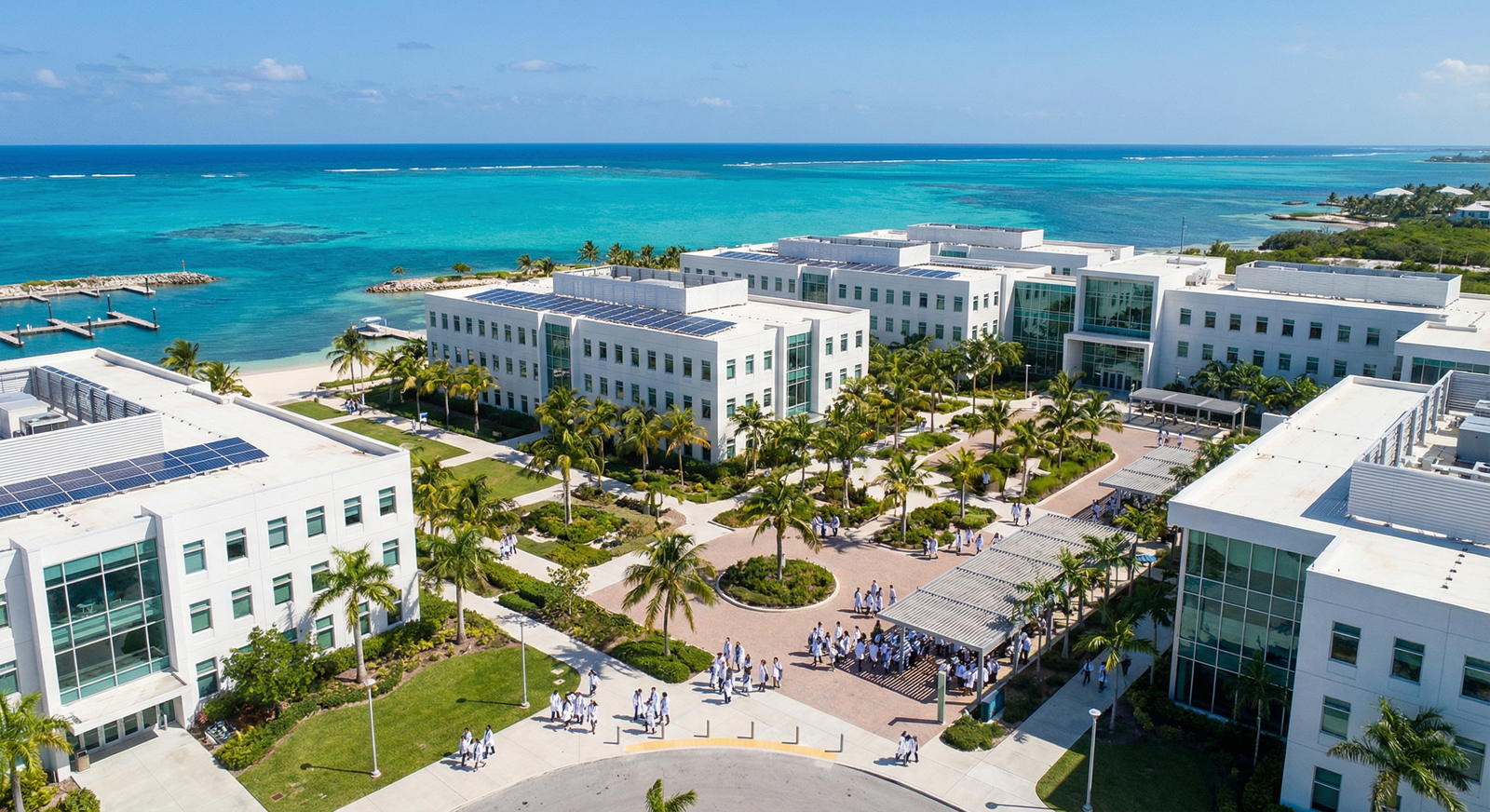
American University of the Caribbean (AUC) School of Medicine – Sint Maarten
Known for its U.S.-modeled curriculum and clinical rotations across the U.S. and UK.Ross University School of Medicine – Barbados
Long-standing Caribbean school with a large cohort of U.S. and Canadian students and substantial U.S. clinical affiliations.St. George’s University (SGU) – Grenada
One of the largest Caribbean medical schools with strong visibility in U.S. residency match data and extensive clinical site network.University of Glasgow School of Medicine – United Kingdom
A well-established UK institution drawing international applicants interested in European Medical Education and the UK’s NHS training environment.International University of the Health Sciences (IUHS)
A distance and on-site hybrid model targeting non-traditional and international students, with a flexible learning approach.
These examples illustrate the range of models—from traditional campus-based programs to more hybrid and distributed curricula. However, visibility or name recognition does not automatically equate to optimal outcomes for you. Every prospective student needs to dig into accreditation, exam pass rates, and residency match data before deciding.

Key Advantages of Attending an International Medical School
While no pathway is perfect, international medical programs can offer genuine benefits depending on your background, goals, and constraints.
1. Expanded Access for Competitive but Underserved Applicants
If you have a solid academic record but fell short in domestic admissions for reasons such as MCAT score, late decision to pursue medicine, or a nontraditional background, International Medical Schools may offer:
- More holistic or flexible admissions criteria
- Multiple intakes per year (e.g., January, May, September)
- Consideration of broader life experiences, work history, or advanced degrees
This can be particularly appealing for:
- Career changers
- Students from underrepresented backgrounds who lacked early advising
- Applicants who had one or two weak semesters that overshadow otherwise strong performance
However, “less competitive admissions” does not mean “less demanding training.” Once enrolled, expectations for mastery of basic sciences and clinical skills remain high—often comparable to domestic schools.
2. Potentially Lower Tuition and Different Financial Models
Many applicants explore International Medical Schools with the hope of reducing debt. Some programs:
- Offer lower sticker-price tuition than private U.S. schools
- Are based in countries with lower cost of living (rent, food, transport)
- Provide merit scholarships or regional discounts for certain nationalities
Yet the financial picture can be complex. You must factor in:
- Travel costs (flights home, relocation)
- Visa fees and health insurance
- Currency exchange rate fluctuations
- Potential limits on access to government loans (e.g., U.S. federal loans)
An accurate comparison requires building a detailed four- to six-year budget, not just comparing tuition numbers.
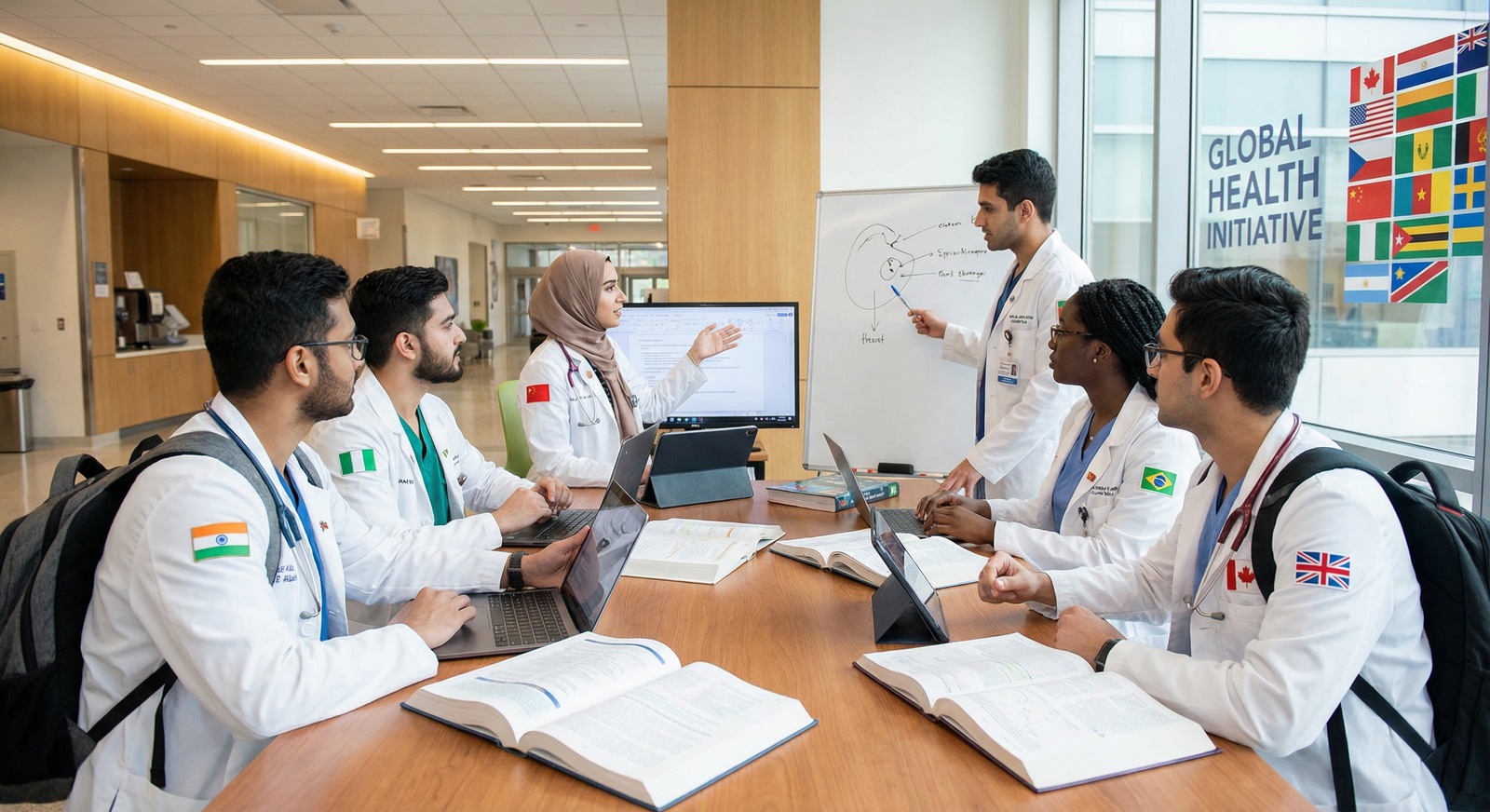
3. Diverse, Global Learning Environment
Studying alongside peers from multiple countries can significantly enrich your Medical Education:
- Exposure to different cultural views on health, illness, and end-of-life care
- Practice communicating with patients from varied backgrounds
- Preparation for global health work, humanitarian missions, or WHO/NGO roles
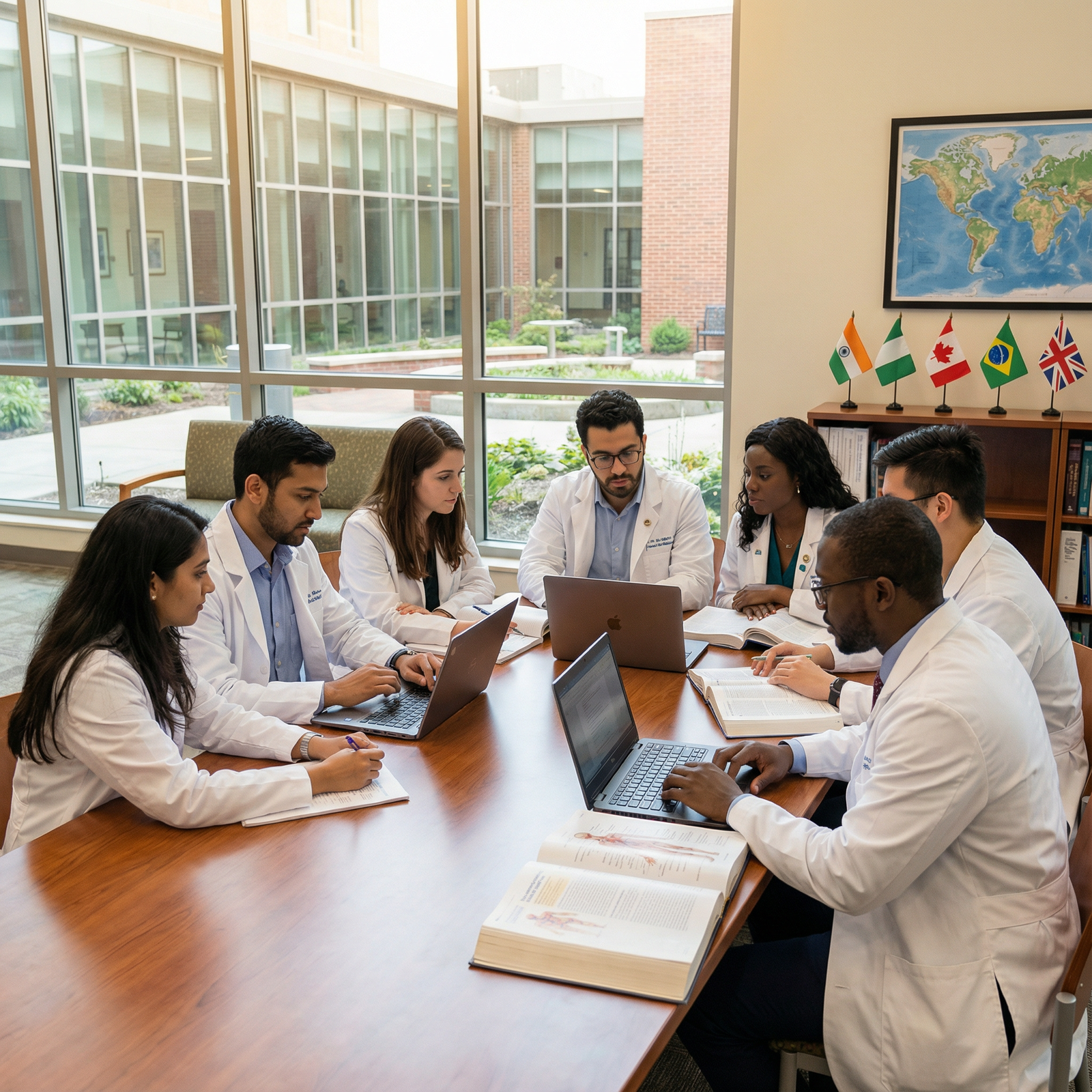
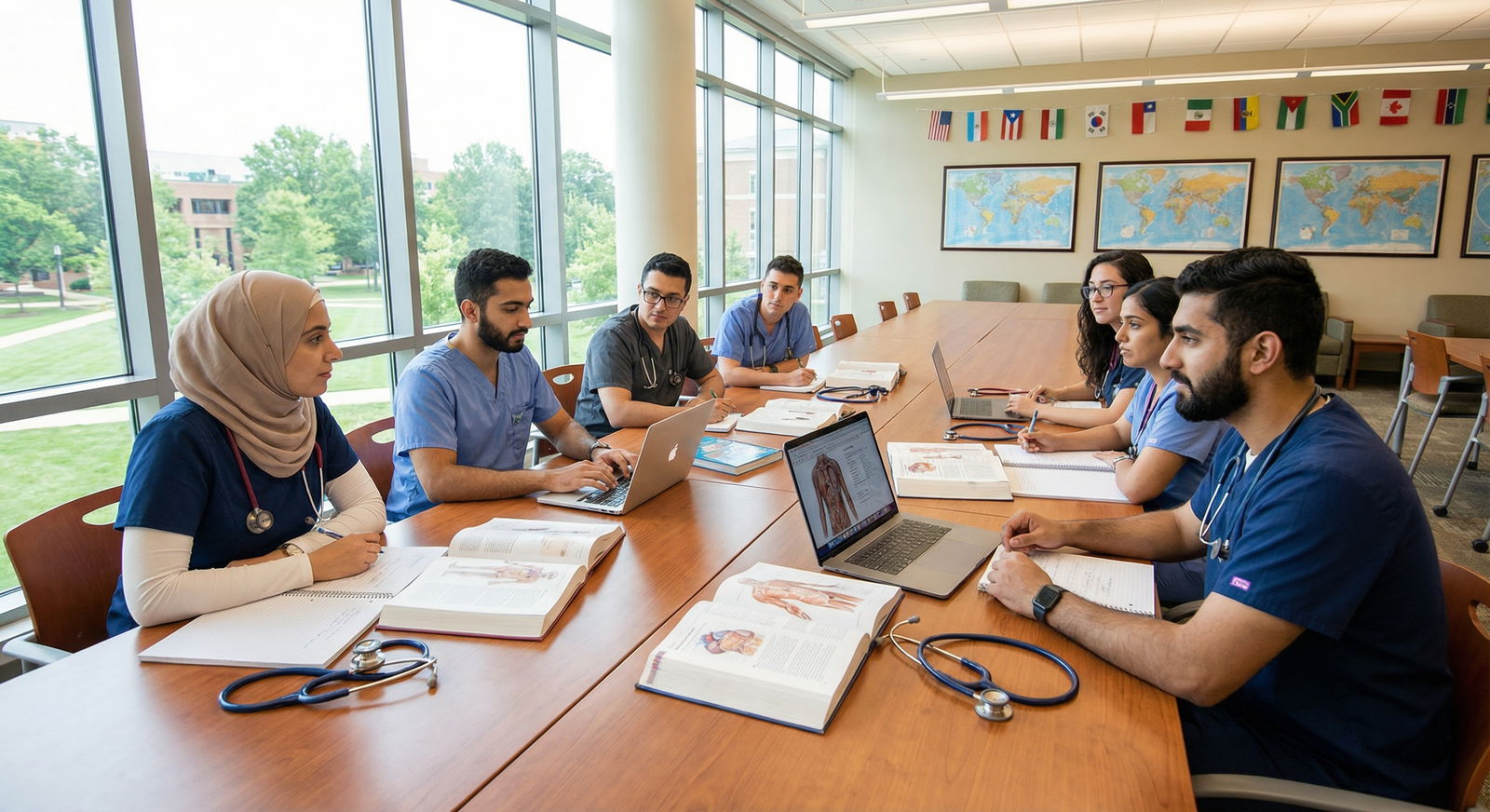
For example, a Caribbean medical school cohort might include students from North America, Europe, Africa, Asia, and Latin America. Classroom discussions on topics like public health, ethics, or health systems become naturally global in perspective.
4. Accelerated or Alternative Program Structures
Some international programs offer:
- Four-year MD tracks designed for students who already hold bachelor’s degrees
- Five- or six-year programs that begin immediately after high school (more common in Europe and Asia)
- Accelerated premed + MD pathways that condense prerequisite coursework
For students eager to enter practice sooner—or those who prefer continuous, integrated study—these structures can be attractive. For instance, many Caribbean schools offer a premed/Foundation semester followed by basic sciences and clinical rotations, allowing certain students to move from high school to MD in a more direct line.
5. Clinical Opportunities Across Multiple Countries
Many International Medical Schools build their brand around diverse clinical placement options, including:
- Rotations in U.S. teaching hospitals (for Caribbean and some European schools)
- Clinical experiences in the UK, Canada, or other countries
- Local rotations exposing students to diseases and conditions less common in high-income countries (e.g., tropical diseases)
This can provide a broad understanding of how different health systems function, including:
- Single-payer vs. privatized systems
- Resource-rich vs. resource-limited settings
- Urban tertiary care vs. rural primary care
Such breadth can be an asset when pursuing competitive residencies in fields like internal medicine, emergency medicine, or global health.
Major Challenges and Risks of Choosing an International Medical School
The benefits must be weighed against serious risks that can affect your ability to achieve your ultimate goal—independent clinical practice in your desired country.
1. Medical Accreditation and Degree Recognition
The single most critical issue is whether your degree will be recognized by:
- Medical licensing authorities in the country where you plan to practice
- Major Medical Accreditation bodies (national or regional)
- The Educational Commission for Foreign Medical Graduates (ECFMG), if you plan to train in the U.S.
You must verify:
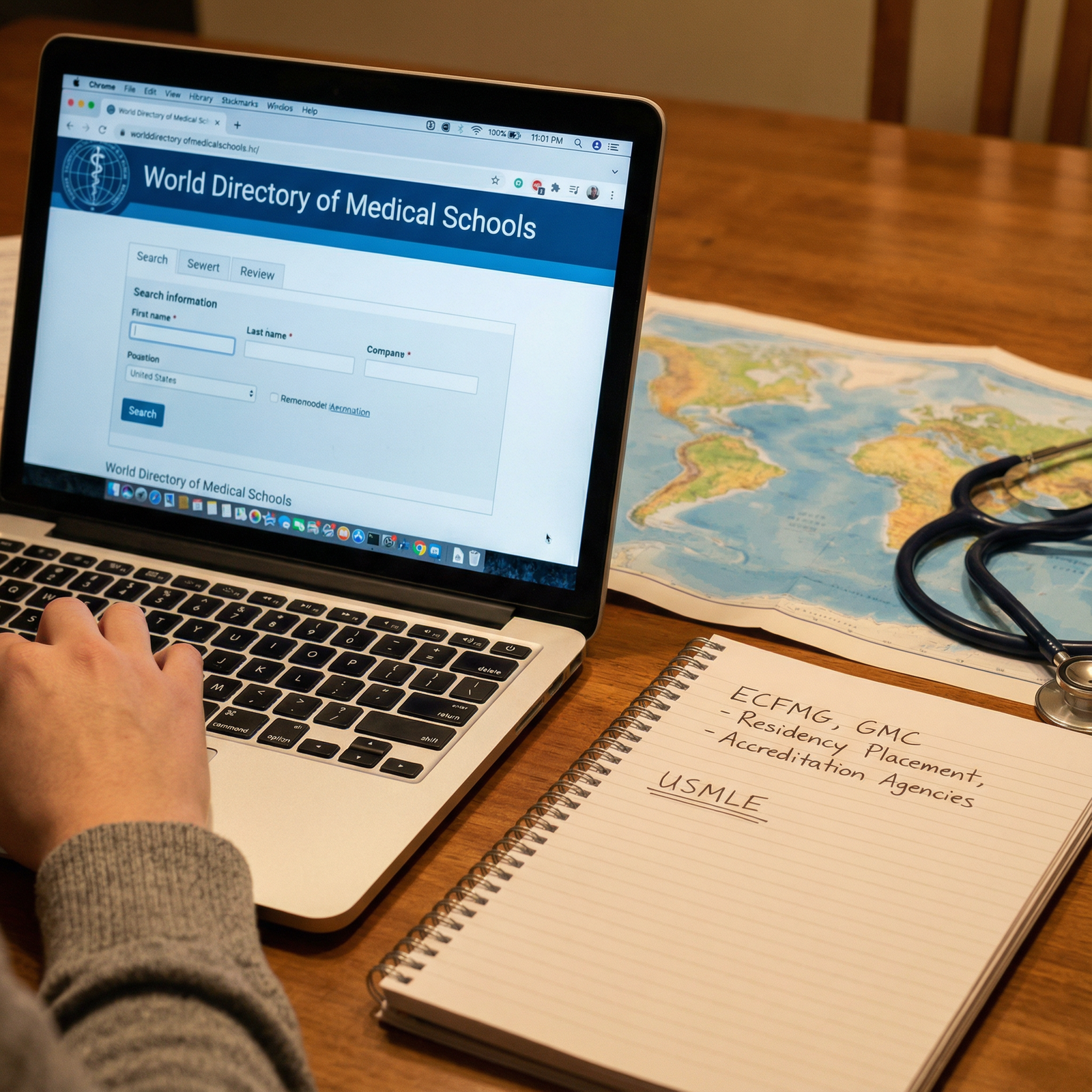
- Listing in the World Directory of Medical Schools (WDOMS) and whether the school has an ECFMG-eligible note (for U.S. practice).
- National accreditation in the host country (e.g., GMC recognition in the UK, NVAO in parts of Europe, CAAM-HP or ACCM for some Caribbean schools).
- Compliance with ECFMG 2024+ accreditation requirements, which increasingly require that a school’s accreditor meets certain international standards.
Lack of proper accreditation can mean:
- Ineligibility for licensing exams (USMLE, MCCQE, PLAB, etc.)
- Inability to apply for residency in your desired country
- Severe limitations on where you can ultimately practice
This is non-negotiable: never enroll until you fully understand the school’s accreditation status and how it aligns with your long-term career plans.
2. Residency and Postgraduate Training Barriers
Even with proper accreditation, residency pathways can be more challenging for International Medical Graduates (IMGs), including those from well-known International Medical Schools.
Potential obstacles include:
- Lower match rates in competitive specialties (e.g., dermatology, orthopedic surgery, plastic surgery, radiation oncology).
- Preference for domestic graduates in many residency programs, especially in high-demand geographic regions.
- Visa issues, if you are a foreign national seeking training in a different country.
For example, in the U.S., IMGs (including U.S. citizens who studied abroad) historically match at lower rates than U.S. MD graduates, particularly in highly competitive specialties. Many IMGs successfully match into internal medicine, family medicine, psychiatry, and pediatrics, but the path often requires:
- Strong USMLE scores
- Robust clinical evaluations and letters from U.S. physicians
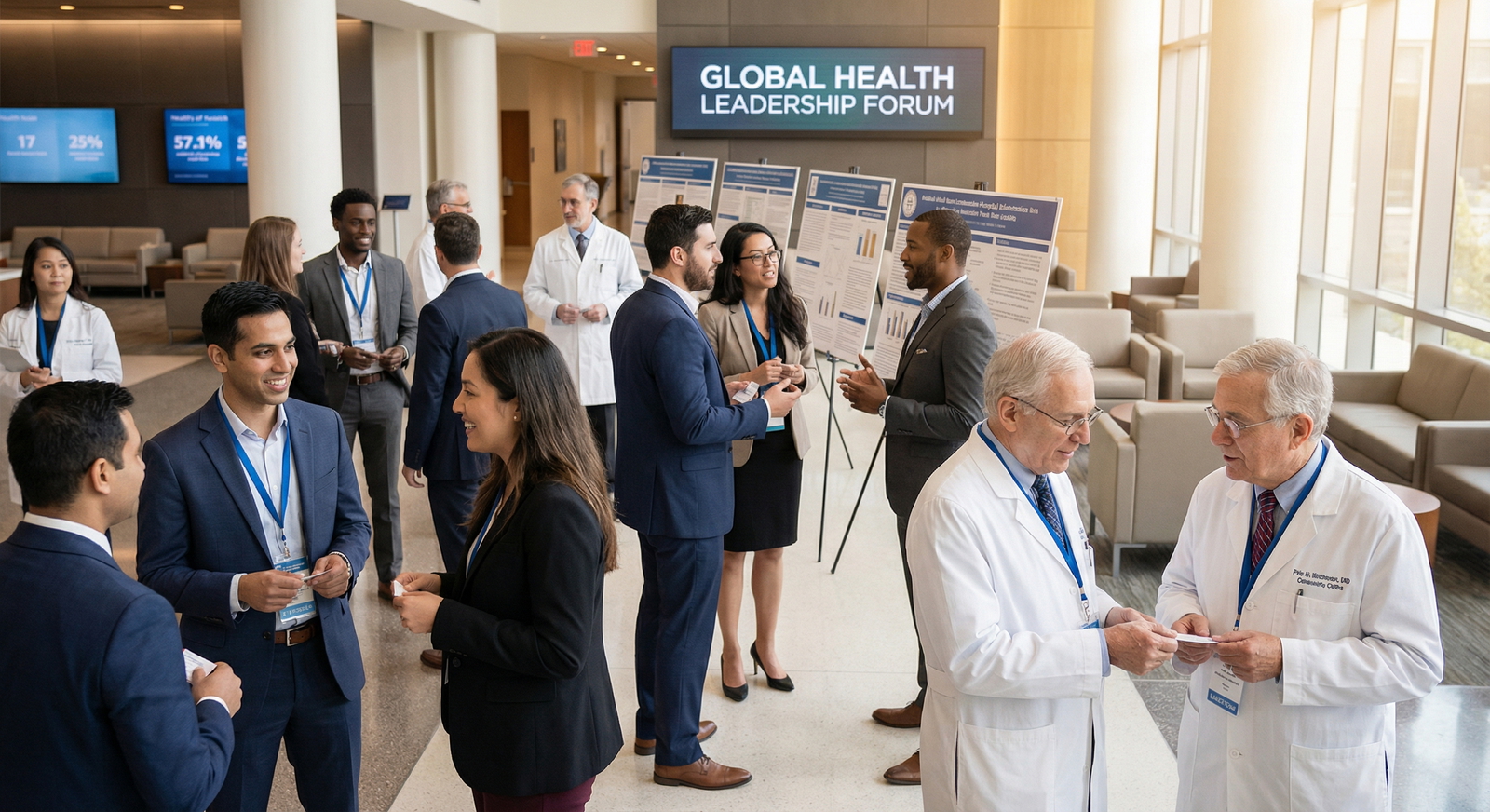
- Research, volunteering, and networking
You should review:
- Residency match lists published by the school (check for transparency and detail)
- The proportion of graduates who eventually secure accredited residency positions
- Specialty distribution and geographic patterns
3. Educational Quality and Learning Resources
International Medical Schools exist along a broad spectrum of quality. Areas that commonly vary include:
- Faculty qualifications and stability
- Class sizes (some Caribbean schools have very large cohorts)
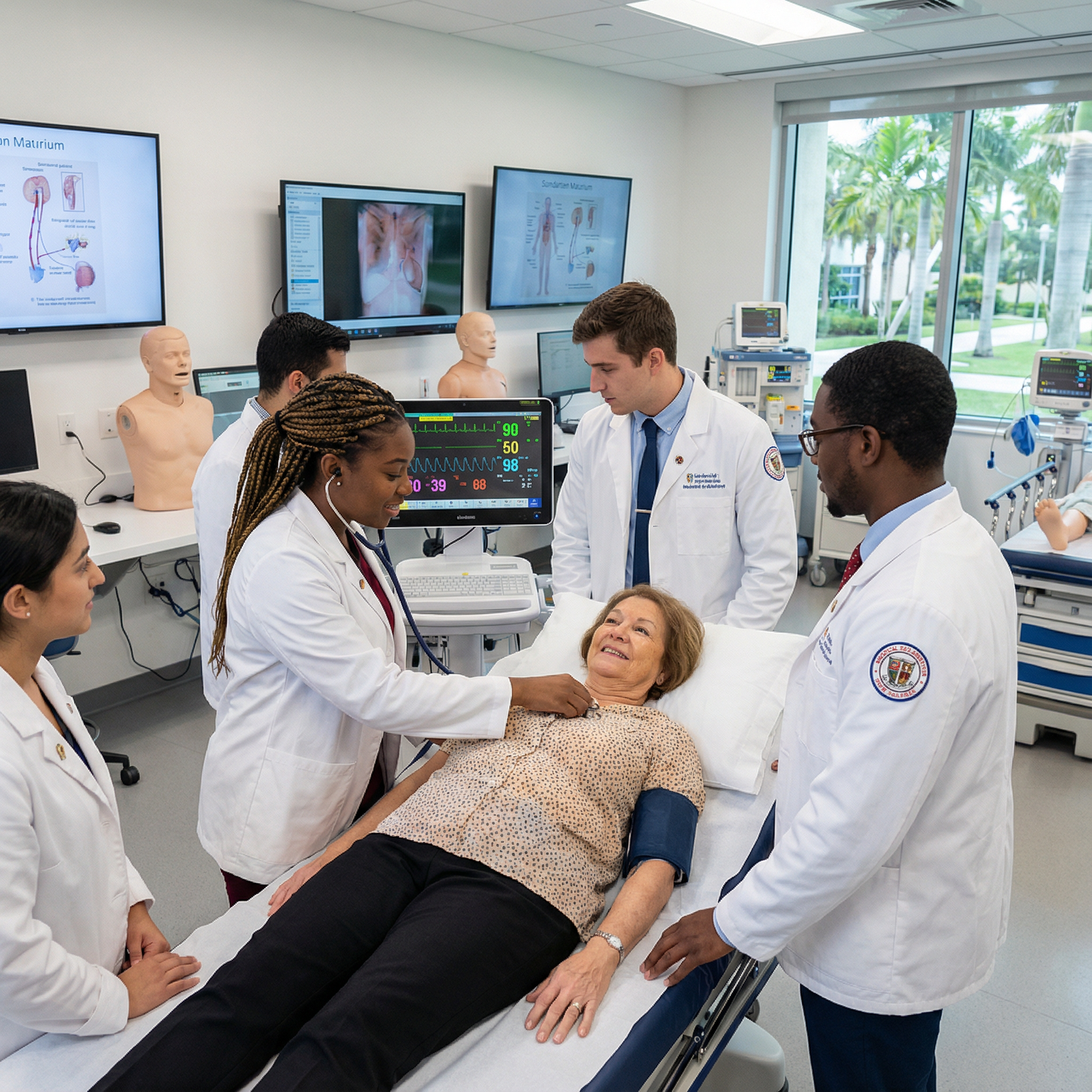
- Access to cadaver labs, simulation centers, and up-to-date technology
- Student support services (tutoring, counseling, academic advising)
- USMLE or other licensing exam prep resources
Before committing, investigate:
- Step exam pass rates (USMLE, MCCQE, etc.)
- Graduation rates and average time to completion
- Student reviews from multiple sources (not just the school’s website)
If possible, speak directly with current students and alumni. Ask specific questions about teaching quality, exam preparation, and support when struggling academically.
4. Cultural, Language, and Lifestyle Adjustments
Studying medicine abroad is not just an academic decision—it’s a major life transition.
Common challenges include:
- Language barriers in daily life or clinical settings, even if teaching is in English
- Adapting to new food, climate, religious norms, or social expectations
- Distance from family and established support systems
- Navigating unfamiliar bureaucracies (immigration, healthcare access, banking)
These factors can affect your mental health and academic performance. Many students underestimate how much time and energy is required to adjust, particularly in the intense environment of medical training.
5. Hidden or Underestimated Financial Costs
Even when tuition is lower, the total cost of an international medical degree may surprise you:
- Multiple international flights per year
- Visa renewals and government processing fees
- Higher costs for certain imported items (technology, textbooks, medications)
- Potential loss of ability to work part-time (due to visa restrictions or academic demands)
Additionally, students at some International Medical Schools may have:
- Limited access to subsidized national loans
- Higher interest rates on private loans
- Currency conversion risk if paying in foreign currency
Careful, conservative financial planning is essential.
How to Evaluate Whether an International Medical School Is Right for You
1. Clarify Your Long-Term Career Goals
Before looking at brochures, define your objectives:
- Where do you realistically want to practice long-term (country/region)?
- Are you strongly committed to a specific specialty or relatively open?
- Are you interested in academic medicine, research, global health, or community practice?
If your goal is, for example, dermatology in the U.S. or neurosurgery in Canada, you will face steeper odds as an IMG. That does not make it impossible, but you must be strategic and realistic.
2. Rigorously Verify Accreditation and Licensing Pathways
Use trustworthy resources:
- World Directory of Medical Schools (WDOMS) – Verify the listing and ECFMG eligibility notes.
- National medical councils/boards – Check if the degree is accepted for licensing in your target country.
- School’s accreditation body – Confirm it is recognized and meets ECFMG 2024+ requirements if U.S. practice is a possibility.
Make a flowchart for yourself:
- Graduate from X school
- Eligible for Y licensing exam (e.g., USMLE, PLAB, MCCQE)
- Eligible for Z residency or foundation training
- Pathway to full license and specialist certification
If any step seems unclear or uncertain, resolve it before you enroll.
3. Assess Educational Quality and Outcomes
Key questions to research:
- What are the USMLE Step 1, Step 2 or equivalent exam pass rates?
- What percentage of students graduate on time?
- Where have graduates matched for residency or postgraduate training?
- Does the school provide detailed, verifiable residency match lists annually?
Red flags include:
- Vague or outdated outcome data
- No reporting on licensing exam performance
- Promotional material that overemphasizes lifestyle without discussing academic rigor
4. Evaluate Support Systems and Student Services
International training is demanding; support matters. Look for:
- Academic tutoring and remediation programs
- Mental health and counseling services
- Student organizations and peer mentoring
- Career advising for residency and licensing exams
Ask current students:
- “How does the school support students who fail a major exam?”
- “Do you feel faculty are accessible and invested in your success?”
5. Build a Detailed Financial and Lifestyle Plan
Create a multi-year plan that includes:
- Tuition and mandatory fees
- Housing, food, transportation, and health insurance
- Exam fees (USMLE, PLAB, MCCQE, etc.)
- Travel and relocation expenses
- Emergency funds for unexpected events (e.g., political instability, natural disasters, personal health issues)
Compare this to:
- Potential domestic options (including DO programs, combined or special master’s programs that may enhance reapplication)
- Opportunity costs of additional years working to improve your domestic application vs. starting abroad immediately

Frequently Asked Questions About International Medical Schools
1. How can I confirm that an International Medical School is properly accredited?
Start by checking the World Directory of Medical Schools (WDOMS) to verify that the school is listed and, if you plan to practice in the U.S., that it has an appropriate ECFMG-eligibility note. Then:
- Visit the website of the country’s national medical council or ministry of education to confirm national accreditation.
- Identify the accrediting agency and look up whether that agency is recognized by international standards organizations (e.g., WFME).
- If you plan to practice in a specific country (U.S., Canada, UK, etc.), contact that country’s licensing authority or review their website to ensure degrees from that school are accepted.
If you cannot independently verify accreditation through official sources, consider that a serious warning sign.
2. Can I practice medicine in my home country after graduating from an International Medical School?
It depends on three main factors:
- Your home country’s licensing rules (exam requirements, approved schools list, etc.)
- The school’s accreditation and recognition in both the host and home country
- Your completion of required exams and residency training
For example, U.S. citizens studying abroad must:
- Graduate from an ECFMG-recognized school
- Pass USMLE Steps 1, 2, and others as required
- Match into and complete an ACGME-accredited residency
Always check the official website of your country’s medical council or licensing authority before enrolling.
3. What are residency prospects like for International Medical Graduates (IMGs)?
Residency prospects vary by country, specialty, and individual performance:
- In the U.S., IMGs match at lower rates than U.S. MD graduates, particularly in highly competitive specialties. However, many IMGs successfully match into internal medicine, family medicine, psychiatry, pediatrics, and some other fields each year.
- In the UK, non-UK graduates may need to navigate PLAB/F1/F2 or alternative routes and face competition for training posts.
- In Canada, residency opportunities for non-Canadian graduates are limited and highly competitive.
Your individual prospects will depend on:
- Licensing exam scores (USMLE, PLAB, MCCQE, etc.)
- Strength of clinical evaluations and letters of recommendation
- Research, leadership, and extracurricular achievements
- Visa and citizenship status
Review each target country’s residency match statistics for IMGs and, when possible, specific data from the schools you are considering.
4. Are admission requirements to International Medical Schools really more flexible?
Many International Medical Schools do have:
- Lower minimum GPA or MCAT thresholds (or no MCAT requirement)
- Rolling admissions and multiple start dates
- Willingness to consider applicants with nontraditional backgrounds
However, being accepted is only the first step. Your ability to excel academically, pass licensing exams, and secure residency training remains crucial. Flexible admissions can be a second chance, but not a shortcut: you must be truly prepared for the academic rigor and volume of material.
5. What support do International Medical Schools usually offer to help new students adjust?
Support varies widely, but many established schools provide:
- Orientation programs focused on local culture, logistics, and academic expectations
- Advising and counseling services for academic, personal, and mental health issues
- Student organizations (interest groups, cultural associations, specialty clubs) that build community
- USMLE or equivalent exam prep resources (review sessions, question banks, practice tests)
When evaluating schools, ask specifically:
- “What formal programs exist to support students struggling academically?”
- “What mental health resources are available on campus?”
- “How does the school prepare students for licensing exams and residency applications?”
Attending an International Medical School can be a viable—and sometimes excellent—pathway to a Healthcare Career, particularly if traditional domestic routes are closed or impractical. Success, however, depends on careful research, realistic expectations, and strategic planning around Medical Accreditation, licensing, and residency. If you approach the decision with rigor and clarity, an international medical education can expand your horizons, both clinically and culturally, as you work toward becoming a physician.