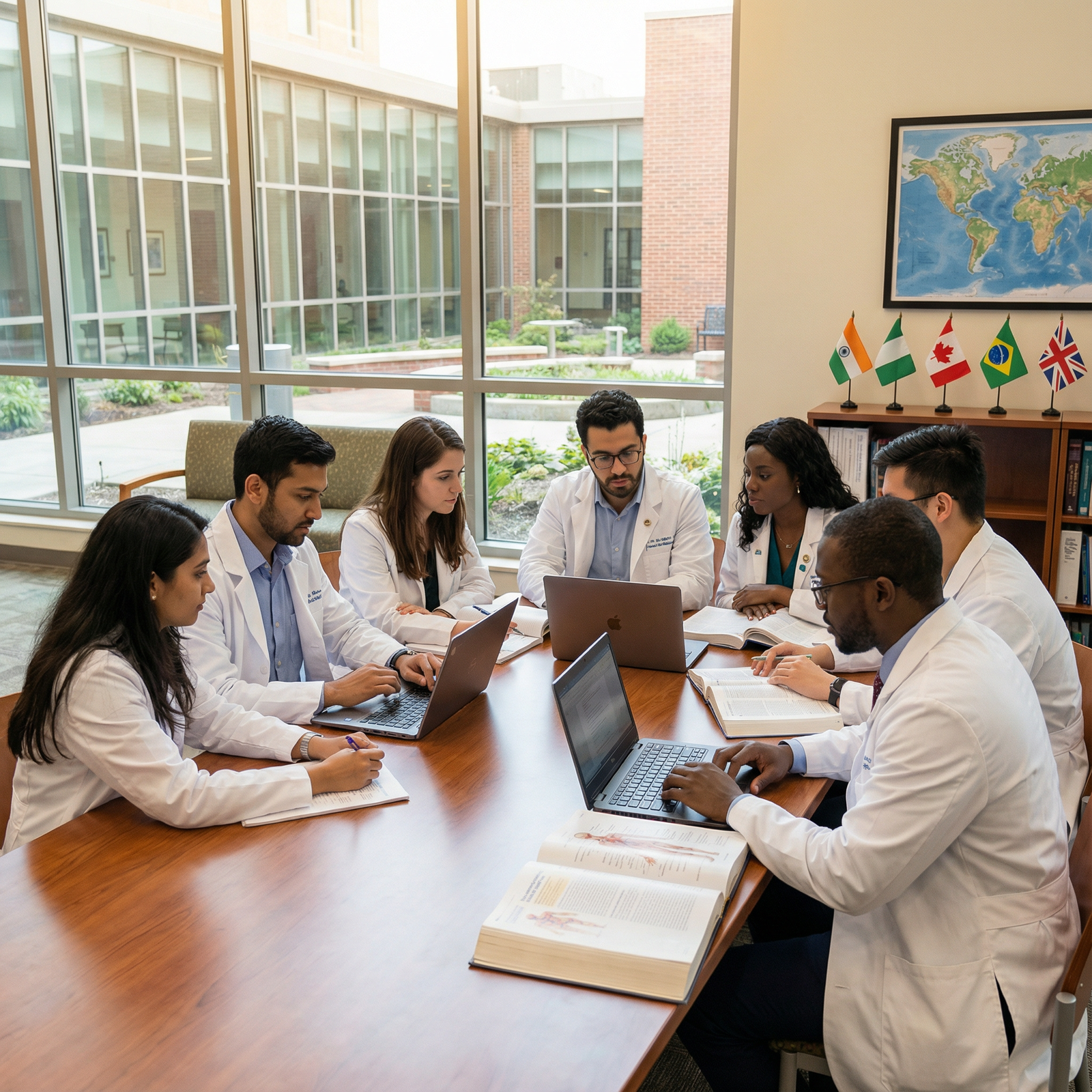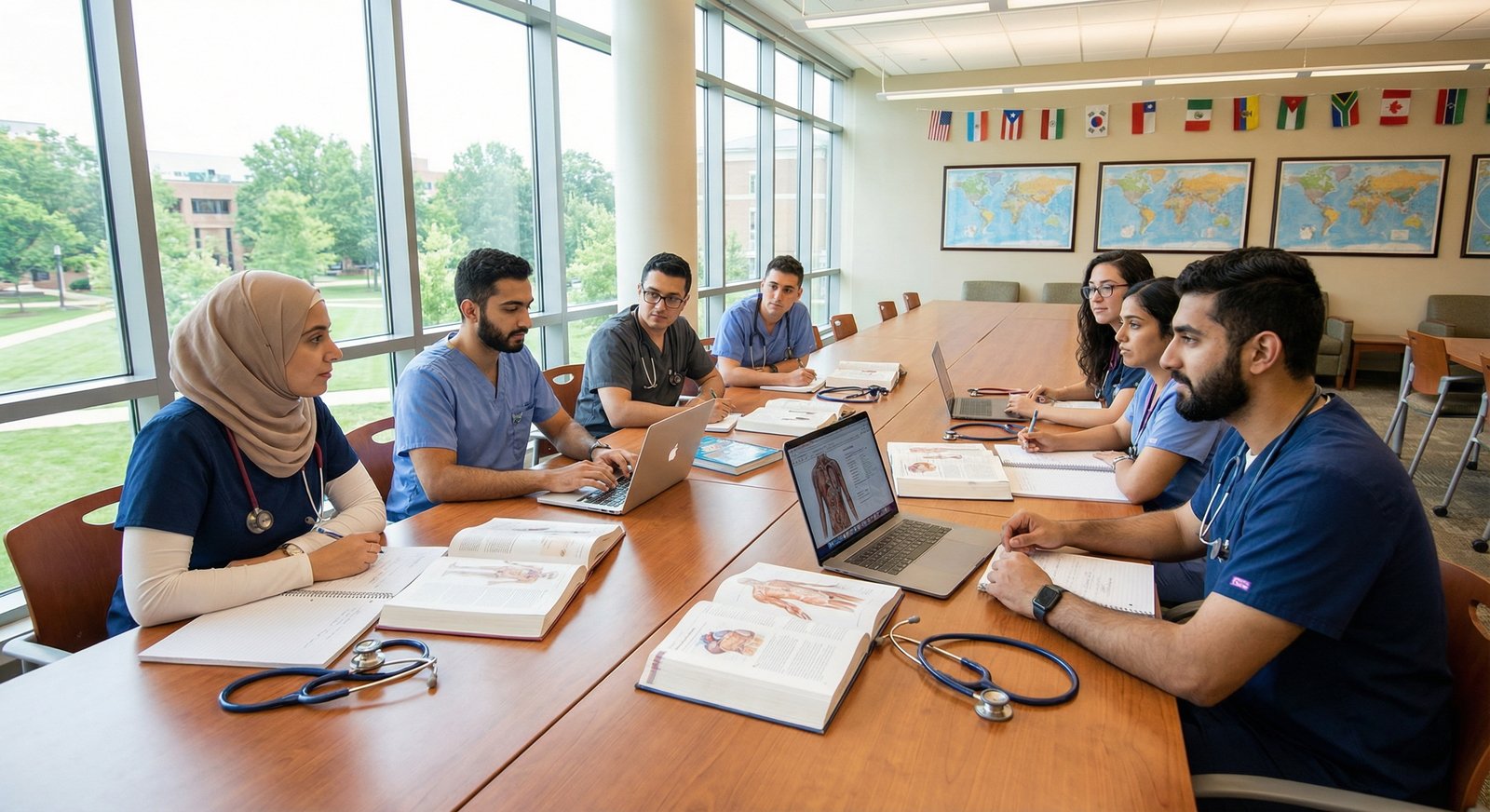
Applying to an international medical school can open doors to a unique Medical Education experience, exposure to global healthcare systems, and a rewarding Career in Medicine. It can also be a complex decision with long-term implications for licensure, residency, and where you can ultimately practice.
This enhanced checklist walks you step‑by‑step through what to consider when you Study Abroad for medicine—so you can make a strategic, informed choice that aligns with your goals.
1. Verify Accreditation and Recognition (Non‑Negotiable First Step)
Before falling in love with brochures, beaches, or glossy websites, confirm that the International Medical School is properly accredited and recognized where you plan to train and practice.
Understand Accreditation vs. Recognition
These terms are often used interchangeably but mean different things:
- Accreditation: Approval by an official body in the school’s country that evaluates quality (curriculum, faculty, facilities, assessments).
- Recognition: Acceptance of that accreditation by other countries or organizations (e.g., eligibility for exams like USMLE, PLAB, AMC, etc.).
You need both for a secure path to a medical career.
Key Questions to Ask
Is the school accredited in its home country?
- Look for accreditation by the national ministry of education or a recognized medical education accrediting authority.
- Confirm whether the accreditor is recognized by the World Federation for Medical Education (WFME), especially important for those considering the US.
Is the school listed in credible directories?
- Check the World Directory of Medical Schools (WDOMS).
- Review the school’s listing for notes about eligibility for licensing exams in specific countries.
Will you be exam‑eligible in your target country?
- For the United States: Verify that the school meets the requirements of the Educational Commission for Foreign Medical Graduates (ECFMG) and that graduates are eligible to take USMLE and apply for ECFMG certification.
- For the United Kingdom: Confirm eligibility to pursue UK licensure pathways (e.g., PLAB or UKMLA, depending on transition timelines).
- For Canada, Australia, or other regions: Check requirements with the relevant Medical Council or licensing authority.
Red Flags to Watch For
- Vague or missing information about accreditation on the school’s website
- Accreditation that has recently lapsed or is under review
- No clear track record of graduates obtaining licensure abroad
Accreditation and recognition determine whether your degree will “work” for your long‑term Career in Medicine. Verify them before you invest your time, money, and future.
2. Analyze Curriculum, Program Structure, and Language of Instruction
Your Medical Education experience—and your readiness for clinical practice and exams—depends heavily on the curriculum structure and teaching methods.
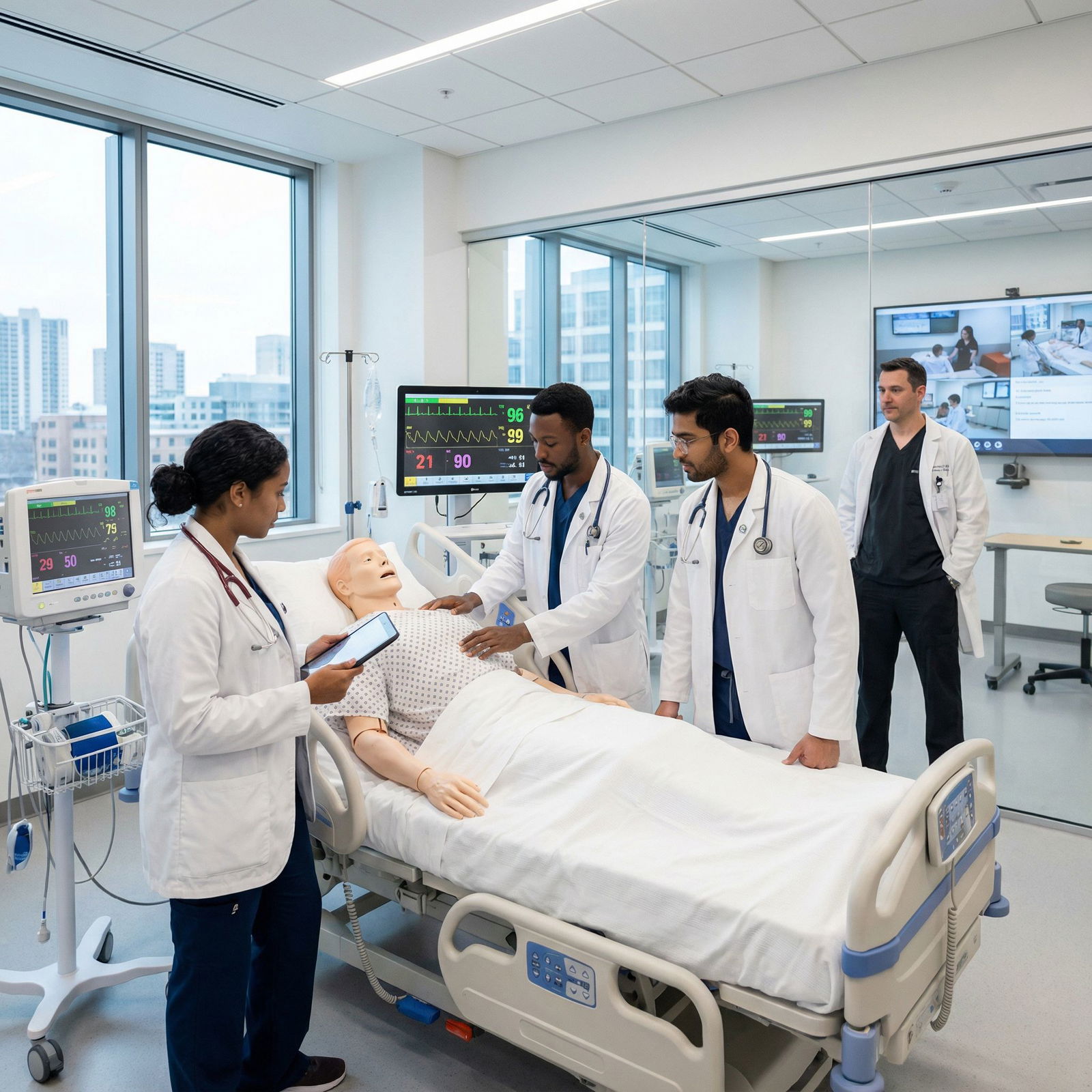
Program Length and Entry Pathways
International Medical Schools often offer different entry routes compared to domestic programs:
- 6–7-year programs for students coming directly from high school (often in Europe, Asia, and some Caribbean schools)
- 4–5-year graduate‑entry programs for students who already hold a bachelor’s degree (common in the UK, Ireland, Australia, and some others)
Consider:
- How soon you want/need to start your Career in Medicine
- Whether you prefer to complete a full undergraduate degree first
- How the total timeline compares to your home country’s training pathway
Curriculum Models: How You’ll Learn
Review how the program delivers its Medical Education:
Traditional (discipline‑based)
- Preclinical (basic sciences) followed by clinical years
- Often more lecture‑heavy; less early patient contact
Integrated curriculum
- Combines basic and clinical sciences from the beginning, organized by organ systems or themes
- Early exposure to patients and clinical reasoning
Problem‑Based Learning (PBL) / Case‑Based Learning
- Small group sessions centered on clinical cases
- Encourages self‑directed learning, critical thinking, teamwork
Action step: Request or download the detailed curriculum map:
- How many hours/weeks for each course?
- When do clinical rotations begin?
- Are there structured review courses for major exams (e.g., USMLE Step 1/2, national licensing exams)?
Alignment With Licensing Exams
If you plan to return to your home country:
- Ask if the curriculum is aligned with USMLE, PLAB/UKMLA, MCCQE, or other relevant exams.
- Check if the school offers:
- Integrated exam prep courses
- Access to question banks (e.g., UWorld, AMBOSS)
- Faculty or advisors experienced in international exam pathways
Language of Instruction and Clinical Practice
Even if lectures are in English, your daily life and clinical training may require proficiency in another language.
- Language of instruction: Confirm that all core courses and exams are offered in a language you fully understand.
- Language in hospitals/clinics:
- Will you be able to communicate with patients?
- Does the school offer medical language courses (e.g., medical Spanish, German, etc.)?
- Are there language proficiency requirements (e.g., B2/C1 level on CEFR)?
If you plan to Study Abroad in a non‑English speaking country but want to practice in an English‑speaking one, ensure you can both:
- Learn effectively in the host country’s language or in English, and
- Prepare for English‑language licensing exams.
3. Entry Requirements, Competitiveness, and Application Strategy
Understanding admission expectations helps you target schools realistically and prepare strong applications.
Academic Prerequisites
Check:
- Required high school or undergraduate coursework:
- Biology (with lab)
- General and organic chemistry
- Physics
- Mathematics and/or statistics
- Minimum GPA or grade thresholds
- Any specific subject exam requirements (e.g., A‑levels, IB scores, AP credits)
Be honest with yourself about your academic profile. Some International Medical Schools are more flexible than domestic programs, but you still want a rigorous environment that will prepare you well.
Standardized Tests
Requirements vary widely:
- MCAT: Required by many Caribbean and some international programs that target US/Canadian students.
- UCAT/UKCAT, BMAT (or their replacements): Common for UK, some European, and other international programs.
- Other regional tests:
- National entrance exams in some European, Asian, or Middle Eastern countries.
Ask schools:
- Whether the test is required, recommended, or optional
- Average or competitive score ranges of accepted students
Interviews and Assessment Formats
Admission processes may include:
- Traditional interviews (1:1 or panel)
- Multiple Mini Interviews (MMI): Short, timed stations assessing communication, ethics, and problem‑solving
- Situational Judgement Tests (SJT)
Prepare by:
- Practicing common ethical scenarios (confidentiality, informed consent, conflicts of interest)
- Reviewing your motivations for choosing an International Medical School and Study Abroad
- Reflecting on your resilience, cultural adaptability, and teamwork experiences
4. Financial Planning: Tuition, Cost of Living, and Realistic Budgeting
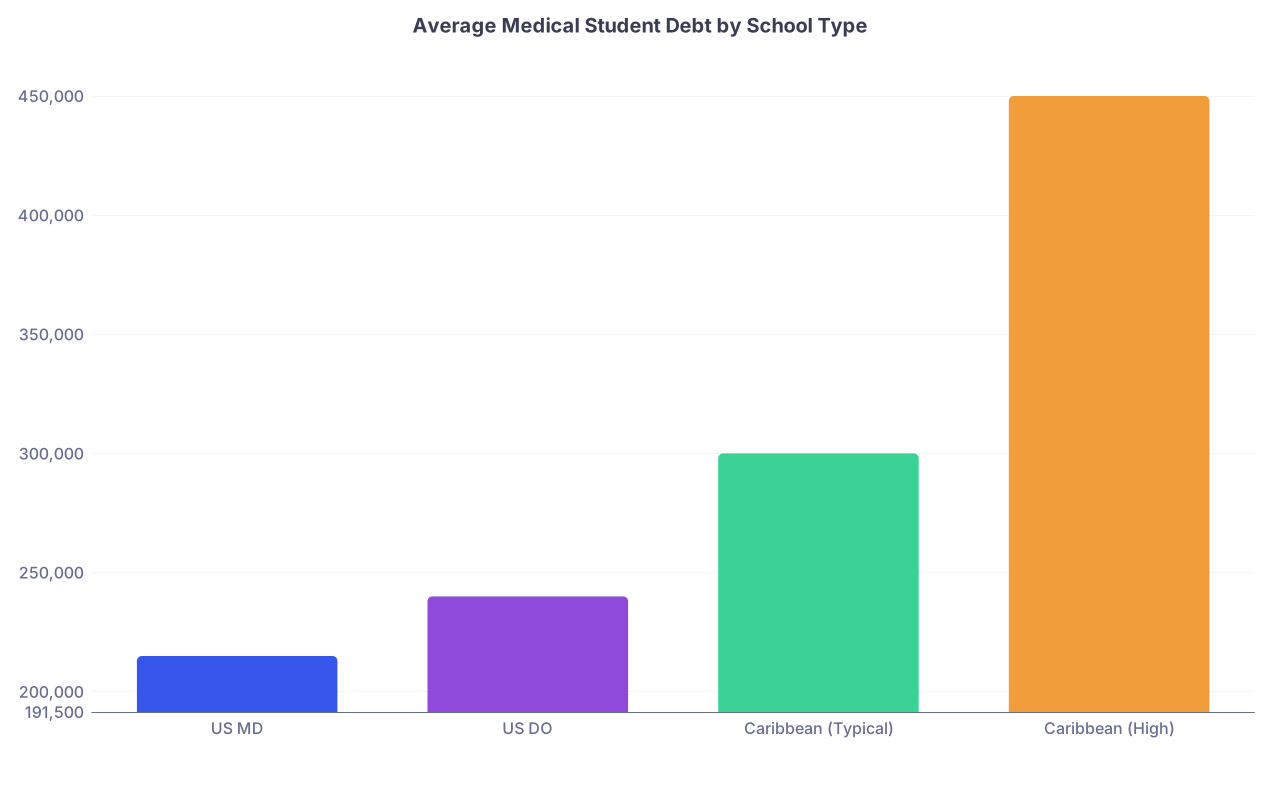
Studying medicine abroad is a major financial commitment—often more complex than domestic study because of currency differences, travel, and visa‑related costs.
Tuition, Fees, and Hidden Expenses
Compare:
- Annual tuition and how it changes over the years (preclinical vs. clinical)
- Mandatory fees:
- Application fees
- Enrollment or registration fees
- Lab, technology, or examination fees
- Health insurance (often mandatory for international students)
Look out for:
- Currency risk: If your home currency is weaker than the school’s, future tuition could effectively become more expensive over time.
- Clinical rotation surcharges: Some schools charge additional fees for rotations in partner hospitals or in other countries.
Cost of Living in the Host Country
Research:
- Average rent near campus or hospital sites
- Transportation (public transit, car costs, parking)
- Food, utilities, and internet
- Visa and residency permit fees
- Travel home during holidays or vacations
Online tools (Numbeo, Expatistan) and school‑provided estimates can help you build a realistic monthly budget.
Scholarships, Loans, and Financial Aid
Ask specifically about Student Support for finances:
- Scholarships:
- Merit‑based (GPA, test scores)
- Need‑based
- Diversity or international student scholarships
- Country‑specific loans:
- Are you eligible for government loans from your home country while studying abroad?
- Are there private lenders that commonly fund students at that school?
- Work opportunities:
- Are international students allowed to work part‑time?
- Are there campus jobs available (e.g., tutoring, research assistance)?
Plan not just for starting the program but for being able to sustain yourself financially through all years, including exam fees and residency application costs.
5. Location, Culture, Safety, and Daily Life Abroad
Where you live will shape your medical school experience as much as what you study.
Urban vs. Rural Campus Environments
Consider:
Urban settings:
- Greater clinical variety and patient diversity
- More cultural, social, and networking opportunities
- Higher living costs and potentially more distractions
Rural or smaller cities:
- Lower cost of living
- Tight‑knit campus community
- Possibly less clinical variety but stronger continuity of care
Think about your personality and learning style—do you thrive in busy, dynamic environments, or do you prefer quieter, more structured settings?
Cultural Adaptability and Lifestyle
Reflect on:
- Climate (extreme cold, heat, humidity, or seasonal changes)
- Dietary needs (availability of familiar foods, religious dietary options)
- Religious or cultural norms and how they may affect daily life and patient interactions
- Gender roles and expectations in clinical settings
Look for schools that highlight their international community and provide structured orientation for foreign students. Strong Student Support for integration can make a major difference in stress levels and well‑being.
Safety and Healthcare Access
- Research crime rates and political stability in the region.
- Ask the school about:
- On‑campus security
- 24/7 emergency contacts
- Student health clinics and mental health support
- Confirm your health insurance coverage:
- Does it cover hospitalizations and emergency care locally?
- Does it include medical evacuation or repatriation in serious situations?
6. Clinical Exposure, Rotations, and Pathways to Residency
Your clinical training is the foundation for your Career in Medicine. The structure, quality, and location of your clinical rotations will directly impact your skills and residency competitiveness.

Where and How You Will Train Clinically
Ask schools to provide details on:
Core clinical rotations:
- Internal Medicine
- Surgery
- Pediatrics
- Obstetrics & Gynecology
- Psychiatry
- Family Medicine
Elective rotations:
- Availability in subspecialties (e.g., cardiology, neurology, oncology)
- Opportunities to rotate in different countries or healthcare systems
Teaching hospitals:
- Are they university‑affiliated?
- Patient volume and complexity
- Presence of residents and fellows (affects teaching environment)
Rotations in Target Countries (e.g., US, UK, Canada)
If you plan to return to a specific country for residency:
- Confirm whether the school:
- Has affiliated hospitals in that country
- Supports visiting electives or observerships abroad
- Provides administrative help with visas and paperwork
For US‑bound students, ask about:
- Number of US‑based clinical weeks typically completed by graduates
- Typical USMLE Step exam timeline and prep support
- Match rates into US residency programs and which specialties
Residency Match Outcomes and Career Support
Carefully review:
Residency match statistics:
- Overall match rate
- Match rate in your target country
- Distribution by specialty (e.g., internal medicine, surgery, family medicine, etc.)
Career advising:
- Is there a dedicated office or advisor for residency applications?
- Help with CV building, personal statements, and interview prep
- Guidance on backup plans (e.g., broad specialties, different countries)
A transparent school should be willing to share multi‑year, detailed residency match data and connect you with recent graduates who matched into your target system.
7. Faculty Quality, Educational Resources, and Learning Environment
The people who teach you—and the tools they use—are core to the quality of your Medical Education.
Faculty Expertise and Engagement
Investigate:
- Faculty qualifications and training backgrounds (local vs. international)
- Presence of faculty with:
- Postgraduate training in the US, UK, Canada, or Australia (if relevant to your goals)
- Active research portfolios and publications
- Accessibility of faculty:
- Office hours, mentoring programs, email responsiveness
- Student evaluations of teaching (if available)
Class Size and Student‑to‑Faculty Ratio
- Smaller class sizes often mean:
- More personalized feedback
- Greater access to clinical opportunities
- Stronger relationships with mentors
Overcrowded programs can dilute clinical exposure and mentoring—especially common in some oversubscribed international and offshore schools.
Facilities, Technology, and Learning Resources
Ask about:
- Anatomy labs (including access to cadaveric dissection or prosection)
- Simulation centers (high‑fidelity mannequins, OSCE practice rooms)
- Library access:
- Online databases (e.g., PubMed, UpToDate, clinical guidelines)
- Study spaces and opening hours
- E‑learning platforms:
- Recorded lectures
- Online quizzes and formative assessments
Modern, well‑equipped facilities signal investment in high‑quality Medical Education.
8. Student Support Services, Well‑Being, and Community
Thriving in an International Medical School isn’t just about academics—it’s about having the right Student Support systems to manage stress, culture shock, and the demands of training.
Academic and Administrative Support
Look for:
- Academic advising and tutoring services
- Early warning systems for students at risk of failing
- Clear policies on remediation, repeating exams/years, and academic appeals
- Support with exam scheduling (USMLE/PLAB/etc.) and documentation
Mental Health and Wellness
Medicine can be emotionally and mentally taxing—especially when you Study Abroad away from your usual support network.
Confirm the availability of:
- Confidential mental health counseling
- Workshops on stress management, time management, and resilience
- Peer support groups or mentorship programs (e.g., senior–junior buddy systems)
- Policies that foster a culture of respect and discourage bullying or harassment
Visa, Housing, and Practical Support
International students often need help with:
- Visa applications and renewals
- Finding safe, affordable housing
- Navigating local banking, mobile phone plans, and insurance
- Orientation programs about local laws, healthcare, and emergency procedures
Strong non‑academic support can help you focus on learning and clinical training—rather than constantly troubleshooting logistics.
9. Alumni Network, Reputation, and Graduate Outcomes
A strong alumni community can greatly influence your Career in Medicine, especially when applying across borders.
Track Record of Success
Investigate:
- Where alumni are currently practicing (countries and specialties)
- Alumni success stories:
- Leadership roles
- Academic careers
- Specialist training pathways
- Long‑term trends in licensing exam performance and residency match rates
Networking and Mentorship
Ask:
- Are there formal alumni mentorship programs?
- Do alumni participate in:
- Career panels and webinars?
- Mock residency or job interviews?
- Providing observership or research opportunities?
An engaged alumni network can open doors for electives, residency interviews, and job opportunities in multiple countries.
10. Reviews, First‑Hand Experiences, and Campus Impressions
Data and statistics are essential, but lived experiences provide context and nuance.
Student and Graduate Testimonials
Gather insights from:
- Independent review sites and forums for International Medical Schools
- Social media groups (with caution; verify information)
- School‑hosted Q&A sessions with current students
Ask targeted questions, such as:
- “What do you wish you had known before enrolling?”
- “How well do you feel prepared for licensing exams?”
- “How supportive is the administration when issues arise?”
Campus Visits and Virtual Tours
If possible:
- Visit the campus and teaching hospitals in person.
- Attend open days or admitted‑student events.
- Sit in on a lecture or small group session.
If travel isn’t possible:
- Take advantage of virtual campus tours and online information sessions.
- Request to speak directly with current international students from your home country or region.
First‑hand impressions will help you compare how each school “feels” and whether you can picture yourself thriving there.
Putting It All Together: Choosing the Right International Medical School
Applying to an International Medical School is one of the most consequential decisions in your path to a Career in Medicine. To choose strategically:
- Start with non‑negotiables: Accreditation, exam eligibility, and recognition in your target country.
- Align the curriculum with your goals: Ensure it prepares you for the specific licensing exams and medical systems where you hope to practice.
- Plan finances realistically: Account for tuition, living costs, travel, exams, and residency applications.
- Prioritize strong clinical training and support: Look for diverse clinical exposure, structured exam prep, and robust Student Support systems.
- Weigh culture and lifestyle factors: You’ll be living there for years—your environment affects both well‑being and performance.
A well‑researched decision now can set the foundation for a fulfilling Medical Education abroad and a resilient, flexible Career in Medicine across borders.

FAQs About Applying to International Medical Schools
1. Is attending an international medical school a good idea if I want to practice in the US, UK, or Canada?
It can be, but it requires strategic planning. Many international graduates successfully practice in the US, UK, and Canada, especially from schools with:
- Solid accreditation and global recognition
- Strong track records on USMLE, PLAB/UKMLA, or MCCQE
- Consistent residency match success in those countries
You must be prepared for extra steps—standardized exams, credential verification, and often more competitive residency applications compared to domestic graduates. Research your target country’s licensing pathway before you apply.
2. How can I tell if an international medical school’s match statistics are trustworthy?
Look for:
- Multi‑year data (at least 3–5 years), not just one exceptional year
- Breakdown by:
- Country of residency placement
- Specialty
- Number of graduates attempting vs. matching
- Willingness to provide additional context or connect you with recent graduates
Be cautious if the school only provides vague statements like “high match rates” without numbers, or if data seems selectively presented.
3. Do I need to know the local language fluently to study medicine abroad?
It depends on the country and school:
- If the language of instruction and exams is not your native language, most schools will require a proof of proficiency.
- Even when lectures are in English, clinical interactions usually happen in the local language. Many schools expect you to develop at least conversational proficiency to communicate with patients safely.
Ask specifically about language training, expectations, and how language barriers are handled in clinical settings.
4. Are Caribbean medical schools a good option for US residency?
Some Caribbean schools have long histories and established pathways to US residency, while others have weaker outcomes. If considering Caribbean programs:
- Scrutinize USMLE pass rates and US residency match stats over multiple years.
- Check ECFMG eligibility and accreditation status.
- Talk directly with current US/Canadian students and recent graduates about their experiences.
Treat each school as unique—do not generalize based on region alone.
5. When should I start preparing if I want to apply to an international medical school?
Ideally, begin planning 2–3 years in advance:
- Years 1–2 (or earlier):
- Complete prerequisite courses
- Build clinical and volunteer experiences
- Research target countries and schools
- 12–18 months before matriculation:
- Prepare and sit for any required standardized tests (MCAT, UCAT, etc.)
- Gather letters of recommendation
- Finalize your school list and begin applications
- 6–12 months before start date:
- Secure funding and scholarships
- Apply for visas
- Arrange housing and travel
Early planning gives you more options, less stress, and stronger applications.
By using this expanded checklist and asking focused questions, you can evaluate International Medical Schools systematically and choose a Study Abroad path that truly supports your long‑term goals in medicine.