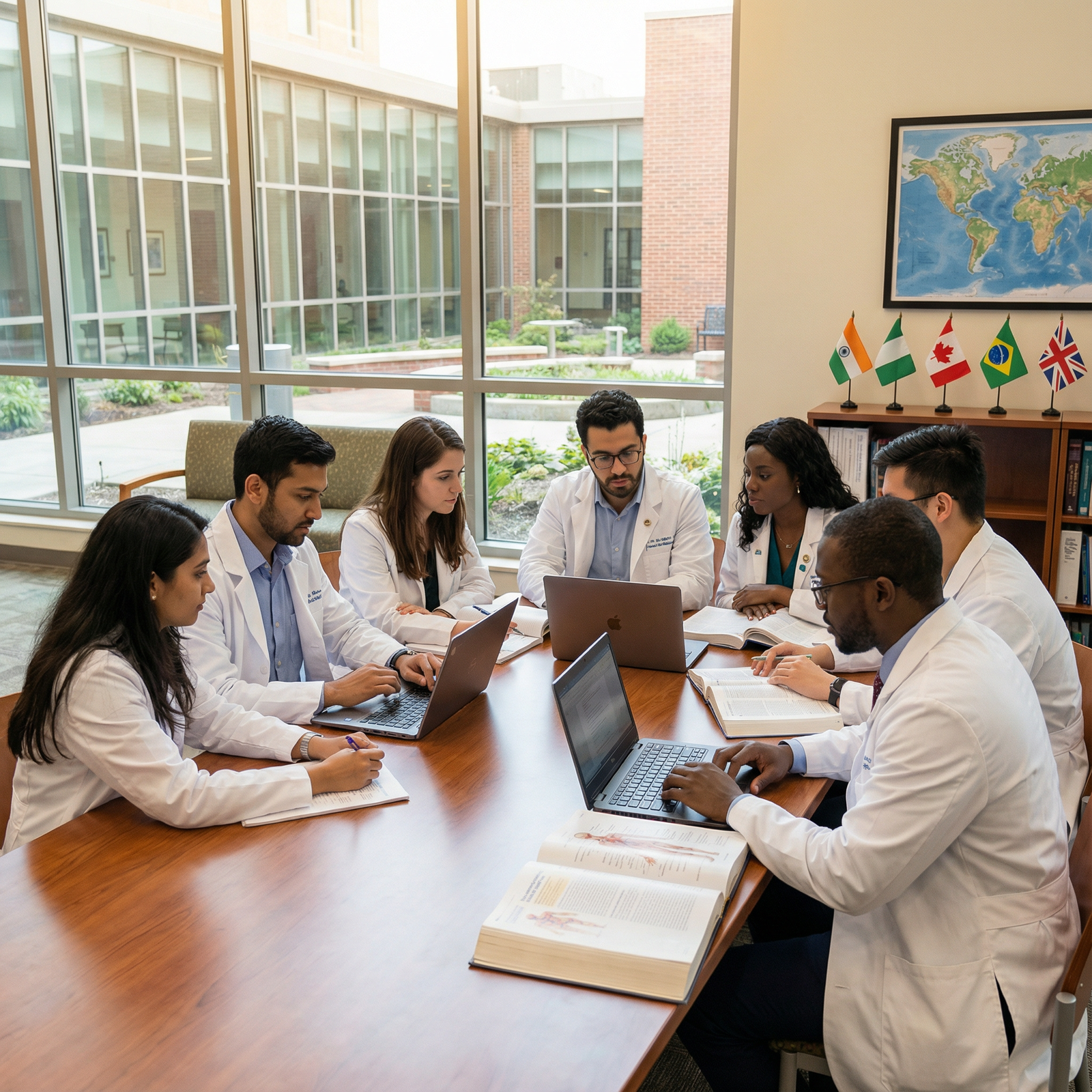
Overview: Why Clinical Rotations in Caribbean Medical Schools Matter
Caribbean Medical Schools have become a major pathway into medicine for students who may not have secured a spot at U.S. or Canadian institutions but are deeply committed to a career in healthcare. One of the most important aspects of this route is the clinical rotation phase—where classroom knowledge transforms into real-world, patient-centered Medical Education.
For students in Caribbean programs, Clinical Rotations are especially critical. They are not only the bridge between basic sciences and practice, but also a central factor in:
- Residency competitiveness
- Networking and mentorship
- Skill development and professional identity formation
This guide explains how Clinical Rotations work in Caribbean Medical Schools, how to prepare, what to expect, and how to make the most of every day in the hospital or clinic. It is designed for premeds researching Caribbean options, current basic science students planning ahead, and clinical students who want to optimize their experience and future residency prospects.
Understanding Clinical Rotations in Caribbean Medical Schools
What Are Clinical Rotations?
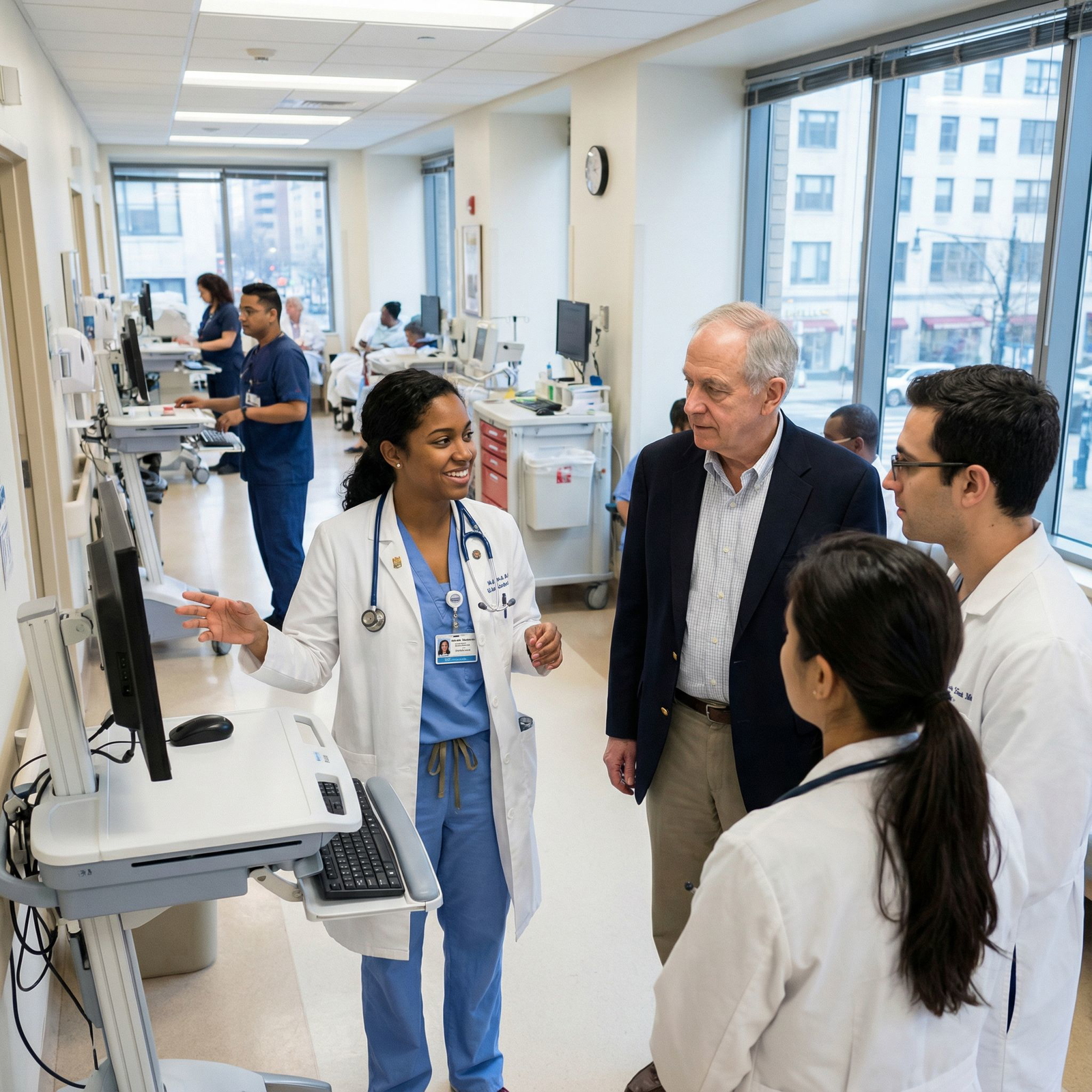
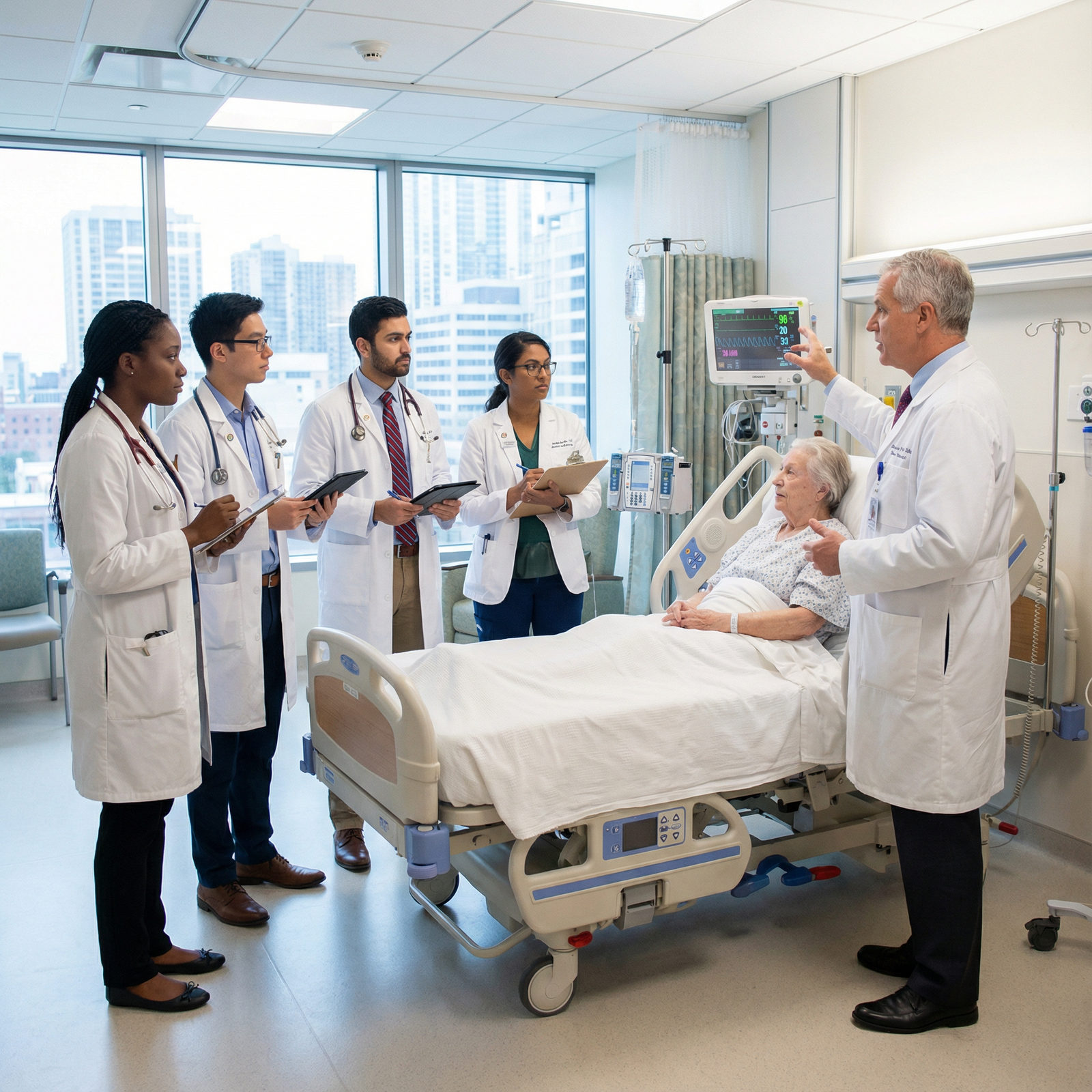
Clinical Rotations are structured training experiences in real healthcare settings—hospitals, clinics, and other facilities—where you work directly with patients under supervision. During this phase of Healthcare Training, you will:
- Take patient histories and perform physical exams
- Present cases to residents and attendings
- Participate in rounding, procedures, and care planning
- Learn to apply evidence-based medicine in real time
In Caribbean Medical Schools, this phase usually begins after you complete your basic sciences (pre-clinical curriculum) on the island and pass key exams such as USMLE Step 1 (for U.S.-bound students). It is the core of your clinical Medical Education and heavily influences your readiness for residency.
Structure and Timeline of Clinical Rotations
Although each school differs, most Caribbean Medical Schools follow a similar structure to U.S. programs in terms of core and elective Clinical Rotations.
Duration of Clinical Training
- Total clinical time: Typically 72–90+ weeks, though minimum graduation requirements are often around 48–72 weeks.
- Overall timeframe: About 1.5 to 2 years to complete full clinical training, depending on:
- School curriculum
- Rotation availability
- How efficiently you schedule rotations
Always confirm your school’s exact graduation and licensing requirements, as well as the requirements for the specific state(s) where you hope to eventually practice.
Core Clinical Rotations
Core rotations are mandatory foundational experiences and generally include:
- Internal Medicine (often 8–12 weeks)
- General Surgery (8–12 weeks)
- Pediatrics (6–8 weeks)
- Obstetrics and Gynecology (OB/GYN) (6–8 weeks)
- Psychiatry (4–6 weeks)
- Family Medicine (4–6 weeks, sometimes primary care/ambulatory-focused)
These are typically completed first, because:
- They cover major areas tested on USMLE Step 2 CK and COMLEX Level 2
- They provide broad clinical exposure and foundational skills
- Residency programs often look closely at performance in these rotations and corresponding shelf exams
Elective Clinical Rotations
After core rotations, you’ll choose electives based on your interests and career goals. Examples include:
- Cardiology
- Emergency Medicine
- Dermatology
- Neurology
- Gastroenterology
- Hematology/Oncology
- Infectious Diseases
- Radiology
- Anesthesiology
- Sub-internships (“Sub-I” or Acting Internship) in Internal Medicine, Surgery, or other fields
Electives serve several key purposes:
- Allow you to explore potential specialties
- Provide targeted experience in your desired field
- Offer opportunities to secure strong letters of recommendation
- Help you demonstrate commitment and capability in competitive specialties
For students from Caribbean Medical Schools, strategic elective choices—especially in U.S. teaching hospitals—can significantly impact residency outcomes.
Preparing for Clinical Rotations: Logistics, Skills, and Strategy
Successful Clinical Rotations start long before you show up on the ward. Preparation involves securing placements, handling paperwork, and building baseline clinical competence.
Securing Clinical Placement: Sites, States, and Strategy
Know Where Your School Has Affiliated Clinical Sites
Most established Caribbean Medical Schools have clinical affiliations with hospitals and clinics in:
- The United States (various states)
- Canada (for some schools)
- The U.K. or other international locations (less common but possible)
Key considerations:
State approvals: Some U.S. states have strict rules about which international medical schools they recognize (e.g., California, New York, New Jersey, Texas). Verify that:
- Your school is approved or recognized in the states where you want to train or later practice.
- The clinical sites themselves are approved teaching sites.
Type of hospital: Academic teaching hospitals vs. community hospitals. Academic centers often offer:
- More structured teaching
- More residents and subspecialty exposure
- Better name recognition for residency applications
Understand the Placement Process
Caribbean Medical Schools vary widely in how they arrange clinical placements:
School-arranged clinical slots:
- The school schedules you into specific affiliated hospitals.
- May have less flexibility but less administrative burden for the student.
Student-driven placements (more limited now but still present in some programs):
- You may be allowed or expected to help find elective sites or preceptors.
- Requires proactive networking and understanding of credentialing requirements.
Questions to ask your school early:
- How far in advance should I request specific rotation locations?
- Can I cluster rotations in one city or region for stability and cost savings?
- Are there priority or “premium” teaching hospitals, and how competitive are they?
- Are there extra fees for certain sites?
Strategic planning can reduce travel, housing disruption, and gaps in your training.
Completing Required Documentation and Compliance
Before you start any Clinical Rotation, you must meet site-specific and legal requirements. Typical documentation includes:
- Medical clearance and immunizations
- Proof of vaccinations: Hepatitis B, MMR, Varicella, Tdap, Influenza, and COVID-19 (where required)
- TB screening (PPD or IGRA)
- Physical exam and “fit for duty” clearance
- Background checks and drug screens
- Some hospitals require state or federal background checks
- Pre-rotation drug testing may be required
- Liability (malpractice) insurance
- Often provided via your school; ensure coverage is current and meets hospital requirements
- HIPAA and compliance training
- Online modules for patient privacy, infection control, and workplace safety
- CPR/BLS certification
- Basic Life Support (BLS) or equivalent, often mandatory
Start this process months in advance. Delays in paperwork can postpone your Clinical Rotations and extend your time (and cost) in school.
Building Core Clinical Skills Before Day One
You are not expected to be a fully formed clinician on day one, but a solid foundation will help you stand out.
Refresh Key Medical Knowledge
Before each rotation:
- Review high-yield topics using resources like:
- Step 2 CK review books, rotation-specific texts
- Online question banks (UWorld, AMBOSS, etc.)
- Revisit history-taking and physical exam skills from your pre-clinical curriculum.
- Learn common abbreviations and basic note structures (H&P, SOAP notes).
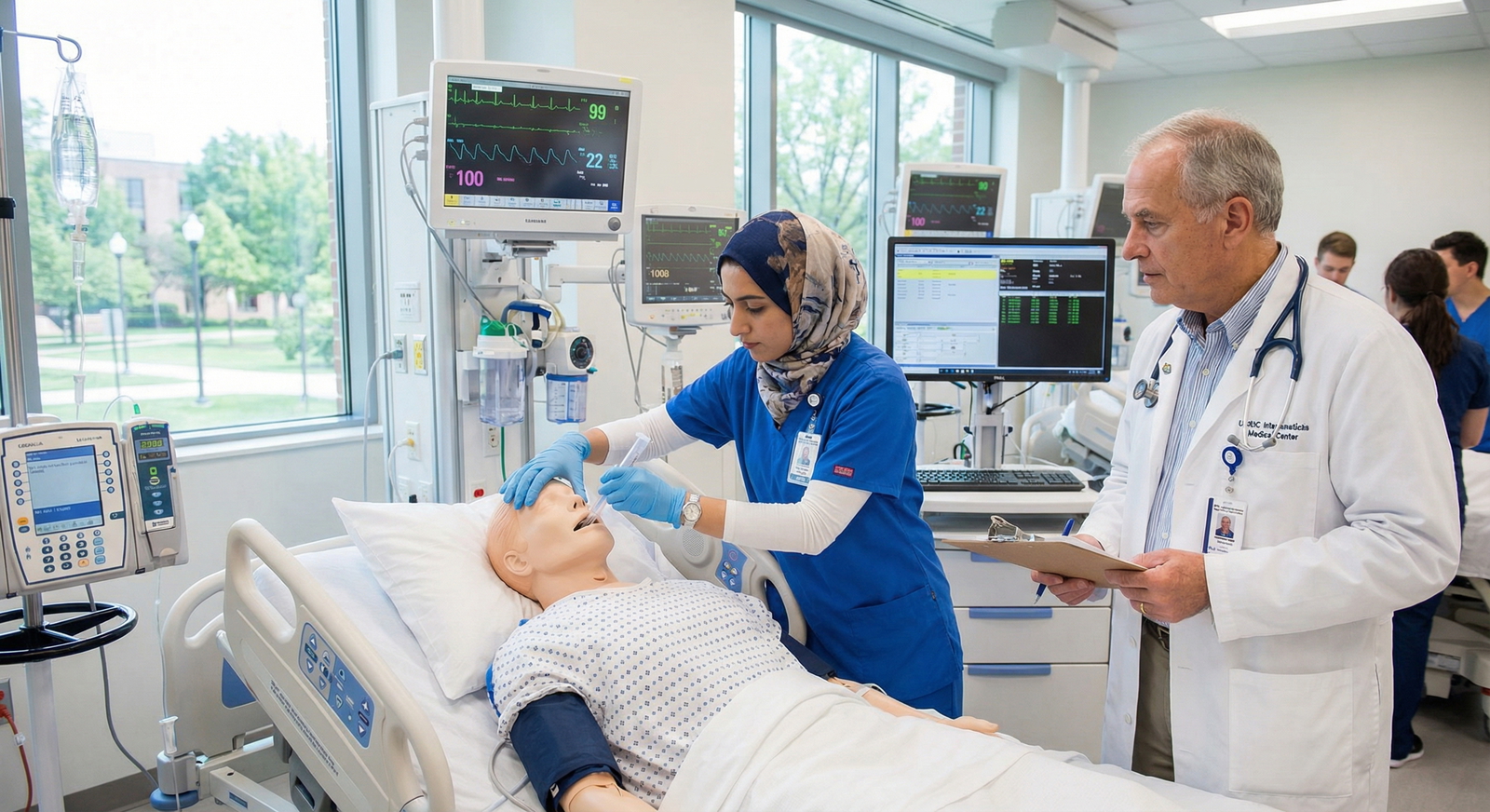
Practice Hands-On Skills
If your campus offers clinical skills labs or simulation centers, use them to practice:
- Vital signs, basic physical exam maneuvers
- Suturing and wound care (for surgery/ER)
- Phlebotomy and IV placement (where allowed)
- Basic procedures like EKG placement, urinary catheterization (at least observe in simulation)
If possible, shadow senior students already in Clinical Rotations:
- Ask about typical day schedules, expectations, and pitfalls.
- Request sample notes or feedback on your practice notes.
- Learn what each attending or site particularly values (punctuality, presentations, procedural interest, etc.).
What to Expect Day-to-Day During Clinical Rotations
Your Role and Responsibilities as a Clinical Student
You’ll gradually move from observer to active member of the healthcare team. Common responsibilities include:
Patient interaction
- Taking focused and comprehensive histories
- Performing physical exams under supervision
- Building rapport with patients and families
Documentation
- Writing H&Ps (admission notes) and daily progress notes
- Updating problem lists and medication lists (as allowed)
- Ensuring compliance with HIPAA and institutional policies
Participation in rounds and teaching
- Presenting patients concisely on rounds
- Discussing differential diagnoses and management plans
- Attending didactics, case conferences, and M&M (morbidity and mortality) meetings when available
Assisting with procedures (depending on rotation and site)
- Assisting with suturing, wound care, and minor procedures
- Observing or assisting in the OR on surgery and OB/GYN
- Practicing pelvic exams, Pap smears, pediatric exams, etc. under close supervision
Your level of responsibility will grow as you demonstrate competence, reliability, and professionalism.
Time Management and Work-Life Balance
Clinical Rotations can be demanding. Schedules often include:
- Early morning pre-rounding (e.g., 5:30–6:30 a.m. on some services)
- Long daytime hours (8–12+ hours depending on specialty)
- Night or weekend call in certain rotations
To succeed without burning out:
Use a digital calendar to track:
- Rotation schedules, call days, teaching sessions
- Exam dates (shelf exams, NBME, OSCE)
- Application deadlines (ERAS, residency milestones)
Study efficiently
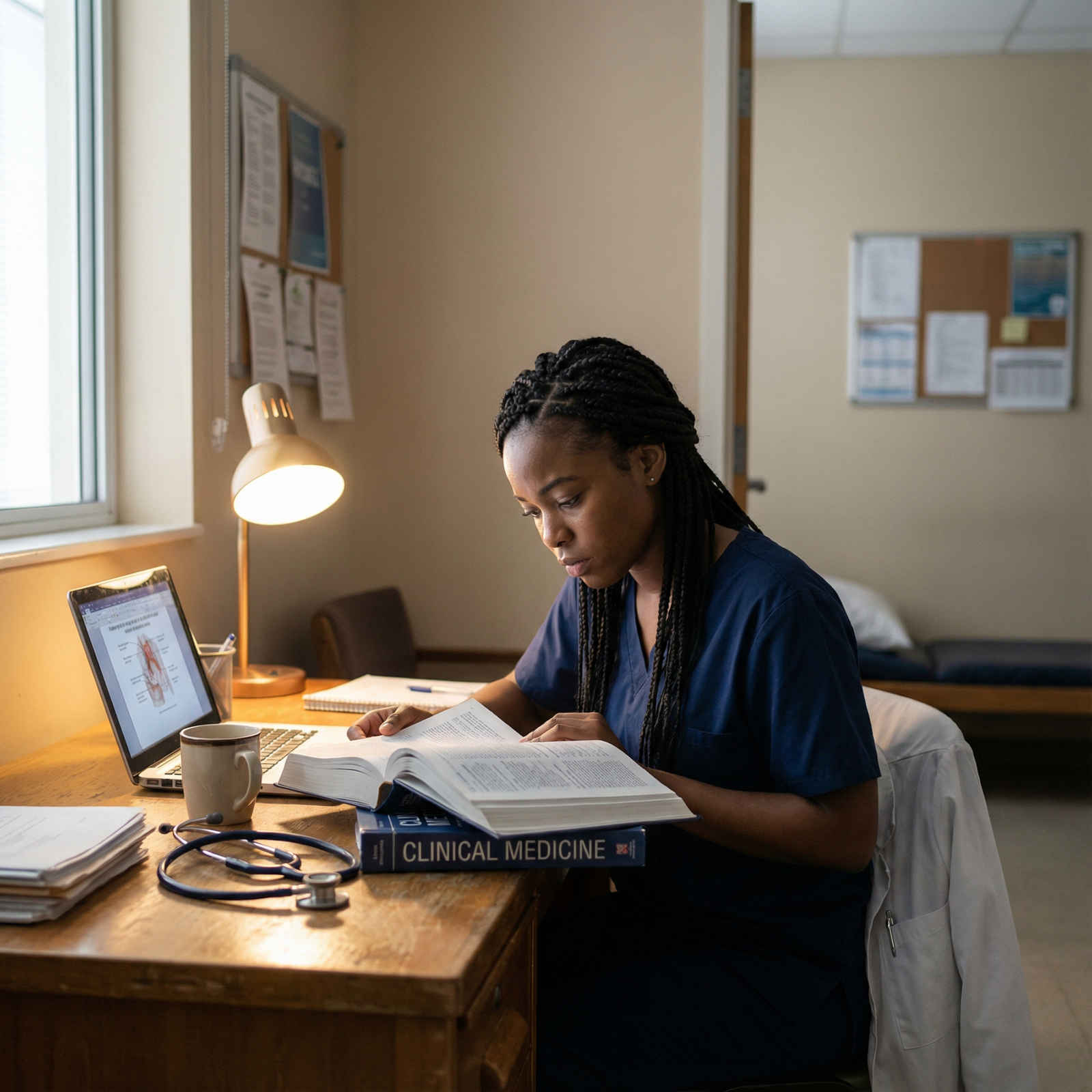
- Integrate study into your workday (e.g., read about your patients’ conditions each evening).
- Use question banks daily for 20–40 questions, even on busy days.
- Focus on one main resource per rotation to avoid spreading yourself too thin.
Prioritize sleep and health
- Aim for consistent sleep schedules when possible.
- Meal prep when feasible, pack healthy snacks.
- Incorporate brief exercise (even 15–20 minutes) a few times a week.
Maintaining your physical and mental health is essential—not optional—if you want to perform at your best and protect yourself from burnout.
Building Professional Relationships and Reputation
Your network and reputation during Clinical Rotations can be as important as your grades or exam scores.
Professionalism Basics
- Show up early and stay until your team is done
- Be reliable: if you commit to a task, follow through
- Maintain respectful communication with all staff—nurses, techs, custodial staff, and physicians
- Protect patient confidentiality and maintain professional boundaries at all times
Remember: every day is effectively a long-form interview. Attendings and residents may later be your letter writers or advocates for residency.
Seeking Feedback and Mentorship
- Proactively ask for mid-rotation and end-of-rotation feedback.
- Be specific: “What one thing can I improve over the next two weeks?”
- If you find an attending who’s supportive and invested, consider them as a potential mentor or letter writer.
For Caribbean Medical School students, strong letters of recommendation from U.S. clinical faculty are often pivotal in overcoming biases and demonstrating your capability.
Unique Challenges of Clinical Rotations for Caribbean Medical Students
While the core tasks are similar to any medical student’s experience, Caribbean Medical School students face some additional challenges that require planning and resilience.
Accreditation, Recognition, and Licensing Considerations
Not all Caribbean Medical Schools are the same. Their accreditation status and clinical affiliations can affect your:
- Eligibility for U.S. or Canadian residencies
- Ability to get licensed in specific U.S. states or provinces
- Long-term career flexibility
Key bodies and concepts to understand:
- WFME (World Federation for Medical Education):
- By 2024 and beyond, many countries (including the U.S.) require that international schools be accredited by WFME-recognized agencies for graduates to be ECFMG certified.
- LCME (Liaison Committee on Medical Education):
- Accredits U.S. and Canadian MD programs. Caribbean schools are not LCME-accredited, but their graduates must still meet other recognition standards for residency.
Action steps:
- Confirm your school’s current accreditation status and WFME-recognized accreditation.
- Check state-specific rules (e.g., California, New York, Texas) regarding your school and clinical sites.
- Monitor changes; regulations can evolve during your training period.
Adapting to Different Clinical Environments
Many Caribbean students rotate across multiple hospitals, cities, and even countries.
Challenges include:
- Cultural differences in patient care
- Variation in patient expectations, communication styles, and norms around autonomy and family involvement.
- Electronic medical record (EMR) systems and workflows
- Every hospital may use a different EMR (Epic, Cerner, Meditech, etc.).
- Learn shortcuts and templates early to improve your efficiency.
- Frequent moves and housing changes
- Short rotation blocks (4–8 weeks) in different locations can make housing and transportation complicated.
Coping strategies:
- Keep a “first day checklist” for new sites (badges, EMR training, parking, scrubs, call rooms).
- Arrive early on day one to complete orientation tasks.
- Join online groups or forums for your school to find housing leads and advice from students at the same site.
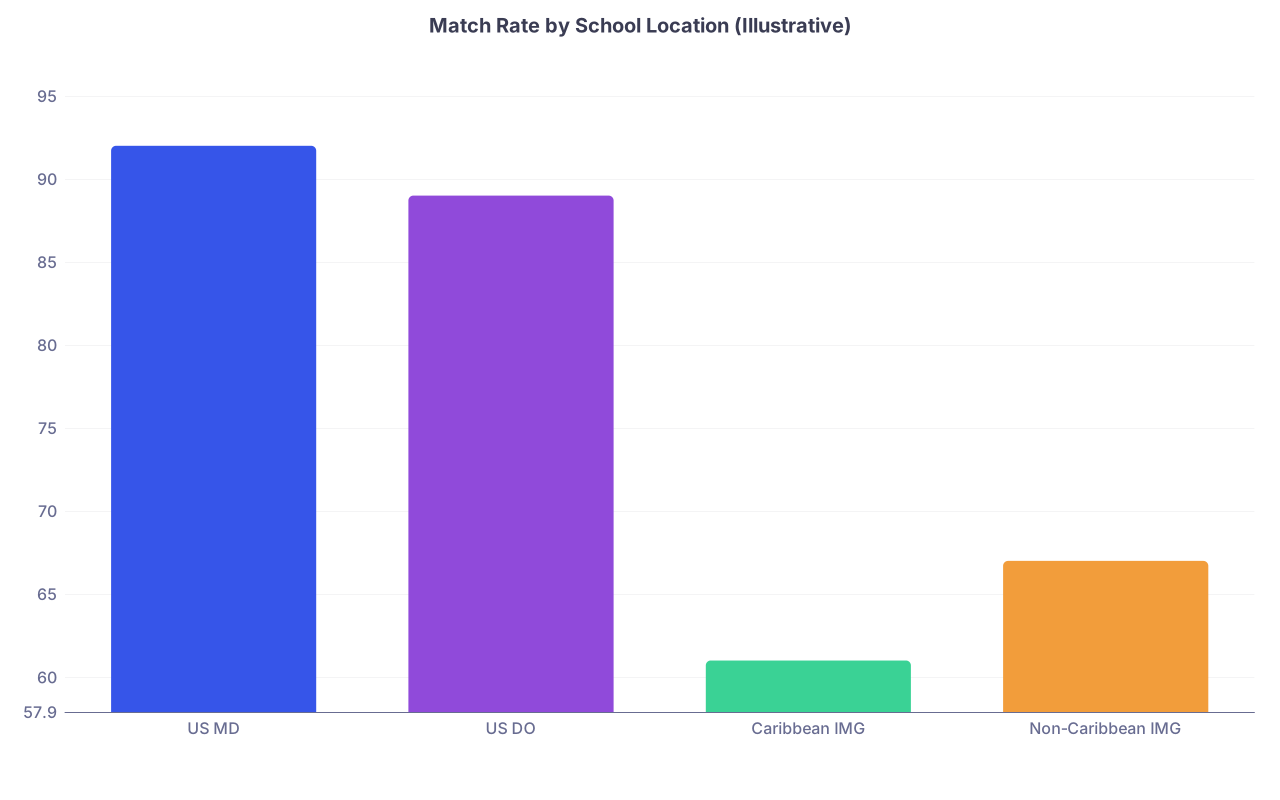
Competing for Residency as an International Medical Graduate (IMG)
Graduates of Caribbean Medical Schools are considered International Medical Graduates in the U.S. and Canada. This comes with additional hurdles:
- IMGs often face more competition for residency spots, especially in competitive specialties (e.g., dermatology, orthopedic surgery, plastic surgery).
- Some programs do not routinely interview IMGs, regardless of individual merit.
To remain competitive:
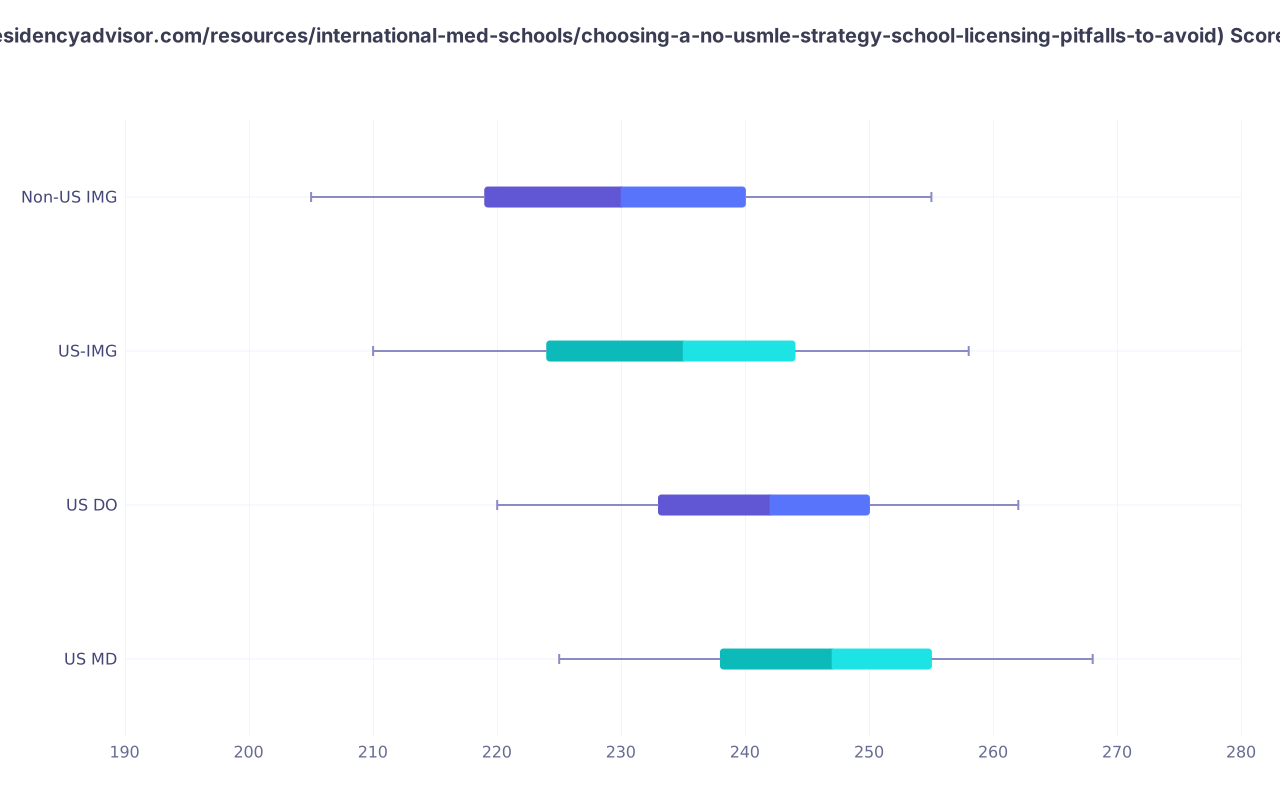
- Aim for strong USMLE/COMLEX scores, especially Step 2 CK.
- Maximize your performance in clinical evaluations and shelf exams.
- Choose audition electives or sub-internships in programs or regions where you hope to match.
- Seek robust letters of recommendation from U.S. faculty in your desired specialty.
- Build a portfolio of research, quality improvement, or scholarly projects if possible.
Clinical Rotations are your opportunity to show that you function at or above the level of any other medical student, despite a non-traditional pathway.
Maximizing Success: Practical Tips and Strategies
To get the most value from your Clinical Rotations in Caribbean Medical Schools, think beyond simply “passing” and aim to excel, learn deeply, and build your future career.
Be Deliberate About Learning Goals
For each rotation:
- Set 2–3 clinical skill goals (e.g., independently performing a focused cardiac exam, improving presentations).
- Set 1–2 knowledge goals (e.g., mastering chest pain workup, antibiotic selection basics).
- Revisit these weekly and track your progress.
Use the patients you see as your curriculum:
- After seeing a patient with a new diagnosis (e.g., pulmonary embolism), read targeted resources about that condition that same day.
- Keep a small notebook or digital doc with “patients who taught me something” and the associated learning points.
Show Initiative Without Overstepping
Attendings value students who:
- Volunteer to see new admissions or consults
- Offer to follow up on lab results, imaging, or family updates
- Prepare short teaching presentations on common topics (e.g., “5-minute talk on heart failure management”)
At the same time:
- Respect scope of practice and always clarify what you are allowed to do independently.
- Ask before performing procedures.
- Avoid speaking beyond your knowledge—say “I’m not sure, but I will look that up.”
Document and Reflect on Your Progress
Keep an updated record of:
- Rotations completed, sites, and attending names
- Procedures you’ve observed or assisted with
- Teaching sessions or presentations you’ve led
- Research or QI projects, posters, or publications
Reflection helps you prepare for:
- Residency personal statements
- Interview questions (“Tell me about a challenging case…”)
- Competency-based evaluations and milestones
Leverage Student Resources and Support Systems
Caribbean Medical Schools often provide Student Resources specifically designed to support Clinical Rotations, including:
- Clinical advising and scheduling support
- Exam prep resources for shelf exams and Step 2 CK
- Online libraries and evidence-based medicine tools
- Counseling services and wellness resources, especially for students far from home
In addition, use external Student Resources:
- Specialty interest groups (e.g., EMRA for emergency medicine, ACP for internal medicine)
- Online forums and mentoring programs for IMGs
- Hospital-based resident or faculty mentors who understand your path
You do not have to navigate this journey alone; proactive use of available resources can significantly improve both performance and well-being.
FAQs About Clinical Rotations in Caribbean Medical Schools
1. How long do clinical rotations usually last in Caribbean Medical Schools?
Most Caribbean programs require between 72 and 90 weeks of clinical training, though some list a minimum of about 48–72 weeks to graduate. This typically spans 1.5 to 2 years and includes both core and elective rotations. Exact durations for each core (e.g., 8–12 weeks of Internal Medicine, 8–12 weeks of Surgery) vary by school and affiliated site.
2. Where will I complete my clinical rotations as a Caribbean medical student?
Many Caribbean Medical Schools place students in affiliated hospitals and clinics across the U.S., and in some cases Canada or the U.K. Common U.S. locations include states such as New York, New Jersey, Florida, Illinois, and others. Availability depends on your school’s partnerships and state approvals. Always verify that both your school and clinical sites are recognized in the states where you plan to train or eventually practice.
3. Are clinical rotations from Caribbean Medical Schools recognized for residency applications?
Yes—if your school is properly accredited and your rotations are completed at approved teaching sites. U.S. residency programs regularly accept qualified graduates of Caribbean Medical Schools, but competition can be intense. Strong exam scores, excellent clinical evaluations, and letters of recommendation from U.S. attendings are critical to making your rotations count.
4. What documents do I need before starting my clinical rotations?
Common requirements include:
- Proof of immunizations and medical clearance
- TB screening and, at some sites, COVID-19 vaccination proof
- Criminal background check and/or drug screen
- Malpractice (liability) insurance documentation
- HIPAA, OSHA, and other compliance training certificates
- BLS/CPR certification
Your school’s clinical department and each site’s coordinator will provide specific checklists—start early to avoid delays.
5. How can I best prepare to succeed in clinical rotations and improve my residency chances?
Focus on three main areas:
- Academics and clinical skills: Review core content before each rotation, use question banks, and practice physical exam and note-writing skills.
- Professionalism and relationships: Be punctual, reliable, teachable, and respectful. Seek feedback and cultivate mentors who can later write strong letters of recommendation.
- Strategic planning: Choose elective rotations and locations that align with your specialty interests and target residency programs, and stay on top of licensing, accreditation, and application timelines.
Clinical Rotations in Caribbean Medical Schools are demanding but highly rewarding. With careful preparation, strategic planning, and consistent effort, you can transform these experiences into a strong foundation for residency and a meaningful career in healthcare.