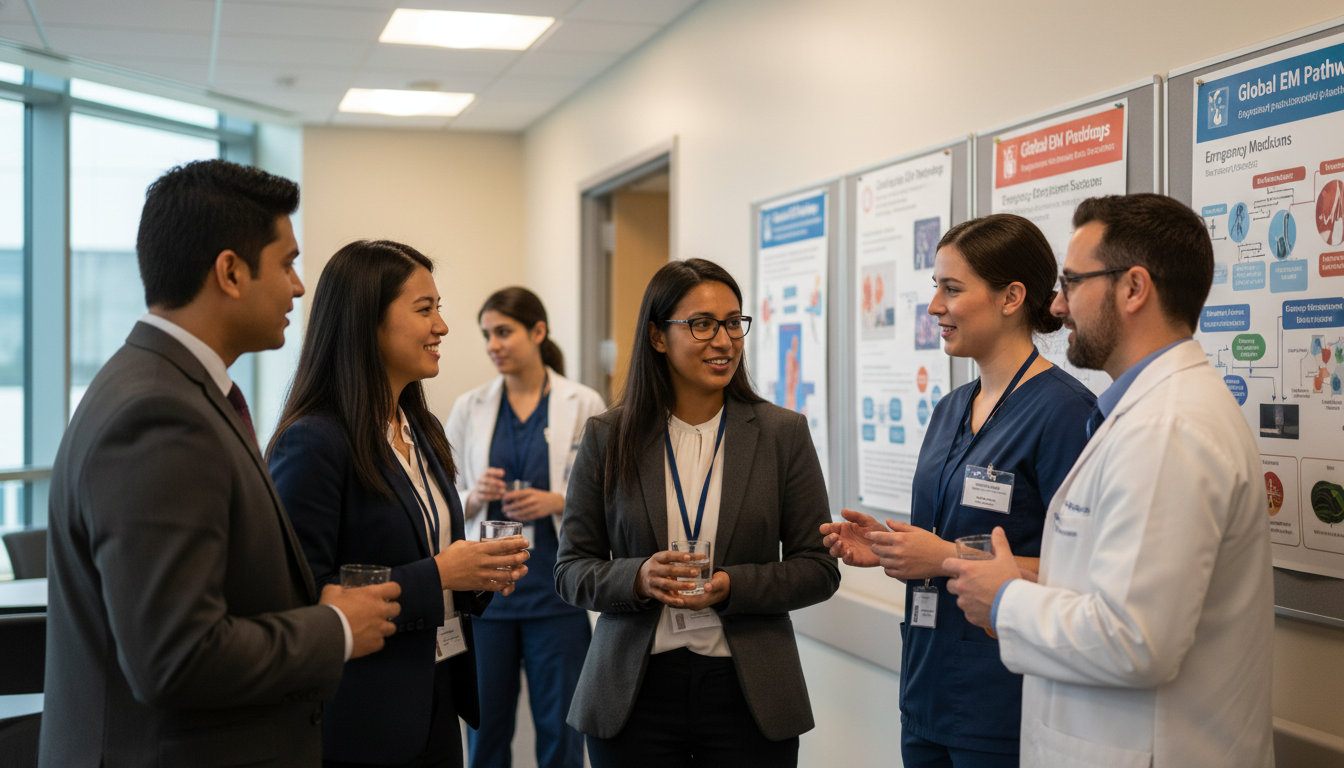
Why Networking Matters So Much for IMGs in Emergency Medicine
For an international medical graduate (IMG), emergency medicine (EM) can feel like one of the toughest specialties to break into. The clinical demands are high, programs are competitive, and many selection committees are still learning how to fairly evaluate international experiences. In this environment, networking in medicine is not optional—it is strategic survival.
In the context of EM, networking is not just “meeting people.” Instead, it is:
- How you get seen in a crowded applicant pool
- How you learn unwritten rules of the EM match and application process
- How you access opportunities (auditions, observerships, research, QI projects)
- How you build credibility beyond test scores and CV bullet points
- How you find mentors and sponsors who will actively support your goals
For an IMG residency guide focused on EM, networking often becomes the bridge between being “just another ERAS application” and being “the applicant Dr. X personally recommended we interview.”
Unique Networking Challenges for IMGs
As an IMG, you are often starting with disadvantages:
- No or limited US-based medical school alumni network
- Few built‑in opportunities to rotate at US EM residency sites
- Less familiarity with American clinical culture and expectations
- Visa concerns that make some programs hesitate
- Geographic distance if you are still abroad
Effective medical networking compensates for these barriers by:
- Creating personal connections that vouch for your work ethic and professionalism
- Giving you early insights about which programs are IMG-friendly and why
- Helping you signal interest to programs in a way that is remembered
- Positioning you to get strong EM-specific letters and meaningful advocacy
When you recognize networking as a core competency—just like mastering airway management or reading an EKG—you’ll approach it with intention, practice, and structure rather than leaving it to chance.
Core Principles of Networking in Emergency Medicine
Before diving into conferences, social media, or email templates, it helps to understand some foundational principles that guide effective networking in medicine.
1. Networking Is Relationship-Building, Not Transactional Asking
Many IMGs worry that networking feels “fake” or opportunistic. That usually happens when the approach is purely: “Can you give me X?” (an observership, a letter, a rotation, a job).
Effective networking in medicine is:
- Curiosity-driven: You ask about their career path, decisions, and lessons.
- Value-adding: You look for ways to contribute (research help, quality improvement projects, translations, literature searches).
- Long-term: You’re not just connecting during application season; you maintain relationships over time.
When your intention is to learn and contribute, people can sense it. The “ask” (for advice, opportunities, or support) becomes a natural part of an ongoing relationship rather than a cold request.
2. Consistency Beats Intensity
Networking is not one massive conference or one viral tweet. It’s a series of small, consistent actions:
- Sending 1–2 thoughtful emails per week
- Following up with every physician you shadow or rotate with
- Checking in with mentors every 2–3 months
- Participating regularly in EM online communities
Think of networking as “professional maintenance” rather than a one-time project.
3. Specificity Makes You Memorable
Instead of “I want to be in emergency medicine,” clarity like this stands out:
- “I’m an IMG from India with a strong interest in emergency medicine and ultrasound, especially in low-resource settings.”
- “I’m focused on EM with a long-term goal of working at a community academic hybrid site, teaching residents.”
Specificity helps people remember you, recommend programs that fit your profile, and connect you with the right colleagues.
4. Professionalism Is Your Best Brand
In emergency medicine, how you communicate is as important as who you know:
- Responding to emails promptly and clearly
- Being on time, prepared, and engaged during any meeting
- Demonstrating humility and teachability
- Being honest about your limitations and visa status
Your reputation will spread through informal channels—ED chiefs, clerkship directors, PDs, and residents talk. You want your name attached to “reliable,” “hard-working,” and “great to work with.”
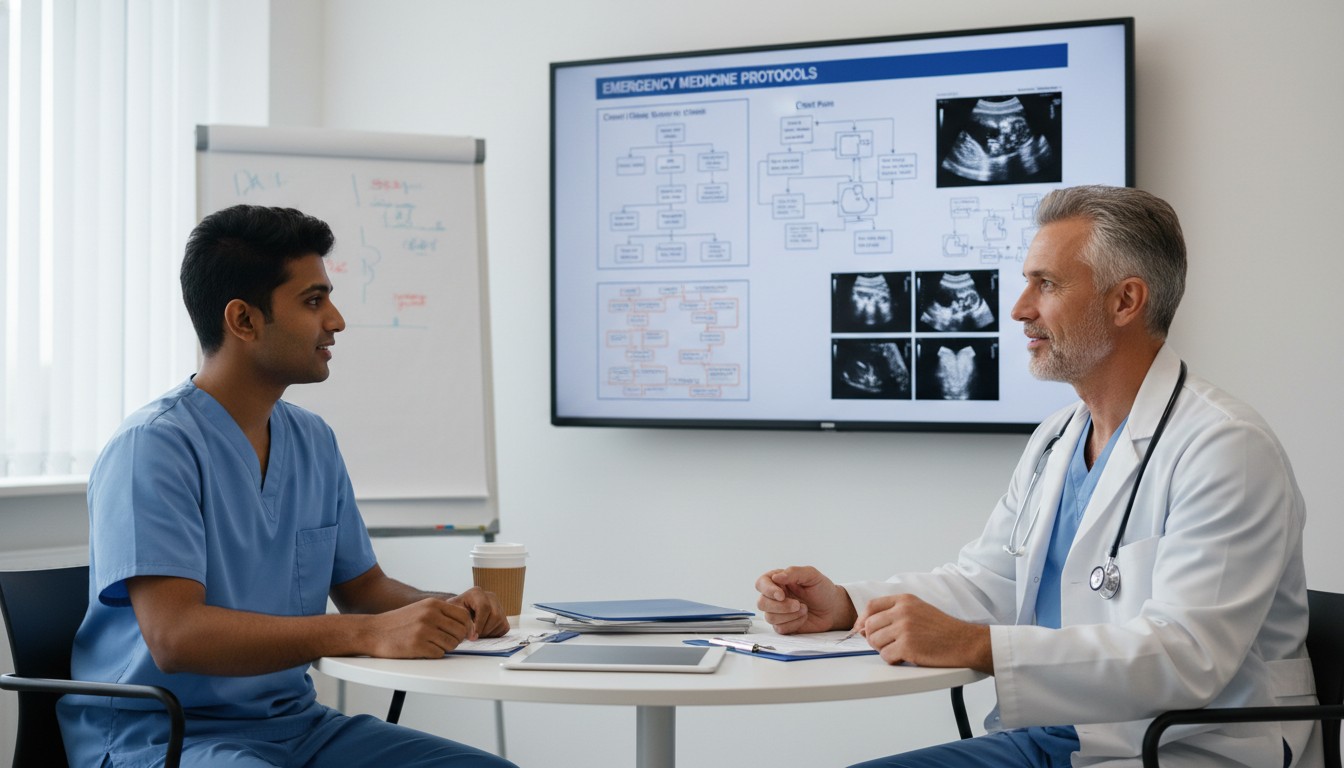
Building a High-Impact EM Network: Where and How to Start
Networking opportunities for EM-focused IMGs fall into four major arenas: clinical environments, conferences, digital platforms, and structured mentorship programs. You should ideally touch each of these.
1. Clinical Rotations, Observerships, and Shadowing
For the EM match, in-person clinical impressions are often the most powerful networking tool.
A. Away Rotations and Sub-Internships (US-Based)
If you’re able to secure official EM rotations (especially at programs with residencies):
- Treat every shift as a mini-interview.
- Introduce yourself briefly to the attending at the start:
- Where you trained
- Your path to EM
- Something specific you want to learn (e.g., EKG interpretation, trauma assessment)
- Ask for direct feedback halfway through the rotation:
“Dr. Smith, I’m really focused on becoming more effective in the ED. Is there one thing I could improve for the rest of the rotation?”
Networking actions during the rotation:
- Learn names of attendings and residents and use them
- Offer to stay late occasionally to help wrap up tasks
- Ask if you can help with ongoing projects (QI, research, education materials)
- Follow up with a thank-you email to key faculty and residents at the end
These actions transform you from “just another rotating student” into a candidate they remember—and potentially advocate for in the selection meeting.
B. Observerships and Shadowing (If You Can’t Get Hands-On Rotations)
If you cannot directly see patients, you can still network effectively:
- Show up early, prepared, and in professional attire
- Ask focused, thoughtful clinical or career questions during appropriate downtime
- Offer help with non-clinical tasks (research data entry, literature searches, presentation preparation)
- Ask whether there are EM journal clubs or educational conferences you can attend
At the end of the observership, send personalized follow-up messages:
- Thank them for specific teaching moments
- Mention one clinical pearl or career insight you’ll carry forward
- Ask if you may stay in touch for occasional advice
This is how observerships become mentorship in medicine rather than a one-time shadowing experience.
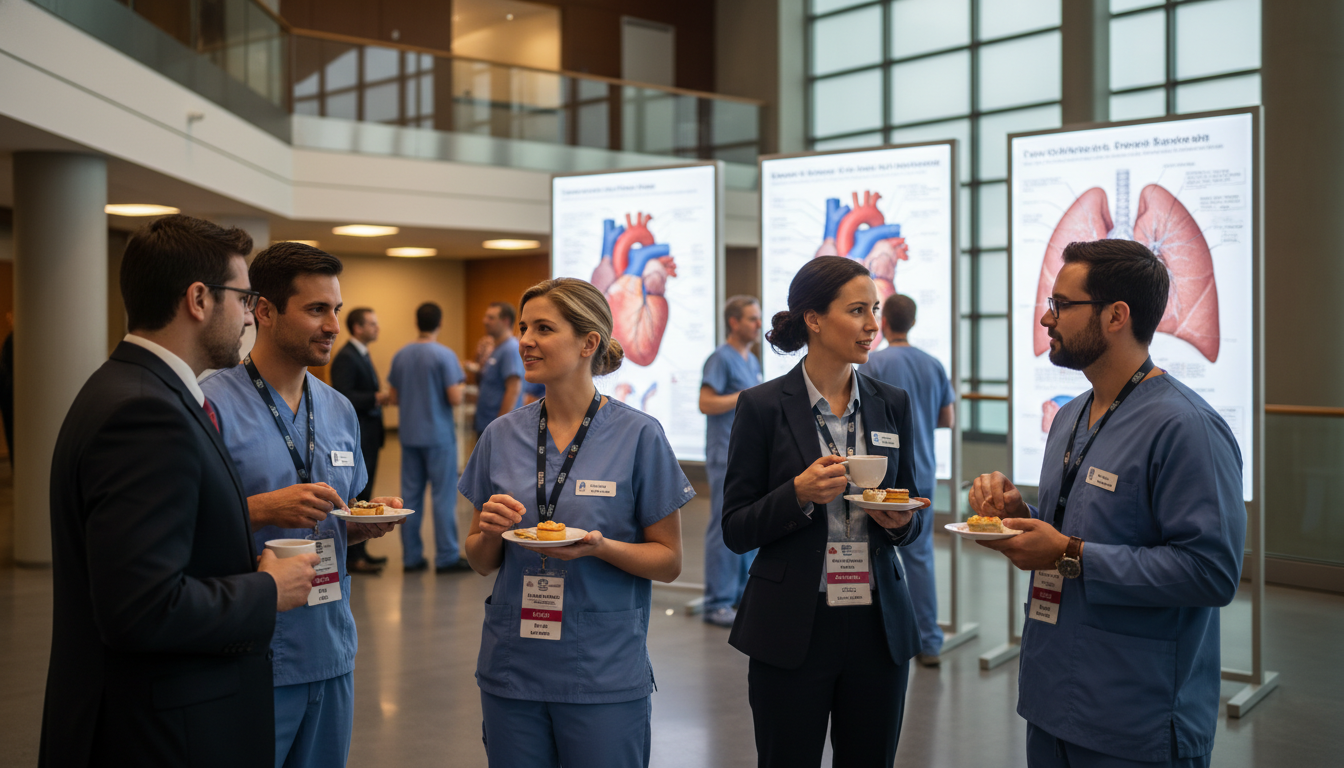
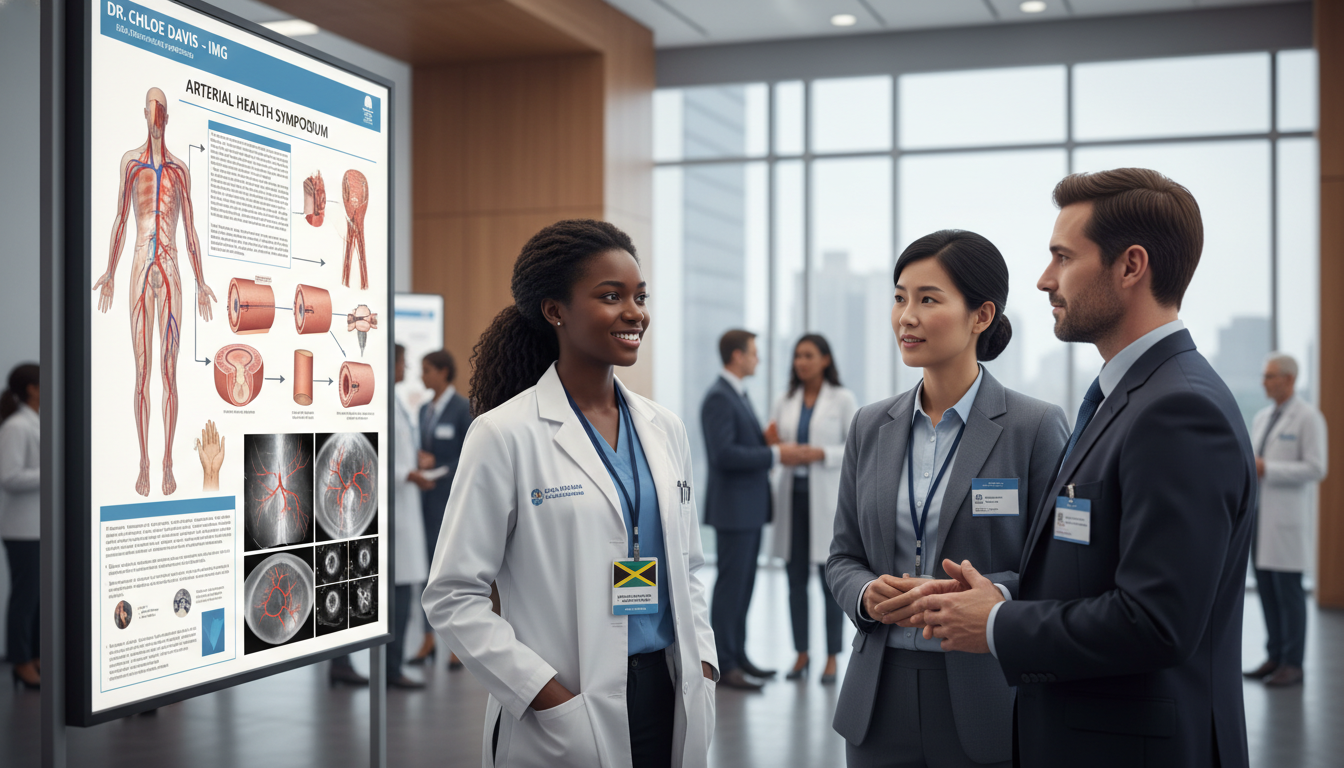
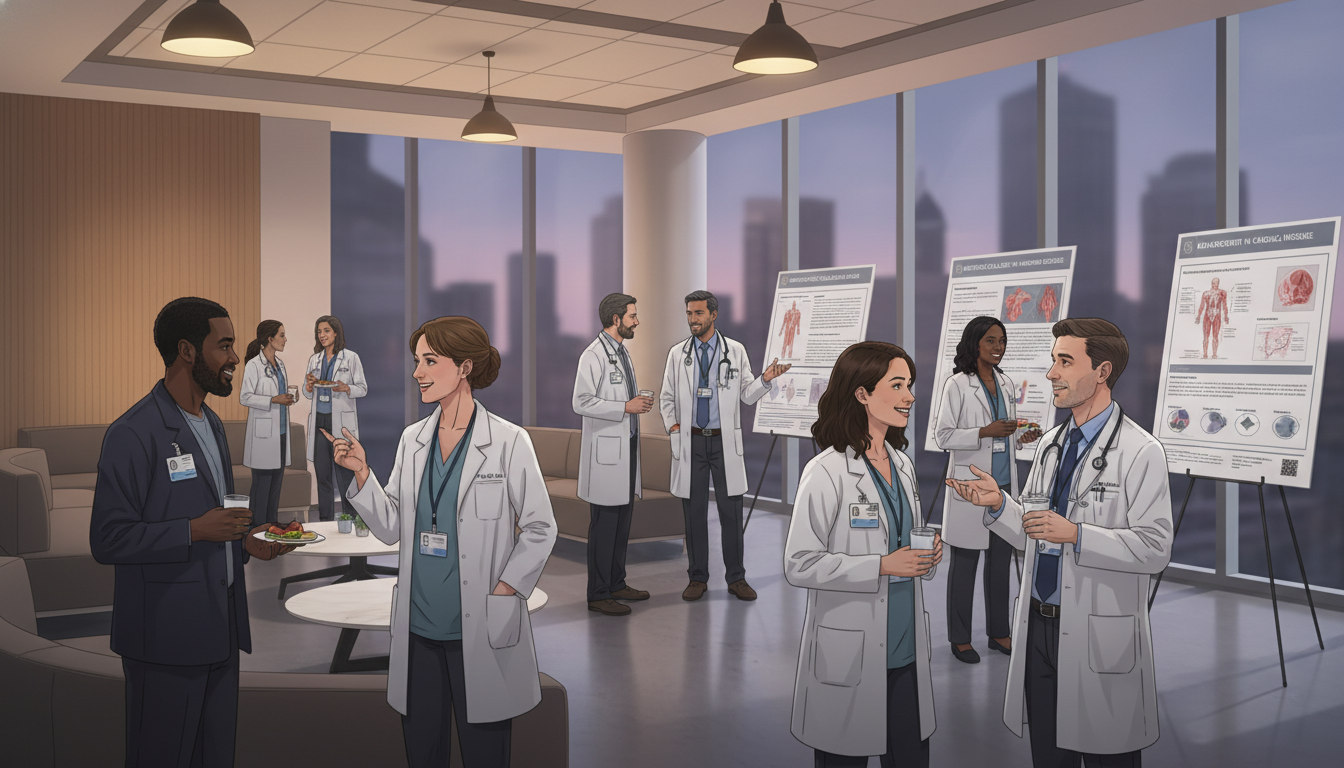
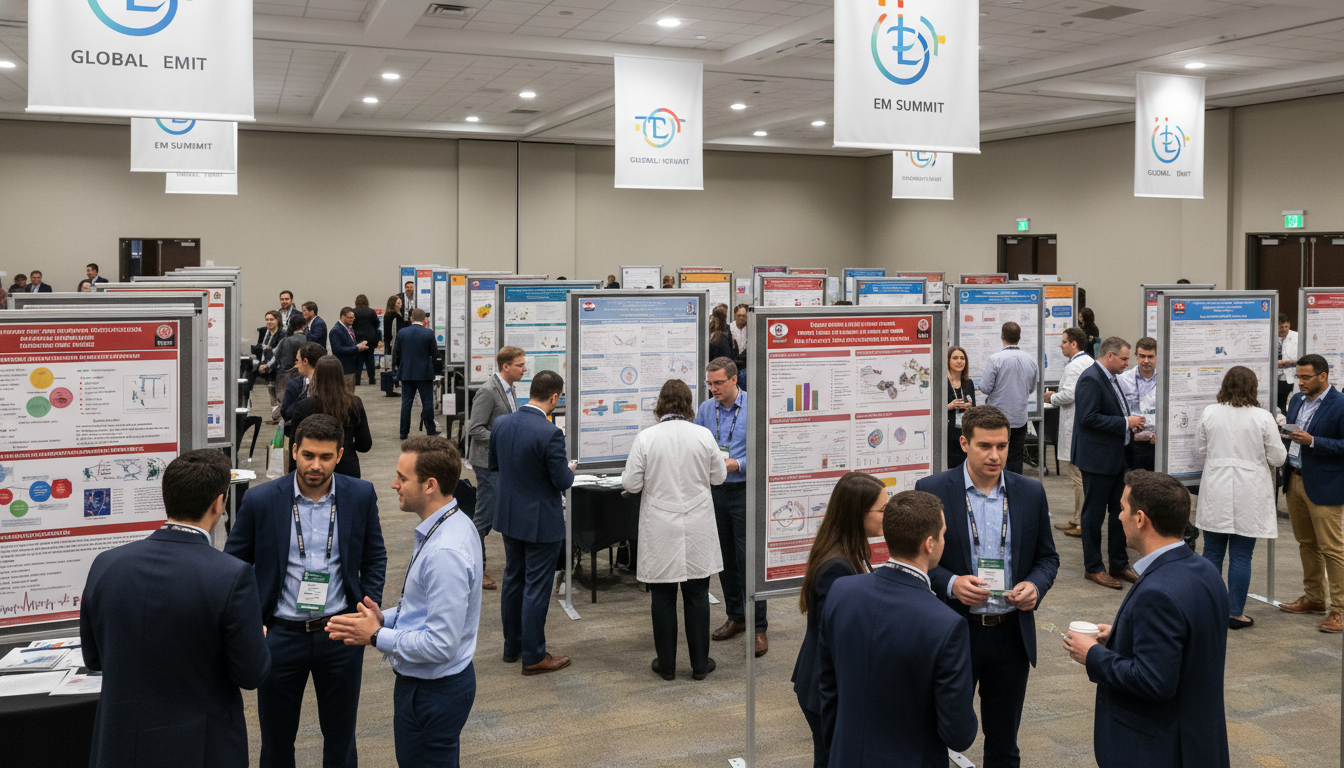
2. Conference Networking: Turning Meetings into Opportunities
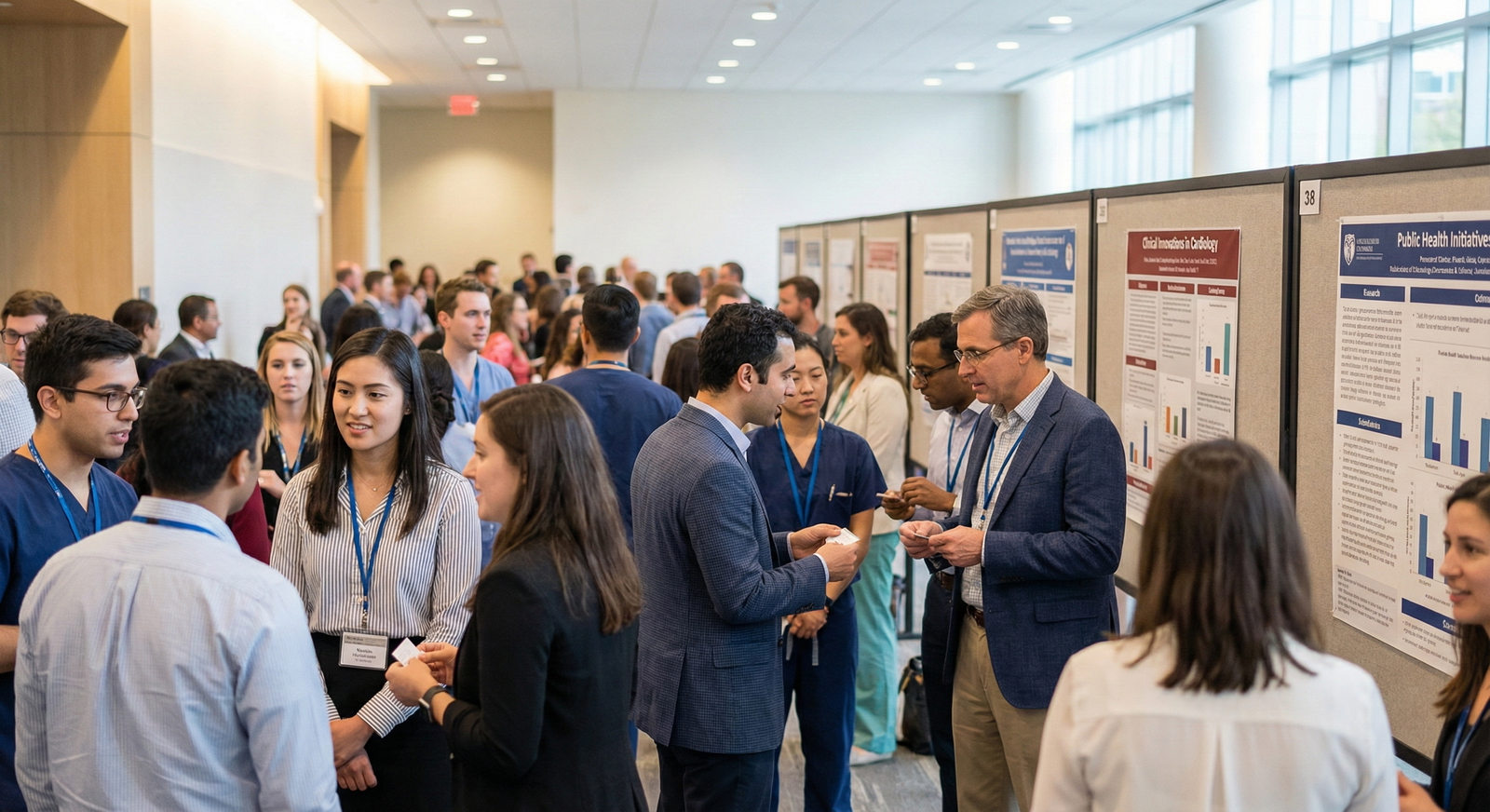
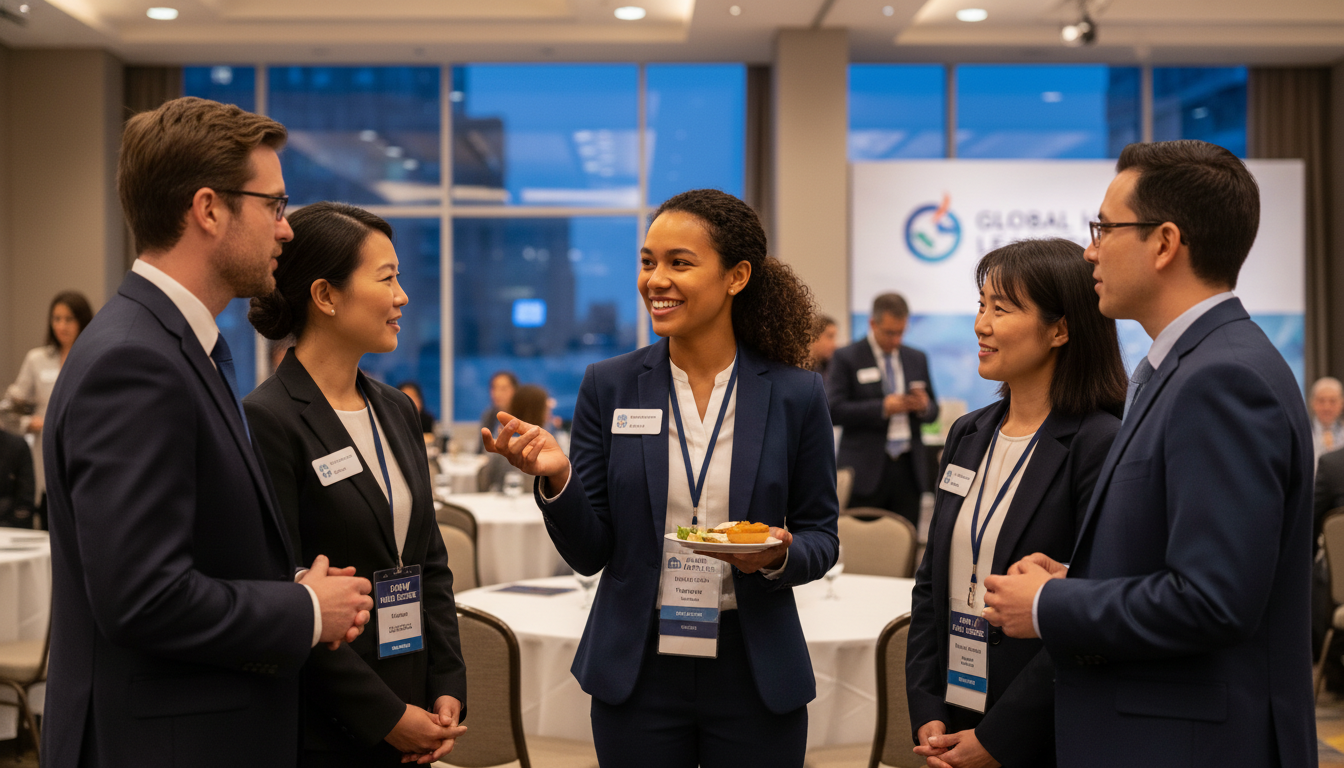
Conference networking is one of the most powerful strategies for IMGs in emergency medicine—if you use it strategically.
Relevant EM conferences include:
- ACEP (American College of Emergency Physicians) Scientific Assembly
- SAEM (Society for Academic Emergency Medicine)
- CORD (Council of Residency Directors in Emergency Medicine)
- Regional EM conferences (state ACEP chapters, local EM societies)
A. Prepare Before You Go
Go into each conference with a target list:
- 5–10 programs you’re interested in (especially IMG-friendly ones)
- 5–10 people whose work interests you (PDs, APDs, research leaders, ultrasound directors)
Before the conference:
- Email 3–5 people briefly:
- Introduce yourself as an IMG interested in EM
- Mention 1–2 genuine reasons you follow their work
- Ask if you could say a quick hello or ask for 10 minutes of advice at the conference
Even if only 1–2 respond, you’ve created warm connections before you even arrive.
B. At the Conference: Practical Networking Tactics
To leverage conference networking effectively:
- Attend residency fairs and program showcases; introduce yourself to PDs, APDs, and residents.
- Prepare a 10–15 second self-introduction:
- “Hello Dr. __, my name is __. I trained in __, I’m an international medical graduate focused on emergency medicine with special interest in __. I’ve been following your work on __ and wanted to introduce myself.”
- Ask good questions:
- “How does your program view IMGs and what helps an IMG applicant stand out to your faculty?”
- “Are there specific experiences or skills that your residents tend to have before joining your program?”
Take notes immediately after conversations (names, programs, details). This helps you send personalized follow-up emails rather than generic “Nice to meet you” messages.
C. After the Conference: Follow-Up That Builds Relationships
Within 3–7 days of returning:
- Send tailored follow-up emails:
- Reference something specific you discussed
- Express appreciation for their time
- If appropriate, attach a CV and ask if they’re open to occasional questions
- Connect on LinkedIn or professional platforms, if they use them
- Add them to a simple contact tracker (spreadsheet or note app) with:
- Name, position, institution
- How you met
- What you discussed
- Date of last contact
This is how “conference networking” becomes an ongoing professional network that helps you throughout the EM match and beyond.
Digital Networking: Social Media, Email, and Online Communities
For IMGs—especially those currently outside the US—digital platforms are essential to your networking strategy.
1. Professional Email Outreach
Thoughtful email is still one of the most powerful tools in your IMG residency guide for EM.
A. Who to Email
- Program Directors (PDs) or Associate PDs at IMG-friendly EM programs
- EM faculty with shared interests (e.g., ultrasound, global EM, toxicology)
- Research coordinators or EM division chiefs at academic centers
- Leaders in EM education whom you follow in publications or online
B. How to Write Effective Cold Emails
Key principles:
- Use a clear subject line:
- “Prospective IMG Applicant Interested in Emergency Medicine and Ultrasound”
- “International Medical Graduate Seeking EM Mentorship and Observership Opportunities”
- Keep it concise and specific
- Show you did your homework (mention specific papers, projects, or talks)
Basic structure:
- Brief introduction (who you are, where you trained, your EM interest)
- Why you are reaching out to them specifically
- What you are asking for (advice, brief meeting, guidance on opportunities; avoid starting with “Can you give me a letter?”)
- Reassurance that you value their time and a short response would already be helpful
Even if many people don’t respond, some will—and those few can significantly shape your path.
2. Social Media for Emergency Medicine Networking
Platforms like Twitter/X, LinkedIn, and occasionally Instagram are heavily used in EM for education and networking.
A. Using Twitter/X for EM Networking
Emergency medicine has an active “MedTwitter” community. To use it professionally:
- Create a clear, professional profile:
- Real name, IMG status, EM interest
- Brief description: “International medical graduate pursuing emergency medicine. Interests: ultrasound, global EM, med ed.”
- Follow:
- EM journals (Annals of EM, Academic EM, etc.)
- EM societies (ACEP, SAEM, AAEM)
- Program accounts and PDs/APDs
- EM educators and researchers
Engage by:
- Retweeting and commenting thoughtfully on EM education threads
- Asking clarifying questions about clinical topics
- Sharing small reflections on EM learning (while protecting patient privacy)
- Responding respectfully when PDs or EM leaders ask for trainee perspectives
Over time, people begin to recognize your name—which can translate into easier introductions at conferences or via email.
B. LinkedIn for Professional Branding
LinkedIn is valuable for:
- Showcasing your full CV in an easily accessible way
- Connecting with EM physicians you meet at conferences or on rotations
- Joining groups related to EM, IMGs, or global health
Tips:
- Use a professional photo, concise headline, and a well-structured summary
- List clinical and research experiences clearly
- Mention EM-specific skills (ATLS, ACLS, PALS, ultrasound training, EM research)
When networking via LinkedIn:
- Personalize connection requests
- Use brief follow-up messages to maintain contact
Mentorship and Sponsorship: Deepening Your Professional Support Network
Networking creates contacts. Mentorship and sponsorship turn those contacts into career allies.
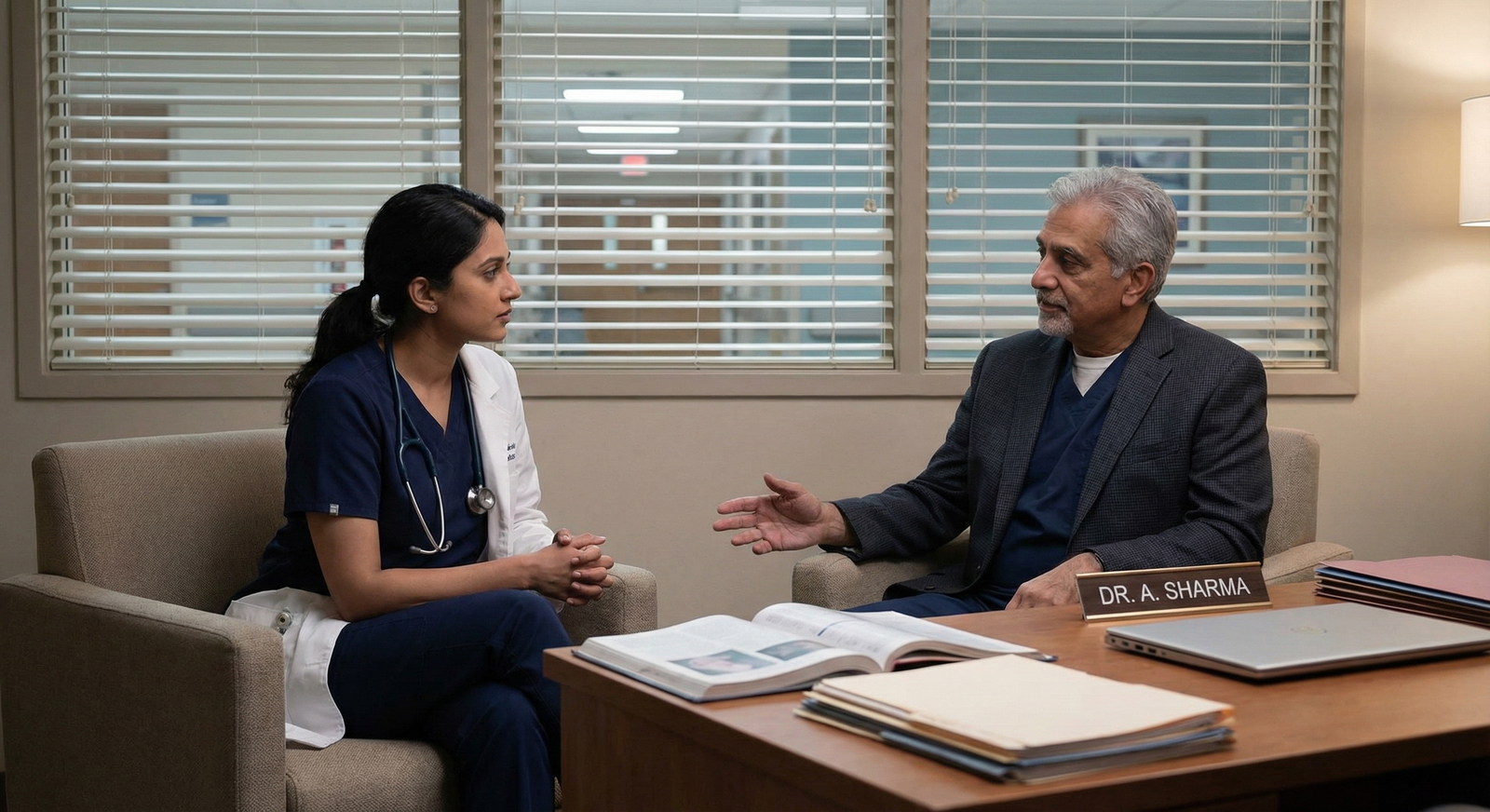
1. Understanding Mentorship in Medicine
A mentor is someone more experienced who:
- Provides honest guidance and feedback
- Helps you interpret advice and conflicting information
- Supports your career decision-making
- Reviews your CV, personal statement, and application strategy
- Prepares you for interviews and expectations of EM training
For IMGs, you ideally want a combination of mentors:
- An EM physician practicing in the US (understands the EM match and residency landscape)
- Someone familiar with IMG challenges (ideally an IMG in EM or someone who trains IMGs)
- Possibly a non-EM mentor (e.g., from internal medicine or research) who knows you well and can guide general career strategy
2. Sponsorship: The Next Level
A sponsor goes beyond advice. They:
- Advocate for you behind closed doors
- Contact PDs on your behalf
- Nominate you for positions, scholarships, or projects
- Introduce you to key people in EM
Sponsorship is often built after trust and performance—when a mentor has seen your work ethic and reliability over time. As an IMG, your goal is to perform so well that at least one or two mentors naturally evolve into sponsors.
3. How to Cultivate Mentorship Relationships
Practical habits:
- Start by asking for small, specific things: review your CV, give advice on research directions, or comment on your EM application strategy.
- Be prepared and efficient with their time: send documents in advance, include specific questions.
- Implement their advice and report back:
- “I followed your suggestion to contact the research coordinator at X. We’re now planning a small QI project. Thank you for that guidance.”
- Ask about their goals or projects and offer help when appropriate.
This turns the relationship from one-sided to collaborative.
4. Formal Mentorship Programs
Many EM societies and organizations have mentorship medicine initiatives, some specifically supporting IMGs or international members. Explore:
- ACEP international or IMG sections
- SAEM global EM interest groups
- Country-specific EM organizations with US partners
- Institutional mentorship programs at hospitals where you rotate or shadow
Actively applying to and participating in these programs expands your support system and provides structured contact with potential mentors and sponsors.
Turning Networking into EM Match Success: Strategy and Examples
Networking is only as useful as its impact on your EM residency application and career. Here’s how to integrate it into your EM match strategy.
1. Building an EM-Focused CV Through Networking
Through clinical and conference networking, aim to secure:
- EM research or QI projects (ED crowding, ultrasound workflow, sepsis pathways)
- Poster or abstract presentations at EM conferences
- Teaching opportunities (case presentations at EM grand rounds, simulation teaching assistant roles)
- Involvement in EM interest or specialty groups (ultrasound, toxicology, critical care)
Each of these becomes both a CV entry and a talking point in interviews, often tied to specific mentors or sponsors who can advocate for you.
2. Identifying IMG-Friendly EM Programs
Medical networking gives you inside information you won’t find on a website:
- How many IMGs the program has historically accepted
- What characteristics they value in IMG applicants (US clinical experience, research, Step scores, visas)
- Whether they support J-1 or H-1B visas
- Culture, workload, and fit for your long-term goals
Ask residents and faculty:
- “What has helped IMGs succeed in your program?”
- “Are there things IMG applicants often misunderstand about your program?”
- “How does your program support visa issues or cultural transition?”
This helps you build a targeted list of programs where your efforts are most likely to result in interviews and ranking.
3. Leveraging Relationships During Application Season
As ERAS season approaches:
- Share your final CV and personal statement with key mentors; ask for honest feedback.
- Inform mentors and sponsors of your final program list, especially where you have true strong interest.
- When appropriate and ethically acceptable, mentors may:
- Email PDs to informally recommend you
- Invite you to give a short talk or presentation that highlights your strengths
- Provide strong, personalized letters that reference your networking contributions (research, teaching, QI)
Never email PDs or faculty demanding or expecting special treatment. Instead:
- Share updates and express sincere interest
- Ask whether there are opportunities to demonstrate your commitment (virtual sessions, second-look events, etc.)
4. Example Networking Pathway: IMG to EM Resident
A sample realistic pathway:
- IMG in home country joins MedTwitter and follows EM educators; engages constructively.
- They email a US EM faculty member whose ultrasound work they admire, asking for career advice.
- That faculty invites them to a virtual EM ultrasound journal club and suggests possible remote research.
- The IMG co-authors a small retrospective ultrasound study with that group.
- At SAEM, the IMG presents the abstract and meets the faculty and residents in person.
- A resident introduces the IMG to their PD, mentioning their work ethic on the project.
- The PD recognizes the IMG’s name when reviewing ERAS and invites them to interview.
- The faculty sponsor emails the PD separately, saying, “I’ve worked with this applicant for a year; they are excellent and reliable.”
This is networking in medicine done right—layered, authentic, and built over time.
Common Mistakes IMGs Make in Networking—and How to Avoid Them
Being Too Transactional
Asking for letters, observerships, or guaranteed interviews in the first interaction.
→ Instead: ask for advice, feedback, or small ways to get involved.Radio Silence After Opportunities
Completing an observership, project, or meeting and never reaching out again.
→ Instead: send follow-up thanks, periodic updates, and brief check-ins.Over-Messaging or Being Demanding
Multiple long emails or messages if there’s no reply within a day.
→ Instead: wait 7–10 days, send one polite follow-up, then move on.Lack of Professional Boundaries Online
Engaging in arguments, sharing patient details, or posting unprofessional content.
→ Instead: treat all public platforms as extensions of your CV.Not Being Honest About Your Situation
Hiding visa needs or gaps in training.
→ Instead: be transparent early, so mentors and sponsors know how to help effectively.
FAQs: Networking in Medicine for IMGs in Emergency Medicine
1. I’m an IMG still outside the US. Is networking even possible or useful for me?
Yes. Even if you are not physically in the US, you can:
- Join EM-related online communities, webinars, and journal clubs
- Connect with EM physicians via email or social media
- Get involved in remote research, case reports, or reviews
- Attend virtual EM conferences or poster sessions
- Build relationships over 6–18 months that later support observerships, away rotations, or letters
Many successful EM IMGs began their networking while still abroad.
2. How early should I start networking for an emergency medicine residency?
Ideally 12–24 months before your planned EM match cycle. This gives you time to:
- Identify mentors and potential sponsors
- Engage in at least one or two EM projects or presentations
- Attend at least one EM-focused conference (virtual or in-person)
- Build a visible and credible professional presence
Starting late is still better than not starting at all, but earlier networking creates more genuine, sustained relationships.
3. How do I talk about my IMG status when networking?
Be open and matter-of-fact:
- State where you trained and that you are an international medical graduate.
- Briefly highlight strengths from your background (e.g., work in high-volume EDs, exposure to diverse pathologies, language skills).
- Be honest about your visa needs if they arise in conversation.
Most EM physicians respect resilience and initiative; framing your IMG status as part of your unique path makes it an asset, not just a barrier.
4. What’s the single most important networking action I can take as an IMG interested in EM?
There is no single magic step, but if forced to choose:
Secure and cultivate at least one strong EM mentor in the US who knows you well, believes in you, and is willing to guide you consistently. Many other opportunities—research, introductions, targeted EM match strategy—flow from that central relationship.
Networking in medicine for an international medical graduate in emergency medicine is a continuous, relationship-based process—not a one-time event. By combining clinical exposure, conference networking, digital engagement, and strong mentorship, you can systematically transform your IMG status from a challenge into a story of resilience, initiative, and demonstrated commitment to emergency care.