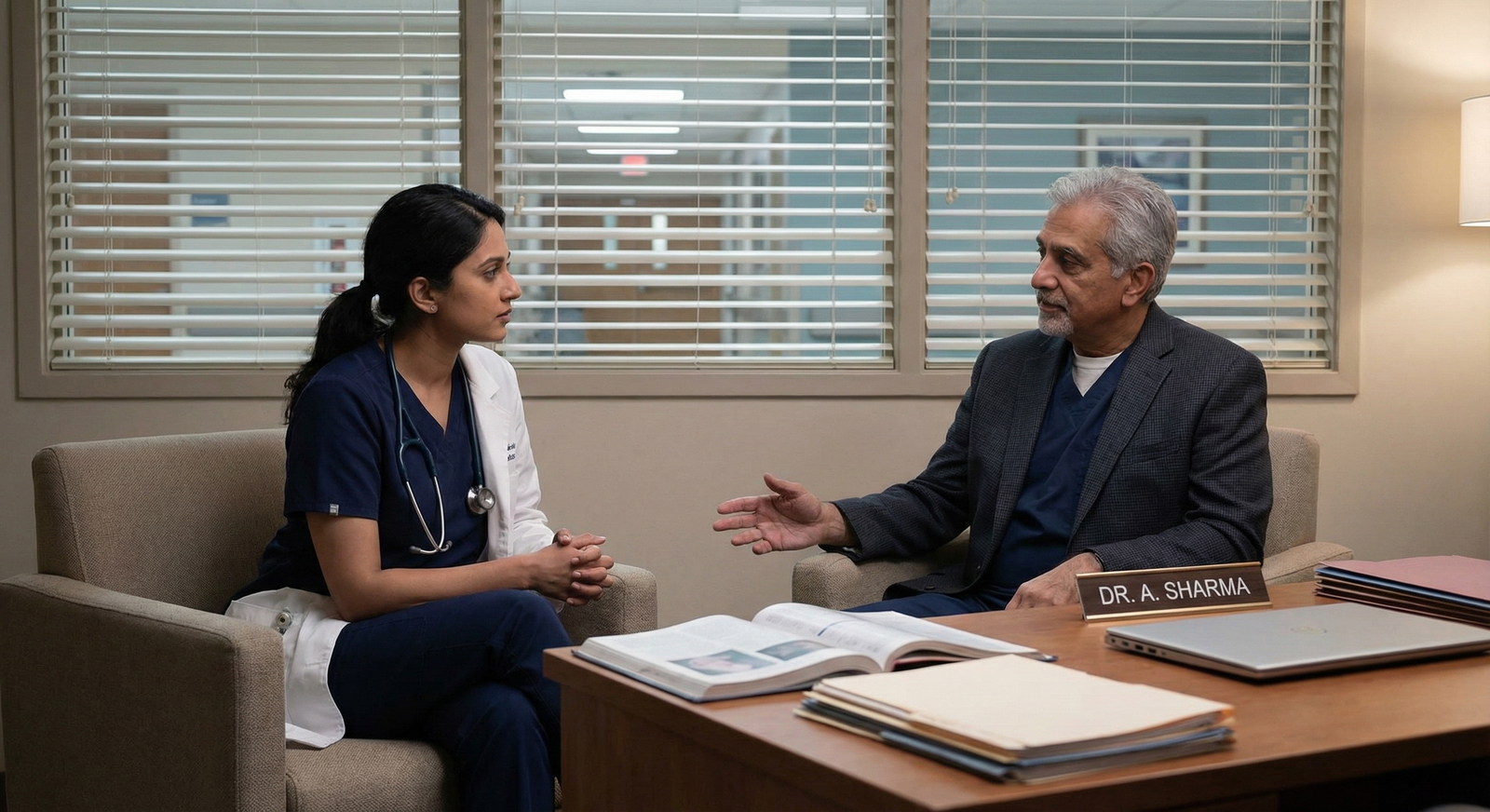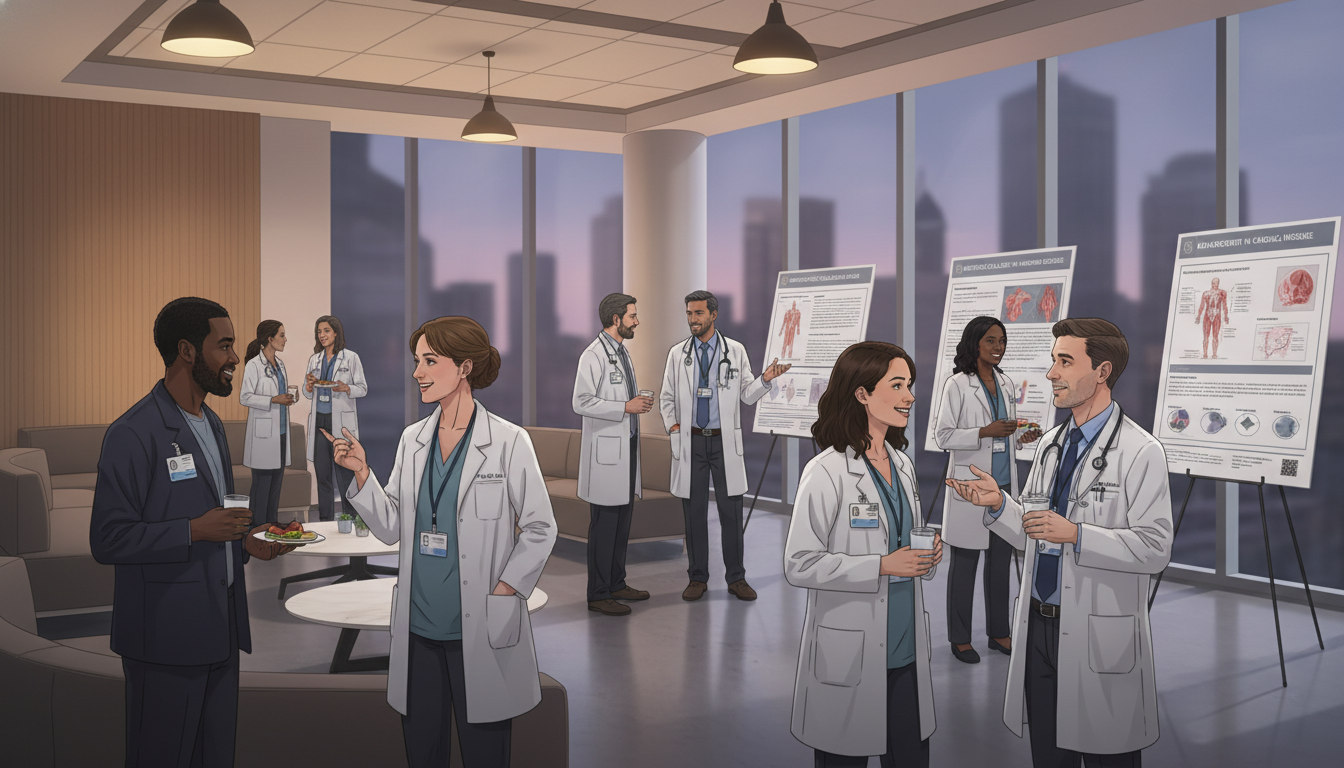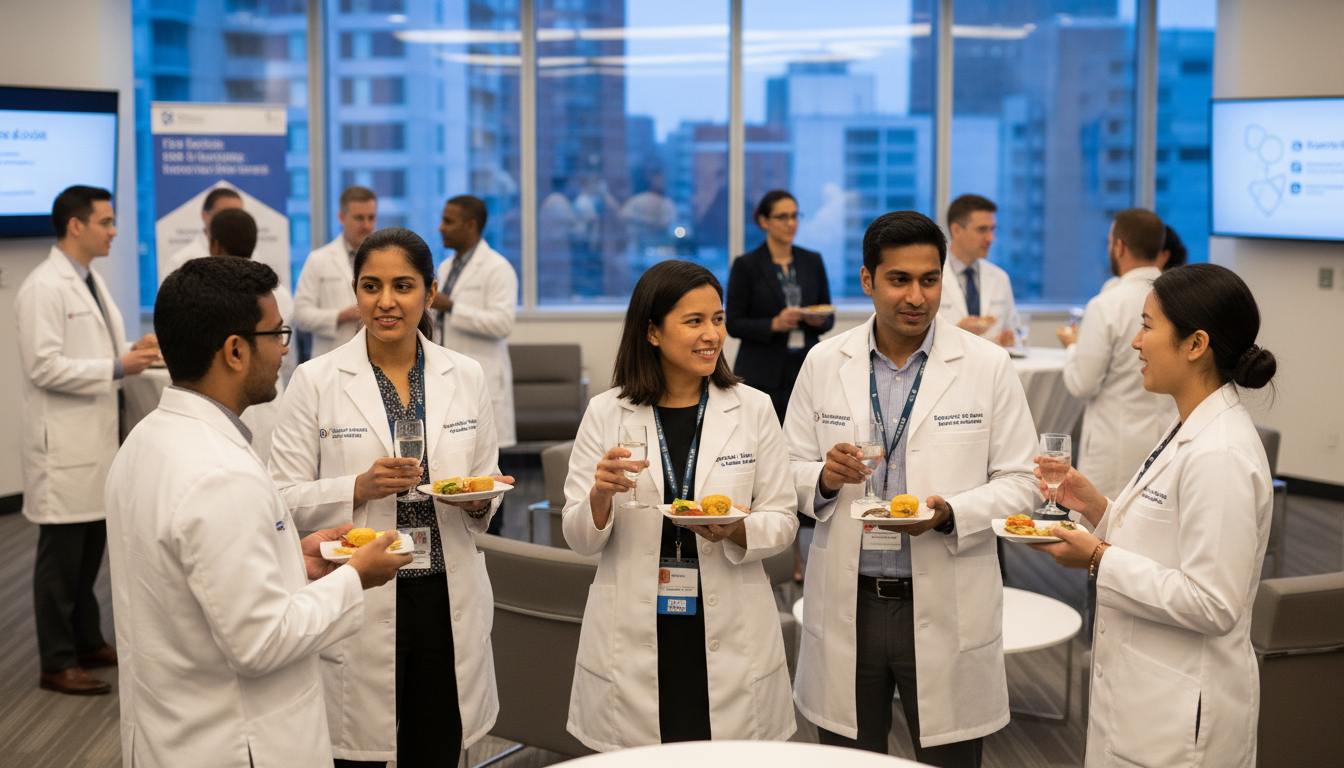
Why Networking Matters So Much for IMGs in Medical Genetics
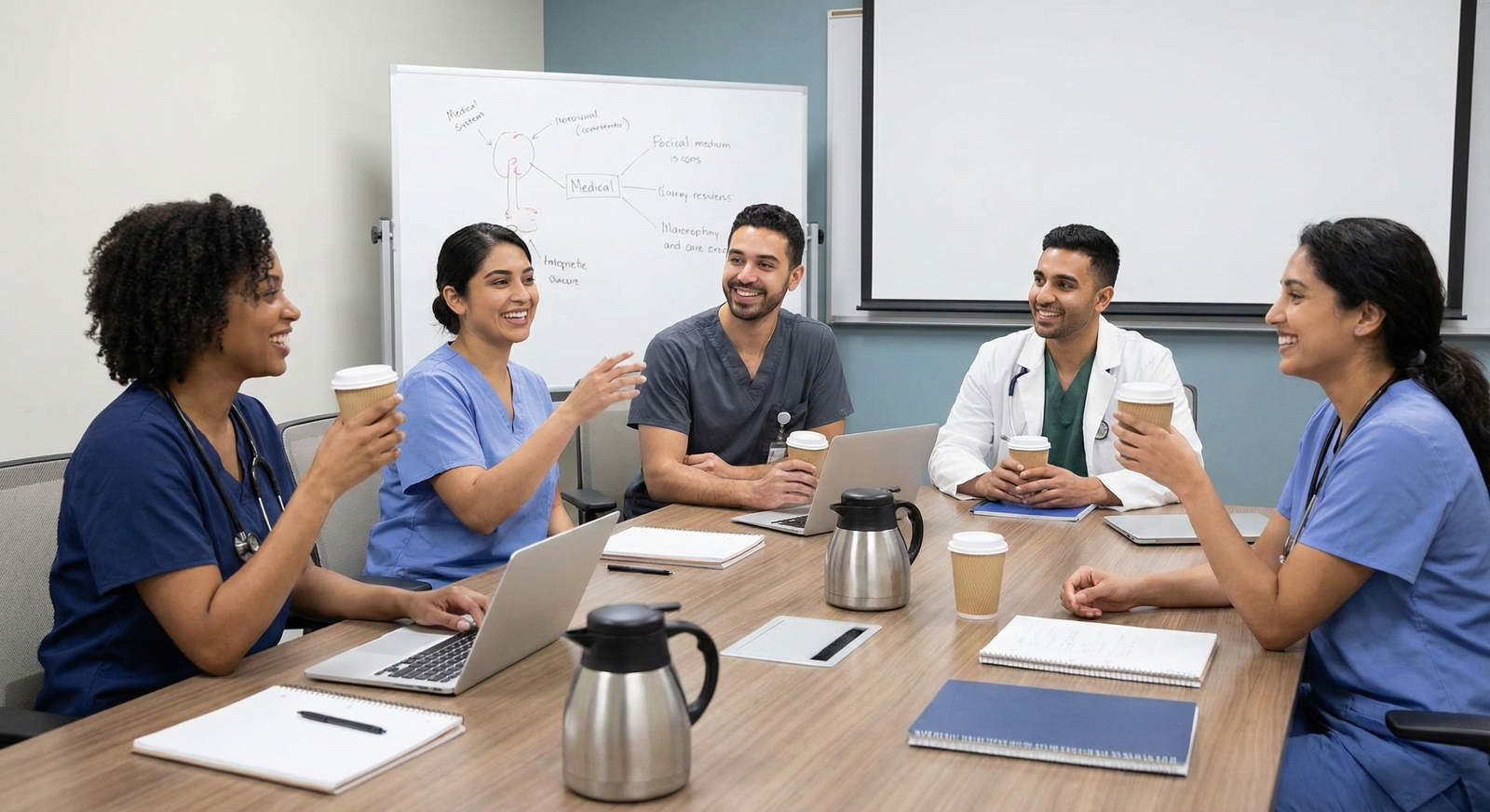
Medical genetics is a small, highly specialized field. That reality makes networking in medicine not just helpful, but essential—especially for an international medical graduate (IMG) aiming to enter a U.S. medical genetics residency.
Unlike larger specialties with dozens of programs and hundreds of positions, medical genetics residency offers fewer spots and a relatively small professional community. Program directors, attendings, and fellows often know each other personally, and your name can circulate quickly—positively or negatively.
For an IMG, networking can:
- Turn you from “just another ERAS application” into a recognizable, trusted candidate
- Help you navigate the genetics match by understanding which programs are more IMG-friendly or open to nontraditional paths
- Connect you with mentors who can advocate for you, guide your CV, and tailor your experiences
- Lead directly to observerships, research positions, and strong letters of recommendation
Think of your IMG residency guide not only as exam scores and publications, but also as a map of people: who knows you, who trusts you, and who is willing to support your trajectory in medical genetics.
Networking in medicine is not about being extroverted or “selling yourself.” It is about:
- Building genuine professional relationships
- Demonstrating reliability, curiosity, and integrity over time
- Showing that you understand and fit the culture and mission of medical genetics as a specialty
In the following sections, you’ll find a structured framework for building a powerful professional network as an IMG targeting medical genetics—covering conferences, online presence, mentorship in medicine, and everyday clinical interactions.
Understanding the Landscape: How Networking Works in Medical Genetics
Before you start emailing people or attending events, you need to understand how the medical genetics residency ecosystem is structured and where networking naturally happens.
Key Players in Medical Genetics
Program Directors & Associate Program Directors (PD/APD)
- Control residency selection and often know most applicants only through paper and brief interviews.
- Networking goal: Help them see you as more than an application—someone already engaged in the genetics community.
Clinical Geneticists & Biochemical Geneticists
- Attending physicians who teach and staff clinics, inpatient consults, and specialty services.
- Networking goal: Learn from them, contribute to their work, and earn LORs or sponsorship.
Genetic Counselors (GCs)
- Key team members in many genetics programs; often deeply involved in patient communication and care coordination.
- Networking goal: Understand team dynamics and demonstrate you are a good collaborator in multidisciplinary care.
Laboratory Geneticists & Molecular Pathologists
- Work in molecular, cytogenetic, and biochemical genetics labs.
- Networking goal: Gain exposure to test interpretation and potentially join research projects.
Fellows and Residents (especially combined programs: Pediatrics/Genetics, IM/Genetics)
- Closest to the trainee experience you want.
- Networking goal: Learn the real culture and expectations of programs, and get advice on the genetics match process as an IMG.
Researchers in Genomics & Rare Diseases
- In universities, hospitals, or even industry; often welcome motivated collaborators.
- Networking goal: Find research mentors to strengthen your CV and establish your credibility.
Understanding who these people are and how they interact helps you target your networking efforts intelligently.
Where Networking Naturally Happens in Medical Genetics
- Conferences and specialty meetings
- Academic clinics and inpatient rotations
- Research labs and journal clubs
- Online platforms (LinkedIn, X/Twitter, institutional websites, virtual events)
- Informal spaces: emails, follow-up messages, case discussions
Your goal is to position yourself where these interactions occur, then consistently show up as an engaged, reliable future colleague.

Building a Strong Foundation: Personal Brand and Professional Story
Effective medical networking begins before you attend a single conference. You need a clear professional identity—a story that explains who you are, what you want, and why you belong in medical genetics.
Step 1: Define Your “Why Genetics?” Story
Every international medical graduate in medical genetics should be able to answer these questions concisely:
- Why did you choose medical genetics instead of a larger, more common specialty?
- What personal, academic, or clinical experiences exposed you to genetics?
- How does your background (country, language, prior training) add unique value to the field?
Example 60–90 second story:
“I completed medical school in India, where I frequently saw children with undiagnosed neurodevelopmental disorders. We had limited access to genetic testing, and families often left with no clear diagnosis or plan. During a pediatrics rotation, I shadowed a visiting geneticist who showed me how a single genetic test could not only clarify a diagnosis but connect families to support groups and clinical trials. That experience led me to pursue observerships in clinical genetics in the U.S. and join a research project on exome sequencing in consanguineous families. I want to train in medical genetics to bridge that gap—especially for underserved populations and communities like the one I came from.”
Refine and practice your story so it sounds natural and sincere, not memorized. This narrative will be used in conversations, emails, interviews, and conference introductions.
Step 2: Create a Cohesive Professional Profile
Your digital and paper footprint should tell the same story:
- CV: Highlight experiences related to genetics (case reports, lab work, rare disease clinics, bioinformatics, newborn screening, etc.).
- Personal statement (early draft): Align with your networking efforts; you might mention mentors, projects, or conferences that show you’re already part of the community.
- Online presence:
- Update your LinkedIn headline to reflect your goal (e.g., “International Medical Graduate aspiring Clinical Geneticist | Rare Disease & Genomics Enthusiast”).
- If you use X/Twitter or similar platforms professionally, follow genetics societies and leaders in the field, and occasionally share educational or research-related posts.
This consistency helps others understand you quickly and remember you among many trainees.
Step 3: Prepare Your “Networking Tools”
Have these elements ready before major networking events:
- A short, clear elevator pitch (who you are, what you’re doing now, and what you’re aiming for)
- A 1–2 sentence explanation of your current status as an IMG (e.g., USCE, Step exams, research position)
- A professional email signature including:
- Full name, degree(s)
- Current role (e.g., Research Fellow, Observership in Clinical Genetics)
- Institution
- Contact information & LinkedIn profile
This preparation prevents awkward introductions and allows you to focus on the conversation itself.
Conference and Society Networking: Turning Events into Opportunities
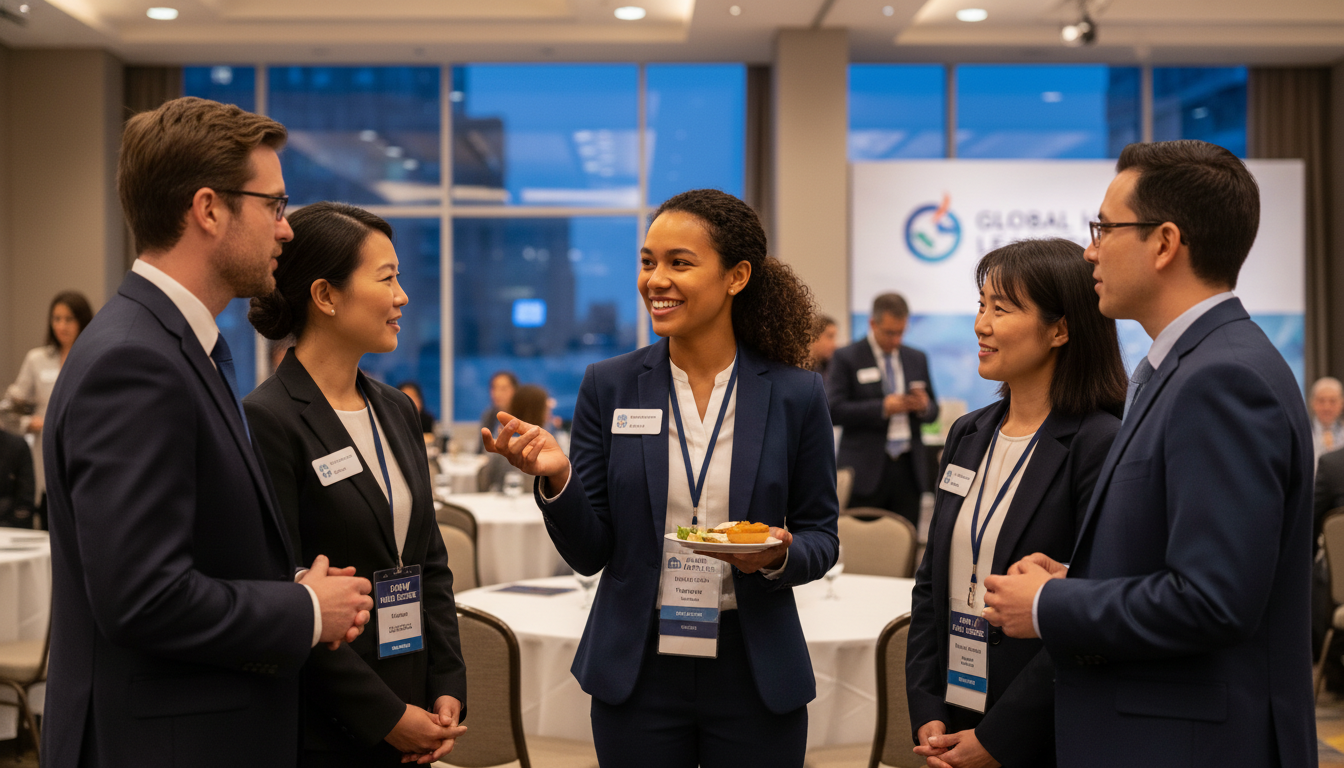
For a small specialty like medical genetics, conferences are one of the most powerful tools in your IMG residency guide for building connections.
Key Societies and Meetings in Medical Genetics
Consider targeting:
- American College of Medical Genetics and Genomics (ACMG) – Annual Meeting
- American Society of Human Genetics (ASHG)
- Regional genetics consortium meetings (e.g., local ACMG regional groups)
- Disease-specific meetings (rare disease alliances, mitochondrial disease, metabolic conferences, etc.)
These meetings gather program directors, fellows, researchers, genetic counselors, and lab specialists—exactly the people you want to meet for conference networking.
Before the Conference: Strategic Preparation
Review the attendee list and program (if available)
- Identify:
- Program directors of genetics residencies
- Institutions where you’d like to match
- Speakers who work on topics aligned with your interests (e.g., genomic diagnostics, inborn errors of metabolism, cancer genetics)
- Identify:
Reach out in advance (selectively)
A brief, focused email can set up a short meeting or at least place your name on someone’s radar.Example email:
Subject: IMG interested in Medical Genetics – Hoping to briefly meet at ACMG
Dear Dr. [Last Name],
My name is [Your Name], an international medical graduate from [Country] currently [doing X: research in genomics at Y institution / completing an observership in clinical genetics]. I’m very interested in pursuing a medical genetics residency and have been following your work on [specific topic or paper].
I will be attending [Conference Name] this year and wondered if you might have 10–15 minutes during a break or poster session to briefly discuss your program and any advice for an IMG interested in this path.
Thank you for considering this, and I understand if your schedule is full.
Sincerely,
[Full Name, Credentials]
[Current Role, Institution]
[Email | LinkedIn]Not everyone will reply. Even a few responses can lead to high-value conversations.
Prepare talking points and questions
Avoid generic questions like “Tell me about your program.” Instead, try:- “How does your program integrate lab exposure and clinical work?”
- “What characteristics do you value most in applicants to your medical genetics residency?”
- “How do IMGs typically build successful paths into your program?”
During the Conference: How to Network Effectively
Attend relevant sessions and be visible
- Sit near the front when possible.
- Ask 1–2 thoughtful questions during Q&A (if appropriate and you’re comfortable).
- Introduce yourself briefly afterward: “Thank you for your talk. I’m an IMG interested in medical genetics; your work on [X] was especially helpful.”
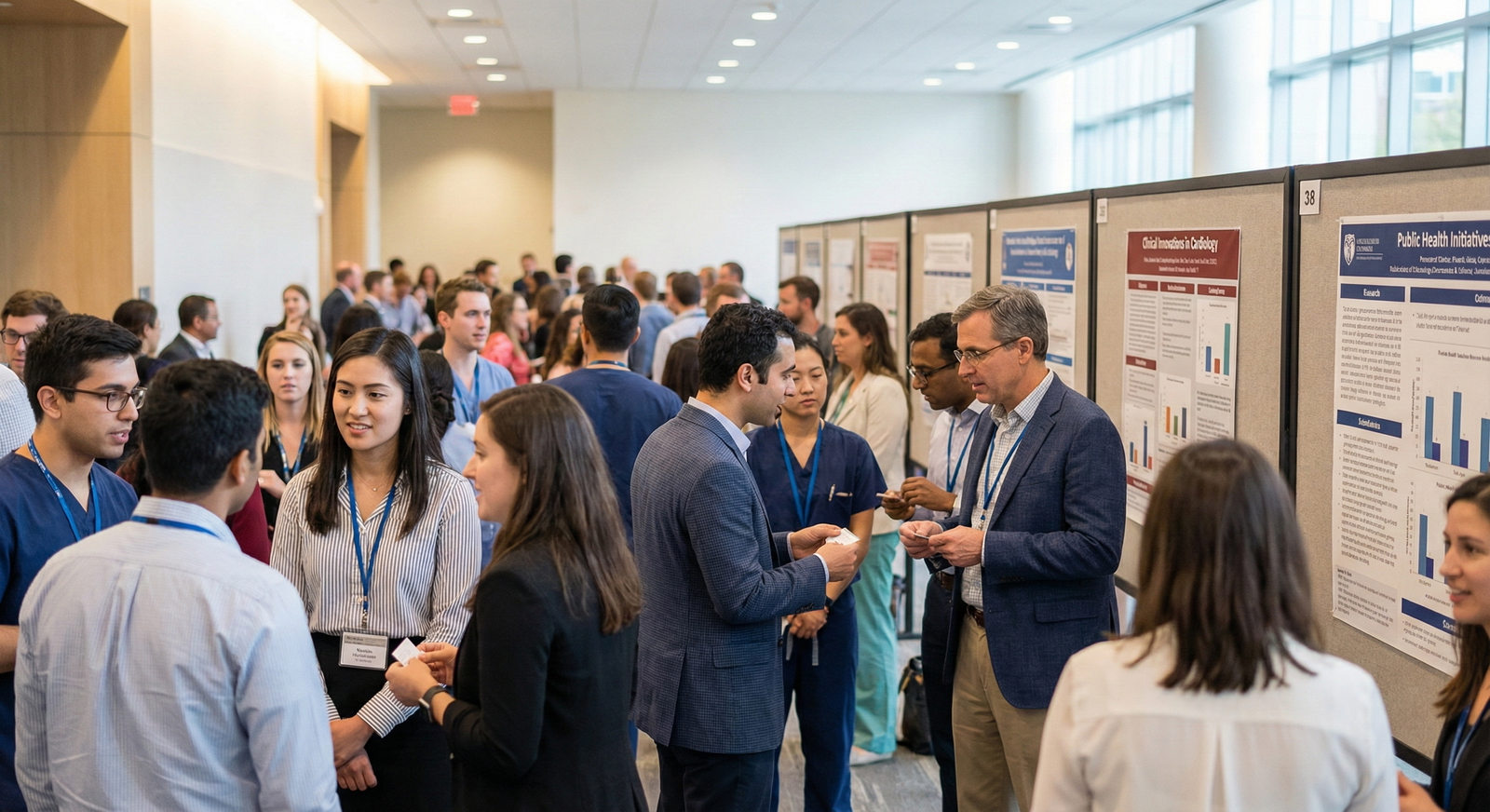
Use poster sessions as low-pressure networking spaces
- Talk to presenters whose topics interest you or whose institutions have programs you’re targeting.
- Introduce yourself: name, background, interest in genetics.
- Ask about their research journey and whether trainees or IMGs are involved in similar projects at their institution.
Participate in trainee and IMG-focused events
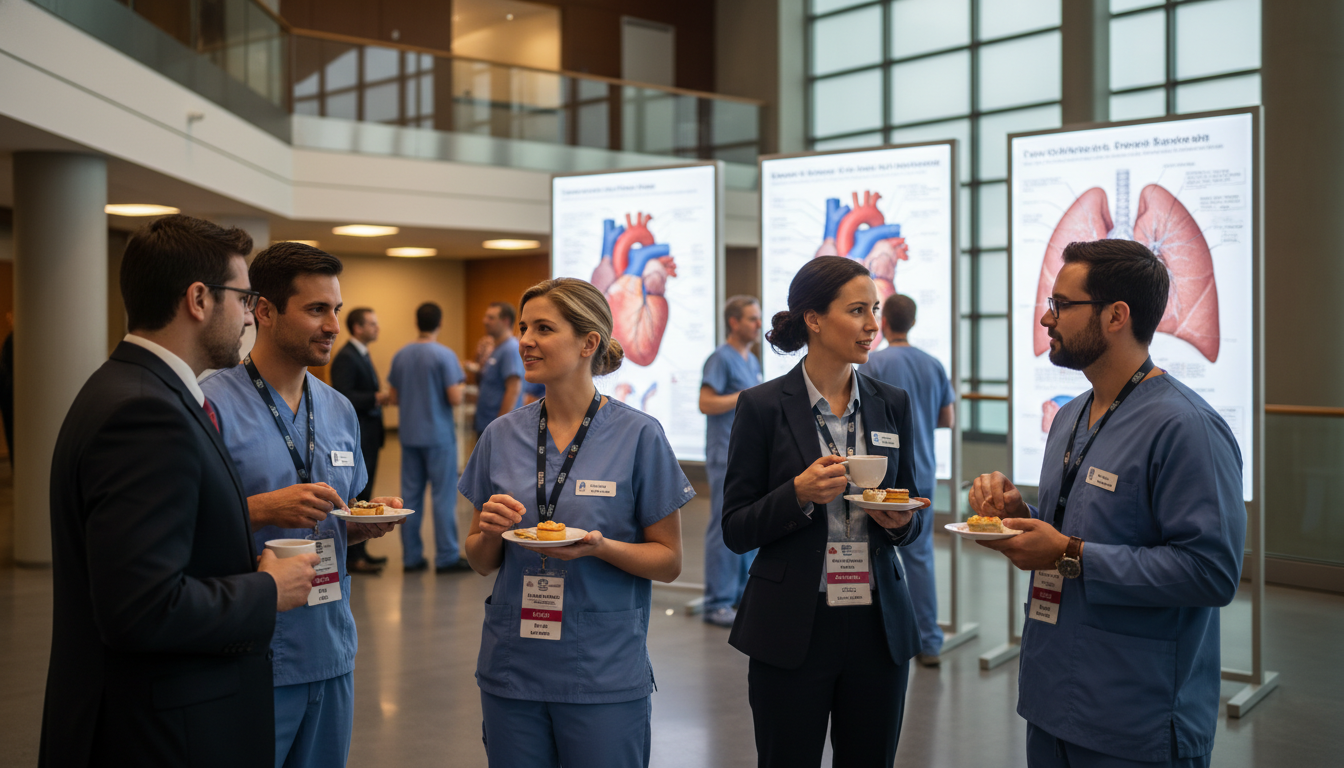
Many societies have sessions or receptions for students, residents, or early-career professionals. These can be ideal places to meet fellows or residents in genetics who recently navigated the genetics match.Take brief notes immediately after conversations
On your phone or a small notepad, note:- Name, role, institution
- Topic discussed
- Any suggestions they gave
- Whether it’s appropriate to follow up (and how)
After the Conference: Converting Contacts into Relationships
Within 3–7 days:
- Send concise thank-you emails. Mention 1–2 specific points from your discussion.
- Connect on LinkedIn with a personalized note.
- If invited, send your CV or follow up on specific opportunities (e.g., research, observerships).
Example follow-up:
Dear Dr. [Last Name],
It was a pleasure meeting you at [Conference] during the [session/reception]. I appreciated your insights on [topic discussed], especially your comments on how IMGs can strengthen their applications for medical genetics residency.
As we discussed, I’m attaching my CV. I would be grateful if you could keep me in mind for any future opportunities to gain more exposure in clinical or research genetics at [Institution], or for any additional advice you may have as I prepare for the genetics match.
Thank you again for your time and guidance.
Sincerely,
[Name]
Over time, briefly update key contacts about important milestones (e.g., Step scores, research acceptances, new roles), without overwhelming them.
Everyday Networking: Clinics, Research, and Online Presence
Not every IMG can attend major U.S. conferences immediately, but networking in medicine happens daily in smaller, often more meaningful interactions.
Clinical Settings: Observerships, Externships, and Rotations
If you secure US clinical experience (USCE) in genetics or related fields (pediatrics, internal medicine, oncology, high-risk OB):
Show reliability first
- Arrive early, be prepared, and follow through on assigned tasks.
- Read about patients before clinic; be ready with succinct case summaries or good questions.
Ask for learning, then for opportunities
Progression of conversation:- Week 1: Ask for reading recommendations and feedback.
- Week 2–3: Ask if there are small tasks you can help with (data collection, literature search, patient education materials).
- Later: Ask if they foresee any research, case reports, or QI projects you might join.
Signal your interest in medical genetics clearly
Attendings are more likely to help if they see dedication:- Mention you are targeting medical genetics residency.
- Link your questions to genetics aspects of cases (e.g., “How does this variant inform prognosis?” “Would you recommend exome sequencing here?”).
Earn letters of recommendation naturally
If, after several weeks, you’ve worked closely with an attending:- Ask: “Do you feel you know my work well enough to write a strong letter of recommendation for me as I apply to medical genetics or combined programs?”
- Accept their honest answer; if hesitant, it’s better to seek another writer.
Research and Academic Work
Research is particularly valued in genetics due to the rapidly evolving genomic landscape.
Identify research opportunities strategically
- Email investigators working on genetics or genomics at local institutions.
- Use conference abstracts, PubMed, or institutional websites to find names.
- Offer to help with data collection, chart review, literature reviews, or manuscript editing.
Be a high-value collaborator
- Communicate clearly and reliably.
- Meet deadlines.
- Ask to be involved in interpretation and discussion, not just data “grunt work.”
Turn collaborations into ongoing mentorship
- Schedule periodic check-ins.
- Share your residency goals.
- Ask for feedback on your trajectory and application strategy.
Online Networking: Making the Digital World Work for You
LinkedIn for medical networking
- Follow genetics programs, societies, and leaders.
- Engage with posts by commenting thoughtfully (ask a question, share a brief reflection).
- Post occasionally about:
- Cases (de-identified and educational)
- Research you’re reading
- Reflections from conferences or courses
This builds a visible footprint that supports your interest in genetics.
Professional use of X/Twitter or similar platforms
- Follow official accounts of ACMG, ASHG, NIH, major genetics journals.
- Many geneticists discuss new guidelines, papers, and ethical issues—engage professionally.
- Avoid controversial or unprofessional posts; everything can be searched by programs.
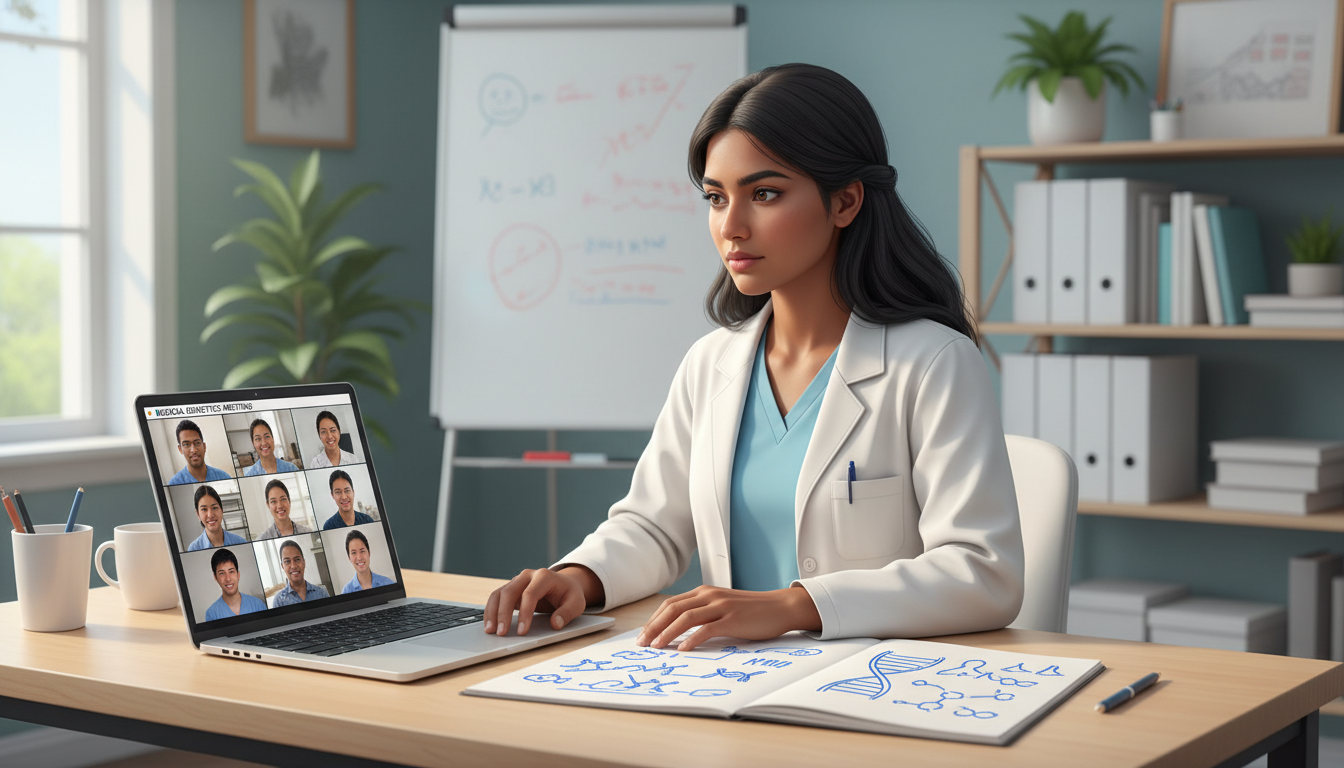
Virtual events and webinars
- Many genetics societies and institutions offer free or low-cost webinars.
- Treat them like mini-conferences: introduce yourself in chats, follow speakers on LinkedIn, send brief follow-up messages.
Mentorship in Medicine: Finding and Working With Mentors as an IMG
Strong mentorship is often the difference between an IMG who struggles alone and one who navigates the genetics match effectively.
Types of Mentors You Need
Career Mentor in Medical Genetics
- A clinical geneticist or genetics-focused physician who understands the training pathway.
- Guides you on which programs are realistic, how to position your background, and what experiences matter most.
Research Mentor
- May be in genetics, genomics, molecular biology, or biostatistics.
- Helps you publish, present, and build academic credibility.
Process Mentor (IMG-specific)
- Someone (not necessarily in genetics) who understands the U.S. residency application process well.
- Helps with ERAS, interviews, and explaining any visa or training gaps.
Peer Mentor
- A current or recent resident/fellow in medical genetics, ideally also an IMG.
- Provides real-time advice and emotional support.
One person can fill more than one of these roles, but diversifying your mentorship network is ideal.
How to Approach Potential Mentors
Start with curiosity, not a request
Initial messages should ask for a short conversation or advice, not immediately for LORs or positions.Be specific yet flexible
“I am an IMG deeply interested in medical genetics, especially [specific area]. I would be grateful for 20–30 minutes of your time to ask about your path into genetics and what you think IMGs can do to prepare strong applications.”Respect boundaries and time
- Accept that not everyone will be available.
- Thank them regardless; maintain professionalism.
Maintaining Mentor Relationships
Send periodic updates (every 2–4 months) summarizing:
- What you’ve done (exams, courses, rotations, research).
- What you’re planning next.
- Any targeted questions you have.
Implement their advice and later show how it helped you; mentors are more invested when they see impact.
When you succeed—match, publish, present—share the news and express genuine gratitude. This keeps the relationship warm for future fellowship or career transitions.
Common Pitfalls and How to Avoid Them
IMGs often face similar challenges in networking in medicine. Awareness helps you avoid them.
Pitfall 1: Networking Only When You Need Something
If your first message to someone is “Can you write me a LOR?” or “Can you give me a position?”, you’re starting from a deficit.
Solution: Start early. Build relationships well before application season. Ask for guidance, not favors, initially.
Pitfall 2: Over-emailing or Being Overly Persistent
Following up is important; overwhelming someone with messages is counterproductive.
Solution:
- Limit follow-ups: 1–2 reminders spaced a couple of weeks apart are usually enough.
- If no answer, move on respectfully.
Pitfall 3: Being Vague About Your Goals
Saying “I’m interested in everything” makes it hard for people to help you.
Solution: Offer a focused narrative: “I am exploring careers in clinical genetics with a special interest in rare pediatric disorders and genomic diagnostics.”
Pitfall 4: Underestimating Cultural and Communication Differences
Communication styles vary across cultures, and what is considered assertive in one country might be seen as passive or aggressive in another.
Solution:
- Observe how residents and attendings communicate in your environment.
- Aim for concise, respectful, and direct language.
- Accept feedback humbly and adjust.
Pitfall 5: Ignoring Non-Physician Members of the Team
Genetic counselors, lab directors, and nurses can be excellent advocates and teachers.
Solution:
- Show respect and interest in their roles.
- Ask about their perspectives on cases and the future of genetics.
- Collaborate genuinely; teams notice who is easy to work with.
Putting It All Together: A 12-Month Networking Action Plan for IMGs Targeting Medical Genetics
Use this as a flexible template and adapt to your situation.
Months 1–3
- Clarify your “Why medical genetics?” story.
- Update your CV and LinkedIn profile.
- Start following genetics societies, programs, and leaders online.
- Identify 5–10 potential mentors; send initial outreach emails.
Months 4–6
- Secure or continue USCE, observerships, or relevant rotations (peds, IM, oncology, OB).
- Ask supervisors for small projects (case reports, QI).
- Attend at least 1–2 virtual genetics webinars; connect with speakers.
Months 7–9
- If possible, attend a major conference (ACMG/ASHG) or a regional genetics meeting.
- Present research or a poster if available; poster presenters are more visible.
- Strengthen relationships with mentors through regular updates.
- Begin drafting your personal statement with clear alignment to medical genetics.
Months 10–12 (Pre-Match Period)
- Finalize LORs from geneticists or closely related specialists.
- Stay engaged in genetics-related research or learning.
- Practice interviews with mentors or peers, focusing on your path as an international medical graduate and your understanding of the specialty.
- Continue light-touch networking (short updates, thank-you notes, sharing news of submitted or accepted abstracts/papers).
Over time, consistent, respectful engagement will make you a known and trusted member of the small but welcoming medical genetics community.
FAQs: Networking in Medicine for IMGs in Medical Genetics
1. I don’t have access to a genetics department in my current country. How can I still network and prepare for medical genetics residency?
Use virtual tools aggressively: attend online webinars from ACMG/ASHG, follow genetics groups on LinkedIn and X/Twitter, complete free or low-cost online genetics courses, and email researchers whose work you admire to ask about remote collaboration (e.g., data analysis, literature reviews). Emphasize any exposure you do have—pediatrics, internal medicine, oncology, prenatal care—and connect those experiences to genetics.
2. As an IMG, is it realistic to match directly into a standalone medical genetics residency without prior U.S. training?
Some programs accept IMGs directly, but many prefer or require prior training (e.g., pediatrics, internal medicine, OB-GYN). Networking helps you identify which programs are open to direct-entry IMGs and what they expect. Strong mentorship, U.S. clinical exposure, and research in genetics greatly increase your chances. Even if you don’t match directly, connections in genetics can help you plan a combined or sequential training path.
3. How important is research for networking and matching into medical genetics?
Research is very valuable but not mandatory in every case. In a rapidly evolving field like genetics, research demonstrates curiosity, persistence, and familiarity with genomic science. Networking often leads to research opportunities, and research in turn deepens your network through co-authors, supervisors, and conference presentations. Even small contributions—case reports, retrospective reviews, quality improvement in a genetics clinic—can help when presented and leveraged properly.
4. I’m shy and not naturally outgoing. Can I still be effective at conference networking?
Yes. Networking is not about being loud; it’s about being prepared, genuine, and respectful. Set small goals: speak with 2–3 people per day, ask one question per session, or introduce yourself to a speaker whose work you genuinely appreciate. Prepared introductions and questions can reduce anxiety. Over time, these small steps compound into a strong, supportive network in medical genetics.
Networking in medicine, especially for an international medical graduate, is a long-term investment—one that can transform your journey into medical genetics residency from uncertain and isolated to guided and supported. With deliberate planning, authentic engagement, and sustained effort, you can build the relationships that will carry you into and through the genetics match and beyond.